

How to stop cheating on your diet and cure binge eating once for all.
A (not so small) thread.
A (not so small) thread.

What drives unhealthy cravings?
That’s the million dollar question.
Why do some people seem to be able to stick to a diet and some others don’t?
Why millions of people are unable to stick to the simplest diet and somehow coaches and nutritionist blame this only on willpower?
That’s the million dollar question.
Why do some people seem to be able to stick to a diet and some others don’t?
Why millions of people are unable to stick to the simplest diet and somehow coaches and nutritionist blame this only on willpower?
Craving food is obviously something completely normal.
Not only that, but a healthy body’s cravings, signal to the individual the micronutrient needs that he or she has at a specific time.
For example, a lot of people tend to crave foods that are high in vitamin C when they
Not only that, but a healthy body’s cravings, signal to the individual the micronutrient needs that he or she has at a specific time.
For example, a lot of people tend to crave foods that are high in vitamin C when they
spend a lot of time under the sun and this is no wonder if you understand how the sun and antioxidant reserves of the body work.
So, cravings have a protective role as well and they are NOT bad by default.
The problem begins when cravings get very out of control which signals
So, cravings have a protective role as well and they are NOT bad by default.
The problem begins when cravings get very out of control which signals
suboptimal health.
Obviously, things such as binge eating are not only psychological.
This way of thinking is lazy.
Too many people used to have an eating disorder which they improved and solved by focusing on their biological health in order to discredit them.
Obviously, things such as binge eating are not only psychological.
This way of thinking is lazy.
Too many people used to have an eating disorder which they improved and solved by focusing on their biological health in order to discredit them.
So let's understand what drives cravings.
Well, that's mostly ghrelin, the famous "hunger hormone".
Ghrelin drives our appetite more than anything else by sending messages to our brain saying that it’s time to eat.
Ghrelin is produced in the stomach with smaller amounts
Well, that's mostly ghrelin, the famous "hunger hormone".
Ghrelin drives our appetite more than anything else by sending messages to our brain saying that it’s time to eat.
Ghrelin is produced in the stomach with smaller amounts
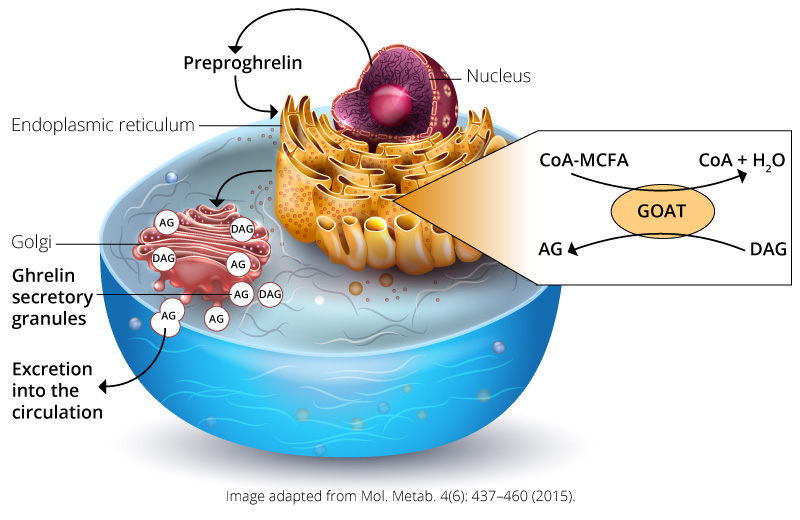
secreted by the brain, small intestine and pancreas.
Ghrelin also encourages and increases the release of growth hormone from the pituitary gland, which helps maintain our metabolism, breaks down body fat and build muscle tissue.
Ghrelin also encourages and increases the release of growth hormone from the pituitary gland, which helps maintain our metabolism, breaks down body fat and build muscle tissue.
In case that we are healthy, after eating a meal Ghrelin will decrease and the need to eat will stop.
Now, a lot of times in people who can't stick to a diet, ghrelin decreases only slightly after eating, which can lead the brain to think more food is needed and lead to
Now, a lot of times in people who can't stick to a diet, ghrelin decreases only slightly after eating, which can lead the brain to think more food is needed and lead to
overeating.
So what causes that?
1)Suboptimal glucose metabolism
2)Non optimal macronutrient balance
3)mproper sleep
4)Gut issues
5)Stress
6)Deficiencies
These are the 6 main causes that we will address in more detail now.
So what causes that?
1)Suboptimal glucose metabolism
2)Non optimal macronutrient balance
3)mproper sleep
4)Gut issues
5)Stress
6)Deficiencies
These are the 6 main causes that we will address in more detail now.
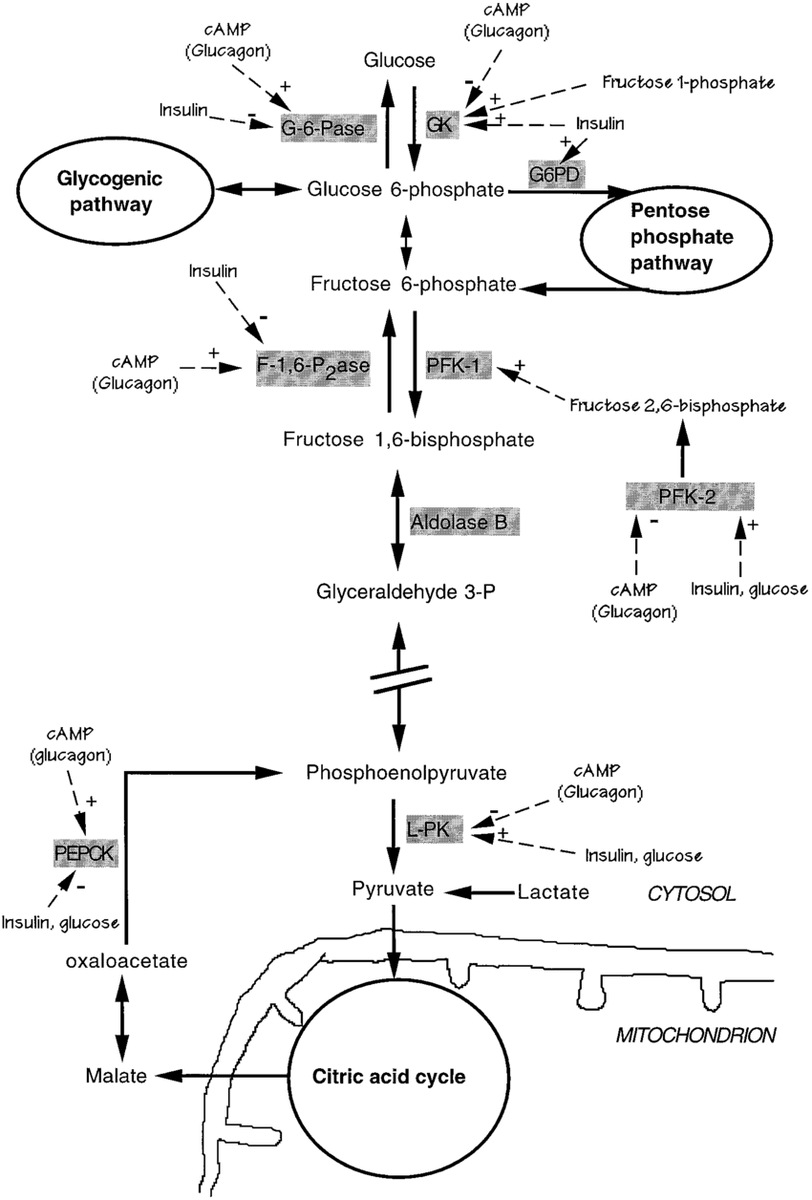
First we have suboptimal glucose metabolism.
Glucose is our main source of energy and comes from carbohydrates.
Now, the problem is not carbs.
We are obviously, not talking about things such as high fructose corn syrup, artificial sweeteners and so on.
These are not carbs.
Glucose is our main source of energy and comes from carbohydrates.
Now, the problem is not carbs.
We are obviously, not talking about things such as high fructose corn syrup, artificial sweeteners and so on.
These are not carbs.
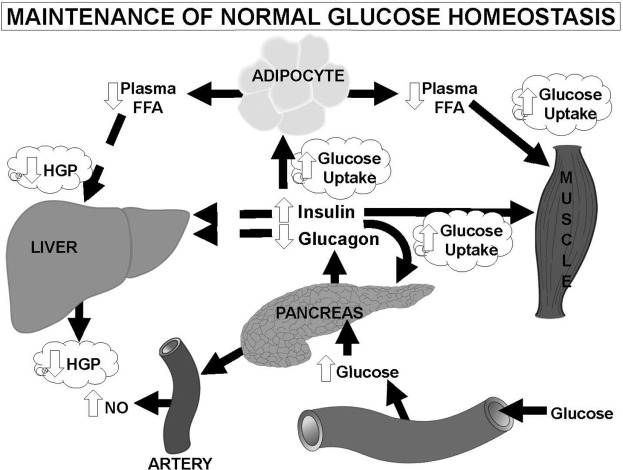
The problem is suboptimal glucose metabolism due to lack of sunlight, exercise, improper sleep and malnutrition.
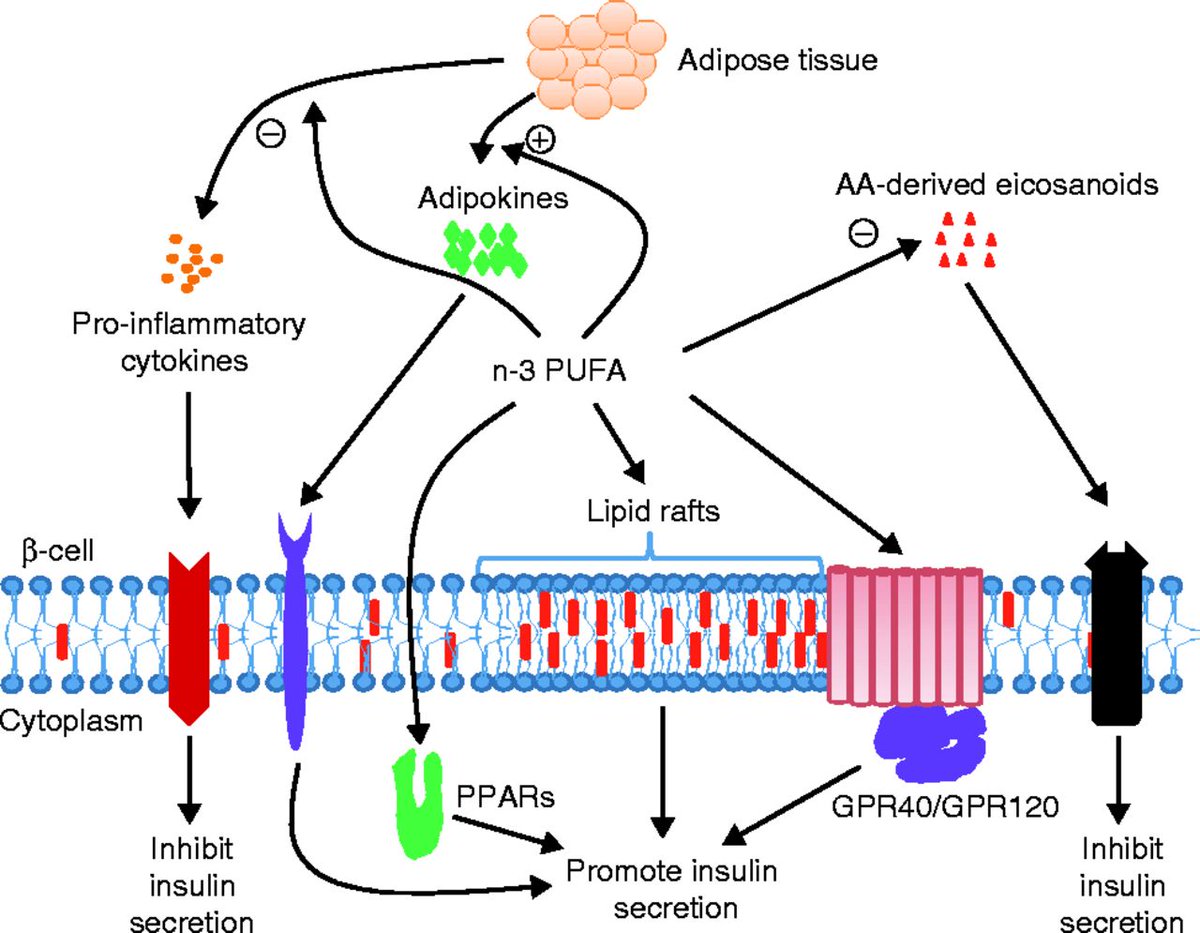
So, in order to optimize glucose metabolism after prioritizing sleep, cut out inferior fats such as canola oil and minimize PUFAs in order to keep the pancreas safe.
So, in order to optimize glucose metabolism after prioritizing sleep, cut out inferior fats such as canola oil and minimize PUFAs in order to keep the pancreas safe.
Then, make sure that you resistance train 3 times a week, get 10K steps in a day, get plenty of sunlight and address the nutrients that are most crucial for glucose metabolism.
These are:
1)Vitamin D
2)Vitamin K2
3)B1, B2 and B3
4)Magnesium
These are:
1)Vitamin D
2)Vitamin K2
3)B1, B2 and B3
4)Magnesium
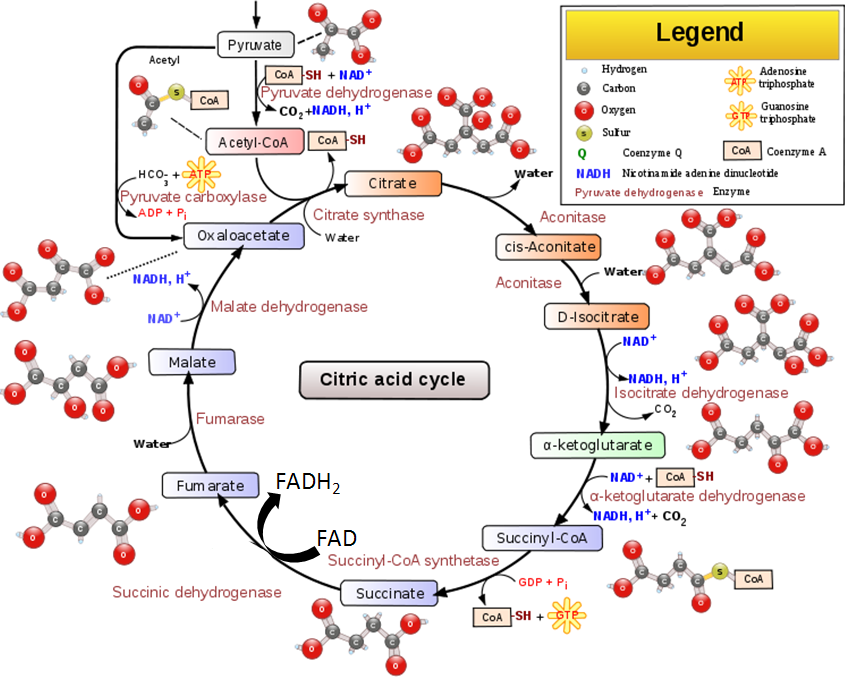
Then we have a non optimal macronutrient balance.
Listen, if we only needed on macronutrient or even 2, beastmilk, the only food that a human needs in order to grow, would not have all 3 macronutrients.
We need protein, carbs and fats.
Not one or two of them.
Listen, if we only needed on macronutrient or even 2, beastmilk, the only food that a human needs in order to grow, would not have all 3 macronutrients.
We need protein, carbs and fats.
Not one or two of them.
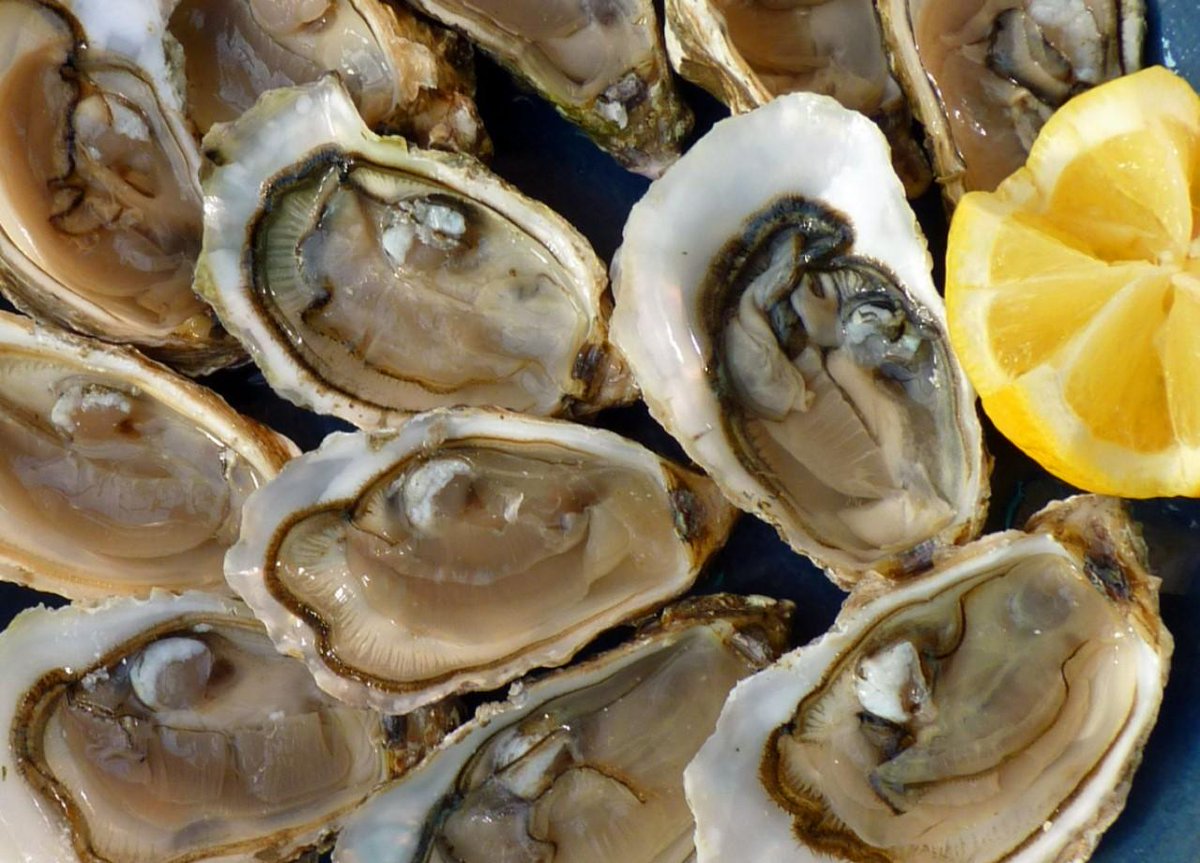

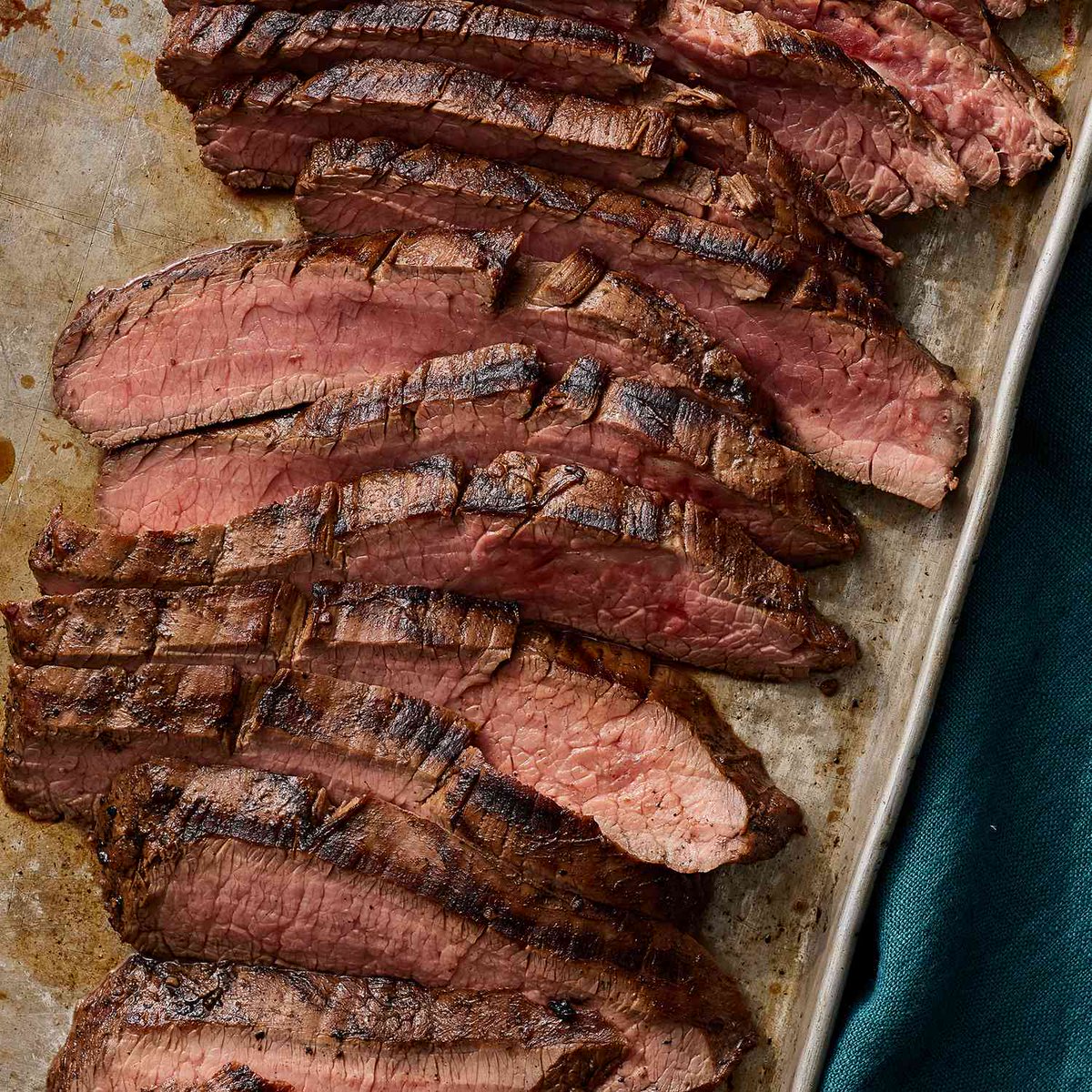
Protein induces prolonged ghrelin suppression, carbohydrates help with replenishing liver glycogen and fats are very satiating due to the time that they need in order to be digested.
So, make sure that you do not exclude any macronutrient completely from your diet.
So, make sure that you do not exclude any macronutrient completely from your diet.
Then we have improper sleep.
If you think that you are sleeping fine ask yourselves the following 3 questions:
1)Can i sleep every night for 8-9 hours straight with no problem?
2)Do i have dreamless sleep? (Yes, dreamless)
3)Do i wake up rejuvenated every morning?
If you think that you are sleeping fine ask yourselves the following 3 questions:
1)Can i sleep every night for 8-9 hours straight with no problem?
2)Do i have dreamless sleep? (Yes, dreamless)
3)Do i wake up rejuvenated every morning?
If the answer to any of this is no, then there’s room for improvement and these are good news because it means that you can massively improve your health completely for free.
Sleep deprivation will throw anyone's leptin & ghrelin levels out of whack and also overstimulate the
Sleep deprivation will throw anyone's leptin & ghrelin levels out of whack and also overstimulate the
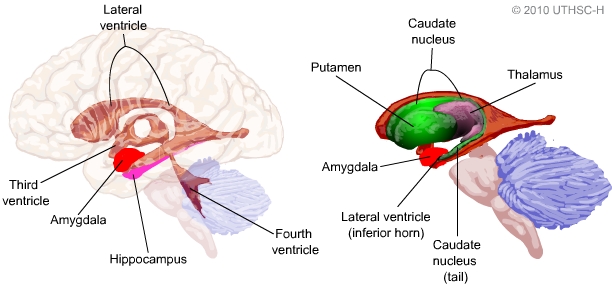
amygdala (the emotional center of the brain).
So here's what you can do in order to get quality sleep on a daily basis:
1) Wake up between 6 and 7 A.M if you can.
2) Do not look at any artificial light as soon as you wake up but instead expose yourself to natural light.
So here's what you can do in order to get quality sleep on a daily basis:
1) Wake up between 6 and 7 A.M if you can.
2) Do not look at any artificial light as soon as you wake up but instead expose yourself to natural light.
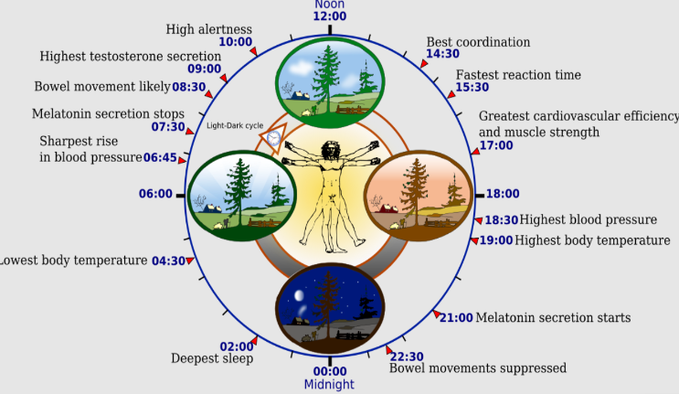
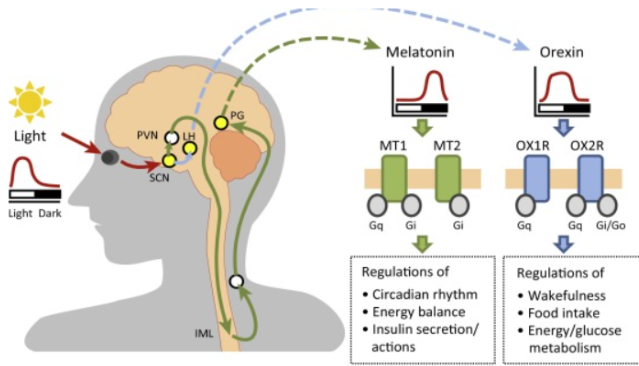
3)Eat something that includes animal protein, salt, fruit and some saturated fats.
Eating breakfast is crucial if you struggle with insomnia.
I can not tell you how many clients had severe insomnia simply because they skipped breakfast and had black coffee instead.
Eating breakfast is crucial if you struggle with insomnia.
I can not tell you how many clients had severe insomnia simply because they skipped breakfast and had black coffee instead.
4) Either eliminate or minimize your caffeine consumption to 1 cup before 11 A.M.
Is caffeine that bad for sleep? Yes it is.
Caffeine binds to adenosine receptors (adenosine creates a pressure to sleep) making it impossible for your sleep cycles to be optimal.
Is caffeine that bad for sleep? Yes it is.
Caffeine binds to adenosine receptors (adenosine creates a pressure to sleep) making it impossible for your sleep cycles to be optimal.

6) Workout as early in the day as you can.
7) Make time to expose your skin to the sun multiple times per day.
Sun will not cause skin cancer if your diet is clean and have enough antioxidants (vitamin C, E and enough glutathione/selenium mostly) in your system.
7) Make time to expose your skin to the sun multiple times per day.
Sun will not cause skin cancer if your diet is clean and have enough antioxidants (vitamin C, E and enough glutathione/selenium mostly) in your system.
8) Block the blue light on your devices and wear blue light blocking glasses.
9)Get done eating dinner 2-3 hours before bed, do not over do it with protein in the dinner and keep the carbs in unless you want to wake up at 3A.M and being unable to get back to sleep.
9)Get done eating dinner 2-3 hours before bed, do not over do it with protein in the dinner and keep the carbs in unless you want to wake up at 3A.M and being unable to get back to sleep.
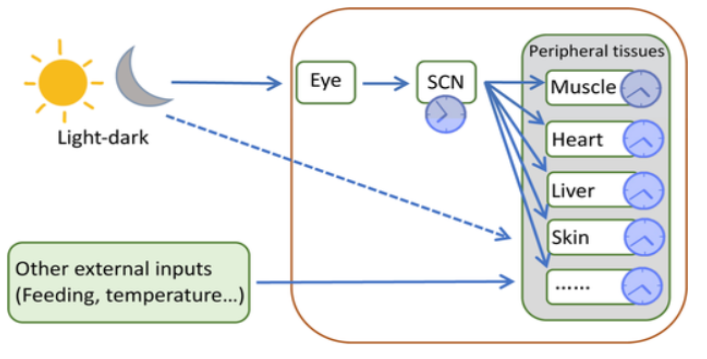

10) Turn the WiFi off (it is important to limit nnEMF exposure especially when sleeping), have some magnesium and chamomile tea made out of the flowers (not in a teabag) while you read a book, make your room as dark as possible and go to sleep.
Moving on.
Moving on.
Then we have gut issues.
From bacterial overgrowth all the way to a leaky gut, bad gut health is one of the most common reasons why people cheat on their diets.
Here's a full thread on how to fix this:
From bacterial overgrowth all the way to a leaky gut, bad gut health is one of the most common reasons why people cheat on their diets.
Here's a full thread on how to fix this:
Moving on to stress.
Stress results in physiological responses including activation of the HPA axis.
Now the activation of the HPA axis results in the secretion of cortisol that regulates our eating behaviors and choices.
Stress results in physiological responses including activation of the HPA axis.
Now the activation of the HPA axis results in the secretion of cortisol that regulates our eating behaviors and choices.
Stress, increases the desire to binge on food in 97.9% of people.
Now the causes for stress vary a lot but i think that everyone would benefit from optimizing GABA in order to lower stress.
GABA stands for gamma-aminobutyric acid and is the primary mediator of the healthy
Now the causes for stress vary a lot but i think that everyone would benefit from optimizing GABA in order to lower stress.
GABA stands for gamma-aminobutyric acid and is the primary mediator of the healthy
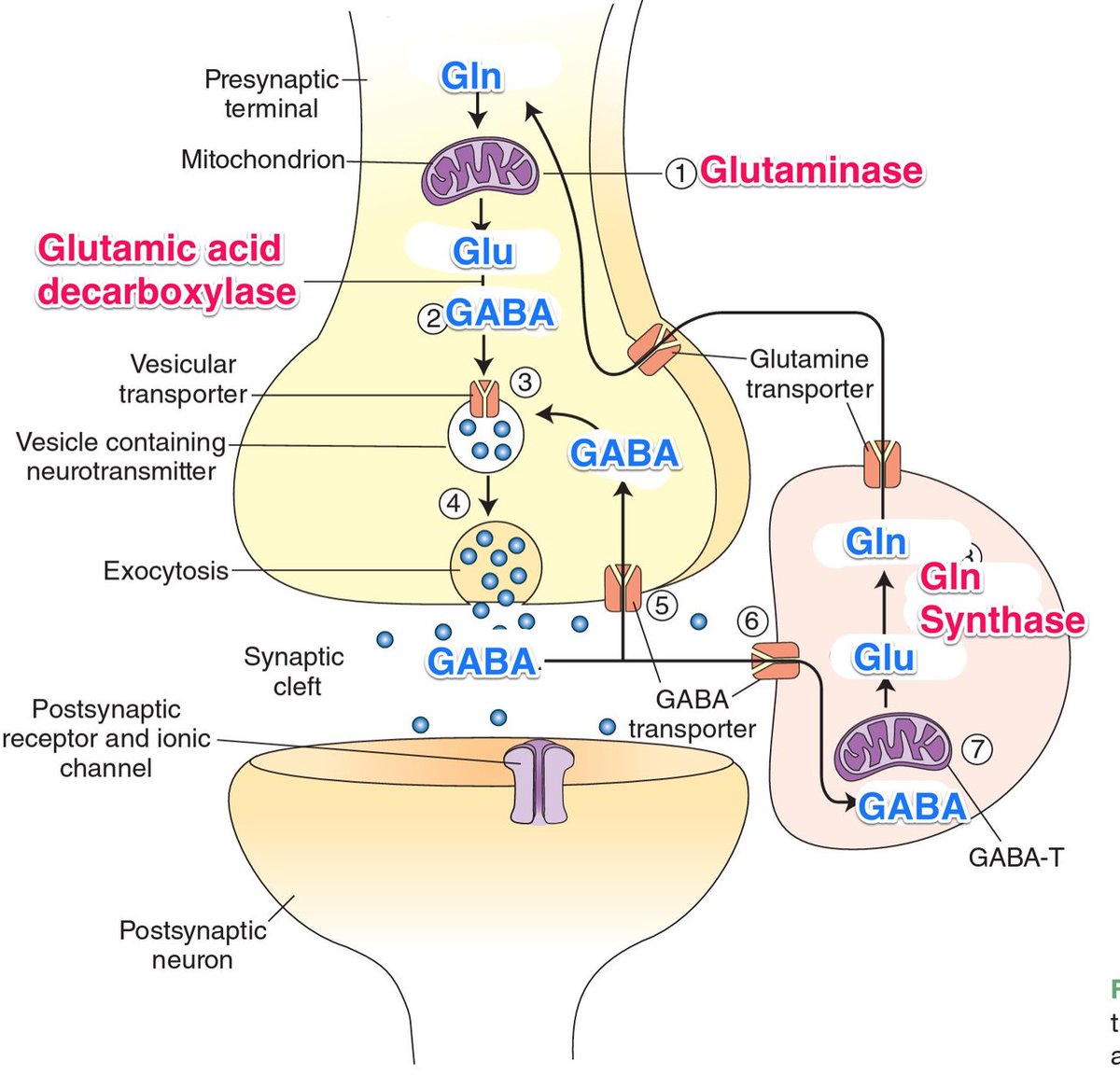
inhibitory state of metabolism, most associated with sleep and relaxation.
The most critical step in GABA optimization is fixing glutamate.
Glutamate is a neurotransmitter that excites/stimulates nerve cells and plays a big role in learning and memory.
The most critical step in GABA optimization is fixing glutamate.
Glutamate is a neurotransmitter that excites/stimulates nerve cells and plays a big role in learning and memory.
Glutamate is the “gas” in your brain and GABA the “breaks”.
Keeping glutamate and GABA balanced in the brain is also a big part of avoiding neurodegenerative conditions.
First in order to balance glutamate and GABA we must avoid foods and supplements that “signal” to the body
Keeping glutamate and GABA balanced in the brain is also a big part of avoiding neurodegenerative conditions.
First in order to balance glutamate and GABA we must avoid foods and supplements that “signal” to the body
to create glutamate.
These are:
- Alcohol
- Caffeine.
- Nicotine.
- Stimulants.
- Protein powders/supps.
- Seasoning blends (you can make your own which will not be polluted with MSG)
- Grains.
- High fructose corn syrup.
- Any type of sauce.
- Canned food.
These are:
- Alcohol
- Caffeine.
- Nicotine.
- Stimulants.
- Protein powders/supps.
- Seasoning blends (you can make your own which will not be polluted with MSG)
- Grains.
- High fructose corn syrup.
- Any type of sauce.
- Canned food.
- Corn and cornstarch.
- Sweets (except fruit and raw honey).
- Non home made chips/popcorn etc.
- Egg and milk substitutes.
- Artificial flavorings.
- Potatoes.
- Fermented foods (even pickles) and swiss cheese.
- Broccoli, onion and garlic.
- Parmesan cheese.
- Mushrooms.
- Sweets (except fruit and raw honey).
- Non home made chips/popcorn etc.
- Egg and milk substitutes.
- Artificial flavorings.
- Potatoes.
- Fermented foods (even pickles) and swiss cheese.
- Broccoli, onion and garlic.
- Parmesan cheese.
- Mushrooms.
- Soy products.
- Low fat dairy.
- Heavy whipping cream.
- Food colorings.
- Xanthan gum.
- Lentils.
- Peas.
Important note: In order to balance glutamine and GABA, besides cutting out what we just mentioned, you should also stop working out a)fasted b)with short rest periods
- Low fat dairy.
- Heavy whipping cream.
- Food colorings.
- Xanthan gum.
- Lentils.
- Peas.
Important note: In order to balance glutamine and GABA, besides cutting out what we just mentioned, you should also stop working out a)fasted b)with short rest periods
c) in the evening and you should start drinking some valerian root tea (do not over do it) about 1 hour before going to bed.
Then, make sure to consume enough bioavailable protein during the day (1.8-2 pounds per pound of bodyweight) which is shown to reduce serum glutamate.
Then, make sure to consume enough bioavailable protein during the day (1.8-2 pounds per pound of bodyweight) which is shown to reduce serum glutamate.
Grounding and breathing techniques such as wim hof breathing first thing in the morning will also be beneficial since it has been shown to increase the activity of the parasympathetic nervous system.
Also make sure to address gut health as you saw on the above thread, since
Also make sure to address gut health as you saw on the above thread, since
most GABA is produced in the gut to begin with and without a healthy gut no one can be relaxed and have optimal GABA.
Another thing to pay attention and try to minimize is blue light exposure since glutamate is triggered by blue light.
Another thing to pay attention and try to minimize is blue light exposure since glutamate is triggered by blue light.
When it comes to inositol, IP3 will help you balance GABA, not IP6.
IP6 is a great antioxidant and tool for removing heavy metals but it won’t do much for GABA.
Also L-Carnosine will upregulate GLT-1 (a glutamate transporter) but do not start with too many supplements.
IP6 is a great antioxidant and tool for removing heavy metals but it won’t do much for GABA.
Also L-Carnosine will upregulate GLT-1 (a glutamate transporter) but do not start with too many supplements.
Obviously in order to optimize GABA we need to make sure that we have enough nutrients that help synthesize GABA in the first place.
These are: Thiamine, vitamin C, vitamin D (if you consider supplementing vitamin D make sure that it is a liquid form, combine it with a liquid
These are: Thiamine, vitamin C, vitamin D (if you consider supplementing vitamin D make sure that it is a liquid form, combine it with a liquid
form of K2 and also make sure you have enough vitamin A in your system), vitamin A, copper, zinc, magnesium, taurine and vitamin E.
Thiamine is important since GABA promotes cellular regeneration through a rise in CO2.
Thiamine is important since GABA promotes cellular regeneration through a rise in CO2.
A magnesium deficiency will also lead to glutamate overactivity so address this as well through organic cacao if your gut and kidneys are fine or through a supplement/epsom salt bath.
Last but not least the most common deficiencies that lead to well binging, are the following
Last but not least the most common deficiencies that lead to well binging, are the following
-Vitamin B12
-Choline
-Vitamin K (both K1 and K2)
-Vitamin D
So make sure to address these as well.
-Choline
-Vitamin K (both K1 and K2)
-Vitamin D
So make sure to address these as well.
Of course, low dopamine and a serotonin excess also lead to food binging so here's a thread that address these in more detail:
If you liked this, make sure to like or RT the first Tweet.
Loading suggestions...