

1/ NFTs are a massive part of crypto and have achieved PMF, but they have some big problems: liquidity and capital efficiency
@Sodium_fi is changing that with its hybrid liquidity model.
Here's how:
🧵👇
@Sodium_fi is changing that with its hybrid liquidity model.
Here's how:
🧵👇
2/ What we'll cover:
- What is Sodium?
- How does it work?
- What problem is it solving?
- The Sodium Wallet
- Token?
- What is Sodium?
- How does it work?
- What problem is it solving?
- The Sodium Wallet
- Token?
3/ What is Sodium?
Sodium is a hybrid NFT liquidity platform that leverages both P2P and P2Pool markets. With Sodium, holders of whitelisted NFTs can borrow against their NFTs, and lenders can contribute ETH to receive high yield.
Sodium is a hybrid NFT liquidity platform that leverages both P2P and P2Pool markets. With Sodium, holders of whitelisted NFTs can borrow against their NFTs, and lenders can contribute ETH to receive high yield.
4/ How it Works:
In order to borrow against your NFT with Sodium, borrowers must create a loan request. This includes information such as:
- Amount of ETH they want to borrow
- The duration of the loan
- An initial interest rate.
In order to borrow against your NFT with Sodium, borrowers must create a loan request. This includes information such as:
- Amount of ETH they want to borrow
- The duration of the loan
- An initial interest rate.
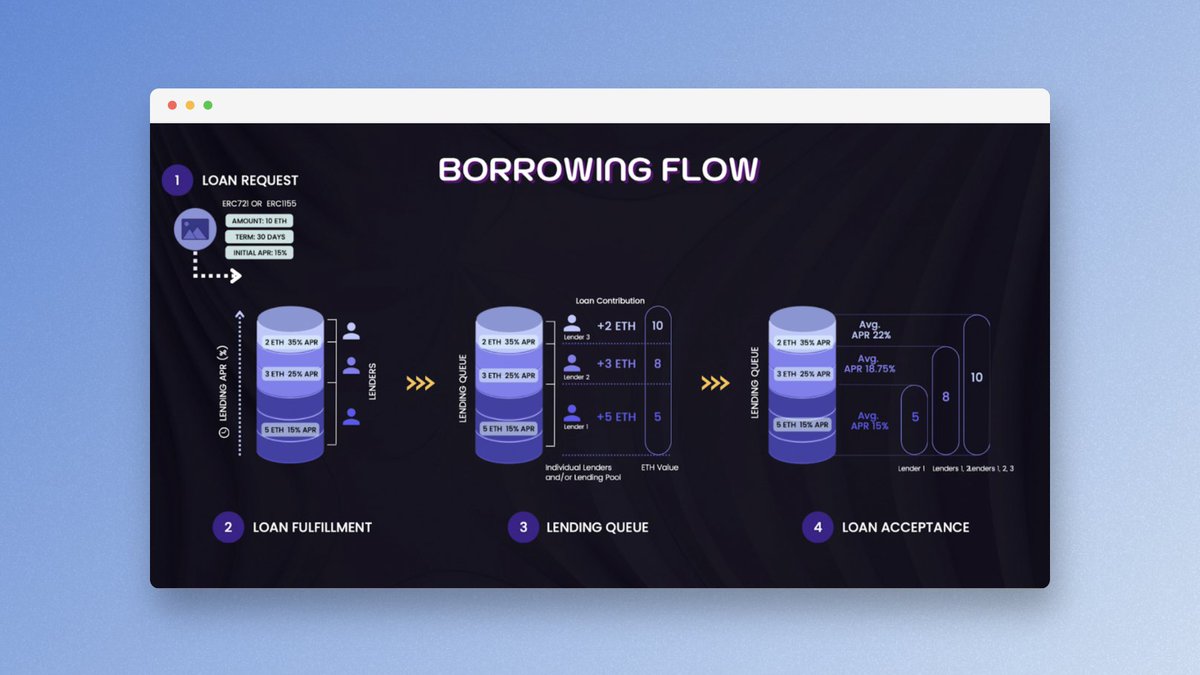
5/ Once a loan request is created, lenders are able to deposit ETH into the request. Requests are open for a max of 48 hours, and as time passes the APR incrementally increases. At any time during the request, the borrower can partially or fully accept the loan at a given APR.
6/ Loan Repayment:
The Borrower shall partially repay or repay the loan in full before the end of the agreed-upon period; when making early principal repayments, the Borrower must also pay at least half of the corresponding interest due.
The Borrower shall partially repay or repay the loan in full before the end of the agreed-upon period; when making early principal repayments, the Borrower must also pay at least half of the corresponding interest due.
7/ If a borrower fails to pay back the loan on time, the NFT is liquidated and auctioned off. Anyone can pay a “Buy it Now” price, which is the total debt + 5% liquidation penalty. In cases where no one pays the Buy it Now price, the highest bid is accepted.
8/ Lending Queue:
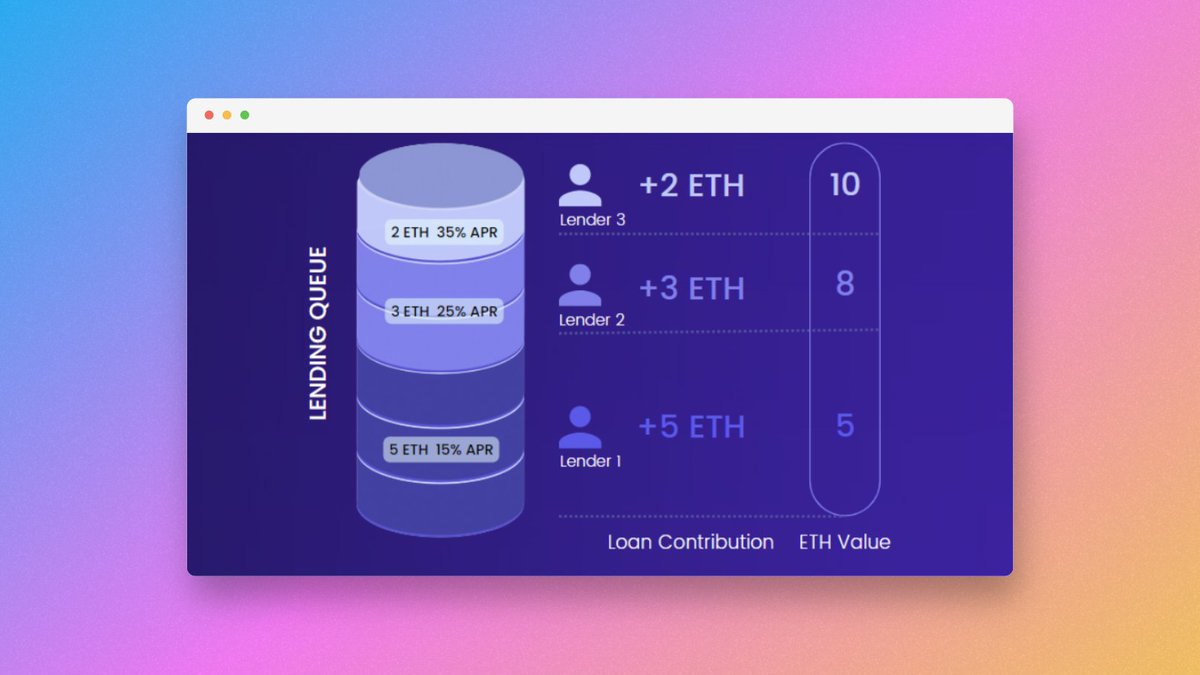
When lending to a borrower, lenders are placed into a Lending Queue. Their place in this queue represents the risk they take when making a loan. Each Lender's loan contribution increases the collateral valuation by the amount of their contribution.
When lending to a borrower, lenders are placed into a Lending Queue. Their place in this queue represents the risk they take when making a loan. Each Lender's loan contribution increases the collateral valuation by the amount of their contribution.
9/ The Lending AMM:
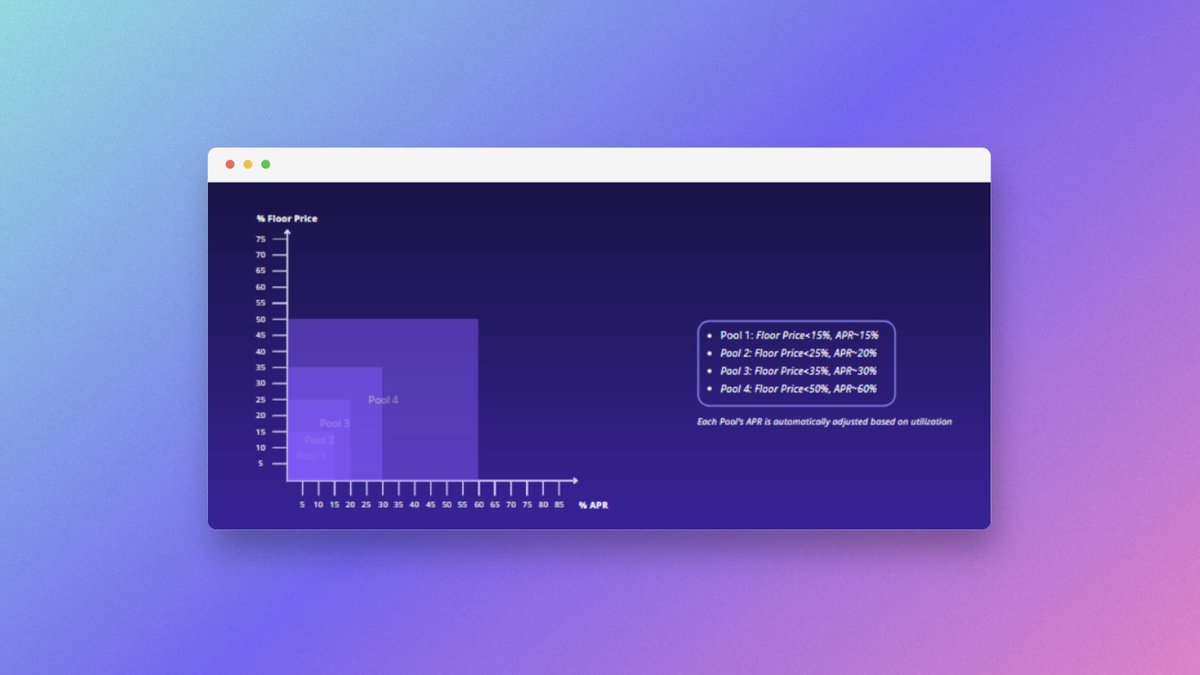
Users who don't want to actively manage their funds are able to deposit in lending pools. These pools have set requirements that when met automatically deploy liquidity into loan requests.
Users who don't want to actively manage their funds are able to deposit in lending pools. These pools have set requirements that when met automatically deploy liquidity into loan requests.
10/ The Sodium Wallet:
When collateralizing your NFT, owners lose utility since it is locked up in a smart contract. That utility could be accessing gated communities, claiming airdrops, or even using it in P2E games.
In order to solve this, Sodium is creating its own wallet.
When collateralizing your NFT, owners lose utility since it is locked up in a smart contract. That utility could be accessing gated communities, claiming airdrops, or even using it in P2E games.
In order to solve this, Sodium is creating its own wallet.
11/ After borrowing against your NFT, a Sodium wallet will be created for you. You can use this wallet as you would any other, except you won't be able to transfer the collateralized NFT inside.
This allows NFT holders to borrow against their NFTs while retaining utility.
This allows NFT holders to borrow against their NFTs while retaining utility.

12/ Whitelisted NFT Collections:
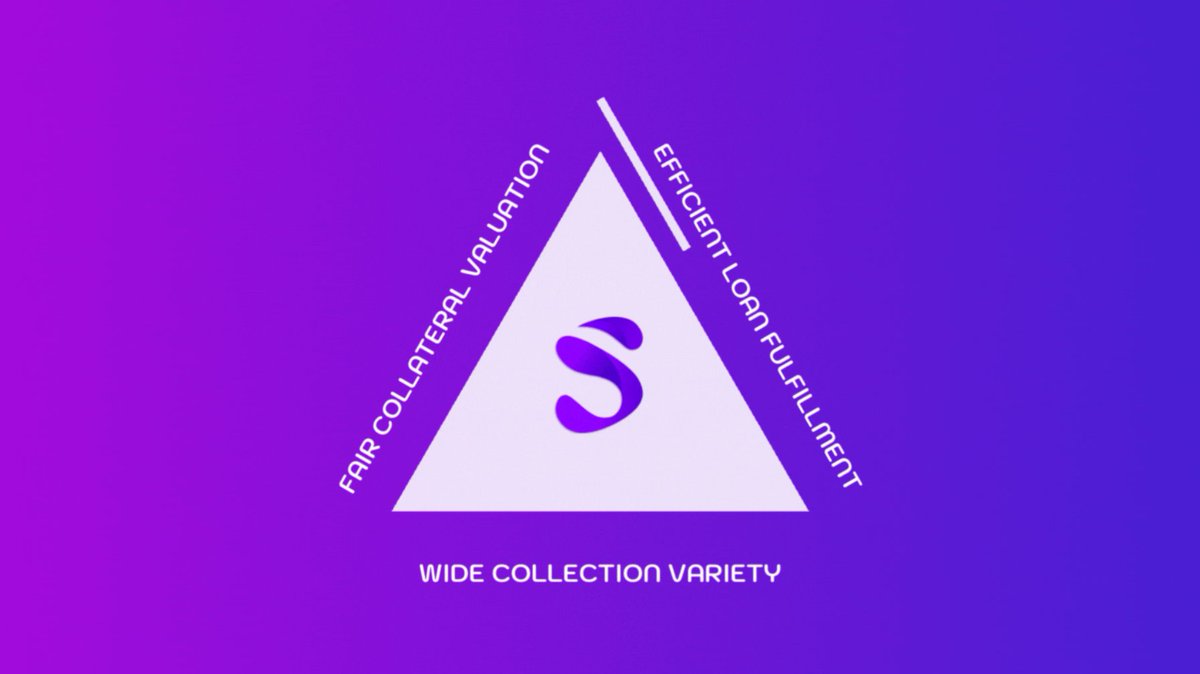
Since markets on Sodium are isolated, they are able to whitelist a much larger pool of collections compared to other platforms. They have support for around 100 different collections, allowing loans to be much more accessible.
Since markets on Sodium are isolated, they are able to whitelist a much larger pool of collections compared to other platforms. They have support for around 100 different collections, allowing loans to be much more accessible.
13/ The Problem Sodium is Solving:
With Sodium, users can experience all the benefits of NFT-Fi with much lower risk due to isolated markets.
Lenders are able to determine their own risk parameters and be rewarded for it
Borrowers are able to get the best loans for their NFT
With Sodium, users can experience all the benefits of NFT-Fi with much lower risk due to isolated markets.
Lenders are able to determine their own risk parameters and be rewarded for it
Borrowers are able to get the best loans for their NFT
14/ Token?
Sorry to be anti-climatic, but my guess is as good as yours. There is no public roadmap, so we don't really have a timeline for future development. We do have a confirmation of a token, so it can't hurt to try out the platform.
Sorry to be anti-climatic, but my guess is as good as yours. There is no public roadmap, so we don't really have a timeline for future development. We do have a confirmation of a token, so it can't hurt to try out the platform.
15/ Summary:
Sodium is one of the most sound projects I've seen in the NFT-Fi space. Even though NFT volume is dropping, my bet is we will someday see a resurgence of NFTs, and NFT-Fi will grow along with it.
Sodium is one of the most sound projects I've seen in the NFT-Fi space. Even though NFT volume is dropping, my bet is we will someday see a resurgence of NFTs, and NFT-Fi will grow along with it.
Loading suggestions...