

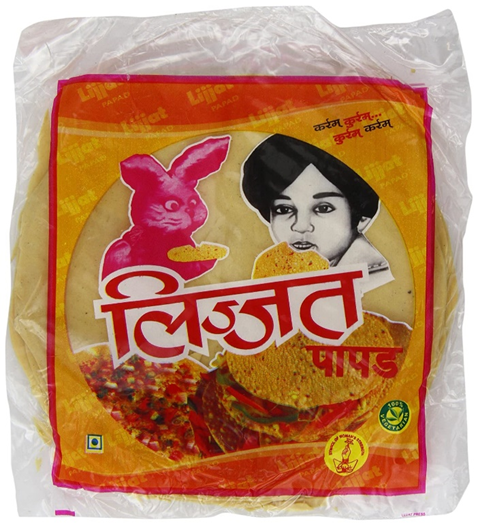
Was eating Lijjat Papad at home and just thought of delving deeper into the company -
From Rs 80 to Rs 1600 Cr – This is the Inspirational story of Lijjat Papad, an Indian women's worker cooperative that makes Papad
A story that is driven by 45000 women today!
Do RT :)
From Rs 80 to Rs 1600 Cr – This is the Inspirational story of Lijjat Papad, an Indian women's worker cooperative that makes Papad
A story that is driven by 45000 women today!
Do RT :)
1/n
History -
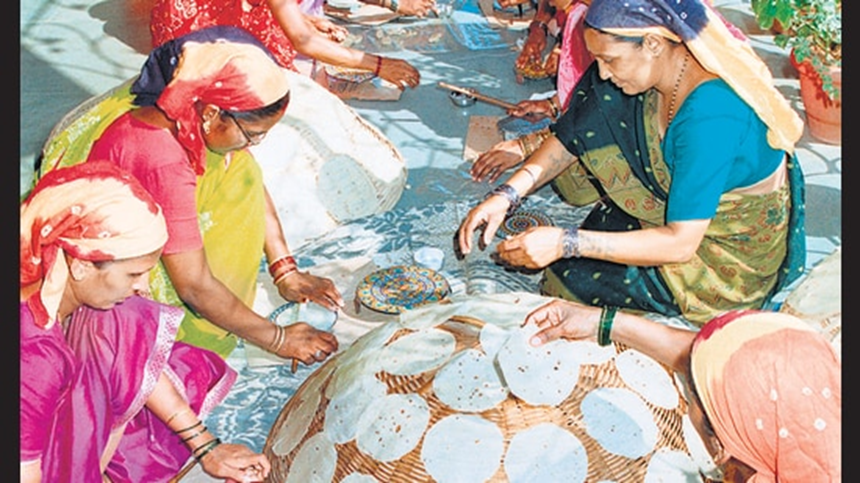
- Jaswantiben Popat began her journey with an investment of ₹80 along with 6 friends who lived in Girgaum
- Lijjat means ‘tasty’ in Gujarati
- They wanted to start a venture to create a sustainable livelihood using the only skill they had i.e. cooking
History -
- Jaswantiben Popat began her journey with an investment of ₹80 along with 6 friends who lived in Girgaum
- Lijjat means ‘tasty’ in Gujarati
- They wanted to start a venture to create a sustainable livelihood using the only skill they had i.e. cooking
2/n
- Rs 80 was borrowed from Chhaganlal Karamsi Parekh, a social worker.
- They took over a loss-making papad-making venture by one Laxmidas bhai and bought the necessary ingredients and the basic infra to make papads
- Rs 80 was borrowed from Chhaganlal Karamsi Parekh, a social worker.
- They took over a loss-making papad-making venture by one Laxmidas bhai and bought the necessary ingredients and the basic infra to make papads
3/n
- On 15 March 1959, they gathered on the terrace of their building and started with the production of 4 packets of papads
- They started preparing papad at an operational cost of Rs. 80 and made a profit of 50 paise.
- On 15 March 1959, they gathered on the terrace of their building and started with the production of 4 packets of papads
- They started preparing papad at an operational cost of Rs. 80 and made a profit of 50 paise.
4/n
- Each woman brought one ingredient – urad dal flour, pepper, asafoetida, spices, and seasonings & went to work. They mixed the dough for papads and rolled them out as a team to sell in the neighborhood.The next day, they made 2x papads/2x the profits, splitting all profits
- Each woman brought one ingredient – urad dal flour, pepper, asafoetida, spices, and seasonings & went to work. They mixed the dough for papads and rolled them out as a team to sell in the neighborhood.The next day, they made 2x papads/2x the profits, splitting all profits
5/n
Growth -
- Lijjat expanded as a cooperative system.
- Initially, even younger girls could join, but later 18 was fixed as the minimum age of entry.
- Within 3 months there were 25 women making papads.
Growth -
- Lijjat expanded as a cooperative system.
- Initially, even younger girls could join, but later 18 was fixed as the minimum age of entry.
- Within 3 months there were 25 women making papads.
6/n
- Soon, the women bought some equipment for the business, like utensils, cupboards, stoves, etc. In the first year, the organization’s annual sales were Rs 6,196. The broken papads were distributed among neighbors
- Soon, the women bought some equipment for the business, like utensils, cupboards, stoves, etc. In the first year, the organization’s annual sales were Rs 6,196. The broken papads were distributed among neighbors
7/n
Their Guide -
- Chhaganlal Parekh became their guide
- Initially, the women were making two different qualities of papads, to sell the inferior one at a cheaper rate
- They were advised to make standard papad with consistent top quality
Their Guide -
- Chhaganlal Parekh became their guide
- Initially, the women were making two different qualities of papads, to sell the inferior one at a cheaper rate
- They were advised to make standard papad with consistent top quality
8/n
- He emphasized to them the importance of running it as a business enterprise and maintaining proper accounts.
- From the beginning, the women had decided that they would not approach anyone for donations or help, even if the organization incurred losses
- He emphasized to them the importance of running it as a business enterprise and maintaining proper accounts.
- From the beginning, the women had decided that they would not approach anyone for donations or help, even if the organization incurred losses
9/n
- The group got great publicity through word of mouth and articles in local newspapers
- This helped them to increase its membership
- By the second year, 100 to 150 women had joined the group, and by the end of the 4th year it had 300+ members
- The group got great publicity through word of mouth and articles in local newspapers
- This helped them to increase its membership
- By the second year, 100 to 150 women had joined the group, and by the end of the 4th year it had 300+ members
10/n
- By this time, the terrace of 7 founders could no longer accommodate the members & the ingredients, so the kneaded flour was distributed among the members who would take it to their homes and make papads
- The papads were brought back for weighing and packaging
- By this time, the terrace of 7 founders could no longer accommodate the members & the ingredients, so the kneaded flour was distributed among the members who would take it to their homes and make papads
- The papads were brought back for weighing and packaging
11/n
- In 1962, the name Lijjat was chosen by the group for its products
- The organization was named Shri Mahila Griha Udyog Lijjat Papad
- Mahila means women, Griha means home, and Udyog means an industry
- By 1962–63, its annual sales of papads touched Rs 182,000
- In 1962, the name Lijjat was chosen by the group for its products
- The organization was named Shri Mahila Griha Udyog Lijjat Papad
- Mahila means women, Griha means home, and Udyog means an industry
- By 1962–63, its annual sales of papads touched Rs 182,000
12/n
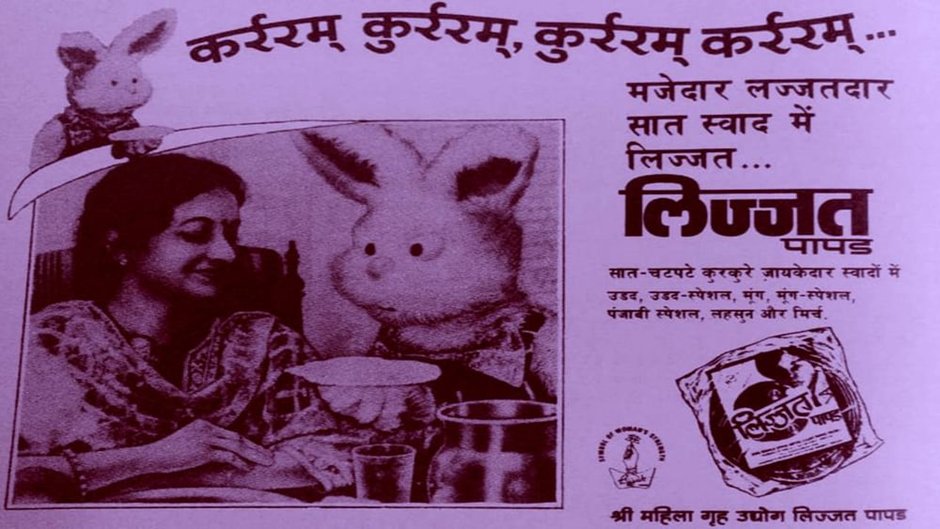
- In the 1980s-1990s, Lijjat started attracting the attention of foreign visitors and officials
- They started exporting their products with the help of merchant importers in the UK, the US, the Middle East, Singapore, the Netherlands, Thailand, and other countries.
- In the 1980s-1990s, Lijjat started attracting the attention of foreign visitors and officials
- They started exporting their products with the help of merchant importers in the UK, the US, the Middle East, Singapore, the Netherlands, Thailand, and other countries.
13/n
- In 2002, Lijjat had a turnover of Rs 300 Cr and exports of 10 Cr
- Lijjat marked its 50th year of existence on 15 March 2009.
- In 2002, Lijjat had a turnover of Rs 300 Cr and exports of 10 Cr
- Lijjat marked its 50th year of existence on 15 March 2009.
14/n
Lijjat as of today -
- It churned out a mammoth Rs 1,600 crore turnover in 2019, co-owned by 45,000 women (2021) who make 4.8 million papads every day.
- The networth of the company in 2022 is said to be 1500 cr.
- They have sold more than 5.5 billion Papads till now.
Lijjat as of today -
- It churned out a mammoth Rs 1,600 crore turnover in 2019, co-owned by 45,000 women (2021) who make 4.8 million papads every day.
- The networth of the company in 2022 is said to be 1500 cr.
- They have sold more than 5.5 billion Papads till now.
15/n
- “Making papads does not require education, which is why we started Lijjat,” Jaswantiben says
- “Everyone here is a partner and does not work for any other person, which was one of the factors that enabled women to join at the beginning,” she adds.
- “Making papads does not require education, which is why we started Lijjat,” Jaswantiben says
- “Everyone here is a partner and does not work for any other person, which was one of the factors that enabled women to join at the beginning,” she adds.
16/n
- Every woman that joins Lijjat is called a Lijjat Ben (Sister) and is given an equal share in the profits
- Recognising her journey, the Indian government gave the Padma Shri award to Jaswantiben, the fourth highest civilian award in the country.
- Every woman that joins Lijjat is called a Lijjat Ben (Sister) and is given an equal share in the profits
- Recognising her journey, the Indian government gave the Padma Shri award to Jaswantiben, the fourth highest civilian award in the country.
17/n
Not Just Papads -
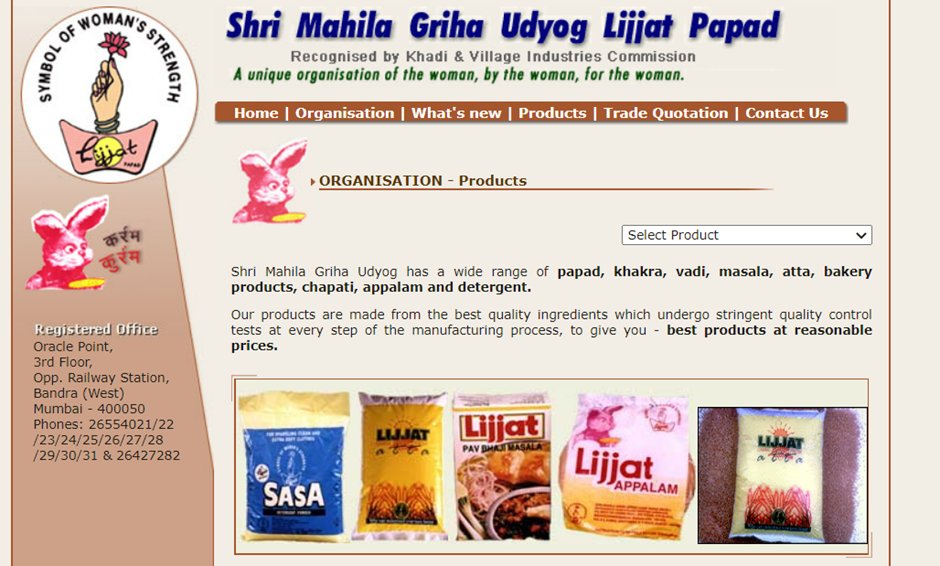
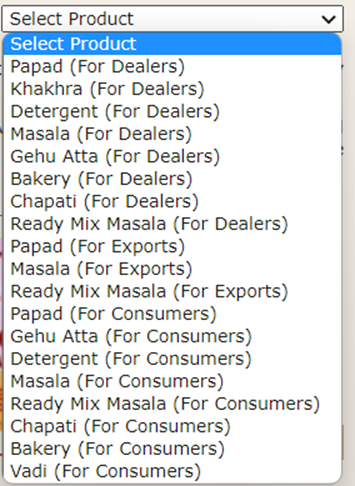
- After tasting tremendous success with their papads, Lijjat began producing other products like khakhra (1974), masala (1976), vadi, wheat atta, and bakery products (1979).
Not Just Papads -
- After tasting tremendous success with their papads, Lijjat began producing other products like khakhra (1974), masala (1976), vadi, wheat atta, and bakery products (1979).
18/n
- In the 1970s, Lijjat set up flour mills (1975), a printing division (1977), and a polypropylene packing division (1978). The group also initiated some unsuccessful ventures such as cottage leather (1979), matches (1979), and agarbattis (incense sticks).
- In the 1970s, Lijjat set up flour mills (1975), a printing division (1977), and a polypropylene packing division (1978). The group also initiated some unsuccessful ventures such as cottage leather (1979), matches (1979), and agarbattis (incense sticks).
19/n
Quality Control -
- One member from the quality team visits the home of the Lijjat sisters to ensure that they are using all the quality parameters while making the Papad.
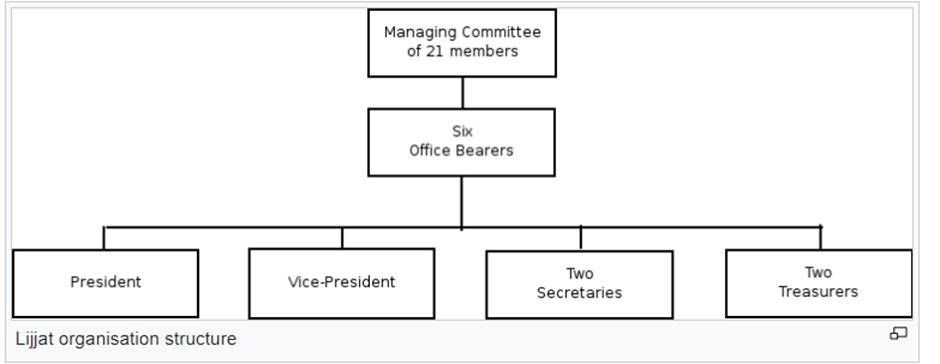
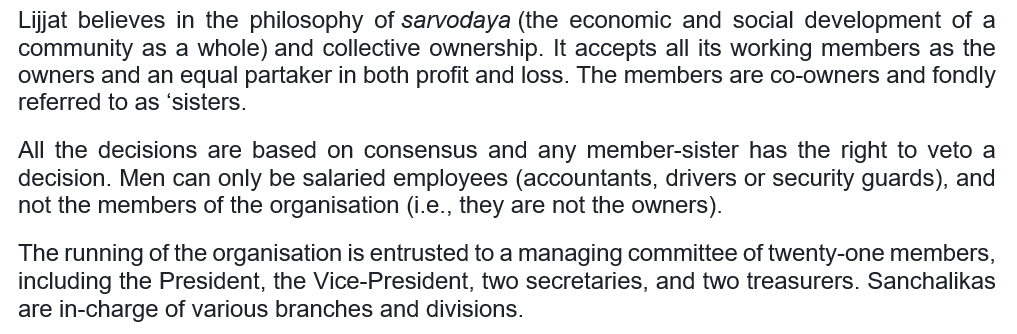
Management -
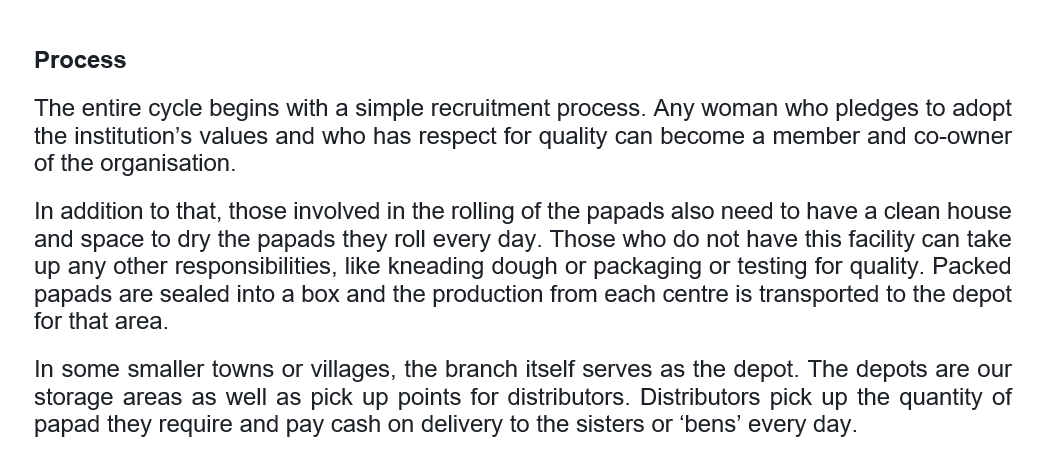
Process -
Quality Control -
- One member from the quality team visits the home of the Lijjat sisters to ensure that they are using all the quality parameters while making the Papad.
Management -
Process -
20/n
End of the thread, thanks for reading :)
Hope you loved reading this amazing story!
Sources used – Business Insider India, Bada Business, Yahoo Finance, ICMR India Case Study, Wikipedia, Slurrp.
End of the thread, thanks for reading :)
Hope you loved reading this amazing story!
Sources used – Business Insider India, Bada Business, Yahoo Finance, ICMR India Case Study, Wikipedia, Slurrp.
Loading suggestions...