

I recently made a youtube video (youtu.be) talking about trade execution, where I covered many principles on how I view the markets and what I find important to look at.
As markets are pretty slow today, let me breakdown and share some things about trading /cont
As markets are pretty slow today, let me breakdown and share some things about trading /cont
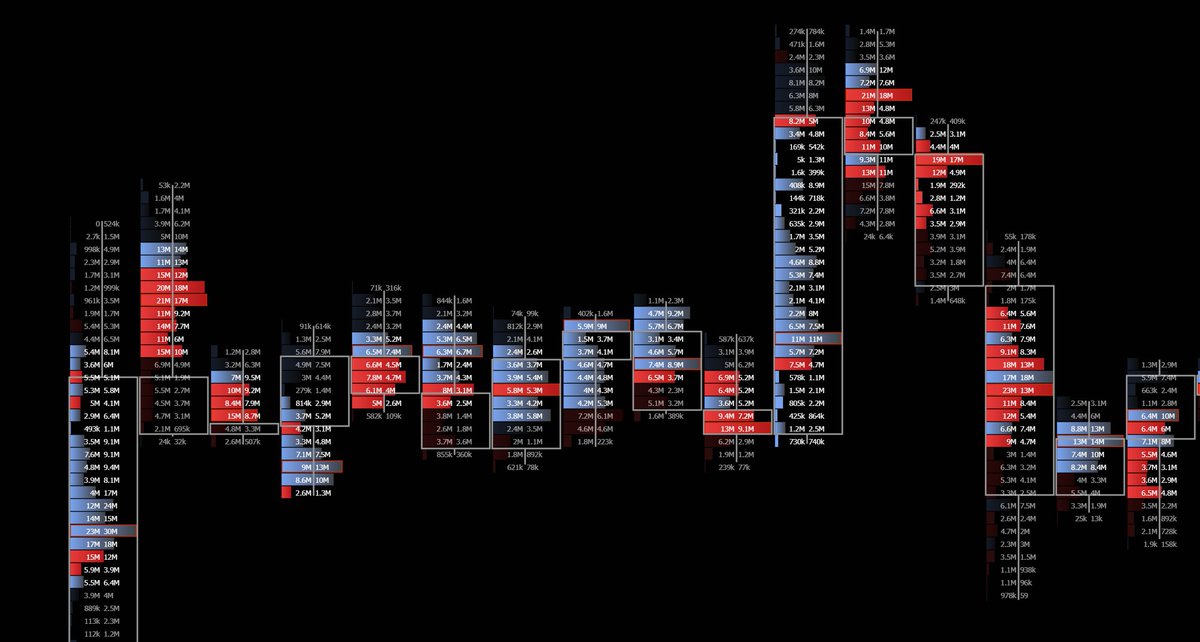
So when it comes to discretionary trading, especially intraday/intraweek, there is always a lot of speculation going on.
Although on a larger scale, markets are moving based on fundamentals. Regarding shorter timeframes, you are mostly trading against other speculators.
Although on a larger scale, markets are moving based on fundamentals. Regarding shorter timeframes, you are mostly trading against other speculators.
People always come to trading trying to find a holy grail but need to realize that you are in a space where 90%+ consistently lose money. Because of that, you have to avoid what the majority is doing and will be able to be consistently profitable in the long run.
Personally, I only take two types of trade (there are a lot of rules around them which I won't cover here), but the idea itself is that I either a) Take trades at areas where others have to exit b) Take trades at areas where a previously large amount of orders where executed
The first type of trades is rather simple. Many people call these "stop-runs", "SFP" etc. The truth is there is no hidden hand running your stops but simply people chasing the moves and, in many cases, getting absorbed by larger players on the other side.
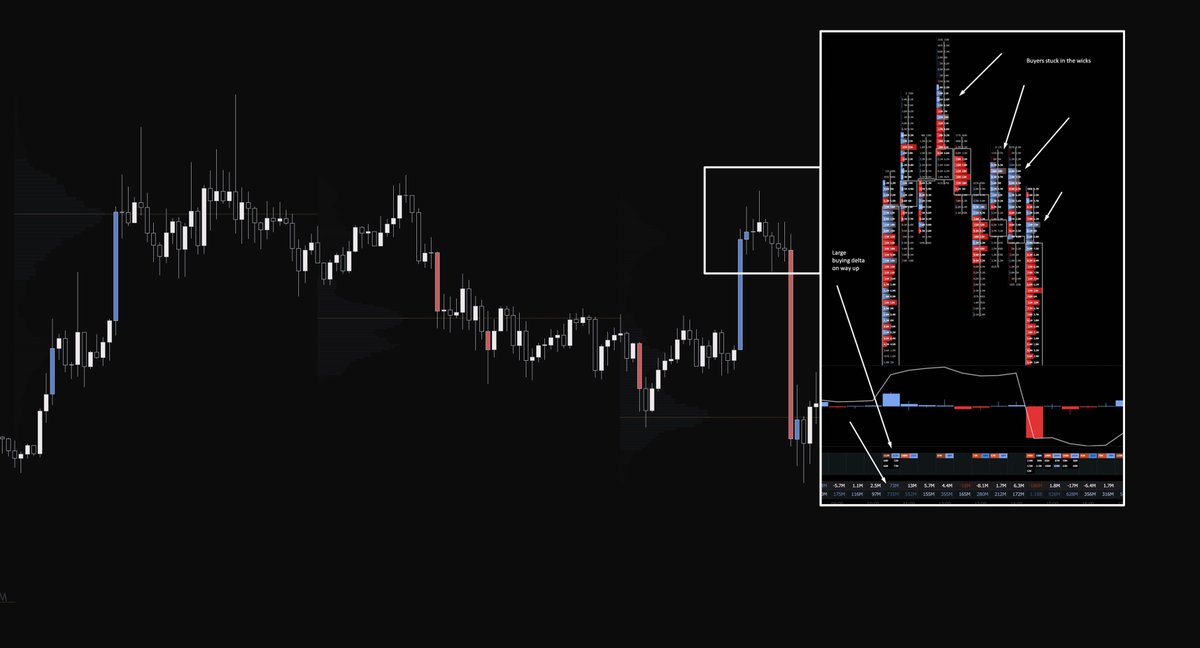
These situations happen in simple S/R levels, prior day/week/month highs and lows or in fast, thin moves to one side that are caused by news. Using something like a footprint or a relative volume will give you nice help to identify these offside positions.
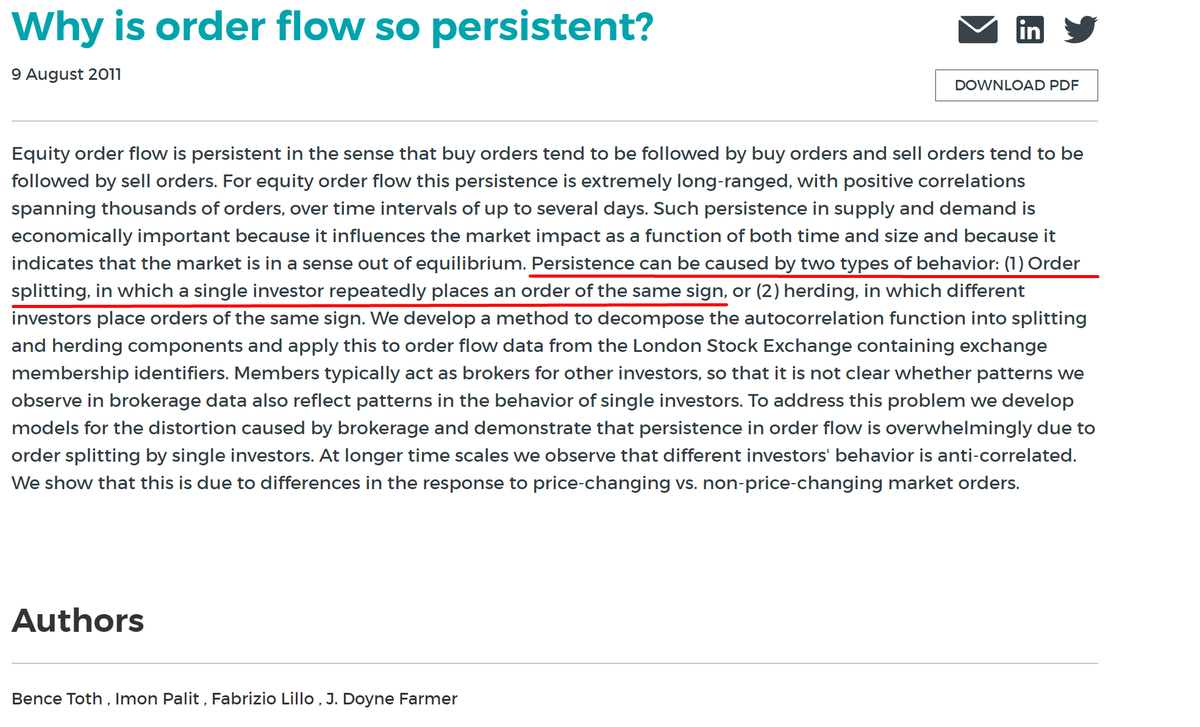
The second type of trades I take are more of a continuation trades caused by order-splitting, which was covered in the research paper "Why is order flow so persistent?" - cfm.fr
Although most people look at S/R in terms of single levels, prices often retest areas of prior high-executed volumes before continuing the trend direction. For these types of trades you can use simple price action,
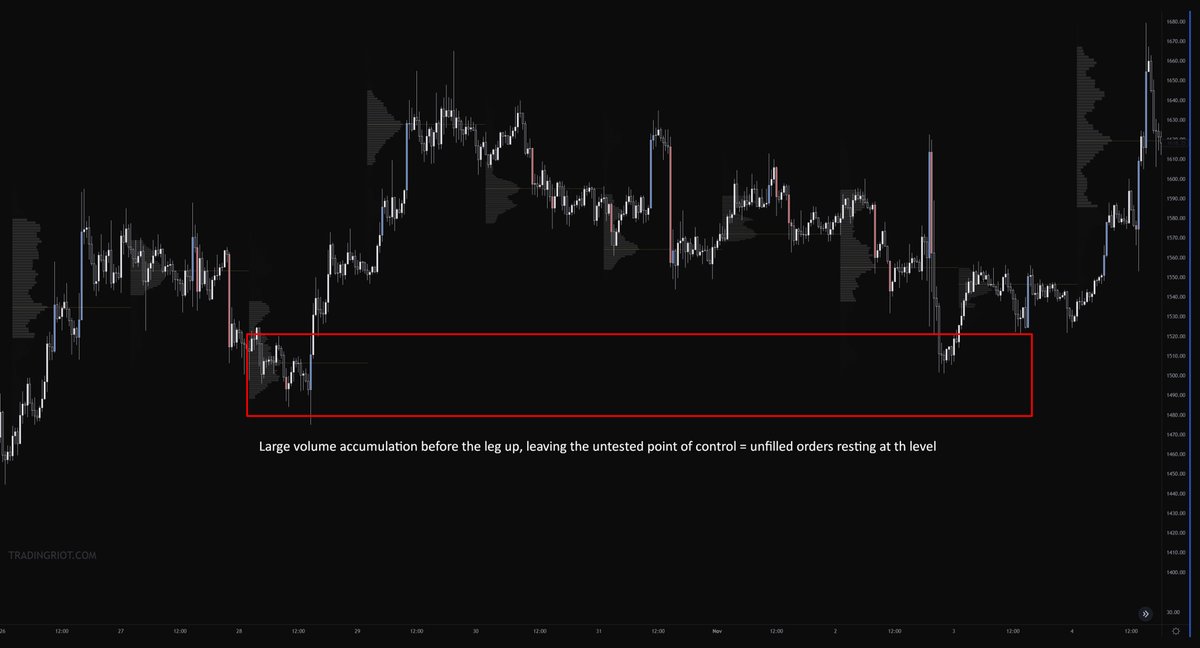
But adding the volume profile is a great tool that clearly shows you the prior distributions. If you take a look at the footprint, you can also "validate" this logic behind the trades as prior absorption is visible.
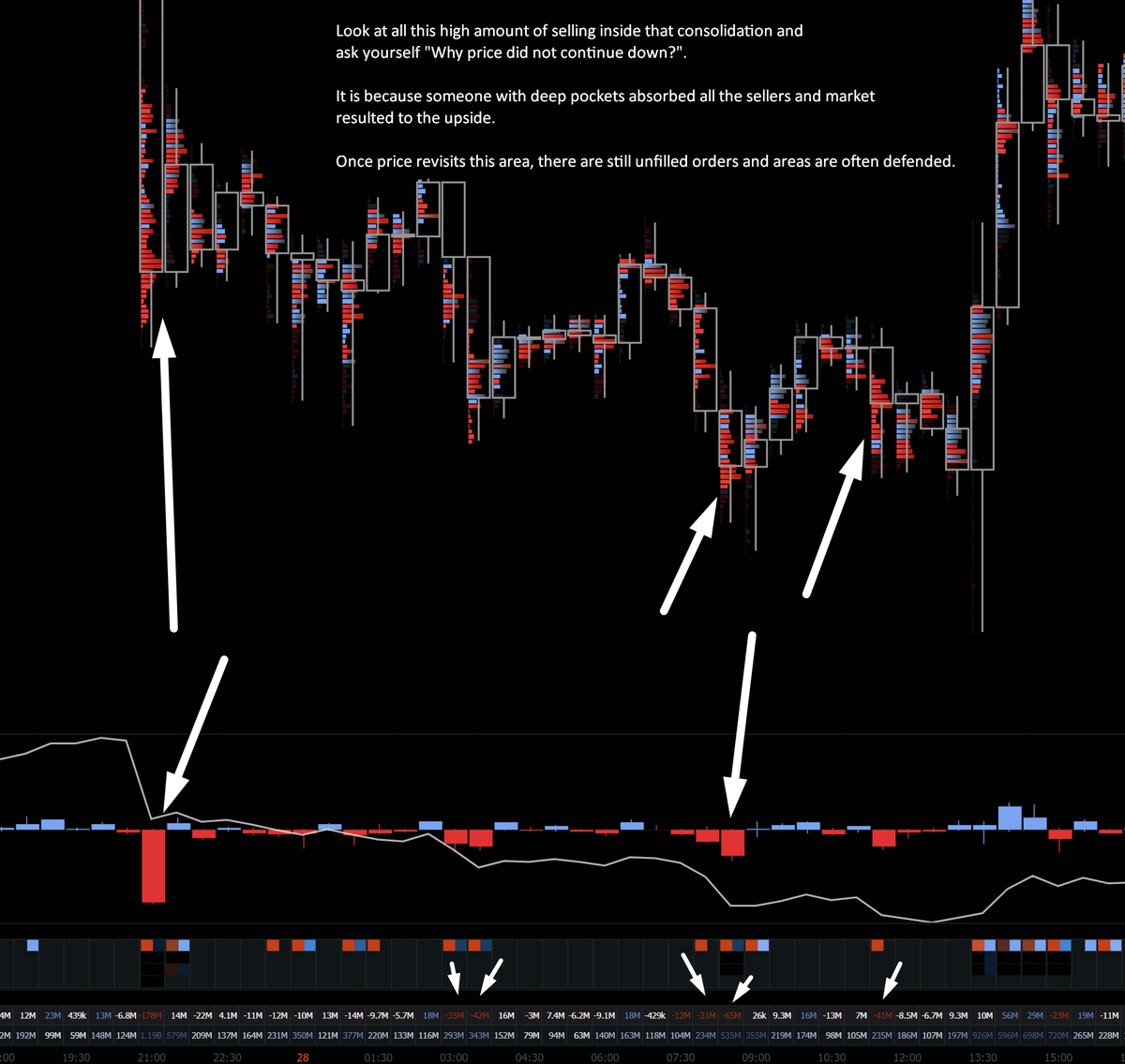
Personally, these are the only things I use in my trading, I am not a fan of indicators not because I don't think they suck and don't work, but because this way of trading has a logical explanation and makes sense to me.
I hope this thread was helpful and as always make sure to read the blog and pick up the Bootcamp that sheds much more light on the way I trade, and comes with regular updates and private discord.
There is a Black Friday 25% discount until November 28th.
tradingriot.com
There is a Black Friday 25% discount until November 28th.
tradingriot.com
Forgot to add that this is just my view of markets. There is no right or wrong way to trade or a "holy grail"
And at the end of the day, find whatever works for you.
This is just something I do, and works for me consistently over the last few years I've been clicking buttons.
And at the end of the day, find whatever works for you.
This is just something I do, and works for me consistently over the last few years I've been clicking buttons.

Loading suggestions...