

In 1999, Ratan Tata was humiliated by Ford when he went to sell Tata Indica
9 years later, Tata Motors acquired JAGUAR & LAND ROVER from failing Ford for half the price
And SHOCKED the world by turning loss making JLR highly PROFITABLE
Here's how Tata turned the tables:
9 years later, Tata Motors acquired JAGUAR & LAND ROVER from failing Ford for half the price
And SHOCKED the world by turning loss making JLR highly PROFITABLE
Here's how Tata turned the tables:
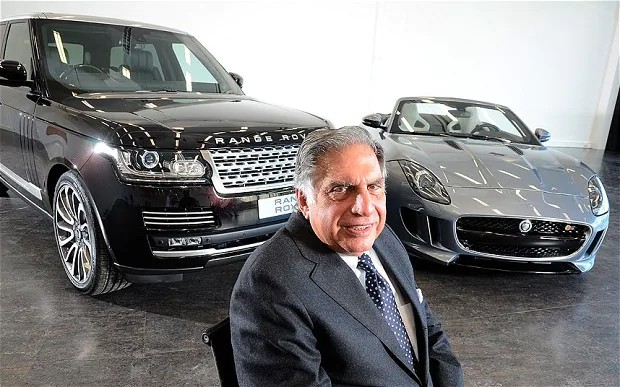
Okay, so let's start from the beginning.
In the 1990s, Ford Motor wanted to diversify its product portfolio and enter the luxury car segment.
So to do that, Ford bought 4 major luxury brands
• Aston Martin
• Volvo
• Jaguar- $2.5B in 1999
• Land Rover- $2.7B in 2000
In the 1990s, Ford Motor wanted to diversify its product portfolio and enter the luxury car segment.
So to do that, Ford bought 4 major luxury brands
• Aston Martin
• Volvo
• Jaguar- $2.5B in 1999
• Land Rover- $2.7B in 2000
After the purchase, Ford formed an organizational division called
— Premier Automotive Group (PAG) to oversee operations of these luxury brands.
After all, Ford had some grand visions to compete with high-end automotive marques like Mercedes-Benz and BMW in the global market.
— Premier Automotive Group (PAG) to oversee operations of these luxury brands.
After all, Ford had some grand visions to compete with high-end automotive marques like Mercedes-Benz and BMW in the global market.
But unfortunately, that didn't happen.
PAG didn't perform well due to
- the rising cost of production and
- falling demand in western markets.
Then in 2006, Ford Motors reported the largest annual loss in its history of $12.7B and finally dismantled PAG.
PAG didn't perform well due to
- the rising cost of production and
- falling demand in western markets.
Then in 2006, Ford Motors reported the largest annual loss in its history of $12.7B and finally dismantled PAG.
Moreover, it was estimated that Ford would not turn to profitability till 2009.
So to repay the standing loans and reduce losses, the co. decided to dilute its few assets and hence it
- sold Aston Martin to a group of investors for $925M and
So to repay the standing loans and reduce losses, the co. decided to dilute its few assets and hence it
- sold Aston Martin to a group of investors for $925M and
- handed over the keys of Jaguar and Land Rover to Tata Motors on a cash-free, debt-free basis.
Now a question arises- Why Ratan Tata-led Tata Motors wanted to buy a cash-draining co?
— after failing in their domestic market with their flagship car- Indica.
Now a question arises- Why Ratan Tata-led Tata Motors wanted to buy a cash-draining co?
— after failing in their domestic market with their flagship car- Indica.
See, to attain success in the competitive market and manage business risks
- a co. needs to be a global player and
- needs to strategies on its internal strengths & external opportunities.
- a co. needs to be a global player and
- needs to strategies on its internal strengths & external opportunities.
Tata Motors survived and grew in the global market when every other co. was struggling with either
— soaring GDP, recession, rising inflation, and higher exchange rates.
It adopted the strategy of acquisition & diversification.
It acquired JLR for several reasons:
— soaring GDP, recession, rising inflation, and higher exchange rates.
It adopted the strategy of acquisition & diversification.
It acquired JLR for several reasons:
1. Diversification of Product Portfolio
- Initially, Tata had only passenger vehicle division.
- But with the purchase of JLR, it entered into the high-end premier car segment.
- So eventually, the co. owned the world's cheapest car- Nano to one of the most luxurious cars.
- Initially, Tata had only passenger vehicle division.
- But with the purchase of JLR, it entered into the high-end premier car segment.
- So eventually, the co. owned the world's cheapest car- Nano to one of the most luxurious cars.
2. Enhancement of Core Product
- Cars like Indica and Safari had some issues like internal noise and vibration problems.
- And as part of the deal, Tata got 2 advanced design studios and tech. which helped them to improve their core product offering.
- Cars like Indica and Safari had some issues like internal noise and vibration problems.
- And as part of the deal, Tata got 2 advanced design studios and tech. which helped them to improve their core product offering.
3. Expanding Presence in the International Automobile Market
- Initially, Tata was serving only the Indian market with mid-range passenger vehicles.
- But acquisition of JLR brought new market expansion opportunities with itself.
- Initially, Tata was serving only the Indian market with mid-range passenger vehicles.
- But acquisition of JLR brought new market expansion opportunities with itself.
- Jaguar and Land Rover had demand in North American and European markets for their luxury cars.
- Moreover, they had their established ecosystem of retailers as well as dealers in place.
- This helped Tata Motors to reach uncharted territory.
- Moreover, they had their established ecosystem of retailers as well as dealers in place.
- This helped Tata Motors to reach uncharted territory.
- JLR acquisition gave Tata instant recognition and credibility as it had a global presence and a repertoire of well-established brands.
4. Reduction in Dependence on the Native Market
- Well, this deal helped Tata Motors to reduce its dependence on the Indian market.
4. Reduction in Dependence on the Native Market
- Well, this deal helped Tata Motors to reduce its dependence on the Indian market.
- And spread out to other geographical regions across the globe.
- It also brought new opportunities to diversify its customer base.
The story doesn't end here.
- Tata's footprints in South East Asia also helped JLR to shift its dependence from the US and Western Europe.
- It also brought new opportunities to diversify its customer base.
The story doesn't end here.
- Tata's footprints in South East Asia also helped JLR to shift its dependence from the US and Western Europe.
5. Cost Competitive Advantage
- Before acquiring JLR, Tata Group bought a European steel-making co.- Corus Steel.
- This generated cost synergy for the co. as Corus was the main supplier of automotive high-grade steel to JLR and other automobile industries in the US & Europe.
- Before acquiring JLR, Tata Group bought a European steel-making co.- Corus Steel.
- This generated cost synergy for the co. as Corus was the main supplier of automotive high-grade steel to JLR and other automobile industries in the US & Europe.
- Moreover, TCS provided engineering design and sourcing services to JLR.
- And INCAT provided services like supplier programs, consulting services, and global outsourcing.
- This means, that vertical integration helped this 3 co.s to minimize their factor costs.
- And INCAT provided services like supplier programs, consulting services, and global outsourcing.
- This means, that vertical integration helped this 3 co.s to minimize their factor costs.
Now within a few years of the buyout, JLR made a dramatic turnaround and became one of the main sources of Tata Motors’ revenue.
How?
👉 Management
Tata decentralized the process of decision-making and gave all the power to the JLR's employees.
How?
👉 Management
Tata decentralized the process of decision-making and gave all the power to the JLR's employees.
Ratan Tata knew the importance of keeping the morale of existing employees high and maintaining the existing working practices in place.
This encouraged their employees who already had a better working knowledge of their markets and products
This encouraged their employees who already had a better working knowledge of their markets and products
— to focus on working shoulder-to-shoulder to rebuild these two venerable brands.
👉 Right-time funding
Tata Motors posted its first consolidated net annual loss in 7 years of Rs.2,500 Cr in 2009 compared to a profit of Rs.2,200 Cr. of profit in the prior year.
👉 Right-time funding
Tata Motors posted its first consolidated net annual loss in 7 years of Rs.2,500 Cr in 2009 compared to a profit of Rs.2,200 Cr. of profit in the prior year.
But Ratan Tata came through for Tata Motors and pumped money by divesting stakes in various group co.s like Tata Steel Ltd. and by issuing a right offer for Rs.4,147 Cr.
It was all done by Tata Motors to keep the product development plans going for JLR.
It was all done by Tata Motors to keep the product development plans going for JLR.
👉 Cash Management
JLR was hemorrhaging money so cash and cost control was the utmost priority for Tata Motors.
It developed a 3-tier model for cash management.
• Short-term goal was set to manage liquidity.
• Mid-term target was to contain costs at various levels.
JLR was hemorrhaging money so cash and cost control was the utmost priority for Tata Motors.
It developed a 3-tier model for cash management.
• Short-term goal was set to manage liquidity.
• Mid-term target was to contain costs at various levels.
• Long-term goal was drawn up for 2014 which focused on new models and refurbishing/ replacing the existing ones.
👉 Product Innovation and Expansion-
JLR set up a Joint Venture (JV) with a Chinese carmaker- Chery and agreed to invest $2.78B to manufacture JLR vehicles.
👉 Product Innovation and Expansion-
JLR set up a Joint Venture (JV) with a Chinese carmaker- Chery and agreed to invest $2.78B to manufacture JLR vehicles.
- That JV helped JLR to reduce the cost of production and hence allowed the co. to reduce its cost by up to 35%.
- Tata Motors planned to pump Rs.5,000-7,000 Cr into JLR for product development, technology upgradation, and capital expenditure needs.
- Tata Motors planned to pump Rs.5,000-7,000 Cr into JLR for product development, technology upgradation, and capital expenditure needs.
Tata Motors' significant focus on various aspects of business and product development
— helped JLR to increase its production and sales over the years.
Tata Motors has seen Revenue grow at CAGR 21% from 2010-15 with Jaguar and Land Rover contributing 81.6% towards sales.
— helped JLR to increase its production and sales over the years.
Tata Motors has seen Revenue grow at CAGR 21% from 2010-15 with Jaguar and Land Rover contributing 81.6% towards sales.
Now see, Tata Motors' decision of acquiring JLR was criticized in and around the world in the lieu of economic slowdown and falling demand for commercial as well as passenger vehicles.
But Tata Motors proved everyone wrong by
• its strength,
• managerial competence,
But Tata Motors proved everyone wrong by
• its strength,
• managerial competence,
• experience working in a large market like India,
• great brand & deep pockets.
Tata Motors went global through this successful acquisition and growth and became one of the world's largest automobile co.
• great brand & deep pockets.
Tata Motors went global through this successful acquisition and growth and became one of the world's largest automobile co.
If you liked this read, do ReTweet🔄 the 1st tweet and follow us @FinFloww for more❤️
Join 5095 people who are receiving such stories daily on their WhatsApp:
chat.whatsapp.com
chat.whatsapp.com
We have launched a weekly email newsletter, “What the Floww?”
Not to share news but to tell you amazing stories.
Stories that will take you places you’ve never been before.
Subscribe here:
getrevue.co
Not to share news but to tell you amazing stories.
Stories that will take you places you’ve never been before.
Subscribe here:
getrevue.co
Loading suggestions...