
I’ve been enjoying the @BBCRadio4 reading of @BenMacintyre1’s book on #colditz. Last Friday’s episode especially caught my ear, with a section on Birendra Nath Mazumdar.
So here’s a wee thread 🧵on Indian POWs in the Second World War 1/13
bbc.co.uk
So here’s a wee thread 🧵on Indian POWs in the Second World War 1/13
bbc.co.uk
First, Mazumdar was not the only Indian officer in the British army. There were at least two others.
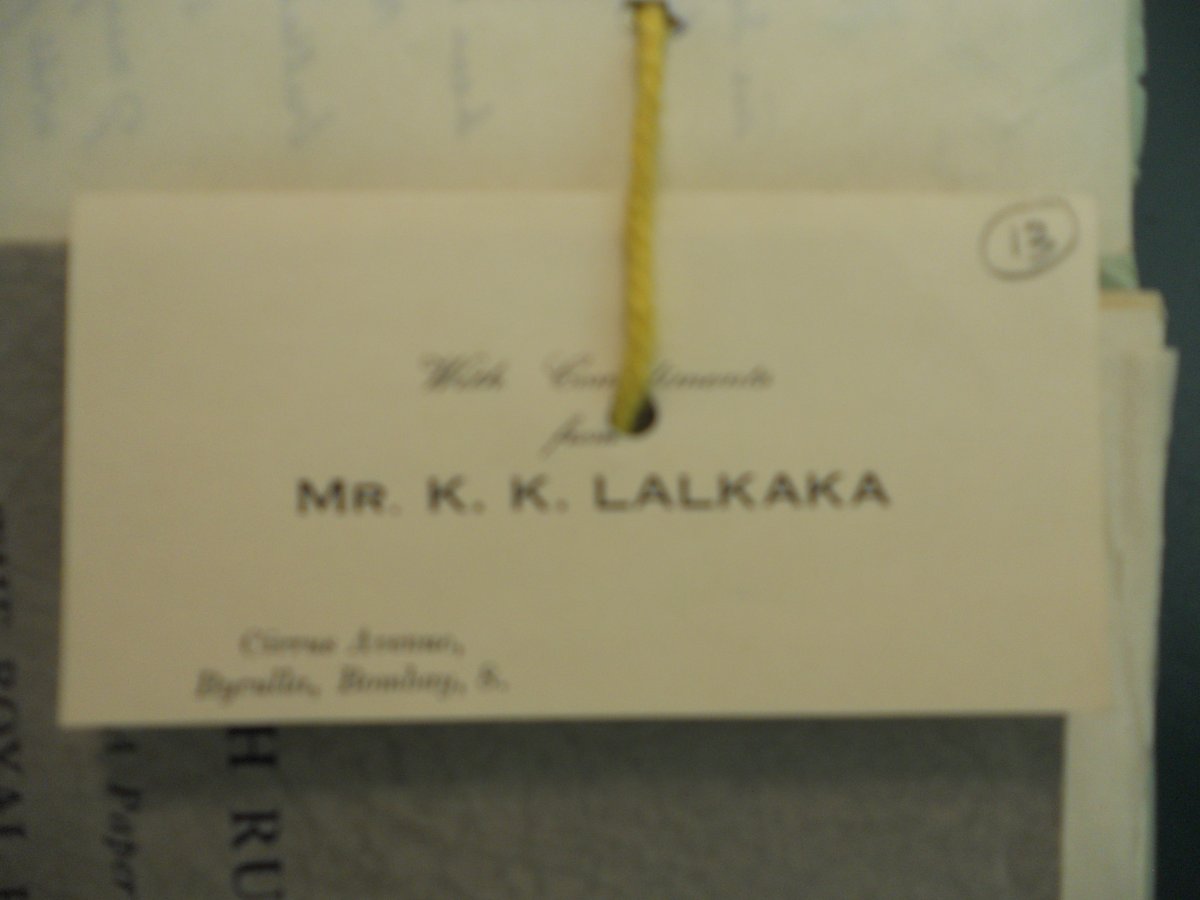
Captain KK Lalkaka of the Wiltshires, who said ‘although I am British by nationality I am not a Briton by blood’. Here’s his business card – excuse the poor photo quality
2/13
Captain KK Lalkaka of the Wiltshires, who said ‘although I am British by nationality I am not a Briton by blood’. Here’s his business card – excuse the poor photo quality
2/13
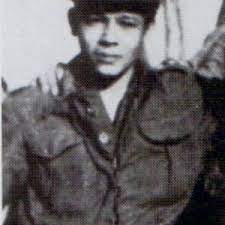
Better known is Inderjit Singh Gill, who won the Military Cross for a secret operation in Greece. A captain in the Royal Engineers, he went on to be a Lt-General in the Indian Army. He showed: ‘The greatest coolness and courage and complete disregard for personal danger’
3/13
3/13
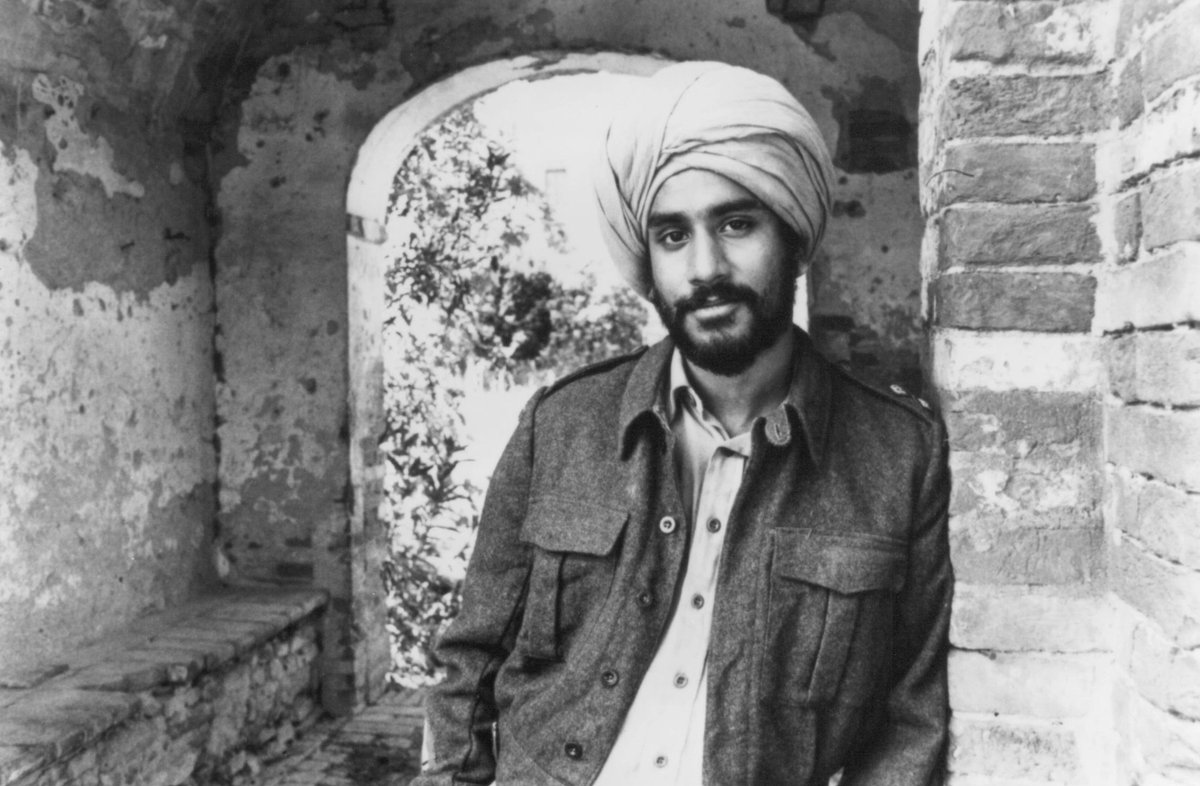
As an Indian officer in the British sappers, Gill may have been part of the inspiration for the character of ‘Kip’ in Ondaatje’s The English Patient - played by Naveen Andrews in the film.
4/13
4/13
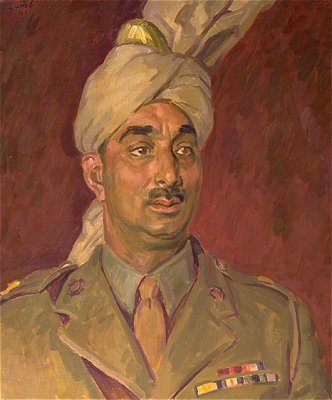
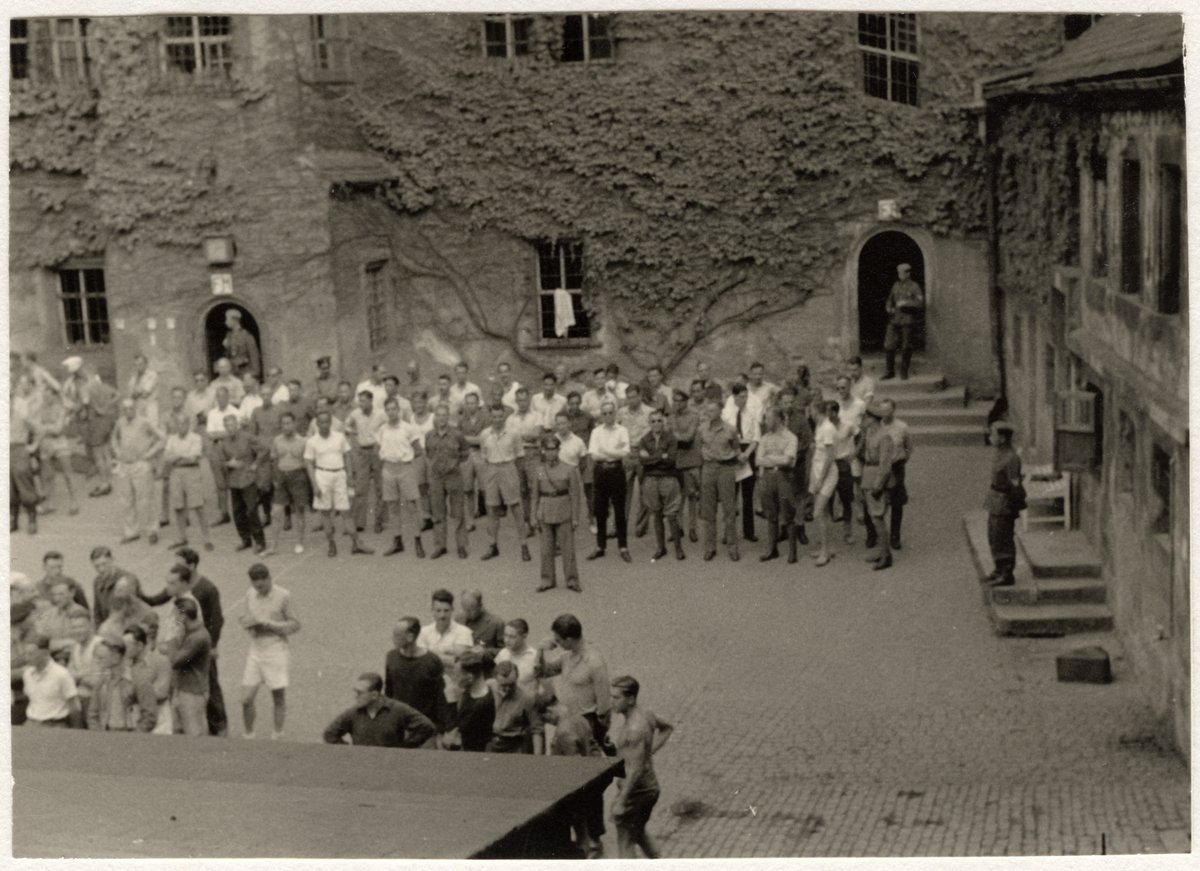
But I digress. Back to #Colditz. Mazumdar was not the only Indian in the Schloss. Abuzar was there. A dafadar in the 22nd Animal Transport Company of the RIASC, taken prisoner in France in June 1940, he was at Colditz from Feb 42, and later joined Bose’s Free India Legion.
6/13
6/13
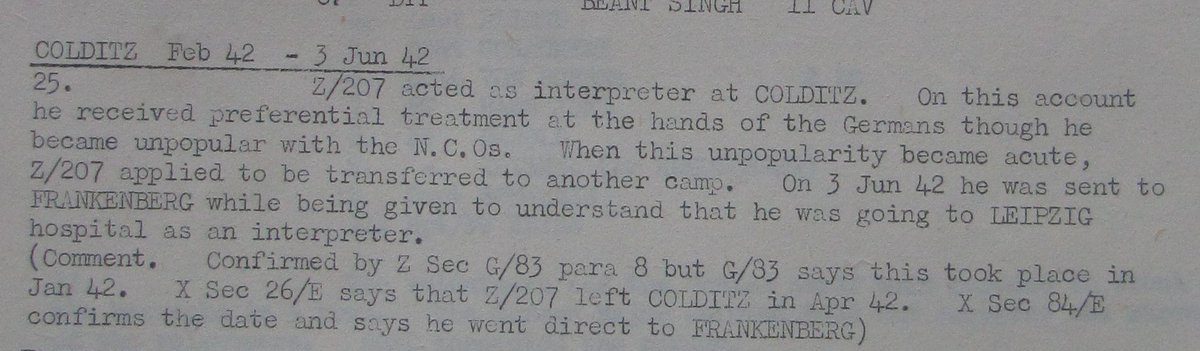
In my research for my next book, I’ve also found two other Indian officers at Colditz, a doctor in the Indian Medical Corps, and a Dafadar Major in the 2nd Royal Lancers. You’ll have to wait till the book comes out to find out more!
7/13
7/13
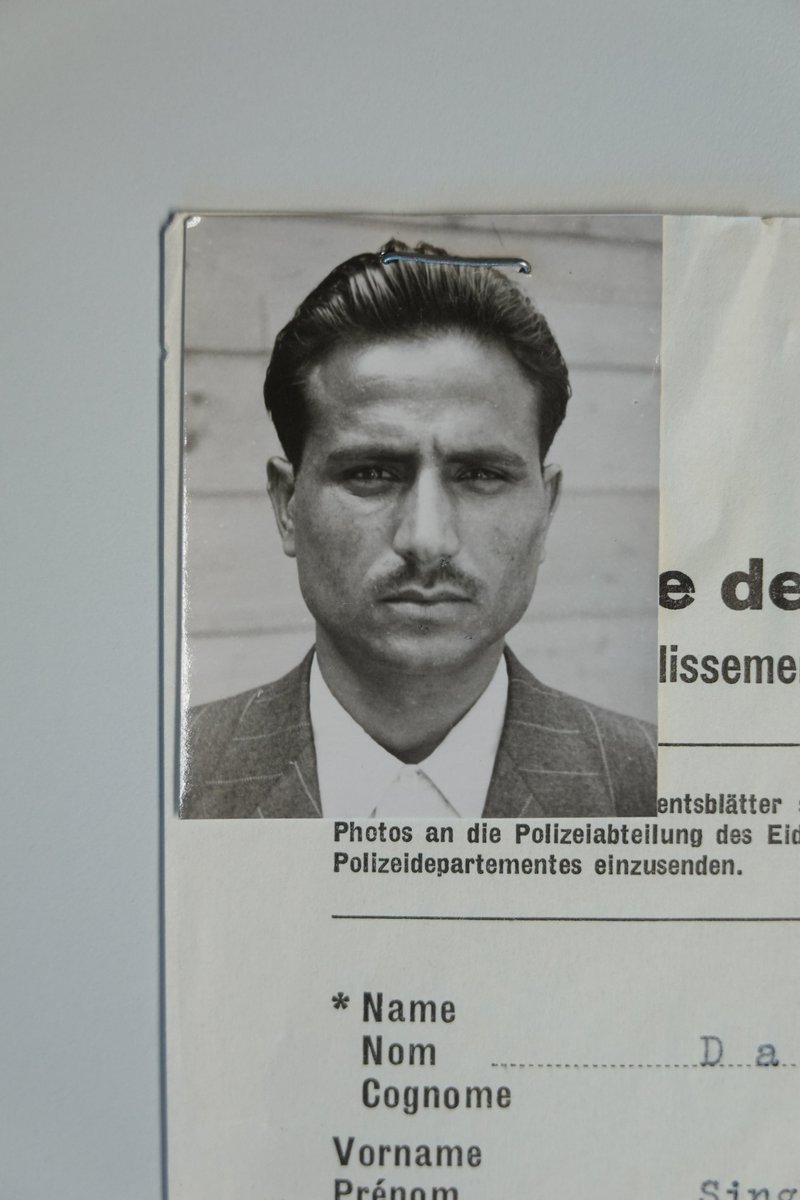
Mazumdar later managed to escape to Switzerland, in company with Daryao Singh and Lakhi Ram of the 2nd Royal Lancers, both captured at Tobruk in 1941. They walked 400 kms across France in the summer of 1943.
Photos taken in Switzerland for their ID cards
8/13
Photos taken in Switzerland for their ID cards
8/13
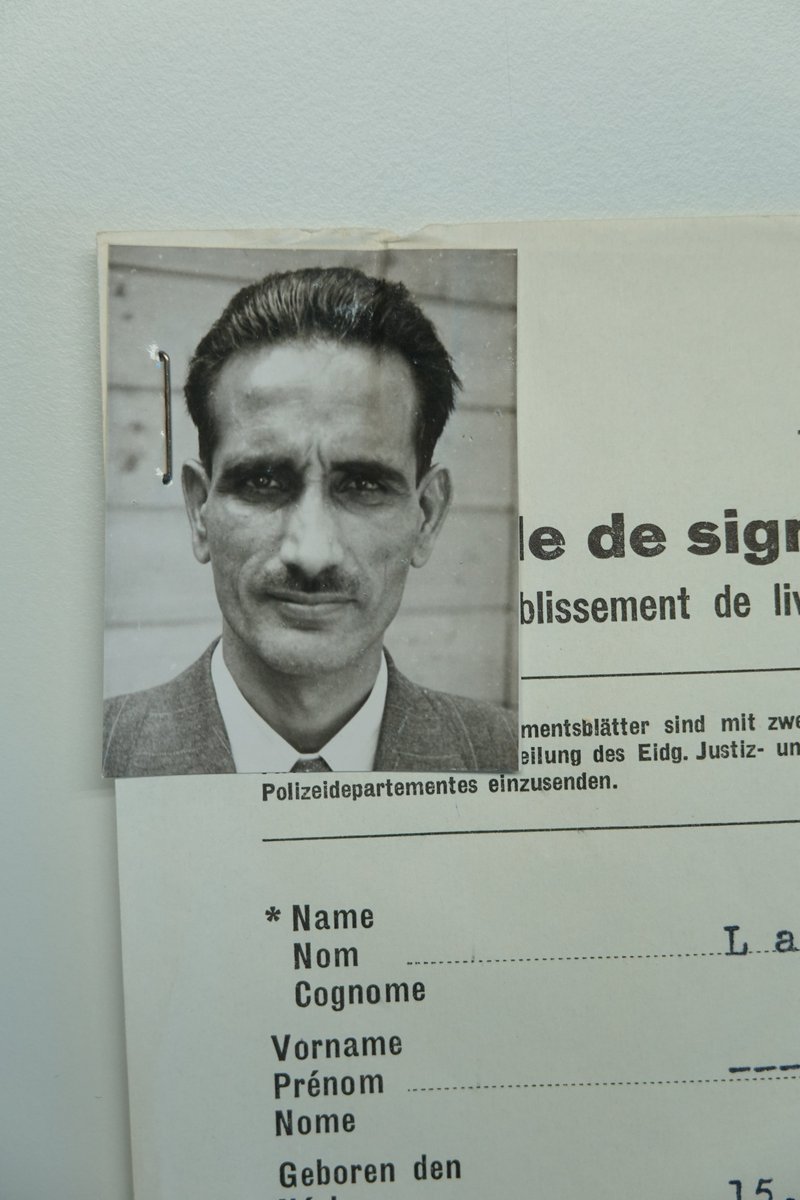
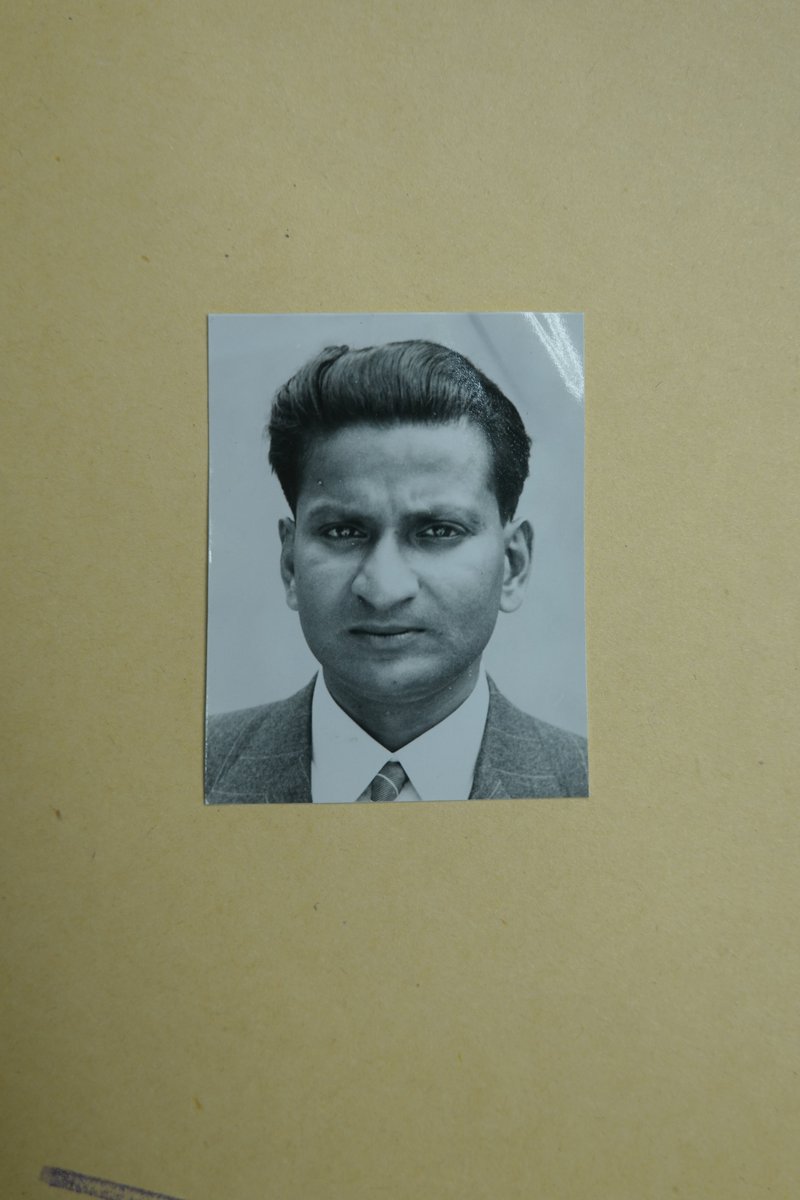
There are many, many more stories to tell about Indian POWs in German hands (hence my forthcoming book). There were about 15,000 of them, captured in North Africa, Greece, East Africa and France, held for up to 5 years.
9/13
9/13
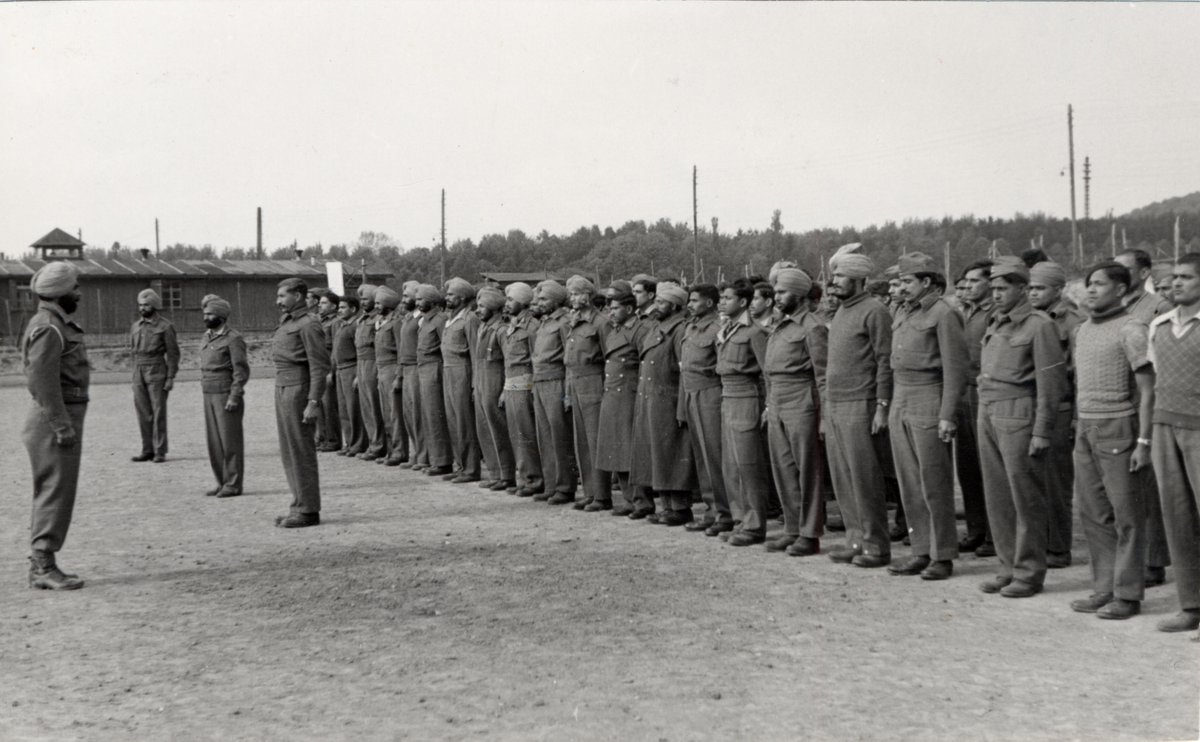
The vast majority of Indian POWs did what most prisoners did – sat and waited. Captain Anis Ahmad Khan of #ForceK6 was sustained by prayer, by playing sports, and by parcels from the Indian Comforts Fund.
10/13
10/13
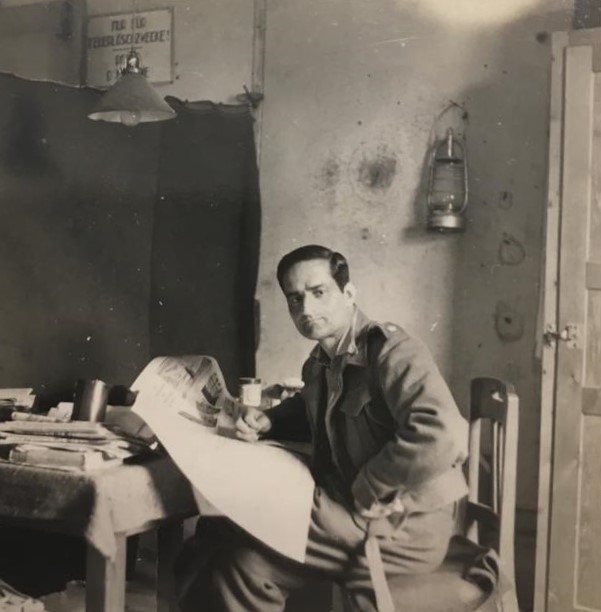
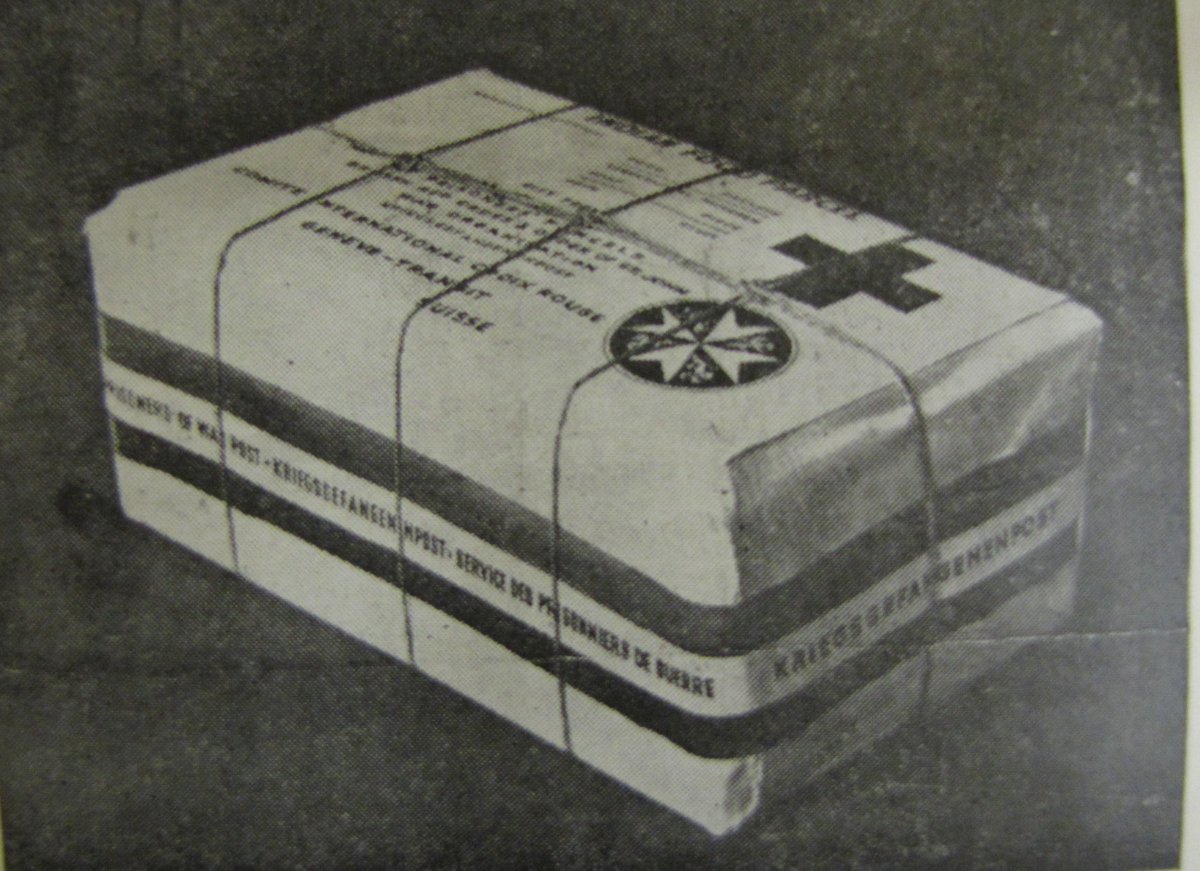
Many Indians escaped. Hardip Singh of the Punjab regiment was captured at Benghazi in Libya in 1942. He spent over a year in POW camps in Italy until the Italians surrendered, when he took to the hills and joined a band of Italian partisans resisting the Germans.
11/13
11/13
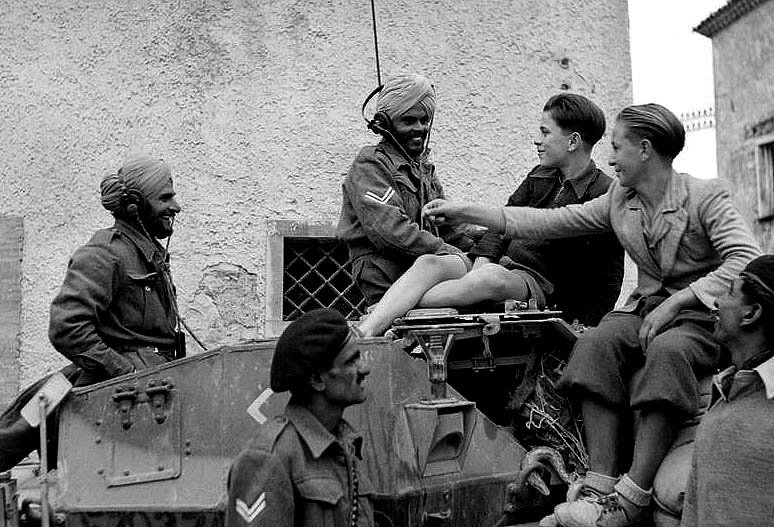
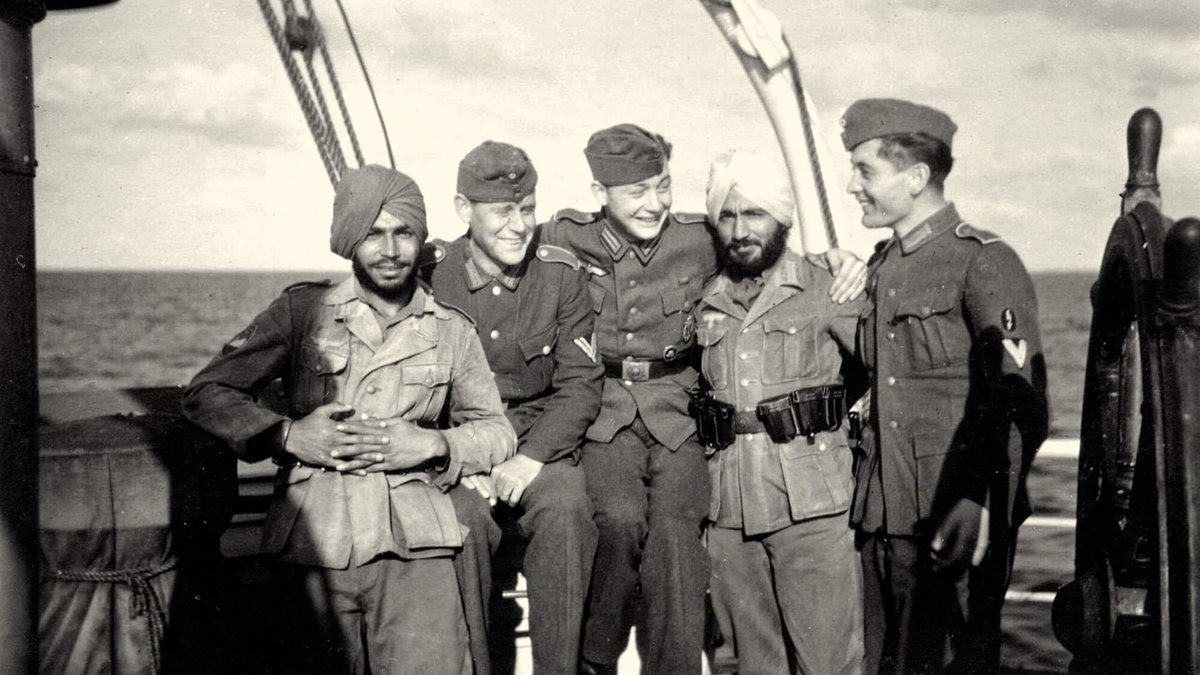
Some Indian POWs (like Abuzar) joined the German army, convinced by Subhas Chandra Bose that the way to independence lay in fighting *against* the British Empire. They were posted in🇳🇱 Netherlands and 🇫🇷France, but saw little active service.
12/13
12/13
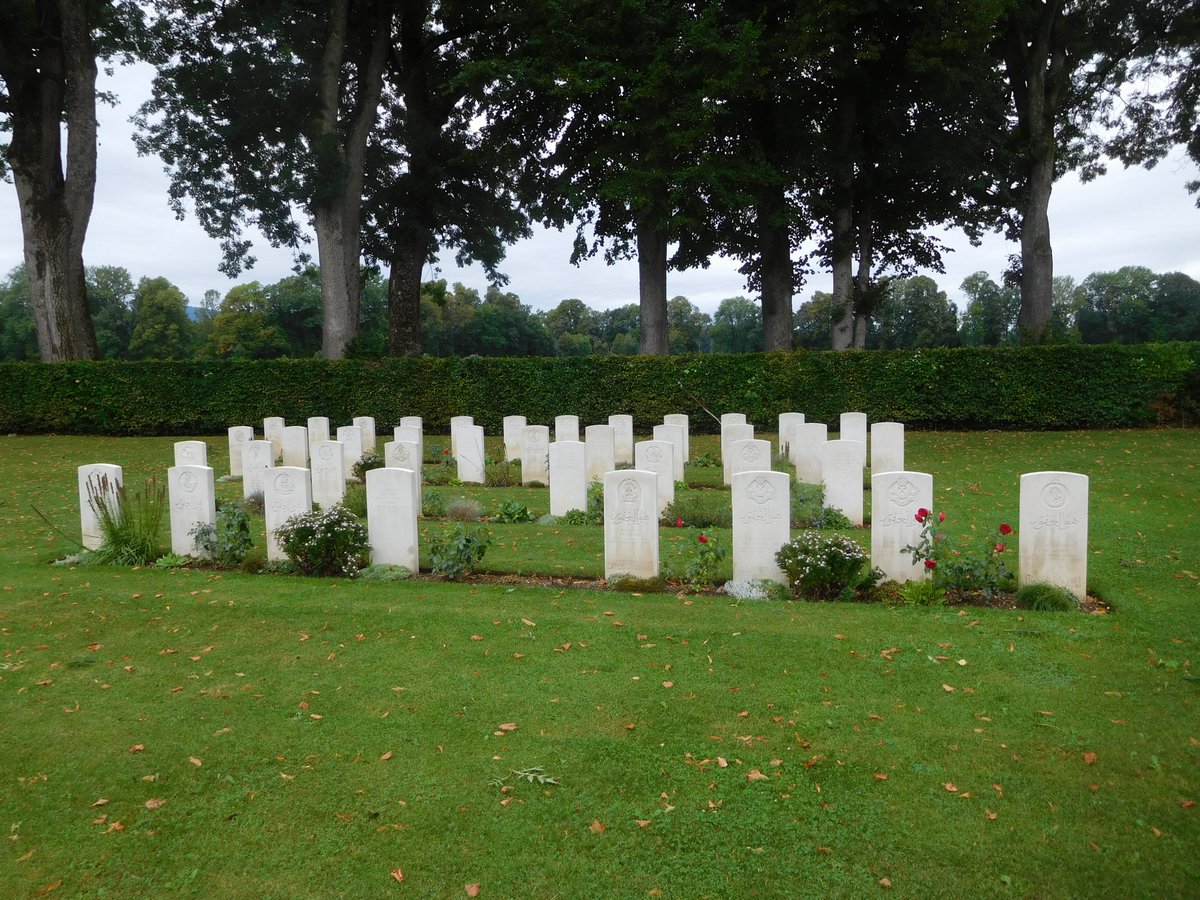
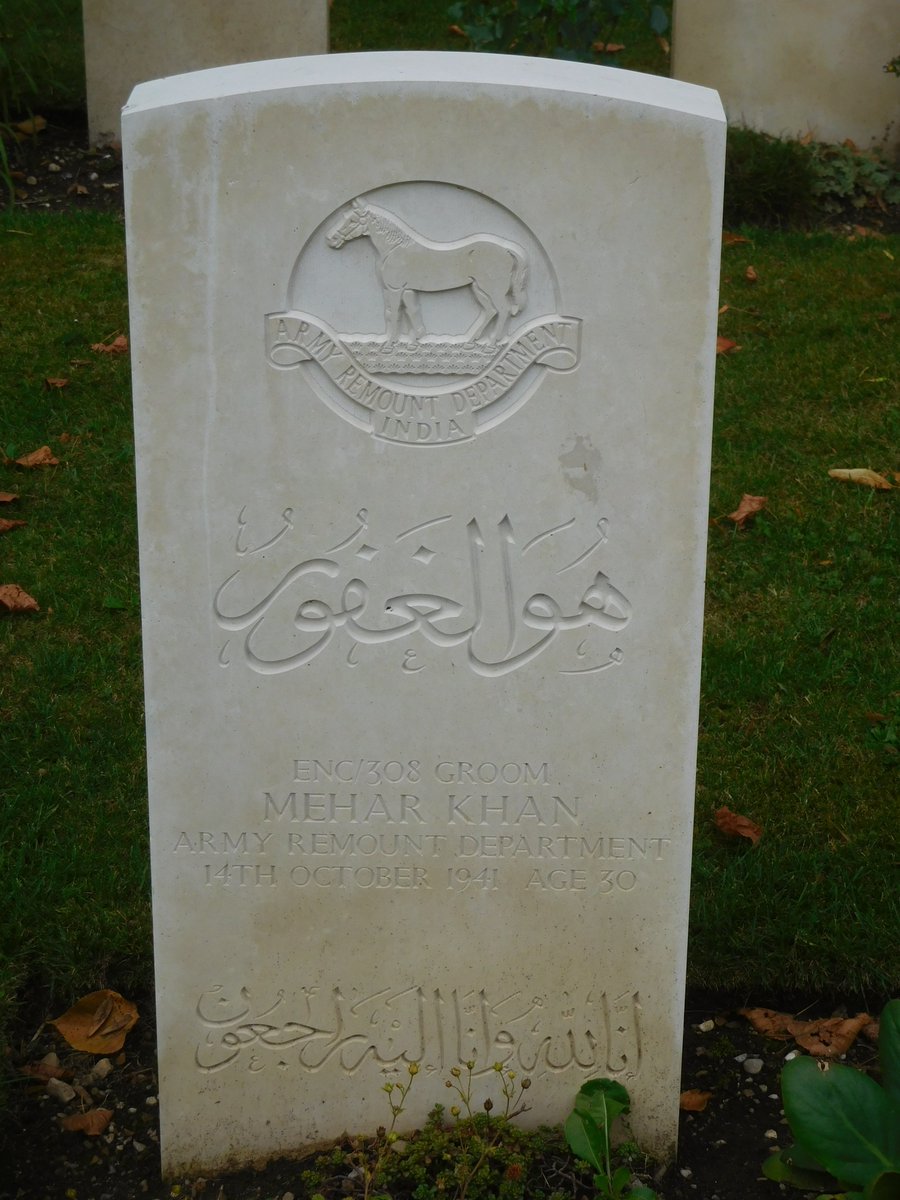
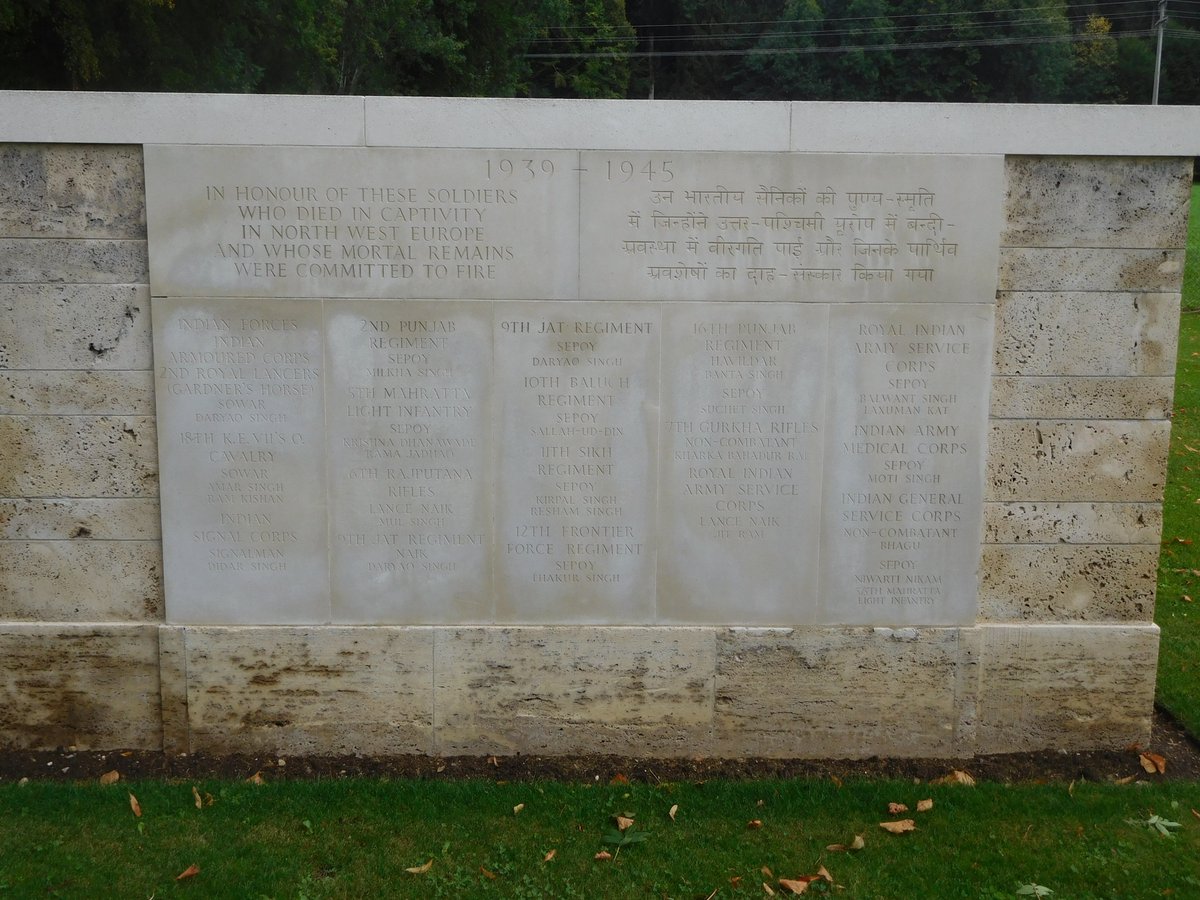
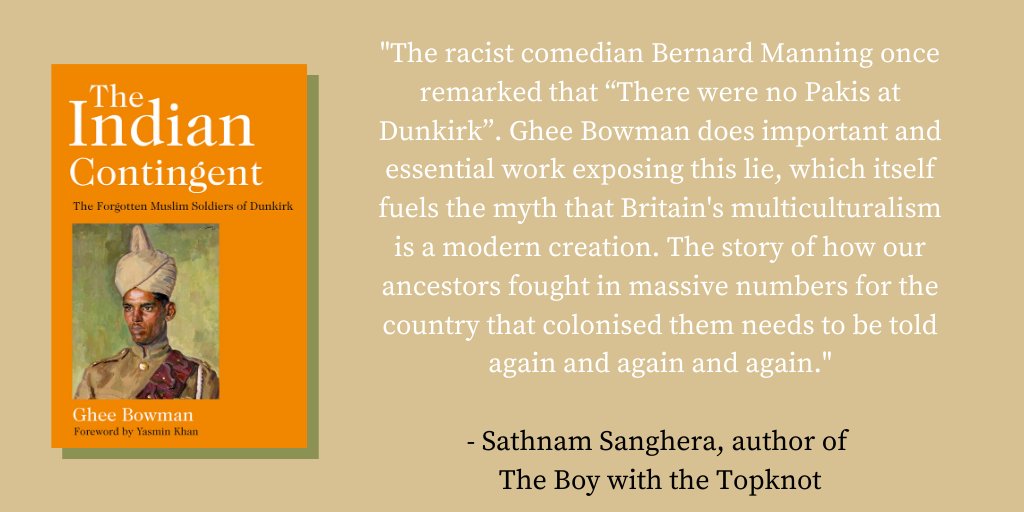
You’ll have to wait for my next book- on Indian POWs - a little while. But for more on Abuzar, Captain Anis and Major Akbar, you can read my first book The Indian Contingent.
Thanks for reading this thread!
Thanks for reading this thread!
Loading suggestions...