

One year ago today, we launched Bismarck Brief.
Since then, our analysts have written over 250,000 words on the state of the world—from China to the U.S. and everything in between.
Here are the 11 most important things we learned about how the world works in 2022.
🧵THREAD:
Since then, our analysts have written over 250,000 words on the state of the world—from China to the U.S. and everything in between.
Here are the 11 most important things we learned about how the world works in 2022.
🧵THREAD:
#1
The wealthiest people in the world are not motivated by money.
They are motivated by idiosyncratic ideological, personal, and prestige goals. Often, they simply want to be the most powerful and important person in a field.
As a side effect, they become rich.
The wealthiest people in the world are not motivated by money.
They are motivated by idiosyncratic ideological, personal, and prestige goals. Often, they simply want to be the most powerful and important person in a field.
As a side effect, they become rich.
A motivation for empire-building is frequently mistaken as a motivation for money.
Jeff Bezos’ growth philosophy is similar to Foxconn’s Terry Gou.
Both men prefer growth to profit, even in the long-term. They would never sell business empires for mere money!
Jeff Bezos’ growth philosophy is similar to Foxconn’s Terry Gou.
Both men prefer growth to profit, even in the long-term. They would never sell business empires for mere money!
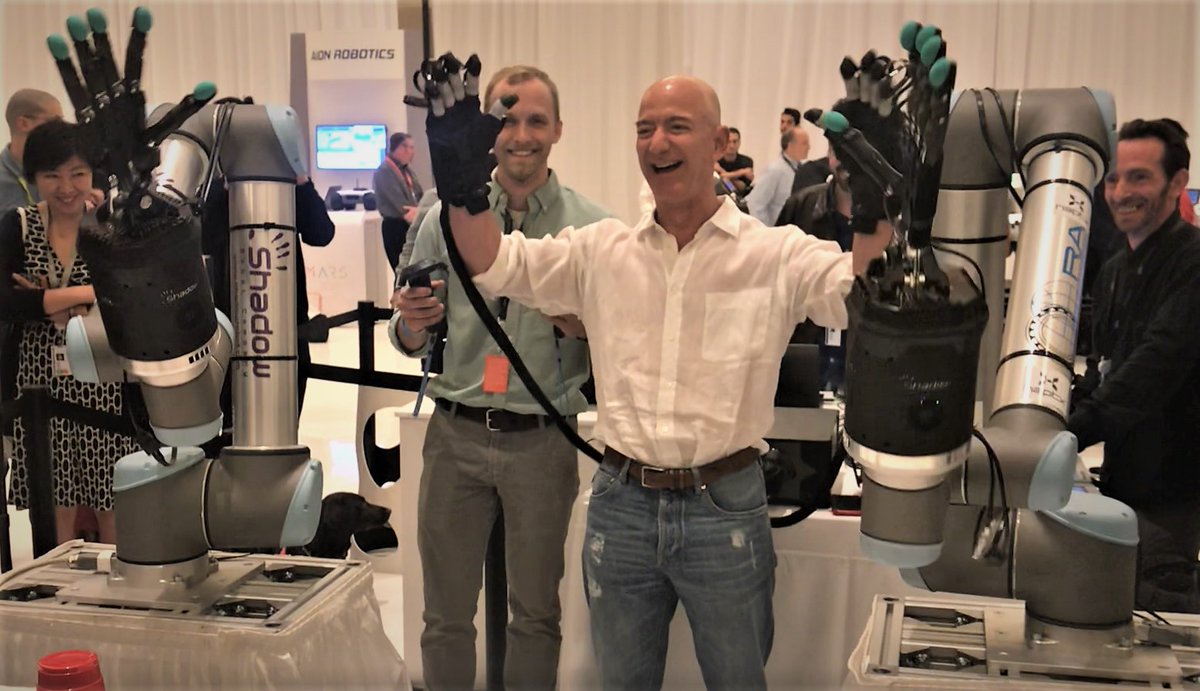
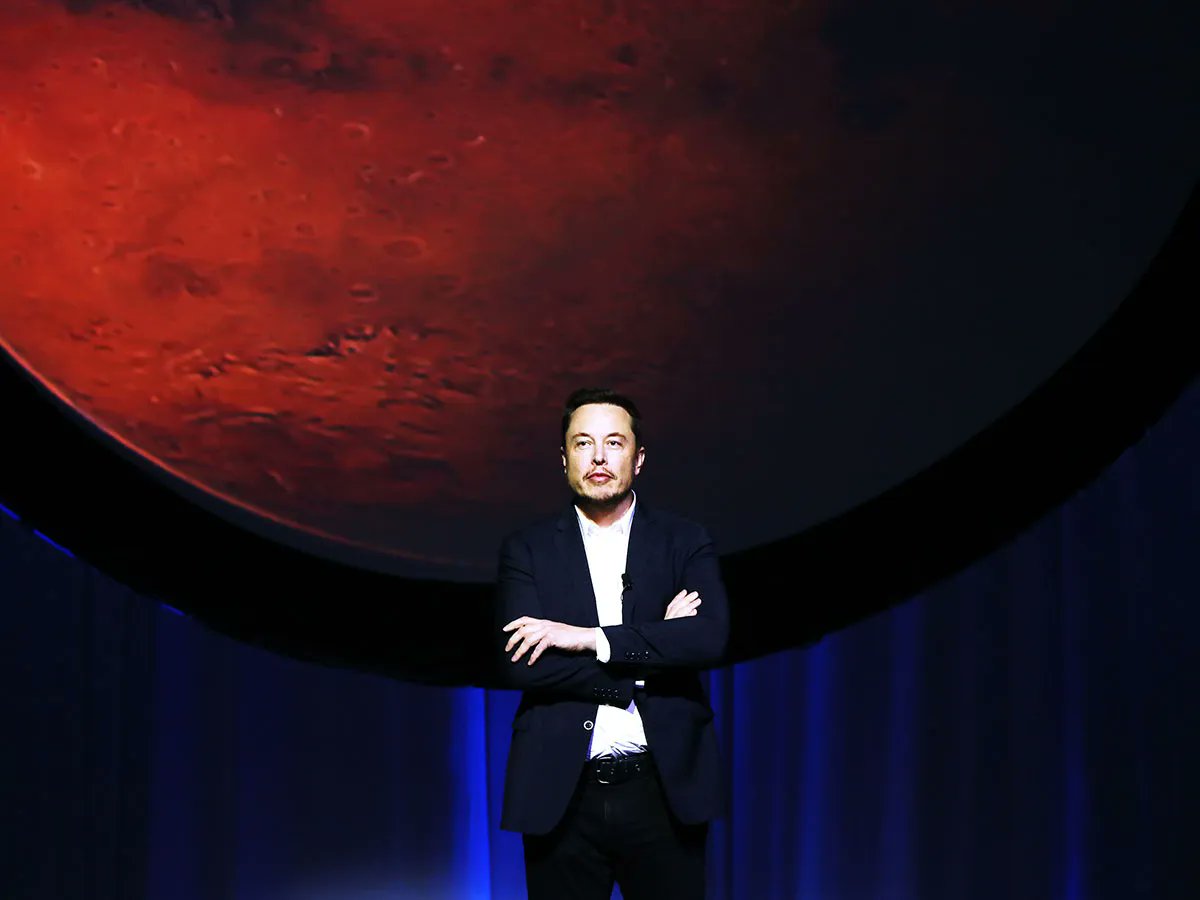
Others have much stranger motivations. @ElonMusk really wants to colonize Mars. Larry Fink wants to control global economic decision-making. Masayoshi Son wants to make cyberpunk real.
The Koch brothers really wanted to persuade everyone that libertarianism is good and true!
The Koch brothers really wanted to persuade everyone that libertarianism is good and true!
And, of course, in one very notable recent example, FTX’s Sam Bankman-Fried was motivated by funneling as much money as possible into the Effective Altruism movement.
You can read our publicly-released Brief on that topic here: brief.bismarckanalysis.com
You can read our publicly-released Brief on that topic here: brief.bismarckanalysis.com
There is one notable exception to this rule: dead players are genuinely motivated by money.
The most profitable companies in the world are essentially state-owned oil companies and banks, plus Apple, Google, and Microsoft.
No innovators.
The most profitable companies in the world are essentially state-owned oil companies and banks, plus Apple, Google, and Microsoft.
No innovators.
For an in-depth investigation of George Soros’ philanthropic empire and its legacy, read or listen to our publicly-available Brief on the topic here: brief.bismarckanalysis.com
#2
Strategically, money is a surprisingly weak resource.
No matter how many things you can buy with money, the list of things you cannot buy is even longer.
This applies both to individuals and to organizations.
Strategically, money is a surprisingly weak resource.
No matter how many things you can buy with money, the list of things you cannot buy is even longer.
This applies both to individuals and to organizations.
Masayoshi Son poured $150 billion into the global tech industry.
After 5 years, there isn’t one clear example of a tech innovation that would not exist if that money had not been spent.
The money just failed to drive innovation.
Read the Brief here: brief.bismarckanalysis.com
After 5 years, there isn’t one clear example of a tech innovation that would not exist if that money had not been spent.
The money just failed to drive innovation.
Read the Brief here: brief.bismarckanalysis.com
China and Saudi Arabia have similar problems.
The Saudi Crown Prince is trying to invest his way into industrializing Saudi Arabia. China is trying to invest its way into industrializing Pakistan.
Both plans are failing. You cannot buy industrialization with money.
The Saudi Crown Prince is trying to invest his way into industrializing Saudi Arabia. China is trying to invest its way into industrializing Pakistan.
Both plans are failing. You cannot buy industrialization with money.

Money is very useful. But it is infrequently the bottleneck it seems to be.
Key bottlenecks are more likely to be in skill, time, knowledge, social capital, and social technology, rather than mere funds.
Misunderstanding this leads to financial losses and no progress.
Key bottlenecks are more likely to be in skill, time, knowledge, social capital, and social technology, rather than mere funds.
Misunderstanding this leads to financial losses and no progress.
#3
Aligning political and economic elites is a problem in every society.
By default, there seems to be low overlap between the most politically influential people and the most economically influential.
A fractious elite leads to social strife and conflict. What’s the solution?
Aligning political and economic elites is a problem in every society.
By default, there seems to be low overlap between the most politically influential people and the most economically influential.
A fractious elite leads to social strife and conflict. What’s the solution?
Sweden is archetypal of one solution: social democracy.
In short, the most important industrialists ally with political elites against small business and high-earning employees.
Big business gets even bigger. In exchange, its bigger profits fund social programs.
In short, the most important industrialists ally with political elites against small business and high-earning employees.
Big business gets even bigger. In exchange, its bigger profits fund social programs.
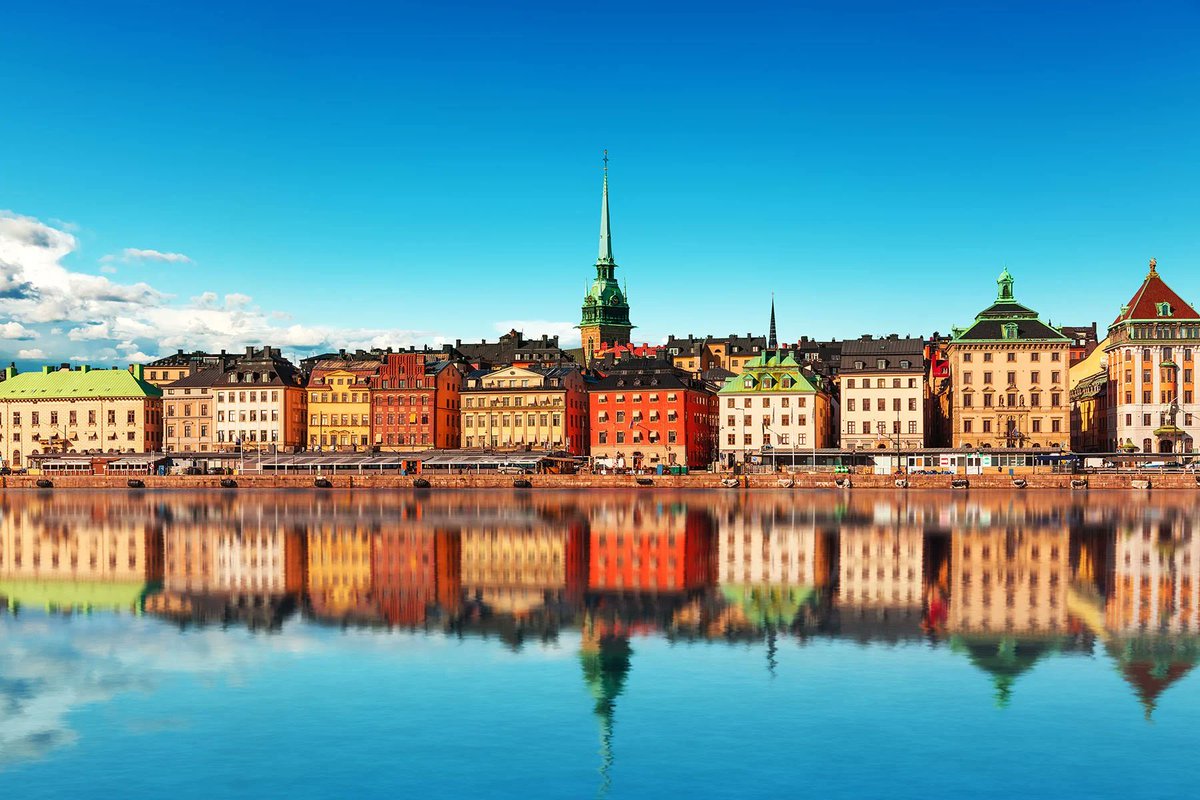
This leads to income equality, but not wealth equality. But it succeeds at aligning political and economic elites. Sweden is thus a very stable society.
The most important family playing this role in Sweden is the Wallenberg family.
Read the Brief here: brief.bismarckanalysis.com
The most important family playing this role in Sweden is the Wallenberg family.
Read the Brief here: brief.bismarckanalysis.com
China has another solution.
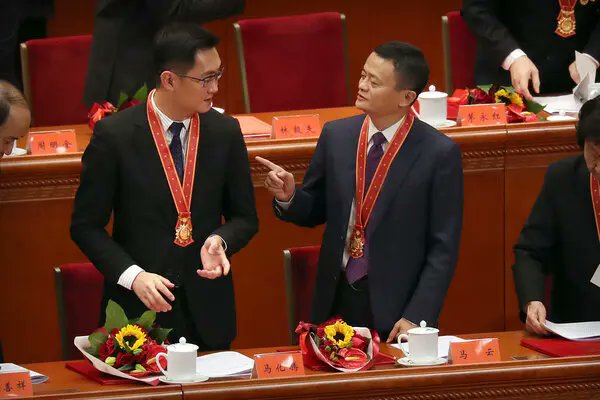
Cooperative economic elites, like Tencent’s Pony Ma, are drafted into ceremonial political positions and given official titles.
Uncooperative ones, like Alibaba’s Jack Ma, are punished by regulators and sometimes “disappeared” from the public eye.
Cooperative economic elites, like Tencent’s Pony Ma, are drafted into ceremonial political positions and given official titles.
Uncooperative ones, like Alibaba’s Jack Ma, are punished by regulators and sometimes “disappeared” from the public eye.
China’s model is interesting compared to the U.S. model.
Rather than drafting its billionaires into formal government positions, U.S. billionaires are expected to sponsor political proceedings with their money.
This is complained about, but no serious alternative is proposed.
Rather than drafting its billionaires into formal government positions, U.S. billionaires are expected to sponsor political proceedings with their money.
This is complained about, but no serious alternative is proposed.
A failure to align political and economic elites can be very costly.
In France, it seems that a conflict between the President and France’s formerly most important logistics magnate has cost France much of its influence in Africa.
Read the Brief here: brief.bismarckanalysis.com
In France, it seems that a conflict between the President and France’s formerly most important logistics magnate has cost France much of its influence in Africa.
Read the Brief here: brief.bismarckanalysis.com
#4
Natural resources are very important. But their importance is not measured in estimated reserves, but in the functionality of the institutions that intend to extract them.
Having lots of oil is worthless without wells, refineries, and pipelines—and technical experts.
Natural resources are very important. But their importance is not measured in estimated reserves, but in the functionality of the institutions that intend to extract them.
Having lots of oil is worthless without wells, refineries, and pipelines—and technical experts.
Qatar, Russia, Norway, Australia, and so on—we think of these countries as well-endowed by nature or luck with valuable natural resources.
But in reality, they are actually just the countries with the most functional resource extraction institutions.
But in reality, they are actually just the countries with the most functional resource extraction institutions.

The figures for proven and estimated reserves of natural resources are not issued by an omnipotent deity.
They are issued by technical experts, paid and equipped to do surveys and make judgments. They are often wrong, and often underestimate reserves. Exploration matters.
They are issued by technical experts, paid and equipped to do surveys and make judgments. They are often wrong, and often underestimate reserves. Exploration matters.
It is not a given that someone will figure out how to exploit any resources that happen to exist.
Even in developed countries, the potential for resource extraction is often missed or wasted. The United Kingdom is a good example. Read the Brief here: brief.bismarckanalysis.com
Even in developed countries, the potential for resource extraction is often missed or wasted. The United Kingdom is a good example. Read the Brief here: brief.bismarckanalysis.com
China is overwhelmingly dominant in rare earths because it set up the industrial ecosystem necessary to cheaply mine, refine, and manufacture components from rare earths.
Not because of luck in natural deposits.
Read the Brief here: brief.bismarckanalysis.com
Not because of luck in natural deposits.
Read the Brief here: brief.bismarckanalysis.com
The key resource suppliers of the future are likely going to be different from today’s.
In living memory, increased U.S. oil/gas production obsoleted a generation of theories about wars for oil. China sees major potential in Africa. The Mediterranean is now being drilled for gas
In living memory, increased U.S. oil/gas production obsoleted a generation of theories about wars for oil. China sees major potential in Africa. The Mediterranean is now being drilled for gas

If you have made it this far in this thread, we highly recommend you become a paid subscriber to Bismarck Brief.
You will receive a new Brief in your inbox every Wednesday at 2pm GMT, available both for reading and for listening.
Subscribe here: brief.bismarckanalysis.com
You will receive a new Brief in your inbox every Wednesday at 2pm GMT, available both for reading and for listening.
Subscribe here: brief.bismarckanalysis.com
#5
Energy really matters.
Where a society gets its energy determines its global relevance and political economy to a surprising degree.
Each source of energy has notably different effects.
Energy really matters.
Where a society gets its energy determines its global relevance and political economy to a surprising degree.
Each source of energy has notably different effects.
Coal is a localizing force. It is generally burned for energy where it is mined. China still uses coal for a majority of its energy.
Oil, however, is a globalizing force. It is easily stored and transported. Oil exporters use it as leverage in foreign diplomacy with success.
Oil, however, is a globalizing force. It is easily stored and transported. Oil exporters use it as leverage in foreign diplomacy with success.
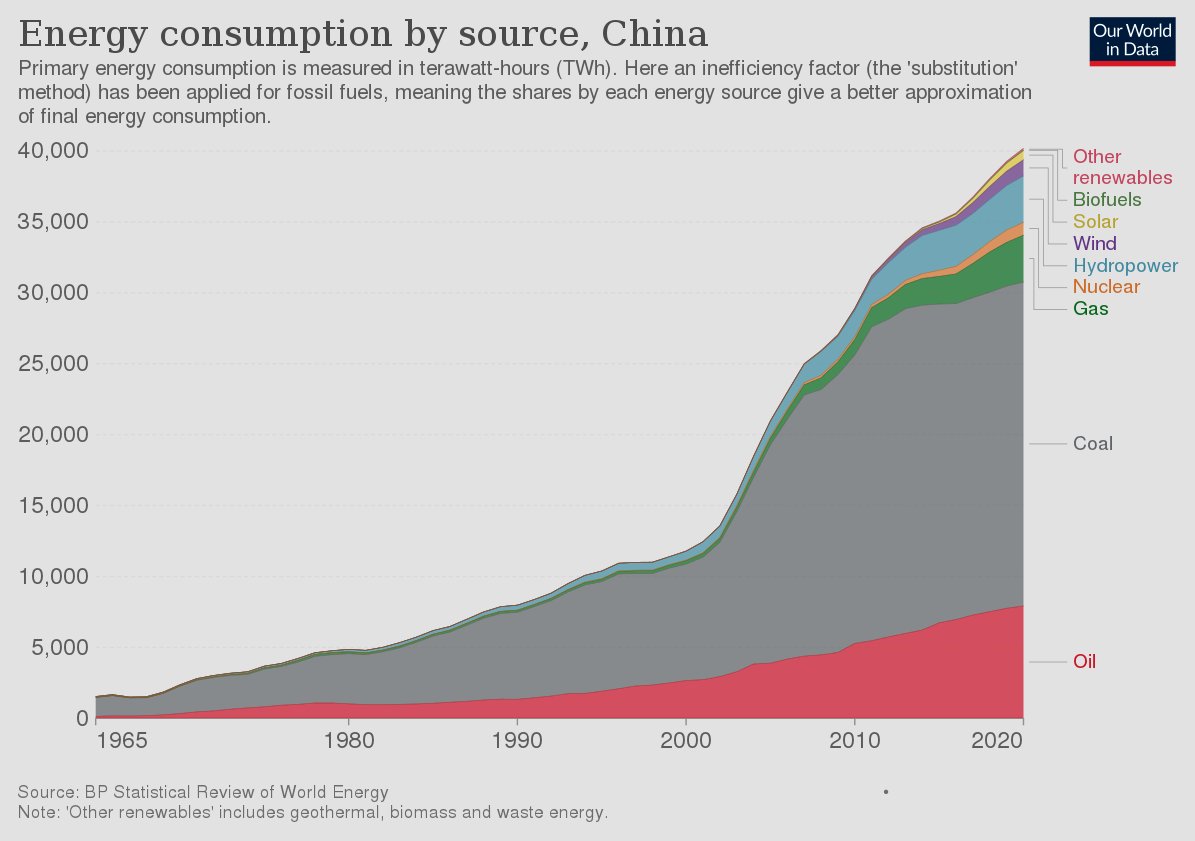
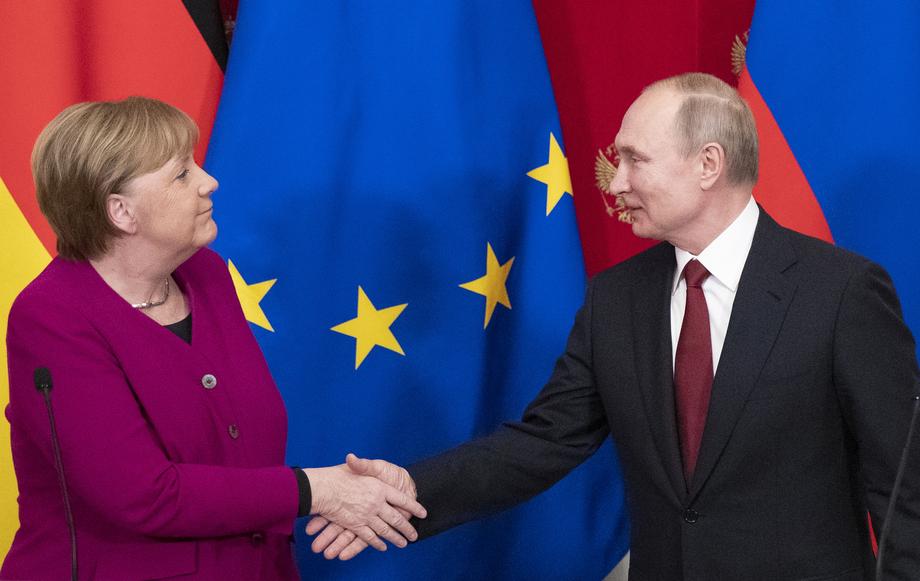
Natural gas delivered through pipelines is a regionalizing force. Gas pipelines helped tie Europe to Russia and Turkey.
Liquefied natural gas transported by ship will turn gas into a globalizing force like oil. Or that is the hope, at least.
Liquefied natural gas transported by ship will turn gas into a globalizing force like oil. Or that is the hope, at least.
Renewable sources of energy seem localizing. Nuclear power is the best example. Wind, hydro, and solar also imply usage more like coal than oil.
But a key variable is who manufactures the windmills and solar panels.
Read the Brief here: brief.bismarckanalysis.com
But a key variable is who manufactures the windmills and solar panels.
Read the Brief here: brief.bismarckanalysis.com
#6
The Middle East is surprisingly dense with live players.
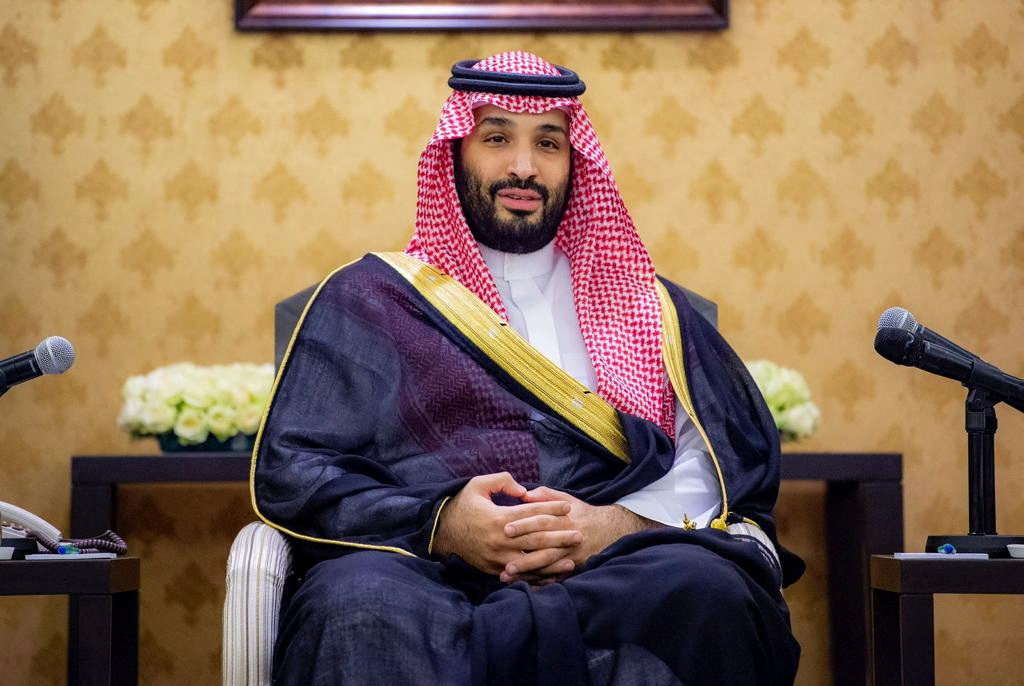
Turkey is suddenly a drone power. Israel is suddenly a cybersecurity power. Saudi Arabia is suddenly a global investing power.
Many political leaders are also clearly live players, such as the King of Morocco.
The Middle East is surprisingly dense with live players.
Turkey is suddenly a drone power. Israel is suddenly a cybersecurity power. Saudi Arabia is suddenly a global investing power.
Many political leaders are also clearly live players, such as the King of Morocco.
Density of live players is not necessarily correlated to wealth or stability. Europe is wealthy, but seems to lack live players.
Silicon Valley is dense with both wealth and live players, but the former is only a result of the latter.
Silicon Valley is dense with both wealth and live players, but the former is only a result of the latter.
The Middle East is a diverse and heterogeneous region. Ultimately we can only speculate on why it might have a higher density of live players.
But we can offer two possible explanations for this observation:
But we can offer two possible explanations for this observation:
A lack of powerful bureaucracies probably helps. Many Middle Eastern and North African states started off very weak and only recently became stronger.
As a result, what state capacity has been built up is still new, fresh, and subject to reform.
As a result, what state capacity has been built up is still new, fresh, and subject to reform.
Another possibility is intense competition for power between peer players.
There is no genuine hegemon in the region, and most countries are capable of challenging or threatening others.
As a result, there is an arms race in strategy that only live players can win.
There is no genuine hegemon in the region, and most countries are capable of challenging or threatening others.
As a result, there is an arms race in strategy that only live players can win.

#7
Functional institutions can be and are often small. Very small.
The size of an organization, in terms of budgets, staff, and expenditures, is at best only a weak signal of functionality.
Often large institutions are really subsidized by much smaller ones.
Functional institutions can be and are often small. Very small.
The size of an organization, in terms of budgets, staff, and expenditures, is at best only a weak signal of functionality.
Often large institutions are really subsidized by much smaller ones.
DARPA is a canonical example.
DARPA has driven technological advances in the internet, drones, stealth technology, and much more, with less than 200 employees and a fraction of a percent of the Pentagon’s budget.
Read the Brief here: brief.bismarckanalysis.com
DARPA has driven technological advances in the internet, drones, stealth technology, and much more, with less than 200 employees and a fraction of a percent of the Pentagon’s budget.
Read the Brief here: brief.bismarckanalysis.com
Israel’s Unit 8200 is another example.
With a few thousand personnel, Unit 8200 maintains Israel’s expansive cyberwarfare capabilities & produces a stream of tech founders and highly skilled experts who enter the private sector.
Read the Brief here: brief.bismarckanalysis.com
With a few thousand personnel, Unit 8200 maintains Israel’s expansive cyberwarfare capabilities & produces a stream of tech founders and highly skilled experts who enter the private sector.
Read the Brief here: brief.bismarckanalysis.com
Twitter itself is proving to be an example. @ElonMusk has reportedly cut Twitter’s staff by over 50% in just a few weeks. The site still functions.
A 24/7 public forum for 8 billion people run by just a few hundred people. Small and functional.
A 24/7 public forum for 8 billion people run by just a few hundred people. Small and functional.

#8
Global technological priorities are surprisingly uniform.
World powers are not operating on siloed traditions of knowledge that guide decisions on scientific and technological progress.
Rather they seem to imitate each other, competing in a few narrow areas.
Global technological priorities are surprisingly uniform.
World powers are not operating on siloed traditions of knowledge that guide decisions on scientific and technological progress.
Rather they seem to imitate each other, competing in a few narrow areas.
Quantum technology is a good example. In both China and the U.S., this field is highly funded and favored by both scientists and government decision-makers.
Even though its potential remains totally speculative.
Read the Brief here: brief.bismarckanalysis.com
Even though its potential remains totally speculative.
Read the Brief here: brief.bismarckanalysis.com
AI is a similar story. And in the private sector, electric vehicles are now fashionable for both upstarts and established giants.
Rather than a diversity of frontiers of knowledge, we seem to see global consensus on what the most promising new technologies are.
Rather than a diversity of frontiers of knowledge, we seem to see global consensus on what the most promising new technologies are.
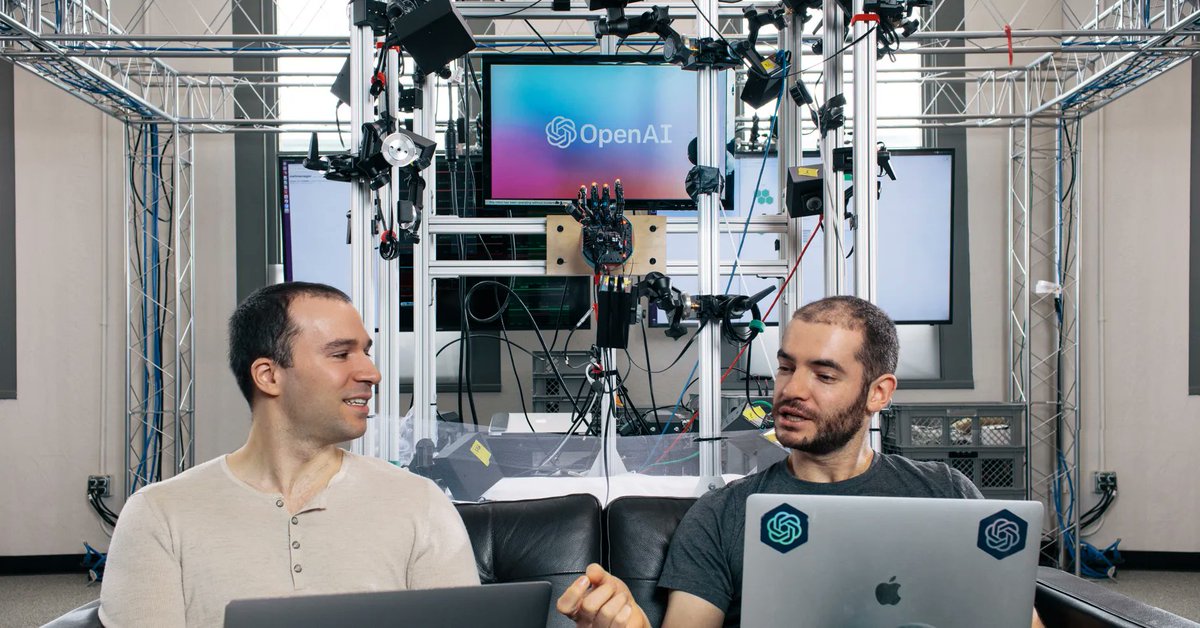
This suggests that global technological progress is more fragile than it looks.
If quantum or AI turn out to be dead ends, then both China and the U.S. will suffer the same defeat.
It also suggests that something or someone is intellectually upstream of both China and the U.S.
If quantum or AI turn out to be dead ends, then both China and the U.S. will suffer the same defeat.
It also suggests that something or someone is intellectually upstream of both China and the U.S.
#9
A focus on dysfunctional institutions obscures the fact that Western institutions are still surprisingly functional in both large and small ways.
The U.S. is still a global hegemon. Not just because of inertia, but because of functional institutions.
A focus on dysfunctional institutions obscures the fact that Western institutions are still surprisingly functional in both large and small ways.
The U.S. is still a global hegemon. Not just because of inertia, but because of functional institutions.
The Pentagon actually does a decent job of supplying the world’s largest military. It’s slow and cannot adapt quickly. But it can adapt slowly.
For peacetime, this works well enough to maintain U.S. military might.
Read the Brief here: brief.bismarckanalysis.com
For peacetime, this works well enough to maintain U.S. military might.
Read the Brief here: brief.bismarckanalysis.com
Fears that Australia would stop being a reliable U.S. ally due to its growing economic relationship with China have proved meritless.
Australia’s internal political economy is simply robust to caring about resource exports.
Read the Brief here: brief.bismarckanalysis.com
Australia’s internal political economy is simply robust to caring about resource exports.
Read the Brief here: brief.bismarckanalysis.com
Even in Europe we can find examples of surprisingly functional institutions.
The European Commission is perhaps bad at many things, but it is great at slowly pushing through European political and economic integration.
Read the Brief here: brief.bismarckanalysis.com
The European Commission is perhaps bad at many things, but it is great at slowly pushing through European political and economic integration.
Read the Brief here: brief.bismarckanalysis.com
In tech and science, the U.S. is still home to top performers: DARPA, Amazon, Tesla, SpaceX, Nvidia, OpenAI, and many more.
China’s rise does not mean Chinese global hegemony is fait accompli. Western institutions are not all bad; many are still worth observing carefully.
China’s rise does not mean Chinese global hegemony is fait accompli. Western institutions are not all bad; many are still worth observing carefully.

#10
Many of the most important players in the global system of political economy are really, really old.
Klaus Schwab is 84. George Soros is 92. Henry Kissinger is 99.
These are not Baby Boomers. They’re even older; old enough to remember the 1930s and the start of World War 2
Many of the most important players in the global system of political economy are really, really old.
Klaus Schwab is 84. George Soros is 92. Henry Kissinger is 99.
These are not Baby Boomers. They’re even older; old enough to remember the 1930s and the start of World War 2


Counterintuitively, societies are politically dominated by the old, not the young.
How do low-energy elderly people enforce their will on everyone else?
An elegant explanation is that exercising power requires social capital. And the best measure of social capital is age.
How do low-energy elderly people enforce their will on everyone else?
An elegant explanation is that exercising power requires social capital. And the best measure of social capital is age.
At 80 or 90, an elderly live player may no longer be completely lucid. But they are a wealth of favors owed and promises kept.
They know where the bodies are buried—bodies that everyone else has forgotten or never knew existed in the first place.
They know where the bodies are buried—bodies that everyone else has forgotten or never knew existed in the first place.
When they finally die, that ledger of favors dies with them too. Old handshake deals are finally broken. Important secrets are lost to the grave.
The consequences are difficult to track because they are by nature illegible to outsiders. But we can infer they exist.
The consequences are difficult to track because they are by nature illegible to outsiders. But we can infer they exist.

Perhaps an underrated factor in US-China rivalry is how many key players who brokered China’s reform and opening have died of old age in the last decade.
The rest are likely to die in the next five years.
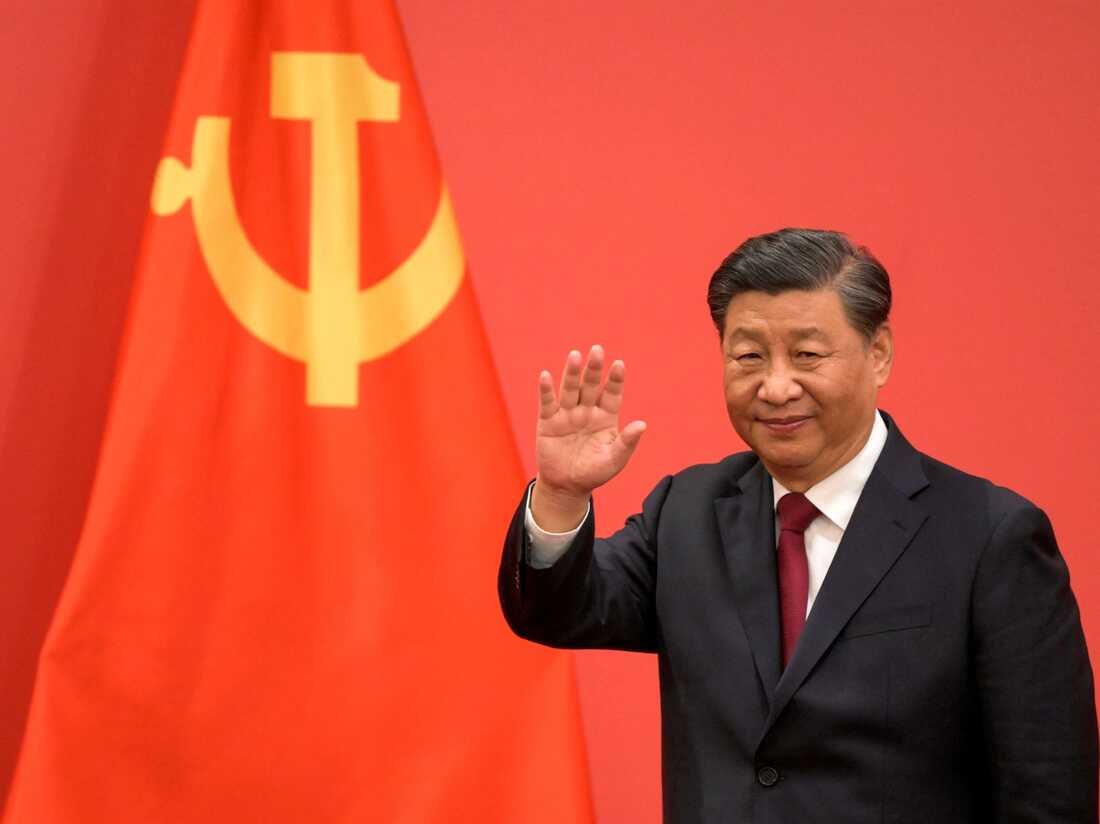
Xi Jinping is, after all, the first Chinese leader born under communism.
The rest are likely to die in the next five years.
Xi Jinping is, after all, the first Chinese leader born under communism.
#11
Finally, the last thing we learned: the succession problem is a big problem everywhere.
Very few live players and institutions have clear and skilled successors.
Finally, the last thing we learned: the succession problem is a big problem everywhere.
Very few live players and institutions have clear and skilled successors.
The succession problem is simple but hard to solve:
A live player in charge of an institution must find a successor who both has the skill to achieve the institution’s mission, and the power to actually control the institution.
Read more here: samoburja.com
A live player in charge of an institution must find a successor who both has the skill to achieve the institution’s mission, and the power to actually control the institution.
Read more here: samoburja.com
A stark example: in China, Xi Jinping has succeeded in centralizing power around himself. He has taken an unprecedented third term in office.
But his reforms make it harder, not easier, for live players to wield power in China.
Read the Brief here: brief.bismarckanalysis.com
But his reforms make it harder, not easier, for live players to wield power in China.
Read the Brief here: brief.bismarckanalysis.com
As live players retire or die without being replaced, the world’s institutions will become more rigid, less responsive to changes, and thereby more brittle.
The succession problem has been a problem since time immemorial. And it will be a major problem in the future.
The succession problem has been a problem since time immemorial. And it will be a major problem in the future.
If you made it to the end of this thread, we highly recommend you become a paid subscriber to Bismarck Brief.
You will receive a new Brief in your inbox every Wednesday at 2pm GMT, available both for reading and for listening.
Subscribe here: brief.bismarckanalysis.com
You will receive a new Brief in your inbox every Wednesday at 2pm GMT, available both for reading and for listening.
Subscribe here: brief.bismarckanalysis.com

Read the letter by our founder @SamoBurja on the first anniversary of Bismarck Brief here: brief.bismarckanalysis.com
Loading suggestions...