

Dear ladies
I would like us to talk about Family Planning Contraceptives. For many people, finding a contraceptive method that fits their body and lifestyle took a few tries. An average woman has tried between 3 and 4 different methods in their lifetime.
[Thread]
I would like us to talk about Family Planning Contraceptives. For many people, finding a contraceptive method that fits their body and lifestyle took a few tries. An average woman has tried between 3 and 4 different methods in their lifetime.
[Thread]
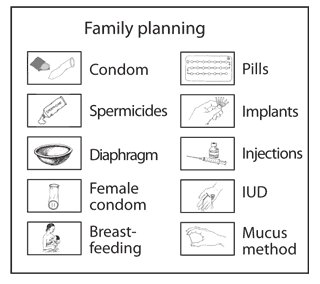
Talking about it?
2. I know, it's sometimes easier said than done. Don’t be embarrassed, sex is a normal part of life and talking about contraception shows you are taking responsible steps to protect yourself but taking charge of your own life in an adult and responsible way.
2. I know, it's sometimes easier said than done. Don’t be embarrassed, sex is a normal part of life and talking about contraception shows you are taking responsible steps to protect yourself but taking charge of your own life in an adult and responsible way.
3. Most common Contraceptives:
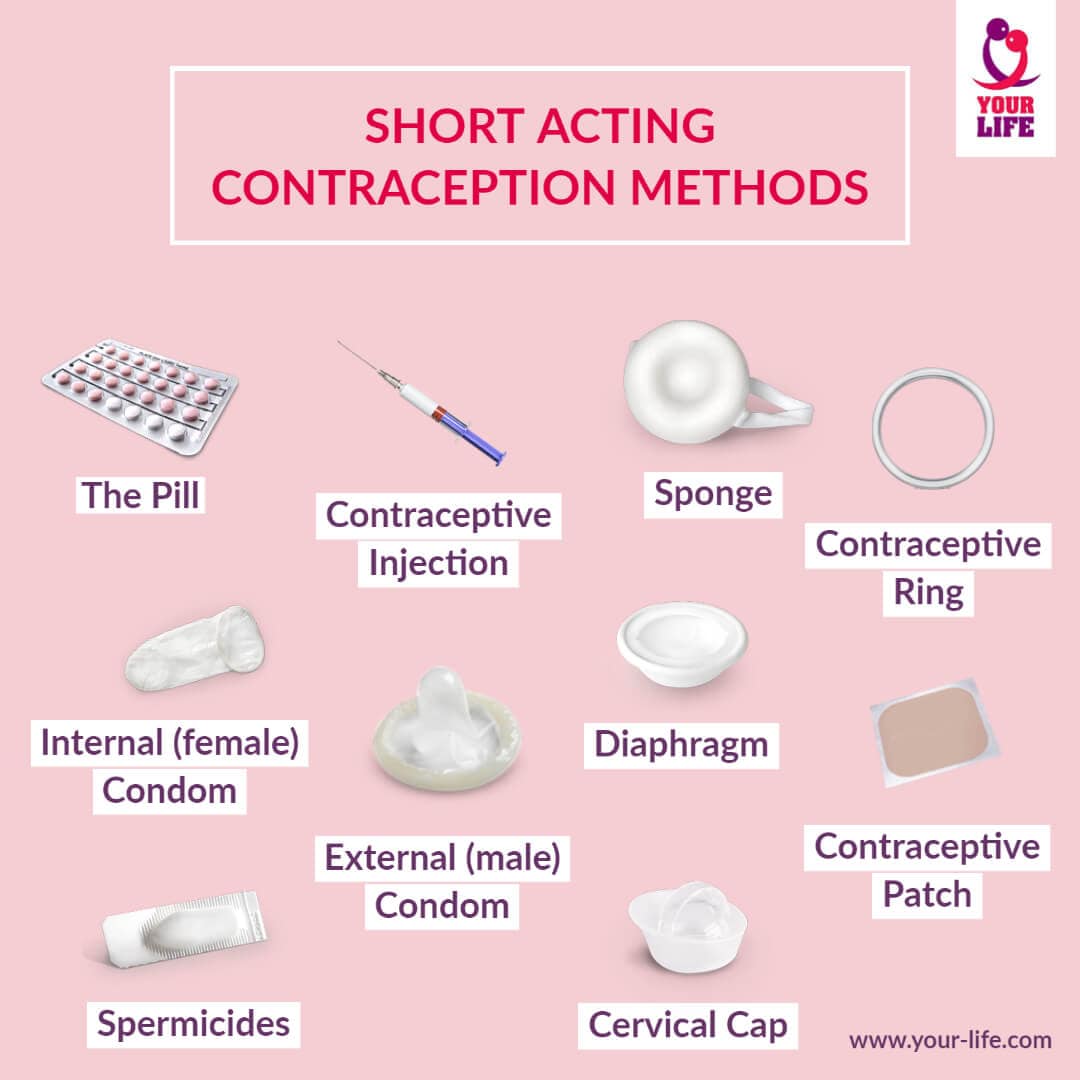
Short term
1. Progestin-only Pill
2. Combined Oral Contraceptive Pill
3. Emergency Contraceptive Pill
3. Depo Provera
4. Sayana Press
Long Term
1. Implanon 3 & 5
2. Intra-uterine Device
3. IUS 5
4. Tubal Ligation
Short term
1. Progestin-only Pill
2. Combined Oral Contraceptive Pill
3. Emergency Contraceptive Pill
3. Depo Provera
4. Sayana Press
Long Term
1. Implanon 3 & 5
2. Intra-uterine Device
3. IUS 5
4. Tubal Ligation
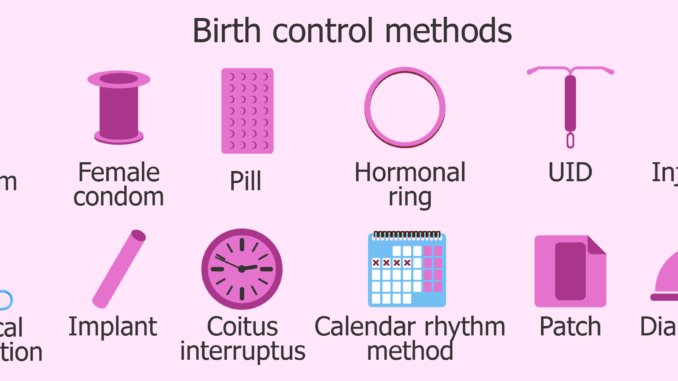
4. A lot of women have experience potential side effects and adverse events from these FP Methods (Pills, Injectables) with their hormones changing drastically. Side effects are not uncommon in the world of contraception. Let me highlight a few responses, using pseudo names👇🏽
5. Bianca 28, remarked that she began taking birth control pills at 19 years old to help regulate her mood swings. She's been on the pill for several years before she actually found the right contraception.
Sibo, 27 tried 6 different methods & is still looking for a good fit.
Sibo, 27 tried 6 different methods & is still looking for a good fit.

6. Suku, 37 an Oral Pill user until she had children. Says after that her hormones changed drastically. Tried finding a method she could use safely while breastfeeding & ended up on a pill that caused post-partum depression. She switched to IUD & calls the experience “liberating”

7. Tanya 22, living with side effects is better than having no birth control options at all. After having serious side effects from her hormonal implant, she switched to a non-hormonal copper IUD & would only consider having it removed if the cramps are completely debilitating.

8. So What Do You Do?
a.) At the end of the day, contraception is complicated. What works one may not be the best choice for you. Select your contraceptive option based on;
- Efficacy
- Ease of use
- Side effects or risks.
- How frequently you have sex
- # of sexual partners
a.) At the end of the day, contraception is complicated. What works one may not be the best choice for you. Select your contraceptive option based on;
- Efficacy
- Ease of use
- Side effects or risks.
- How frequently you have sex
- # of sexual partners

8b. Other important deciding factors to consider that can affect your choice?
- Your menstrual symptoms.
- Whether you’re breastfeeding
- Your cardiovascular health
- Other chronic health conditions you may have
- Other medications you may take
- Your menstrual symptoms.
- Whether you’re breastfeeding
- Your cardiovascular health
- Other chronic health conditions you may have
- Other medications you may take
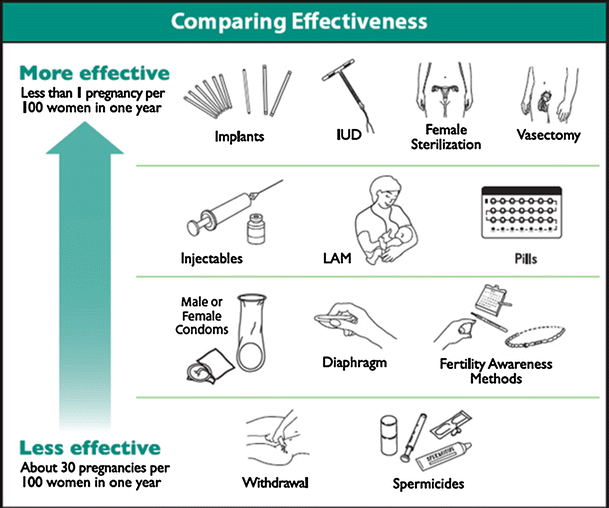
9. What are the most effective forms of birth control?
The most effective form of birth control is to not have sexual intercourse or abstinence. I know some of my brothers & sisters think 'Pulling out method' is a form of contraception but it's not 😁, unless some are pros lol.
The most effective form of birth control is to not have sexual intercourse or abstinence. I know some of my brothers & sisters think 'Pulling out method' is a form of contraception but it's not 😁, unless some are pros lol.
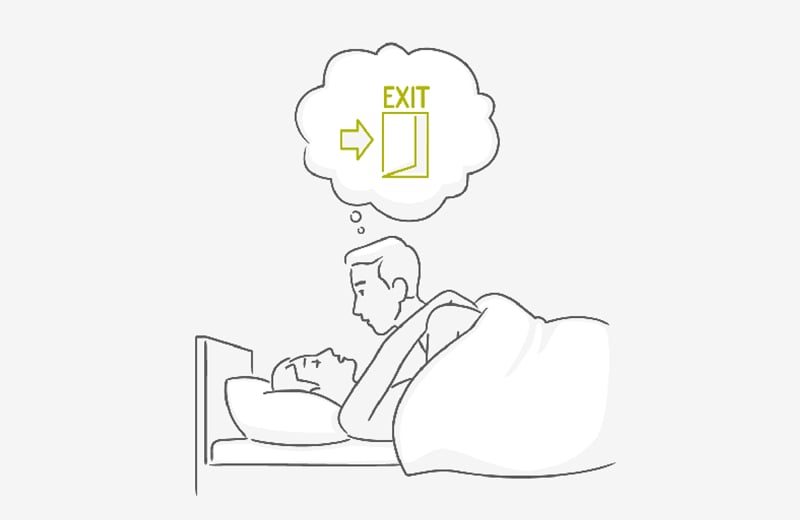
10. When it comes to contraception an important factor is convenience. Certain contraception options require daily upkeep (like a pill) to be effective, while other methods (like an IUD) are like “get it & forget it” because they last for years. Let's talk about the most common.
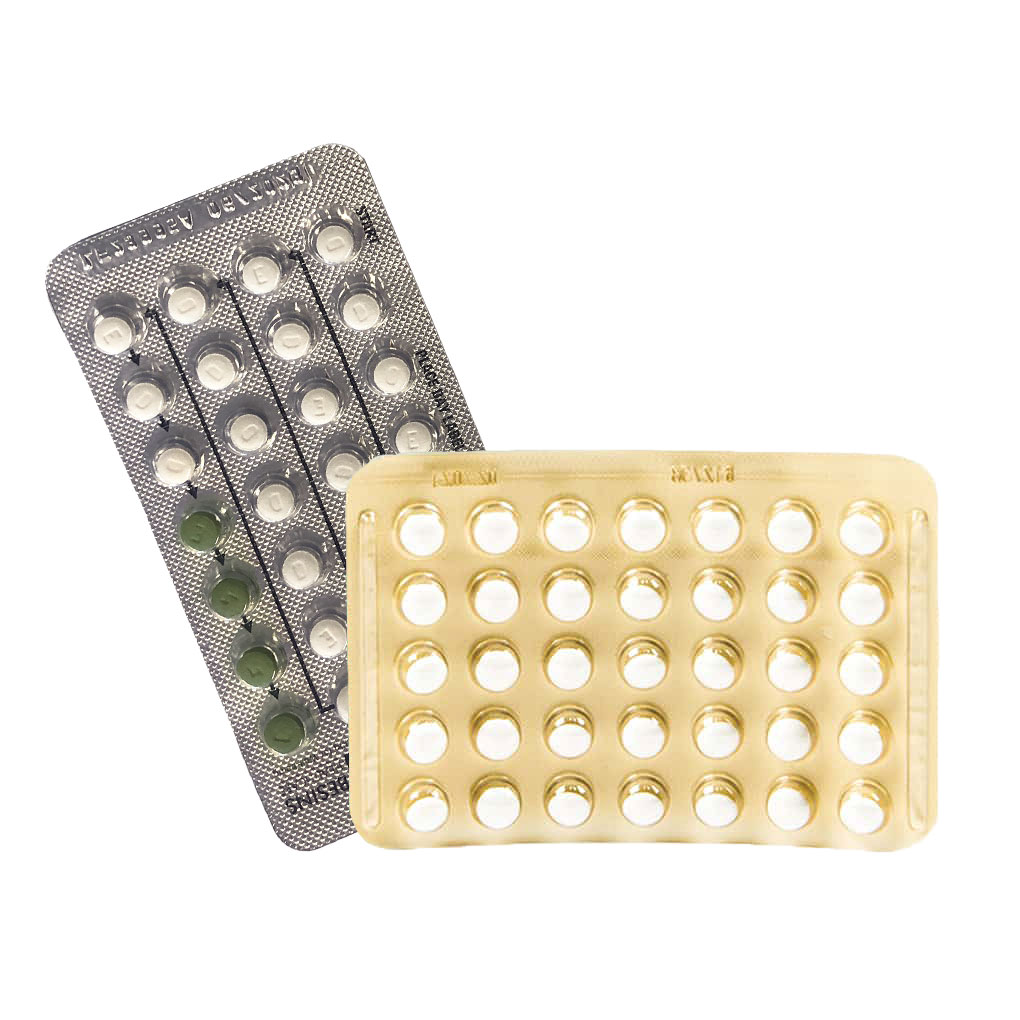
11. Combination Pills (COC) - contains two hormones - oestrogen and progestogen. These come in a variety of formats and monthly packs, which follow 21-, 24-, or 28-day cycles. It's extended regimens follow 91-day cycles.
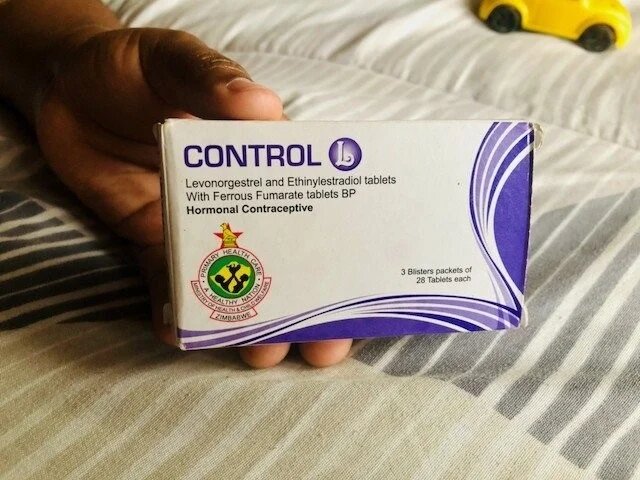
12. Progestogen-only Pill
Usually taken by lactating mothers & has 2 types: One works by preventing sperm entering the womb & has a 3hr ‘missed pill’ window. The other contains desogestrel only & works by preventing an egg from being released & has a 12hr ‘missed pill’ window
Usually taken by lactating mothers & has 2 types: One works by preventing sperm entering the womb & has a 3hr ‘missed pill’ window. The other contains desogestrel only & works by preventing an egg from being released & has a 12hr ‘missed pill’ window
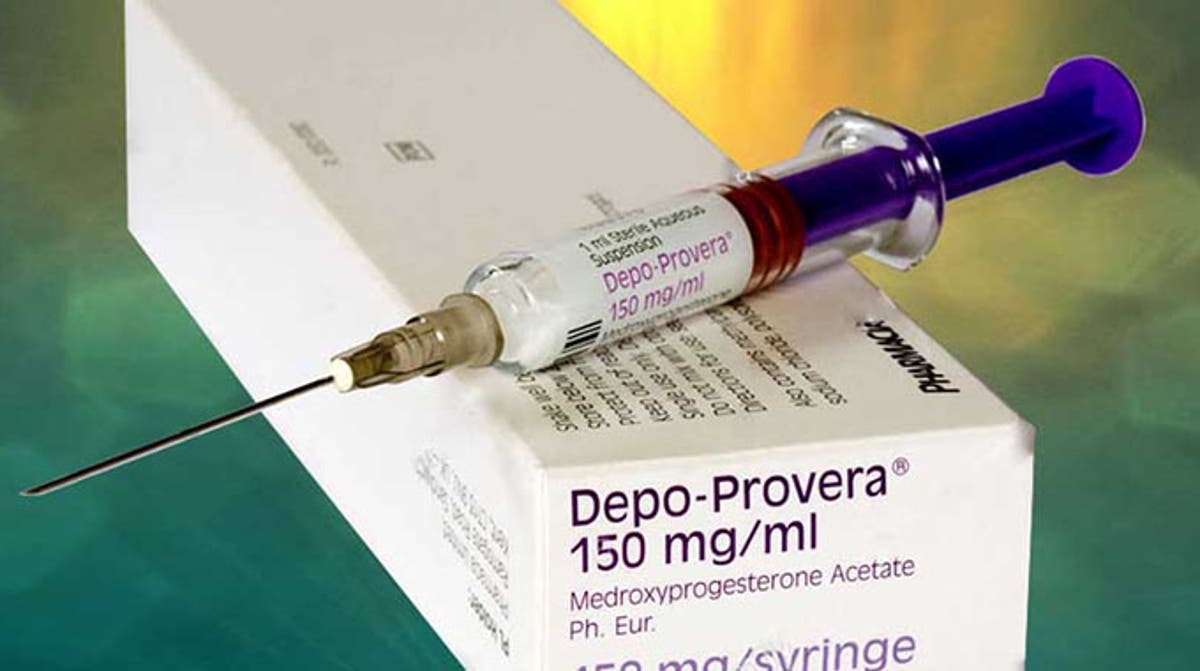
13. Depo-Provera
It's injected into the muscle of the upper arm or the buttock & provides 3 months of contraceptive protection. It's a reversible injectable method of contraception which contains a hormone that is injected into the body that stops eggs being released.
It's injected into the muscle of the upper arm or the buttock & provides 3 months of contraceptive protection. It's a reversible injectable method of contraception which contains a hormone that is injected into the body that stops eggs being released.
14. Sayana Press (another option to Depo)
Injected every 3 months into the fatty tissue of the thigh, back of the upper arm or abdomen. A woman using Sayana Press will need a new injection every 3 months, for a total of 4 shots every year. Easy to use and you can self inject.
Injected every 3 months into the fatty tissue of the thigh, back of the upper arm or abdomen. A woman using Sayana Press will need a new injection every 3 months, for a total of 4 shots every year. Easy to use and you can self inject.

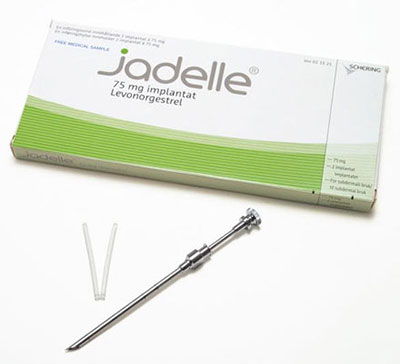
15. Jadelle Implant
Levonorgestrel implant prevents pregnancy for up to 5yrs. It's a set of 2 hormone-releasing implants that are surgically placed under the skin of the upper arm. Works by stopping a woman's egg from fully developing each month & can no longer accept a sperm.
Levonorgestrel implant prevents pregnancy for up to 5yrs. It's a set of 2 hormone-releasing implants that are surgically placed under the skin of the upper arm. Works by stopping a woman's egg from fully developing each month & can no longer accept a sperm.
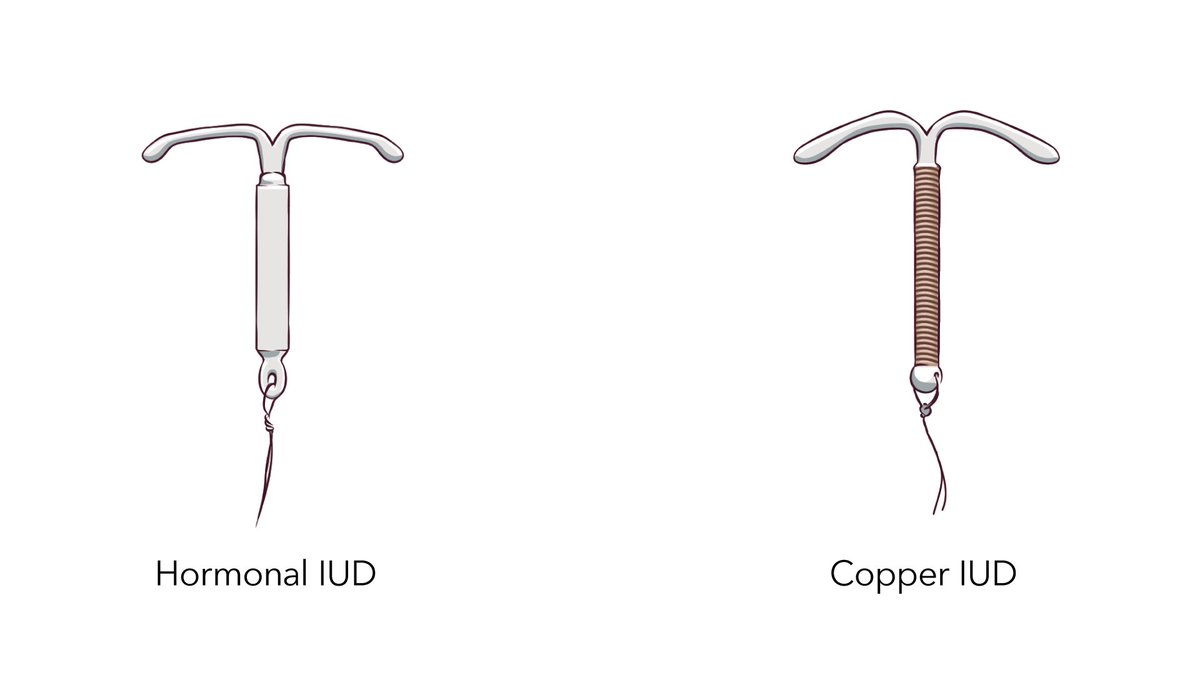
16. Intrauterine System (IUS) Coil
Releases the hormone progestogen into the womb, that works to thicken the cervical mucus & prevent sperm & egg from ever MEETING. It can also stop ovulation for some people, while for others ovulation continue as usual. Lasts up to 5-10 yrs
Releases the hormone progestogen into the womb, that works to thicken the cervical mucus & prevent sperm & egg from ever MEETING. It can also stop ovulation for some people, while for others ovulation continue as usual. Lasts up to 5-10 yrs
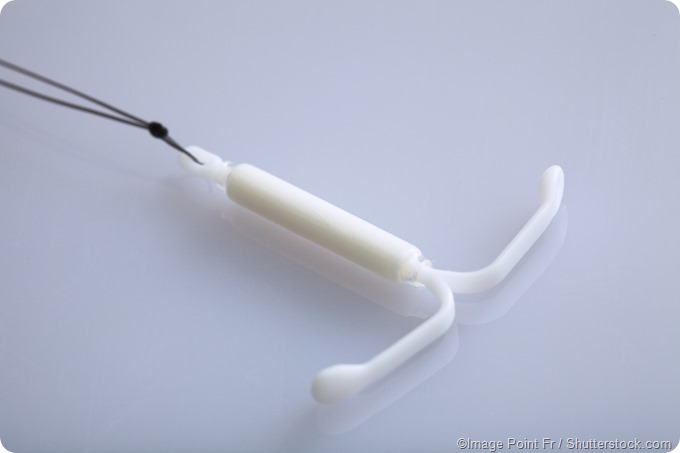
17. Intrauterine Device (IUD)
Releases copper into the womb, which alters your cervical mucus. This makes difficult for sperm to reach the egg & survive as well as stopping a fertilised egg from being able to implant itself. Lasts for 5-10 years without needing to be replaced.
Releases copper into the womb, which alters your cervical mucus. This makes difficult for sperm to reach the egg & survive as well as stopping a fertilised egg from being able to implant itself. Lasts for 5-10 years without needing to be replaced.
Contraception is hardly a one type fits all. From the pill, Injectables, IUDs to condoms. All methods of contraception can be stopped if you want to have a baby. You can get pregnant as soon as you stop using FP.
NB* Contraception doesn't prevent you from getting STIs or HIV.
NB* Contraception doesn't prevent you from getting STIs or HIV.
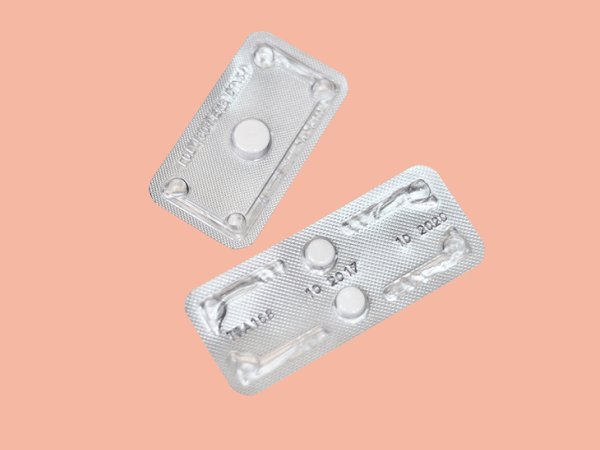
12b. Emergency Contraceptive Pill (Morning After Pill)
It prevents pregnancy after unprotected sex or if a condom has burst. Comes in 2 types Levonelle or ellaOne the pill is taken within 3 days (Levonelle) or 5 days (ellaOne) of unprotected sex for it to be effective.
It prevents pregnancy after unprotected sex or if a condom has burst. Comes in 2 types Levonelle or ellaOne the pill is taken within 3 days (Levonelle) or 5 days (ellaOne) of unprotected sex for it to be effective.
Loading suggestions...