

Julius Evola may have been the most right-wing thinker of all time.
His value system wan’t simply right-wing… it was deeply aristocratic. He despised the mechanization of economic output by the bourgeoise; he wanted a return to the Middle Ages.
Vitality, chivalry, heroism.
His value system wan’t simply right-wing… it was deeply aristocratic. He despised the mechanization of economic output by the bourgeoise; he wanted a return to the Middle Ages.
Vitality, chivalry, heroism.
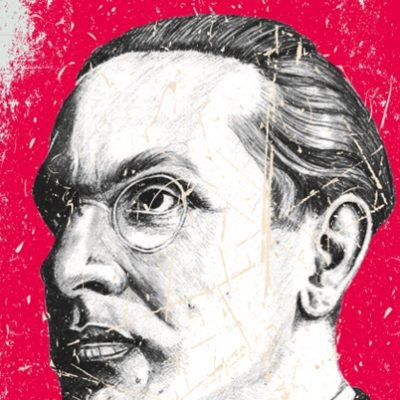
He had little care for the thoughts or will of “the people”.
He cared only about Great Men, Caesars and Napoleons and the like.
He cared only about Great Men, Caesars and Napoleons and the like.
This idea is so anti-modern that many are immediately repelled or revolted by his ideas. It goes against every modern ideal and philosophy, predicated on equality and universality.
Evola desired a fundamental abandonment of these ideas, namely equality.
Evola desired a fundamental abandonment of these ideas, namely equality.
Contrary of populist RW thought at the time (and today), he didn’t believe necessarily in solidarity along racial or national lines.
He took a harder-line stance, focusing on promoting the best-turned-out, the most worthy members of one’s group
He took a harder-line stance, focusing on promoting the best-turned-out, the most worthy members of one’s group
This is such a far extension of right-wing idealism that most today can barely recognize it as such.
…Again, “the most right-wing thinker of all time”.
In fact, his criticism of National Socialism in Germany had the rare distinction of coming from the right of it!
…Again, “the most right-wing thinker of all time”.
In fact, his criticism of National Socialism in Germany had the rare distinction of coming from the right of it!
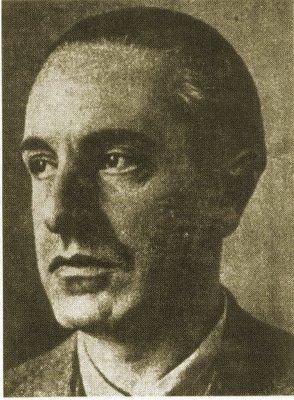
His preferred sports - fencing, rock climbing, racing - were intentionally dangerous.
The bourgeois class would lament these as needless danger; there’s no point, no economic gain!
But to Evola, the risk of annihilation *was* the point.
The bourgeois class would lament these as needless danger; there’s no point, no economic gain!
But to Evola, the risk of annihilation *was* the point.


He believed in risk-taking, in holy war, in glorious combat and beautiful death.
In some ways, this was a very Eastern perspective, but he simply drew from Eastern inspiration to further Western thought.
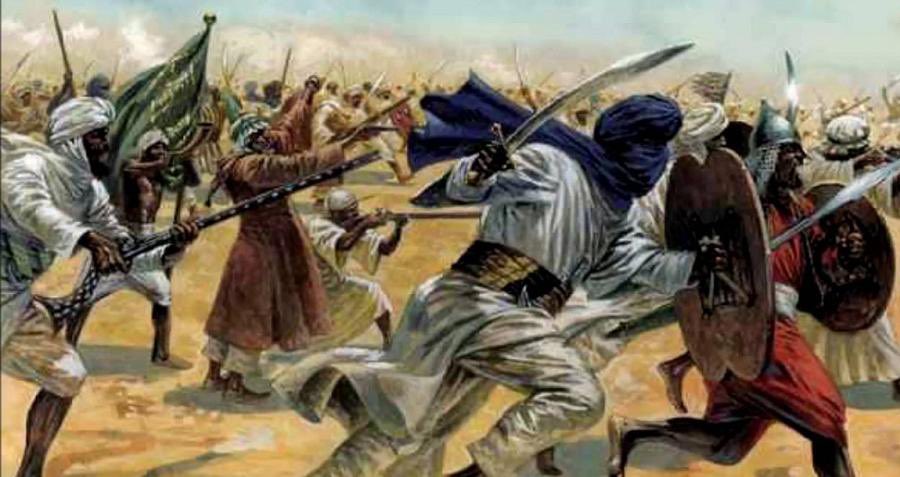
For example, he deeply respected the concept of jihad.
In some ways, this was a very Eastern perspective, but he simply drew from Eastern inspiration to further Western thought.
For example, he deeply respected the concept of jihad.
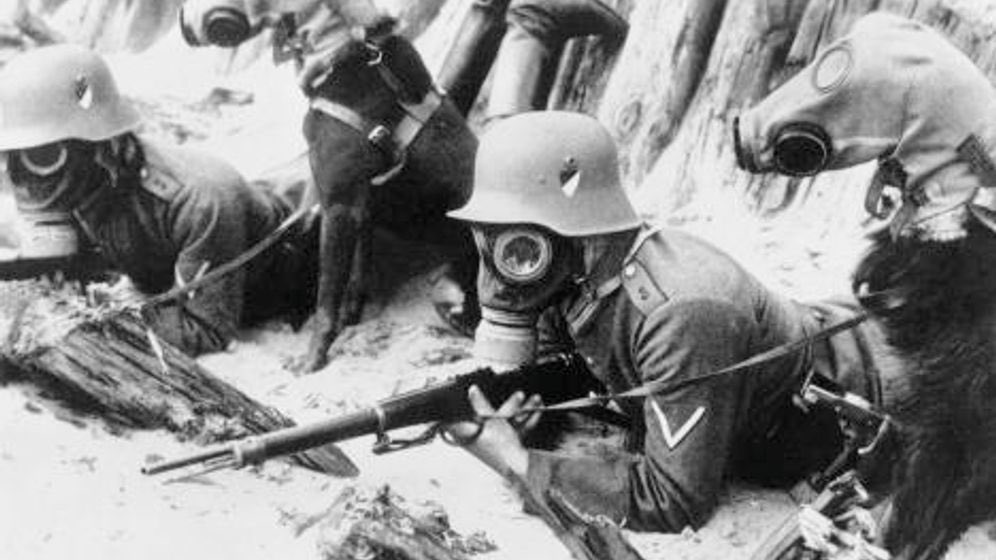
His criticisms of WWI were different than those of any other thinker.
He opposed the “mechanized slaughter” of that war because it robbed soldiers of the opportunity for heroism; glory.
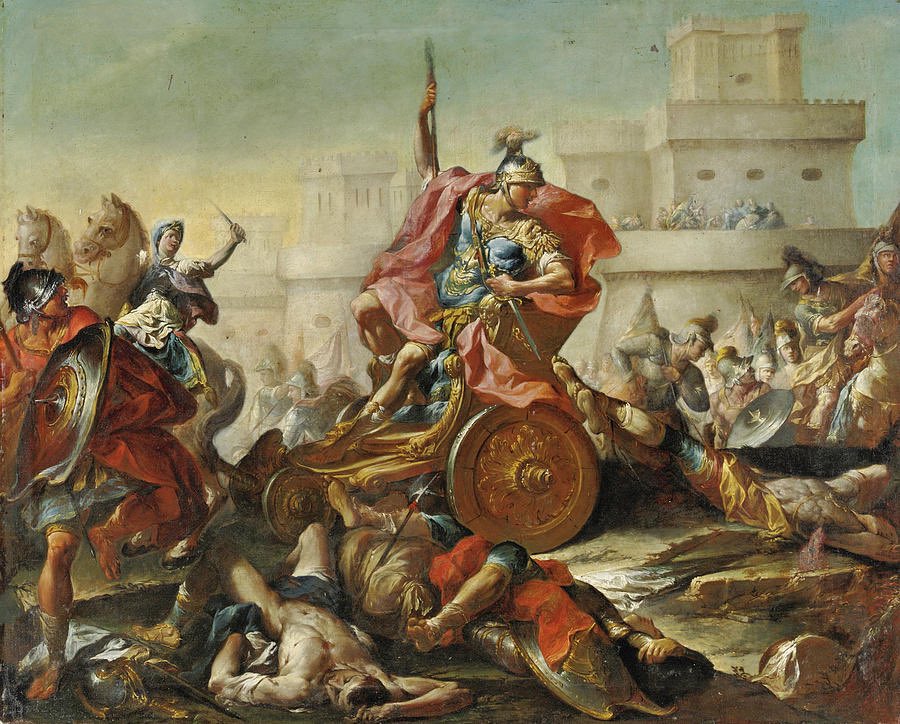
He preferred war that could be fought by champions.
Battles that could forge heroes.
He opposed the “mechanized slaughter” of that war because it robbed soldiers of the opportunity for heroism; glory.
He preferred war that could be fought by champions.
Battles that could forge heroes.
Regarding religion, he described himself as a “Catholic pagan”.
He drew his beliefs from different cultures and religions, but fundamentally based around Christianity and European ideals.
He drew his beliefs from different cultures and religions, but fundamentally based around Christianity and European ideals.
He believed that other peoples - having a different constitution and therefore a different lived experience - would be able to explore different facets of the divine
However, this was not the universalist “all religions are the same and equal” idea.
However, this was not the universalist “all religions are the same and equal” idea.
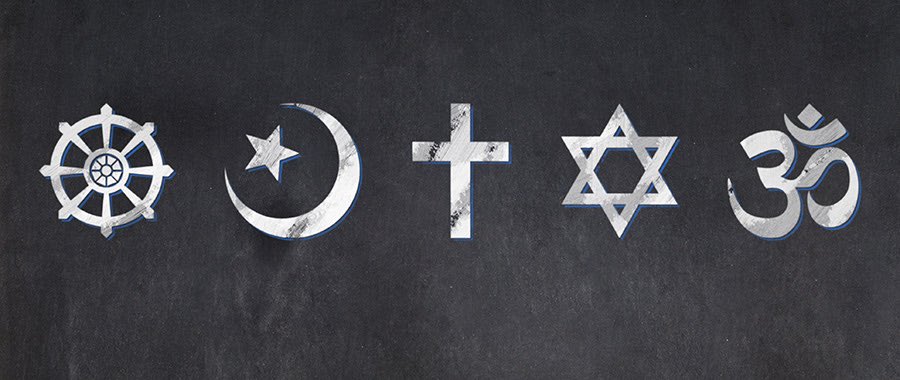
Rather, it only drew the best from the strongest non-Christian traditions: Islam, Hinduism, Buddhism, Shinto
He used the concept of the Kali Yuga extensively, to describe the decline of the world due to modernism.
He used the concept of the Kali Yuga extensively, to describe the decline of the world due to modernism.
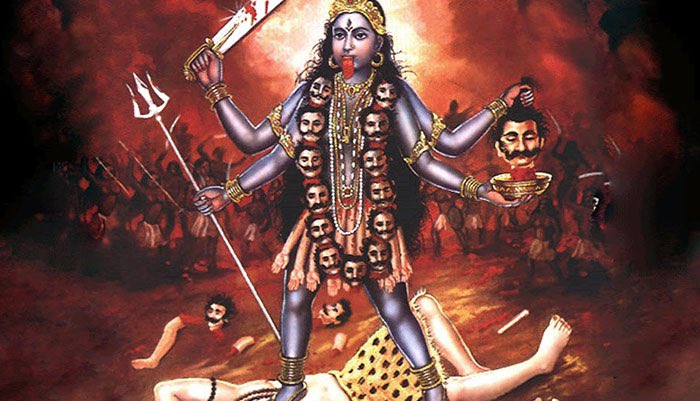
Like Spengler, he believed in history progressing (& degenerating) in stages - but not a cycle
In his view, control of the world had slipped from the aristocracy down to the military, then down to the mercantile class, and finally to the lower classes with mass democratization…
In his view, control of the world had slipped from the aristocracy down to the military, then down to the mercantile class, and finally to the lower classes with mass democratization…
…and that the only way to fix this decline was to REVOLT against modernism, and to reinstate the ideals of aristocracy and royalty.
A return to glory, a return to vitality, a return to greatness, a return to mysticism.
A return to the meaning of the world before postmodernism.
A return to tradition.
A return to the meaning of the world before postmodernism.
A return to tradition.
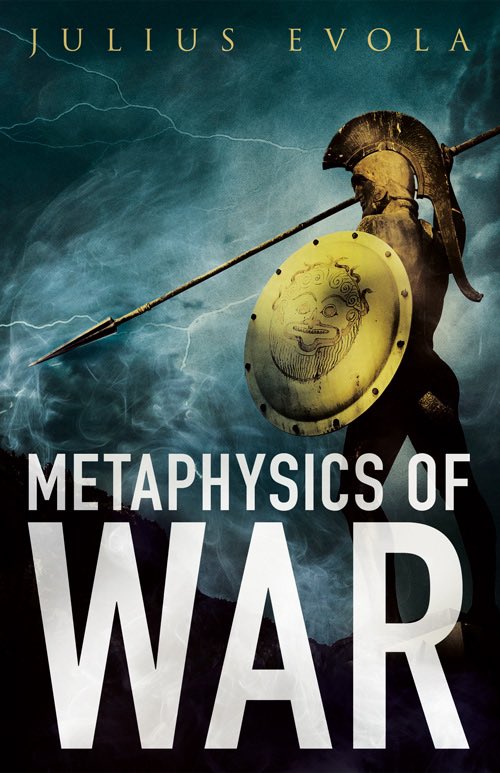
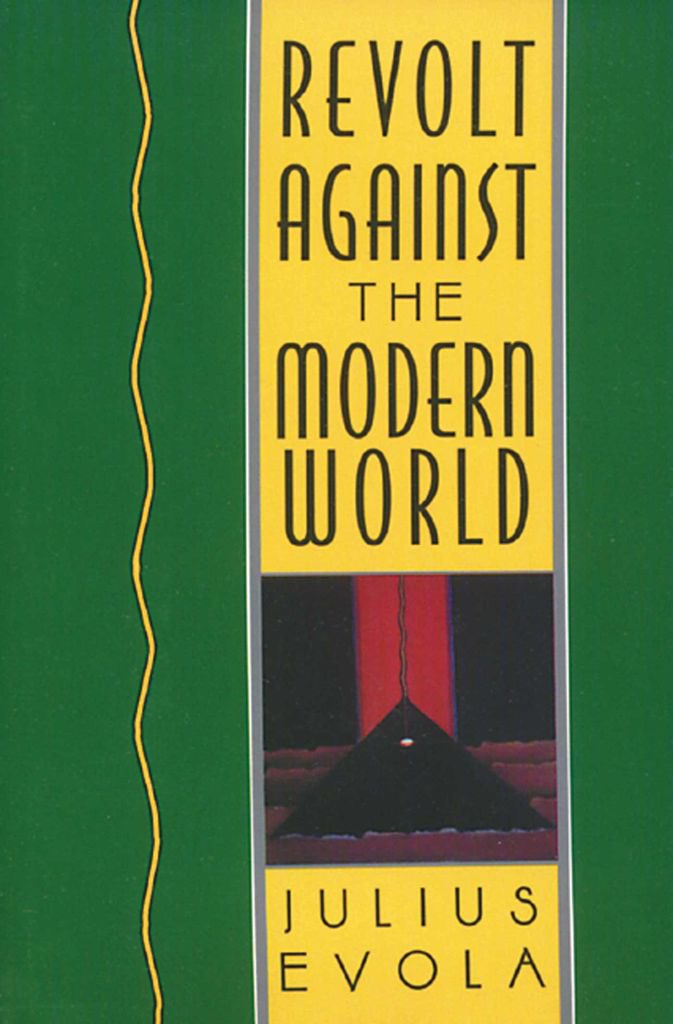
If you haven’t read Evola’s work, I highly recommend it. Most start with Revolt Against the Modern World, but I started with Metaphysics of War (available thru @AntelopeHill). Both are great works.
(Also, listen to Bowden’s talk on Evola, which I largely used as material for this thread)

Loading suggestions...