

Did you know?
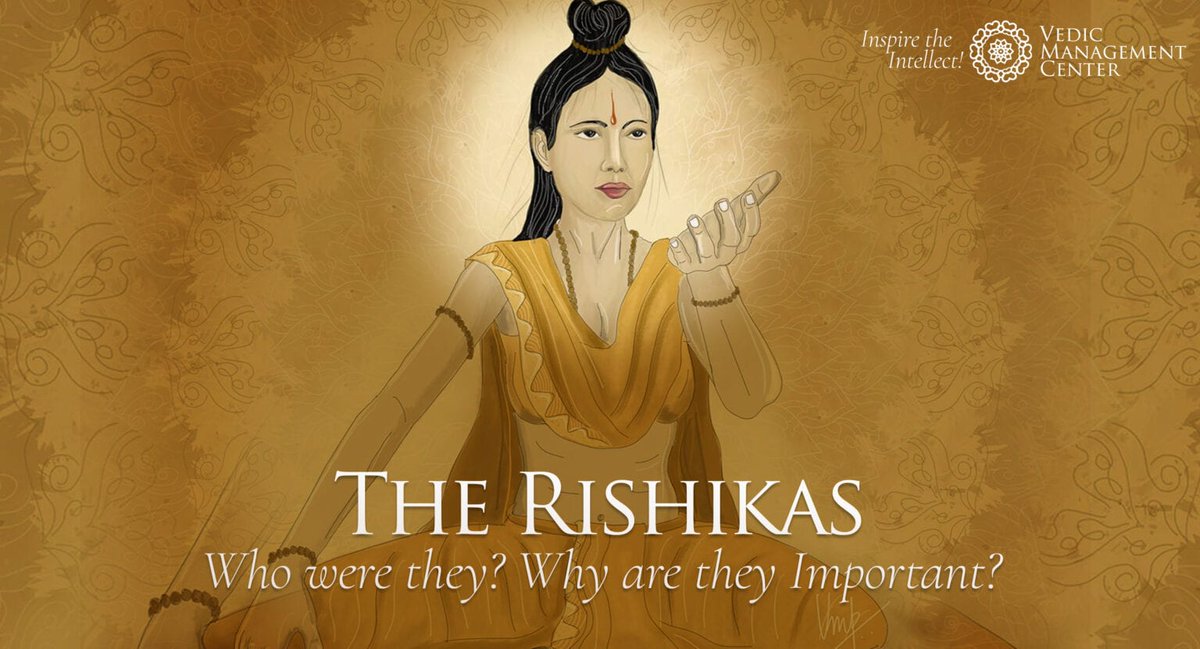
⚜️Female Rishis of the Vedic Bharat were called Rishikas who were the most respectable & knowledgeable women of that Era.⚜️
🌺Bharat is the only country in the world which believes that energising force behind formation of universe is a feminine force – Shakti.🌺
⚜️Female Rishis of the Vedic Bharat were called Rishikas who were the most respectable & knowledgeable women of that Era.⚜️
🌺Bharat is the only country in the world which believes that energising force behind formation of universe is a feminine force – Shakti.🌺
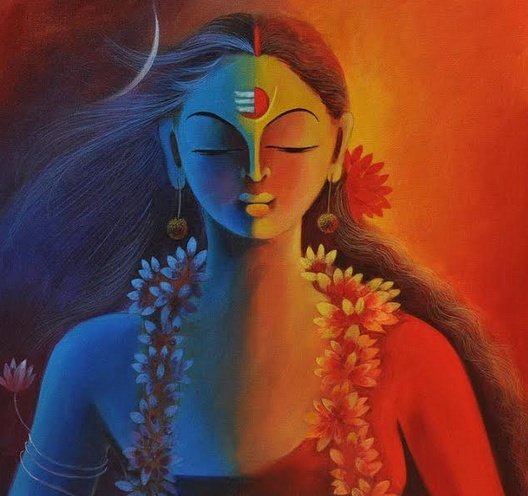
Shakti is the primordial force, the universal mother which enables the Brahman to manifest. Bharat celebrates & regards the female motherly instincts as the purest form of love.
Its ecstatic to note that Bharat is the sole & the first producer of women philosophers in the world.
You talk about women empowerment now, in Sanatan Dharma the women are being empowered from the ancient times.
You talk about women empowerment now, in Sanatan Dharma the women are being empowered from the ancient times.
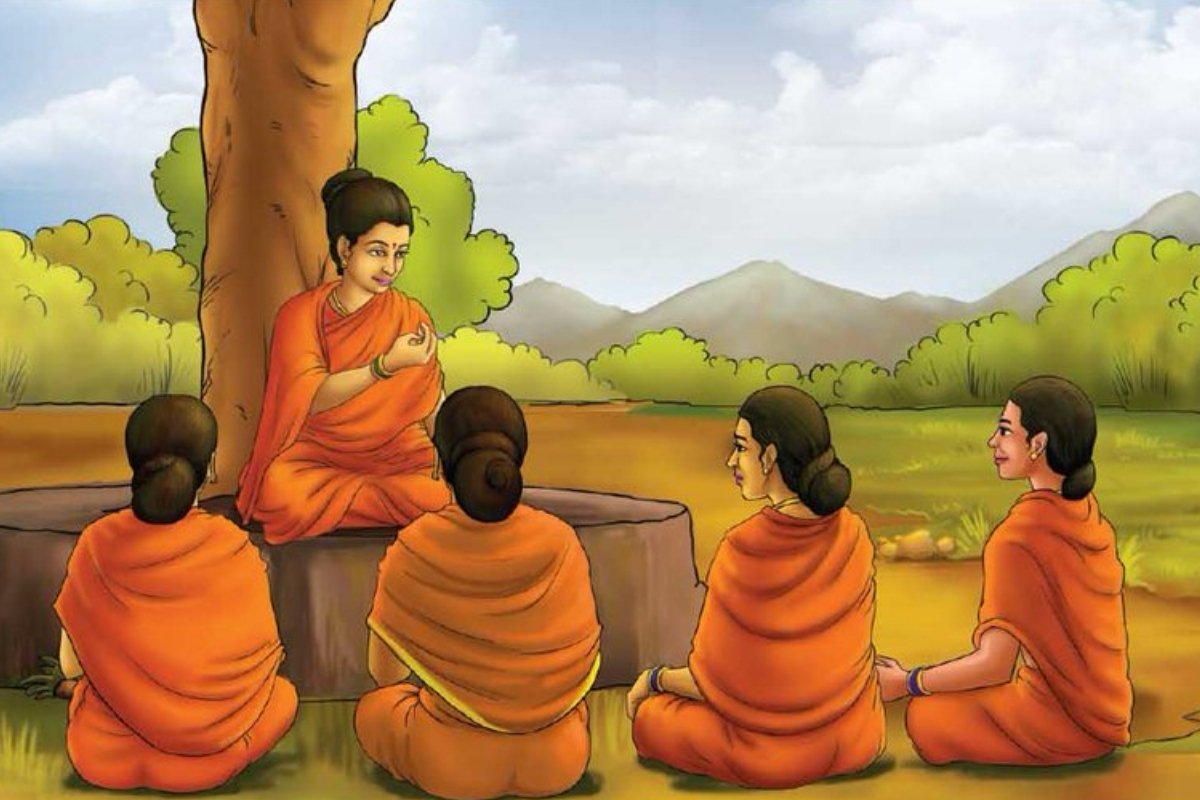
⚜️Ancient Indian rishikas contributed verses in the vedas. Following is the chronological order of 22 of those rishikas:
🌺1. Aditi Dākshāyani (~11250 BCE): Aditi was a daughter of Prajapati Daksha. She married Rishi Kashyapa.
🌺1. Aditi Dākshāyani (~11250 BCE): Aditi was a daughter of Prajapati Daksha. She married Rishi Kashyapa.
She was the author of many Mantras of Rigveda (4.18.4 & 7 and 10.72).
🌺2. Apālā Atreyi (~11000 BCE): Apala was a daughter of Atri Rishi. She was a junior contemporary of Rishika Romashā. She was the author of Rigvedic hymn 8.91.
🌺2. Apālā Atreyi (~11000 BCE): Apala was a daughter of Atri Rishi. She was a junior contemporary of Rishika Romashā. She was the author of Rigvedic hymn 8.91.
🌺3. Dakshinā Prājāpatyā (~11250 BCE):Dakshinā was also a daughter of Prajapati Daksha.She was the author of Rigvedic hymn10.107
🌺4. Ghoshā Kakshivati (~11050 BCE):Ghoshā was a daughter of Kakshivat & a granddaughter of Rishi Dirghtamas II.She was author of Rigvedic hymn 10.39
🌺4. Ghoshā Kakshivati (~11050 BCE):Ghoshā was a daughter of Kakshivat & a granddaughter of Rishi Dirghtamas II.She was author of Rigvedic hymn 10.39

5. Godhā (~11000 BCE): Godhā was the author of Rigvedic hymn 10.134.6-7.
6. Indrāni (11150 BCE): Indrāni was the wife of Indra. Indra was a title of the king of Rigvedic era. There were many Indras. She was the author of Rigvedic hymn 10.86.
6. Indrāni (11150 BCE): Indrāni was the wife of Indra. Indra was a title of the king of Rigvedic era. There were many Indras. She was the author of Rigvedic hymn 10.86.
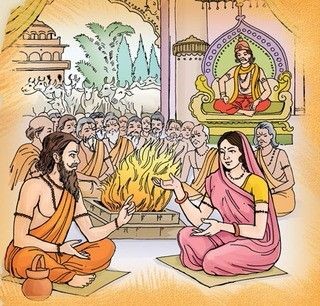
7. Juhu Brahmajāyā (~11225 BCE): Juhu was the wife of Brahma III. She was the author of Rigvedic hymn 10.109.
8. Lopāmudrā (~11225 BCE): Lopāmudrā was the wife of Rishi Agastya. She was a daughter of the king of Vidarbha and a contemporary of Kashi King Alarka, grandson of King Pratardana. She was the author of Rigvedic hymn 1.171.
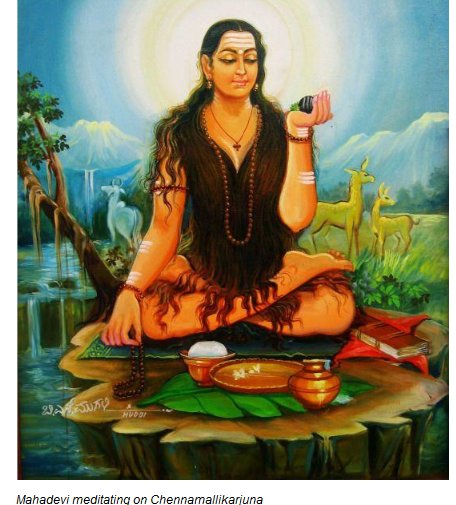
9. Ratri Bhāradvāji (~11000 BCE): Ratri was a daughter of Rishi Bharadvaja. She was the author of Rigvedic hymn 10.127.
10. Romashā (~11050 BCE): Romashā was a daughter of Rishi Brihaspati. She married King Svanaya Bhāvayavya. She was the author of Rigvedic hymn 1.126.
10. Romashā (~11050 BCE): Romashā was a daughter of Rishi Brihaspati. She married King Svanaya Bhāvayavya. She was the author of Rigvedic hymn 1.126.
11. Saramā Devashuni (~11300 BCE): Saramā was a messenger of King Indra. She was a contemporary of King Divodasa Atithigva. She was the author of Rigvedic hymn 10.108.
12. Sarparājni (~11200 BCE): Sarparājni was a wife of Naga King. She was the author of Rigvedic hymn 10.189.
13. Shashvati Angirasi (~11200 BCE): Shashvati was a daughter of Rishi Angirasa. She was the author of Rigvedic hymn 8.1.34.
13. Shashvati Angirasi (~11200 BCE): Shashvati was a daughter of Rishi Angirasa. She was the author of Rigvedic hymn 8.1.34.
14. Shachi Paulomi (~11300 BCE): Shachi was the wife of King Shakra also known as Indra. She was a daughter of Asura King Puloma. She was the author of Rigvedic hymn 10.159.
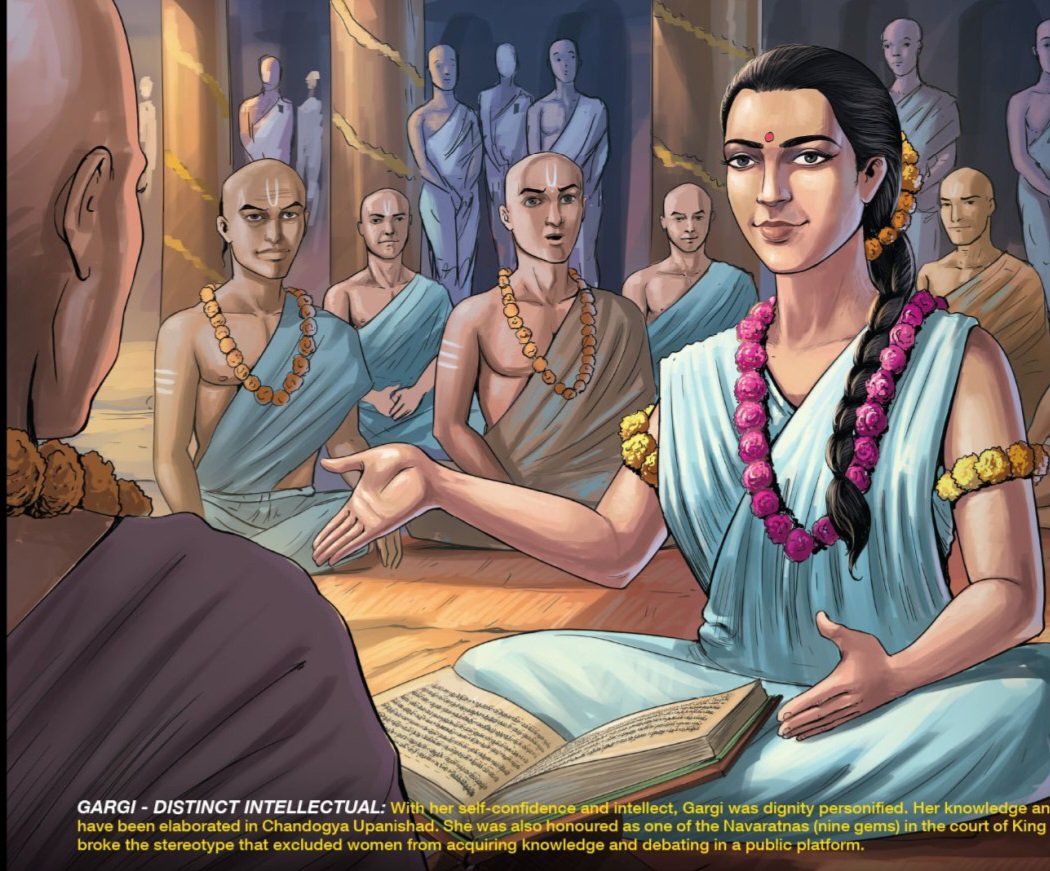
15. Shraddhā Kāmāyani (~11100 BCE): Shraddha was a daughter of Kama and Rati. She was the author of Rigvedic hymn 10.151.
16. Sikatā Nivāvari (~10900 BCE): Sikata was the daughter of Rishi Nivavara. She was the author of Rigvedic hymn 9.86.11-20.
16. Sikatā Nivāvari (~10900 BCE): Sikata was the daughter of Rishi Nivavara. She was the author of Rigvedic hymn 9.86.11-20.
17. Suryā Sāvitri (~11400 BCE): Surya was a daughter of Savita. Her sister Tāpti married Kuru King Samvarna. She was the author of Rigvedic hymn 10.85.
18. Urvashi (11240 BCE): Urvashi was a wife of King Pururava. She was the author of Rigvedic hymn 10.95.
18. Urvashi (11240 BCE): Urvashi was a wife of King Pururava. She was the author of Rigvedic hymn 10.95.
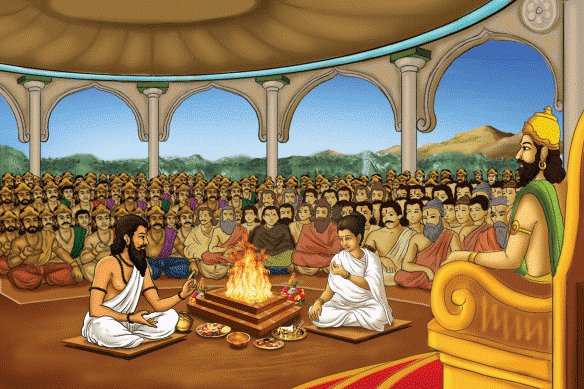
This hymn of Urvashi is in fact a dialogue between Urvashi and Pururava.
19. Vāgambhrini (10900 BCE): Vāk was a daughter of Rishi Ambrina. She was the famous author of Devi Suktam of Rigveda 10.125.
19. Vāgambhrini (10900 BCE): Vāk was a daughter of Rishi Ambrina. She was the famous author of Devi Suktam of Rigveda 10.125.
20. Vasukrapatni (11150 BCE): She was the wife of Vasukra and daughter-in-law of Indra. She was the author of Rigvedic hymn 10.28.
21. Vishvavārā Atreyi (11250 BCE): Vishvavārā was a daughter of Rishi Atri and Anasuya. She was the author of Rigvedic hymn 5.28.
21. Vishvavārā Atreyi (11250 BCE): Vishvavārā was a daughter of Rishi Atri and Anasuya. She was the author of Rigvedic hymn 5.28.
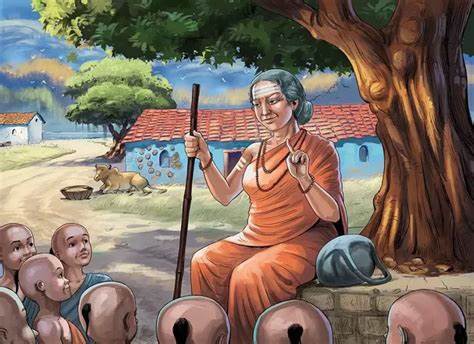
22. Yami Vaivasvati (~11225 BCE): Yami was a daughter of Vaivasvata Manu. She was the author of Rigvedic hymn 10.10.
Vedic period is specifically referred to as “Golden Age” for women as they enjoyed a high level of autonomy to undertake their interests.They were educated & received both literary & cultural education,they had freedom to choose their life partners based on their desires & goals.
They chose to have a spiritually fulfilling life and were constantly on a self discovery pursuit and strived to be the best versions of themselves. There were neither fighting for equality nor were competing with men like the present sad state of feminism.
This made them intellectually advanced and on par with the then great sages. They were known for being the towers of strength for their husband and children.
Courtesy: My India My Glory,
Sanatan Tattva
Sanatan Tattva
Loading suggestions...