
The death of Grettir would not go unanswered. His brother, Thorstein, would travel across Christendom to the fabled city of Miklagard to settle his blood feud with Thorbjörn. But Byzantium is a strange land for the Northman; filled with shimmering riches, deceit, & opportunity.
In the Grettis Saga, Thorbjörn decided to join the Varangian Guard after his exile. The Varangian Guard was a home for many capable Norse warriors where they could grow rich & powerful in service of the Basileus & maybe one day return home capable of recovering what they lost.

The Varangian Guard served as a refuge to more famous exiles, Harald Hardrada himself entering the Guard in the early 1030s AD, the same time as Thorbjörn. Thorstein followed, but didn’t know Thorbjörn’s face & so bid his time.
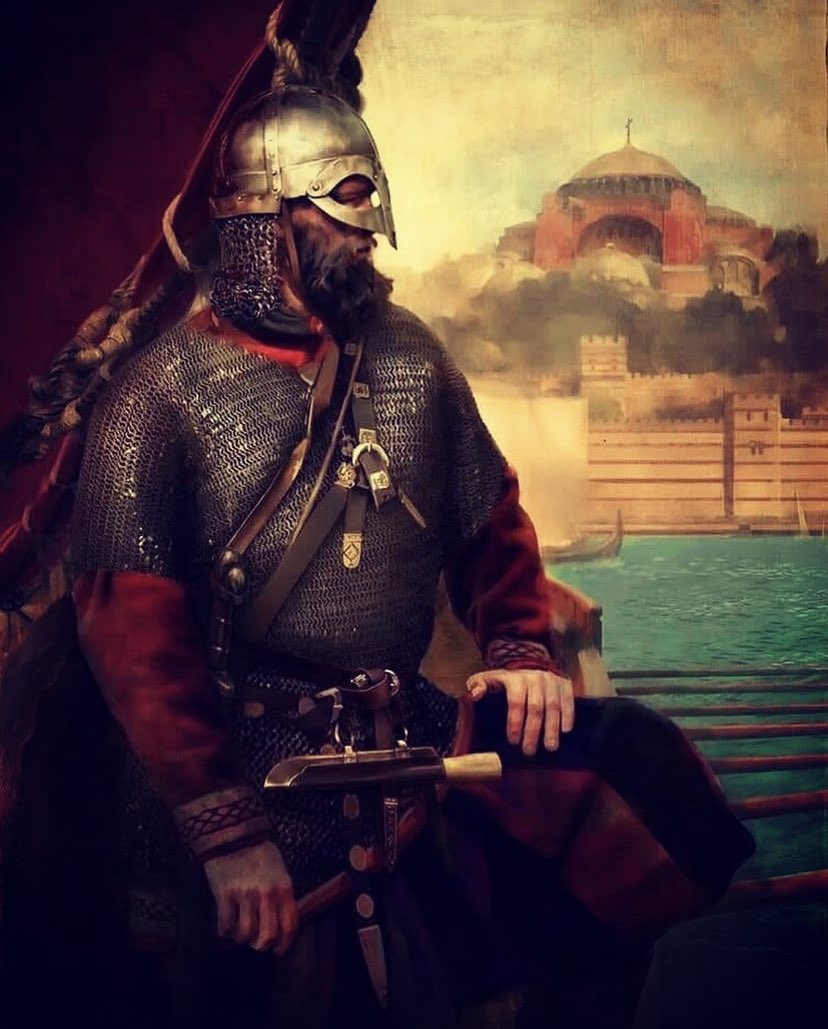
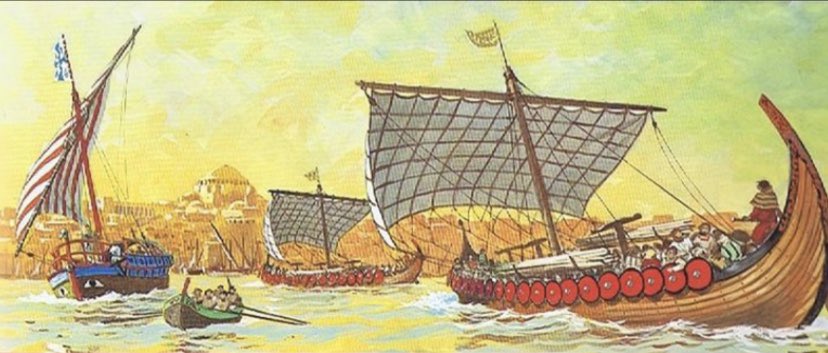
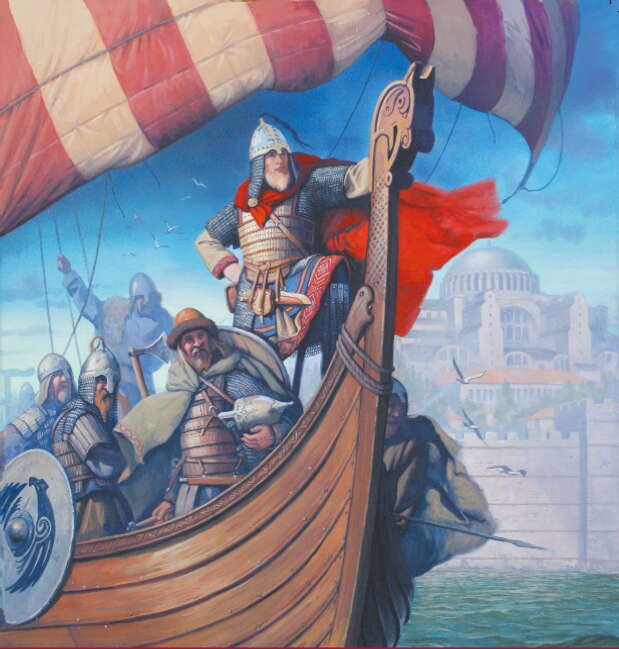
During this time the Varangians engaged in anti-piracy & naval functions. This is attested in the accounts of Harald’s time in the Guard. Thorstein himself is named “Drómundr,” some scholars believe it is a Norse derivation of the Greek “Dromon,” the warship he would’ve served on
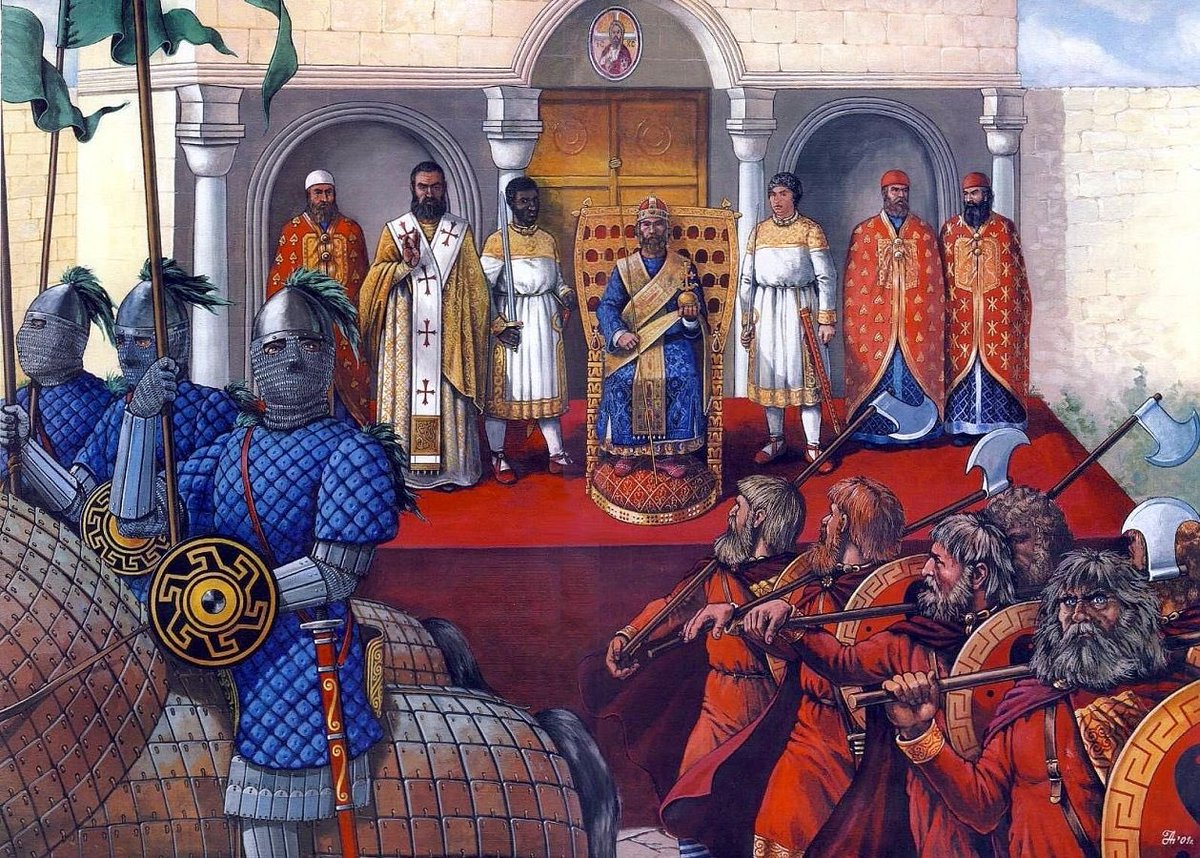
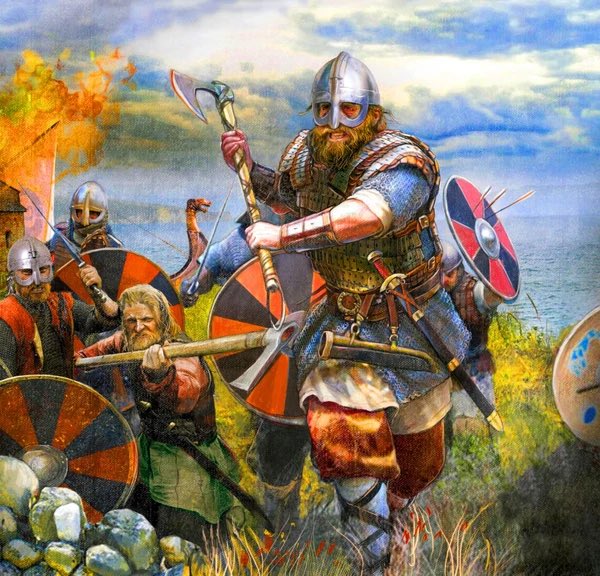
When the Varangians prepared to go on campaign, an arms parade was held in which each Varangian provided his weapons for inspection to ensure his kit was properly maintained & ready for war. Such inspections are also recorded in Byzantine military manuals.
Thorbjörn produced Grettir’s seax. When questioned about why it had a dent in the edge, he explains that it was from when he struck its previous owner on the head with it. The Varangians passed the seax around.
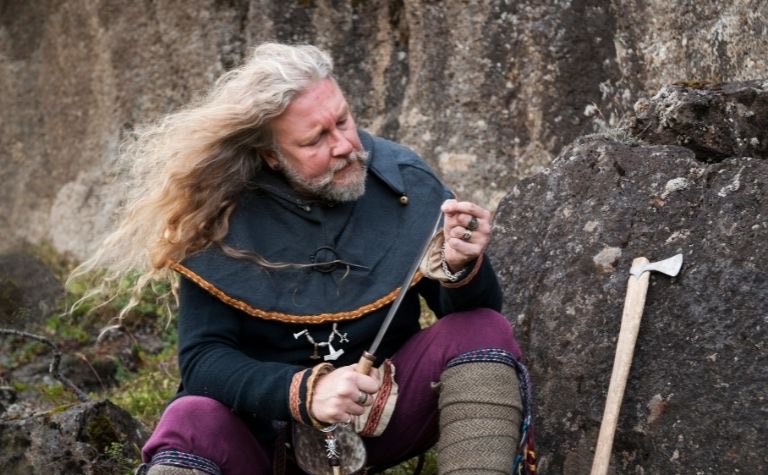
When the seax reached Thorstein the realization struck him. This is his brother’s seax, this is his brother’s killer. Thorstein stabbed Thorbjörn in the head with Grettir’s seax, killing him.
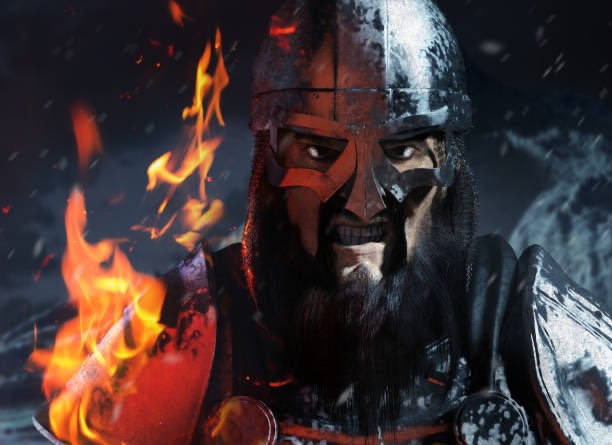
Thorbjörn’s poetic death bring an end to the blood feud, but was only the beginning of Thorstein’s problems. Thorstein was immediately seized by his comrades. The Varangian Code, heavily influenced by Norse law & tradition, demanded murderers be given the death sentence.
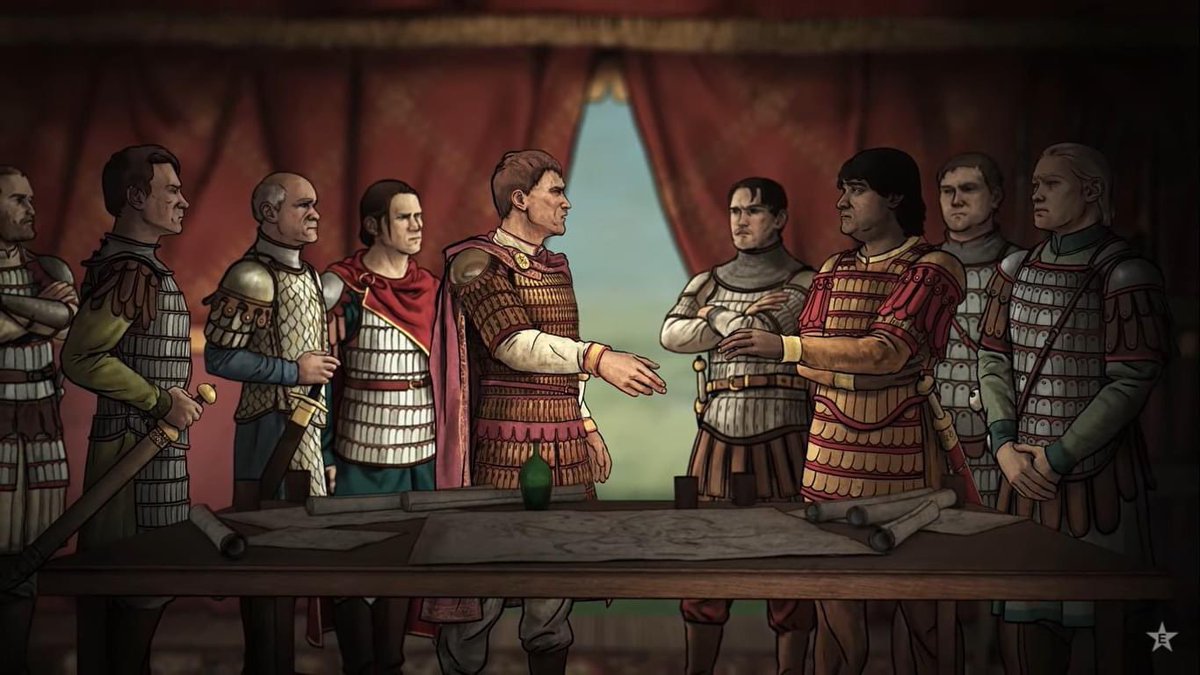
Thorstein explained his reasoning for killing Thorbjörn to his superiors & fellow Norsemen, who recognized the power of a blood feud, & commuted his sentence to a hefty fine. Thorstein was imprisoned until he could conjure up the money to earn his freedom.
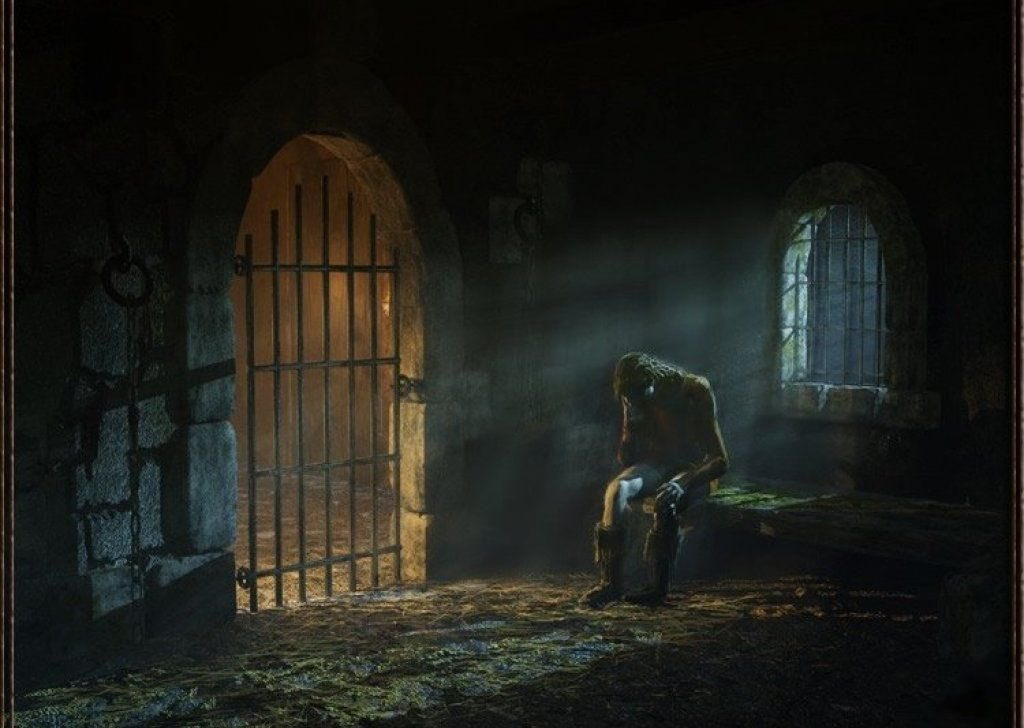
Thorstein didn’t let his circumstances destroy his spirits, singing hymns in his cell. His beautiful singing attracted the attention of a Byzantine noblewoman, Spes, who paid his fine & earned his release. Spes & Thorstein struck up a romance, drawing the suspicion of her husband
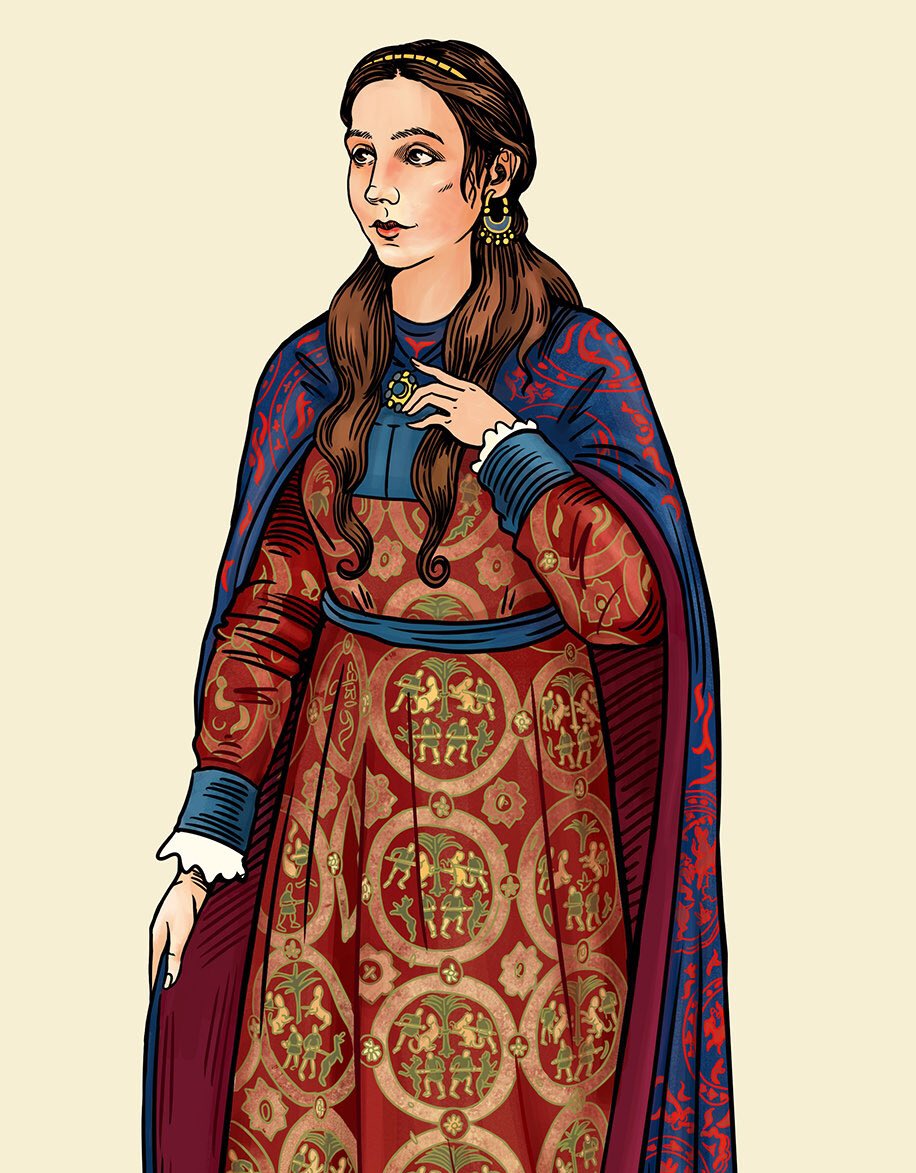
Her husband, Sigundr, made Spes swear an oath of carnal innocence, but on the way to the church a beggar offered to carry her across a muddy ditch. Spes accepted but the beggar slipped and touched her thigh as he carried her over.
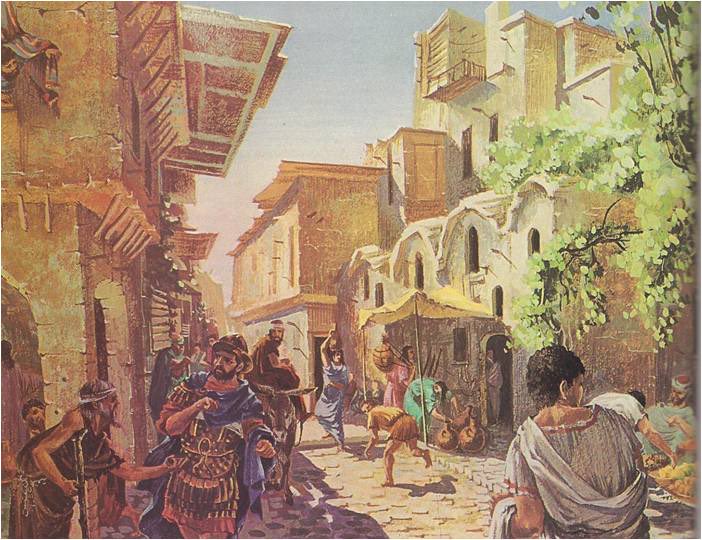
Spes then swore in the church that no man had soiled her body but her “husband & that filthy beggar who put his muddy hand on my thigh when he carried me across the dike today.” The beggar? A disguised Thorstein. Later Spes divorced her husband & married Thorstein.
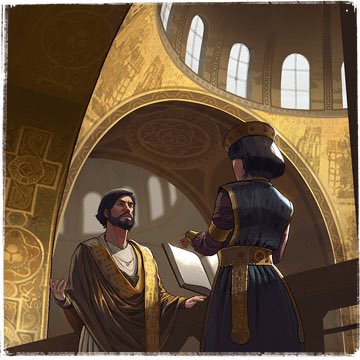
By this time Thorstein must have made a name for himself in the Guard and the saga alleges he struck up a friendship with Harald Hardrada himself, enjoying the status associated with the powerful Harald. The sagas also claim Harald and Thorstein were third cousins.

Thorstein’s adventures in the saga are fantastic & mix both fact & fiction to weave a compelling story. On first glance Thorstein’s rescue from prison by a Byzantine noblewoman & lover parallels stories about Harald Hardrada’s own escape from the dungeons.
Scholars like Blöndal, Vasilevski, & Braun have worked to separate fact from fiction. Thorstein may have joined the Varangians before Thorbjörn only later learning of his brother’s death & its nature, allowing the revelations of Thorbjörn’s seax to direct & justify his vengeance.
Spes, a Latin name, wouldn’t have been at place in Constantinople & she was likely a Rus woman named Nadezhda. Her husband could’ve been a Rus or Norse merchant named Sigurdr or the Greek equivalent of Nikolaos or Nikephoros.
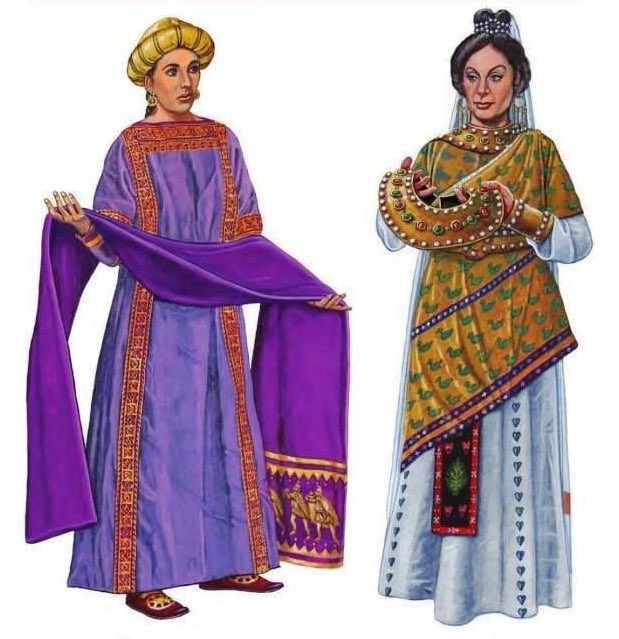
His marriage to Nadezhda after a love affair is plausible & we know of many Varangians who eventually settled down in the Byzantine Empire. Their legacy lives on in the surname “Varangopoulos” and its derivatives.
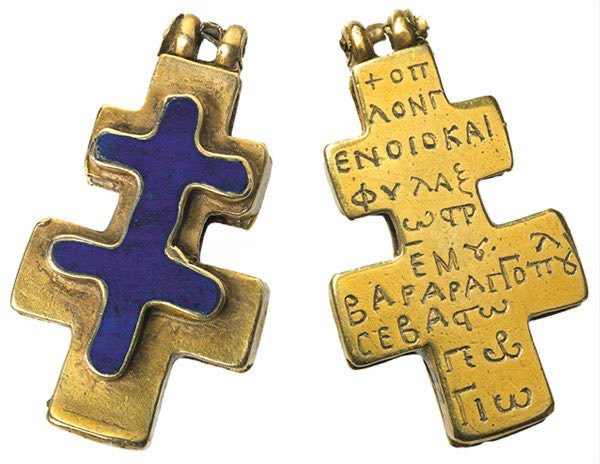
Thorstein’s adventures in the Byzantine Empire & its prominence in the Norse Sagas are a potent example of the under-appreciated bonds between the Norse world and Byzantium.
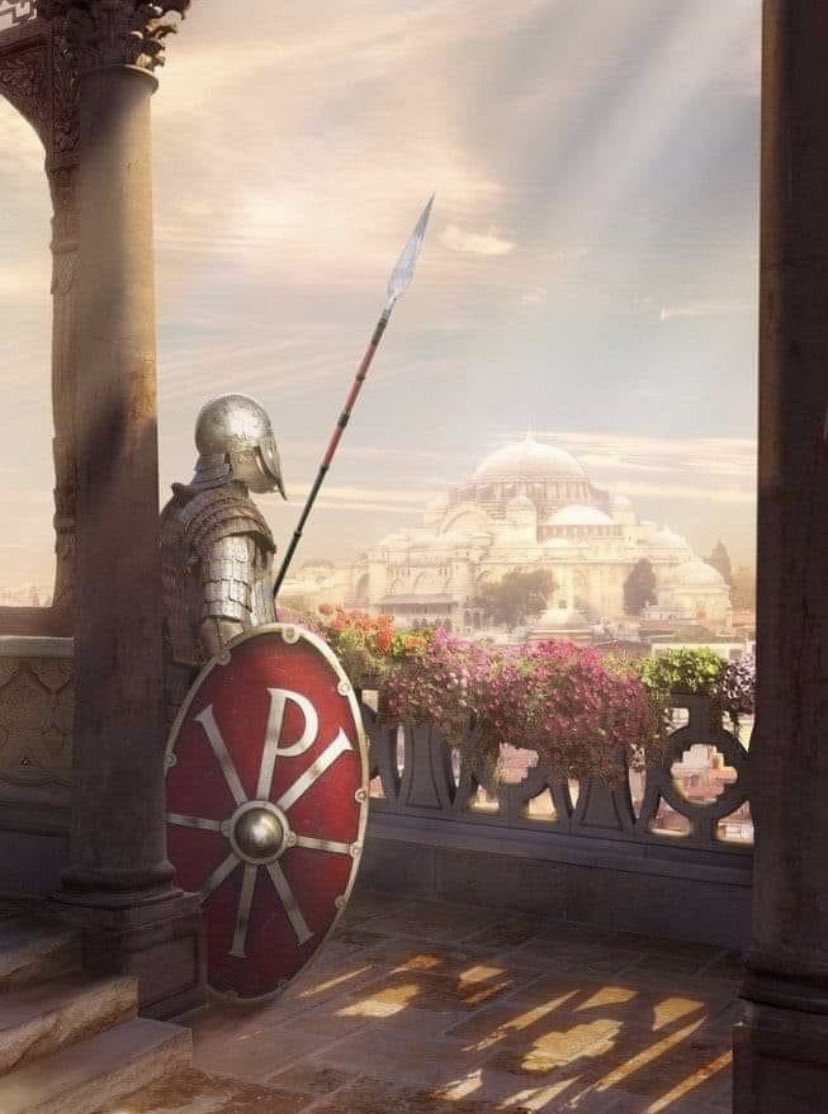
Byzantium’s reputation as an almost mythic land of riches, intrigue, & glory drew many thousands of Norsemen to its shores & cemented its place in Norse folklore & history.
Thank you @AncientDays1 for the invitation to expand on the Grettis Saga as it enters the purview of the Varangians & to help find the nugget of truth in the stories the bards sing. Go check him out for more content on the ever-interesting Norse Sagas!
Loading suggestions...