

Heredity
This will look at genes, alleles and dominance.
This will look at genes, alleles and dominance.
1/ The term locus is the location of that specific gene on the chromosome. This of this like the genes address on that Chromosome. There are some common gene loci that we refer to all the time.
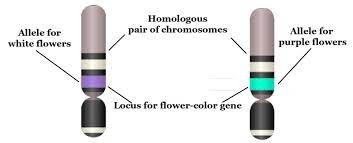
2/ We talk abut the different locations (locus) of genes on different chromosomes. Let us look at a few so you get an idea of how genes are located on chromosomes.
3/ One such example is the T cell receptor alpha chain locus or the TRAC locus. This is referred to when inserting a CAR receptor into the exact location of the T cell receptor. The gene for the Alpha T cell receptor is located on chromosome 14. We know right were to look for it.
4/ Some other important locations of genes are: MHC is located on chromosome 6 and the Heavy Chain of antibodies and T cell alpha chain are both on chromosome 14. The light chains of antibodies are located on chromosome 2 and 22 for the kappa and lambda light chains respectively.
5/ The beta chain of the T cell receptor is located on chromosome 7. As you can see the locus of a gene is its location on a specific chromosome. You know right were to look for it.
6/ An allele is the variation across a population for a specific gene. Each locus will encode the exact same gene like eye color or hair color, but there can be many different alleles of that gene.
7/ You can have blue eyes, brown eyes, and even green eyes. These are different alleles. This leads us to two other definitions of genotype and phenotype.
8/ The genotype is the what alleles you actually have at the location of a specific gene. You might have gotten brown hair allele from mom and the blond hair allele from dad. That makes your genotype brown/blond.
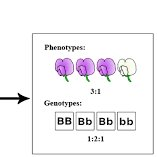
9/ The term phenotype refers to the actual physical expression of that gene. If you had brown hair gene from mom and blond hair gene from dad, what color hair you have would be your phenotype. That means if you have brown hair that is your phenotype.
10/ So in this example the genotype is Brown/Blond, but the phenotype ends up being brown. Why does this happen? This brings us to the concept of dominance. Before I jump into Dominance, I got one other important concept here on genes with homozygous and heterozygous.
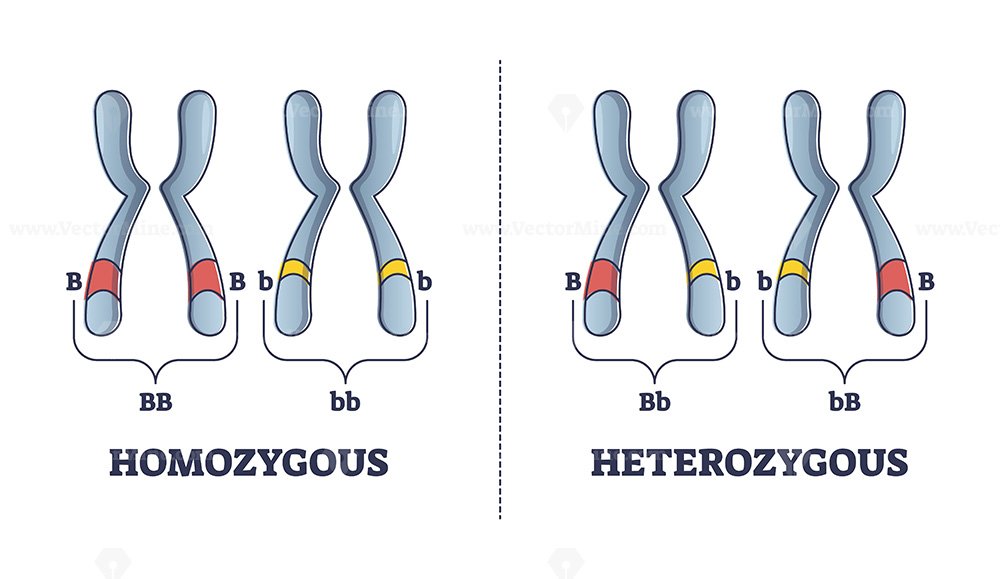
11/ When both genes have the exact same allele, its called homozygous. When they are different alleles, it is called heterozygous. Homo meaning the same and Hetero meaning different.
12/ The study of dominance in genes is one of the hallmarks of transmission genetics. How some genes are expressed over others. The principle is a dominant gene gets expressed over a recessive gene.
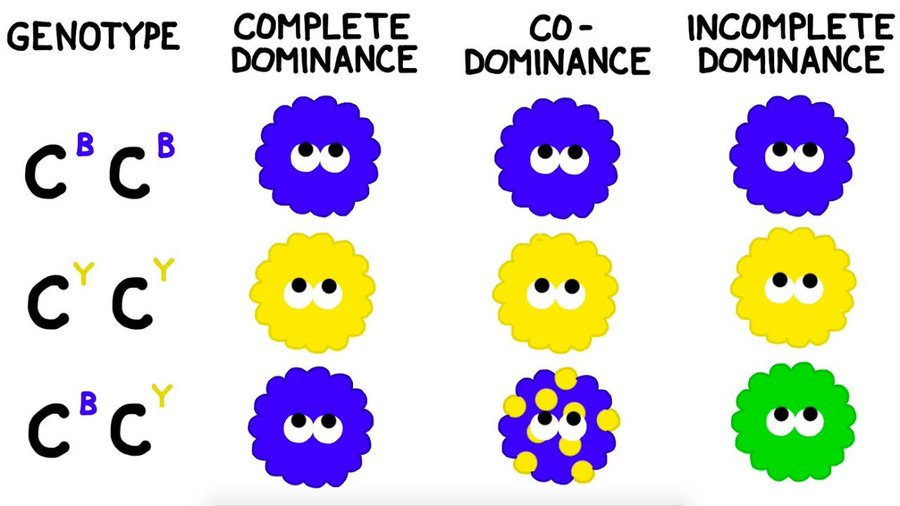
13/ There are several forms of dominance. The first is complete dominance. That means if you get an allele for blue eyes and an allele for brown eyes, the dominant gene would be expressed as the phenotype.
14/ Let us assume brown eyes are dominant over blue so the phenotype would be brown eyes. The blue eye gene is recessive and can be passed to offspring, but it won't be expressed over the brown eyes.
15/ The second is co-dominance. This is best expressed with the MHC. You get 3 MHC class I antigens from mom and 3 MHC class I antigens from dad. Each and every cell will express all six of these antigens. No one antigen will be expressed more or less then the others.
16/ Then comes incomplete dominance. This is where the phenotype is a blend of the two genes. This is best exampled from flowers. If you have a red flower and a white flower and decide to crossbreed them, your result would be a pink flower in a heterozygous offspring.
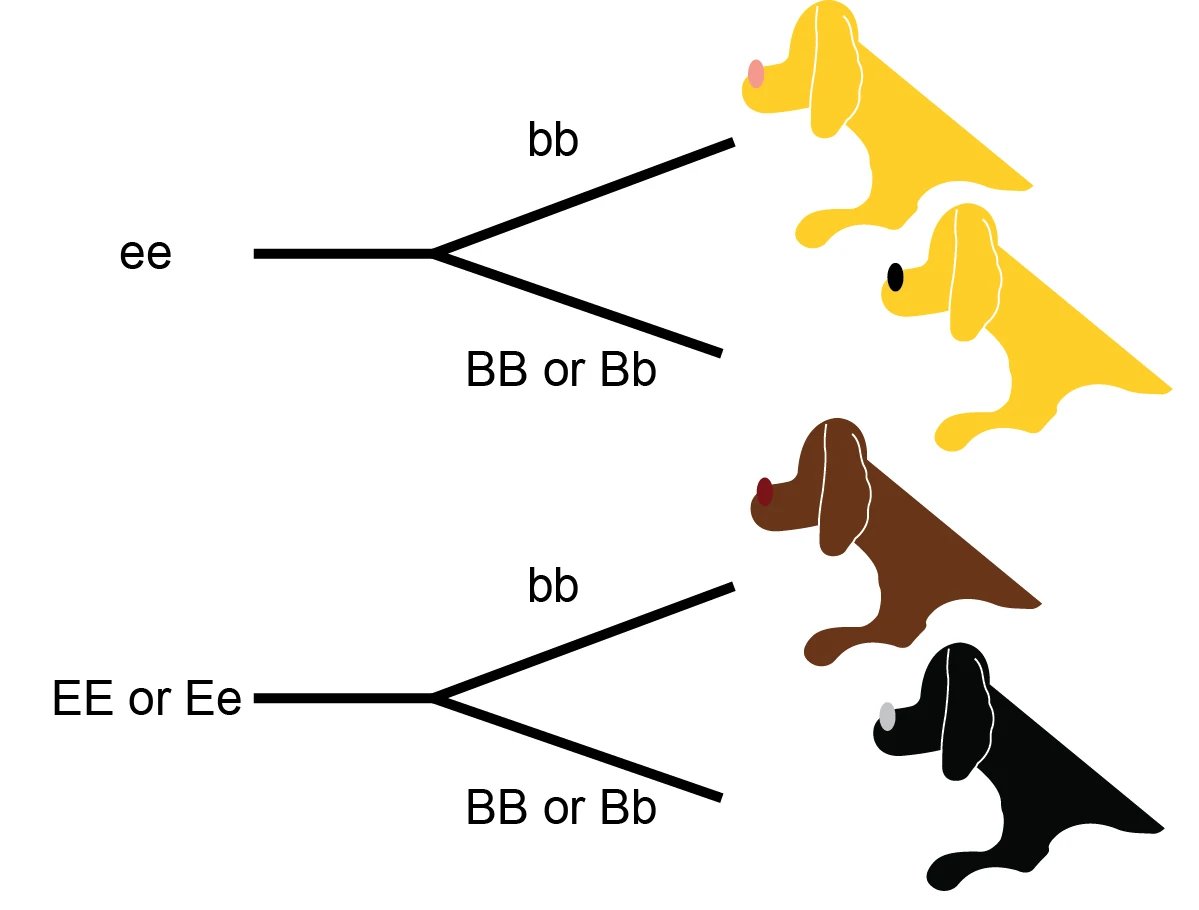
17/ The next concept we must cover is that of Epistasis. Epistasis is the concept of one gene regulating the expression of another. The first gene may create pigment for hair color while the other determines how much the hair color gets expressed.
18/ Let us say Gene #1 is either Black or Brown for the allele possibilities. You can either get Black or Brown hair. Black is dominant over Brown so if you get one of each allele, you will have Black hair.
19/ Now the epistatic gene regulates how much of that pigment gets expressed into the hair. You can have Gene #2 which expresses the pigment as On or Off as the allele.
20/ Even if you have a Black or Brown pigment gene, if you get a Off gene for expression, you end up being blond. You can produce the pigment, but the epistatic gene prevents it from being expressed.
21/ The last concept on dominance will be penetrance. This is how much a gene might be expressed in the population. This often applies to genes that lead to disease.
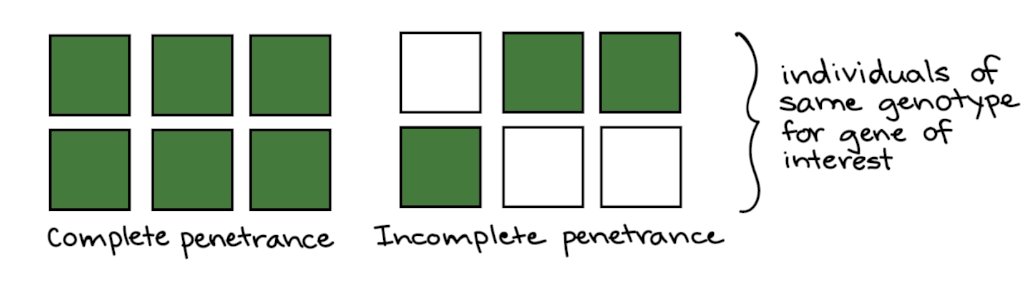
22/ The basic concept is not every person who gets the gene for a disease will get the disease. Some diseases are 100%. If you get that gene, you definitely will get the disease. Other diseases will have only a percentage of people that get the gene develop the disease.
23/ Next we will start to look at the Patterns of Inheritance and how genes get passed from parents to children.
Loading suggestions...