
On this day in 1750, Tipu Sultan - the Tiger of Mysore was born in Devanahalli in today's Bangalore. He was an embodiment of bravery and a symbol of resistance against British colonialism. The ‘Mysorean Rocket’ used by Tipu is genesis of modern artillery & rocket warfare.
1/
1/

Tipu Sultan's victory against the British at Battle of Pollilur in 1790 is often described as ‘the severest blow that the British ever sustained in India’, and resonated for years in both Britain and Mysore. By the end of year, one in five of all the British soldiers in India...
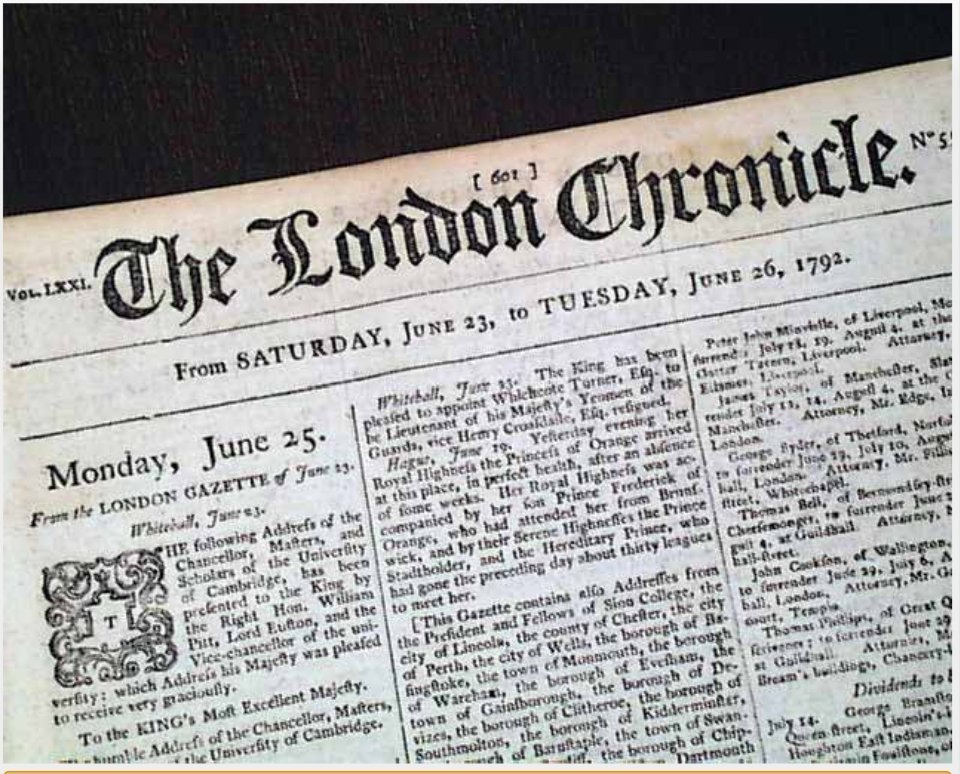
..were held prisoner by Tipu in his sophisticated fortress of Seringapatam. For thirty years, first Haidar Ali, Tipu’s father, then Tipu himself, had been at the forefront of the British public’s consciousness. Tales of attacks on British forces appeared in the newspapers.
Tipu was the most feared ruler of his time in Britain. When he died there were jubilant celebrations. Authors and play writers were also a part of it. The siege and looting of Tipu’s capital at Srirangapattana is the opening scene of Wilkie Collins’ famous novel, The Moonstone.
Tipu Sultan was the only ruler who understood the imminent threat from British. He fought four wars – in that sense, he could be called the first freedom fighter in the subcontinent. He seek help from Ottomans and French since they did not pose a colonial threat to subcontinent.
Tipu was fascinated by western technology. There were gun manufacturers, engineers, clockmakers and other experts from France who were working in Mysore. He set up his own manufacture of bronze cannons, ammunition and muskets to “Make in Mysore”. He was the pioneer of Rockets.
Tipu Sultan's chief minister Purnaiya was a Hindu. His main advisors were Brahmins. He was a generous patron of Hindu temples, including the Sri Ranganatha temple near his palace at Srirangapattana, and Sringeri Math, whose swami he respected and called Jagadguru.
Tipu Sultan extensively used tiger imagery to convey a sense of his awesome power. Tiger images emblazoned his golden throne, his textiles, coins, swords and his soldiers uniforms. He used the Sun symbol, long associated with royalty and divinity among his Hindu subjects.
Tipu Sultan wrote a Book of Dreams, the Khwab Nama, in which he recorded his dreams. He looked for signs and portents about the outcome of his battles in his dreams.
Allama Iqbal paid a tribute to the bravest son of the soil in his brilliant composition -
"Tipu Sultan ki Wasiyat".
تو رہ نوردِ شوق ہے منزل نہ کر قبول
لیلیٰ بھی ہم نشیں ہو تو محمل نہ کر قبول
"Tipu Sultan ki Wasiyat".
تو رہ نوردِ شوق ہے منزل نہ کر قبول
لیلیٰ بھی ہم نشیں ہو تو محمل نہ کر قبول
اے جوئے آب بڑھ کے ہو دریائے تندو تیز
ساحل تجھے عطا ہو تو ساحل نہ کر قبول
کھویا نہ جا صنم کدۂ کائنات میں
محفل گداز گرمی ٔ محفل نہ کر قبول
صبح ازل یہ مجھ سے کہا جبرئیل نے
جو عقل کا غلام ہو وہ دل نہ کر قبول
باطل دوئی پسند ہے حق لا شریک ہے
شرکت میانہ ء حق و باطل نہ کر قبول
ساحل تجھے عطا ہو تو ساحل نہ کر قبول
کھویا نہ جا صنم کدۂ کائنات میں
محفل گداز گرمی ٔ محفل نہ کر قبول
صبح ازل یہ مجھ سے کہا جبرئیل نے
جو عقل کا غلام ہو وہ دل نہ کر قبول
باطل دوئی پسند ہے حق لا شریک ہے
شرکت میانہ ء حق و باطل نہ کر قبول
Reference:
1. Kate Brittlebank, Tiger: The Life of Tipu Sultan
2. Allama Iqbal, Zarb e Kaleem
3. William Dalrymple, The Anarchy
1. Kate Brittlebank, Tiger: The Life of Tipu Sultan
2. Allama Iqbal, Zarb e Kaleem
3. William Dalrymple, The Anarchy
Loading suggestions...