

Master thread on one of the root causes for many illnesses.
Oxidative stress.
Oxidative stress.
*Standard disclaimer that this does not constitute medical advice*
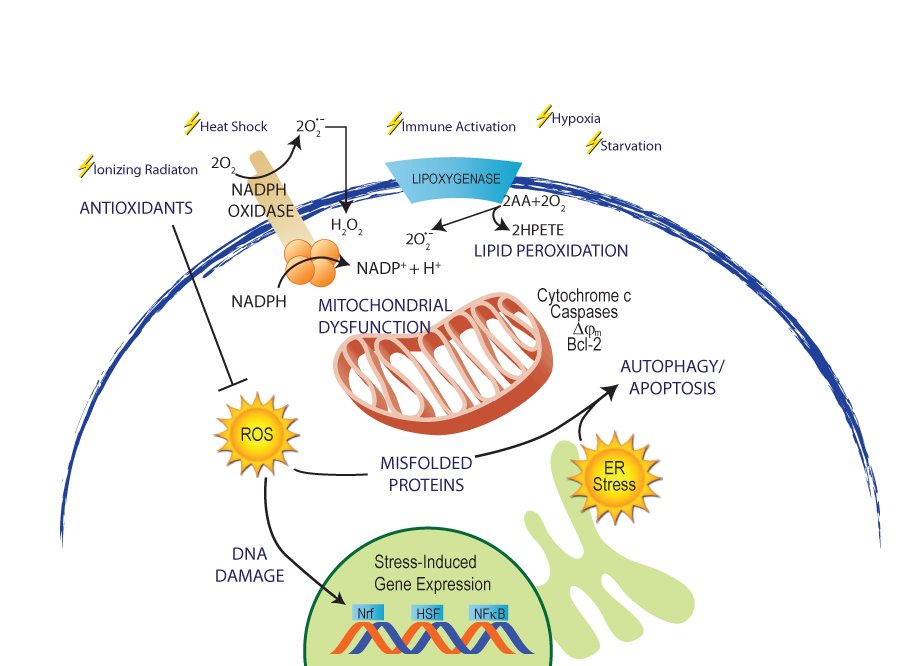
Oxidative stress and mitochondrial damage have been implicated in the pathogenesis of every metabolic disease.
Oxidative stress is characterized by the overproduction of reactive oxygen species (ROS), which can
Oxidative stress and mitochondrial damage have been implicated in the pathogenesis of every metabolic disease.
Oxidative stress is characterized by the overproduction of reactive oxygen species (ROS), which can
induce mitochondrial DNA mutations, damage the mitochondrial respiratory chain, alter membrane permeability, and influence Ca2+ homeostasis and mitochondrial defense systems.
Calcium homeostasis refers to the maintenance of a constant concentration of calcium ions in the
Calcium homeostasis refers to the maintenance of a constant concentration of calcium ions in the
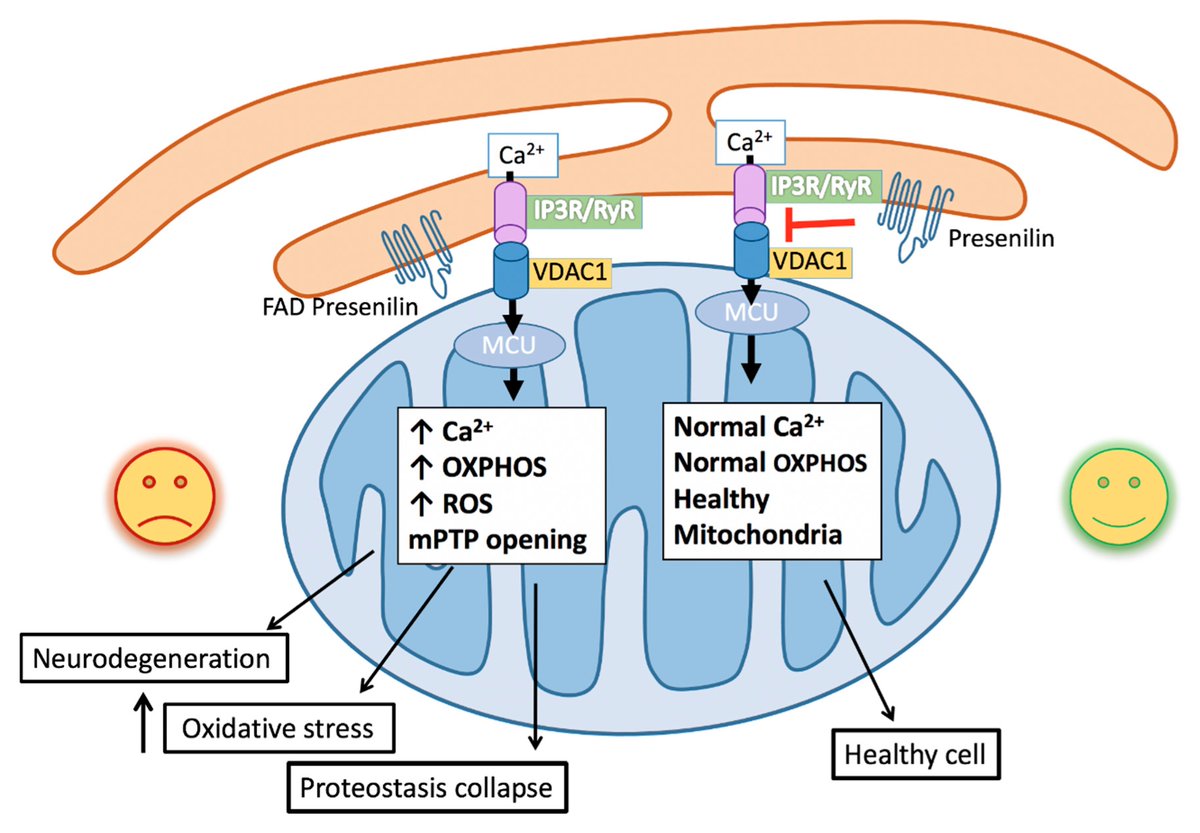
extracellular fluid.
It includes all of the processes that contribute to maintaining calcium at its “set point.”
Because plasma [Ca2+] rapidly equilibrates with the extracellular fluid, ECF [Ca2+] is kept constant by keeping the plasma [Ca2+] constant.
It includes all of the processes that contribute to maintaining calcium at its “set point.”
Because plasma [Ca2+] rapidly equilibrates with the extracellular fluid, ECF [Ca2+] is kept constant by keeping the plasma [Ca2+] constant.
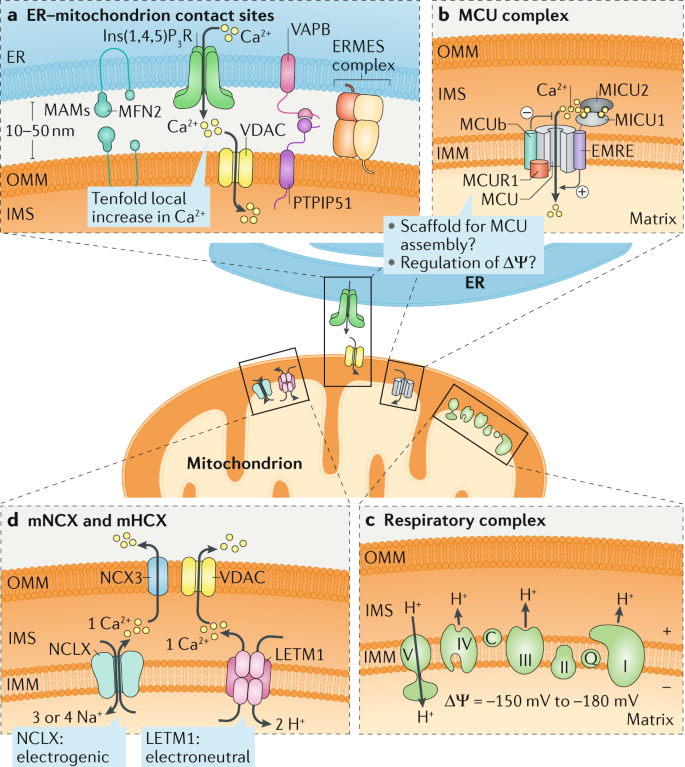
Maintaining a constant plasma [Ca2+] is important for things such as nerve transmission and conduction, cardigan contractility, blood clotting, cell to cell adhesion and of course bone formation.
Now a free radical attack occurs directly at complexes in the mitochondrial
Now a free radical attack occurs directly at complexes in the mitochondrial
![Maintaining a constant plasma [Ca2+] is important for things such as nerve transmission and conducti...](https://pbs.twimg.com/media/FjNiYqEXgAAuW1h.jpg)
respiratory chain.
Mitochondria are normally protected from oxidative damage by a multilayer network of mitochondrial antioxidant systems which consist of superoxide dismutase, catalase, glutathione peroxidase and glutathione reductase together with a number of low molecular
Mitochondria are normally protected from oxidative damage by a multilayer network of mitochondrial antioxidant systems which consist of superoxide dismutase, catalase, glutathione peroxidase and glutathione reductase together with a number of low molecular
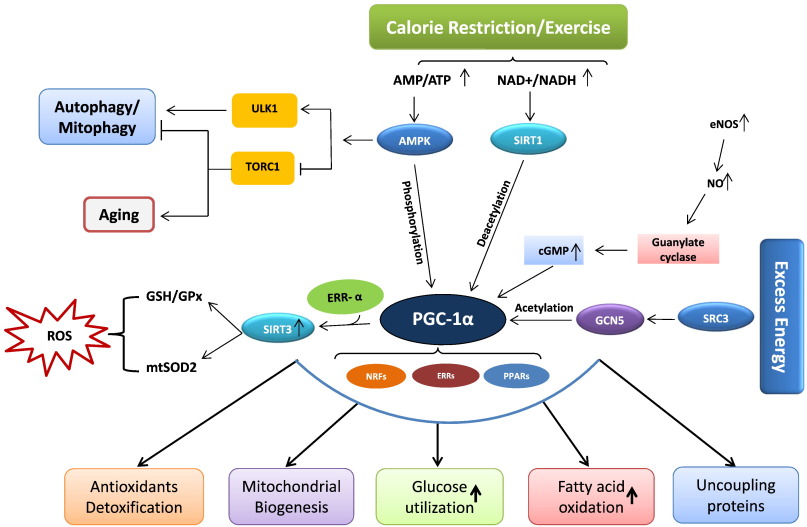
weight antioxidants such as α-tocopherol and ubiquinol.
These molecules are particularly effective in scavenging lipid peroxyl radicals and preventing free radical chain reactions of lipid peroxidation.
Cumulative oxidative injuries to mitochondria, triggered by endogenous
These molecules are particularly effective in scavenging lipid peroxyl radicals and preventing free radical chain reactions of lipid peroxidation.
Cumulative oxidative injuries to mitochondria, triggered by endogenous
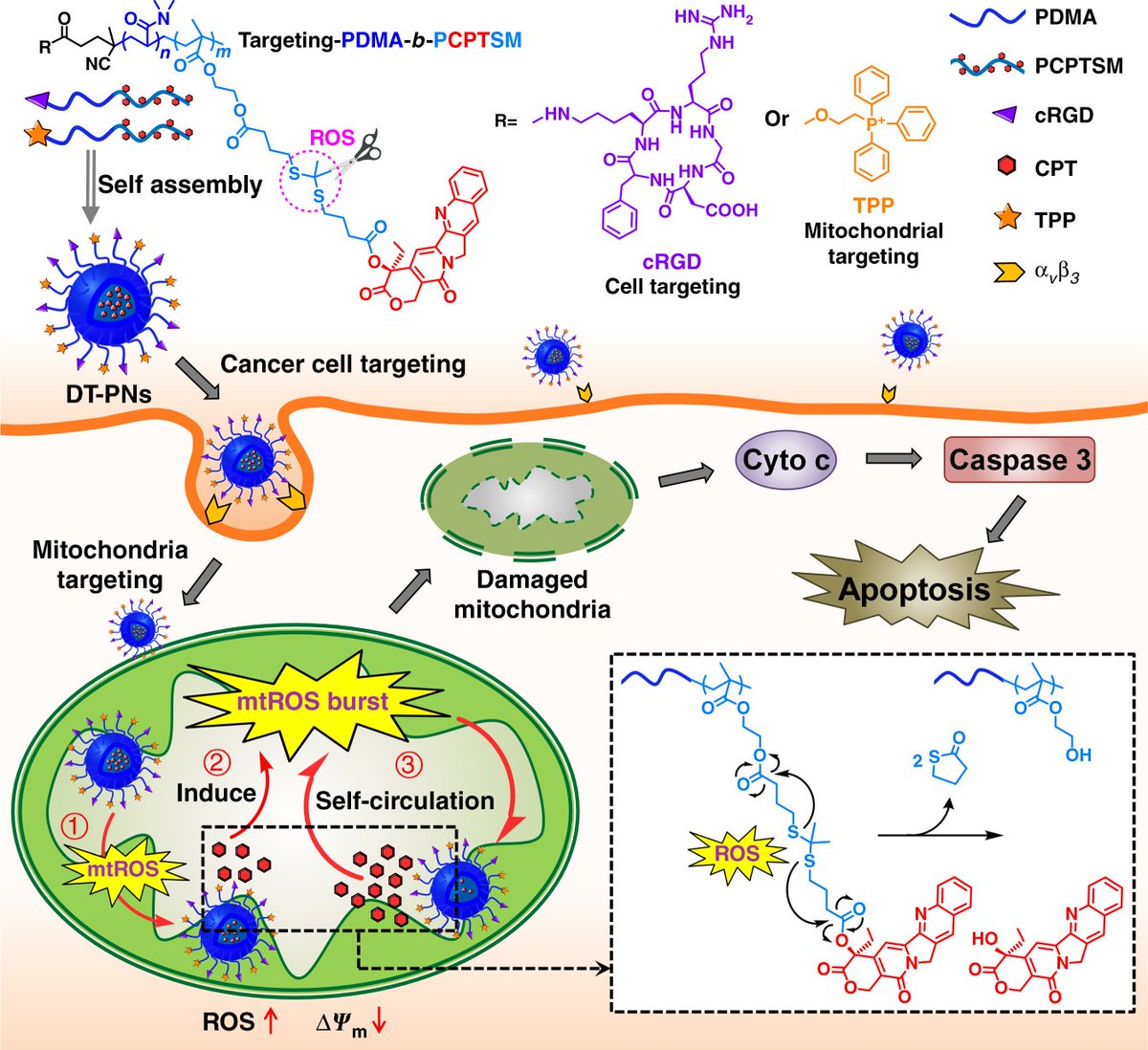
metabolic processes and/or exogenous oxidative influences, cause mitochondria to progressively become less efficient.
As mitochondria progressively lose their functional integrity, ever-greater proportions of oxygen molecules reaching them are converted to ROS.
As mitochondria progressively lose their functional integrity, ever-greater proportions of oxygen molecules reaching them are converted to ROS.
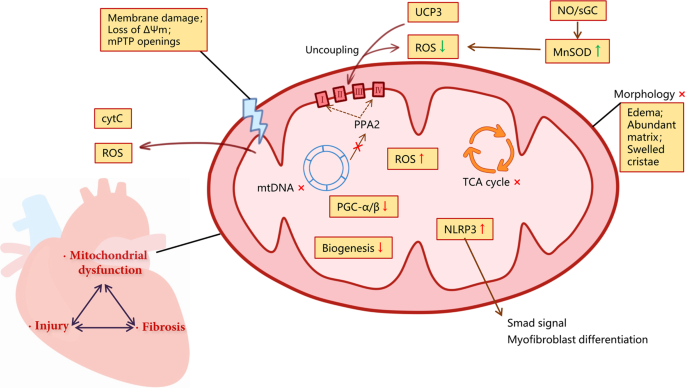
So the numerous and disparate mitochondrial functions include the synthesis of most of the ATP present in the cell, apoptosis, ion homeostasis, cellular stress response, antioxidant control, redox regulation, mitophagy and the involvement in various biosynthetic pathways.
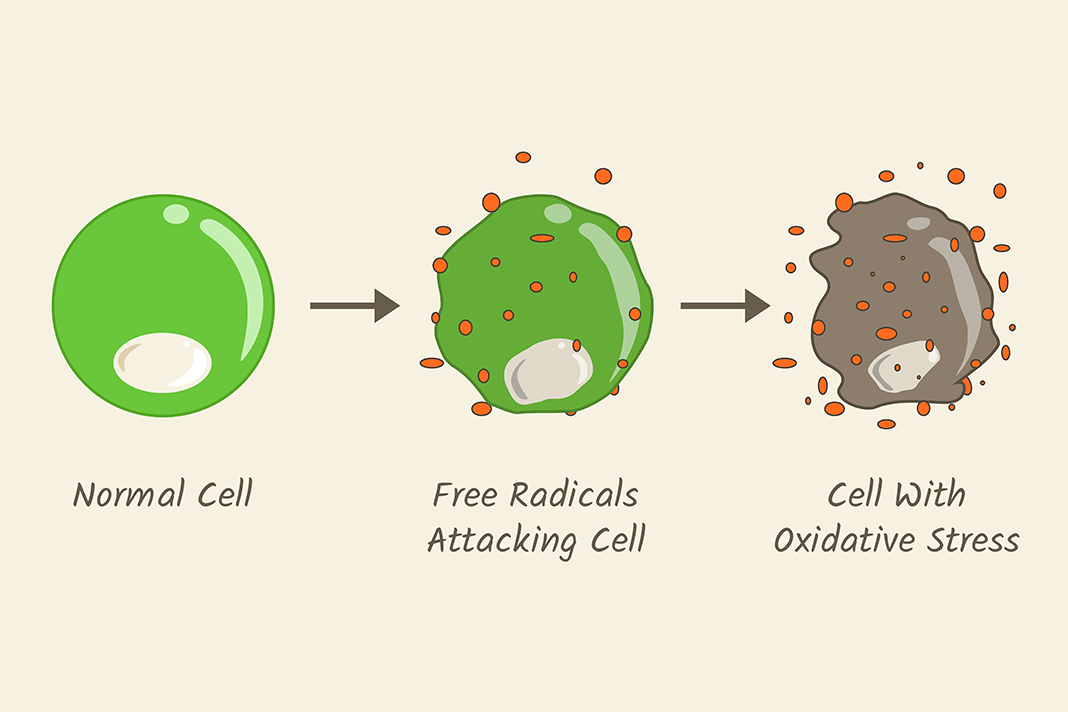
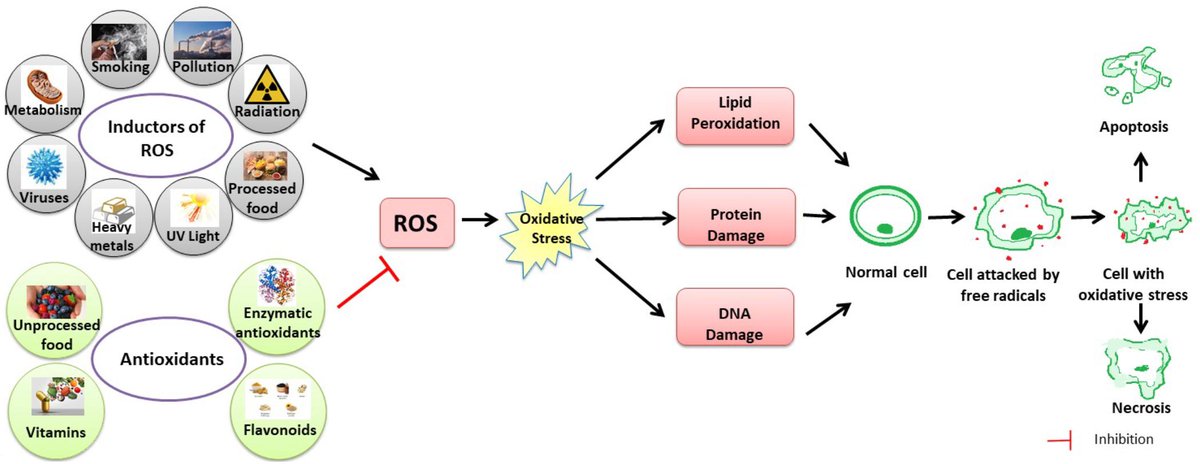
Oxidative stress occurs when there is an imbalance between free radical production and their detoxification.
Free radicals are unstable compounds that lead to cell destruction and chronic inflammation.
An atom or group of atoms with an unpaired electron is called
Free radicals are unstable compounds that lead to cell destruction and chronic inflammation.
An atom or group of atoms with an unpaired electron is called
a free radical.
A free radical can steal electrons from a stable molecule, creating a new free radical and initiating a chain reaction.
This electron-grabbing is called oxidation and can set up a chain reaction, creating new free radicals and damaging important molecules
A free radical can steal electrons from a stable molecule, creating a new free radical and initiating a chain reaction.
This electron-grabbing is called oxidation and can set up a chain reaction, creating new free radicals and damaging important molecules
along the way, similar to how one falling domino can bring down countless more.
Antioxidants are molecules that can donate an electron to stabilize and neutralize free radicals.
An antioxidant can stop the free radical chain reaction in its tracks by donating an electron and
Antioxidants are molecules that can donate an electron to stabilize and neutralize free radicals.
An antioxidant can stop the free radical chain reaction in its tracks by donating an electron and
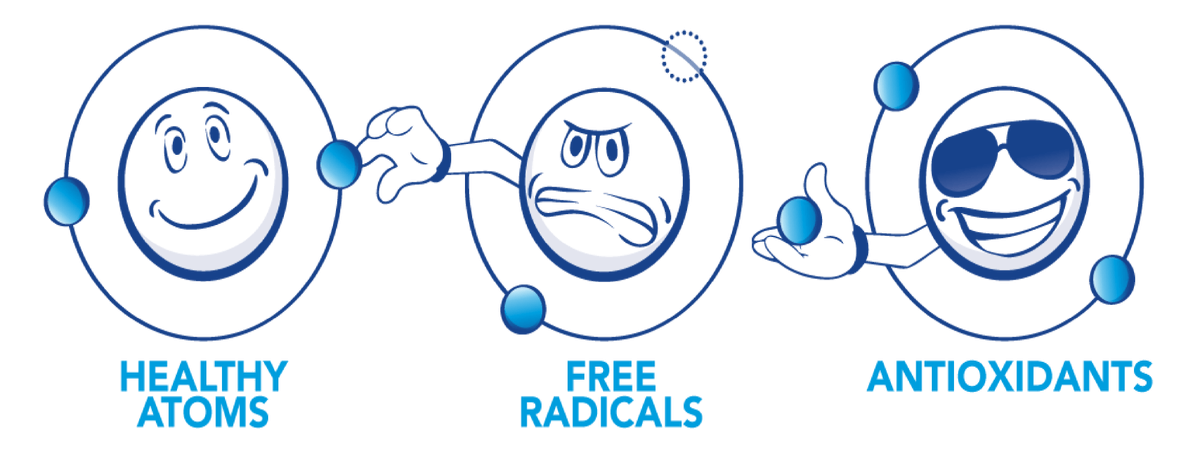
then the antioxidant itself becomes a free radical.
But antioxidants are not very reactive themselves and have processes for quick stabilization.
Free radicals are a natural byproduct of metabolic reactions and of exercise, and it’s normal to have low levels of free radicals
But antioxidants are not very reactive themselves and have processes for quick stabilization.
Free radicals are a natural byproduct of metabolic reactions and of exercise, and it’s normal to have low levels of free radicals
in the body.
With enough antioxidants present, free radicals can be kept in check so that they aren’t dangerous.
However, too many free radicals and not enough protection from antioxidants creates a situation called oxidative stress.
With enough antioxidants present, free radicals can be kept in check so that they aren’t dangerous.
However, too many free radicals and not enough protection from antioxidants creates a situation called oxidative stress.
Free radical development is unavoidable, but human bodies have adapted by setting up and maintaining defense mechanisms that reduce their impact.
The body’s two major defense systems are free radical detoxifying enzymes and antioxidants.
The body’s two major defense systems are free radical detoxifying enzymes and antioxidants.
Free radical detoxifying enzyme systems are responsible for protecting the insides of cells from free radical damage.
An antioxidant is any molecule that can block free radicals from stealing electrons. antioxidants act both inside and outside of cells.
An antioxidant is any molecule that can block free radicals from stealing electrons. antioxidants act both inside and outside of cells.
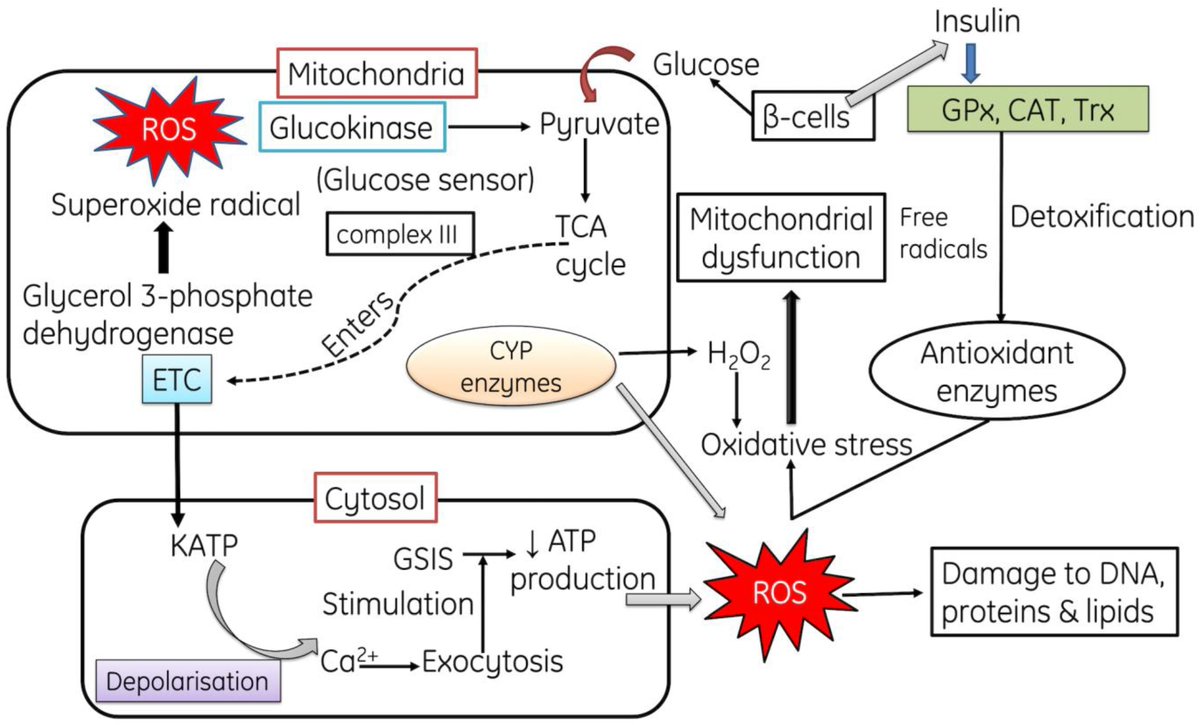
The three major enzyme systems and the chemical reactions they catalyze are:
1)Superoxide Dismutases (SOD).
They are essential for free radical detoxification and these enzymes either have manganese, copper or zinc as a cofactor.
1)Superoxide Dismutases (SOD).
They are essential for free radical detoxification and these enzymes either have manganese, copper or zinc as a cofactor.
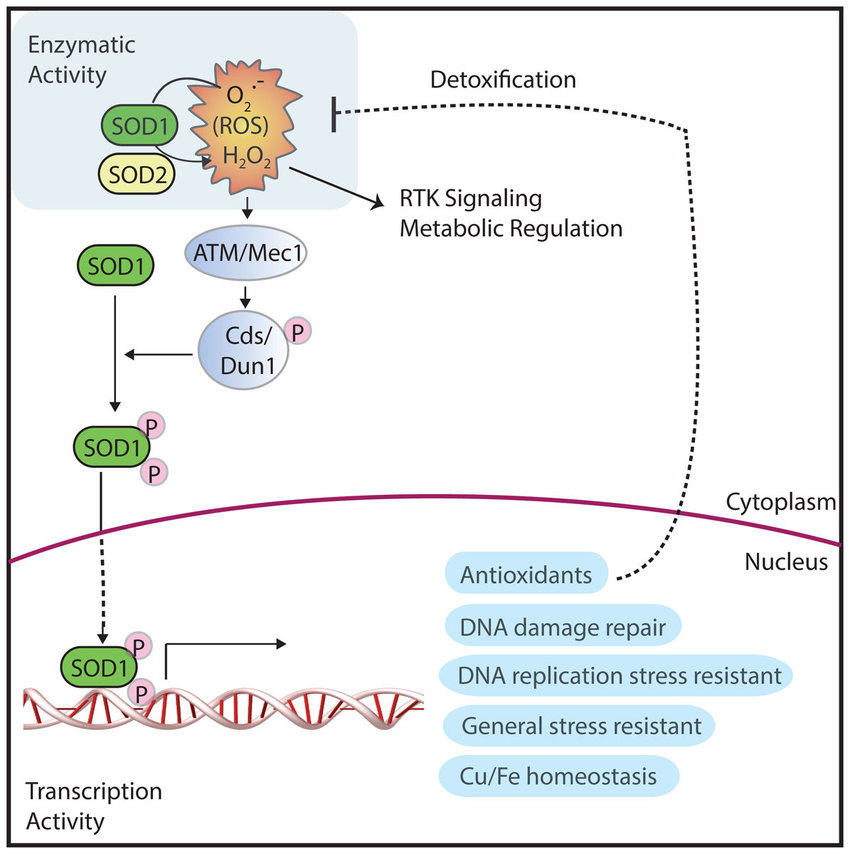
2)Catalase. These enzymes convert hydrogen peroxide to water and oxygen and finish the detoxification process that SOD starts.
3)Glutathione Peroxidases. These selenium dependent enzymes also convert hydrogen peroxide to water and oxygen.
3)Glutathione Peroxidases. These selenium dependent enzymes also convert hydrogen peroxide to water and oxygen.
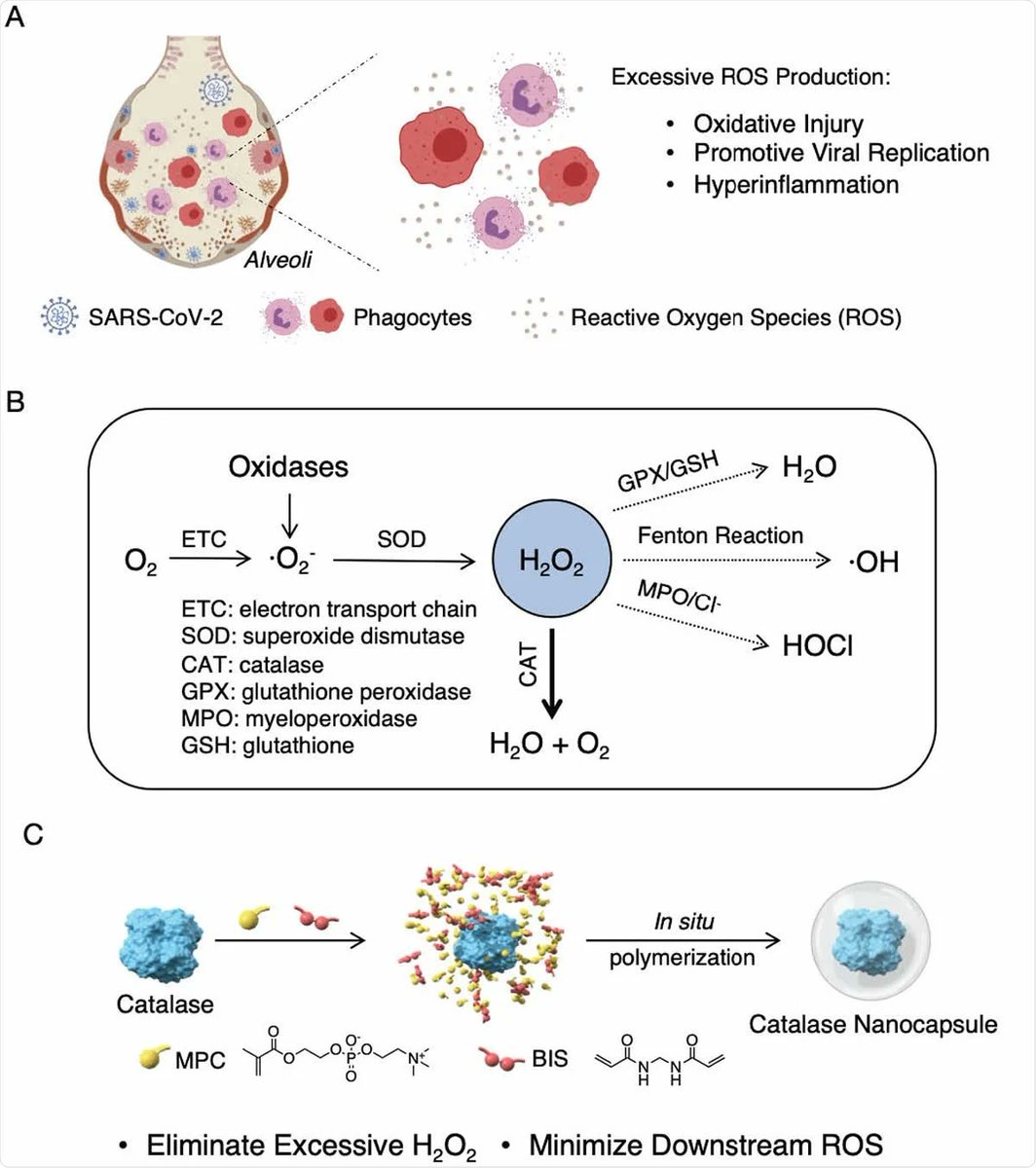
The body can synthesize some antioxidants, but others must be obtained from the diet.
There are two antioxidants that the body synthesize:
1) Glutathione (which contains a sulfur group that can donate an electron to a free radical, thereby stabilizing it).
2) Uric acid.
There are two antioxidants that the body synthesize:
1) Glutathione (which contains a sulfur group that can donate an electron to a free radical, thereby stabilizing it).
2) Uric acid.
There are many different antioxidants in food as well.
Antioxidant vitamins (Vitamin E, Vitamin C) donate their electrons to free radicals to stabilize them.
Antioxidant phytochemicals (beta-carotene and other carotenoids) may inhibit the oxidation of lipids or donate
Antioxidant vitamins (Vitamin E, Vitamin C) donate their electrons to free radicals to stabilize them.
Antioxidant phytochemicals (beta-carotene and other carotenoids) may inhibit the oxidation of lipids or donate
electrons.
Antioxidant minerals act as cofactors within complex antioxidant enzyme systems (superoxide dismutases, catalase, glutathione peroxidases described earlier) to convert free radicals to less damaging substances that can be excreted.
Antioxidant minerals act as cofactors within complex antioxidant enzyme systems (superoxide dismutases, catalase, glutathione peroxidases described earlier) to convert free radicals to less damaging substances that can be excreted.
1)Vitamin E
Sources: EVOO, red palm oil, low dose (20mg) of supplemental vitamin E coming from red palm oil and palm kernel oil.
Functions: Protects cellular membranes and prevents glutathione depletion.
Because vitamin E is fat-soluble, its antioxidant capacity is
Sources: EVOO, red palm oil, low dose (20mg) of supplemental vitamin E coming from red palm oil and palm kernel oil.
Functions: Protects cellular membranes and prevents glutathione depletion.
Because vitamin E is fat-soluble, its antioxidant capacity is
especially important to lipids, including those in cell membranes and lipoproteins.
For example, free radicals can oxidize LDL cholesterol (stealing an electron from it), and it is this damaged LDL that lodges in blood vessels and forms the fatty plaques characteristic of
For example, free radicals can oxidize LDL cholesterol (stealing an electron from it), and it is this damaged LDL that lodges in blood vessels and forms the fatty plaques characteristic of
atherosclerosis, increasing the risk of heart attack, stroke, and other complications of cardiovascular disease.
After alpha-tocopherol interacts with a free radical it is no longer capable of acting as an antioxidant unless it is enzymatically regenerated.
After alpha-tocopherol interacts with a free radical it is no longer capable of acting as an antioxidant unless it is enzymatically regenerated.
2)Vitamin C
Sources: Berries (preferably wild berries), camu camu, acerola cherries and kiwis.
Function: Protects DNA, RNA, proteins and lipids and aids in regenerating vitamin E.
Vitamin C’s ability to easily donate electrons makes it a highly effective antioxidant.
Sources: Berries (preferably wild berries), camu camu, acerola cherries and kiwis.
Function: Protects DNA, RNA, proteins and lipids and aids in regenerating vitamin E.
Vitamin C’s ability to easily donate electrons makes it a highly effective antioxidant.
Since it is water-soluble, it acts both inside and outside cells to protect molecules in aqueous environments.
Vitamin C also plays a vital role in regenerating vitamin E after it has acted as an antioxidant, allowing it to be recycled and used again.
Vitamin C also plays a vital role in regenerating vitamin E after it has acted as an antioxidant, allowing it to be recycled and used again.
3)Selenium
Sources: Shellfish, organs, eggs
Function: Cofactor of free radical detoxifying enzymes, maintains glutathione levels, aids in regeneration of vitamins C and E.
Selenium is an essential trace mineral that is part of the structure of at least 25 proteins in the body
Sources: Shellfish, organs, eggs
Function: Cofactor of free radical detoxifying enzymes, maintains glutathione levels, aids in regeneration of vitamins C and E.
Selenium is an essential trace mineral that is part of the structure of at least 25 proteins in the body
with functions in thyroid hormone metabolism, DNA synthesis, reproduction and protecting the immune system.
As part of antioxidant enzymes, selenium helps to regenerate other antioxidants, including vitamin C.
These enzymes also protect lipids from free radicals, and, in
As part of antioxidant enzymes, selenium helps to regenerate other antioxidants, including vitamin C.
These enzymes also protect lipids from free radicals, and, in
doing so, spare vitamin E.
4) Carotenoids from sources such as pumpkin, squash, peaches, apricots and carrot juice which function as free radical scavengers.
4) Carotenoids from sources such as pumpkin, squash, peaches, apricots and carrot juice which function as free radical scavengers.
5) CO2
C02 besides being a great antioxidant, is very essential for our metabolic health since it stabilizes and even activates mitochondria.
CO2 is a great anti-inflammatory, a great tool for someone to protect himself against ammonia and its byproducts, it can speed up the
C02 besides being a great antioxidant, is very essential for our metabolic health since it stabilizes and even activates mitochondria.
CO2 is a great anti-inflammatory, a great tool for someone to protect himself against ammonia and its byproducts, it can speed up the
detoxification of polyunsaturated fatty acids and it’s a great tool to boost your performance (both mental and physical) as well.
How to increase CO2?
1)The Buteyko breathing technique which is great for asthma, will help you with increasing CO2 levels.
How to increase CO2?
1)The Buteyko breathing technique which is great for asthma, will help you with increasing CO2 levels.
2) Naturally carbonated water is an effective tool to raise CO2 levels, it also improves the delivery of blood to the brain, stops the platelets from releasing excess serotonin and from histidine to turn into histamine as well.
3)Bathing in natural springs in the case that they are near by you, can have a great effect as well.
4) Thiamine (B1) (especially pre workout)
5) Improving the methionine:glycine ratio by adding bone marrow and supplemental glycine can also greatly help a person increase C02
4) Thiamine (B1) (especially pre workout)
5) Improving the methionine:glycine ratio by adding bone marrow and supplemental glycine can also greatly help a person increase C02
levels as well, but balancing the methionine:glycine ratio has benefits that exceed the increase of CO2.
What about bag breathing to increase CO2?
Both yes and no since trying to force the rise of C02 can lead to stress.
What about bag breathing to increase CO2?
Both yes and no since trying to force the rise of C02 can lead to stress.
Note: Electrons can act as powerful antioxidants as well.
A very effective and free tool that will greatly reduce oxidative stress is grounding or as often is referred to as “earthing”.
The earth contains an endless supply of electrons which can be used in order to neutralize
A very effective and free tool that will greatly reduce oxidative stress is grounding or as often is referred to as “earthing”.
The earth contains an endless supply of electrons which can be used in order to neutralize
free radicals in the body.
Connecting our bodies to the earth normalizes the daily cortisol rhythm, improves sleep, leads to reductions in pain, inflammation and increases the metabolic rate.
This happens since the surface of the earth possesses a limitless and continuously
Connecting our bodies to the earth normalizes the daily cortisol rhythm, improves sleep, leads to reductions in pain, inflammation and increases the metabolic rate.
This happens since the surface of the earth possesses a limitless and continuously
renewed supply of free or mobile electrons as a consequence of a global atmospheric electric circuit.
A direct earth connection enables both diurnal electrical rhythms are free electrons to flow from the earth to the body and neutralize the positively charged free radicals that
A direct earth connection enables both diurnal electrical rhythms are free electrons to flow from the earth to the body and neutralize the positively charged free radicals that
are the hallmark of chronic inflammation as we just saw.
So free electrons from the earth can resolve chronic inflammation by serving as natural antioxidants.
Again, free radicals are not evil in a binary manner.
Free radicals to a degree are needed for optimal health when
So free electrons from the earth can resolve chronic inflammation by serving as natural antioxidants.
Again, free radicals are not evil in a binary manner.
Free radicals to a degree are needed for optimal health when
derived from normal essential metabolic processes in the human body.
For example, the immune system uses the cell-damaging properties of free radicals to kill pathogens.
First, immune cells engulf an invader, then they expose it to free radicals such as hydrogen peroxide,
For example, the immune system uses the cell-damaging properties of free radicals to kill pathogens.
First, immune cells engulf an invader, then they expose it to free radicals such as hydrogen peroxide,
which destroys its membrane and the invader is thus neutralized.
Free radicals are necessary for many other bodily functions as well.
The body creates free radicals through the normal processes of metabolism (i.e., turning food into usable energy/ATP).
Free radicals are necessary for many other bodily functions as well.
The body creates free radicals through the normal processes of metabolism (i.e., turning food into usable energy/ATP).
When the amount of free radicals exceeds the body’s ability to eliminate or neutralize them, an oxidative imbalance results.
Substances and energy sources from the environment can add to or accelerate the production of free radicals within the body.
Substances and energy sources from the environment can add to or accelerate the production of free radicals within the body.
Excessive exposure to environmental sources of free radicals is what contributes to disease by overwhelming the free radical detoxifying systems and those processes involved in repairing oxidative damage.
So the problem starts when ROS are derived from external sources such as smoking, nnEMF, heavy metals, stress, air pollutants, X-Rays, bad food choices and so on.
These are thungs that you should avoid.
These are thungs that you should avoid.
That was it guys. Now you know the basics of oxidative stress and you have tools to battle it.
And if you liked this thread, make sure to like or RT the first tweet.
And if you liked this thread, make sure to like or RT the first tweet.
Loading suggestions...