
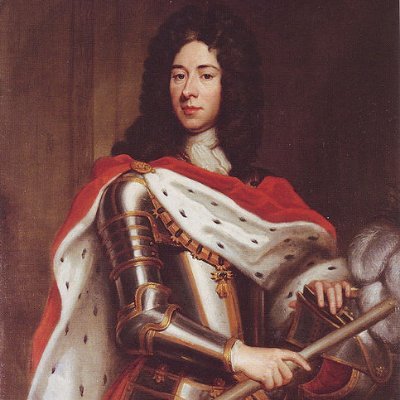
"Now they praise me because I gained riches without the least danger. But earlier when I risked my life in full combat they didn't even know I existed."
Dutch admiral Piet Hein said this when he saw crowds in Leyden cheering him for capturing a Spanish treasure fleet.🧵
Dutch admiral Piet Hein said this when he saw crowds in Leyden cheering him for capturing a Spanish treasure fleet.🧵
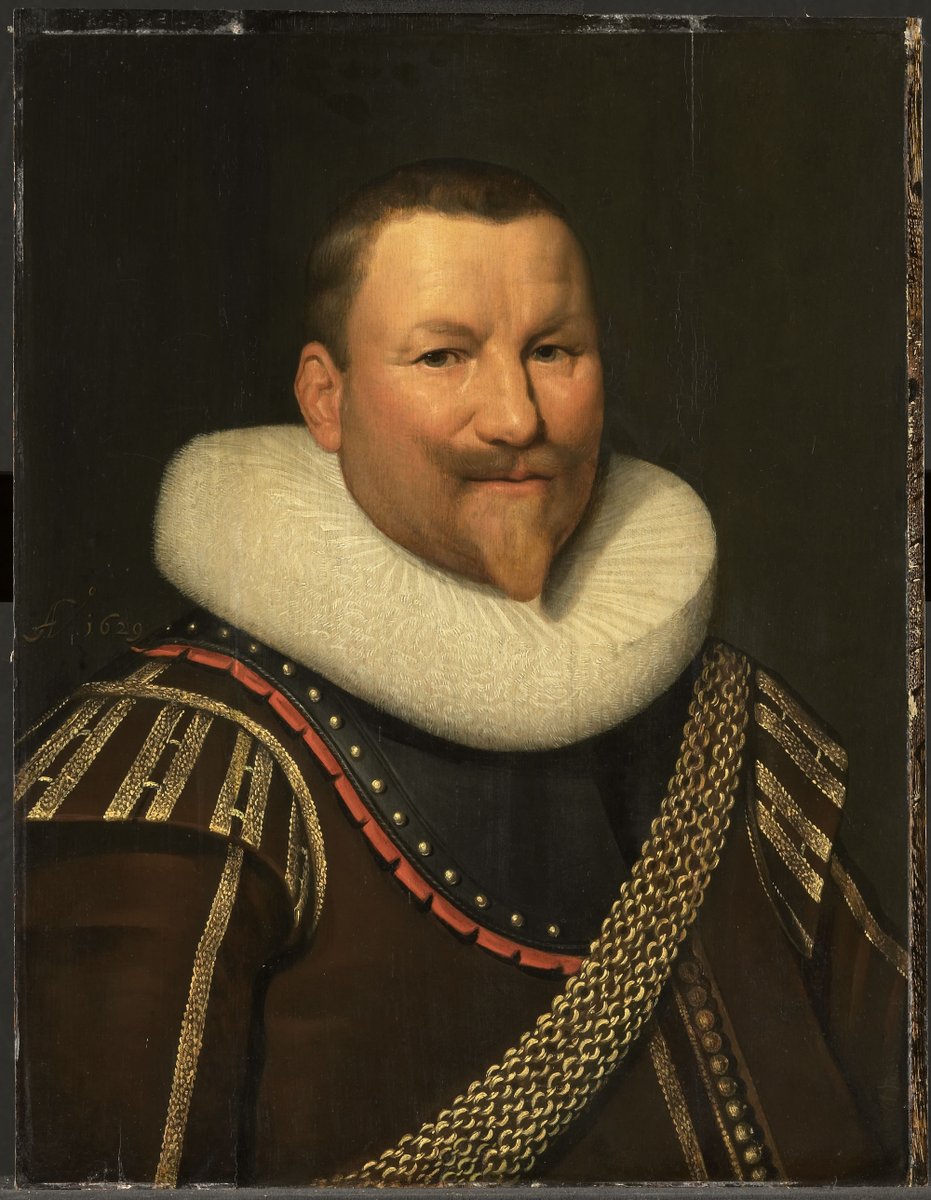
Piet Hein was born near Rotterdam as the son of a sea captain and was a common sailor first.
Already in his twenties, he was captured by the Spanish and was forced to become a galley slave for 4 years between 1598 and 1602 before being exchanged for Spanish prisoners.
Already in his twenties, he was captured by the Spanish and was forced to become a galley slave for 4 years between 1598 and 1602 before being exchanged for Spanish prisoners.
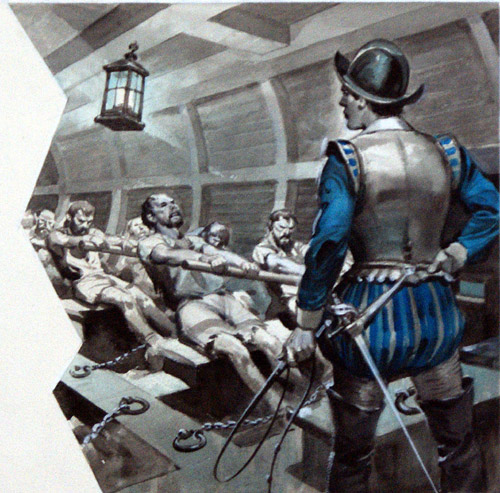
But only a year later, he was captured again by the Spanish while he was sailing near Cuba.
This meant another 4 years of being a galley slave for the hated Spanish who were at war with the Dutch in the brutal Eighty Years' War.
The war with the Spanish would mark Hein's life.
This meant another 4 years of being a galley slave for the hated Spanish who were at war with the Dutch in the brutal Eighty Years' War.
The war with the Spanish would mark Hein's life.
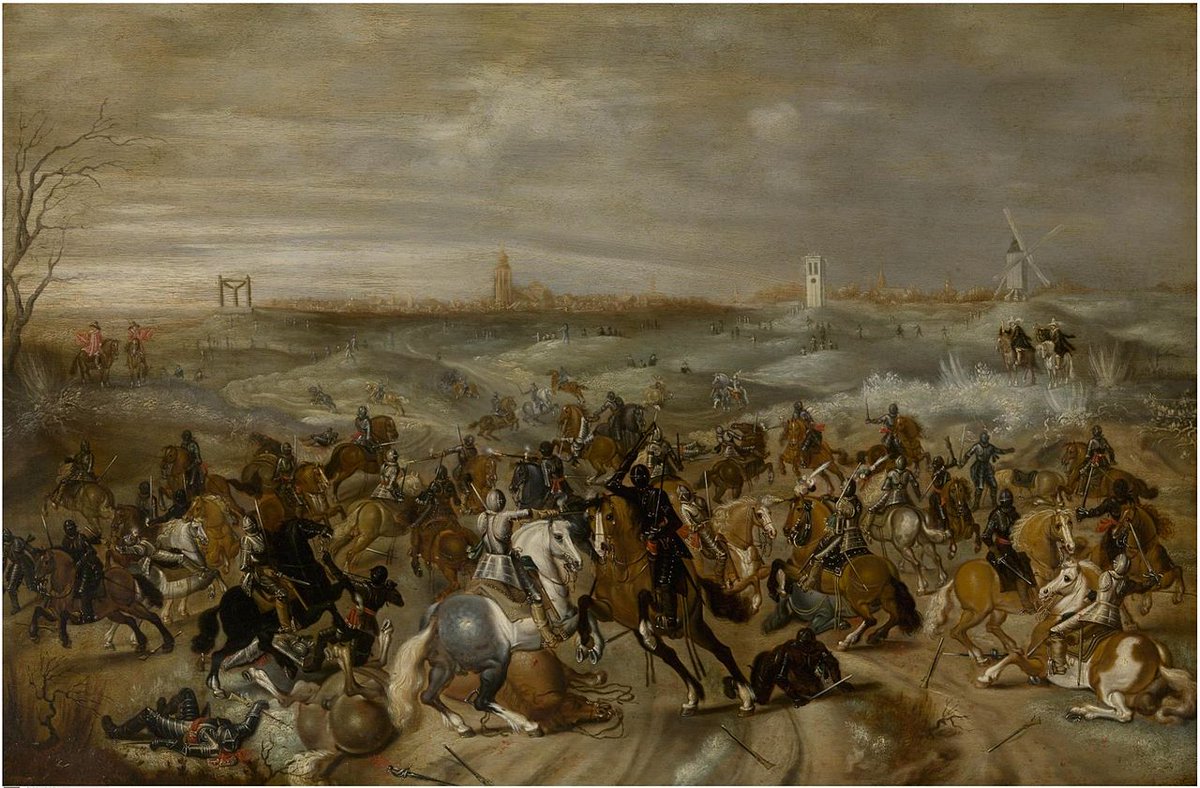
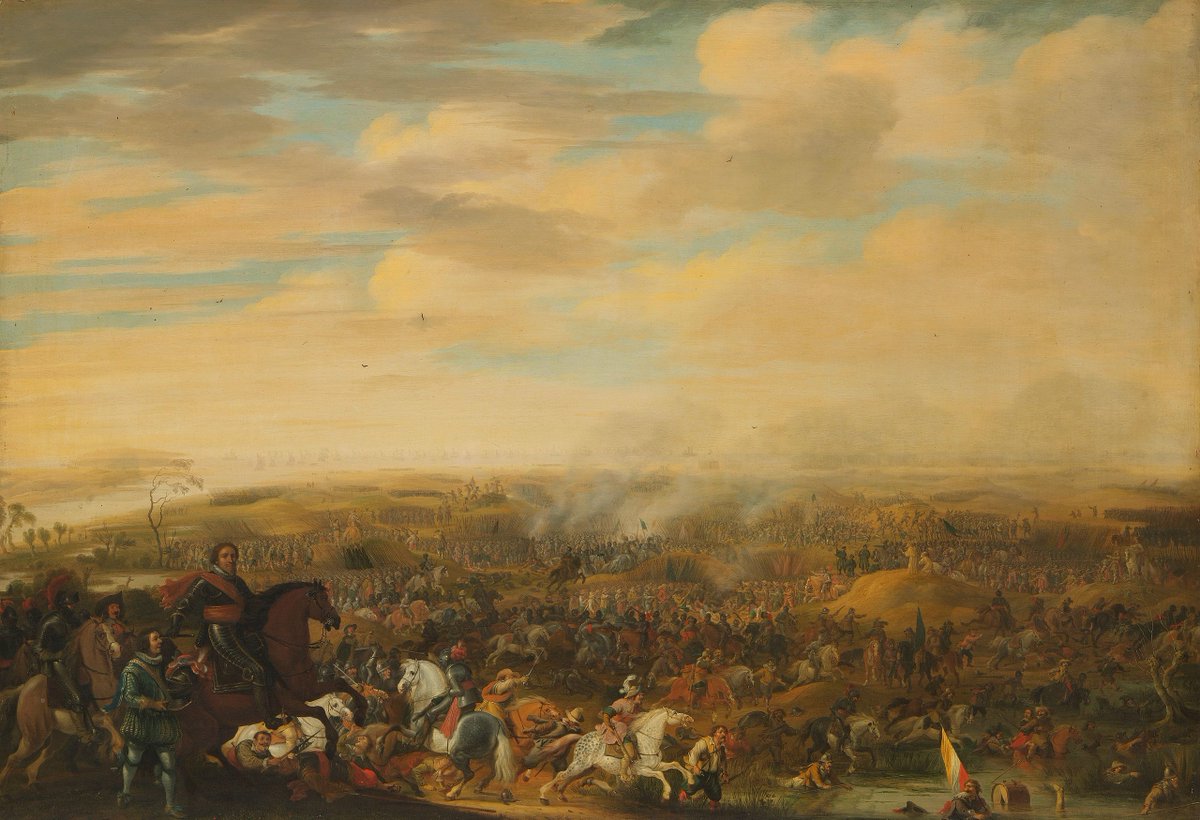
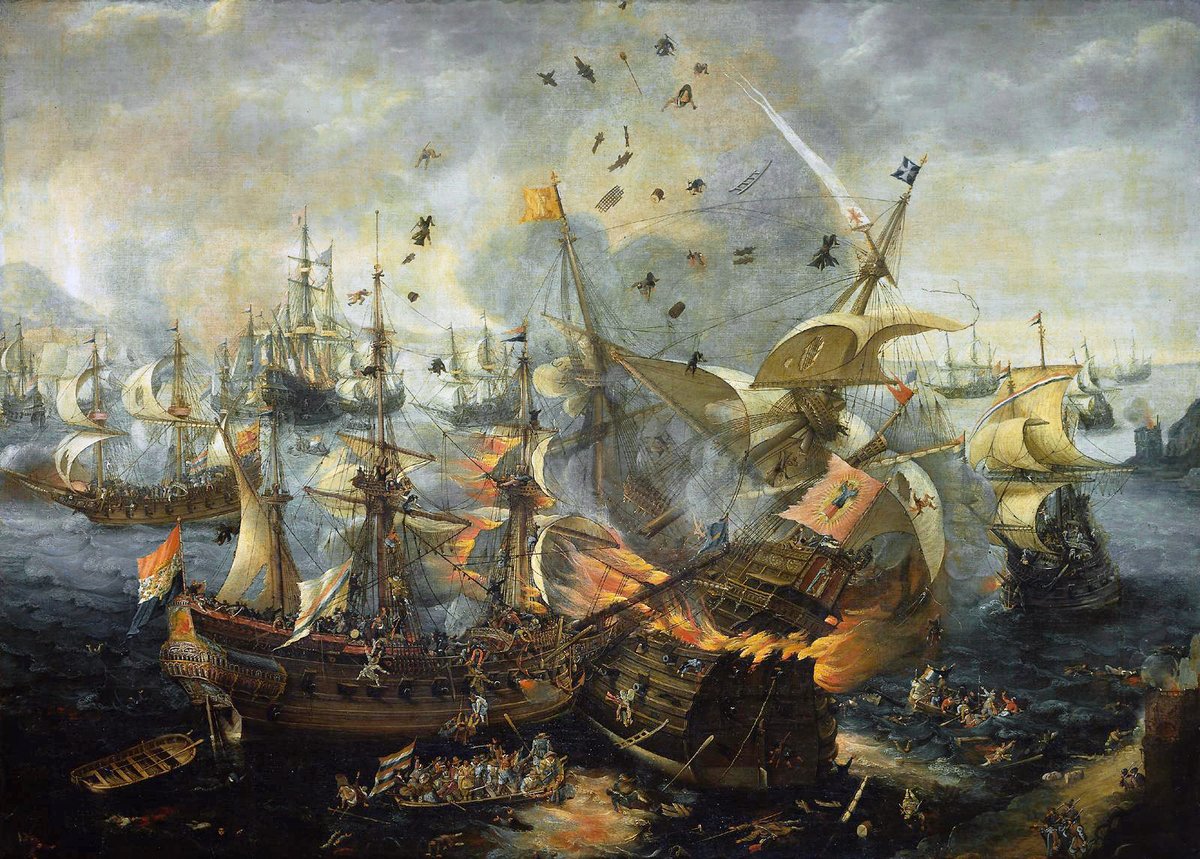
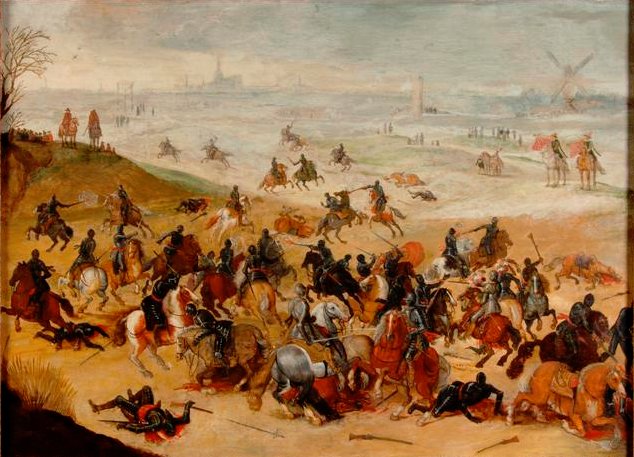
When he returned from captivity again in 1607, Hein settled in Rotterdam and joined the Dutch East India Company. In Asia, he finally rose through the ranks and became a captain.
Piet Hein was a very ambitious man!
Piet Hein was a very ambitious man!
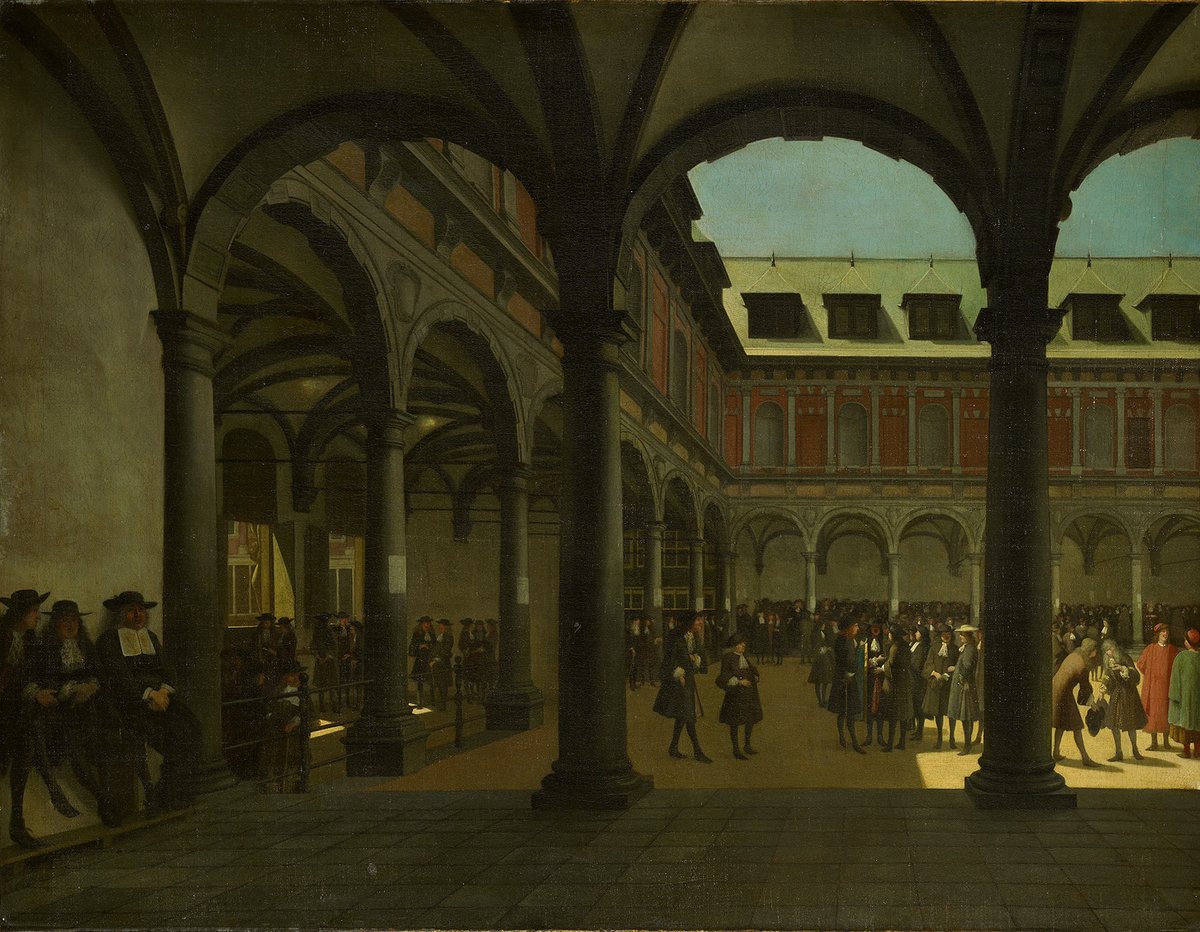
His leaders were also very ambitious. They wanted to dominate the seas and cripple their enemy Spanish and Portuguese.
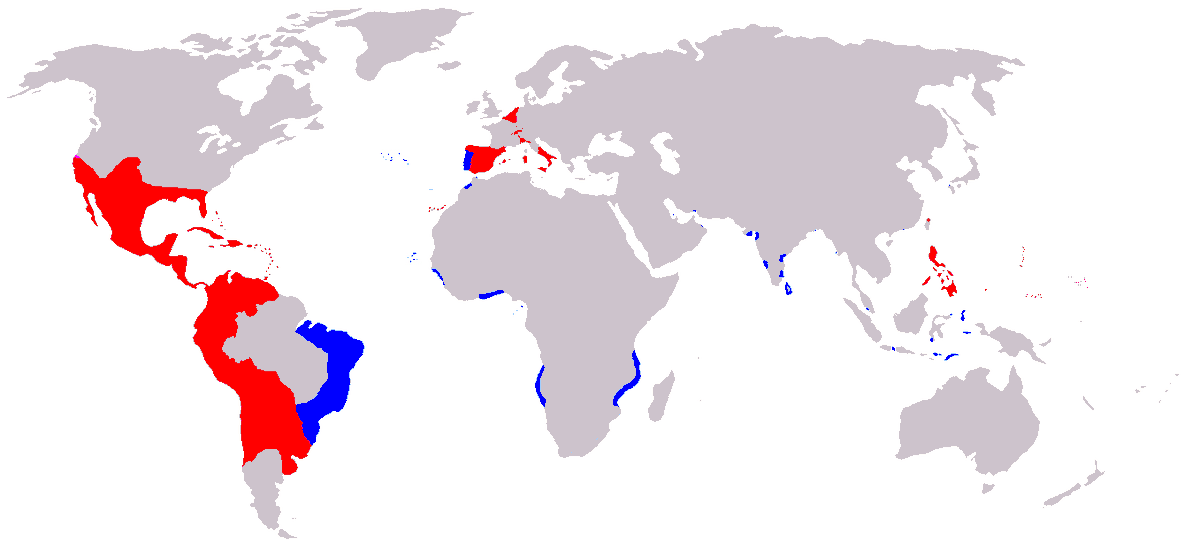
In 1623 the Dutch West India Company devised the "Groot Desseyn" (Grand Design) to capture Spanish and Portuguese possessions in Africa and the Americas!
In 1623 the Dutch West India Company devised the "Groot Desseyn" (Grand Design) to capture Spanish and Portuguese possessions in Africa and the Americas!

The Dutch had their eyes set on Salvador in Brazil and Luanda in Angola.
Controlling these two would significantly cripple economic power of their Iberian enemies and enable the Dutch to take control over lucrative sugar plantations.
Controlling these two would significantly cripple economic power of their Iberian enemies and enable the Dutch to take control over lucrative sugar plantations.
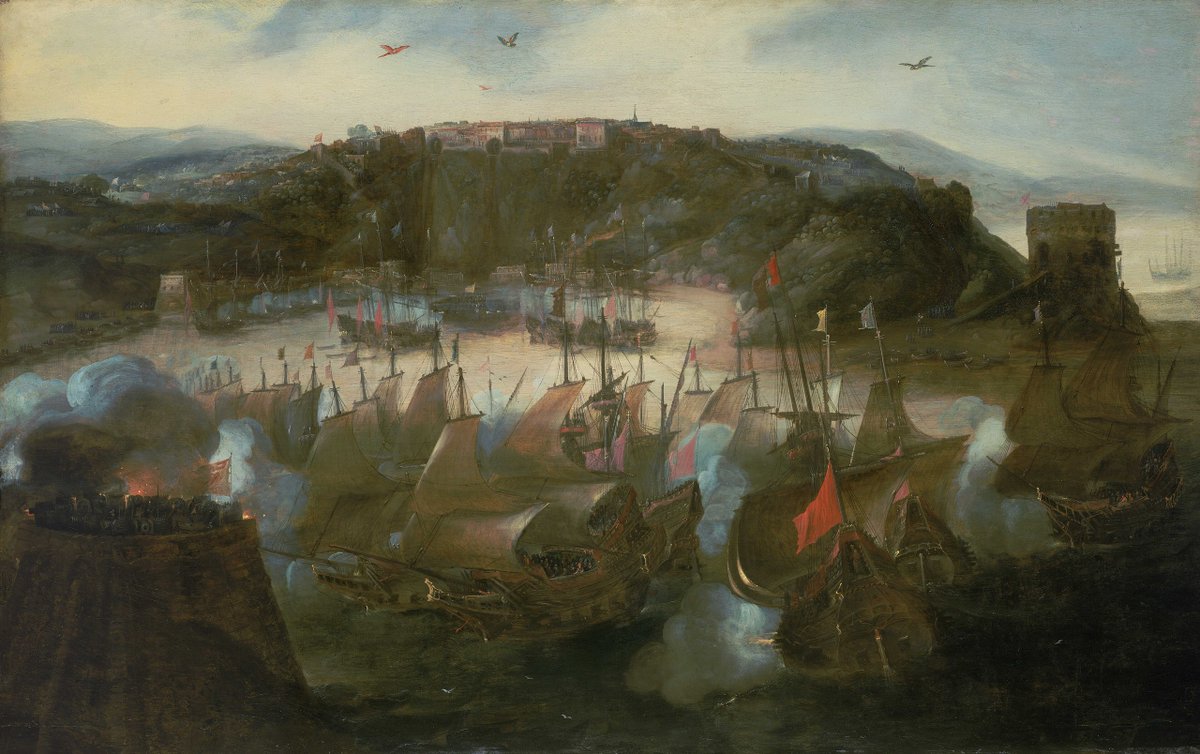
Piet Hein became an important part of Groot Desseyn as he became the vice-admiral of the Dutch West India Company and sailed to the West Indies the following year in 1624.
He participated in the capture of Salvador and personally lead the assault on one of the forts!
He participated in the capture of Salvador and personally lead the assault on one of the forts!
From Salvador, the Dutch tried to capture Luanda as well as was planned, but this failed.
The Spanish and Portuguese also managed to recapture Salvador the next year in 1625.
The Groot Desseyn was temporarily abandoned.
However this didn't persuade Hein to stop.
The Spanish and Portuguese also managed to recapture Salvador the next year in 1625.
The Groot Desseyn was temporarily abandoned.
However this didn't persuade Hein to stop.
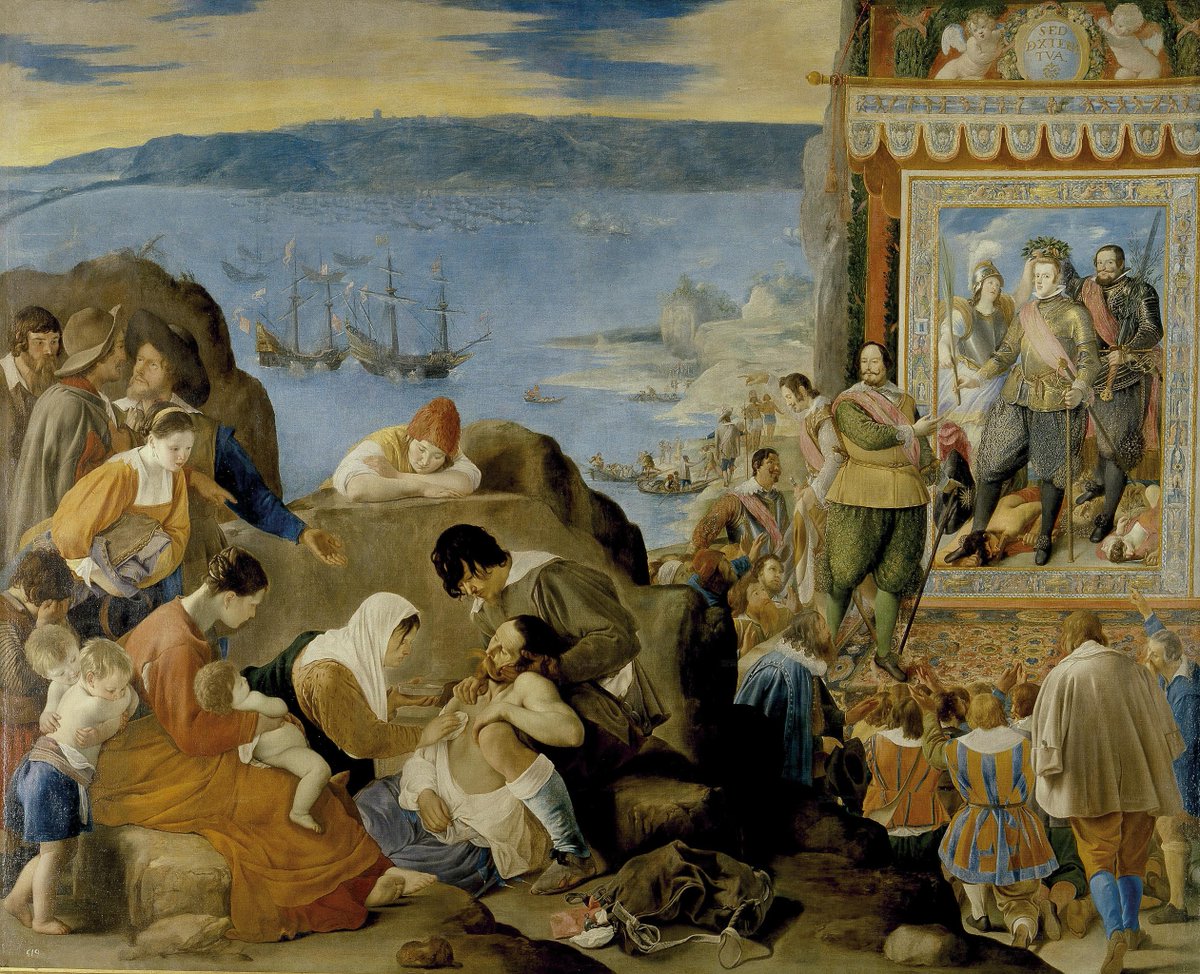
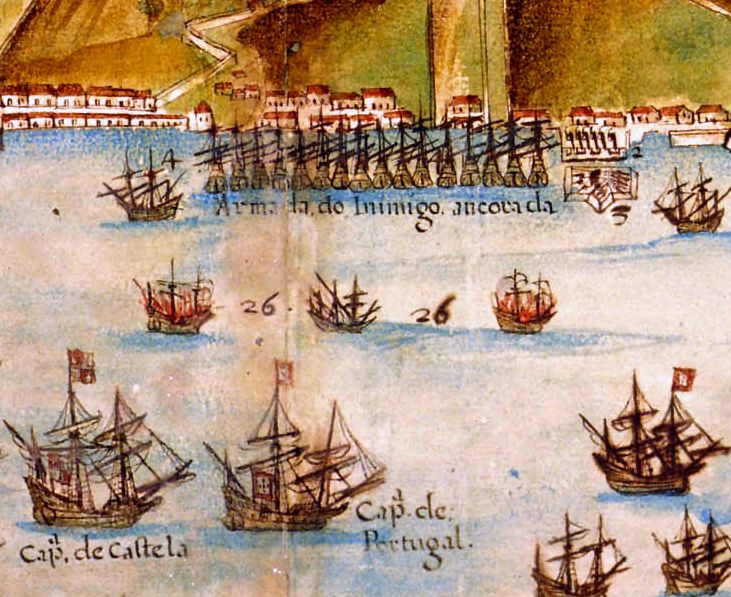
Piet Hein continued raiding the coast of Brazil in 1626 and in 1627 he managed to capture over thirty Portuguese merchant ships!
This success made him hungry for more. He was ready to take on even much bigger prizes.
This success made him hungry for more. He was ready to take on even much bigger prizes.
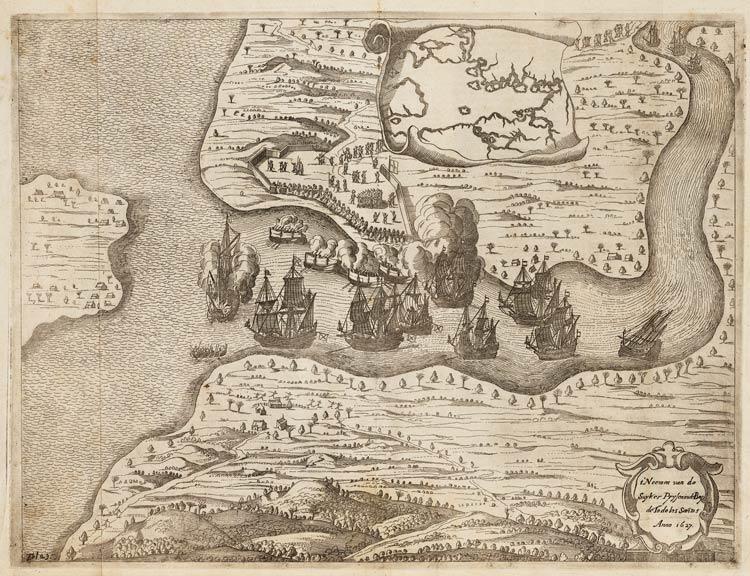
The emboldened Piet Hein was determined to do something that has never been done before. He wanted to capture an entire Spanish treasure fleet in the Americas!
He persuaded the Dutch West India Company to give him enough ships to be able to execute this bold plan.
He persuaded the Dutch West India Company to give him enough ships to be able to execute this bold plan.
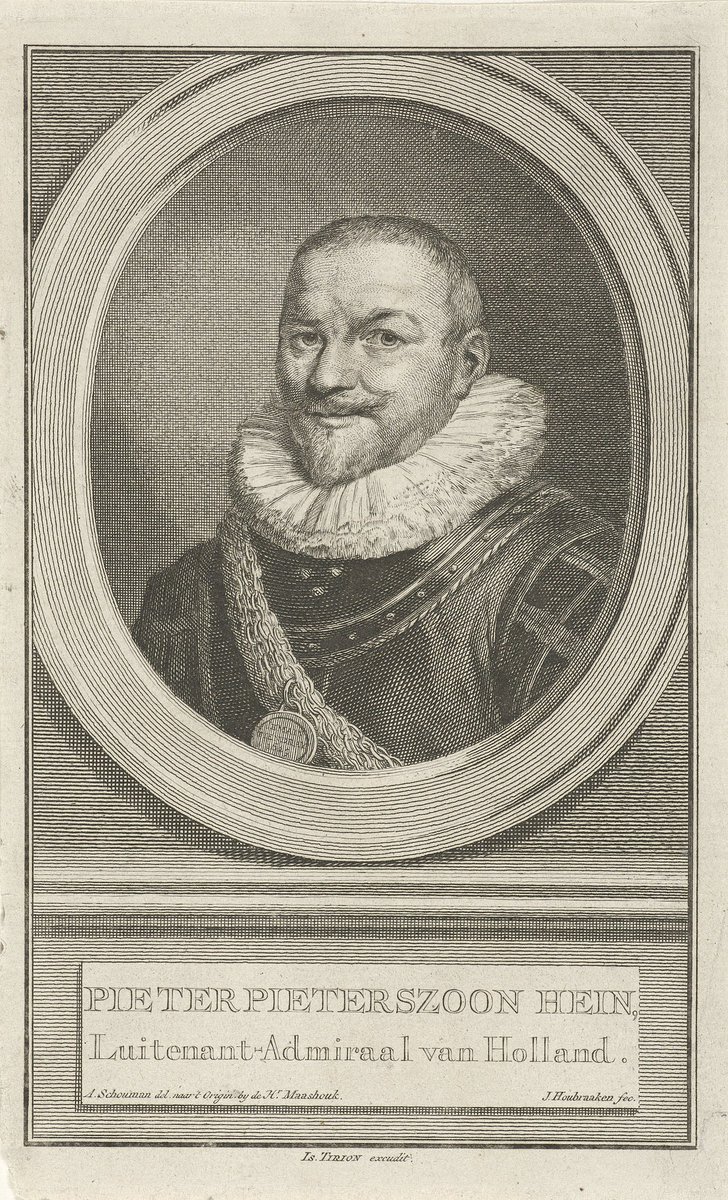
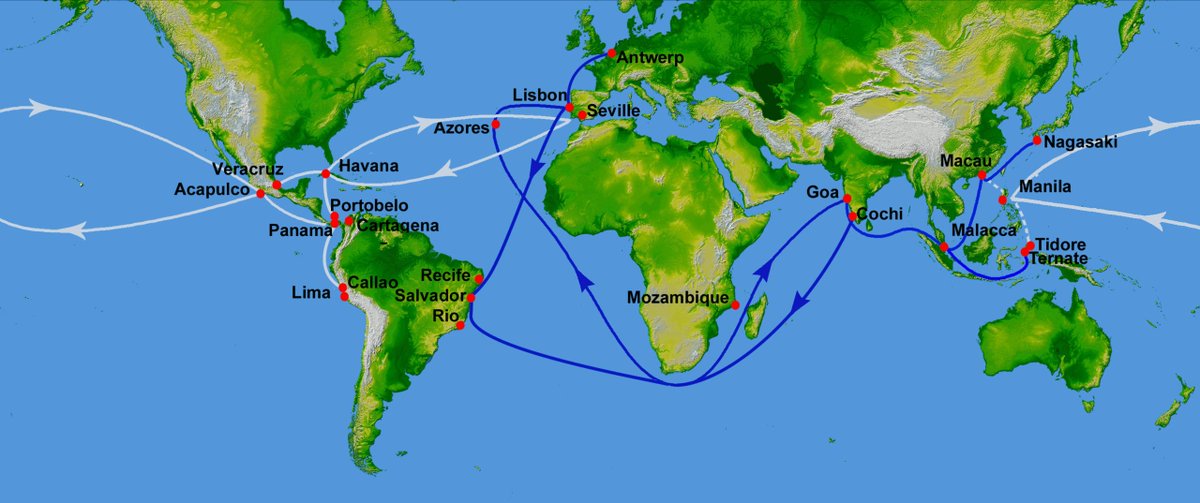
The Spanish had lost ships to pirates in the Atlantic in the past, but since 1566 they organized large treasure fleets which traveled on permanent trade routes every year to transporting valuable goods across the Atlantic.
No one had captured a treasure fleet yet to that point!
No one had captured a treasure fleet yet to that point!
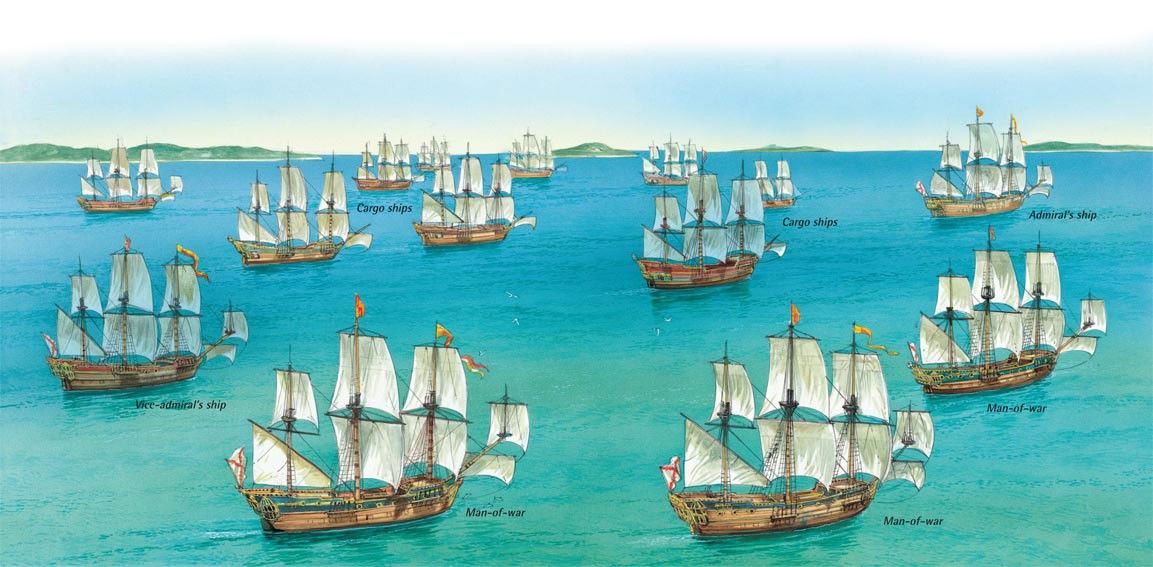
The treasure fleet was vital for the Spanish Empire as it transported gold and silver from the New World.
These precious metals were used to finance the vast empire and to defend the Spanish possessions all over Europe, including in Hein's homeland, the Netherlands.
These precious metals were used to finance the vast empire and to defend the Spanish possessions all over Europe, including in Hein's homeland, the Netherlands.
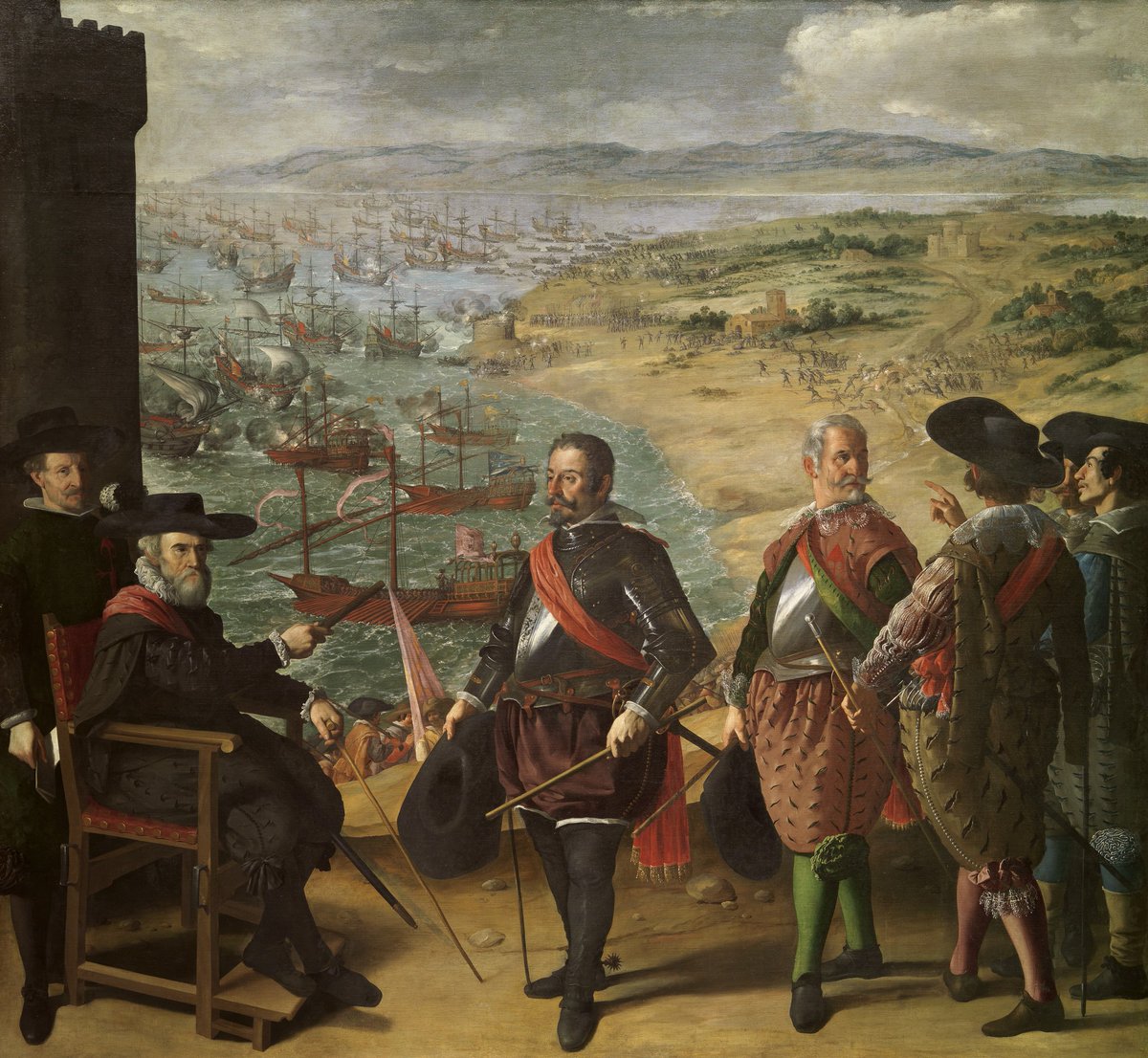
Ever since the Dutch revolt against the Spanish rule started in 1560s, the Low Countries had been in continuous struggle.
The Dutch knew that by capturing the treasure fleet, they would not just cripple Spain but could also use the money to finance their own campaigns.
The Dutch knew that by capturing the treasure fleet, they would not just cripple Spain but could also use the money to finance their own campaigns.
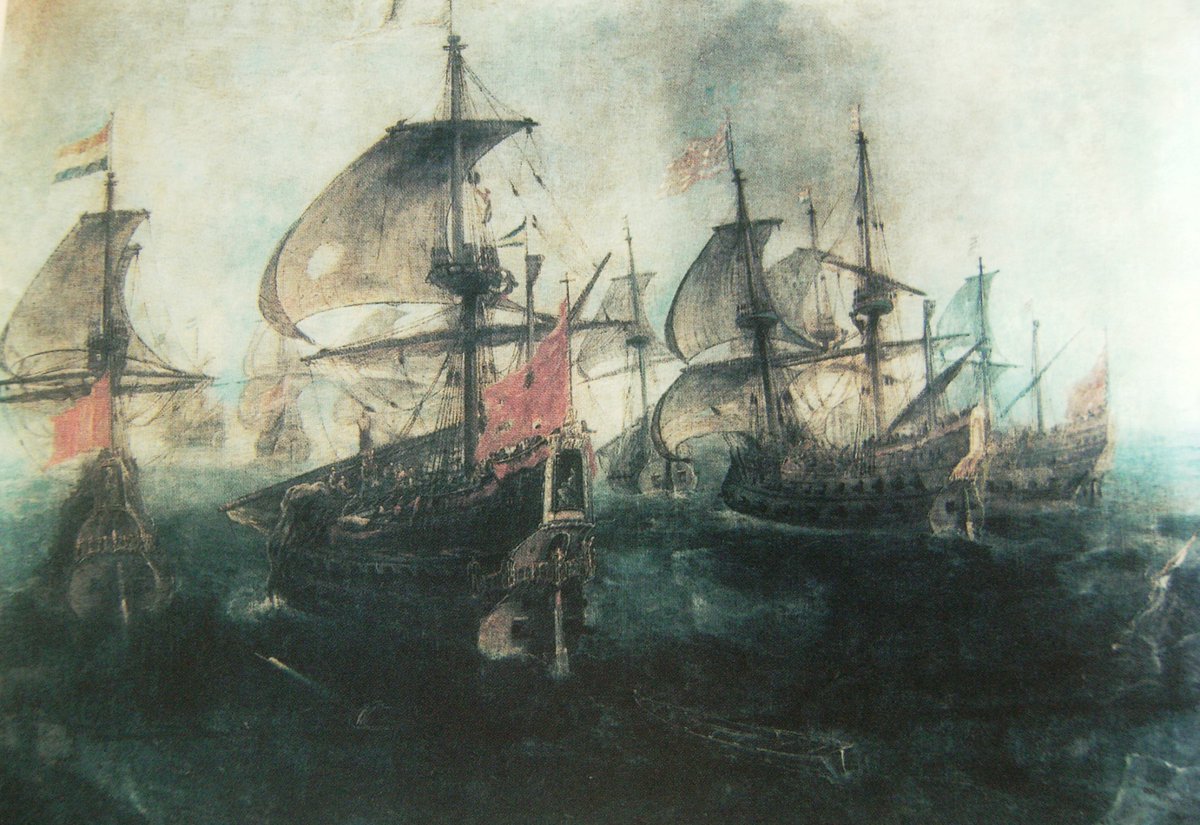
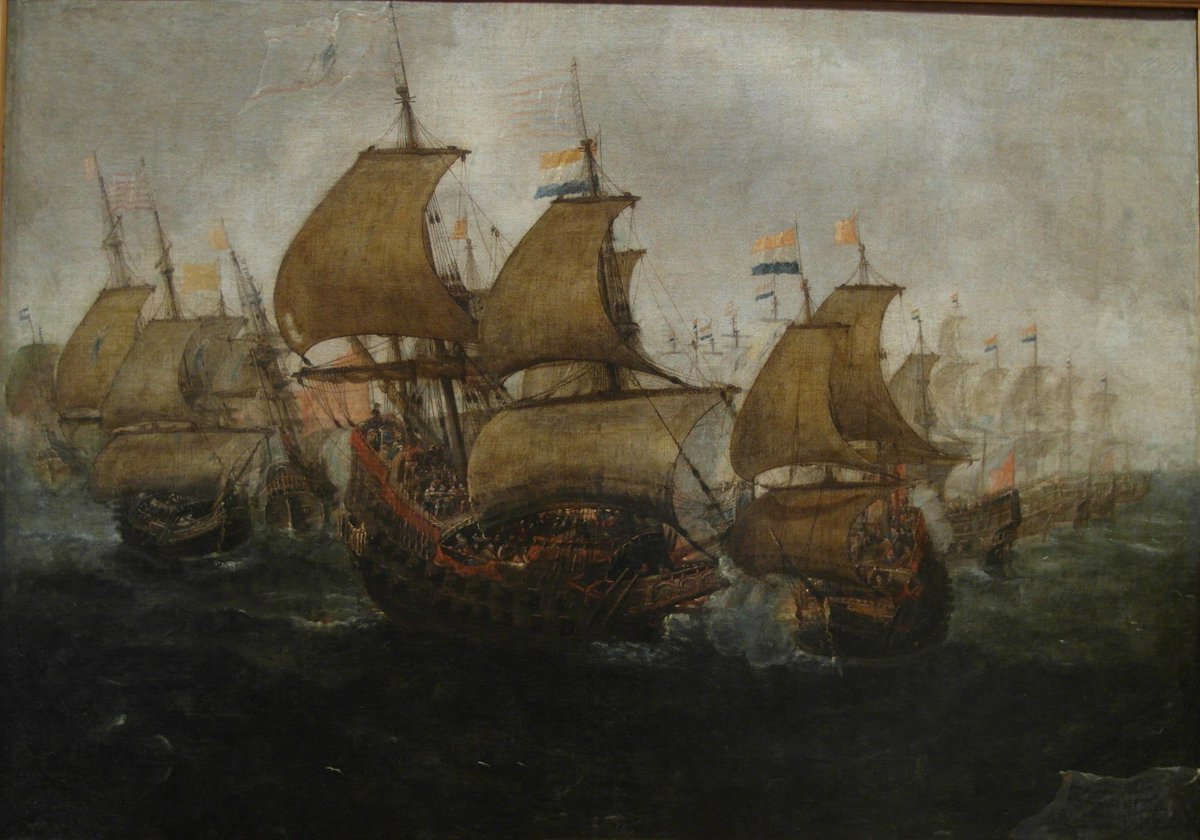
Piet Hein picked a perfect opportunity to strike at the Spanish Empire which had financial difficulties and could not equip as many war ships to accompany the treasure fleet as usual.
He also used deception, sailing to Brazil at first, then suddenly turning towards Caribbean.
He also used deception, sailing to Brazil at first, then suddenly turning towards Caribbean.
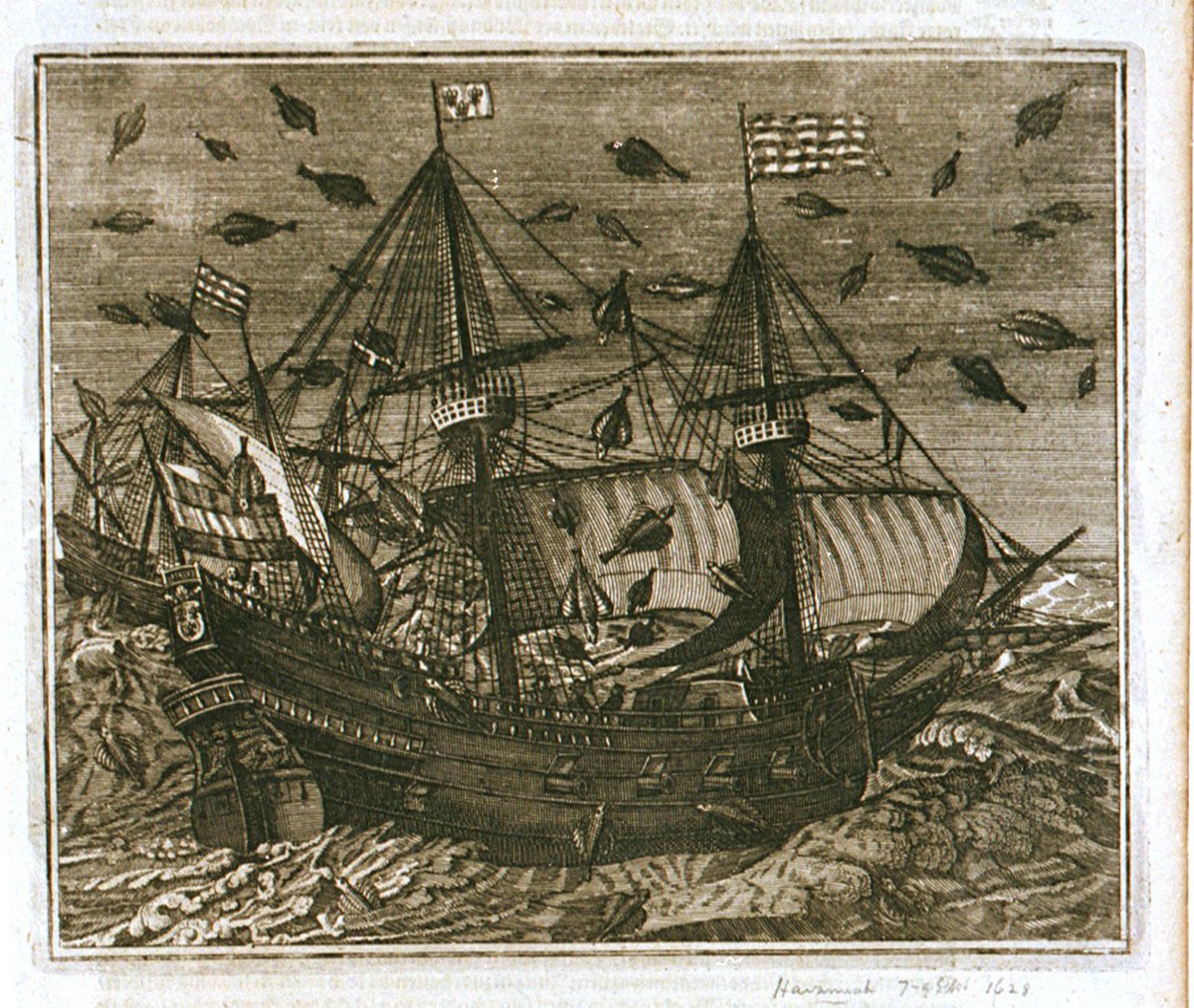
Hein had a large fleet with him, over 30 ships, strong enough to take on the Spanish treasure fleet. He also counted on the surprise element.
He sent out patrols to find the Spanish treasure galleons.
Hein's plan would have worked perfectly if it wasn't for a fluke incident...
He sent out patrols to find the Spanish treasure galleons.
Hein's plan would have worked perfectly if it wasn't for a fluke incident...
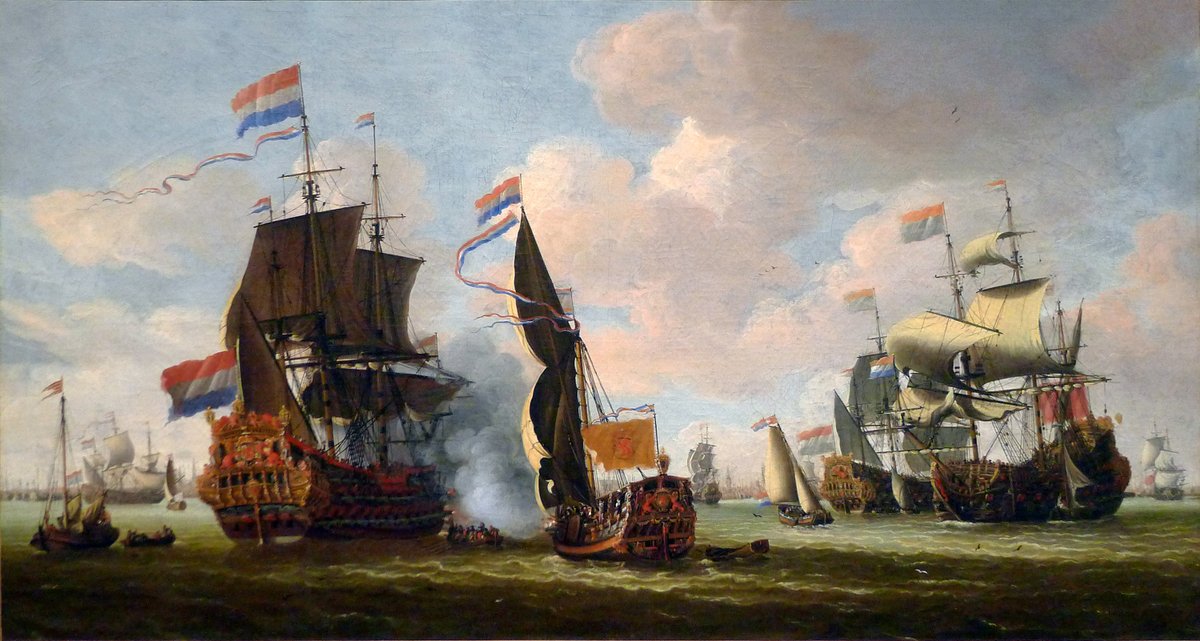
A Dutch cabin boy was lost on Blanquilla island where Hein's fleet made a brief stop. He was found and captured by the Spanish and he revealed the entire plan to them.
The Spanish were now notified of Dutch presence in these waters and warned their treasure fleet!
The Spanish were now notified of Dutch presence in these waters and warned their treasure fleet!
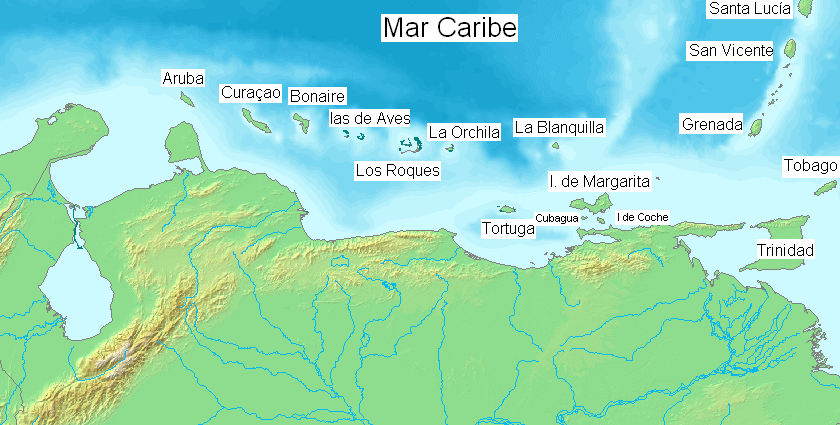
The Spanish treasure fleet would always split in two in the Caribbean. The New Spain fleet sailed to Veracruz while the Tierra Firme fleet sailed to Cartagena.
Both fleets were warned to remain in their ports.
It seemed that Hein's plan had failed badly...
Both fleets were warned to remain in their ports.
It seemed that Hein's plan had failed badly...
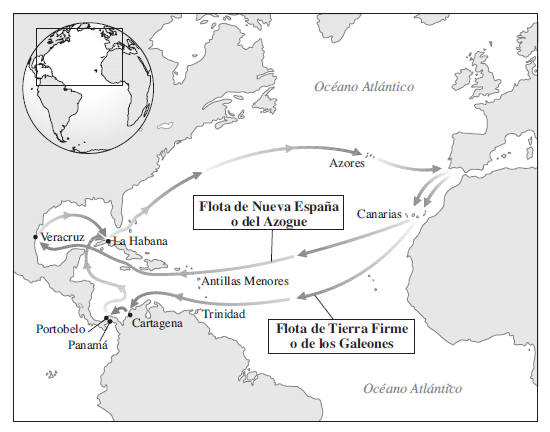
But another deception helped the Dutch. Part of Hein's fleet returned to Europe, making the Spanish think the Dutch fleet had left the Caribbean altogether.
They allowed the New Spain fleet to sail.
However Hein was still patiently waiting near Havana!
They allowed the New Spain fleet to sail.
However Hein was still patiently waiting near Havana!
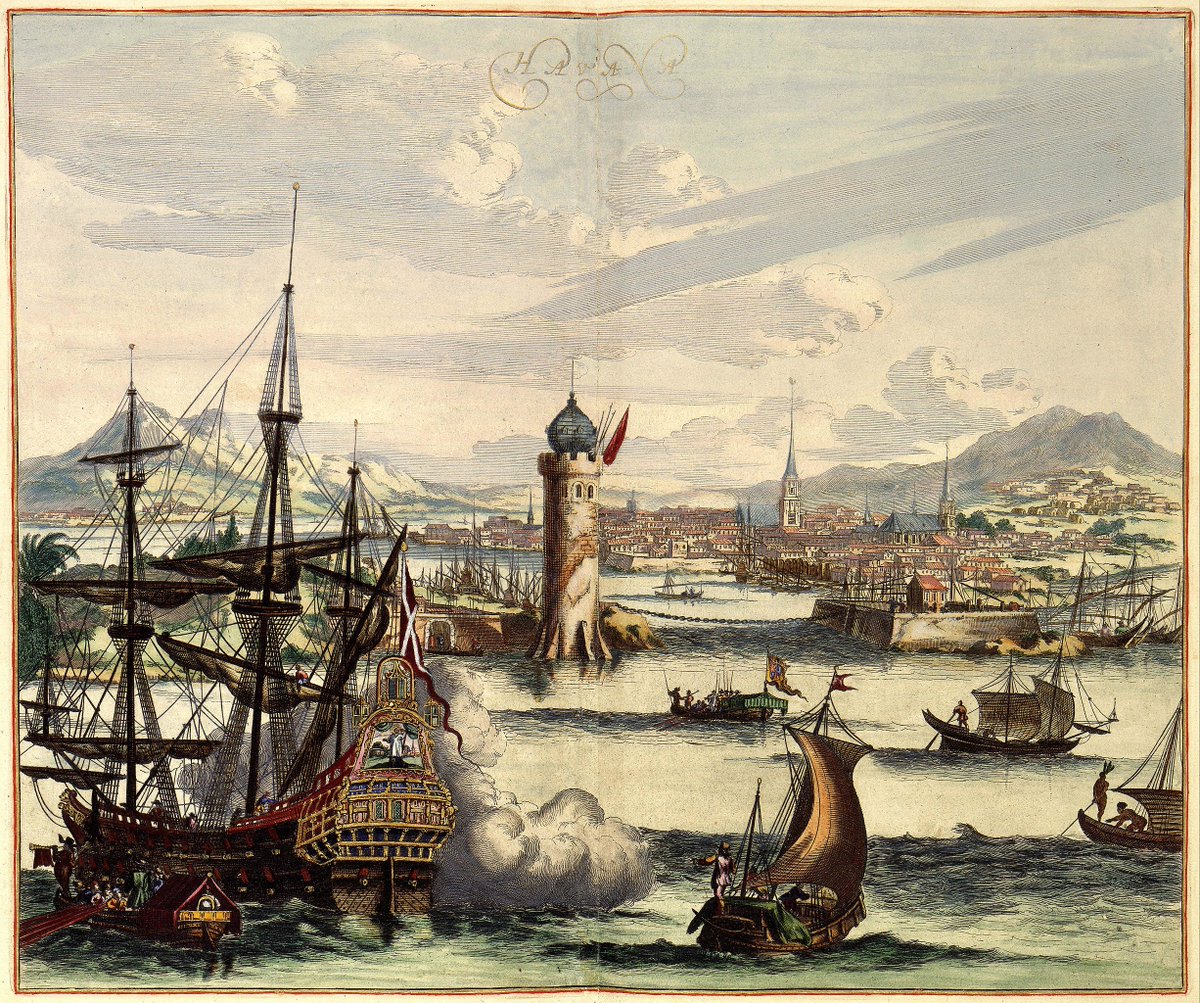
The New Spain fleet was poorly equipped.
It had only 11 merchant ships and 4 galleons.
Coincidentally, it was commanded by Juan de Benavides y Bazán who had also been a captain of one of the galleys on which Hein served as a prisoner!
It had only 11 merchant ships and 4 galleons.
Coincidentally, it was commanded by Juan de Benavides y Bazán who had also been a captain of one of the galleys on which Hein served as a prisoner!
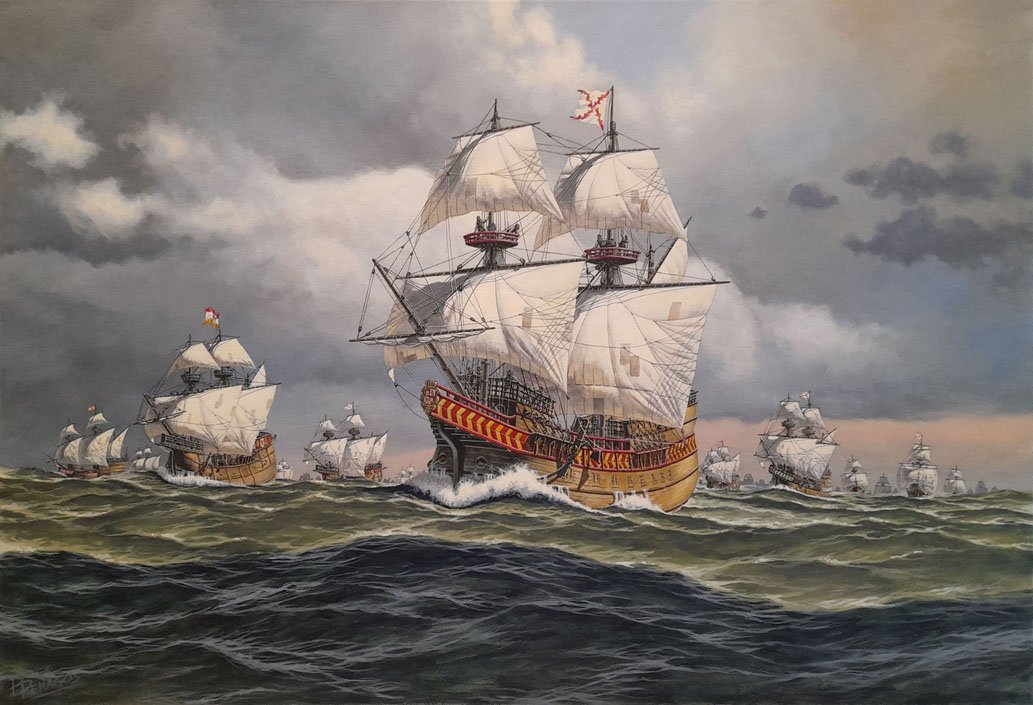
But Benavides was not a good commander.
He was a very corrupt man!
He had poor knowledge of seamanship and used the fleet for his own illegal activities.
He also overloaded the ships with cargo and passengers so there wasn't even enough room to operate the guns!
He was a very corrupt man!
He had poor knowledge of seamanship and used the fleet for his own illegal activities.
He also overloaded the ships with cargo and passengers so there wasn't even enough room to operate the guns!
For Hein this was just what he wanted. He didn't only get an opportunity to get a revenge on the Spanish for enslaving him on galleys, but also on his old tormentor Benavides who happened to command the fleet he was about to attack!
Hein was not letting this opportunity go.
Hein was not letting this opportunity go.
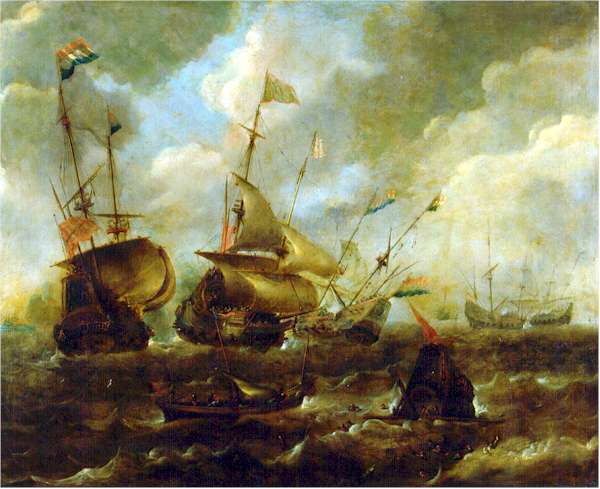
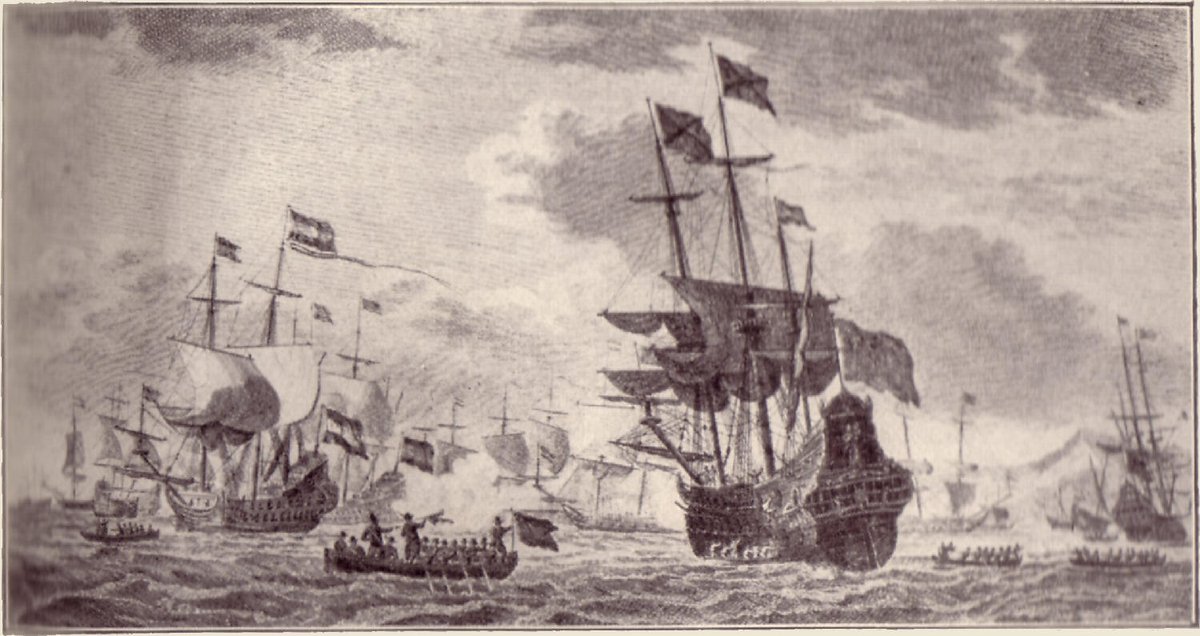
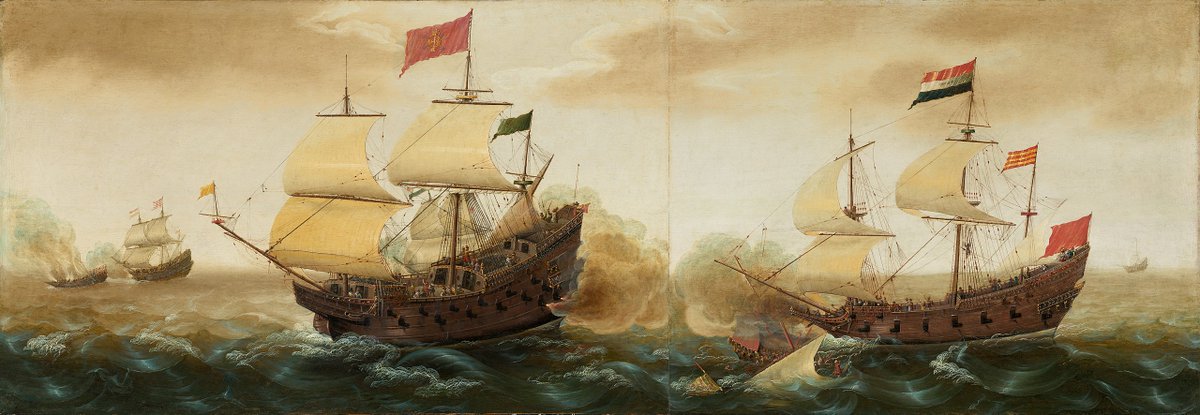
The New Spain treasure fleet is under attack!
The Spanish are taken by complete surprise. They're in big trouble!
Their ships are in no condition to fight against the mighty Dutch fleet of Piet Hein! They try desperately to flee to save the treasure!
The Spanish are taken by complete surprise. They're in big trouble!
Their ships are in no condition to fight against the mighty Dutch fleet of Piet Hein! They try desperately to flee to save the treasure!
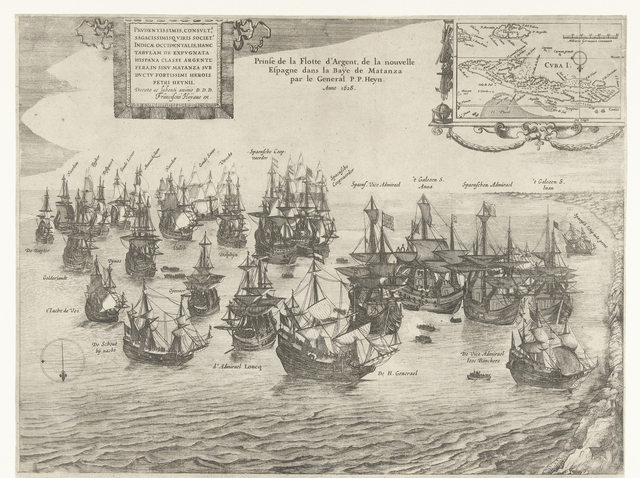
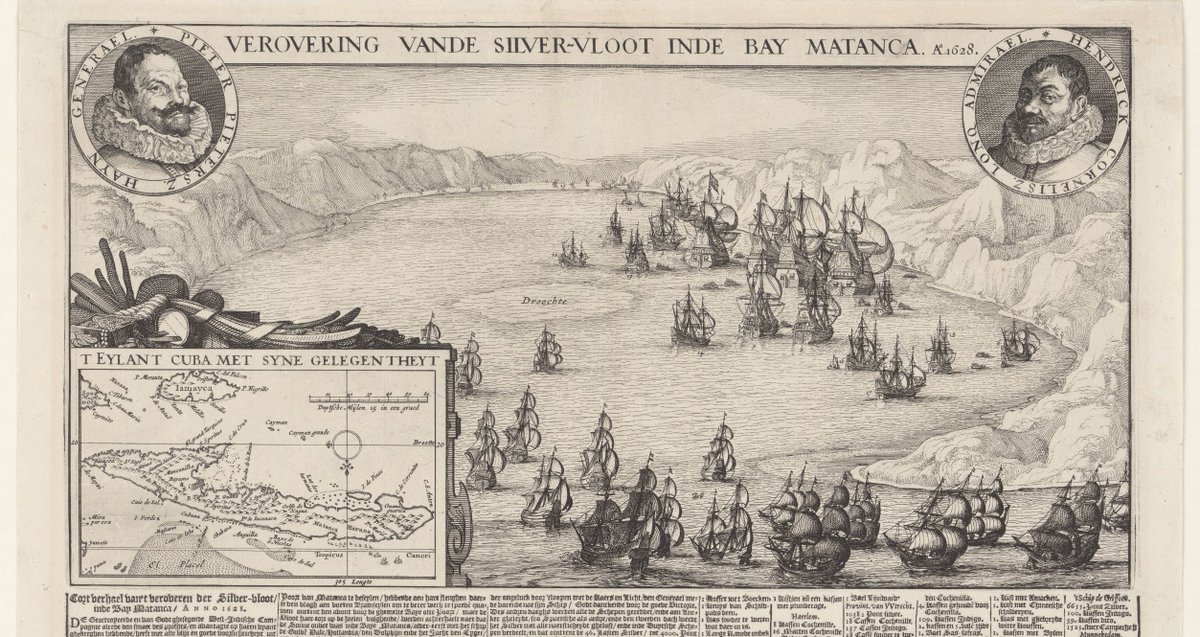
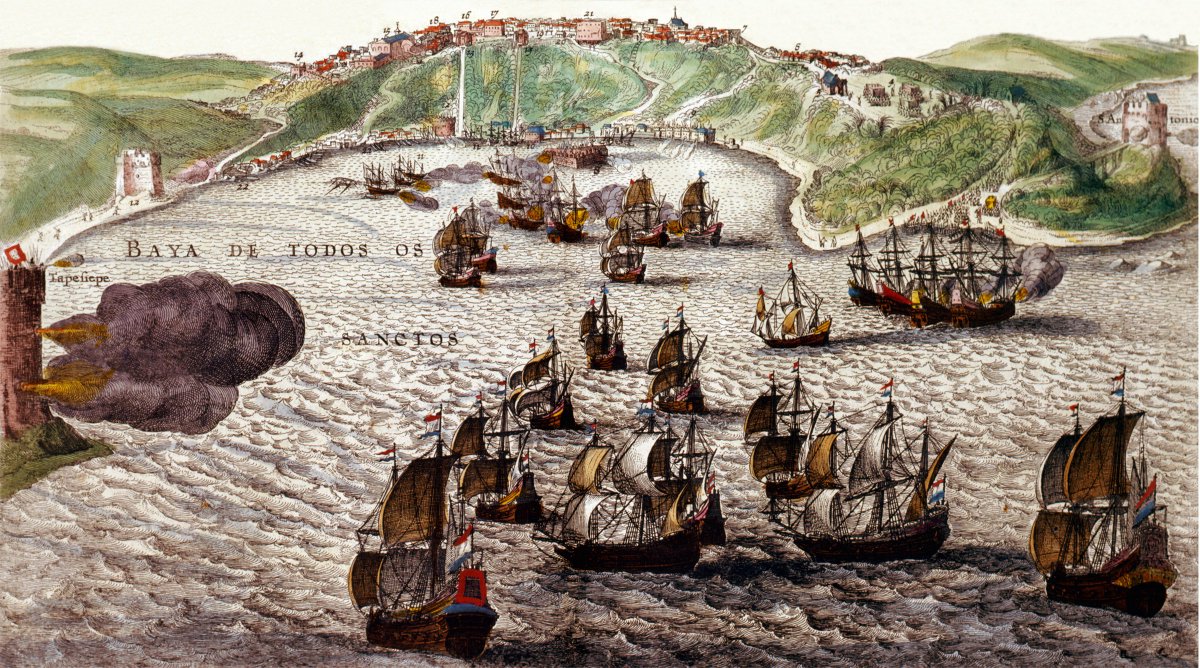
In panic, Benavides ordered to sail towards Matanzas, 80km east of Havana. He hoped to unload the treasure there safely.
But nowhere is safe from the wrath of Piet Hein!
The fleeing galleons are trapped on the Cuban coast in the Bay of Matanzas! The Dutch fleet approaches!
But nowhere is safe from the wrath of Piet Hein!
The fleeing galleons are trapped on the Cuban coast in the Bay of Matanzas! The Dutch fleet approaches!
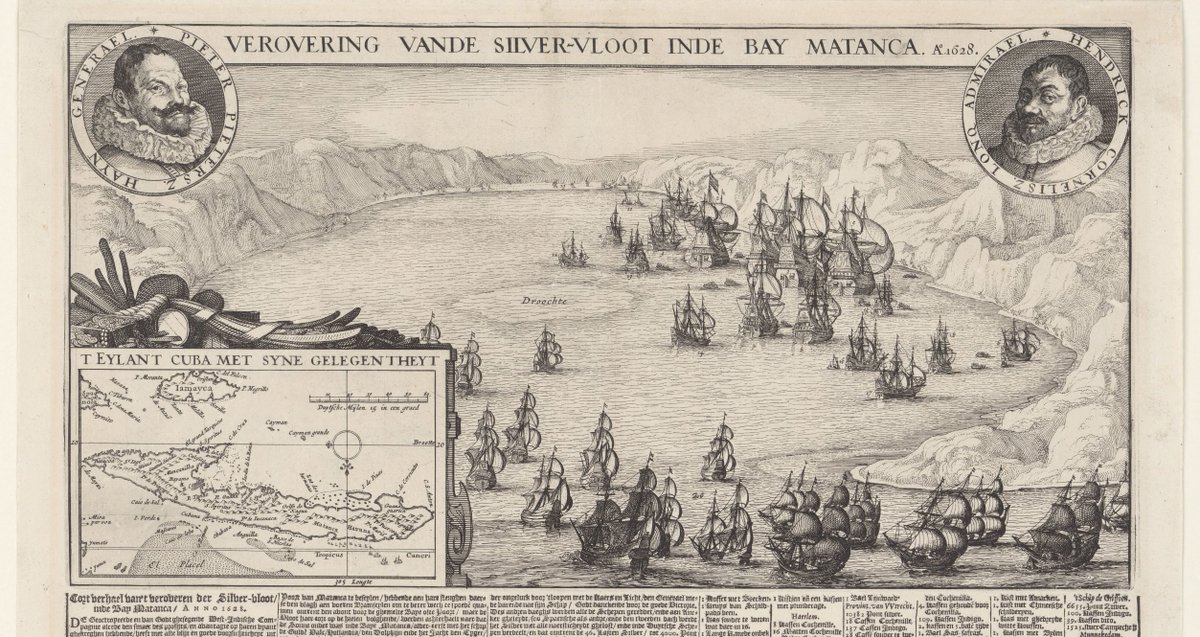
The Spanish knew they had no chance and abandoned their ships, taking whatever they could with them.
Piet Hein captured a vast treasure the Spanish left behind, encountering practically no resistance!
The wealth was enormous! Gold, silver and expensive trade goods in abundance!
Piet Hein captured a vast treasure the Spanish left behind, encountering practically no resistance!
The wealth was enormous! Gold, silver and expensive trade goods in abundance!
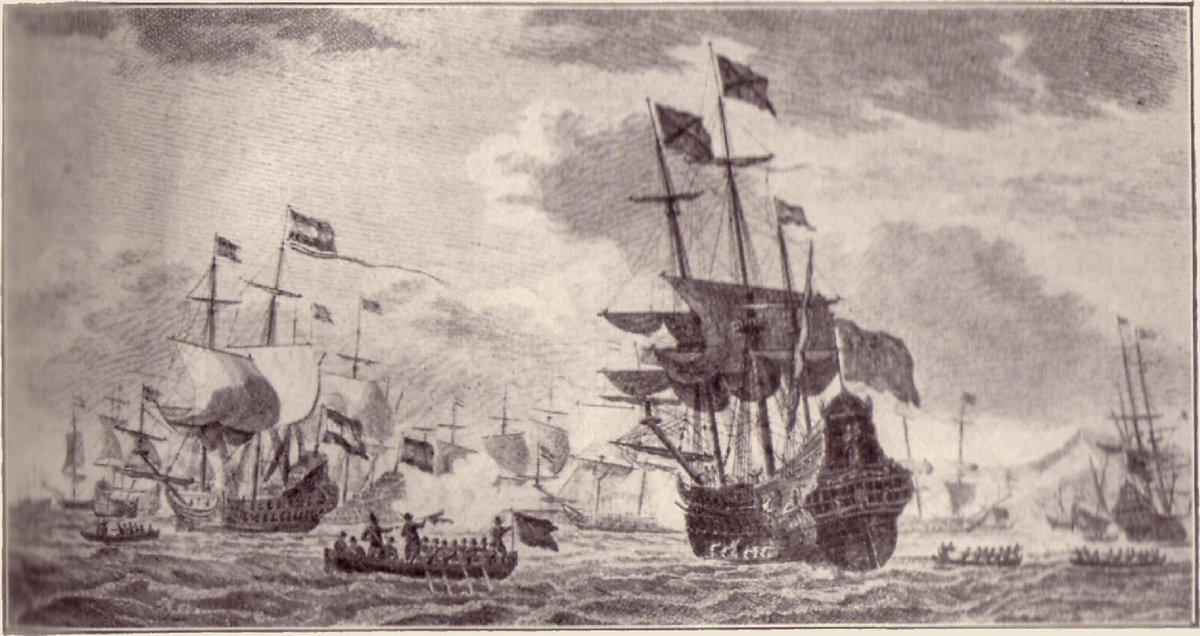
Piet Hein achieved what no one did before or after him, capturing the entire treasure fleet of New Spain!
He returned to the Netherlands the next year where he was welcomed as a hero, bringing with him the wealth that he captured.
He returned to the Netherlands the next year where he was welcomed as a hero, bringing with him the wealth that he captured.
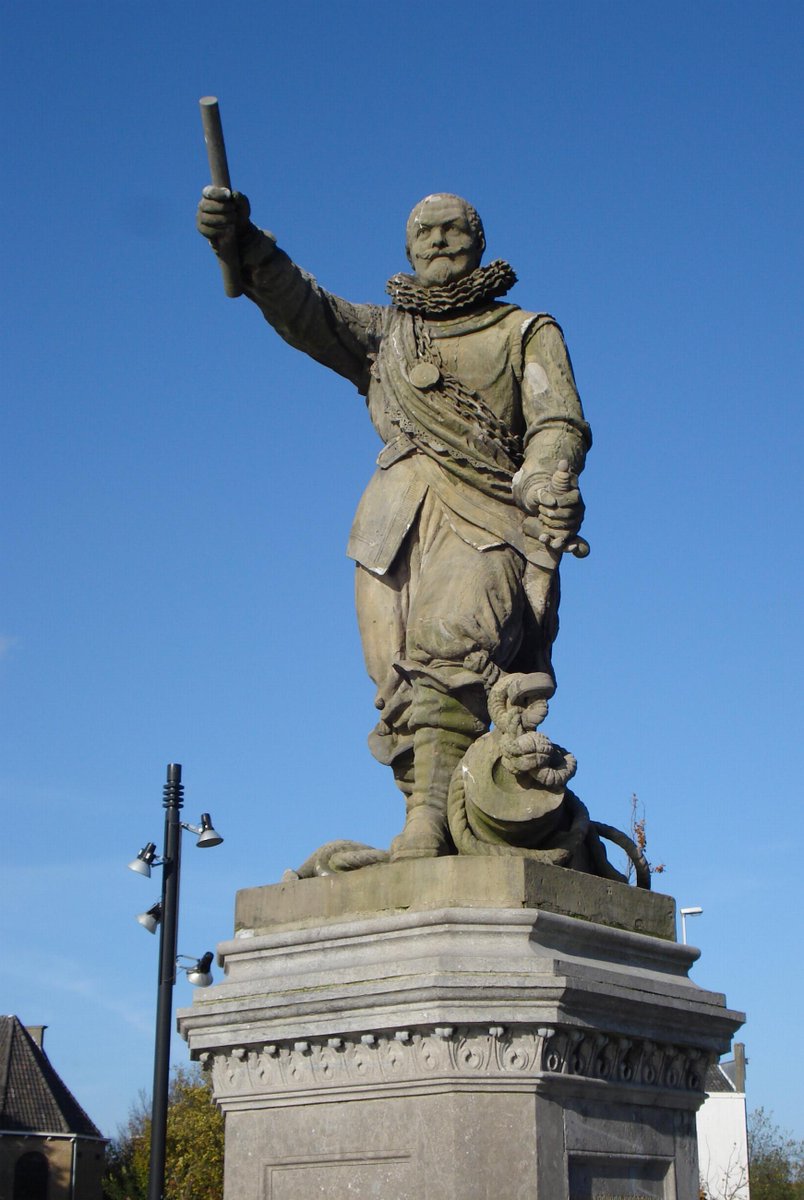
But Hein also realized that people only cheered him now when he brought glory and wealth to the Dutch Republic.
They saw the treasures but didn't see the hardships he endured in his life, the numerous battles and dangerous voyages for which he didn't get any recognition.
They saw the treasures but didn't see the hardships he endured in his life, the numerous battles and dangerous voyages for which he didn't get any recognition.
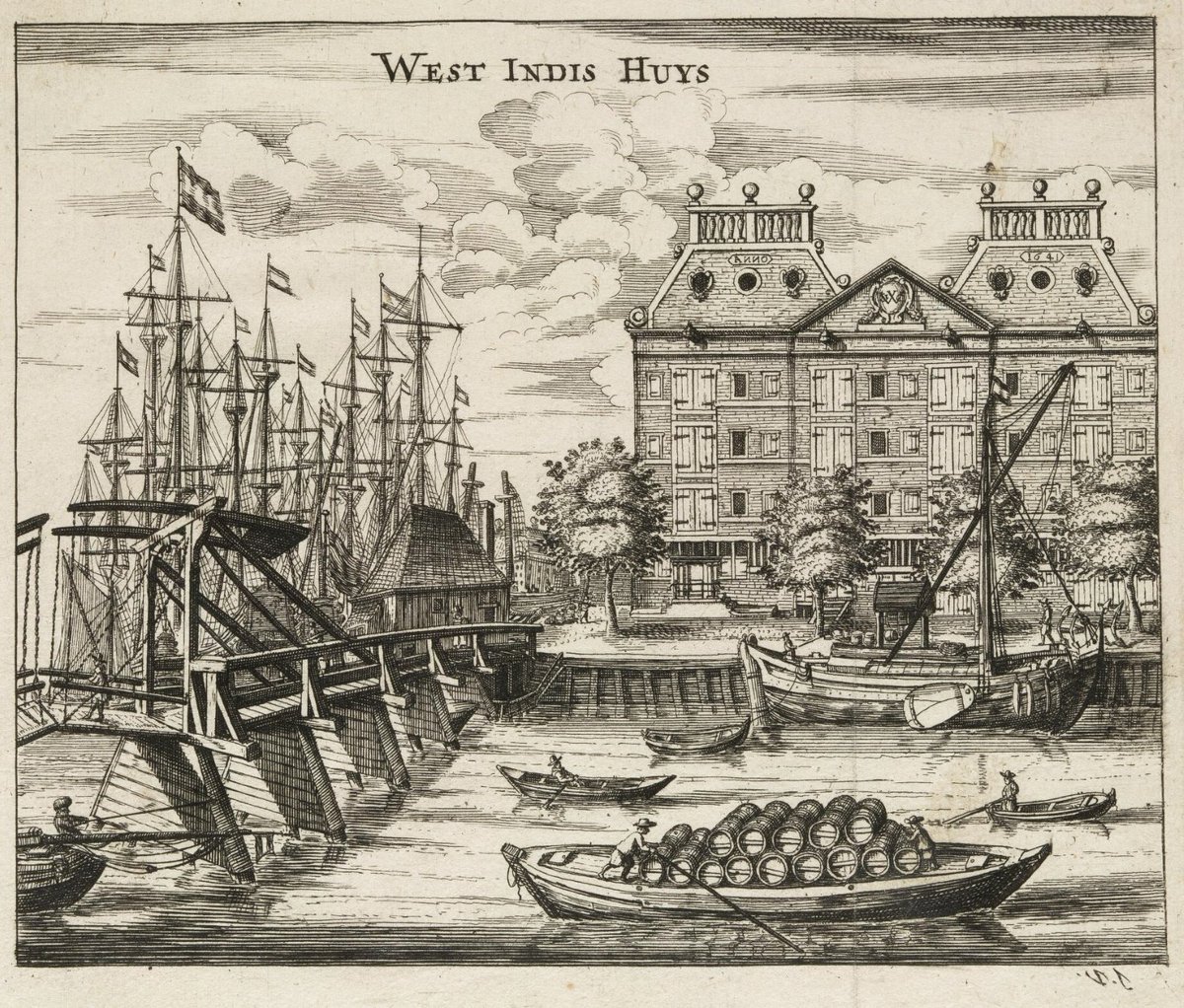
Hein was apparently also poorly compensated by the West India Company. While the company paid out a 50% dividend to shareholders, the hero Piet Hein received only a meager share of reward of 2500 pesos, leading him to resign from his post in the company in utter disgust.
Piet Hein did not get to enjoy his newly acquired glory for much longer.
The same year, he was made the supreme commander of the Dutch fleet and set out to fight the Dunkirkers, the pirates in Spanish service.
He was hit in the left shoulder by a cannonball and died.
The same year, he was made the supreme commander of the Dutch fleet and set out to fight the Dunkirkers, the pirates in Spanish service.
He was hit in the left shoulder by a cannonball and died.
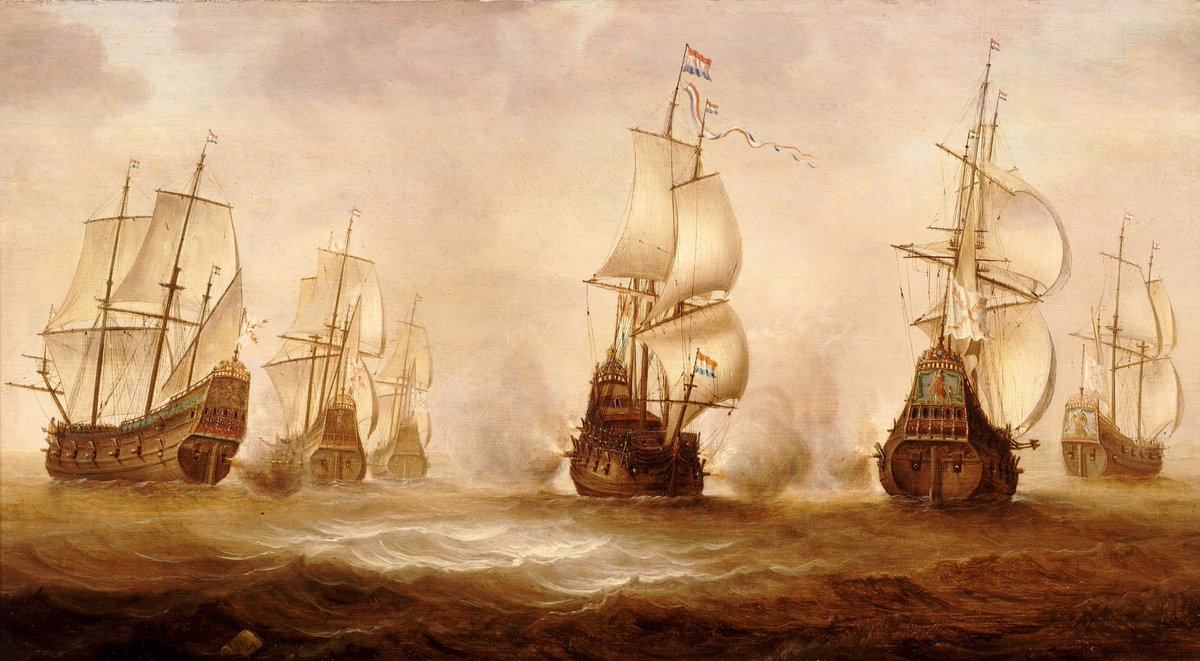
Piet Hein died on 18 June 1629, not even a full year after he captured the Spanish treasure fleet in September 1628.
But his legacy would live on. His actions would have direct consequences for the Eighty Years' War and political situation in Europe.
But his legacy would live on. His actions would have direct consequences for the Eighty Years' War and political situation in Europe.
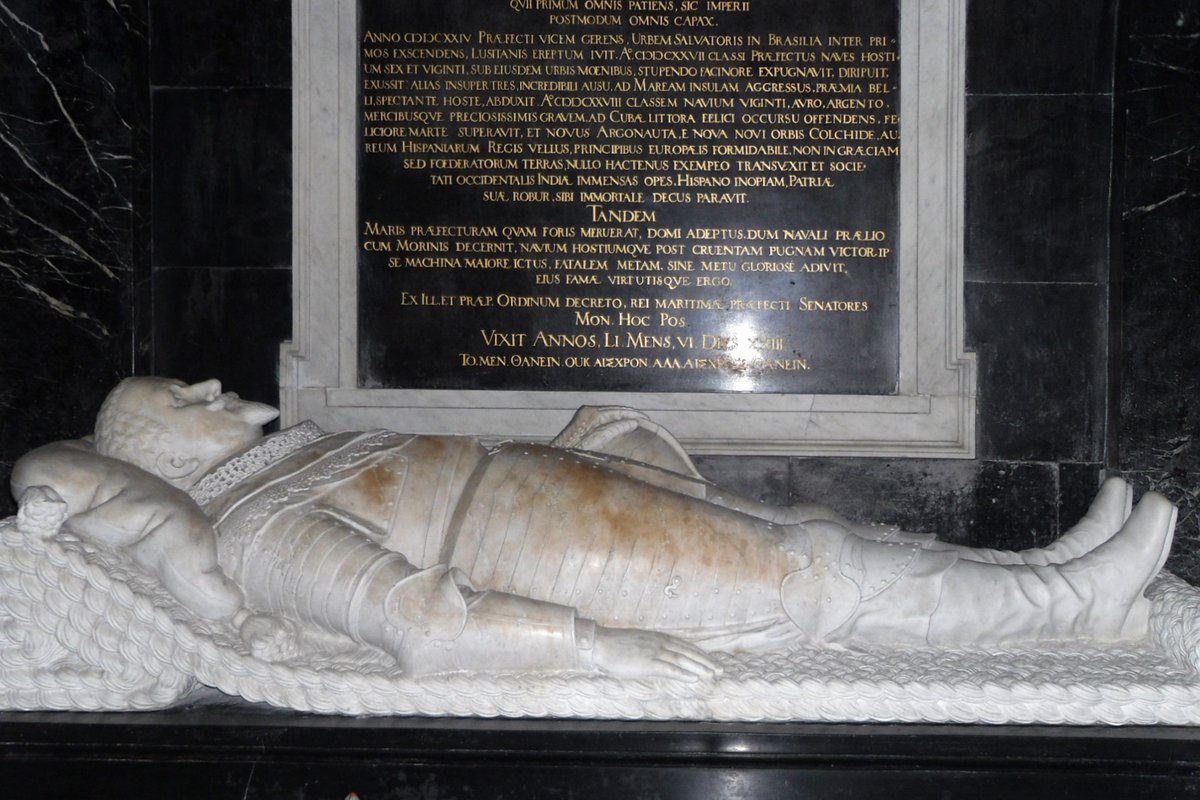
The loss of silver was devastating for Spain.
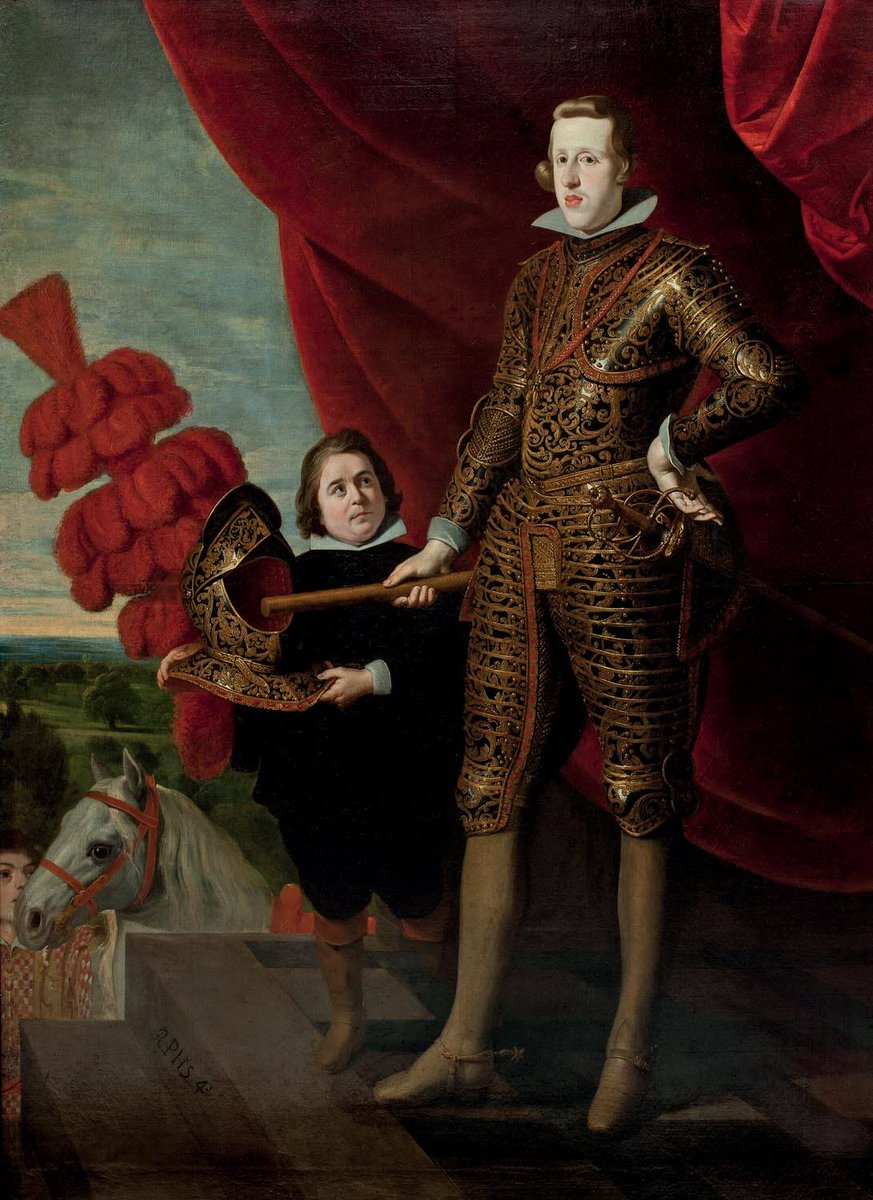
King of Spain Philip IV suffered a nervous collapse upon hearing the news and did not appear in public for 5 days.
The Dutch used the money to conquer 's-Hertogenbosch by September 1629.
King of Spain Philip IV suffered a nervous collapse upon hearing the news and did not appear in public for 5 days.
The Dutch used the money to conquer 's-Hertogenbosch by September 1629.
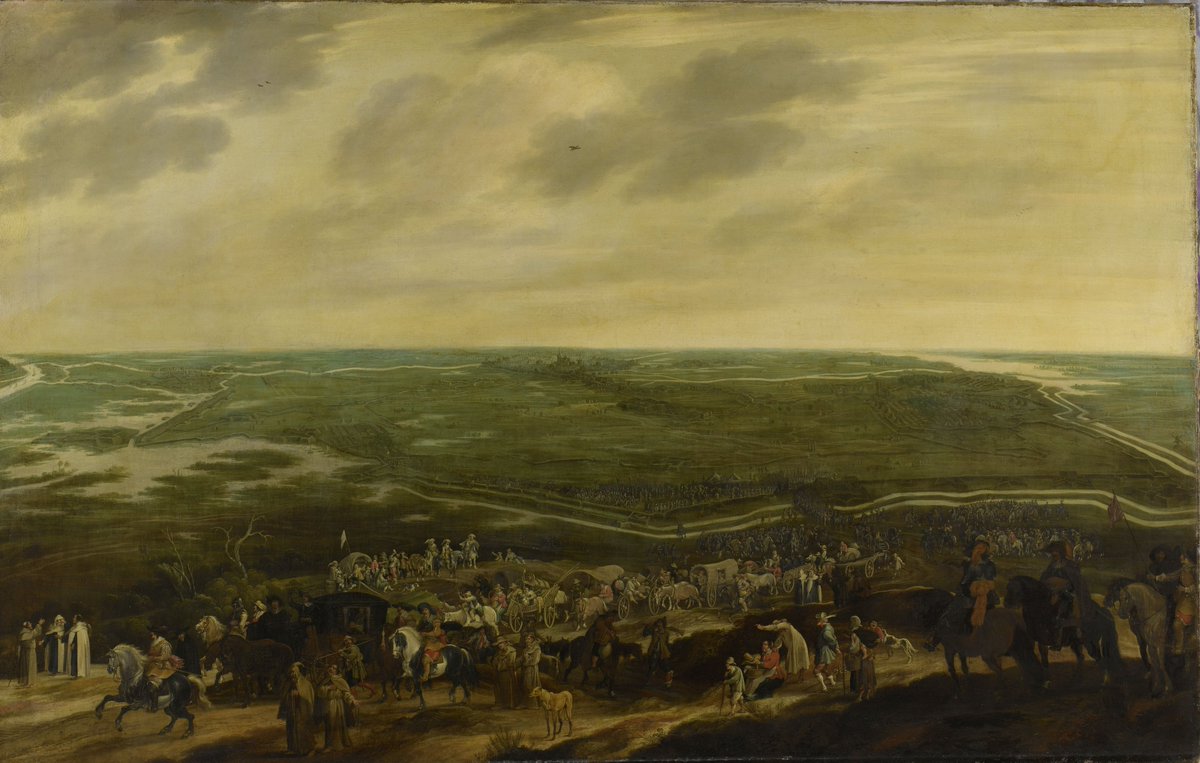
The worst for Spain was the loss of reputation.
King Philip IV himself commented, "Whenever I speak of the disaster the blood runs cold in my veins, not for the loss of treasure but because we lost our reputation in that infamous defeat, caused as it was by fear and cowardice."
King Philip IV himself commented, "Whenever I speak of the disaster the blood runs cold in my veins, not for the loss of treasure but because we lost our reputation in that infamous defeat, caused as it was by fear and cowardice."
The commander of the treasure fleet Juan de Benavides y Bazán escaped and outlived his enemy Piet Hein.
But not by long.
He was blamed for what happened.
His sister was the mistress of King Philip IV and was able to protect him, but after she died in 1634, he was executed.
But not by long.
He was blamed for what happened.
His sister was the mistress of King Philip IV and was able to protect him, but after she died in 1634, he was executed.
Loading suggestions...