

Thread: THE GADDAFI FILES
The United Kingdom Parliament Report Details On How NATO's 2011 War In Libya Was Based On Lies.
The United Kingdom Parliament Report Details On How NATO's 2011 War In Libya Was Based On Lies.
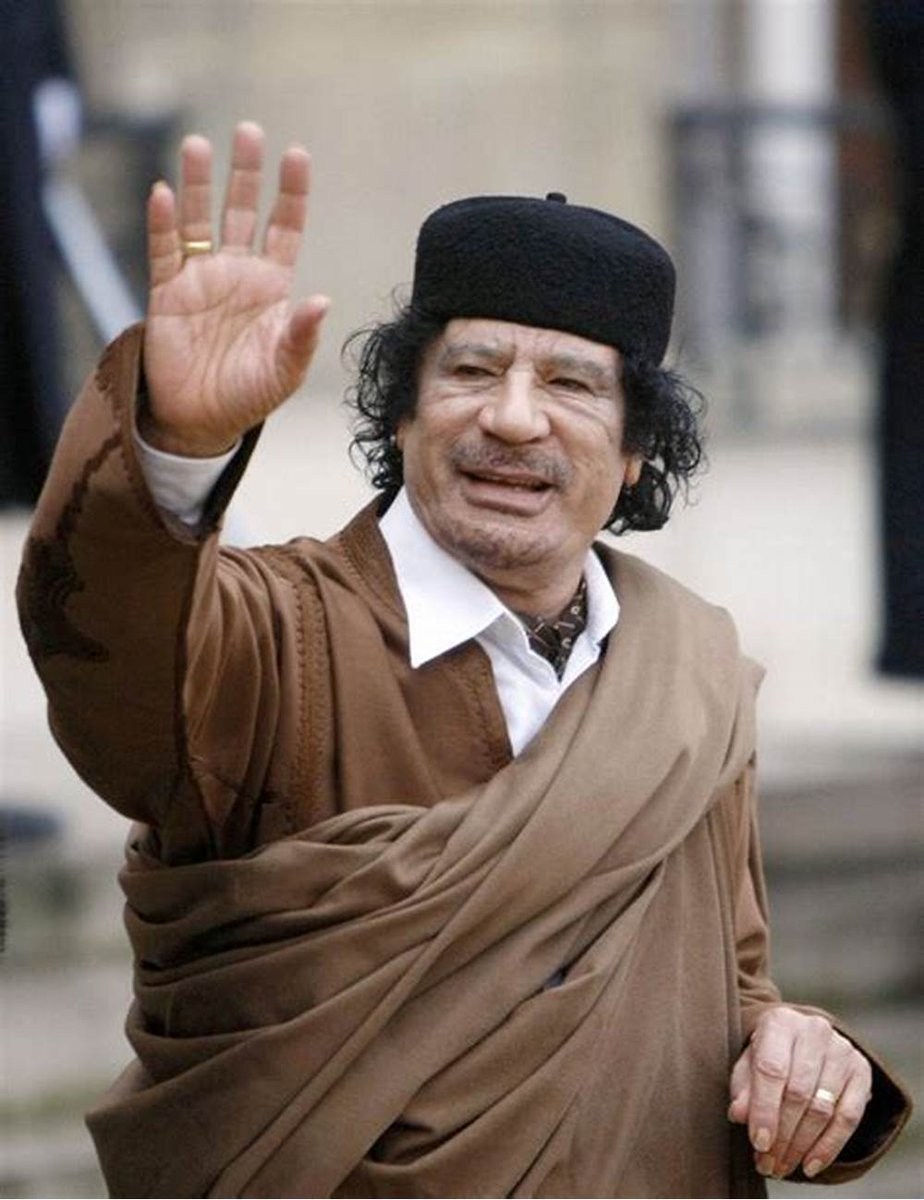
The Libya inquiry, which was launched in July 2015, is based on more than a year of research and interviews with politicians, academics, journalists and more. The report, which was released on Sept. 14, reveals the following:
Qaddafi was not planning to massacre civilians. This myth was exaggerated by rebels and Western governments, which based their intervention on little intelligence. The threat of Islamist extremists, which had a large influence in the uprising, was ignored
and the NATO bombing made this threat even worse, giving ISIS a base in North Africa. France, which initiated the military intervention, was motivated by economic and political interests, not humanitarian ones.
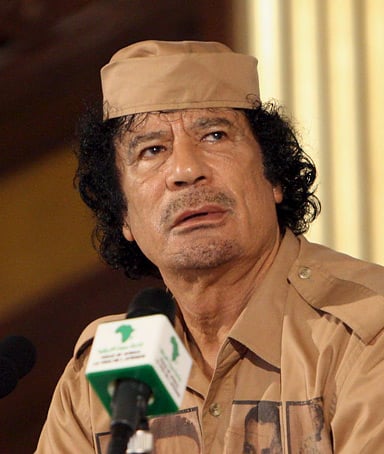
Foreign media outlets, particularly Qatar's Al Jazeera, BBC Saudi Arabia's Al Arabiya and many others. also spread unsubstantiated rumors about Qaddafi and the Libyan government. The NATO bombing plunged Libya into a humanitarian disaster, killing thousands of people and
displacing hundreds of thousands more, transforming Libya from the African country with the highest standard of living into a war-torn failed state.
Follow .@Africa_Archives
Follow .@Africa_Archives
The French intelligence officers articulated five factors that motivated Sarkozy:
a. A desire to gain a greater share of Libya oil production,
b. Increase French influence in North Africa,
c. Improve his internal political situation in France,
a. A desire to gain a greater share of Libya oil production,
b. Increase French influence in North Africa,
c. Improve his internal political situation in France,
d. Provide the French military with an opportunity to reassert its position in the world,
e. Address the concern of his advisors over Qaddafi's long term plans to supplant France as the dominant power in Francophone Africa.
e. Address the concern of his advisors over Qaddafi's long term plans to supplant France as the dominant power in Francophone Africa.
Before the death of Gaddafi and NATO bombing, on the other hand, Libya had been the wealthiest nation in Africa, with the highest life expectancy and GDP per capita. In his book "Perilous Interventions," former Indian representative to the U.N. Hardeep Singh Puri notes that,
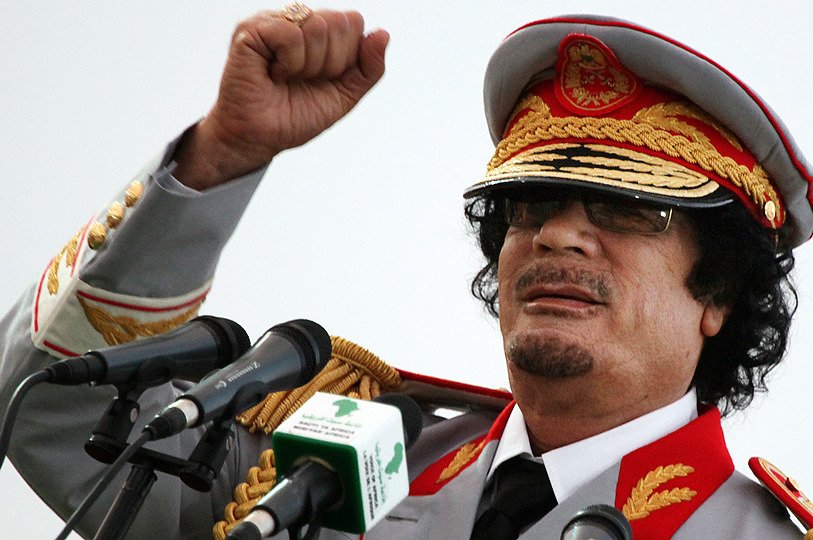
before the war, Libya had less of its population in poverty than the Netherlands. Libyans had access to free health care, education, electricity and interest-free loans, and women had great freedoms that had been applauded by the U.N. Human Rights Council in January 2011,
on the eve of the war that destroyed the government. Today, Libya remains so dangerous that the House of Commons' Foreign Affairs Committee was in fact unable to travel to the country during its investigation. It notes in the report that a delegation visited North
Africa in March 2016. They met with Libyan politicians in Tunis, but "were unable to visit Tripoli, Benghazi, Tobruk or anywhere else in Libya due to the collapse of internal security and the rule of law."
The Previous Twitter administration took down most of our Thread Files and Limited our Account capabilities without any explanation. We thank the new Twitter administration for restoring our full Capabilities to tweet Threads
Follow .@Africa_Archives for the next installment of “The Gaddafi Files” Stay tuned.
Loading suggestions...