

Profiles In Generational Wealth
Today we meet a family whose rise and fall has captured imaginations for centuries.
The lessons in their success and failure will benefit your family greatly.
They are the Medici Family👇
Today we meet a family whose rise and fall has captured imaginations for centuries.
The lessons in their success and failure will benefit your family greatly.
They are the Medici Family👇
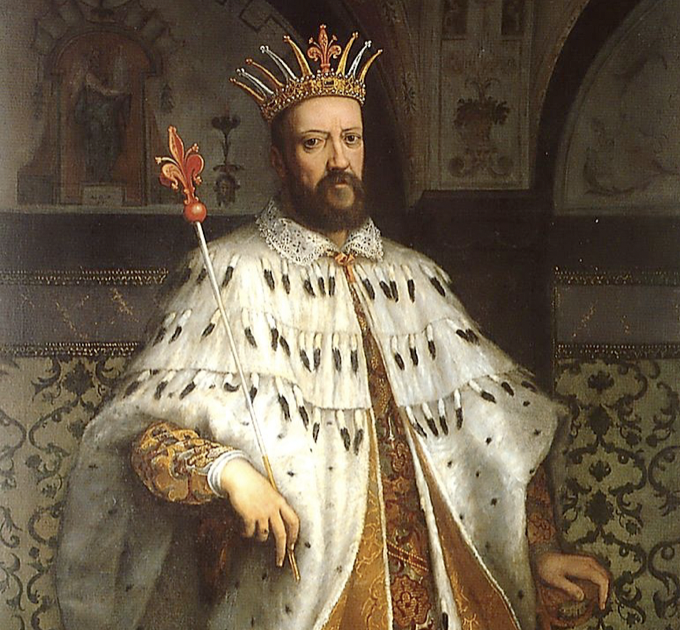
First, some context.
Last week we studied the Antinori's 26 generations of success.
This week, we draw comparisons between the Antinori and Medici.
Both lived in Florence, Italy. Both families were allies.
But their stories have key differences.
Last week we studied the Antinori's 26 generations of success.
This week, we draw comparisons between the Antinori and Medici.
Both lived in Florence, Italy. Both families were allies.
But their stories have key differences.
These differences give insight into the nature of generational wealth. How it is built and preserved.
We'll focus on the Medici's first 4 generations, their century of prominence, and the main causes of their decline.
Then we'll dive into 4 lessons your family can apply today.
We'll focus on the Medici's first 4 generations, their century of prominence, and the main causes of their decline.
Then we'll dive into 4 lessons your family can apply today.
In my experience advising families, these profiles do something special. They inspire & cast vision for your future.
Find what's helpful for your family in their story. Take what you like. Leave what you don't.
Let's get started!
Find what's helpful for your family in their story. Take what you like. Leave what you don't.
Let's get started!
The Medici are a renowned family and a favorite subject of Hollywood.
Unlike most of these profiles, there is a massive amount of information on them.
During the Renaissance, the Medici and a number of other commercially powerful families emerged in the West.
Unlike most of these profiles, there is a massive amount of information on them.
During the Renaissance, the Medici and a number of other commercially powerful families emerged in the West.

The Medici trace their origins to the rural countryside north of Florence.
The first records of the family trace back to 1230.
"Medici" translates to "doctors", suggesting they practiced medicine early in their history.
The first records of the family trace back to 1230.
"Medici" translates to "doctors", suggesting they practiced medicine early in their history.
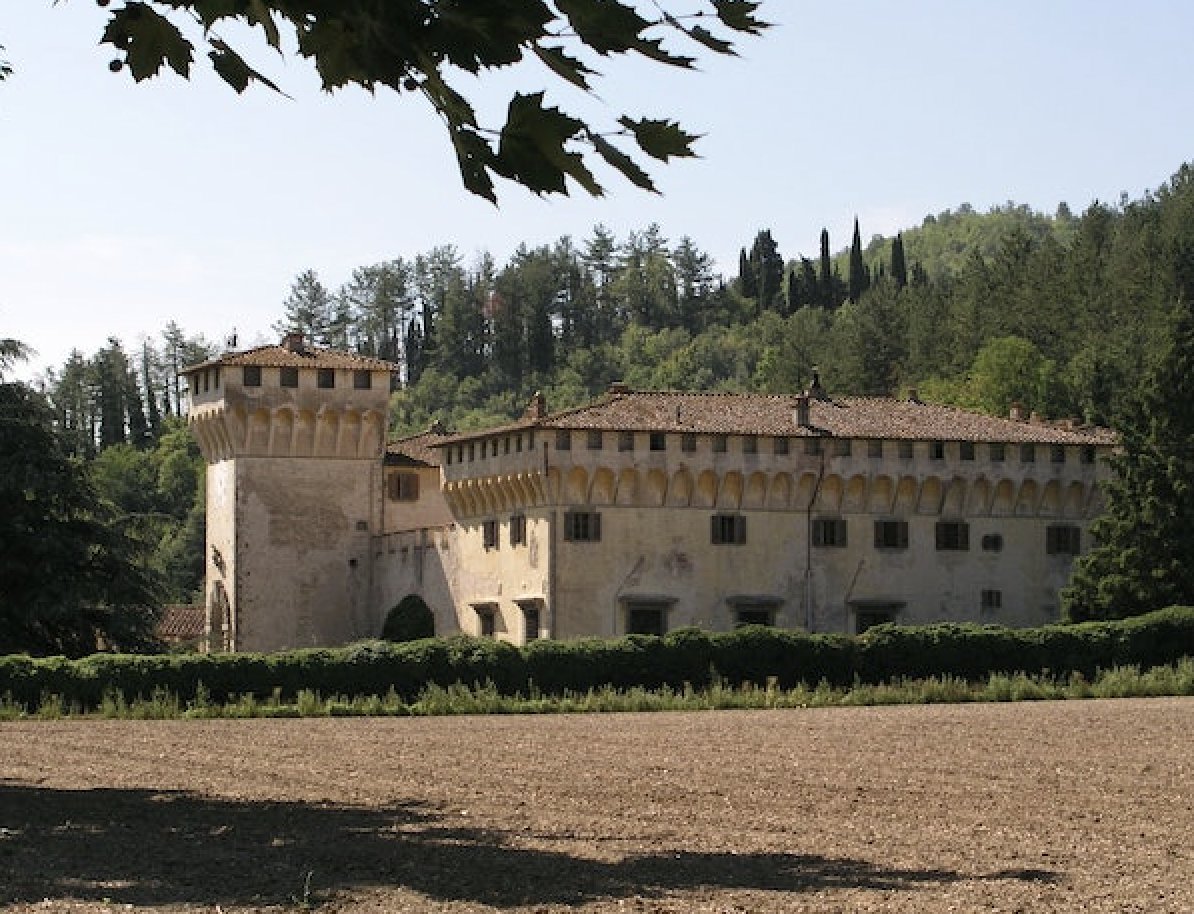
By the early 1300s, the Medici moved to Florence and entered into textiles and banking.
Banking and textiles went hand-in-hand.
As foreigners traveled to Florence for trade, currency needed to be exchanged.
This made banking a lucrative & prestigous business.
Banking and textiles went hand-in-hand.
As foreigners traveled to Florence for trade, currency needed to be exchanged.
This made banking a lucrative & prestigous business.
In 1360, family founder Giovanni de' Medici was born.
His father, Averardo, passed away when Giovanni was three years old.
Averardo's modest estate was split between 5 children.
His father, Averardo, passed away when Giovanni was three years old.
Averardo's modest estate was split between 5 children.
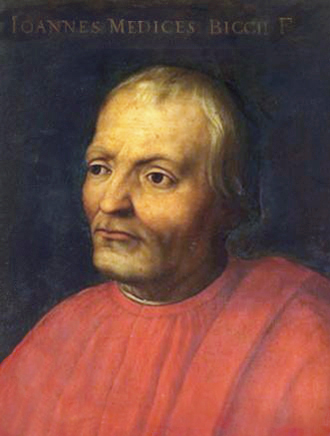
Young Giovanni was mentored by his relative Vieri, a prominent banker who helped Giovanni get his own start in banking.
Giovanni was a quick learner and excelled at Vieri's bank.
He worked his way up, becoming a parter in the bank's branch at Rome.
Giovanni was a quick learner and excelled at Vieri's bank.
He worked his way up, becoming a parter in the bank's branch at Rome.
In 1393, Vieri retired and Giovanni took over the reins in Rome.
In 1397, Giovanni moved back to Florence and founded Medici Bank.
He expanded operations with branches throughout Italy.
In the era of city-states, the Bank was equivalent to today's multi-national corporations.
In 1397, Giovanni moved back to Florence and founded Medici Bank.
He expanded operations with branches throughout Italy.
In the era of city-states, the Bank was equivalent to today's multi-national corporations.
Under Giovanni's leadership, the Bank had remarkable success.
He cemented its power by becoming Chief Papal Banker, handling all the accounts of the Catholic Church at Rome.
The family was now among the richest in Europe.
He cemented its power by becoming Chief Papal Banker, handling all the accounts of the Catholic Church at Rome.
The family was now among the richest in Europe.
Giovanni was stoic, austere, and disciplined.
He did not want his family isolated as their wealth grew. So he required them to dress and act like Florence's working classes.
He also was a patron of the arts: for business reasons & sincere desire to give back to Florence.
He did not want his family isolated as their wealth grew. So he required them to dress and act like Florence's working classes.
He also was a patron of the arts: for business reasons & sincere desire to give back to Florence.
Giovanni knew the family must focus on unity & business. He advised them to be wary of pretense & politics:
"Do not draw public attention to yourselves. Keep free from blemish."
"Do not make government your work. Wait until you are called to it, then show yourselves obedient."
"Do not draw public attention to yourselves. Keep free from blemish."
"Do not make government your work. Wait until you are called to it, then show yourselves obedient."
Giovanni's oldest son Cosimo was born in 1389.
After Giovanni's death in 1429, a prominent politician told Cosimo that due to his father's work, their family was beloved by the people of Florence and were in position for continued success.
After Giovanni's death in 1429, a prominent politician told Cosimo that due to his father's work, their family was beloved by the people of Florence and were in position for continued success.
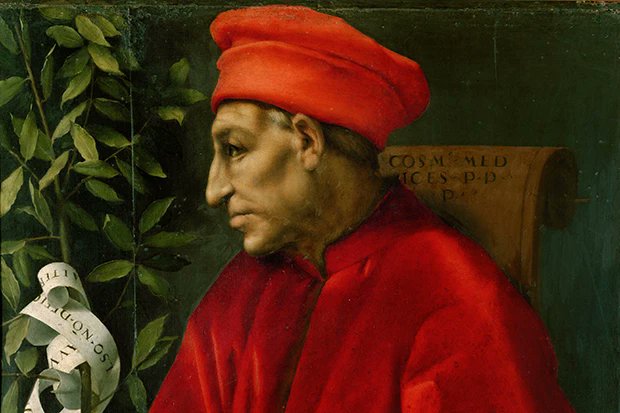
Cosimo was the first born son of a rich and powerful man.
He was well-read, well-educated, and well-traveled.
He inherited both his father's money and business acumen. The Bank continued to prosper.
Cosimo also expanded the family's power in government.
He was well-read, well-educated, and well-traveled.
He inherited both his father's money and business acumen. The Bank continued to prosper.
Cosimo also expanded the family's power in government.
The family's money and connections gave Cosimo massive influence in Florence's political system.
He was de-facto ruler from behind the scenes, acting through paid agents.
He also continued the tradition of patronage, supporting the work of Donatello, Michelozzo, and Ghiberti.
He was de-facto ruler from behind the scenes, acting through paid agents.
He also continued the tradition of patronage, supporting the work of Donatello, Michelozzo, and Ghiberti.
Cosimo succeeded in hard fought political battles with the family's main rivals.
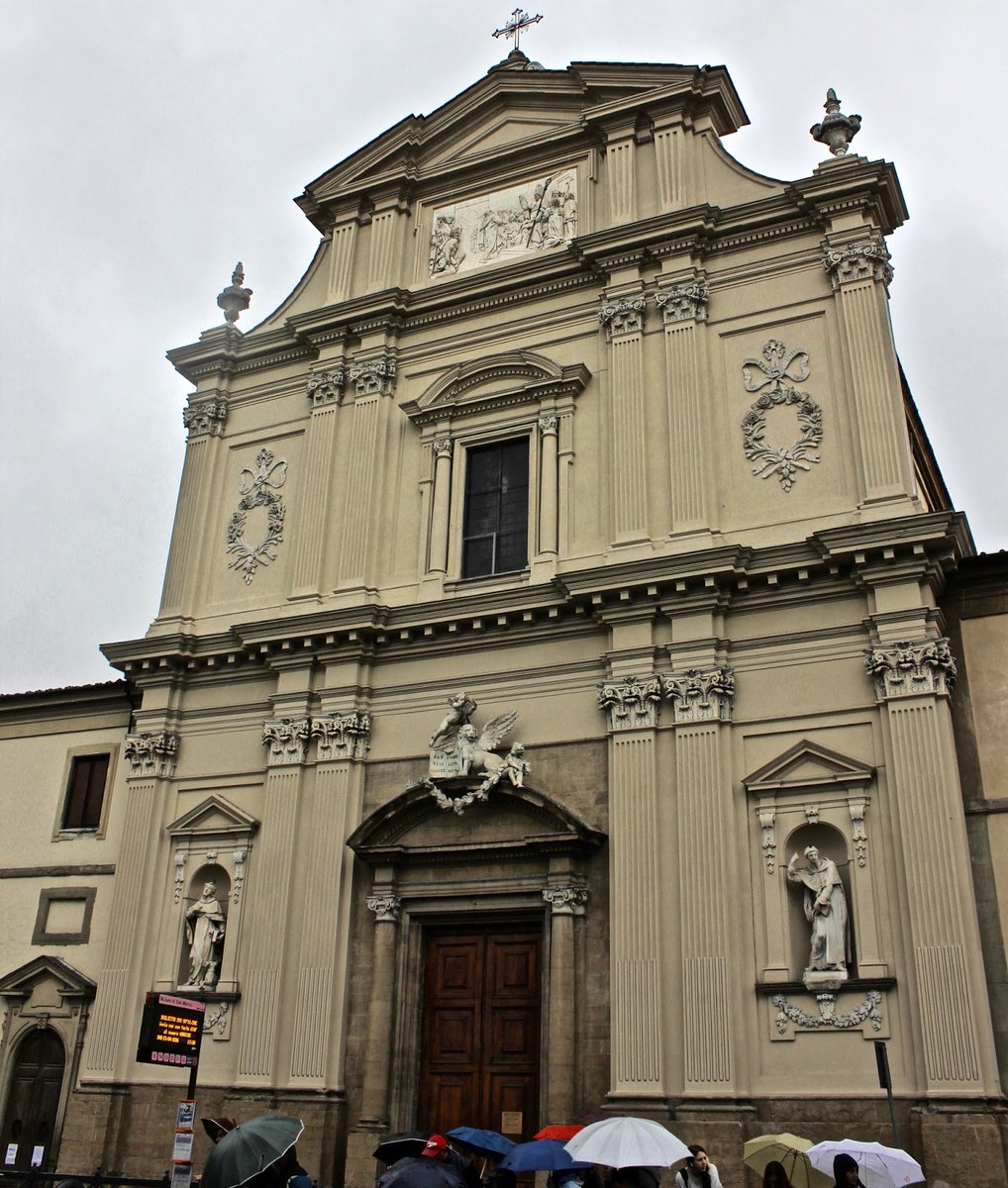
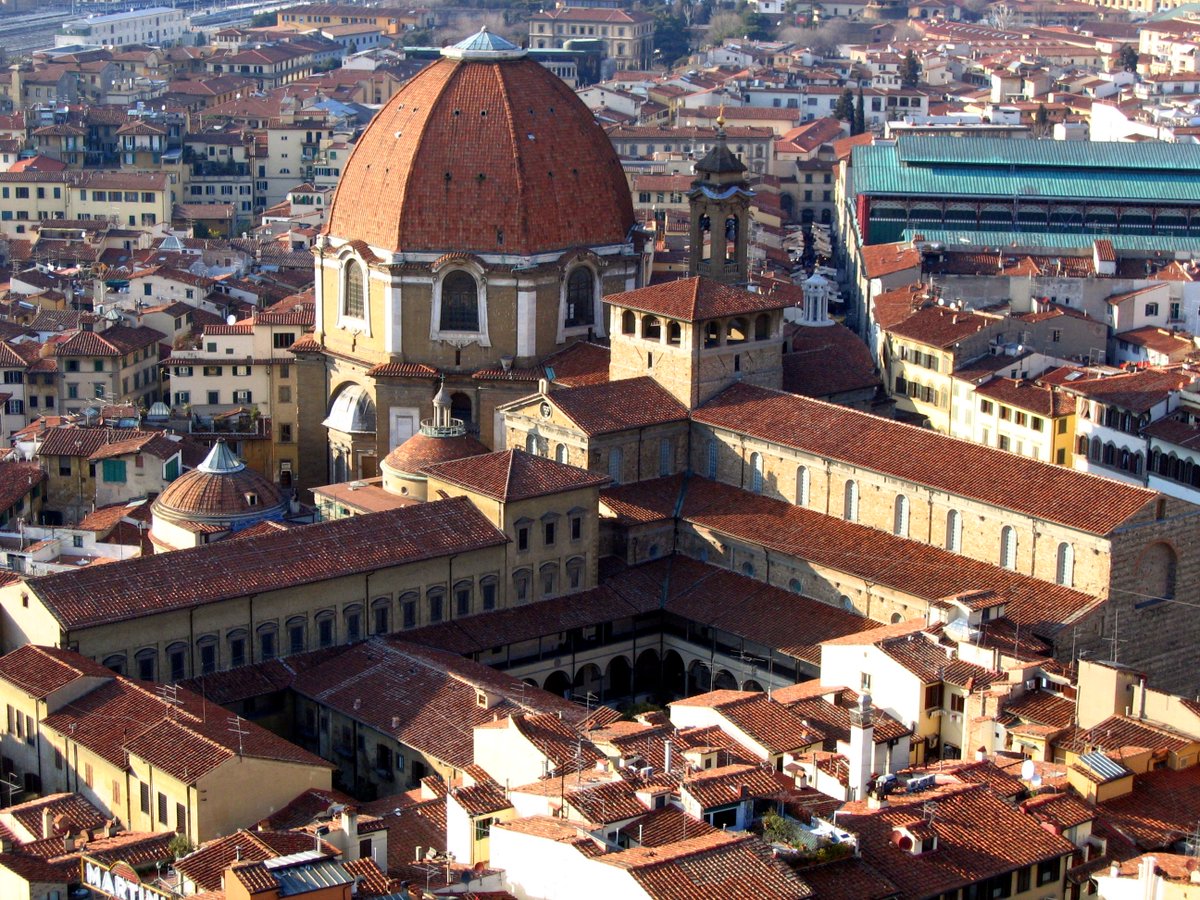
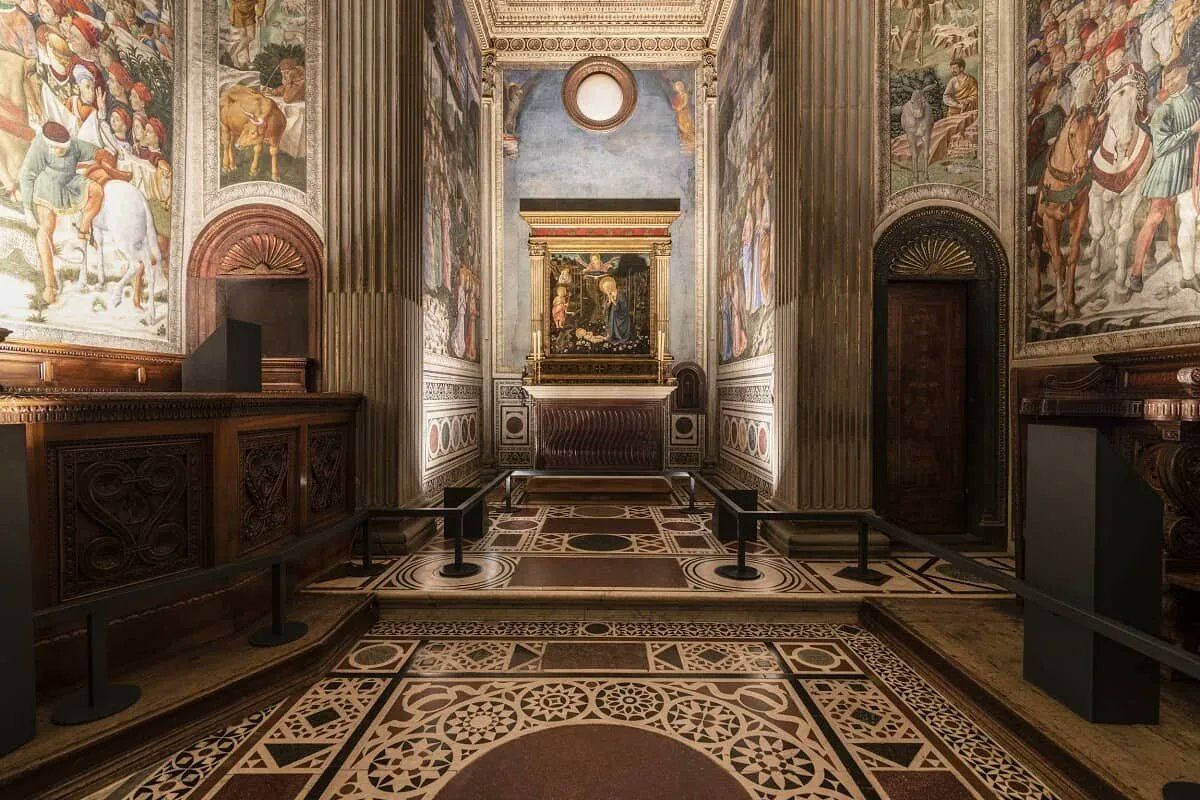
He worked to establish the family's position and financed grand projects including: Basilica of San Lorenzo, San Marco Monastery, Florence's Library and the Palazzo Medici.
He worked to establish the family's position and financed grand projects including: Basilica of San Lorenzo, San Marco Monastery, Florence's Library and the Palazzo Medici.

Cosimo's son Piero was born in 1414.
Piero suffered a lifelong affliction with gout and did not significantly add to the family's prominence.
He did however keep the Bank on an upward trajectory.
The traditions of political involvement and patronage continued as well.
Piero suffered a lifelong affliction with gout and did not significantly add to the family's prominence.
He did however keep the Bank on an upward trajectory.
The traditions of political involvement and patronage continued as well.
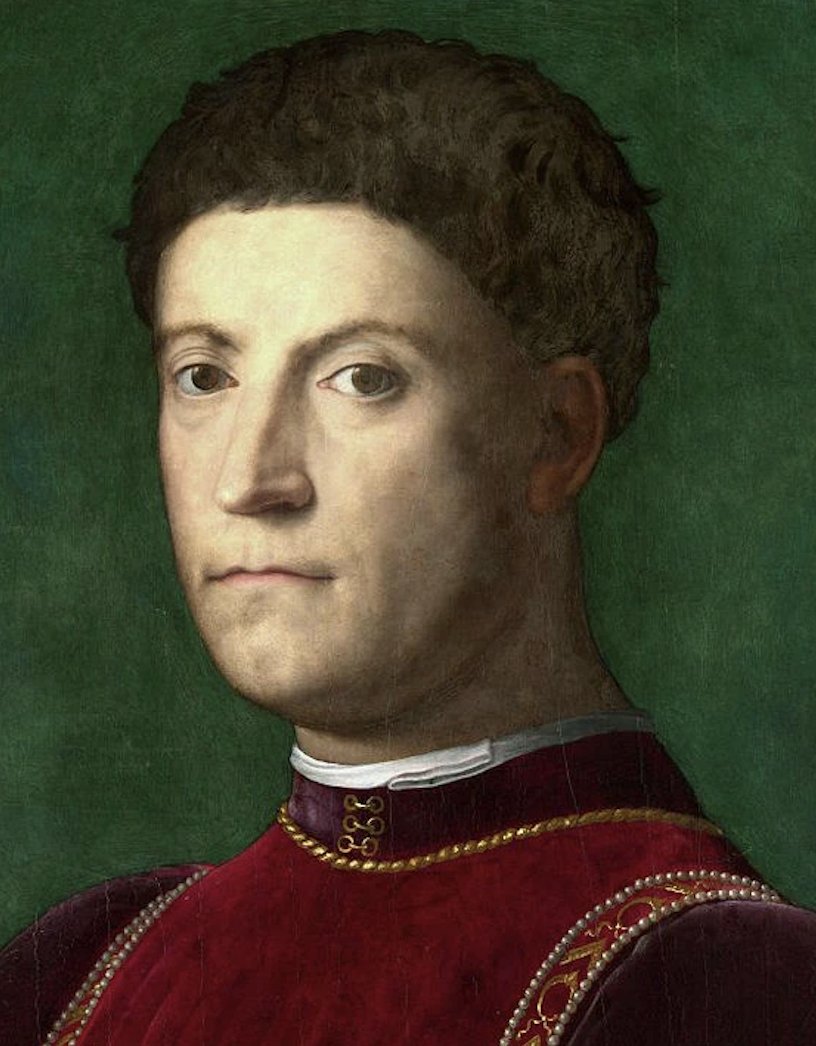
Of his surviving children, Piero gave specific training to his son Lorenzo, marking him as the family's next leader.
Born in 1449 and called "The Magnificent" by his contemporaries, Lorenzo is the most prominent member of the Medici family.
Born in 1449 and called "The Magnificent" by his contemporaries, Lorenzo is the most prominent member of the Medici family.

When Lorenzo took over the Bank at the age of 20, the family's standing was weakening.
The Bank struggled to maintain competitive advantages due to mismanagement.
A vicious cycle grew: they overextended in giving loans for political favors which were needed to get new business.
The Bank struggled to maintain competitive advantages due to mismanagement.
A vicious cycle grew: they overextended in giving loans for political favors which were needed to get new business.
The political battles intensified.
At a mass, Lorenzo and his brother were attacked in a conspiracy to seize control of Florence - with the blessing of the Pope.
His brother was brutally murdered. Lorenzo escaped.
Through great effort, he restored his power and civil peace.
At a mass, Lorenzo and his brother were attacked in a conspiracy to seize control of Florence - with the blessing of the Pope.
His brother was brutally murdered. Lorenzo escaped.
Through great effort, he restored his power and civil peace.
Lorenzo married into the Orsini, a powerful, aristocratic family. The marriage increased family wealth and political influence.
Under Lorenzo, the family's patronage of the arts increased as well.
He supported works by Leonardo da Vinci, Sandro Botticelli and Michelangelo.
Under Lorenzo, the family's patronage of the arts increased as well.
He supported works by Leonardo da Vinci, Sandro Botticelli and Michelangelo.
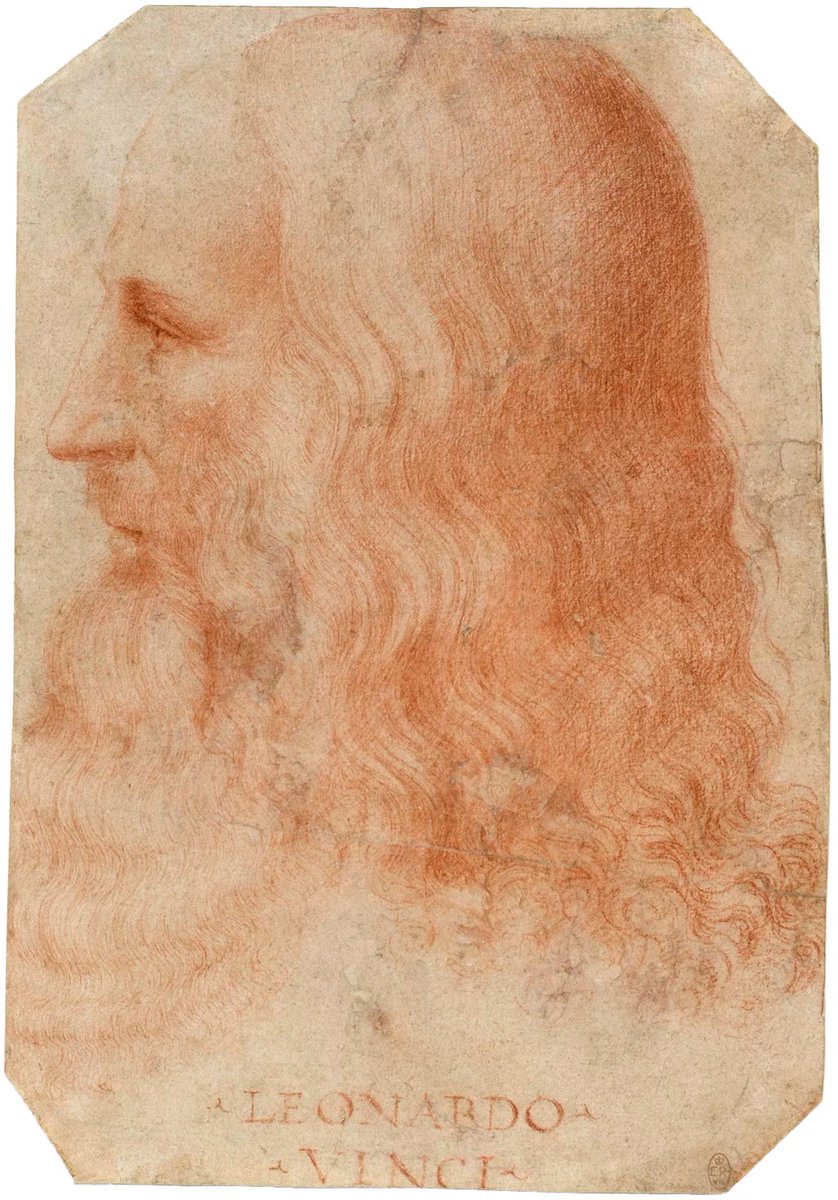
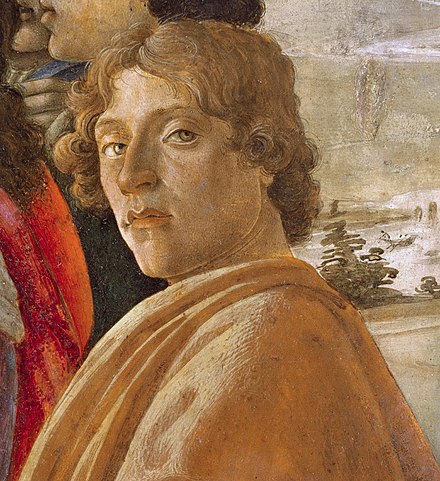

As time passed, more & more family members entered into the leisure class.
The business was neglected.
Diplomacy was not cheap. Neither was the extravagant public spending that Florence grew to expect from them.
The Bank, already overextended, suffered as the loans defaulted.
The business was neglected.
Diplomacy was not cheap. Neither was the extravagant public spending that Florence grew to expect from them.
The Bank, already overextended, suffered as the loans defaulted.
The family still enjoyed political prominence: producing two Popes, one Queen of France, and many statesmen.
But the grand show could not last.
The Bank buckled under the strain of maintaining an empire.
Consumption exceeded production. The number of heirs dwindled.
But the grand show could not last.
The Bank buckled under the strain of maintaining an empire.
Consumption exceeded production. The number of heirs dwindled.
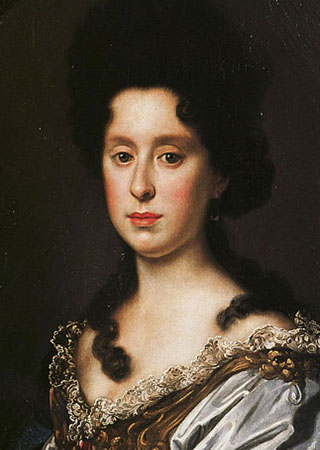
The decline culminated with Anna Maria Luisa.
In 1737, she signed away all family property to the government.
She spent her remaining days in charity and patronage projects.
When she died in 1743, the House of Medici died with her.
In 1737, she signed away all family property to the government.
She spent her remaining days in charity and patronage projects.
When she died in 1743, the House of Medici died with her.
There's plenty to learn from the Medici.
Here's 4 Keys To Generational Wealth - two from their rise and two from their fall - that will help both aspiring family founders and established families alike:
Here's 4 Keys To Generational Wealth - two from their rise and two from their fall - that will help both aspiring family founders and established families alike:
1. Create Family Alliances
Families cannot build generational wealth alone, and the Medici excelled at making alliances.
For business, marriage, or protection from common enemies: they reached out to and made agreements with like-minded families.
Families cannot build generational wealth alone, and the Medici excelled at making alliances.
For business, marriage, or protection from common enemies: they reached out to and made agreements with like-minded families.
For the Medici, alliances were transactional.
Today, your alliances must transcend any material benefits.
Find families committed to the same values as yours.
Make an effort to share life and resources together. You'll likely be creating friendships for your grandchildren.
Today, your alliances must transcend any material benefits.
Find families committed to the same values as yours.
Make an effort to share life and resources together. You'll likely be creating friendships for your grandchildren.
2. Live Generously In Your Community
The social nature of family requires they live within a larger community.
A proof of a flourishing family is that their community is flourishing too.
Their overspending aside, the Medici's presence in Florence is still felt to this day.
The social nature of family requires they live within a larger community.
A proof of a flourishing family is that their community is flourishing too.
Their overspending aside, the Medici's presence in Florence is still felt to this day.
Unfortunately, rich families today are often everywhere, and rooted nowhere.
Communities around today's wealthy families should benefit too:
via employment in the family enterprise, their patronage of the arts and culture, and their sustained positive involvement over time.
Communities around today's wealthy families should benefit too:
via employment in the family enterprise, their patronage of the arts and culture, and their sustained positive involvement over time.
3. Focus On The Economic Engine
At the center of the Medici's failure was a loss of focus.
The enjoyment of the fruits of business success - social standing, leisure, and power - was also their downfall.
When the Bank declined beyond repair, their fate was sealed.
At the center of the Medici's failure was a loss of focus.
The enjoyment of the fruits of business success - social standing, leisure, and power - was also their downfall.
When the Bank declined beyond repair, their fate was sealed.
In contrast, the Antinori have excelled at prioritizing their family enterprise.
Their knowledge & experience in winemaking has been passed down as an inheritance.
From a financial perspective, they lagged the Medici.
But centuries later they've far surpassed them in wealth.
Their knowledge & experience in winemaking has been passed down as an inheritance.
From a financial perspective, they lagged the Medici.
But centuries later they've far surpassed them in wealth.
For a business-owning family, there must be a renewed call for commitment to the business each generation.
The intellectual capital needed to run the enterprise must be prized and passed on.
Not everyone will work in the business, but everyone should be an engaged shareholder.
The intellectual capital needed to run the enterprise must be prized and passed on.
Not everyone will work in the business, but everyone should be an engaged shareholder.
4. Be Wary Of Politics
It's rare for a political family to last more than 4 generations.
Politics can leave a family vulnerable to an unnecessary number of enemies, competing in a zero-sum game for power.
Unfortunately for the Medici, Giovanni's advice to be wary was ignored.
It's rare for a political family to last more than 4 generations.
Politics can leave a family vulnerable to an unnecessary number of enemies, competing in a zero-sum game for power.
Unfortunately for the Medici, Giovanni's advice to be wary was ignored.
The Antinori were involved in politics, especially the old Italian republics where citizens were regularly called to serve.
But it was never the primary occupation of their family.
Unlike the Medici, they understood that a zero-sum game could not be their friend.
But it was never the primary occupation of their family.
Unlike the Medici, they understood that a zero-sum game could not be their friend.
A nation is as strong as its families, which are the nucleus of all civilization.
Yes, we need involved citizens who love their family & want all families to flourish.
But the days are numbered for any family who neglects their own members & wealth at the expense of politics.
Yes, we need involved citizens who love their family & want all families to flourish.
But the days are numbered for any family who neglects their own members & wealth at the expense of politics.
4 Keys To Generational Wealth From The Medici Story:
1. Create Family Alliances
2. Live Generously In Your Community
3. Focus On The Economic Engine
4. Be Wary Of Politics
1. Create Family Alliances
2. Live Generously In Your Community
3. Focus On The Economic Engine
4. Be Wary Of Politics
That's it! If you found this thread interesting:
1. Follow me @500YearFamily for more.
2. Go to the first tweet and retweet for others (and so you can find it later). Here's a link below:
1. Follow me @500YearFamily for more.
2. Go to the first tweet and retweet for others (and so you can find it later). Here's a link below:
You'll also enjoy the weekly Family Wealth Compass email.
Every Monday, I share one deep-dive insight into building generational family wealth.
Practical. Actionable. No fluff.
Join below👇 500yearfamily.com
Every Monday, I share one deep-dive insight into building generational family wealth.
Practical. Actionable. No fluff.
Join below👇 500yearfamily.com
Loading suggestions...