

Beginning investors should NOT trust their intuition
The most important investing approaches are counter-intuitive
Here are 5 counter-intuitive principles that have made me a better investor:⤵️
The most important investing approaches are counter-intuitive
Here are 5 counter-intuitive principles that have made me a better investor:⤵️
1⃣Don’t haggle
INSTINCT: Pay the lowest price possible.
If a stock is trading at $100, use a limit order for $99
Try to squeeze out every last penny of value
INSTINCT: Pay the lowest price possible.
If a stock is trading at $100, use a limit order for $99
Try to squeeze out every last penny of value
REALITY: These orders might not fill
You won’t want to buy tomorrow at *even higher* prices
Haggling causes you to NOT BUY a few mega-winners
Which is FAR MORE costly than slightly overpaying
You won’t want to buy tomorrow at *even higher* prices
Haggling causes you to NOT BUY a few mega-winners
Which is FAR MORE costly than slightly overpaying
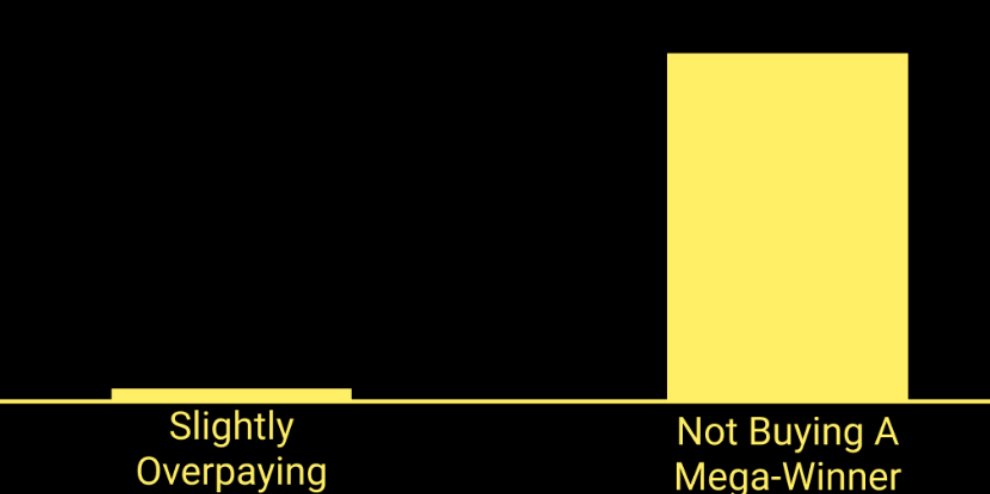
SOLUTION: Zoom out
If you love a company, and its stock goes from $100 to $1,000
Does it matter if you got in at $99 or $105?
If you think a stock has 10x potential, don’t haggle!
If you love a company, and its stock goes from $100 to $1,000
Does it matter if you got in at $99 or $105?
If you think a stock has 10x potential, don’t haggle!
2⃣Look for market-beaters
INSTINCT: Look for “cheap” businesses losing to the market
Many scan the “all-time low” list for ideas
INSTINCT: Look for “cheap” businesses losing to the market
Many scan the “all-time low” list for ideas
REALITY: There’s a reason certain stocks beat the market
It means that:
👉People love the product
👉The business model is working
👉Wall Street recognizes that it is working
It means that:
👉People love the product
👉The business model is working
👉Wall Street recognizes that it is working
SOLUTION: Change where you look
If you must, go shopping on the “all-time HIGH” list than the "all-time low" list
and no longer tell yourself…
If you must, go shopping on the “all-time HIGH” list than the "all-time low" list
and no longer tell yourself…

3⃣Business > Stock
INSTINCT: Focus on share price
What does the media report on?
Stock prices!
Tons of focus on price, very little focus on business results
INSTINCT: Focus on share price
What does the media report on?
Stock prices!
Tons of focus on price, very little focus on business results
REALITY: Short-term prices are driven by valuation
And valuation is driven by emotions.
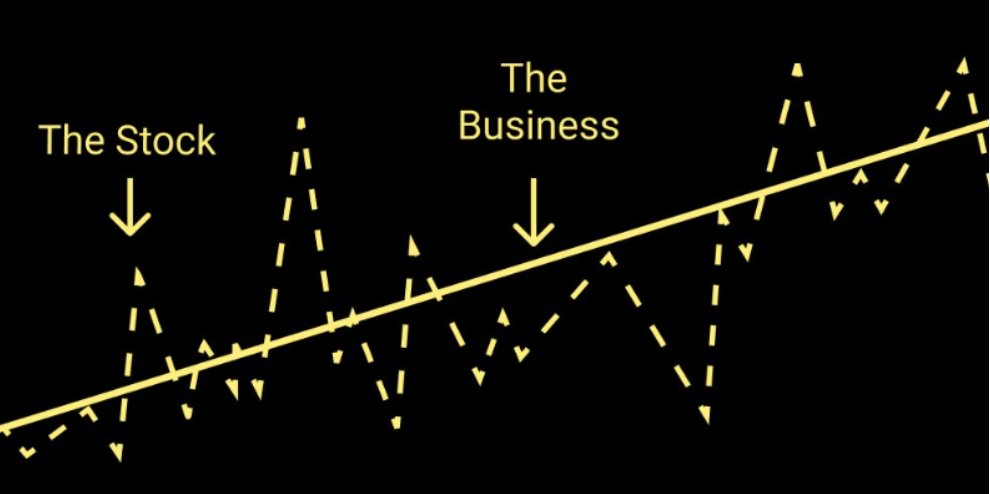
In the short term, stock price movements are not correlated to the business at all
And valuation is driven by emotions.
In the short term, stock price movements are not correlated to the business at all
SOLUTION: Focus on the business
Spend most of your time looking at business results. This is what drives LONG-TERM results
Spend very little time watching stock prices
Spend most of your time looking at business results. This is what drives LONG-TERM results
Spend very little time watching stock prices
4⃣The P/E ratio IS NOT universally applicable
INSTINCT: The P/E ratio is the “price tag” of a stock
For many, it is the yardstick by which ALL stocks are judged
INSTINCT: The P/E ratio is the “price tag” of a stock
For many, it is the yardstick by which ALL stocks are judged
REALITY: P/E is fraught with errors
The “E” stands for “Earnings”. It can be unreliable for many reasons:
▪️ It uses accrual, not cash, accounting
▪️ It factors in gains/losses from outside investments
▪️ Wildly misleading for barely profitable companies
The “E” stands for “Earnings”. It can be unreliable for many reasons:
▪️ It uses accrual, not cash, accounting
▪️ It factors in gains/losses from outside investments
▪️ Wildly misleading for barely profitable companies
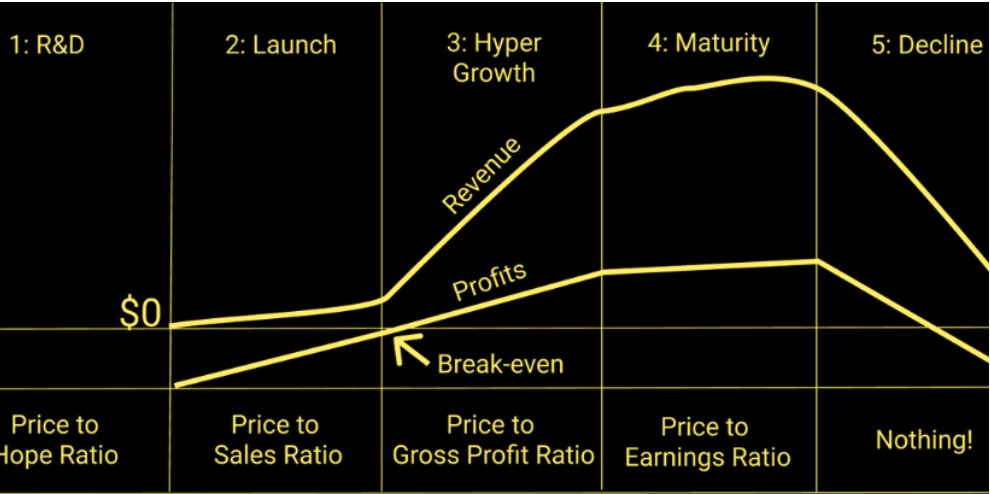
SOLUTION: Put it in context
It's A metric -- not THE ONLY metric that matters
You need to know:
🤔When it’s useful
🤷♀️When IT SHOULD BE IGNORED
Consider where a company is in its growth cycle
It's A metric -- not THE ONLY metric that matters
You need to know:
🤔When it’s useful
🤷♀️When IT SHOULD BE IGNORED
Consider where a company is in its growth cycle
5⃣Batting .400 is GREAT!
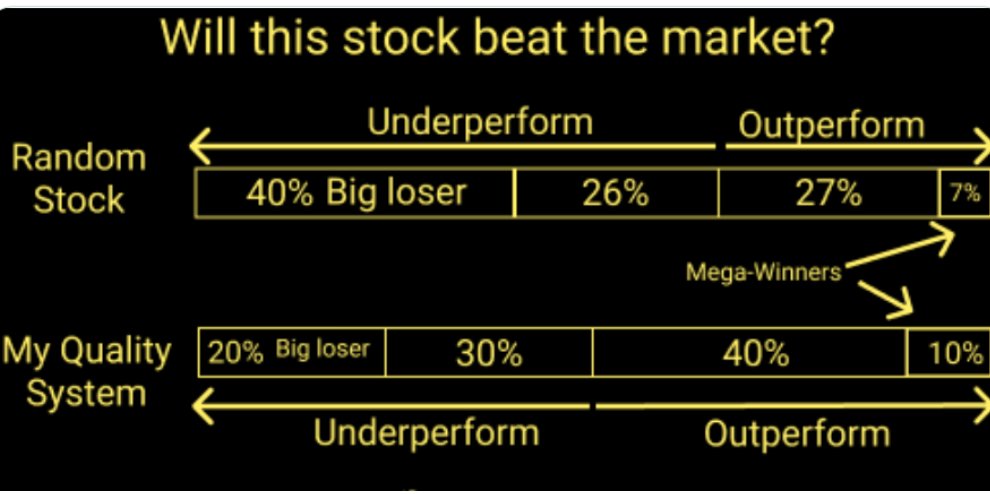
INSTINCT: You must have at least 50% of stock picks beating the market
Without that, you CANNOT beat the market
INSTINCT: You must have at least 50% of stock picks beating the market
Without that, you CANNOT beat the market
REALITY: A @jpmorgan study from 1980-2014 showed that:
🟢Only 36% of stocks beat the market
🟢Only 7% of stocks accounted for nearly ALL the index's gains
This means that the odds of picking a winner are not a coin flip - they are more like a dice roll
🟢Only 36% of stocks beat the market
🟢Only 7% of stocks accounted for nearly ALL the index's gains
This means that the odds of picking a winner are not a coin flip - they are more like a dice roll
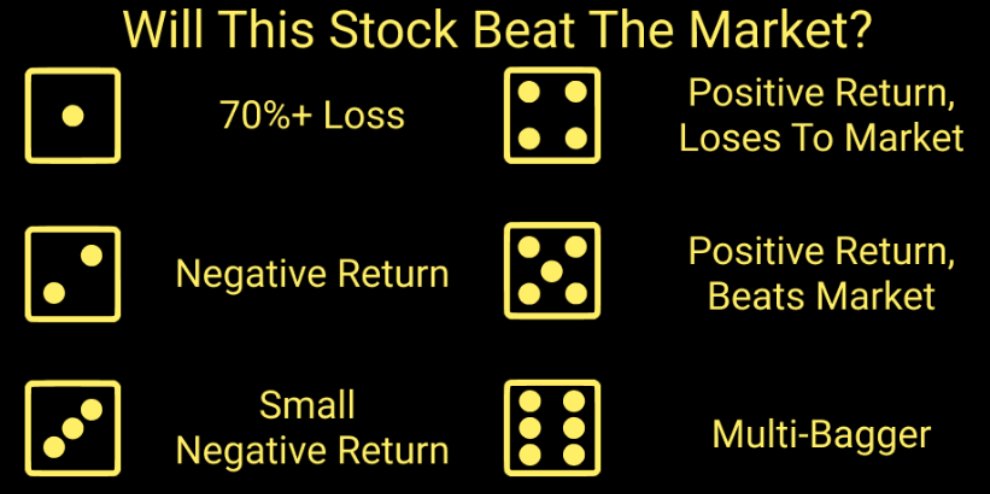
SOLUTION: Use a reasonable yardstick
A good stock-picking system simply increases your odds of success
So, if even 45% of your stocks outperform and 10% are mega-winners, your system is working!
A good stock-picking system simply increases your odds of success
So, if even 45% of your stocks outperform and 10% are mega-winners, your system is working!
If you liked this, you’ll love my FREE weekly Mindset newsletter.
Join the 44,000+ investors already on board:
getrevue.co
Join the 44,000+ investors already on board:
getrevue.co
To review:
1⃣Don’t haggle on price
2⃣Look at market beaters, not laggards
3⃣Focus on the business, not the stock
4⃣The P/E ratio is far from perfect
5⃣Batting below .500 can be just fine
1⃣Don’t haggle on price
2⃣Look at market beaters, not laggards
3⃣Focus on the business, not the stock
4⃣The P/E ratio is far from perfect
5⃣Batting below .500 can be just fine
Loading suggestions...