

Did you know about the single-celled organism that changed the face of planet Earth?
An insightful Sunday read.
A thread🧵
An insightful Sunday read.
A thread🧵
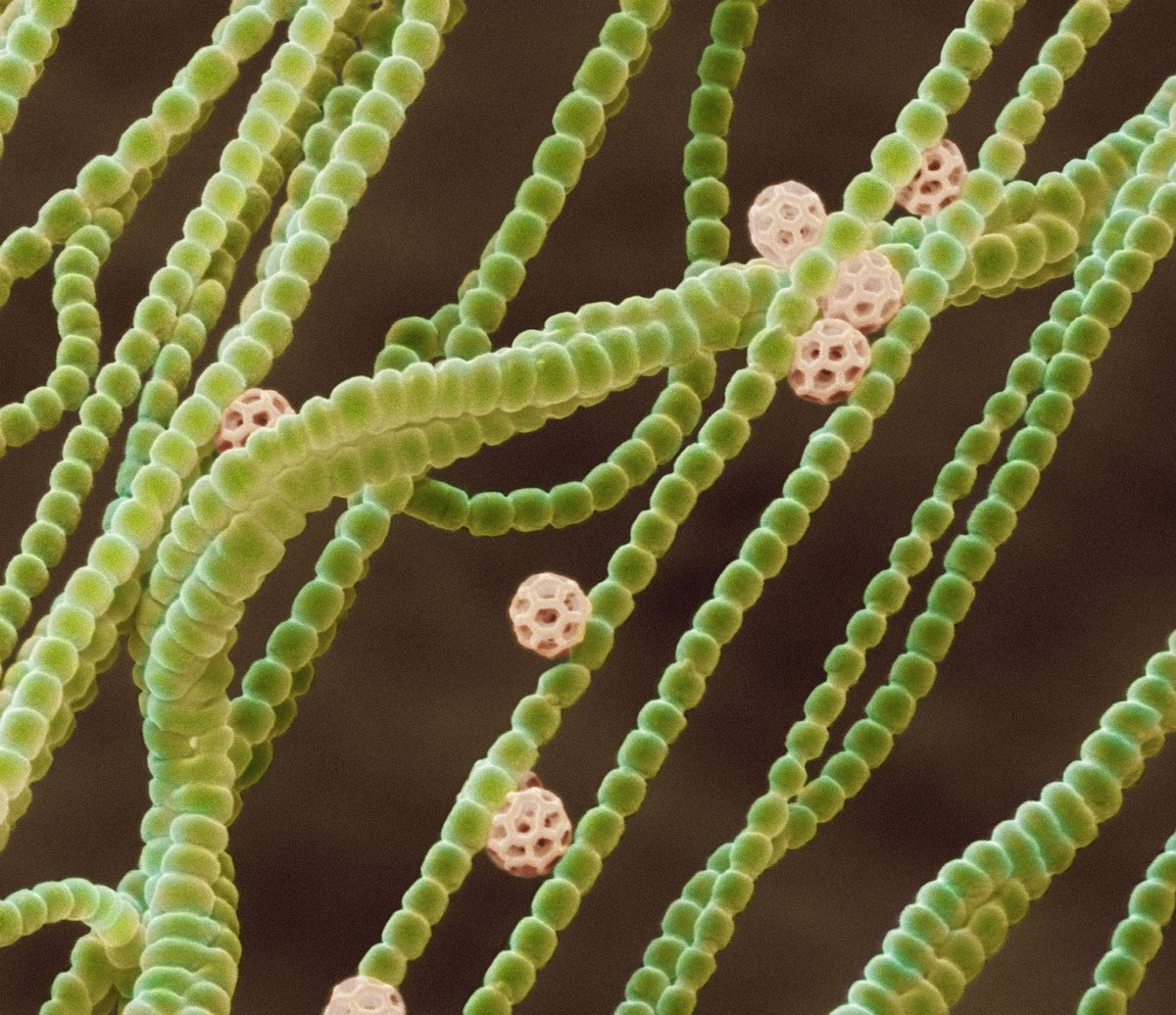
The organism is called cyanobacteria. It's one of the earliest forms of life on Earth and played a crucial role in the evolution of our planet. Without cyanobacteria, there would be no oxygen in the atmosphere.
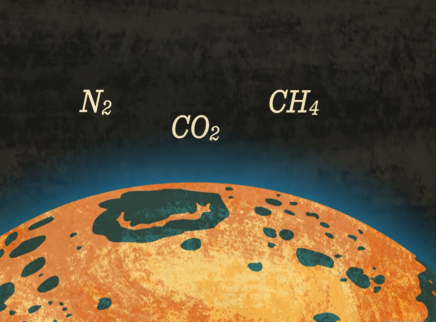
About 3.5 billion years ago, the Earth's atmosphere was mostly nitrogen, carbon dioxide, and methane. There was almost no oxygen.
The earliest forms of life on Earth were anaerobic bacteria, which could survive without oxygen and obtain energy from scavenging chemicals in the environment.
One of these bacteria evolved the ability to photosynthesize, using the energy from sunlight to convert CO2 and water into oxygen and sugars.
These early cyanobacteria had a huge advantage over other species because of their ability to photosynthesize. Their populations exploded, releasing oxygen into the atmosphere.
Over time, the cyanobacteria were making oxygen faster than it could be absorbed, and the O2 gas started building up in the atmosphere.
The high levels of oxygen were poisonous to many other forms of life, leading to a mass extinction. This event is known as the Great Oxygenation Event or the Oxygen Catastrophe.
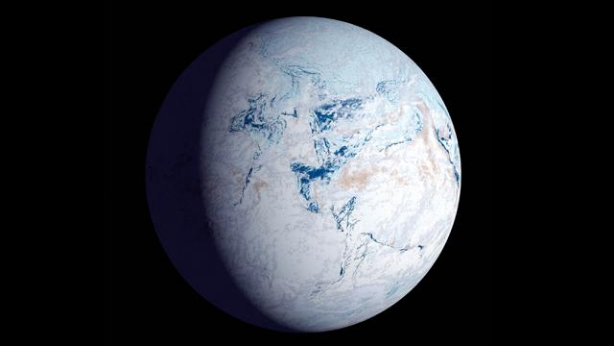
Before the extinction, the high levels of methane in the atmosphere kept the Earth warm. But now, oxygen was reacting with methane to form CO2 and water, which don't trap as much heat. This led to the first and longest ice age on Earth.
Life on Earth eventually adapted to the new conditions. Some bacteria developed the ability to use oxygen as an energy source, and the oxygen levels eventually stabilized at around 21% of the atmosphere.
The ability to use oxygen's chemical energy allowed for the evolution of more complex life forms. Cyanobacteria also played a role in this through a process called endosymbiosis.
In endosymbiosis, some ancient bacteria swallowed a cyanobacterium whole, allowing it to develop an internal photosynthesis factory. This became the ancestor of plant cells.
Cyanobacteria evolved into chloroplasts, which are the organelles used in photosynthesis today. These ancient bacteria are still around us, pumping oxygen into the atmosphere and helping to fix nitrogen in the soil.
Without cyanobacteria, we wouldn't be able to recognize life on Earth as we know it. This shows the incredible impact a single-celled organism can have on the planet, all without being seen.
Hope you like the thread!
Read more at: upscprep.com
Loading suggestions...