

4 financial statements every investor should know:
• Balance Sheet
• Income Statement
• Cash Flow Statement
• Stockholders' Equity Statement
🧵I've worked 15+ years in finance and hold a degree in accounting & finance. Let's discuss how to understand each statement👇🏼👇🏽👇🏾
• Balance Sheet
• Income Statement
• Cash Flow Statement
• Stockholders' Equity Statement
🧵I've worked 15+ years in finance and hold a degree in accounting & finance. Let's discuss how to understand each statement👇🏼👇🏽👇🏾
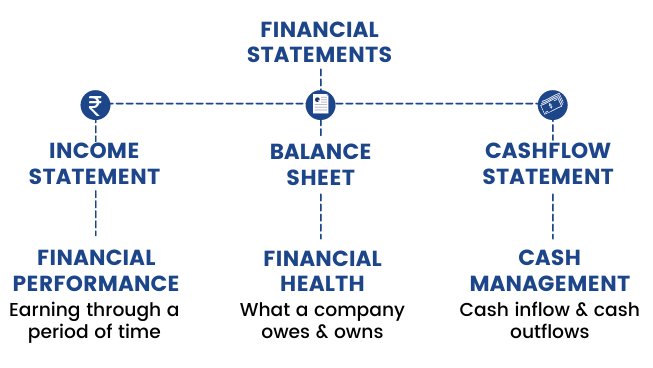
Financial statements are important for investors because they provide insights into a company's financial performance and health.
By analyzing financial statements, investors can make informed decisions about whether to buy, hold, or sell a company's stock.
By analyzing financial statements, investors can make informed decisions about whether to buy, hold, or sell a company's stock.
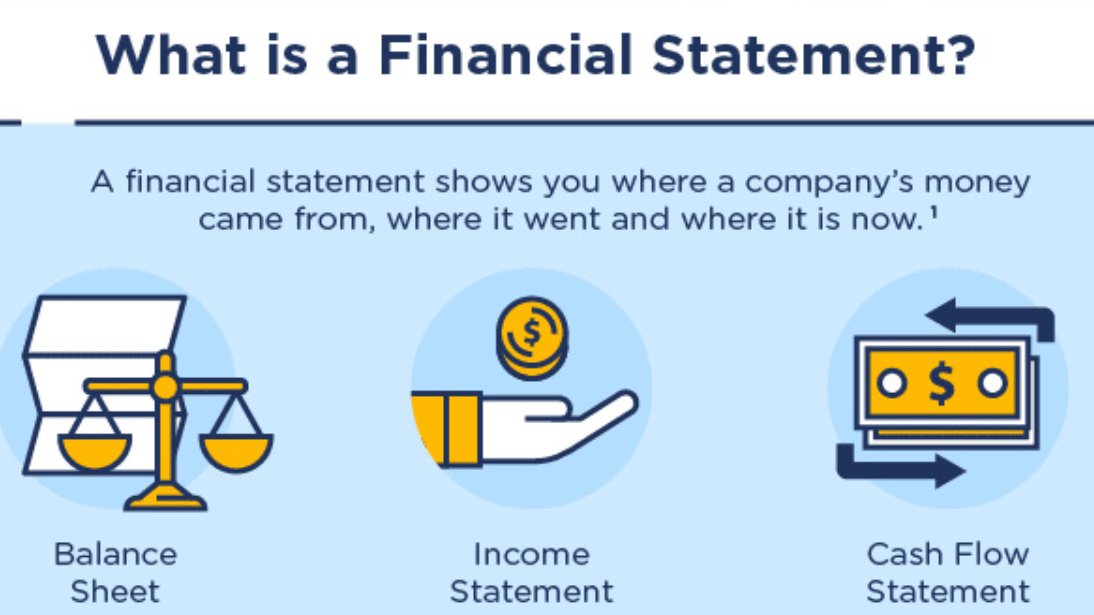
The income statement shows a company's revenues, expenses, and net income over a specific period of time. It helps investors understand the company's profitability.

The income statement is also known as the profit and loss statement and provides information about the company's profitability and its ability to generate income.

The income statement is divided into two main sections: the income section and the expense section.
The income section includes all of the revenues that the company has earned during the period, such as sales, interest income, and gains on investments.
The income section includes all of the revenues that the company has earned during the period, such as sales, interest income, and gains on investments.
The expense section includes all of the expenses that the company has incurred during the period, such as the cost of goods sold, selling and administrative expenses, and interest expenses.
The net income (or loss) for the period is determined by subtracting the expenses from the revenues. This amount is then reported at the bottom of the income statement, along with any applicable taxes and the net income (or loss) per share of common stock.
The balance sheet is a snapshot of a company's financial position at a specific point in time.
It shows the company's assets, liabilities, and equity.
The assets include things like cash, accounts receivable, and property, plant, and equipment.
It shows the company's assets, liabilities, and equity.
The assets include things like cash, accounts receivable, and property, plant, and equipment.
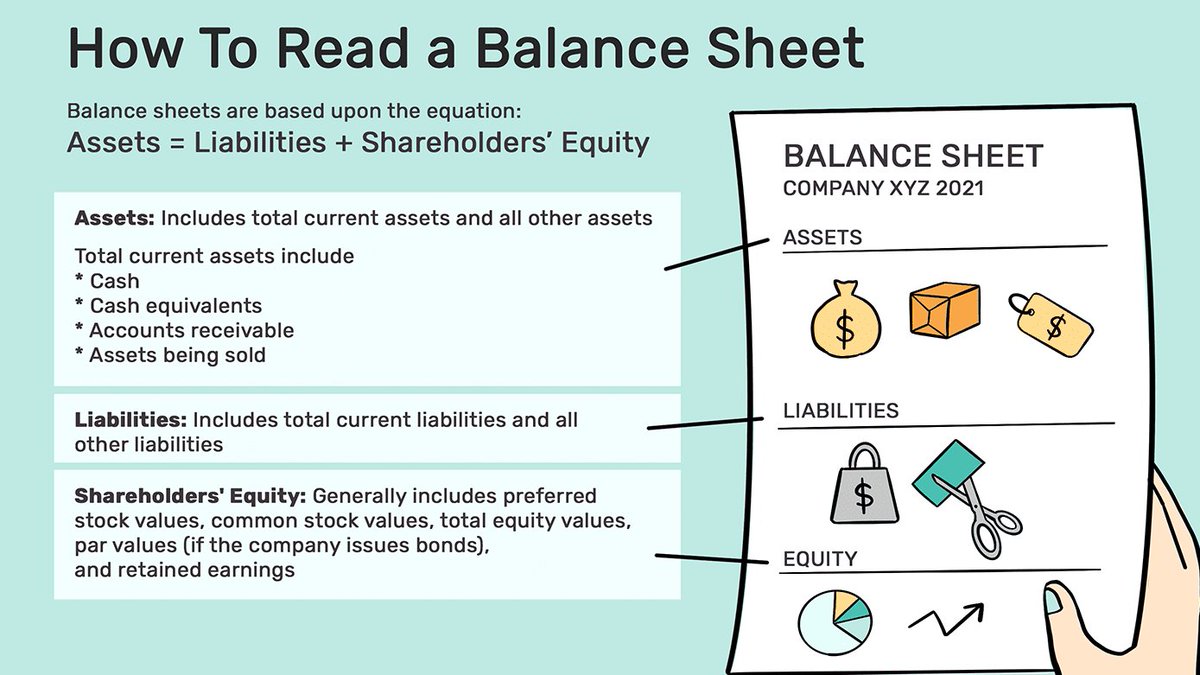
The liabilities include things like accounts payable, taxes payable, and long-term debt.
The equity represents the ownership interests of the company's shareholders. The balance sheet helps investors understand the company's net worth.
The equity represents the ownership interests of the company's shareholders. The balance sheet helps investors understand the company's net worth.
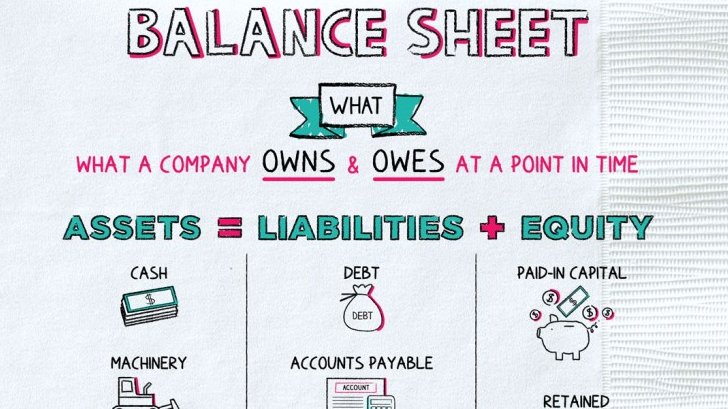
The balance sheet is also known as the statement of financial position and helps investors and analysts understand the company's financial position, including its liquidity and solvency.
The statement of cash flows shows the inflows and outflows of cash for a specific period of time.
It helps investors understand a company's liquidity and solvency, and can be used to assess the company's ability to pay its debts and generate cash.
It helps investors understand a company's liquidity and solvency, and can be used to assess the company's ability to pay its debts and generate cash.
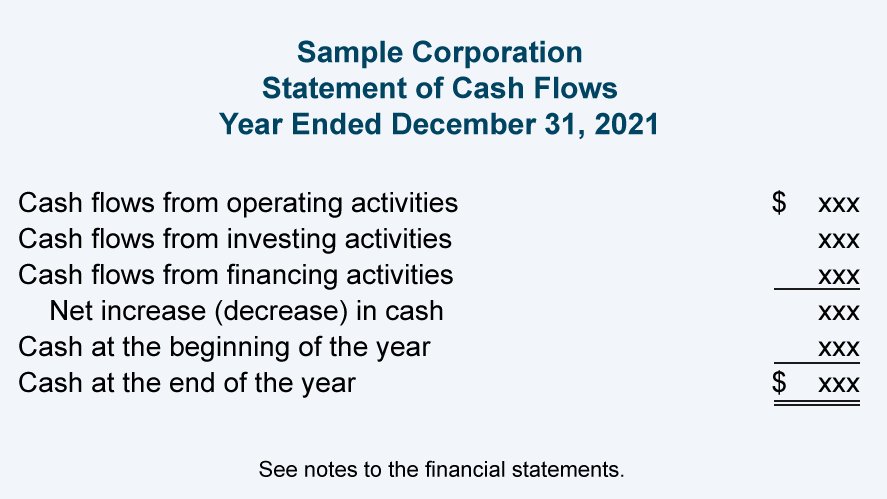
The statement of cash flows is divided into three sections:
• Operating activities
• Investing activities
• Financing activities
• Operating activities
• Investing activities
• Financing activities
Operating activities include the cash flows from a company's core business operations. This includes cash received from customers, cash paid to suppliers and employees, and other operating expenses.
Investing activities include the cash flows from the purchase and sale of long-term assets, such as property, plant, and equipment. This also includes investments in other companies, such as through the purchase of stocks or bonds.
Financing activities include the cash flows from the issuance and repayment of a company's debt and equity. This includes the issuance of new shares of stock, the repayment of loans, and the payment of dividends to shareholders.
The statement of cash flows shows how a company is generating and using cash, which is important for investors and analysts to understand the company's financial health and ability to meet its financial obligations.
The statement of stockholders' equity shows changes in a company's equity over a specific period of time.
It helps investors understand how a company is financing its operations and growth.
It helps investors understand how a company is financing its operations and growth.
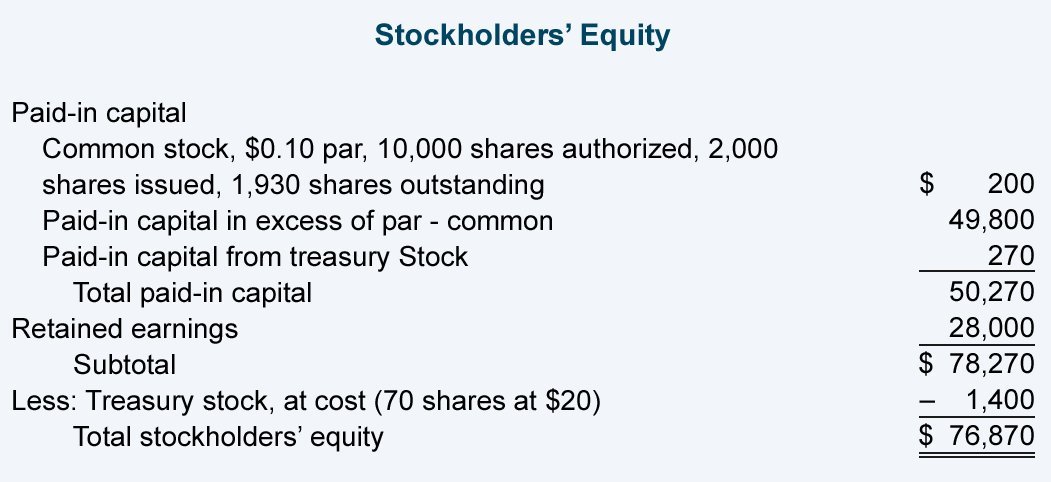
The statement of stockholders' equity is divided into two sections:
• The beginning balance is the total equity at the beginning of the period
• The changes during the period include transactions that have occurred since the beginning of the period.
• The beginning balance is the total equity at the beginning of the period
• The changes during the period include transactions that have occurred since the beginning of the period.
The statement of stockholders' equity typically includes the following items:
• Common stock: This is the amount of capital that has been contributed by the company's shareholders in exchange for common stock.
• Common stock: This is the amount of capital that has been contributed by the company's shareholders in exchange for common stock.
• Additional paid-in capital: The amount of capital that has been contributed by shareholders in excess of the par value of common stock
• Retained earnings: The amount of earnings the company has retained since its inception, after deducting dividends paid to shareholders
• Retained earnings: The amount of earnings the company has retained since its inception, after deducting dividends paid to shareholders
• Net income (or loss): This is the company's net income (or loss) for the period, which is determined by subtracting the company's expenses from its revenues.
• Dividends: This is the amount of cash that the company has paid to its shareholders as dividends.
• Dividends: This is the amount of cash that the company has paid to its shareholders as dividends.
The statement of stockholders' equity is important because it provides information about a company's financial health and its ability to generate profits and distribute them to its shareholders.
Financial statements are a crucial tool for understanding a company's financial performance.
If you found this thread🧵helpful:
• Follow me: @FluentInFinance
•🔁RT the FIRST tweet
• Sign-up for my FREE newsletter to master your money: FluentInFinance.Substack.com!
If you found this thread🧵helpful:
• Follow me: @FluentInFinance
•🔁RT the FIRST tweet
• Sign-up for my FREE newsletter to master your money: FluentInFinance.Substack.com!

Loading suggestions...