

How should we improve education?
The answers already exist. We're just not implementing what we've already learned. By changing how we teach, we can build a more intelligent society.
Let me introduce you to Benjamin Bloom...
The answers already exist. We're just not implementing what we've already learned. By changing how we teach, we can build a more intelligent society.
Let me introduce you to Benjamin Bloom...
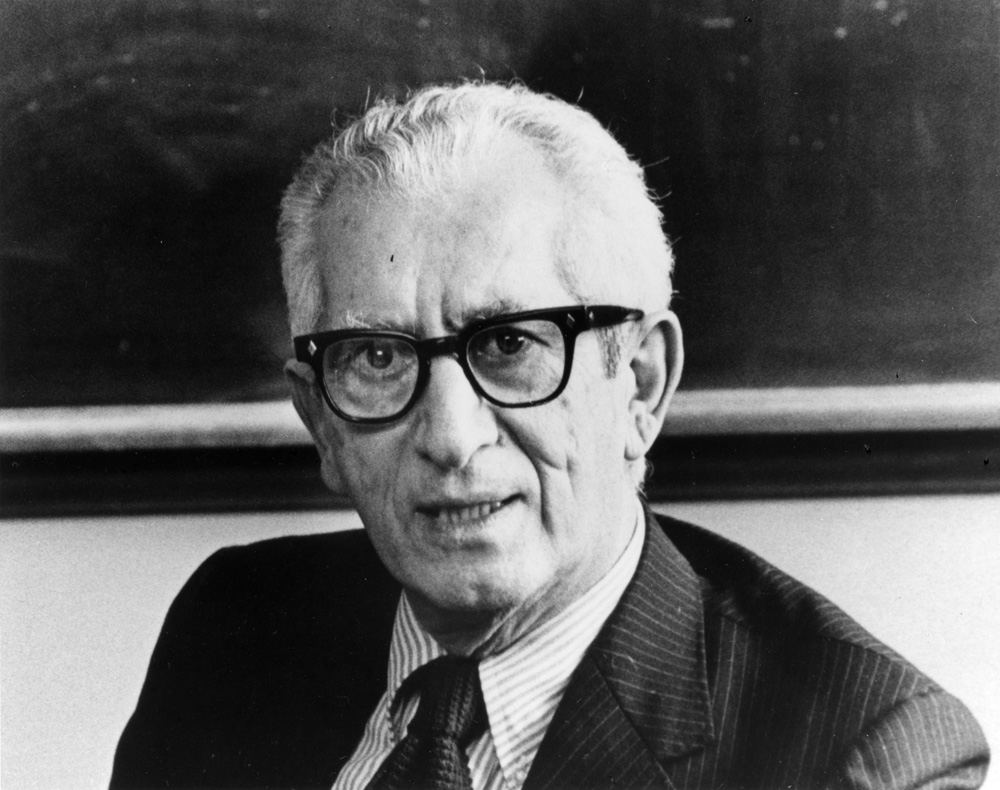
In 1984, Benjamin Bloom published a paper showing how Mastery Learning combined with 1-on-1 tutoring led to a 2-sigma improvement in learning outcomes.
98% of students were higher than the baseline.
His approach didn't just help top performers. It helped struggling students too
98% of students were higher than the baseline.
His approach didn't just help top performers. It helped struggling students too

His philosophy is now known as Bloom's Paradox: He argued that in order to reduce variation in student achievement and help every student learn better, we have to increase variation in learning time and the ways we teach.
His approach is the opposite of what we do in school.
His approach is the opposite of what we do in school.
Schools are like a conveyor belt. Every student moves at the same speed, regardless of how much they learn.
Advanced students are frustrated because they're held back. Struggling students are frustrated because they can't keep up, and their knowledge gap grows with age.
Advanced students are frustrated because they're held back. Struggling students are frustrated because they can't keep up, and their knowledge gap grows with age.
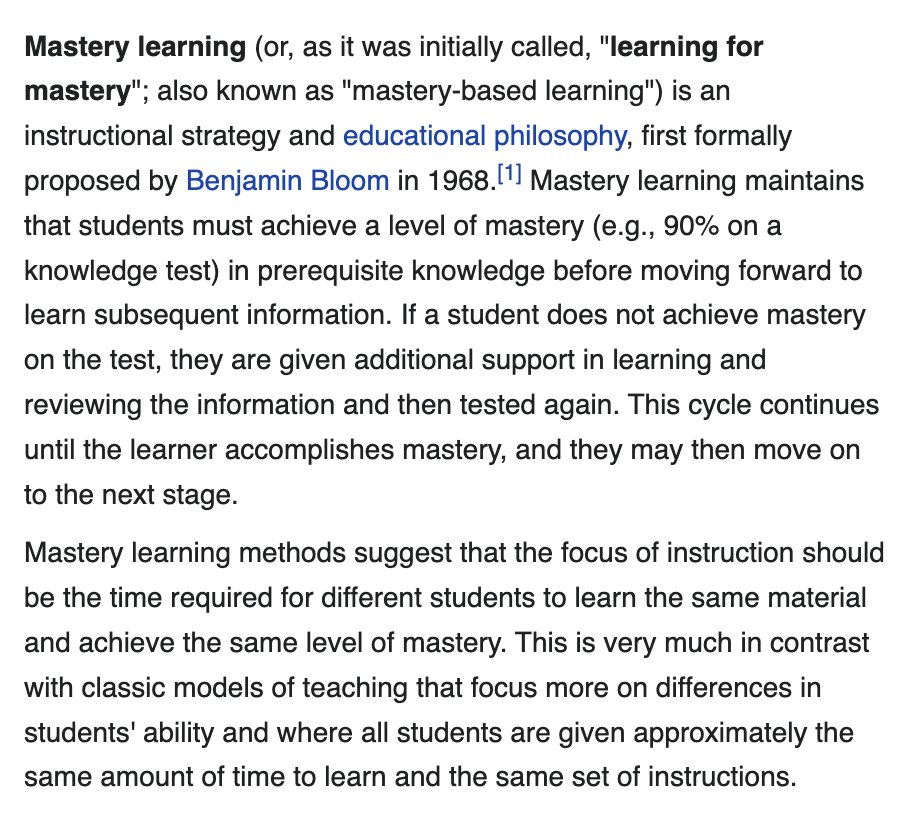
Bloom pushed for another approach: Mastery Learning.
The premise is that you should understand a subject before moving onto the next one. Once you demonstrate competence, you can advance.
Video games already do this. Kids love the challenge. Why can't education be the same?
The premise is that you should understand a subject before moving onto the next one. Once you demonstrate competence, you can advance.
Video games already do this. Kids love the challenge. Why can't education be the same?
Mastery Learning is the opposite of standard education.
In traditional schools, the amount of time people spend learning is fixed. The variable is how much they learn. With mastery learning, the amount people learn is fixed. The variable is how much time they spend learning it.
In traditional schools, the amount of time people spend learning is fixed. The variable is how much they learn. With mastery learning, the amount people learn is fixed. The variable is how much time they spend learning it.
Mastery Learning isn't enough. For optimal results, you need 1-on-1 tutoring as well.
Tutors personalize instruction. When a student gets stuck, tutors can instantly help. When they're wrong about something, a tutor can correct them.
The problem with tutoring is the cost.
Tutors personalize instruction. When a student gets stuck, tutors can instantly help. When they're wrong about something, a tutor can correct them.
The problem with tutoring is the cost.
People today see 1-on-1 tutoring as a chore for stupid kids who can't keep up.
It wasn't always that way though. Many of history's geniuses were effectively raised by tutors. Aristotle and Alexander the Great were both tutored. So was Descartes, Feynman, and John Stuart Mill.
It wasn't always that way though. Many of history's geniuses were effectively raised by tutors. Aristotle and Alexander the Great were both tutored. So was Descartes, Feynman, and John Stuart Mill.

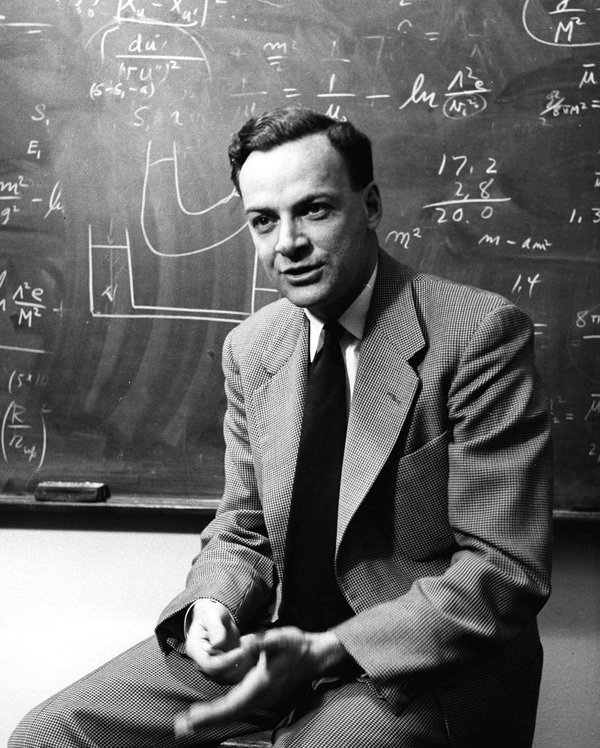
The Nobel Prize winning scientist Richard Feynman believed that learning happened best when there was a direct relationship between a student and a good teacher.
He didn't think lecture-based learning or assigning problem sets without guidance was very effective.
He didn't think lecture-based learning or assigning problem sets without guidance was very effective.

This brings us to "Bloom's Two-Sigma Problem."
After seeing the success of Mastery Learning, combined with 1-on-1 tutoring, Bloom challenged the educational establishment to replicate the effects — in scalable and cost effective ways.
Decades later, we haven't found a solution.
After seeing the success of Mastery Learning, combined with 1-on-1 tutoring, Bloom challenged the educational establishment to replicate the effects — in scalable and cost effective ways.
Decades later, we haven't found a solution.
If you're interested in solving Bloom's Two-Sigma Problem, here are some places to look:
1) Education apps: They can easily integrate the principles of Mastery Learning, but will they be able to provide the kind of personalized instruction that makes tutors so effective?
1) Education apps: They can easily integrate the principles of Mastery Learning, but will they be able to provide the kind of personalized instruction that makes tutors so effective?
2) GPT: Are quality questions the key to effective tutoring?
AI-powered writing can create a personalized tutor for each student. When you're stuck, the computer will ask you a question. Over time, the software program will get to know you too.
AI-powered writing can create a personalized tutor for each student. When you're stuck, the computer will ask you a question. Over time, the software program will get to know you too.
3) Turning teachers into coaches.
There may be diminishing returns to tutoring. Students don't need somebody to help them every second. They just need come when they're stuck. If kids learn via apps, teachers will have the time and attention to act more like tutors or coaches.
There may be diminishing returns to tutoring. Students don't need somebody to help them every second. They just need come when they're stuck. If kids learn via apps, teachers will have the time and attention to act more like tutors or coaches.
In a world where people are down on the education system, Bloom's work proves we can build something better.
We need fewer lectures. Student advancement should be based on competence instead of time spent in school. With software, we can also personalize the learning experience.
We need fewer lectures. Student advancement should be based on competence instead of time spent in school. With software, we can also personalize the learning experience.
Loading suggestions...