
Emperor Basil II is best known for being a conqueror & disciplinarian.
However, Psellos gives us a window into Basil’s personality, certainly informed by those who knew Basil personally.
His description of Basil rounds out the character of this ever-bellicose Byzantine.
However, Psellos gives us a window into Basil’s personality, certainly informed by those who knew Basil personally.
His description of Basil rounds out the character of this ever-bellicose Byzantine.
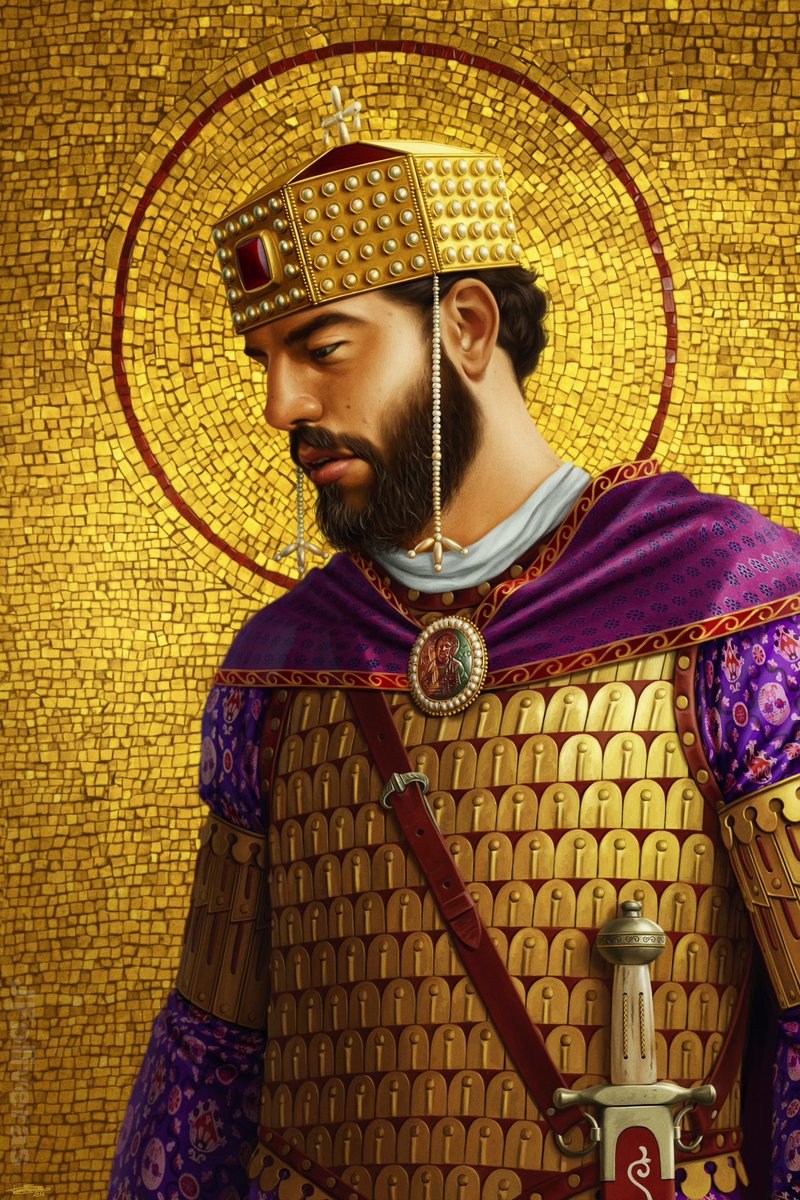
Psellos remarks that Basil dictated his decrees to scribes & eschewed all elegance of speech in favor of brevity & clarity, universal values of military command. Basil also took after his adoptive father Nikephoros Phokas, regarding jewels & silk with disinterest.
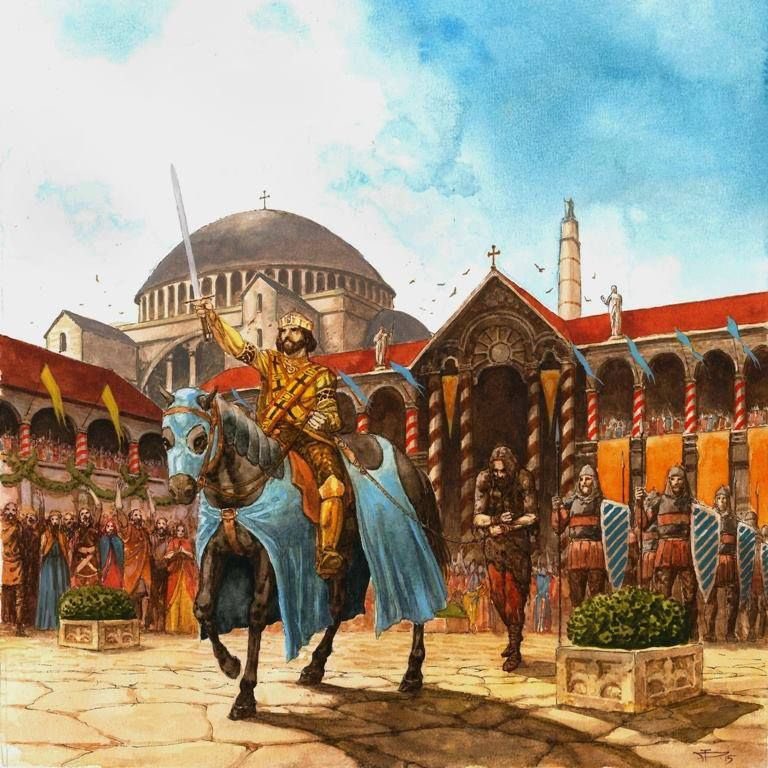
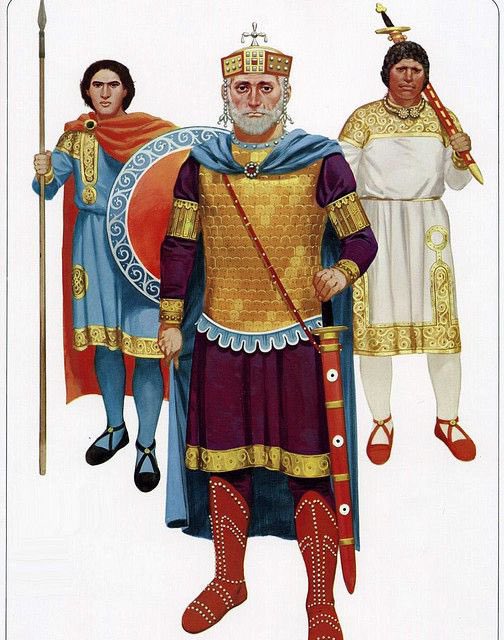
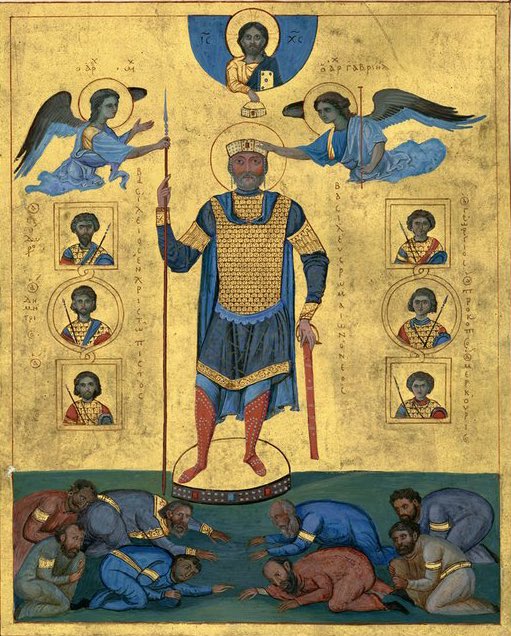
Psellos records that Basil’s station as the most powerful man in Christendom was communicated only by a simple, dull purple robe marked with a few jewels.
It is also written that Basil endured all the hardships of campaigning alongside his men. Psellos characterized the Basileus as “hard as steel,” a master of self-control.
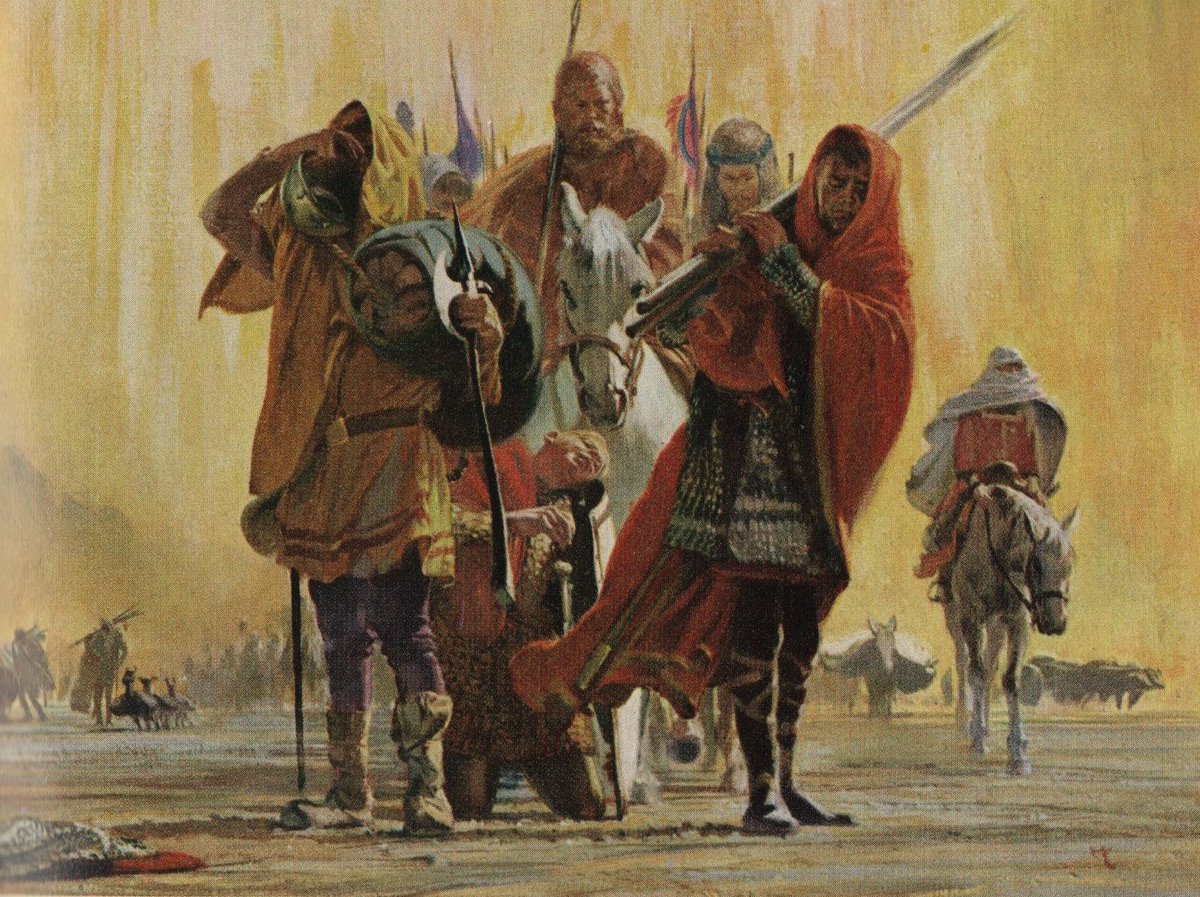
He was also an expert in warfare, knowing by close study of the military manuals & personal experience the best course of action. Under Basil’s close tutelage, some would say micromanagement, an entire generation of Byzantine nobles & warriors came of age.
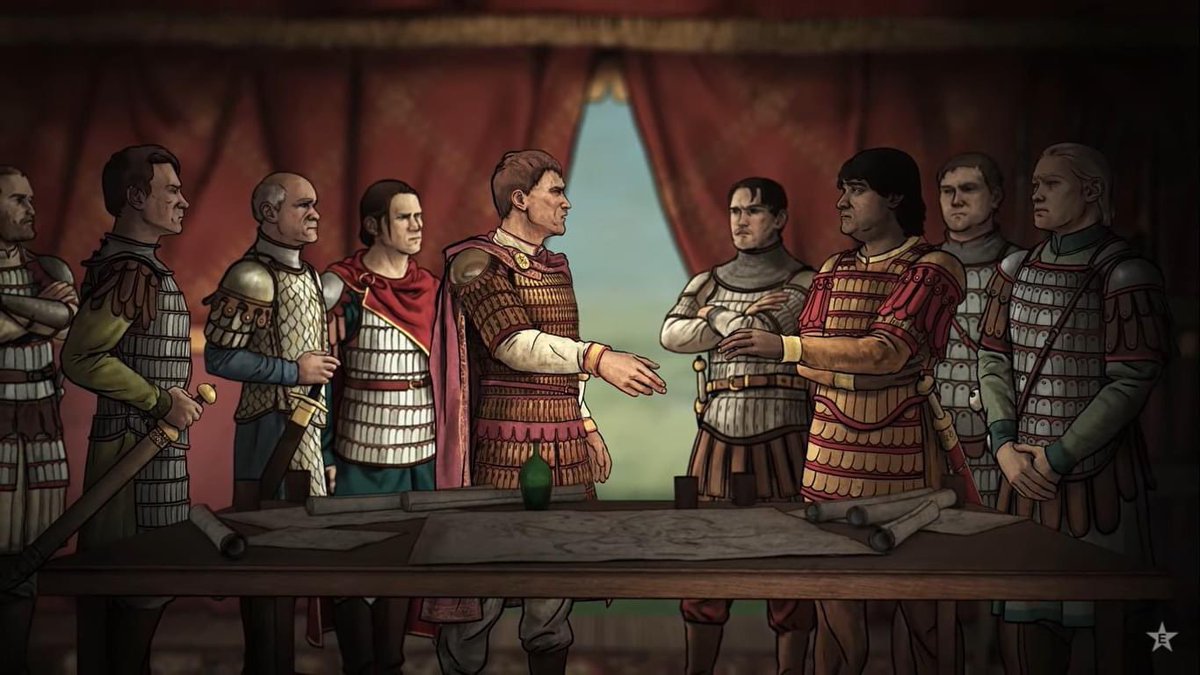
Basil is said to have never lost his cool on campaign, but disobedient subordinates could not escape his wrath upon return. He was stubborn & slow to make decisions, but once a choice was made he stuck to it.
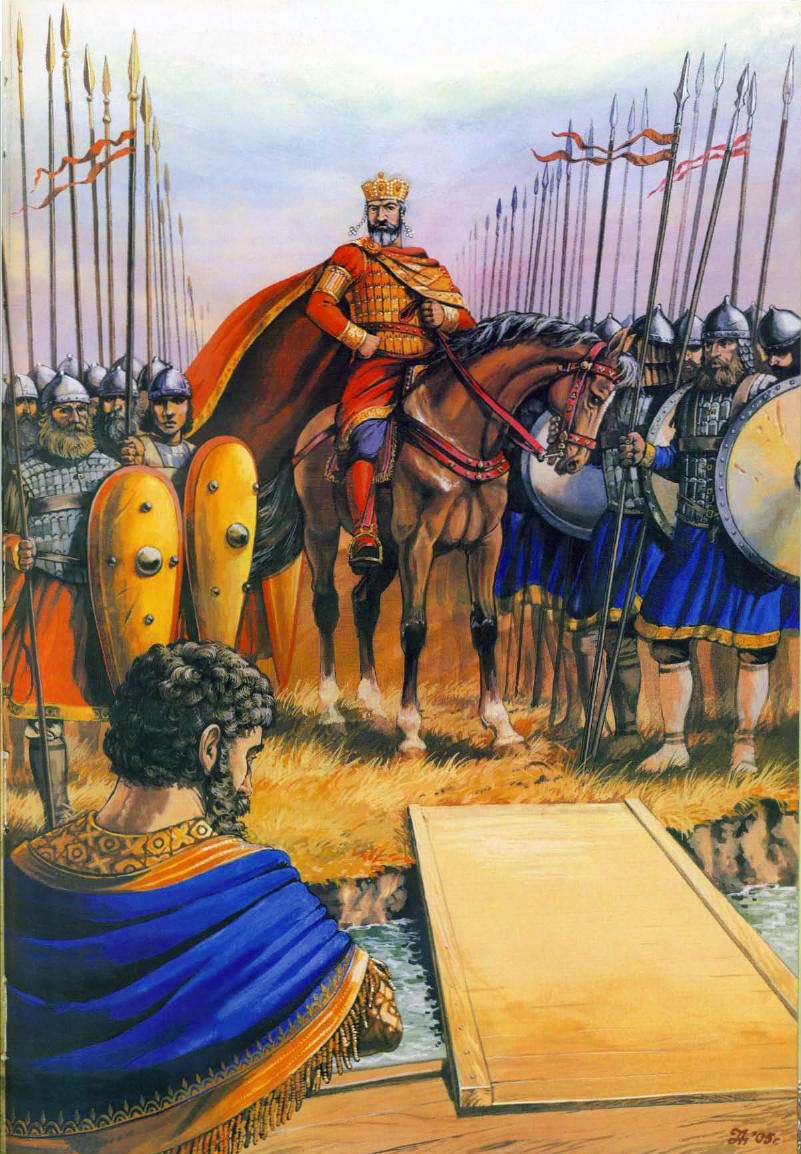
This applied to people as well. There was no better friend than Basil, no more terrible of an enemy.
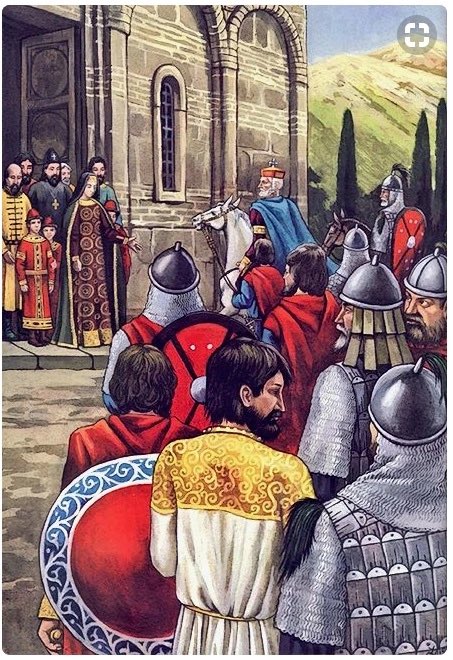
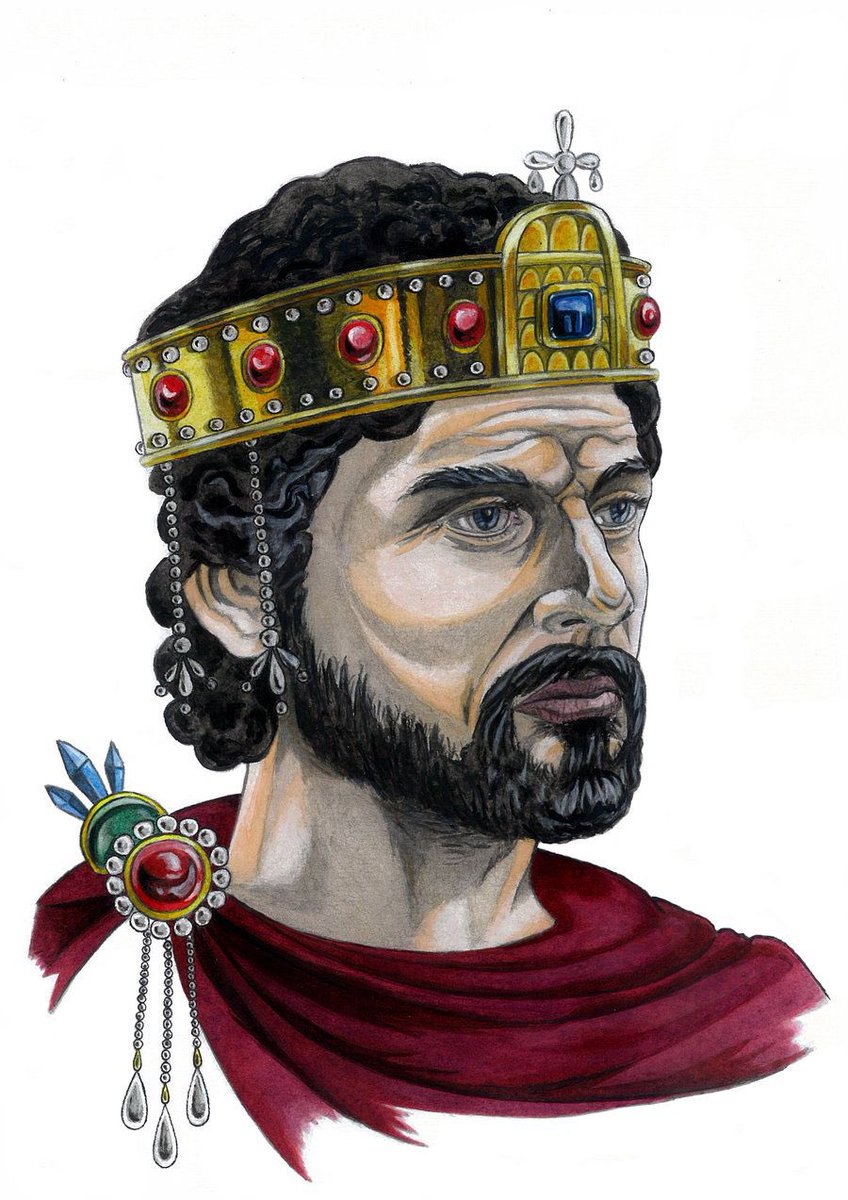
Psellos record than Basil was a shorter man with light blue eyes, well-formed and handsome, but not kingly unless on horseback. Basil was an excellent horseman. He had a full beard & in old age would twirl his long whiskers when angry or deep in thought.
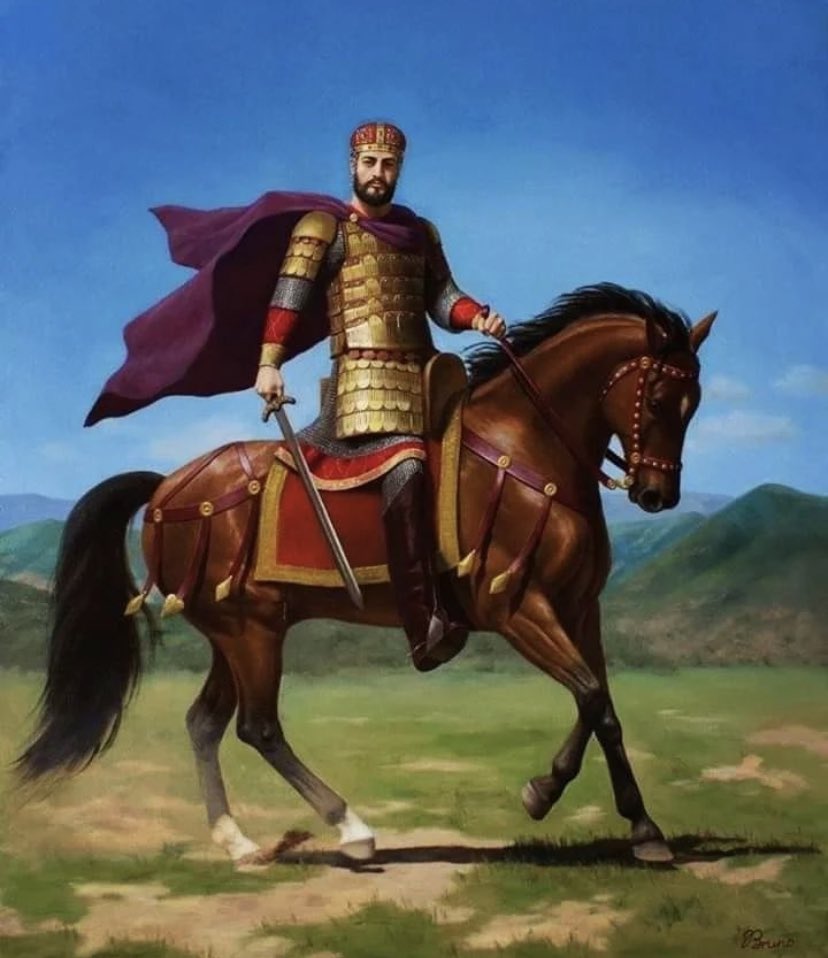
Basil would also speak with his hands on his hips & talk like a peasant to the disdain of the aloof Psellos. He had a loud laugh which would convulse his whole body.
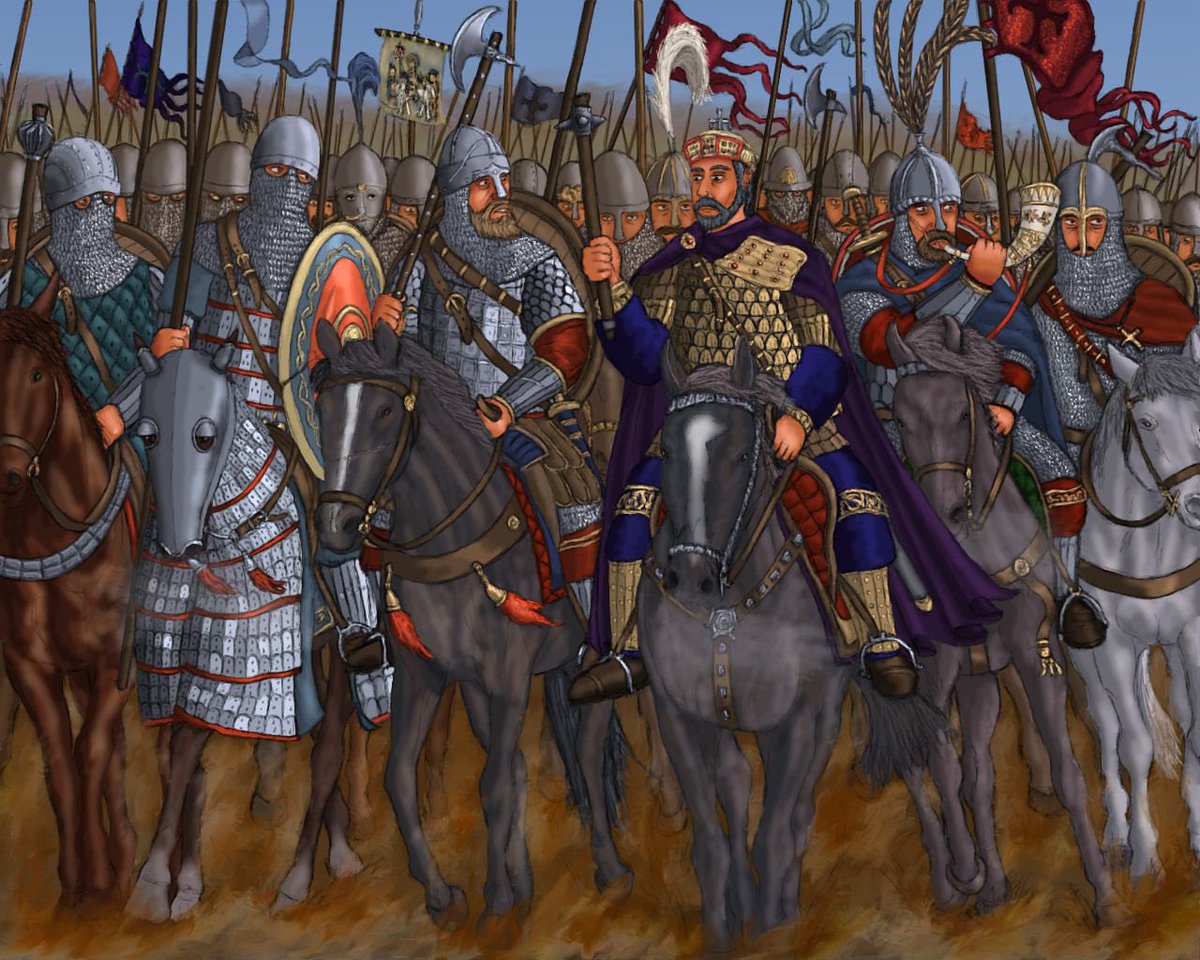
A characteristic anecdote is recorded by Psellos; Basil’s micromanagement of the army often frustrated his troops & Basil made careful & lengthy inspections before battle.
When one of his men complained of these inspections Basil replied with a smile that if he didn’t inspect the men their battles would go on forever. This fatherly familiarity endeared Basil to his men & the young nobles who served under him.
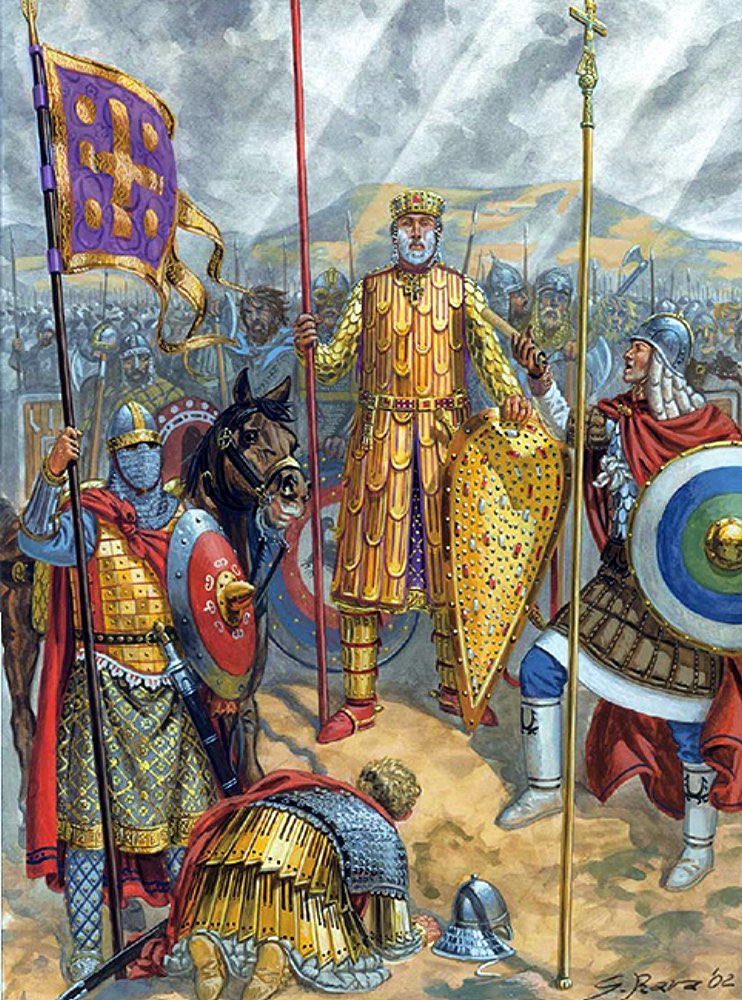
As future emperors fritted the Empire away & engaged in wreckless spending & court politics many yearned for the golden days of Basil’s rule. Basil himself aptly summed up his reign with an inscription on his tomb, watching over the army’s mustering grounds outside Constantinople
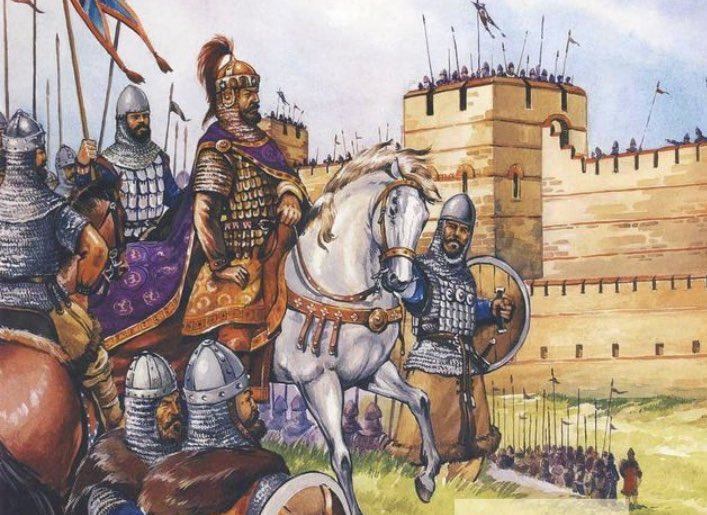
“From the day that the King of Heaven called upon me to become the Emperor, the great overlord of the world, no one saw my spear lie idle. I stayed alert throughout my life and protected the children of the New Rome…
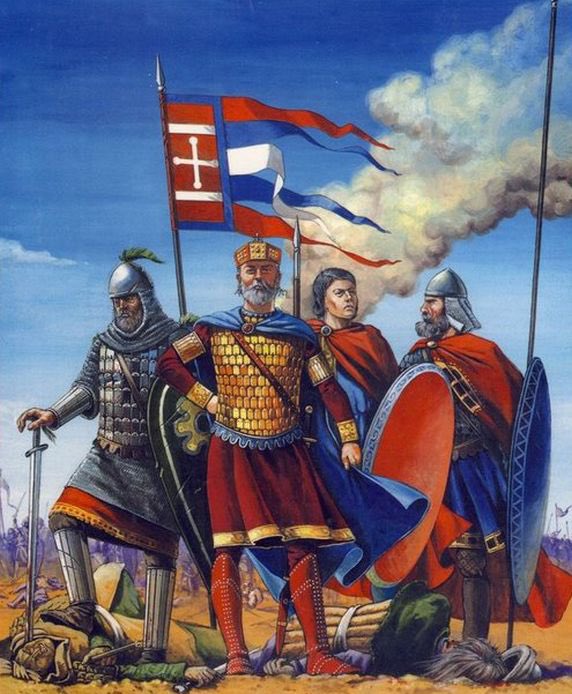
valiantly campaigning both in the West and at the outposts of the East ... O, man, seeing now my tomb here, reward me for my campaigns with your prayers.”
Loading suggestions...