
District names of #Karnataka. An #etymology thread.
1. #Bagalkote: From Kannada words BAGILU and KOTE, meaning ‘entrance’ and ‘fort’ respectively. Said to be so named because of two huge entrance doors (BAGILU) to the town. On the other side of the old town was a fort (KOTE).
1. #Bagalkote: From Kannada words BAGILU and KOTE, meaning ‘entrance’ and ‘fort’ respectively. Said to be so named because of two huge entrance doors (BAGILU) to the town. On the other side of the old town was a fort (KOTE).

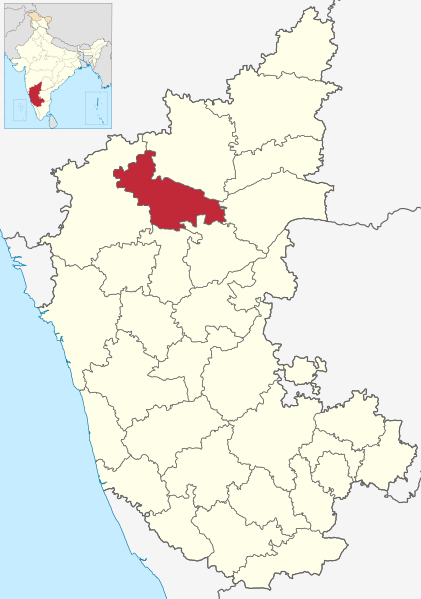
The big entrance to Bagalkote is known as Shirur Agasi. Agasi is Kannada for entrance/entry point (to a living place). Due to the possible submergence of Shirur Agasi in the old town, the landmark (in the above pic) was relocated and reconstructed.

2. #Ballari: According to a legend, when some travelling devout merchants halting here couldn’t find a Shiva Linga for worship, they used a grain-measuring vessel as a Shiva Linga. Eventually, the place was transformed into a temple dedicated to Balleshwara (Lord Shiva).
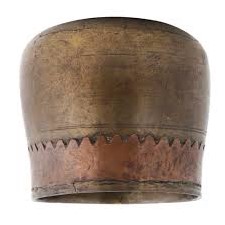
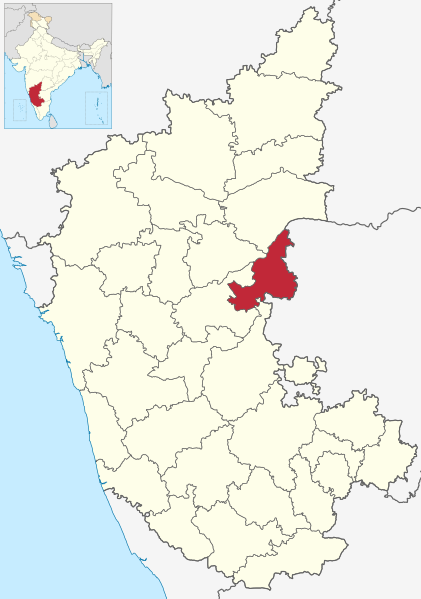
Over the years, Balleshwara became Malleshwara. Kote Malleshwara Temple, a temple dedicated to Lord Shiva, can be seen in the fort area of Ballari town.
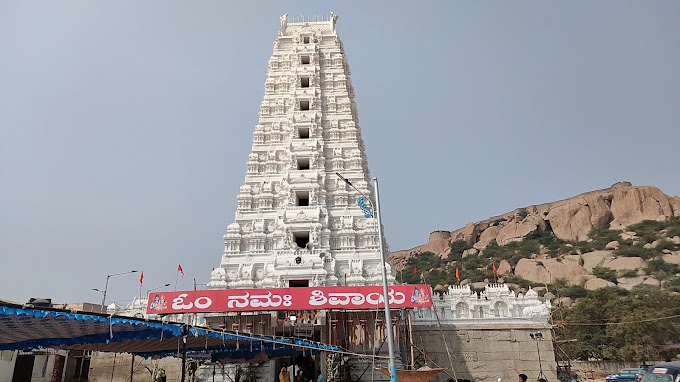
According to another version, a Shiva bhakt by the name Ballesha Mallayya would have food only after worshiping the Linga, and longed to see the Lord. To fulfill the desire of his devotee, Shiva revealed himself in a `Balla,’ a grain measure. Hence the name.
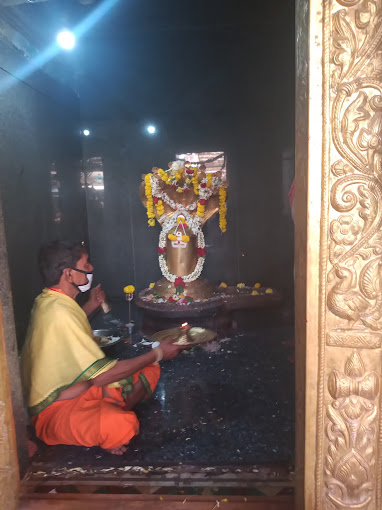
As per another theory, the word Vallari/Balari is used as a reference to a Goddess. It’s believed Goddess Durgamma had manifested herself in the town. There’s a temple dedicated to the Goddess.
According to yet another version, Ballari is said to have derived from Balla-ari, meaning Enemy of Balla – a reference to Indra. As the legend goes, once a demon named Balla lived in this area. He was slain by India.
3. #Belagavi: Historically known as Venugrama (bamboo village), the current name is said to have evolved from BELLAGE + AAVI, meaning `white mist’. This is probably a reference to the white mist enveloping the area.

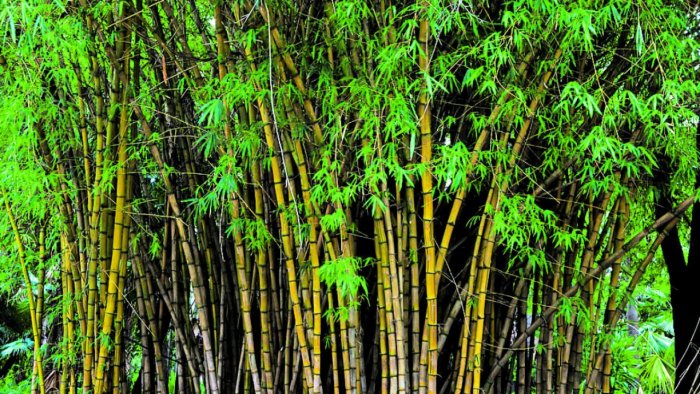
4. #Bidar: From the local word ‘bidiru,’ meaning bamboo. The area, known for its bamboo clusters in the past, came to be known as Bidaroor, Bidare, and finally Bidar.
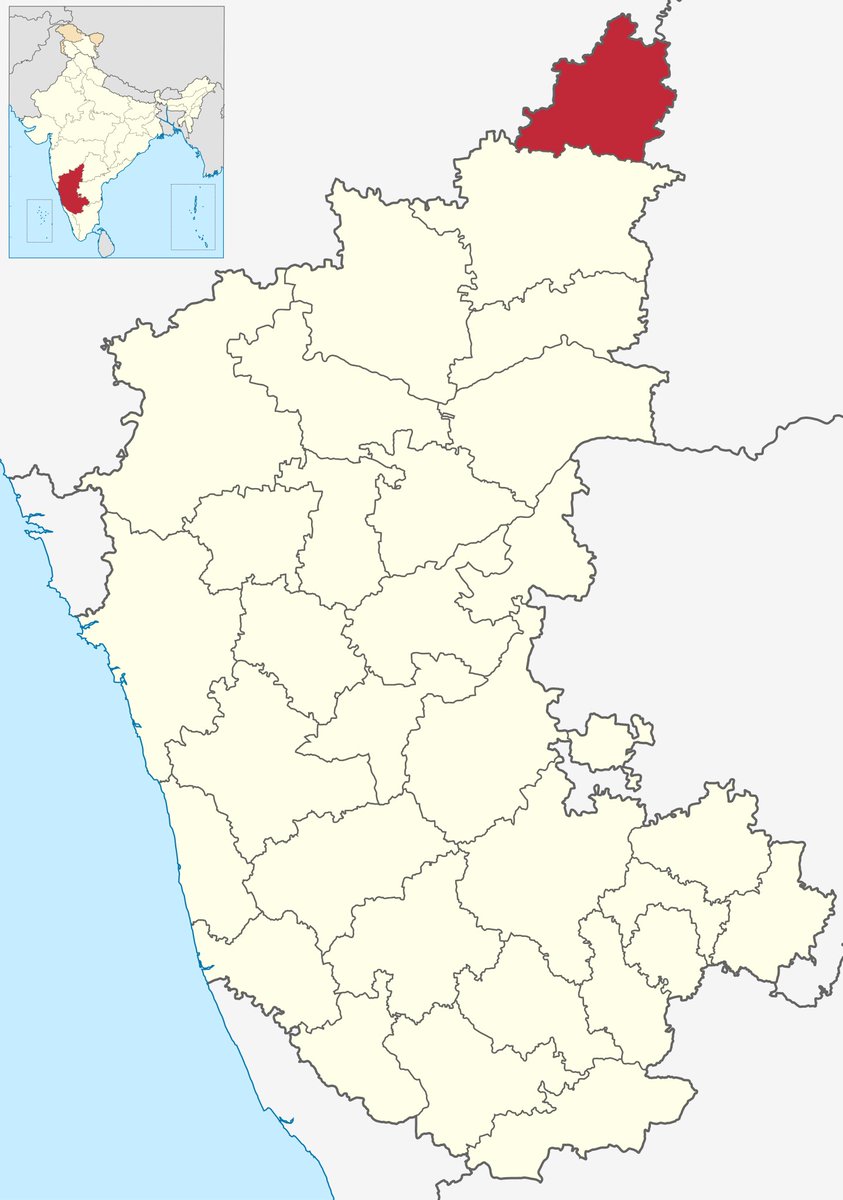
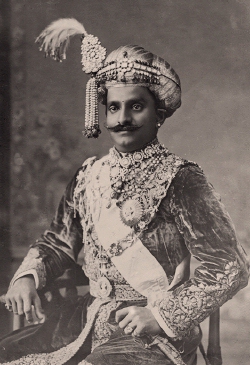
5. #Chamarajanagar: After Chamarajendra Wodeyar, the twenty-third Wodeyar king of Mysuru.
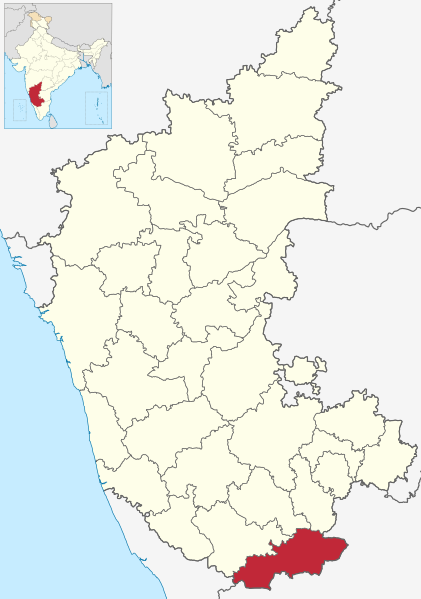
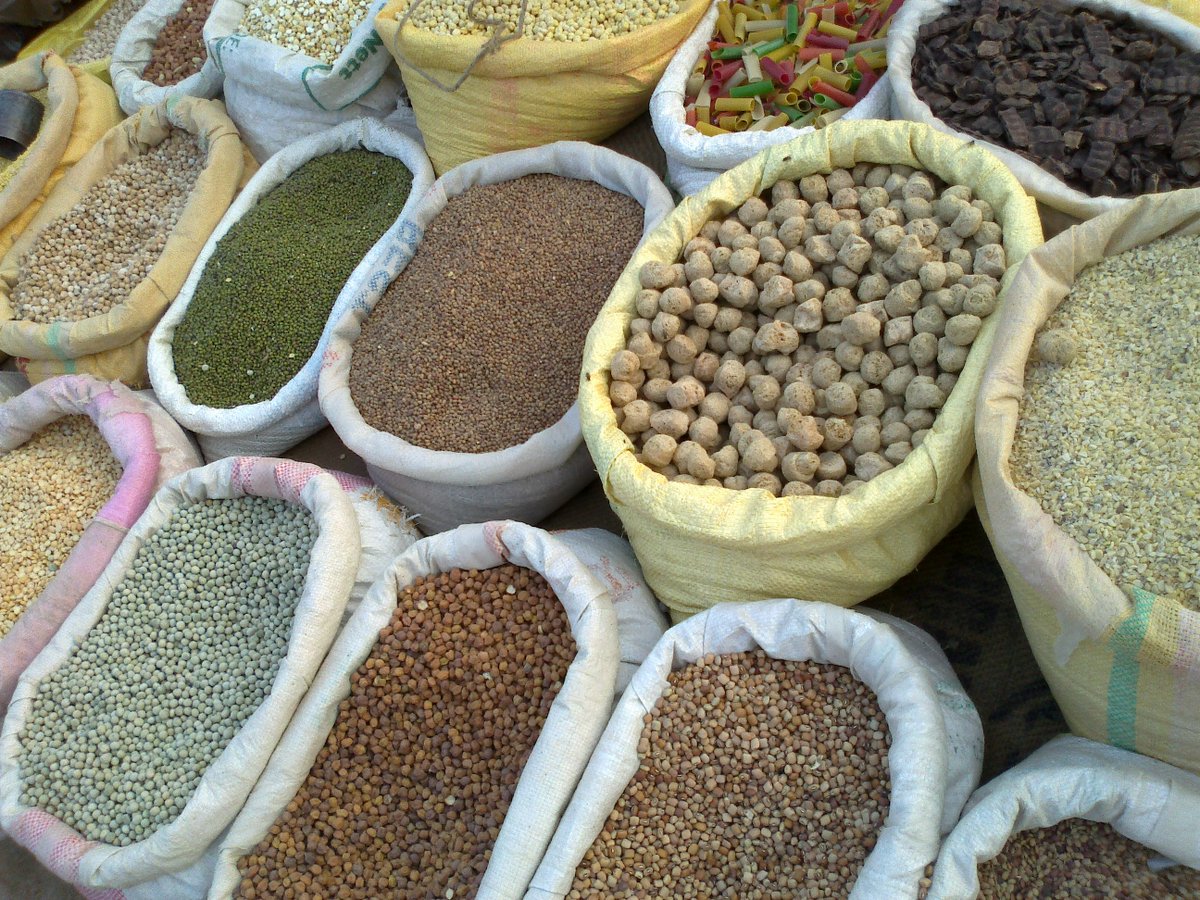
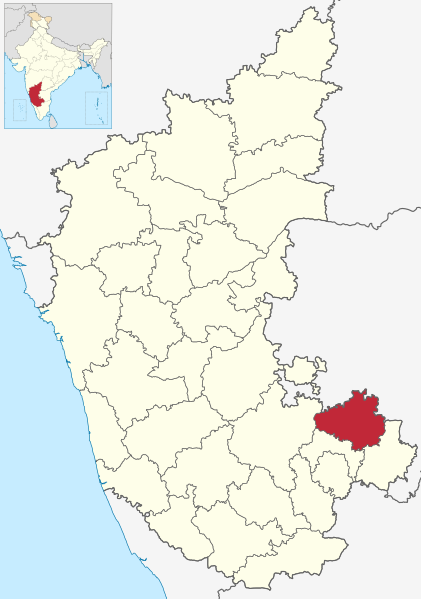
6. #Chikkaballapur: Literally `a town that uses small measures to quantify food grains,’ probably because of its agriculture-based economy.
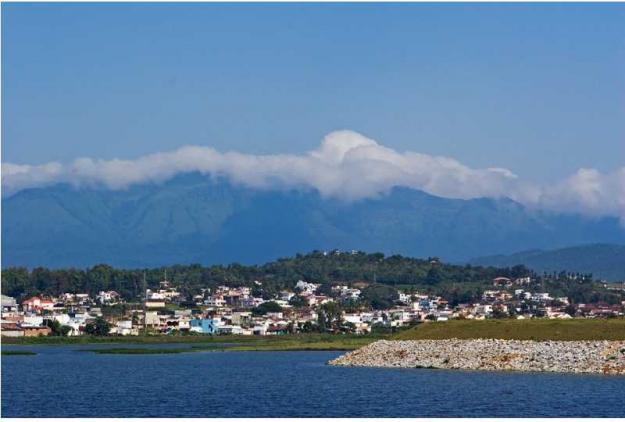
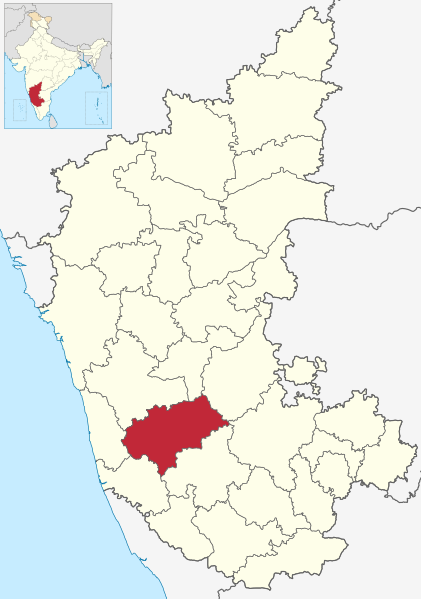
7. #Chikkamagaluru: From `Chikka + Magala + Ooru,’ meaning ‘younger daughter’s town.’ It’s said to have been given as dowry to the youngest daughter of the ruler of Sakharayapatna, Rukmangada Raya in the 12th century. #Chikmagalur
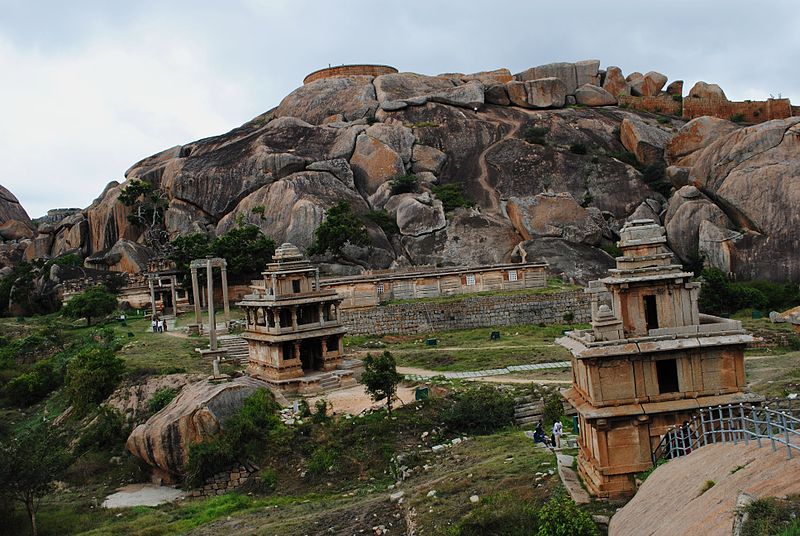
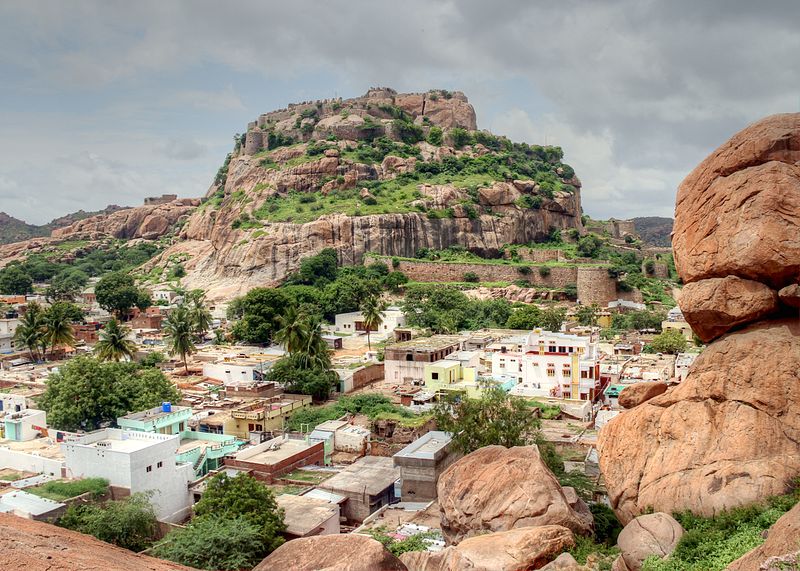
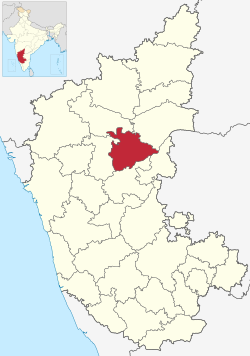
8. #Chitradurga: Derives the name from Chitrakaladurga, meaning `picturesque castle’ - a beautiful, strong fortress on a granite hill.
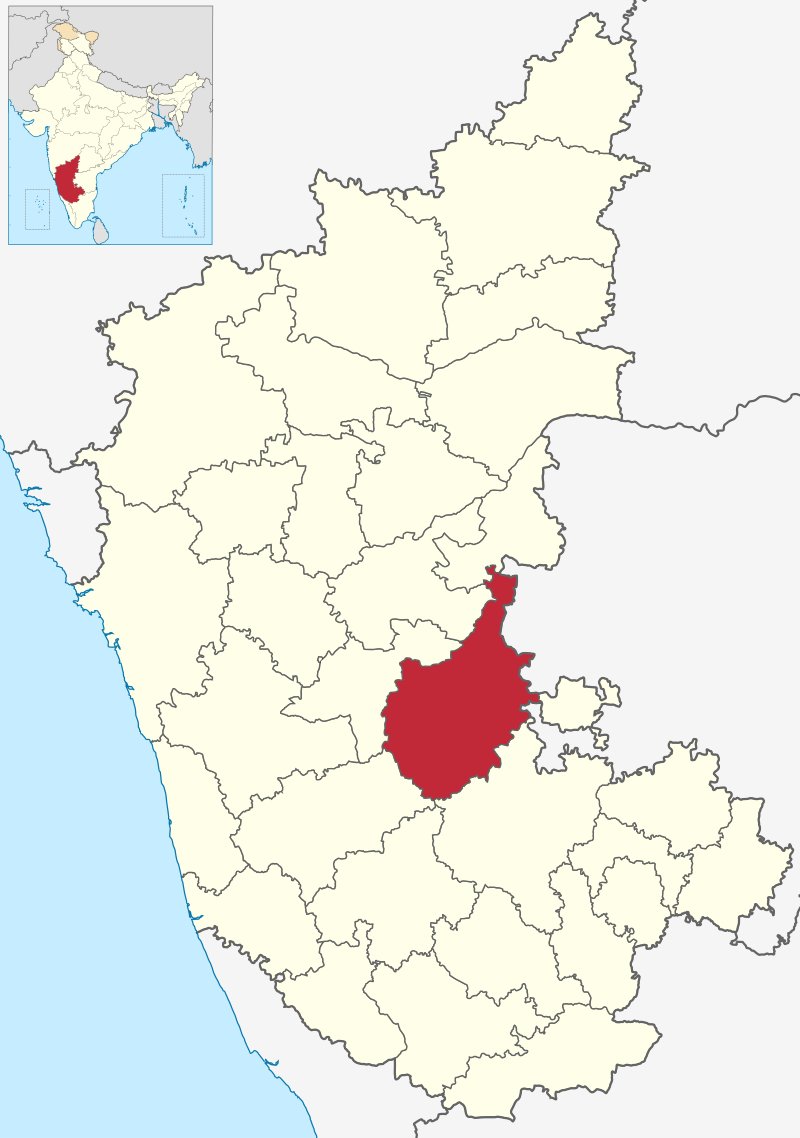
9. #DakshinaKannada: So called as it’s located on the southern coastal part of Karnataka.
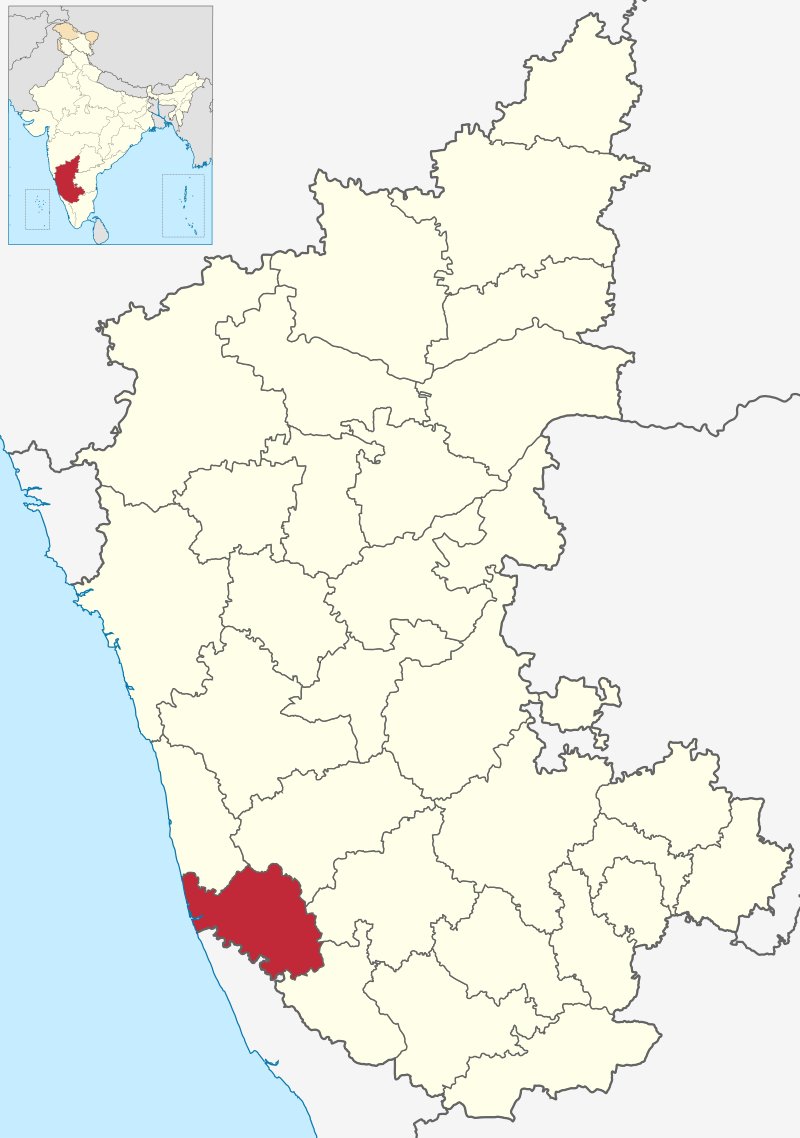
Mangaluru, the district headquarters of Dakshina Kannada, is named after Mangala Devi, the presiding deity of the Mangala Devi Temple in the city. #Mangalore
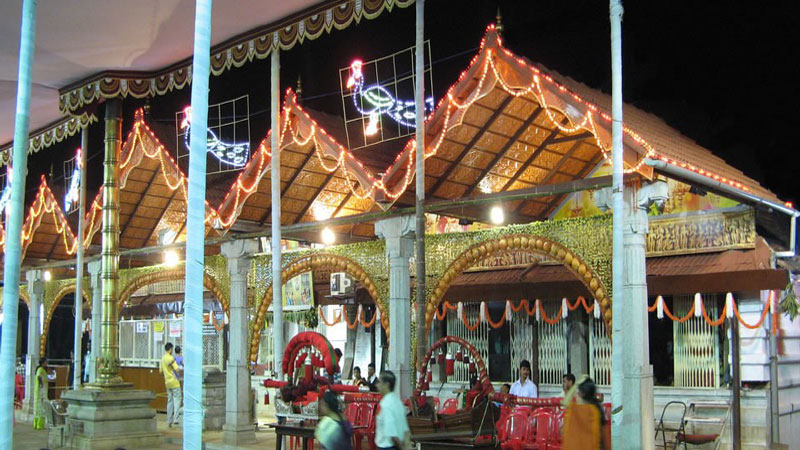
10. #Davanagere: Said to have derived from 'Danivina Kere,' meaning a `lake for the tired.’ During the Chalukyan times, it’s said that travelers used to halt here for water to overcome the fatigue from long horse rides.
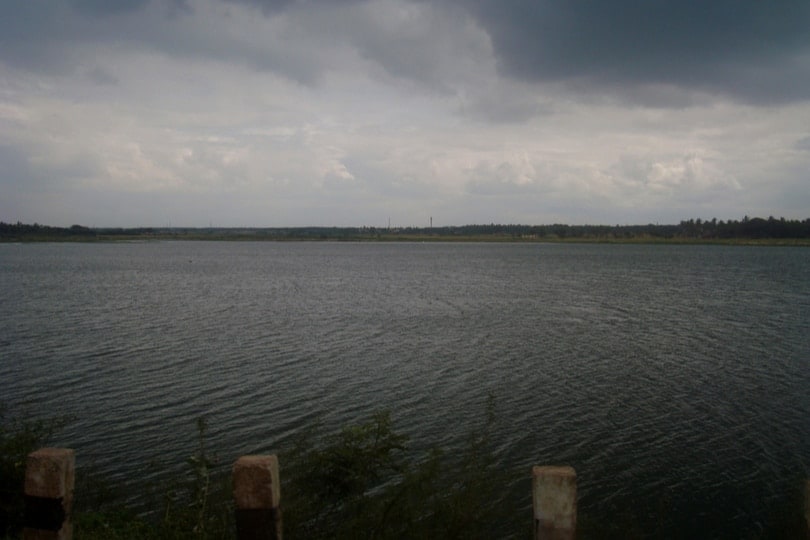
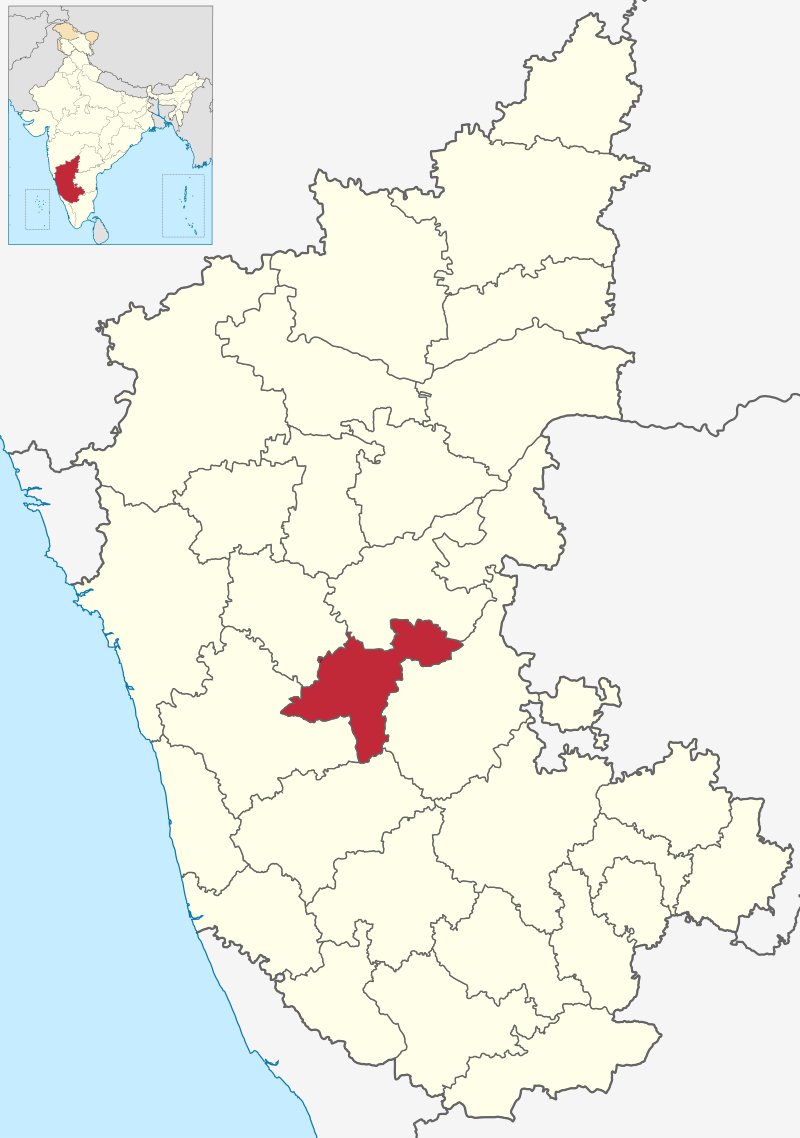
11. #Dharwad: From `dwara’ and `wada’ meaning ‘gateway town.’ So named because it used to be a resting place for travelers.
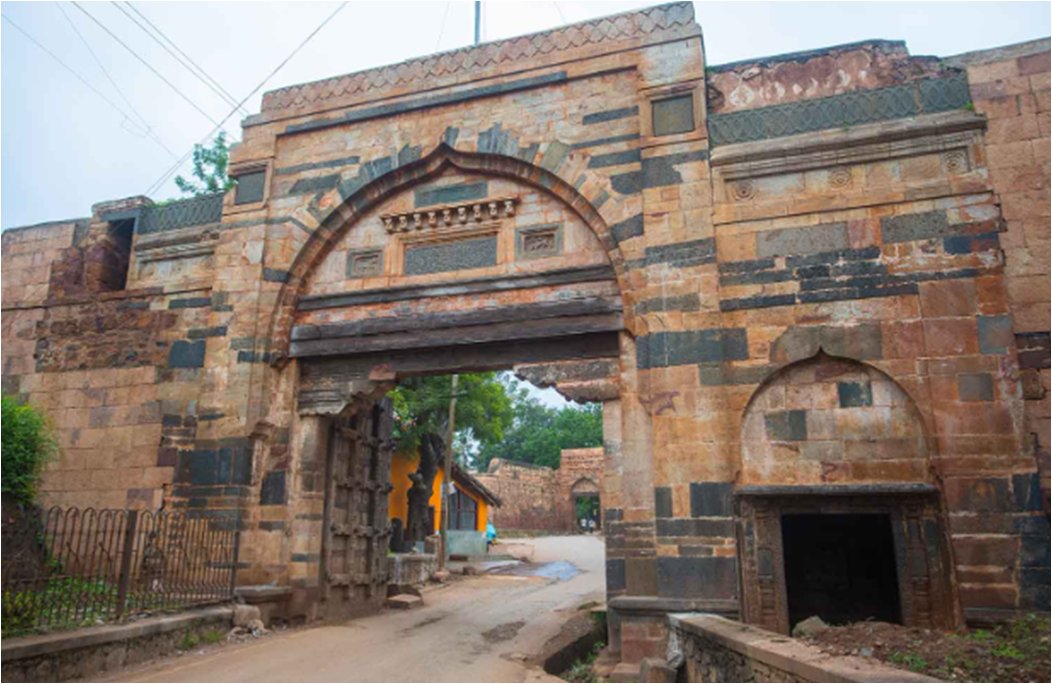
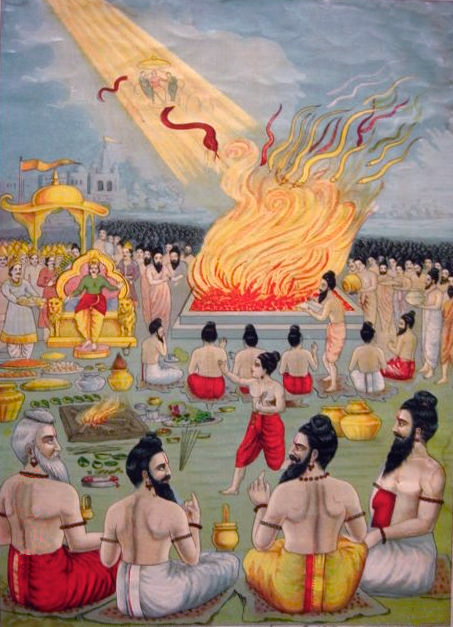
12. #Hassan: Said to have derived from ‘Simhasanapura’, which was supposed to be the chief place of Janamejaya, the son of Parikshit and a great grandson of the Pandava brother, Arjuna.
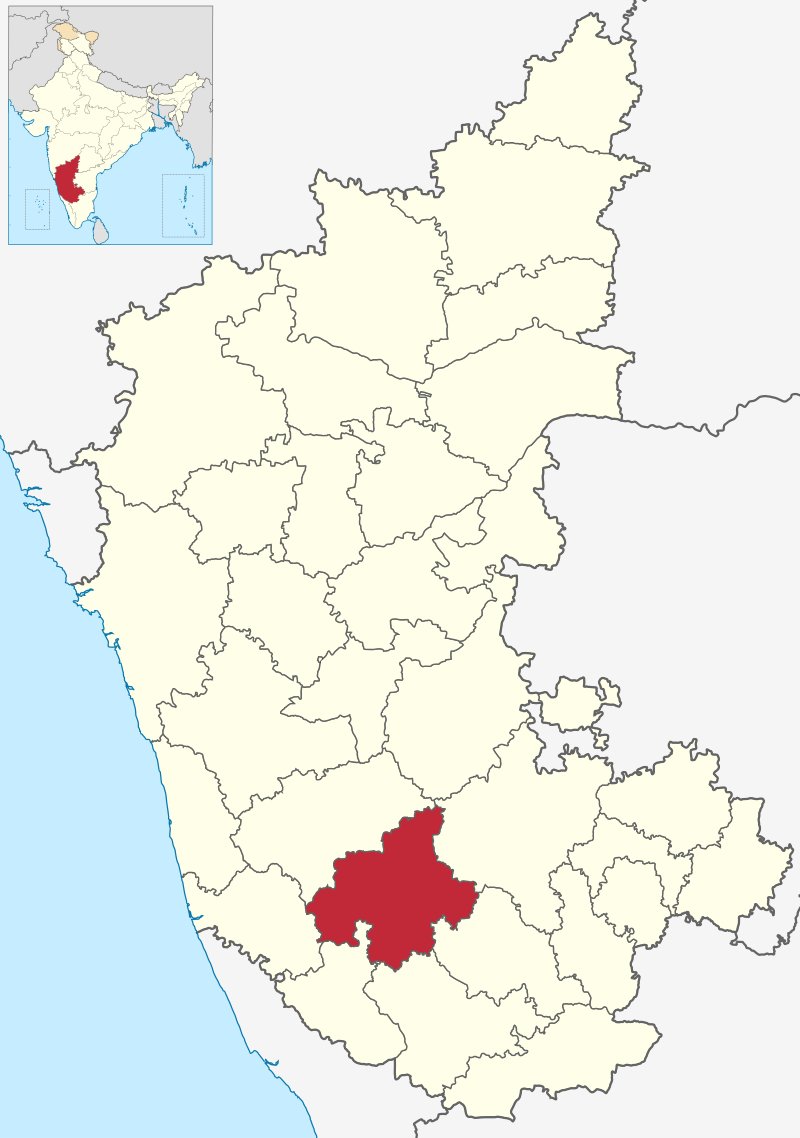
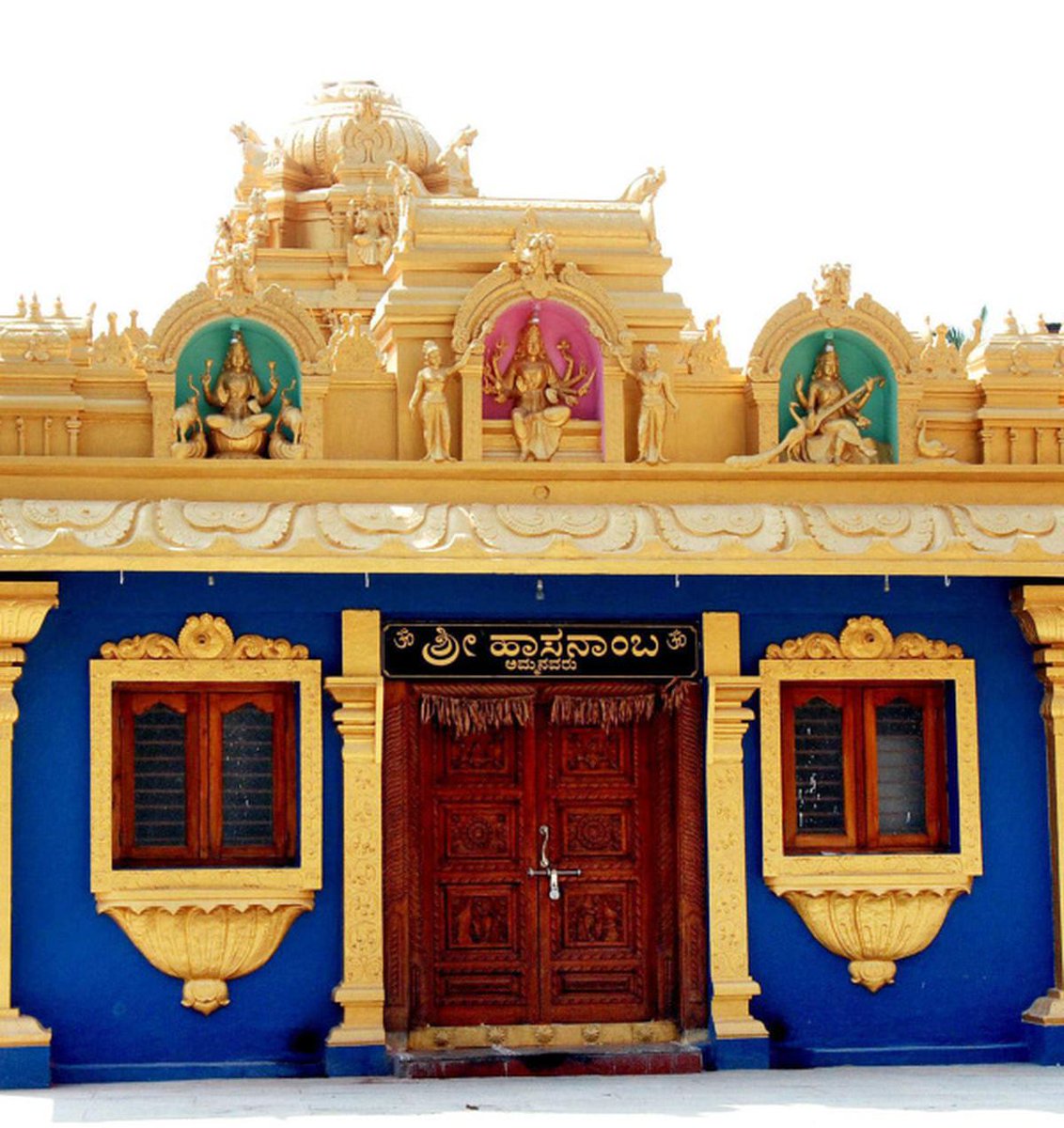
However, according to a popular belief, Hassan is named after Goddess Hasanamba/Hasanamma, the presiding deity of the local Hasanamba temple. She is considered to be ever-smiling, bestowing riches on devotees.
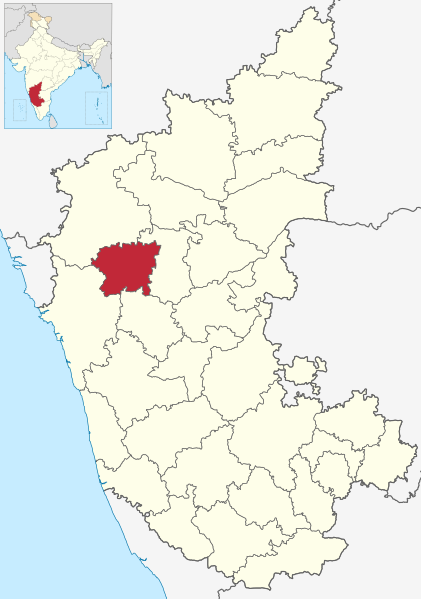
13. #Haveri: From two Kannada words HAVU and KERI, meaning a `snake’ and ‘lake’. The place probably had many venomous reptiles in the past. Or, the name is probably a reference to Siddheshwara Temple, which has sculptures of Naga-Nagini (the male and female snake goddess).

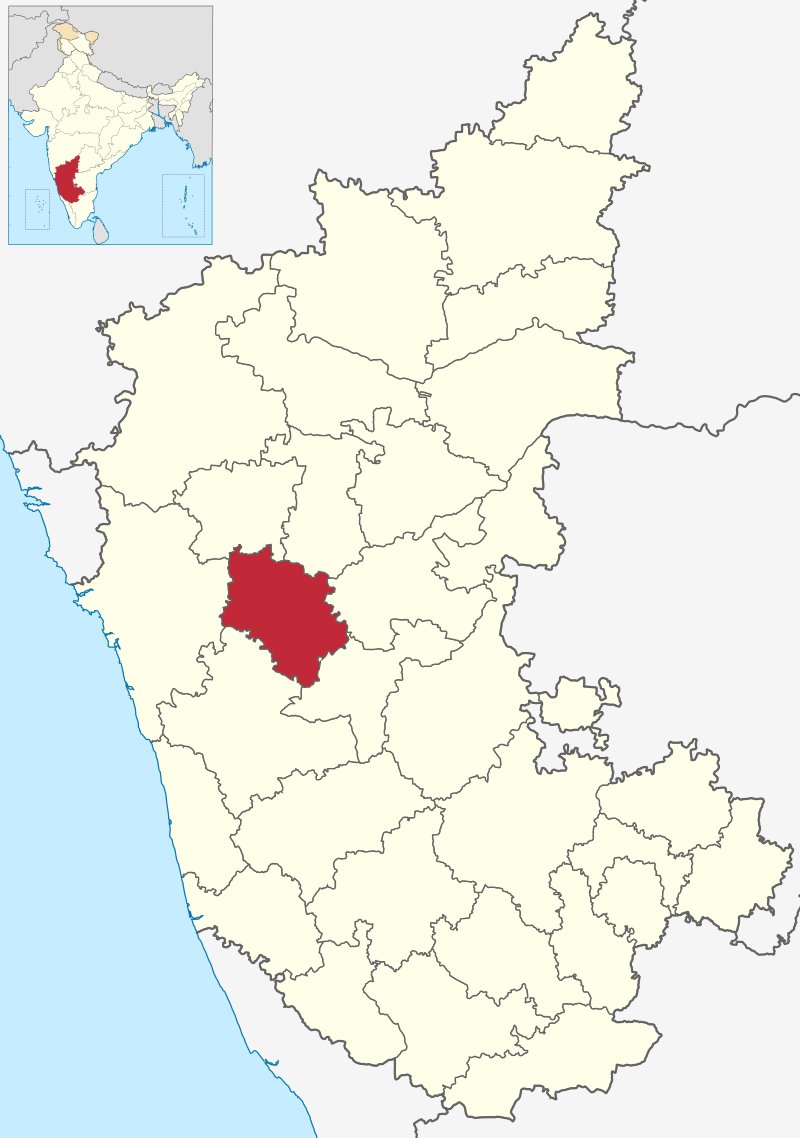
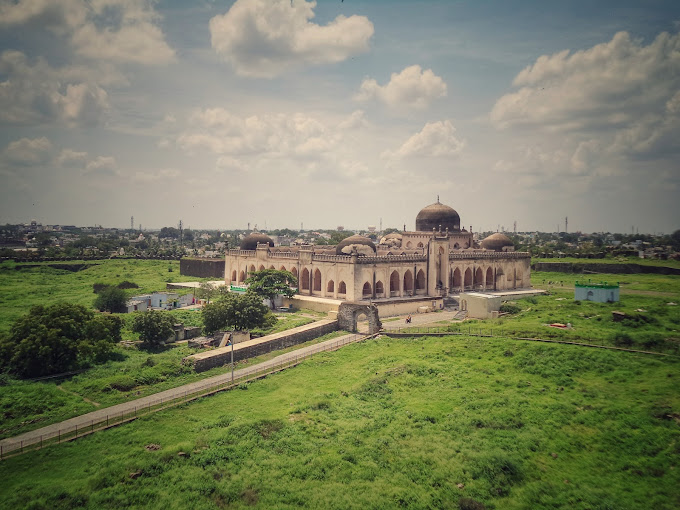
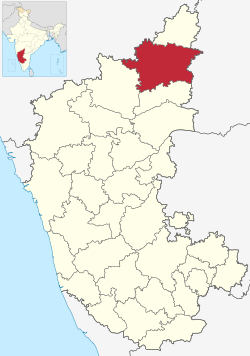
14. #Kalaburigi: Literally means a ‘place of stones’ going by a 12th century inscription. It’s popularly and previously known as #Gulbarga, which means a ‘garden of flowers’ - a reference to the fort built to resemble a rose garden.
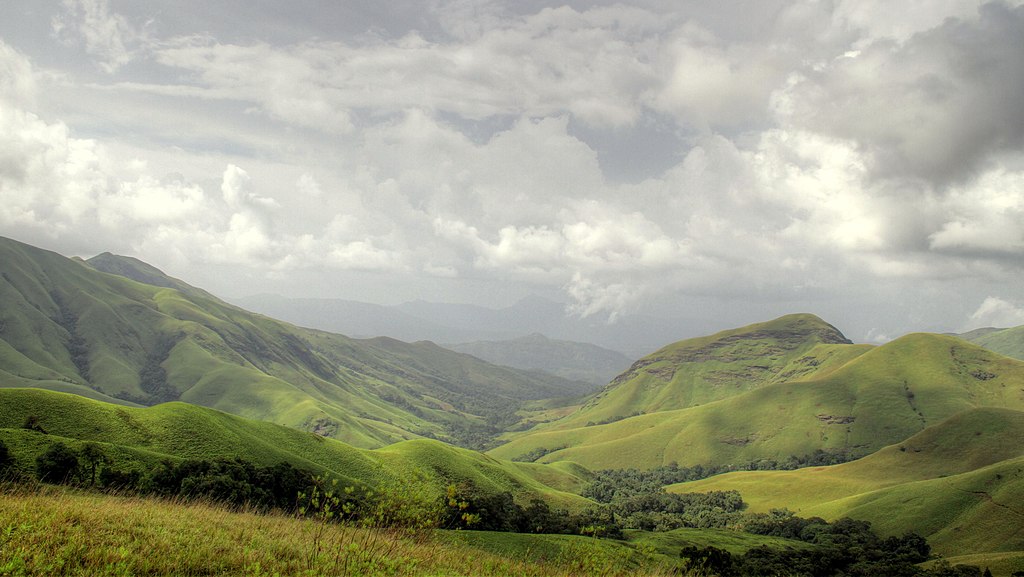
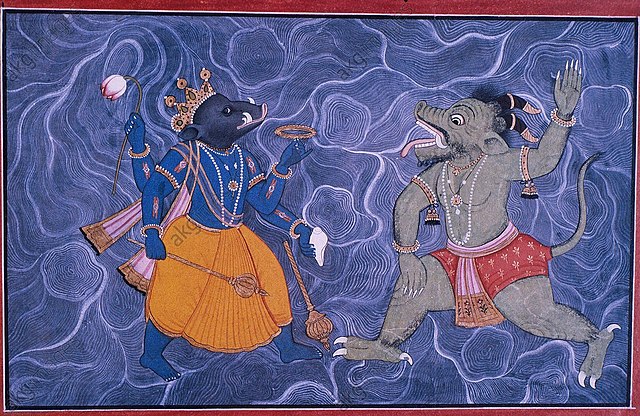
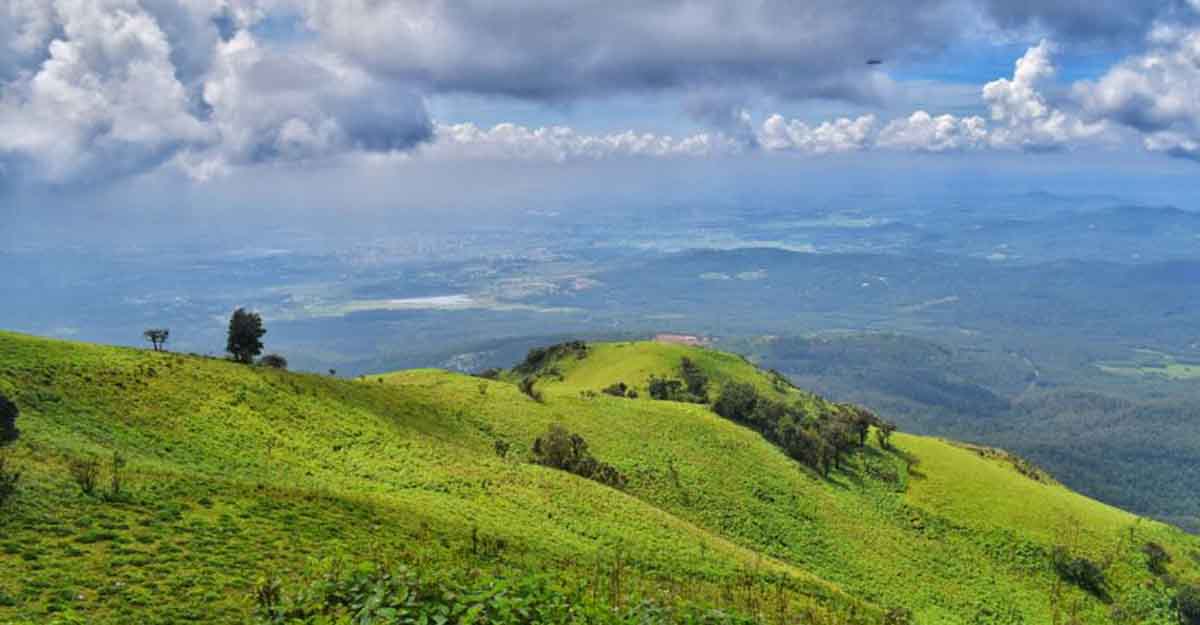
15. #Kodagu: Popular by its anglicized name Coorg, Kodagu is said to be a corrupt form of Krosha-desa, meaning `the land of anger’. As the legend goes, after killing Hiranyaksha in Varaha avatar, Lord Vishnu tore out the fangs and threw them in Kodagu, giving the name Kroda-desa
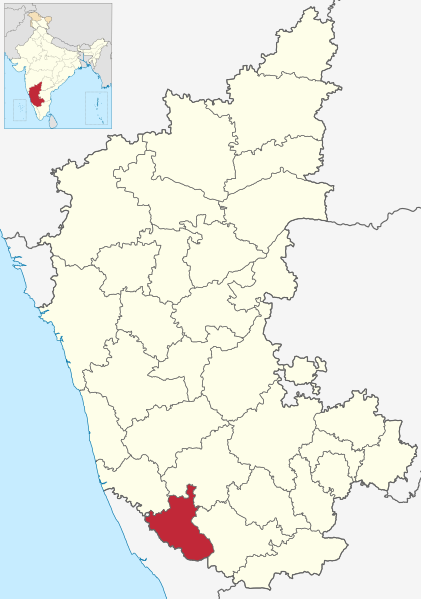
According to another version, Kodagu gets its name from Kodava, meaning `blessed by the mother’ – a reference to Kodavas’ (the original inhabitants) long-standing association with the life-giving river Kaveri.
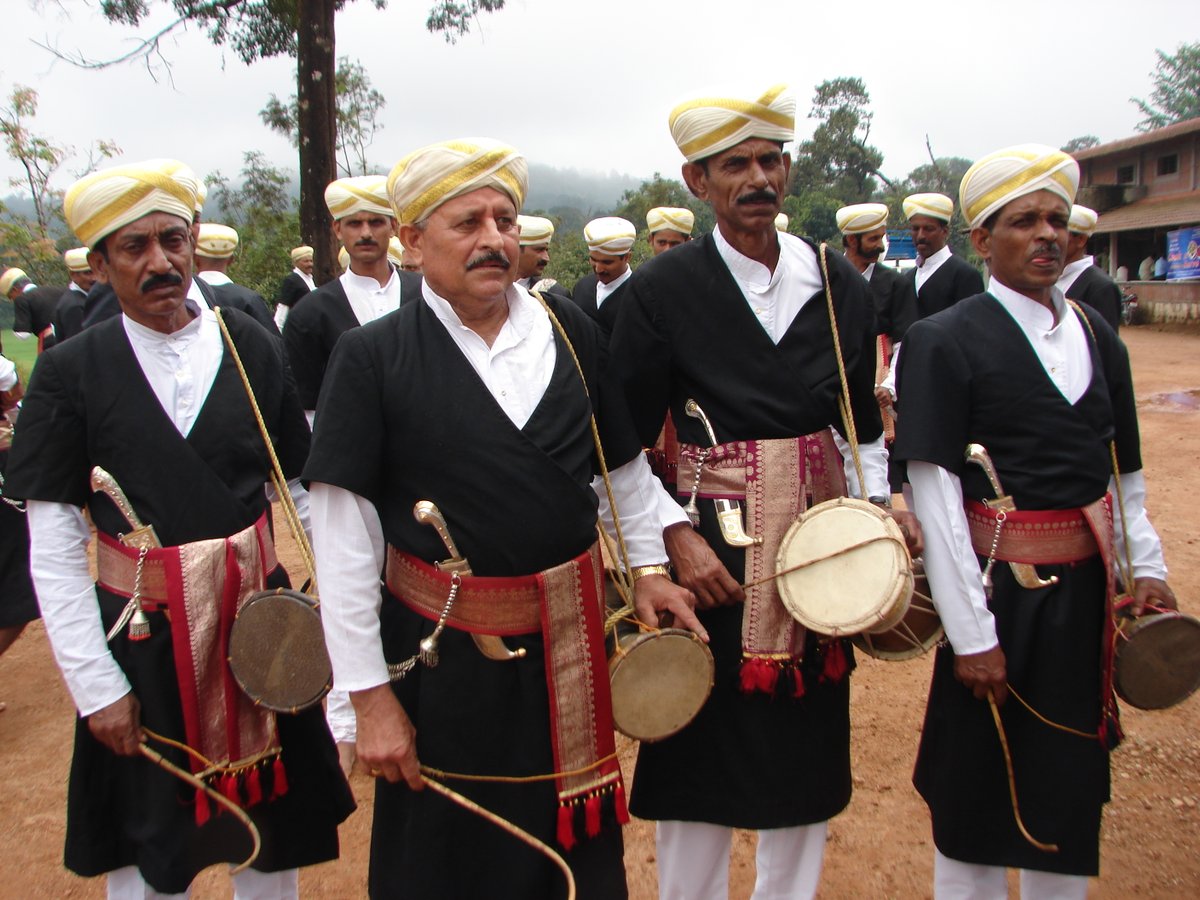
There are other versions which say Kodagu comes from Kannada `kudu’ meaning `dense forest’. Yet another version says the name literally means `situated to the west’ as it stands on the ridges of Western Ghats.
16. #Kolar: From Kolahalpura, meaning ‘violent city’ as it was the battleground for the warring Chalukyas in the north and the Cholas in the south.
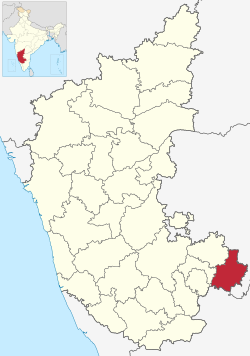
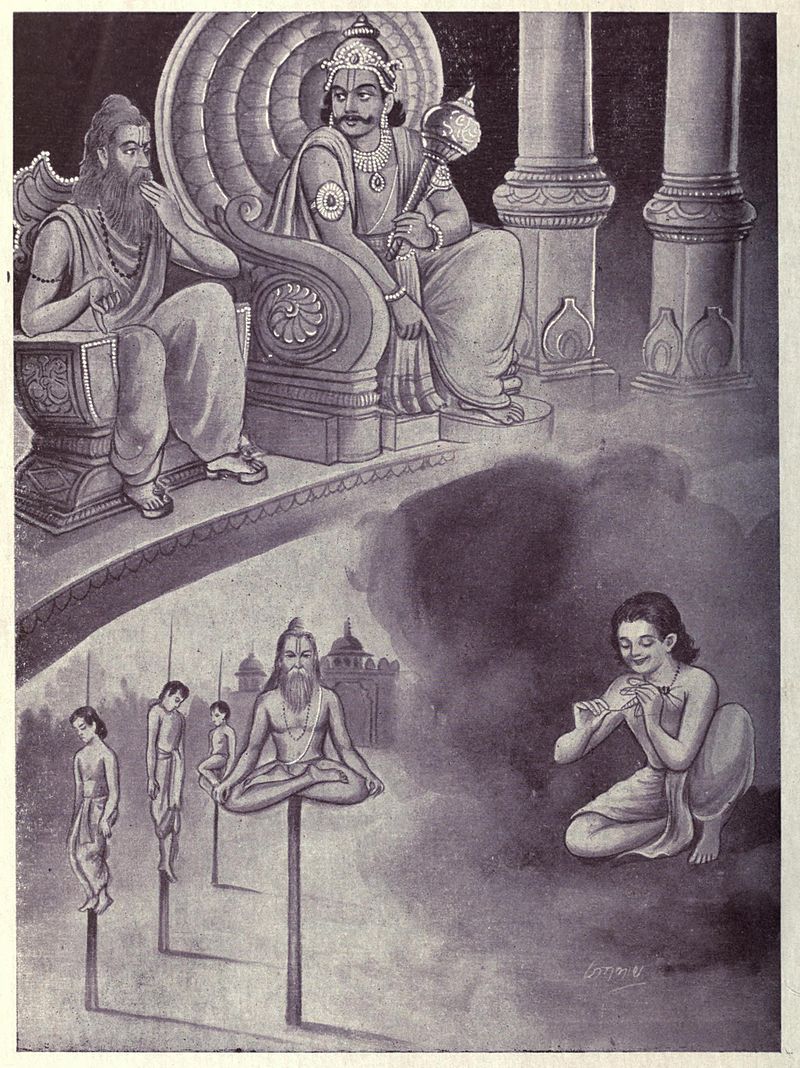
17. #Mandya: After a sage called Mandavya who lived in this area in ancient times.
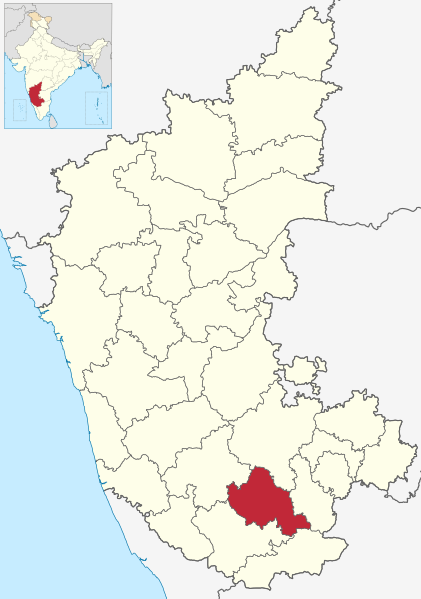
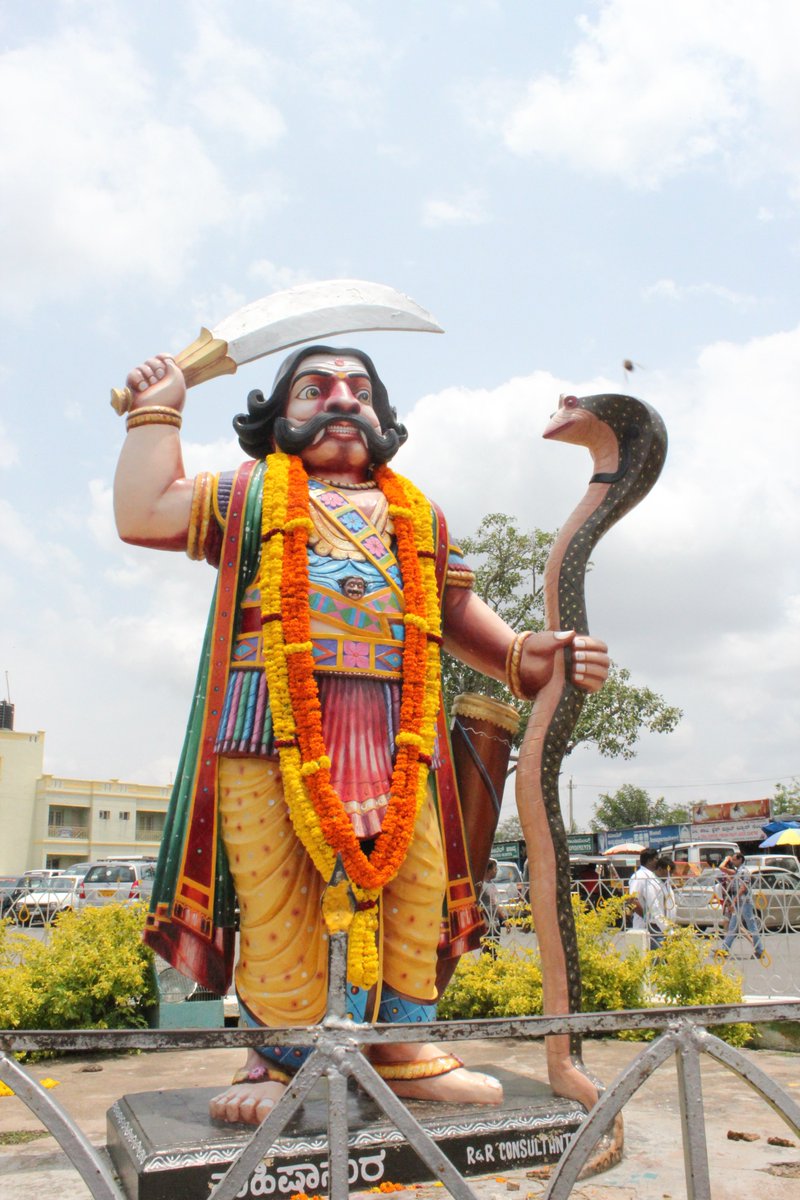
18. #Mysuru: From ‘Mahishasurana Ooru’, the town of Mahishasura – a buffalo-headed demon king. Goddess Parvathi took birth as Chamundeshwari and killed him on top of the Chamundi Hill near the town Mysuru.
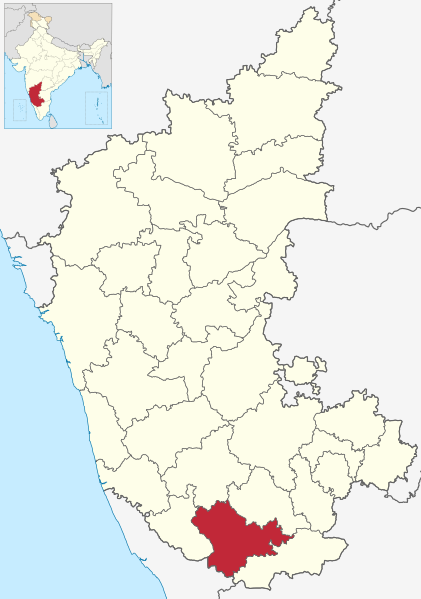
19. #Raichur: From `Racha’ and ‘Ooru’ meaning ‘king’s place’, indicating it was an important place. Another version says it comes from Telugu for stone (rai) because of the rocks in the vicinity.
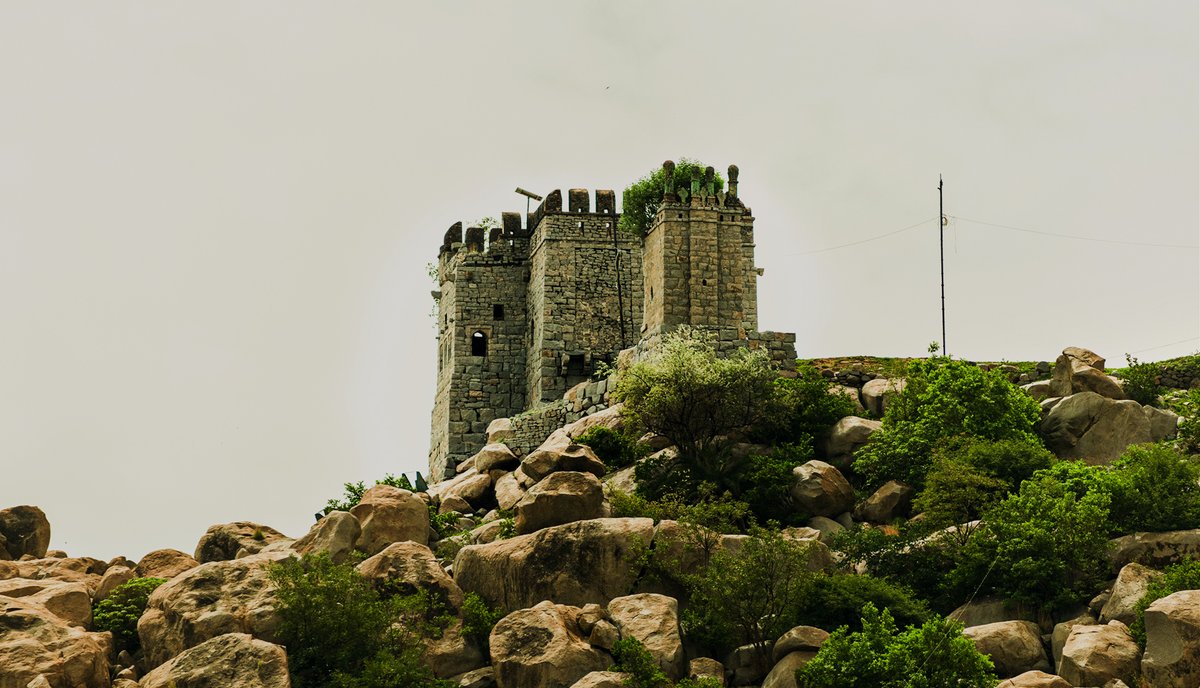
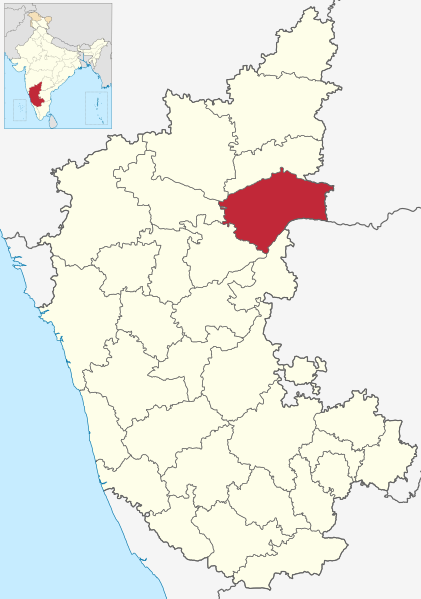
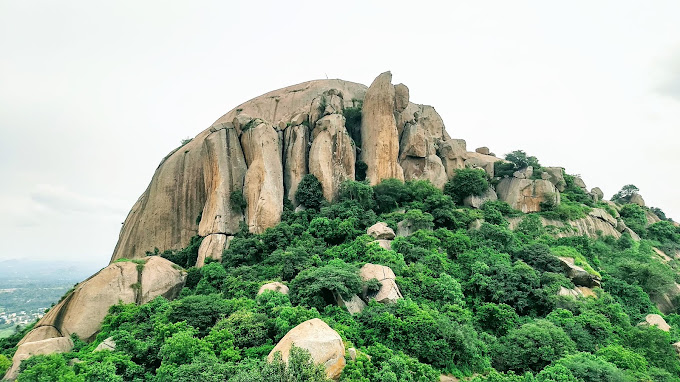
20. #Ramanagara: From Ramagiri Hill. The hills are popularly known as Sholay hills as the Hindi blockbuster Sholay was shot here.
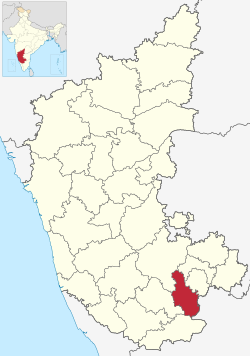
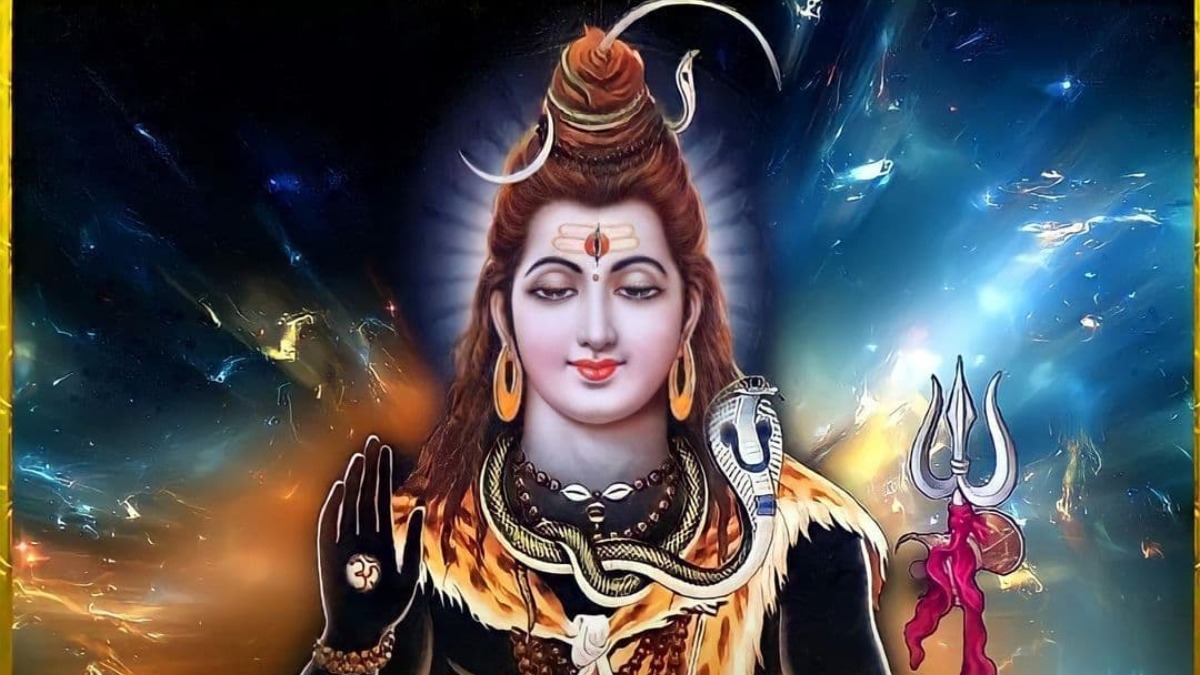
21. #Shivamogga: Means Lord Shiva’s face (mukha), nose (moge) or flower buds (mogge) offered to Him. Shimoga is the anglicized version of Shimoga.
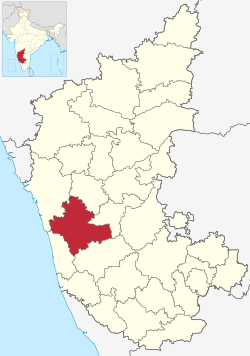
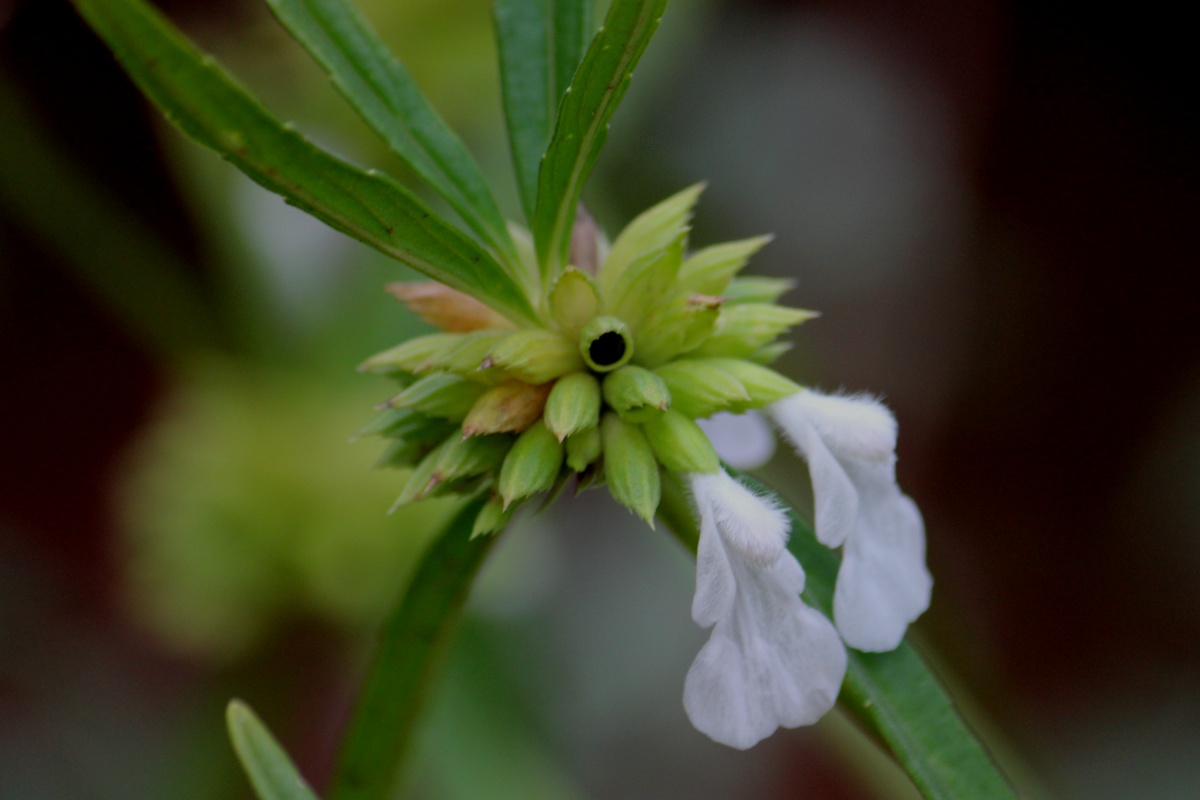
22. #Tumakuru: From `Tumbe Ooru’ because of the abundance of Tumbe flowers in the area.
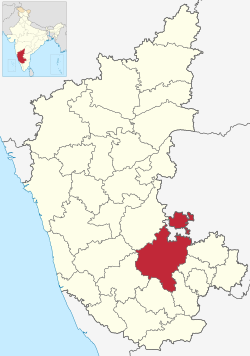
According to another version, Tumakuru comes from Tumuke - a small drum soldiers used to beat to alert people of any impending danger.
23. #Yadgir: From Yadavagiri, which once served as the capital of Yadava Kingdom.
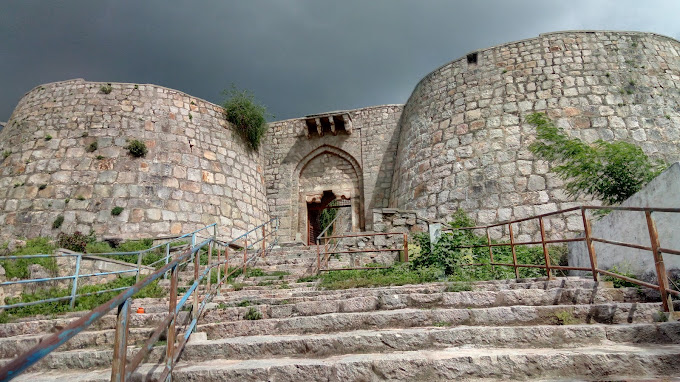
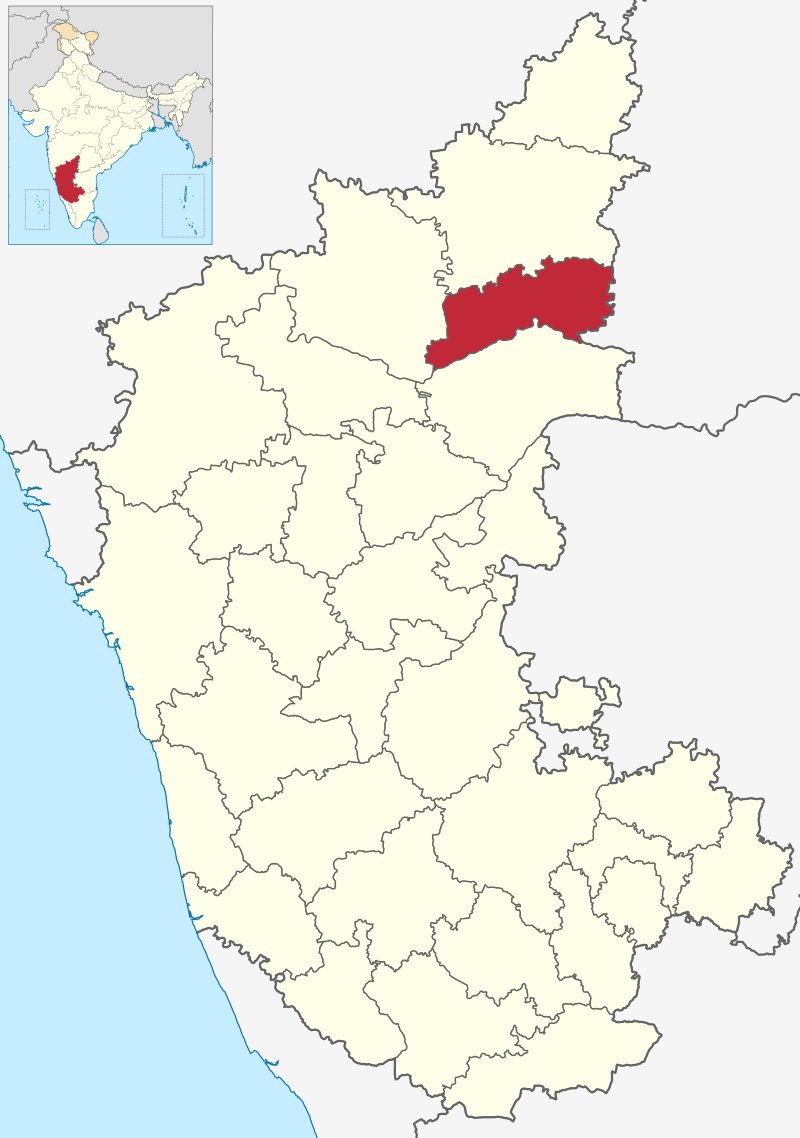
Typo in the tweet. Please read the last word 'India' as Indra.
24. #Bengaluru: From “benda-kaalu-uru’’ meaning “village of boiled beans.” According to a popular legend, the Hoysala king Veera Ballala II lost his way during a hunting trip. Hungry and tired, he stumbled upon a small hut where an elderly woman offered him boiled beans.
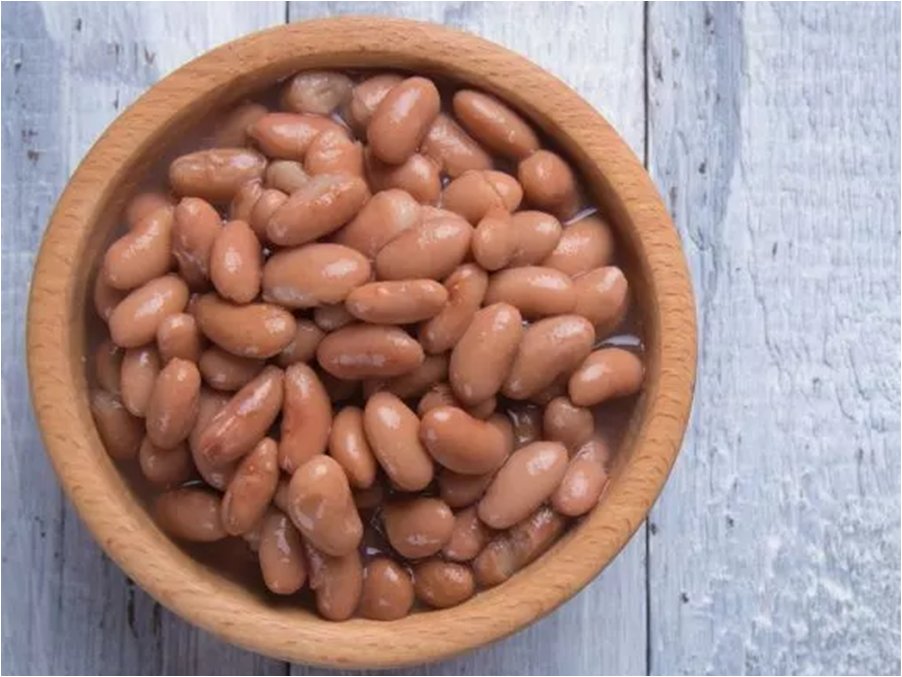
Filled with gratitude, the king named the place benda-kaalu-uru. According to another theory, the city takes its name from “benagawaluru” meaning “city of guards” as the army of the Hoysala empire (esp., `Bengawalu Pade’ the bodyguards of the rulers) had their garrison here.
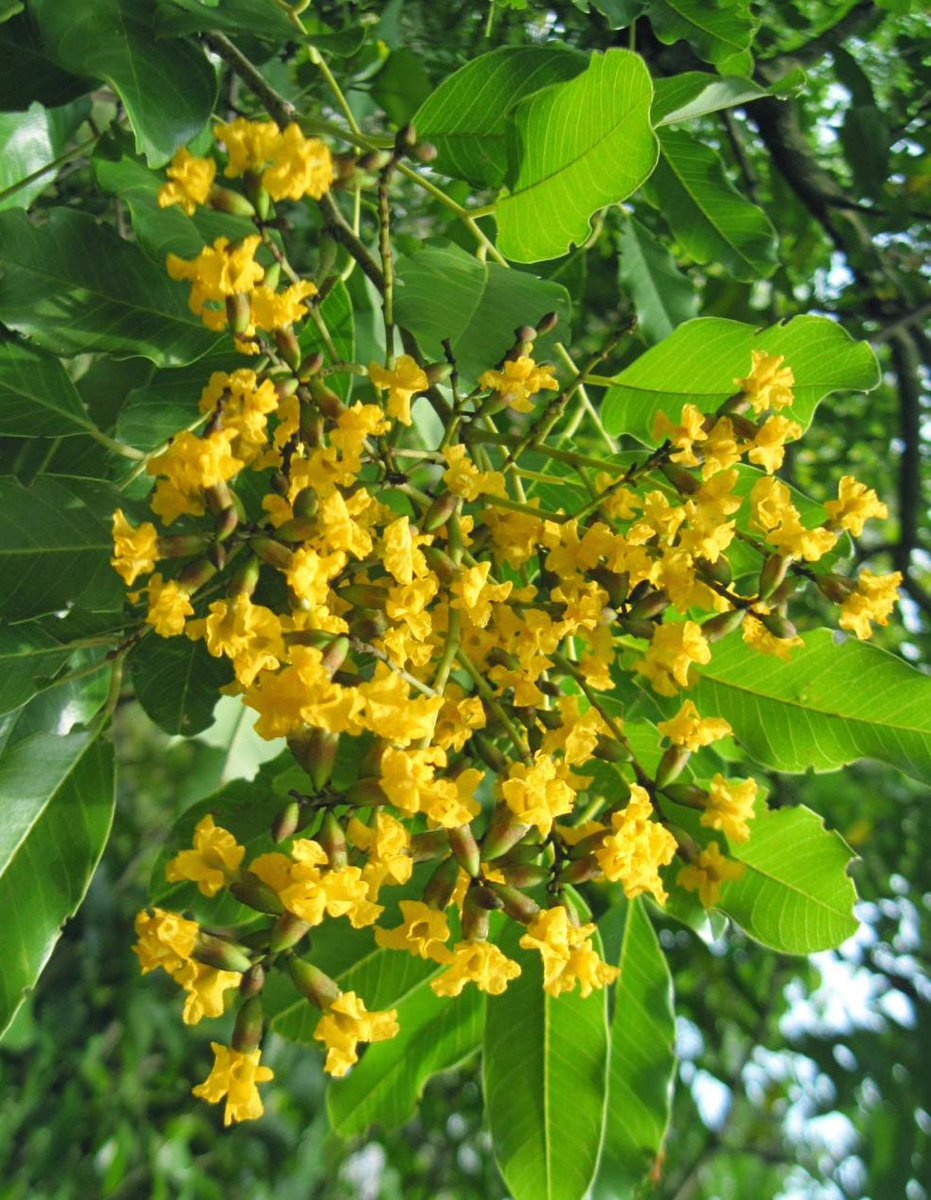
There’s one more theory which says the name derives from Benganooru, meaning the land of Benga tree (Pterocarpus marsupium Roxb), which was widely found in the region.
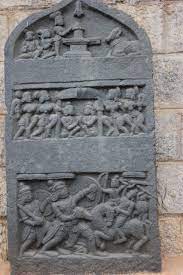
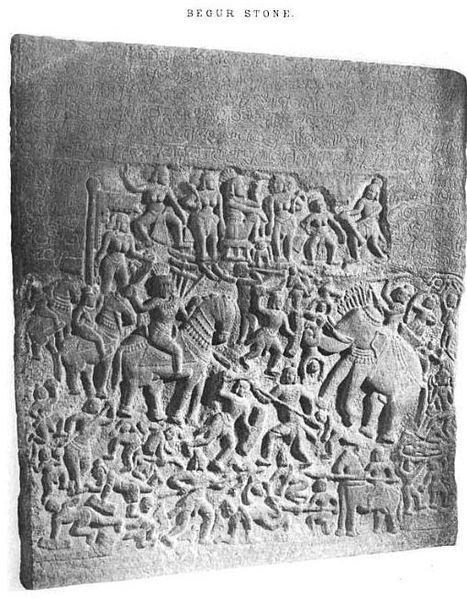
There’s yet another theory which holds the city takes its name from the Begur Veeragallu (Begur heroic stone) - a Ganga-era inscription dating back to 890 AD, depicting a battle scene named ‘Bengaluru Yuddha.’
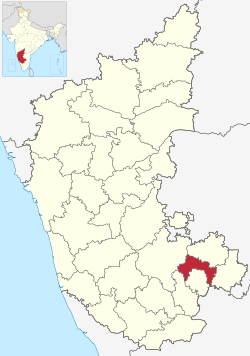
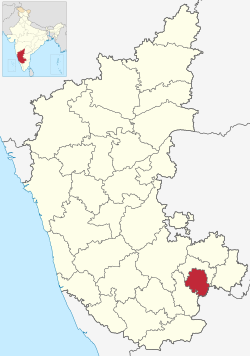
Maps of Bengaluru Rural, and Bengaluru Urban
25. #Koppal: Probably taken from Kavirajamarga, a reference book for poets and scholars, which mentions the words `Viditha Maha Kopana Nagara’. I’m not sure what Koppal actually means. Please chip in, if you know.
26. #Udupi: From Sanskrit Udupa, meaning ‘lord of the stars,’ the moon. According to a legend, the moon’s light was once reduced due to a curse by Daksha, whose 27 daughters (representing 27 stars) were married to the Chandra.
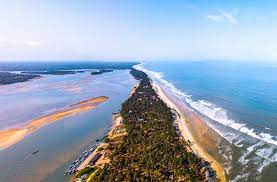
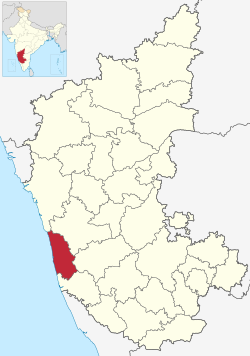
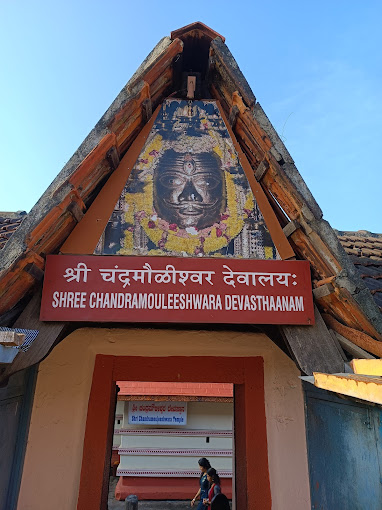
Chandra (the moon) prayed to Lord Shiva to regain its original shine. Lord Shiva was pleased with the moon’s prayer and restored its shine. There’s an ancient Chandramouleeshwara Temple in Udupi.
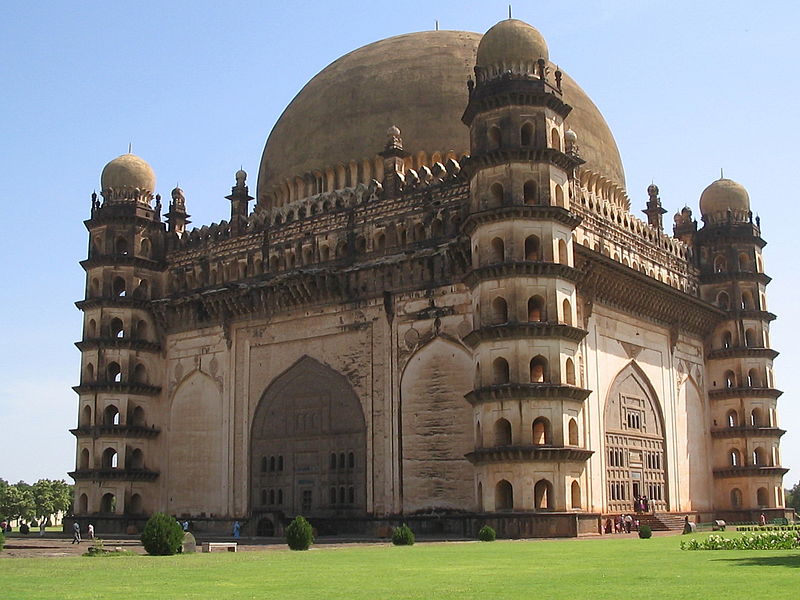
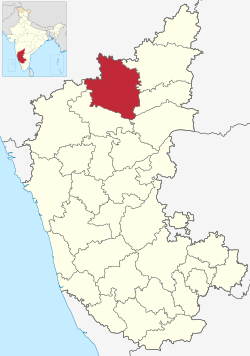
27. #Vijayapura: Literally, the city of victory. Established by Kalyani Chalukyas, Vijayapura is commonly known as Bijapur.
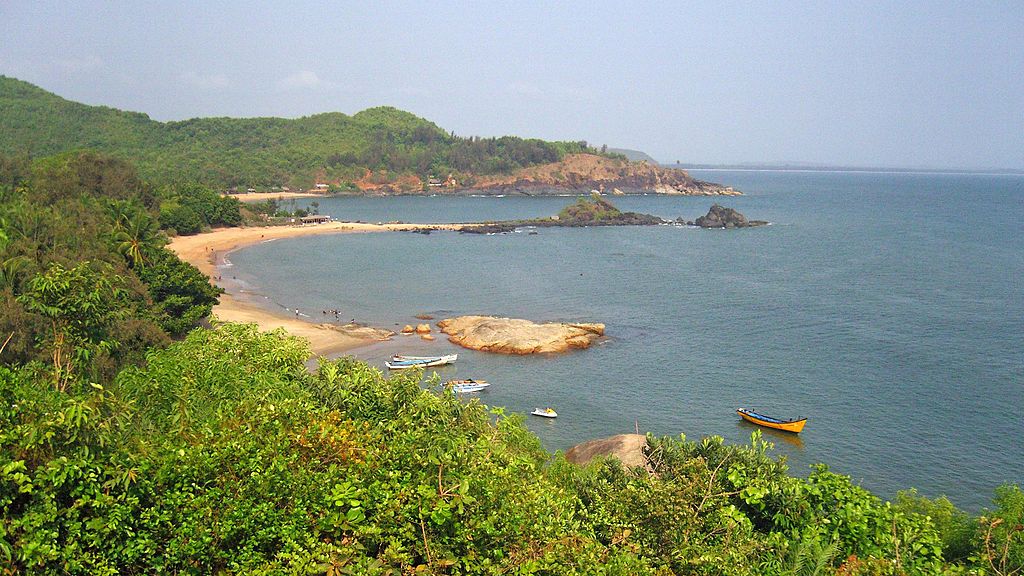
28. Uttara Kannada: Because it’s on the northern coastal part of Karnataka.
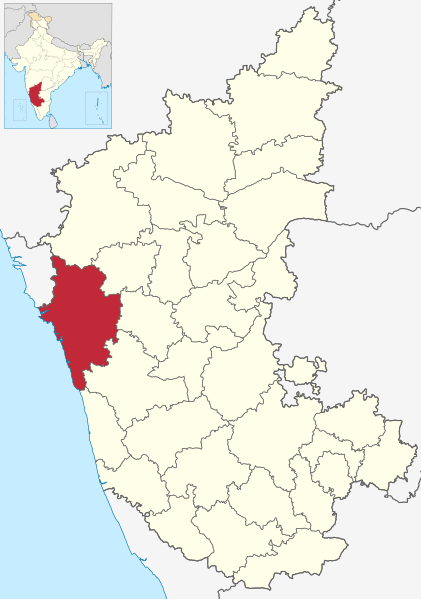
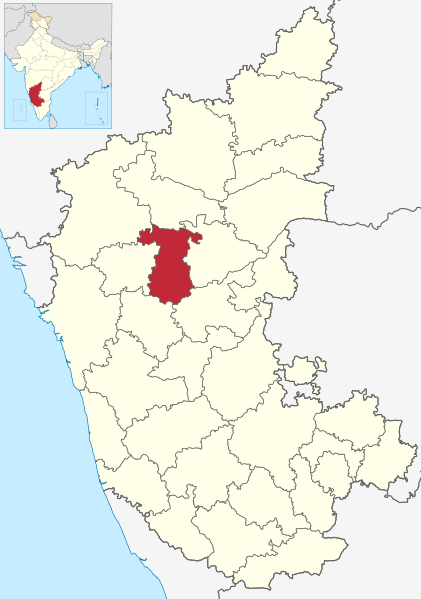
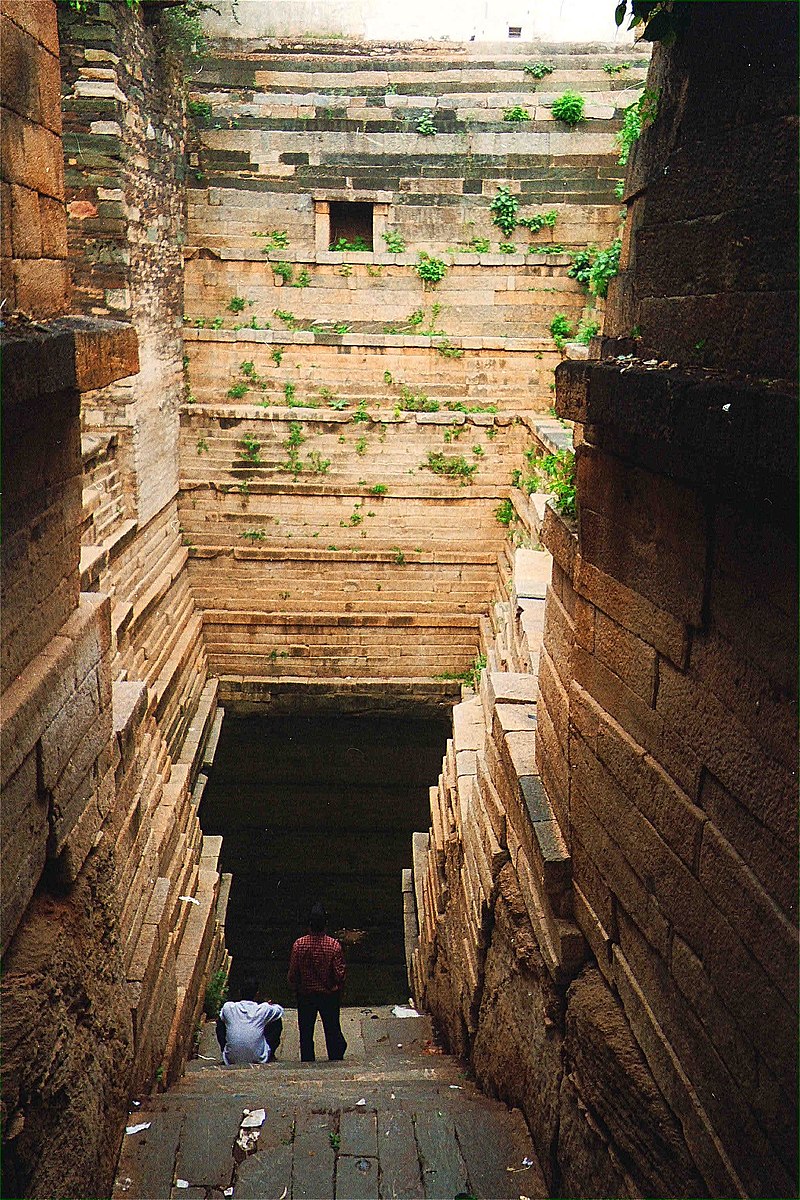
29. #Gadag: This seems to be the toughest one. If you know what Gadag means, please add on.
Thank you!
Image Courtesy: Wikimedia Commons, Karnataka Tourism, and various official district websites of the state.
Note: There are 30 districts in Karnataka. I've considered Bengaluru Urban, and Rural as one since the etymology of Bengaluru remains the same.
Image Courtesy: Wikimedia Commons, Karnataka Tourism, and various official district websites of the state.
Note: There are 30 districts in Karnataka. I've considered Bengaluru Urban, and Rural as one since the etymology of Bengaluru remains the same.
Loading suggestions...