

How to describe a distribution?
Kurtosis definition, examples 🧵
Kurtosis definition, examples 🧵
Like skewness (Yesterday's topic), kurtosis describes the shape of a probability distribution.
Kurtosis is a measure of whether the data are heavy-tailed or light-tailed relative to a normal distribution.
Data sets with high kurtosis tend to have heavy tails or outliers.
Kurtosis is a measure of whether the data are heavy-tailed or light-tailed relative to a normal distribution.
Data sets with high kurtosis tend to have heavy tails or outliers.

The kurtosis for a standard normal distribution is 3.
For this reason, a modified formula can be applied.
This definition is used so that the standard normal distribution has a kurtosis of zero.
+ kurtosis: "heavy-tailed" dist.
- kurtosis: "light-tailed" dist.
For this reason, a modified formula can be applied.
This definition is used so that the standard normal distribution has a kurtosis of zero.
+ kurtosis: "heavy-tailed" dist.
- kurtosis: "light-tailed" dist.

Leptokurtic has very long and skinny tails, which means there are more chances of outliers.
Positive values of kurtosis indicate that distribution is peaked.
A platykurtic (negative kurtosis) distribution is less peaked when compared with the normal distribution.
Positive values of kurtosis indicate that distribution is peaked.
A platykurtic (negative kurtosis) distribution is less peaked when compared with the normal distribution.

Mesokurtic is the same as the normal distribution, which means kurtosis is near 0 if we use the adjusted formula.
Pandas is using this adjusted formula according to the documentation.
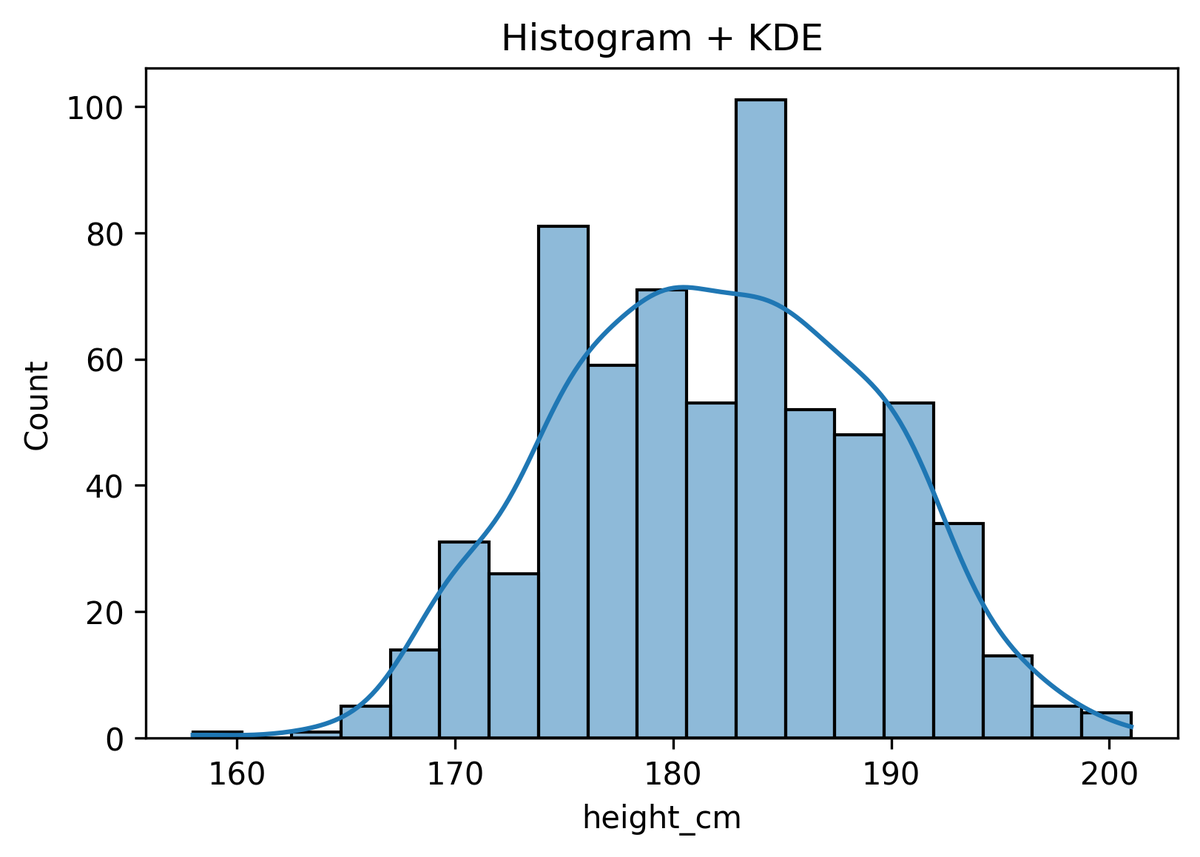
Now let's check the example, of how to calculate kurtosis for the below distribution.
Pandas is using this adjusted formula according to the documentation.
Now let's check the example, of how to calculate kurtosis for the below distribution.
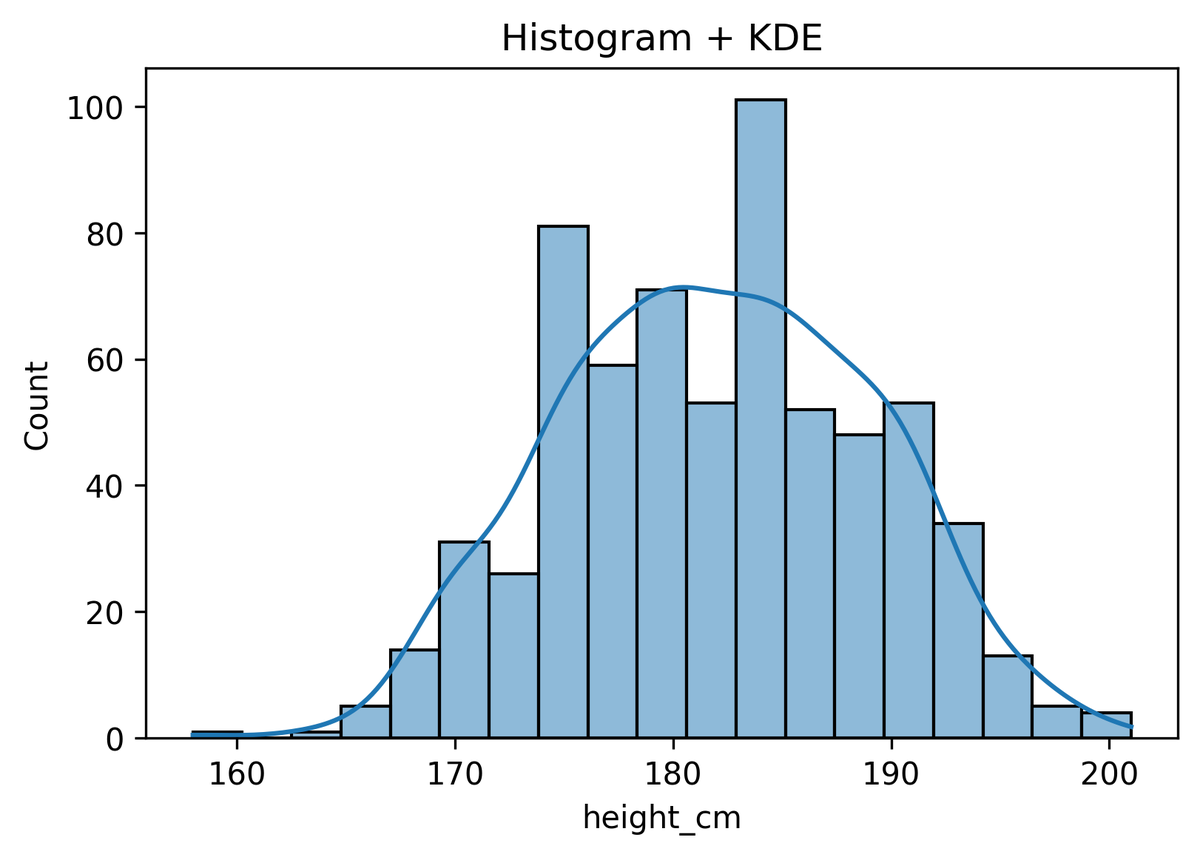
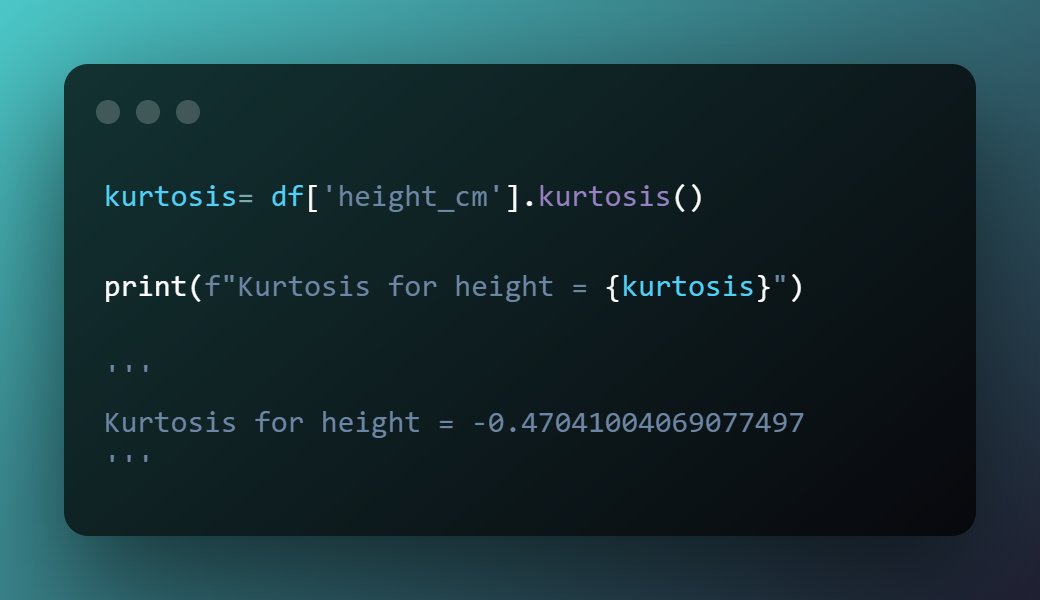
In pandas we have the kurtosis() method, so to calculate the kurtosis we just need to apply the method to the values we used to create the histogram.
The result is negative, so we have a Platikurty distribution.
The result is negative, so we have a Platikurty distribution.
That's it for today.
Follow me @levikul09 for more.
Like/Retweet the first tweet below for support, Thanks 😉
Follow me @levikul09 for more.
Like/Retweet the first tweet below for support, Thanks 😉
Loading suggestions...