

WHY ORGANIC COTTON
(A Thread)
While it may seem like pretentious terminology for something that is worn not eaten, the truth is that it’s extremely important to be using organic cotton on your skin when possible.
(A Thread)
While it may seem like pretentious terminology for something that is worn not eaten, the truth is that it’s extremely important to be using organic cotton on your skin when possible.
Conventionally grown cotton is the most heavily sprayed crop in the world. Even though cotton only accounts for around 2.5% of the planet’s agricultural land, it accounts for 16% of all insecticides used worldwide.
A typical cotton t-shirt (9 ounces of material) has taken an average of 17 teaspoons of chemical fertilizers, and nearly a teaspoon of pesticides, herbicides, defoliants, and insecticides. While some may think “the pesticides will come out in the wash” this is not how it works.
In the 90s Monsanto came out with the first genetic engineered cotton plant, Bacillus thuringiensis, (or Bt Cotton). The genetic makeup of the cotton plant has been modified to include the Bt pesticide within it.
This keeps insects from eating the plant while it’s growing, but the pesticide forever remains in the clothing that is made from the cotton. The cotton is itself a pesticide.
Today over 75% of cotton grown worldwide is genetically engineered, over 95% in the US. Organically grown cotton, which is not sprayed with pesticides, herbicides, or any carcinogenic chemicals, and is not genetically engineered, accounts for less than 3% of globally grown cotton
The US produces 0.2% of its cotton organically. There are less than 100 farmers who participate in growing organic cotton in the US between Texas and New Mexico.
There is very little regulation in the global fabric industry and so often we are able to find great deals on “organic” clothing that has been sourced from China or India. Unfortunately, almost always these organic claims are completely fabricated (no pun intended).
If cotton is grown in the US, it can become certified organic through the USDA, just like food. However, conventionally grown cotton in other parts of the world can be called “organic” without any backlash in many cases for lying to the consumer.
The Global Organic Textile Standard, or GOTS was created to ensure honesty. GOTS ensures organic status for textiles grown globally from the field to the manufacturing. If you’re able to find “GOTS certified” organically grown cotton, you can be sure it is indeed so.
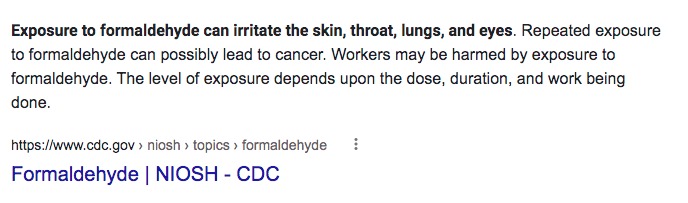
Non-organic cotton clothing is also often heavily sprayed with formaldehyde, a known carcinogen, which reduced wrinkles and inhibits mildew. Even the CDC can admit that repeated exposure to formaldehyde can cause cancer.
As our largest organ, our skin absorbs what we put on it. We could get into the health risks including sperm count decline, cancers, hormone disruption, etc. of pesticides being absorbed into the skin, but that’s another rabbit hole for another time.
For now, it’s important to source organic cotton when possible to keep your skin safe from toxins, and to support the small farmers who still wish to grow organically.
My wife and I created a wool pillow company using completely natural wool grown in Montana encased in a USDA certified organically grown cotton case. We proudly sourced our cotton from Texas family farms and the quality is incredible.
You’re breathing on your pillow for 8 hours a night, or a third of your life – you should have a quality pillow free from toxins. Check us out @thewoolshire or order your pillow today at thewoolshire.com
Loading suggestions...