

Why has traditional architecture all around the world disappeared?

This might not be going where you think.
Places around the world used to look more different. Now, with a seemingly global, modern style, they look more and more similar. Why?
The place to start is with another question: where did traditional architecture come from?
Places around the world used to look more different. Now, with a seemingly global, modern style, they look more and more similar. Why?
The place to start is with another question: where did traditional architecture come from?
The priority of much traditional architecture wasn't aesthetics, but function. And in a world far less connected than ours, builders had to source local materials.
Hence the mudhifs (reed houses) of the southern Iraqi marshes or the log cabins of heavily forested regions:
Hence the mudhifs (reed houses) of the southern Iraqi marshes or the log cabins of heavily forested regions:
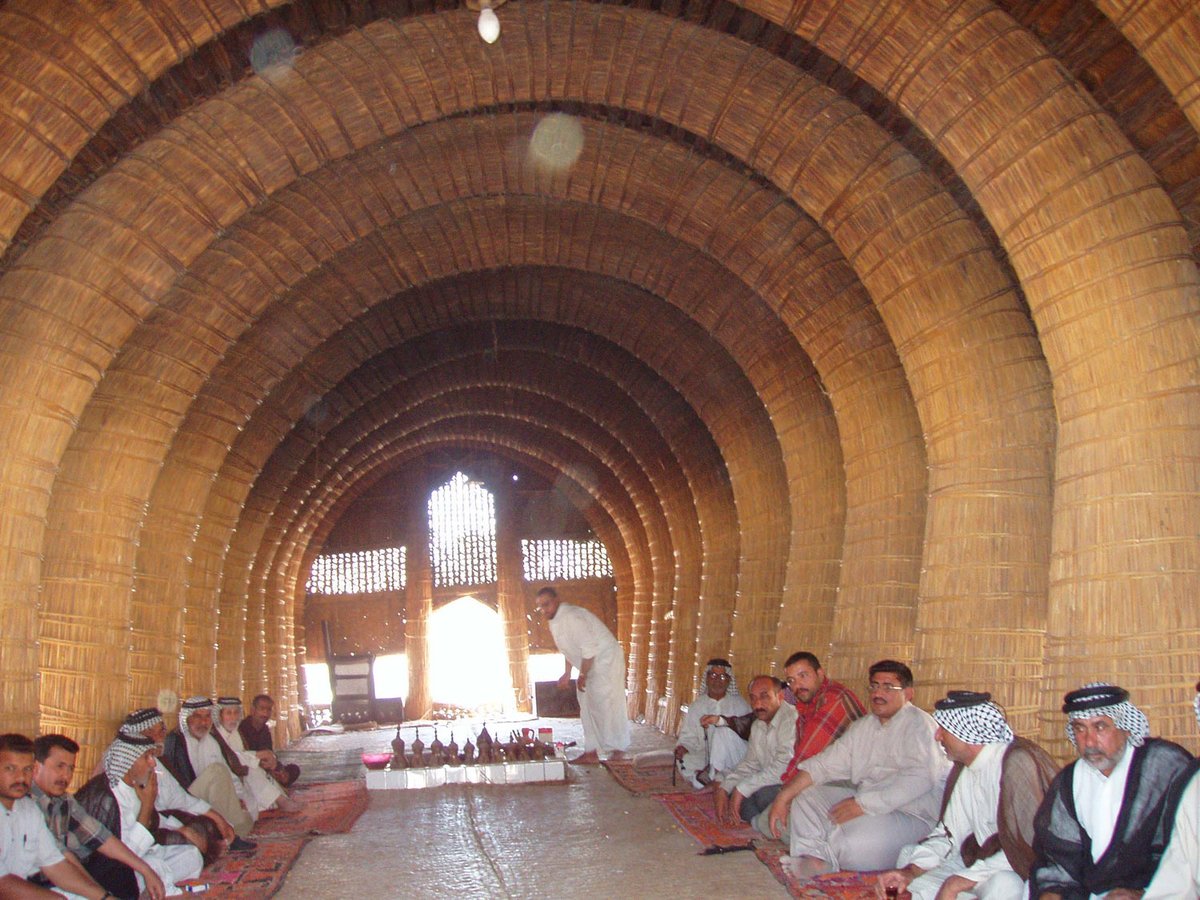
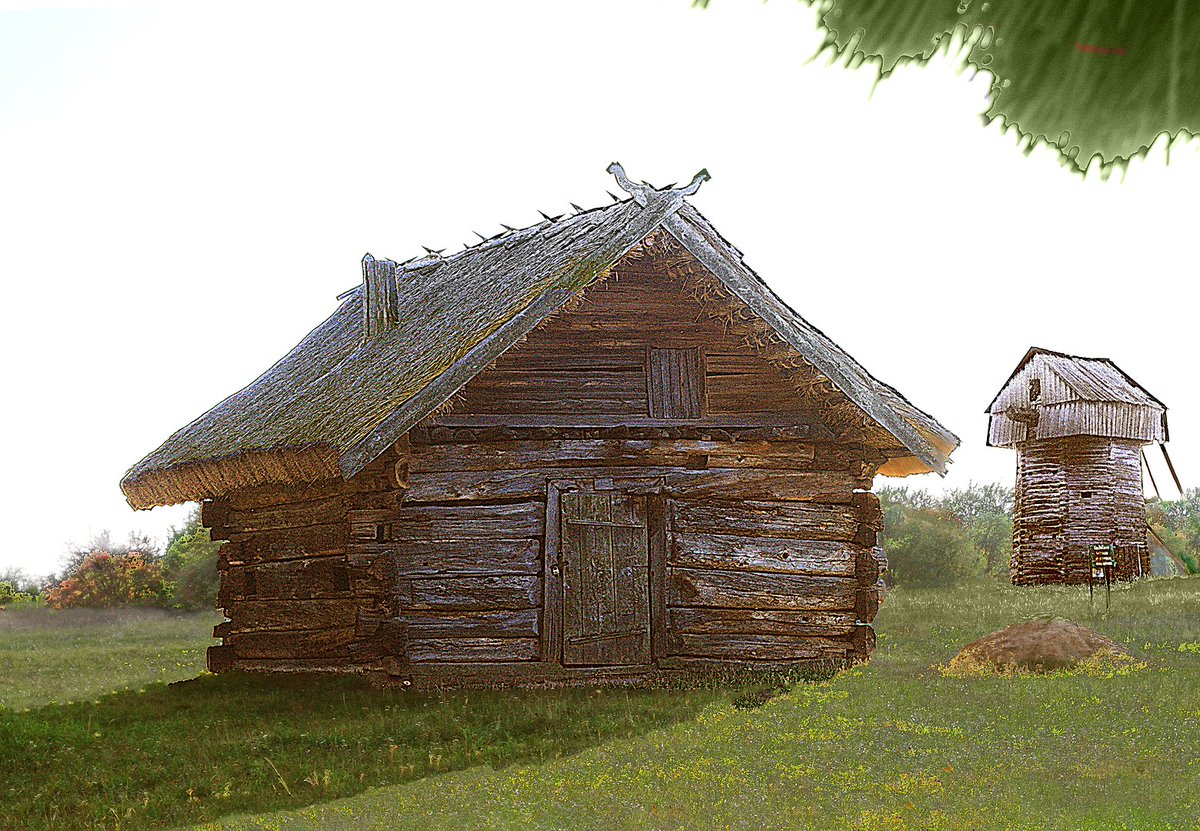
For most of human history people used what was locally available and adapted it to their needs.
From the turf-roofed houses of Iceland to the ironstone churches of the English midlands and the stilt-houses of monsoonal regions to the igloos of the Inuits.
From the turf-roofed houses of Iceland to the ironstone churches of the English midlands and the stilt-houses of monsoonal regions to the igloos of the Inuits.
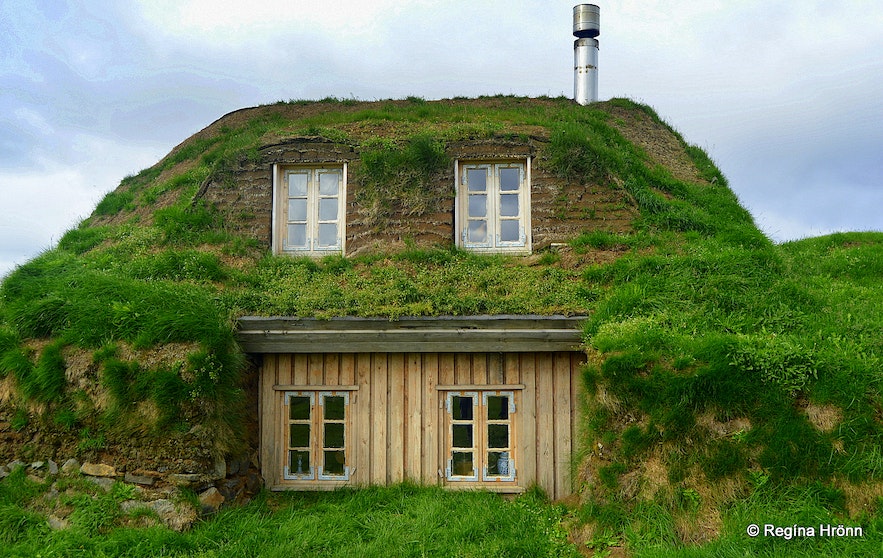
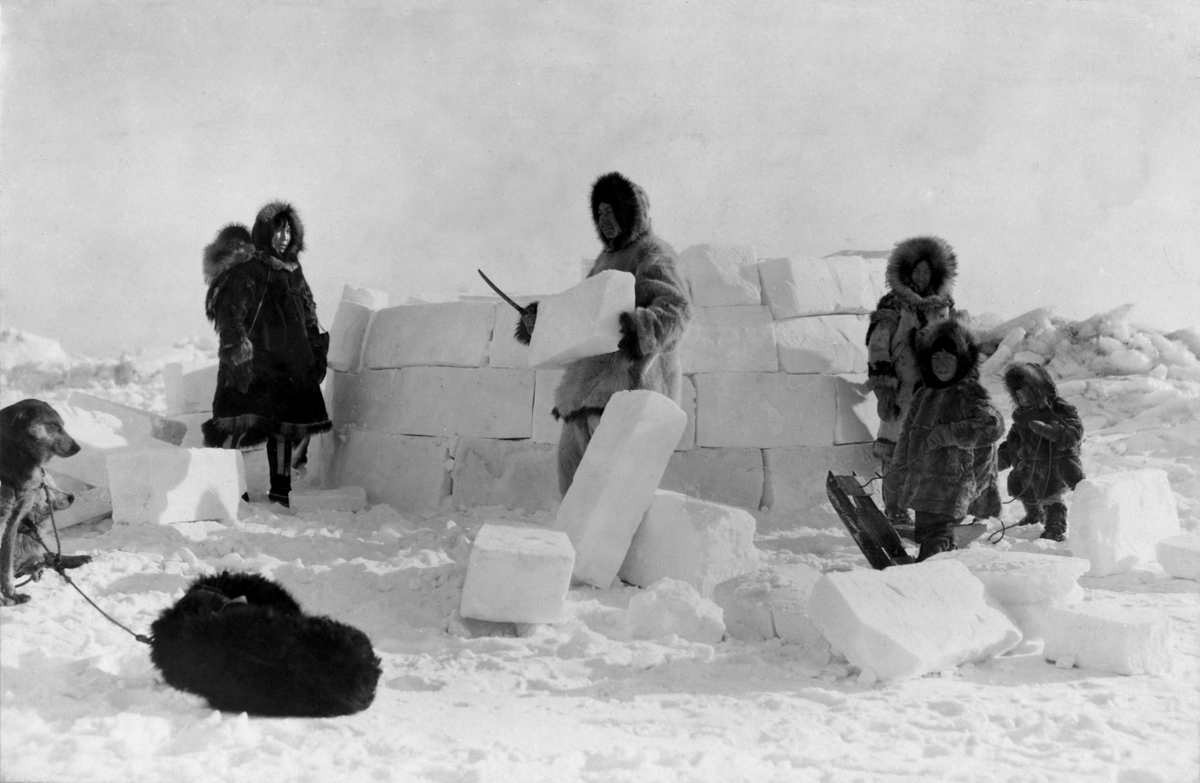
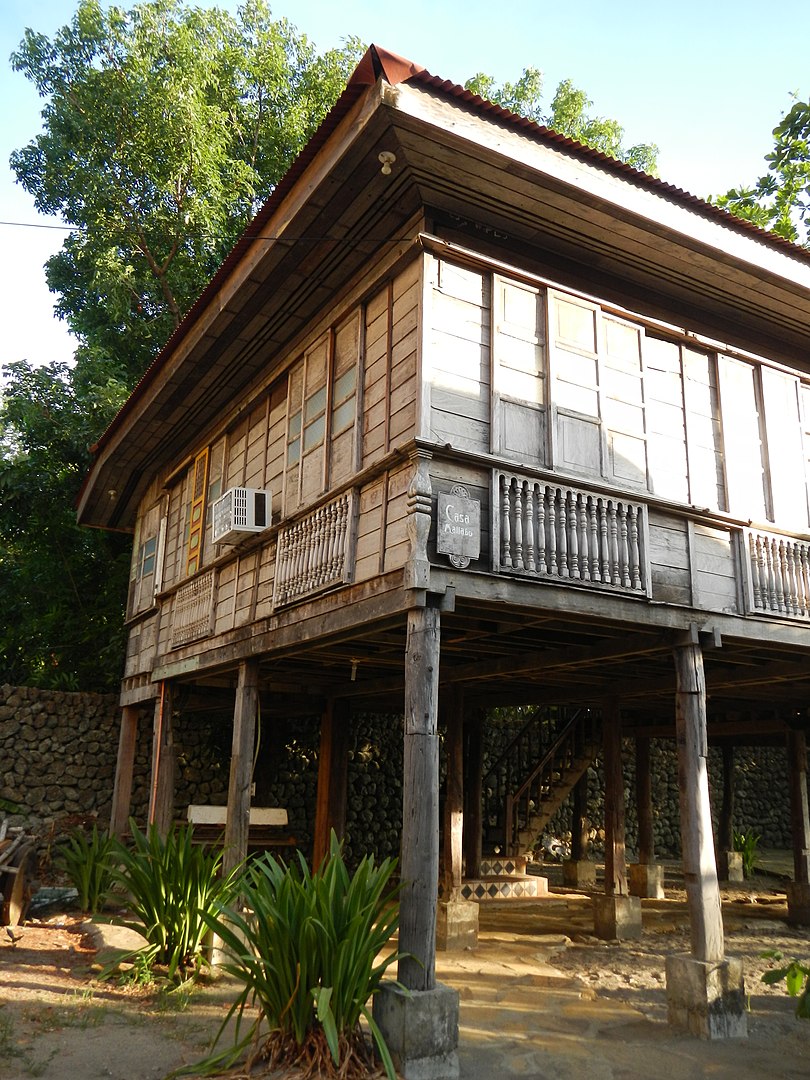
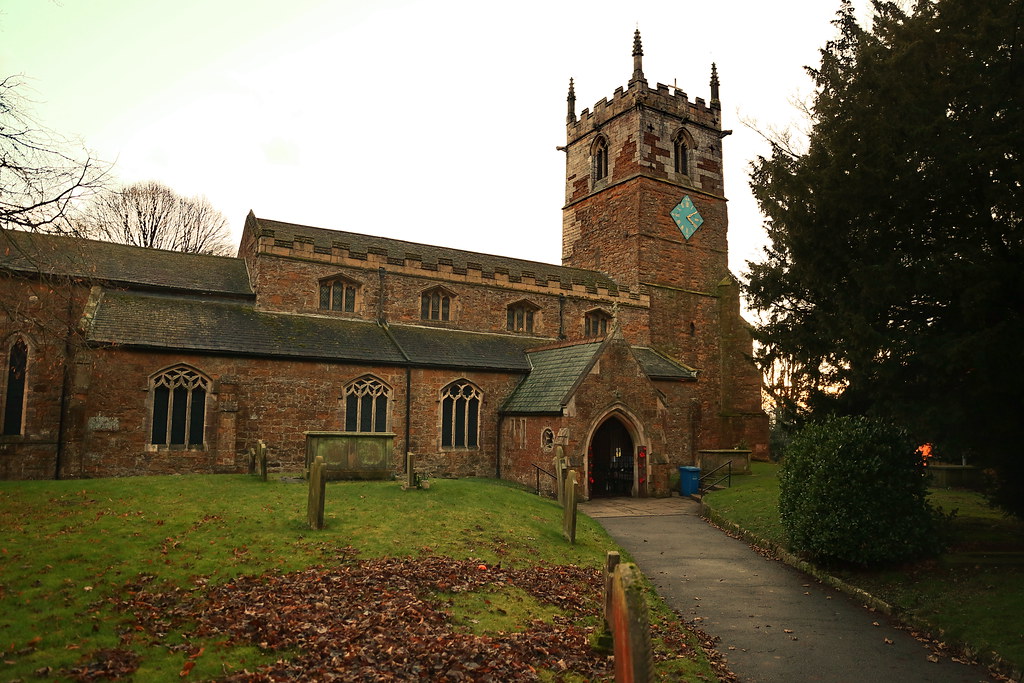
Some materials were universal, of course.
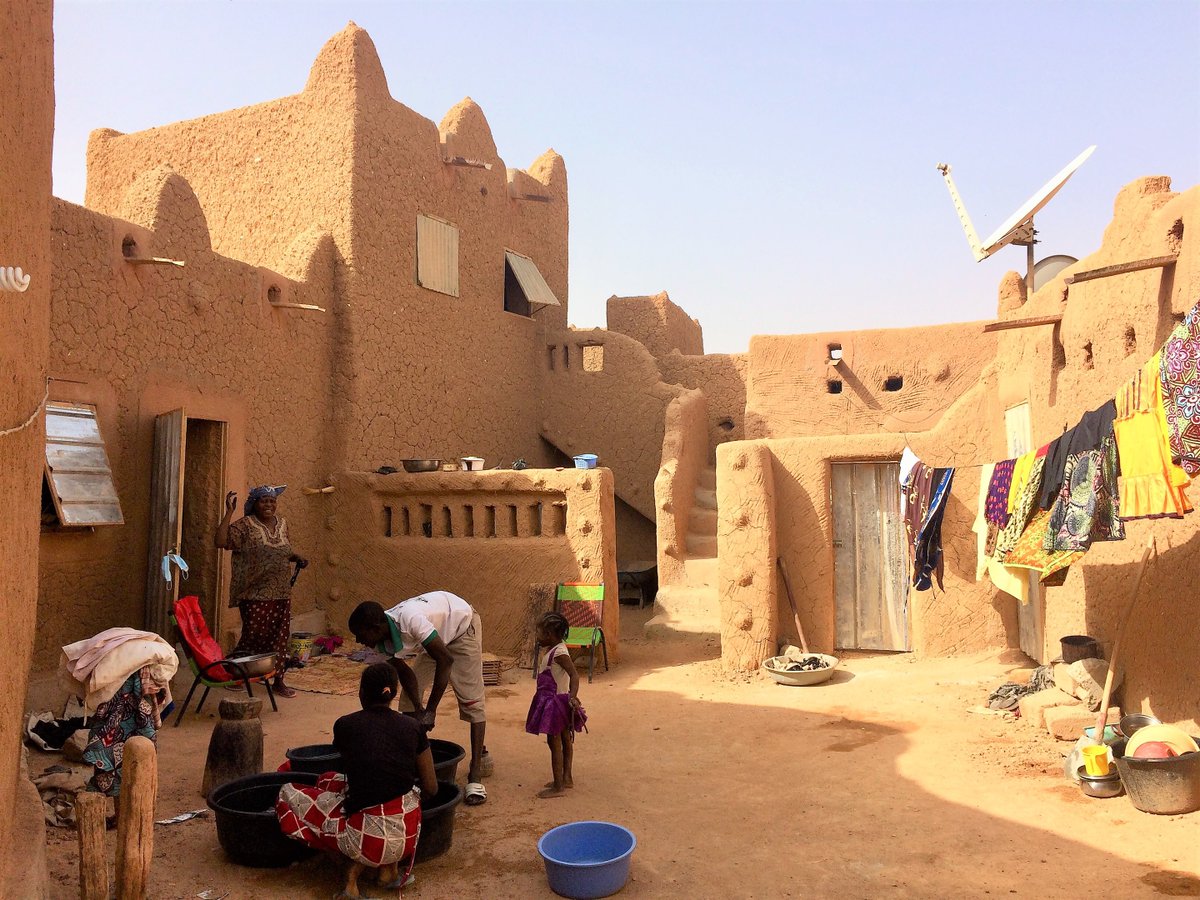
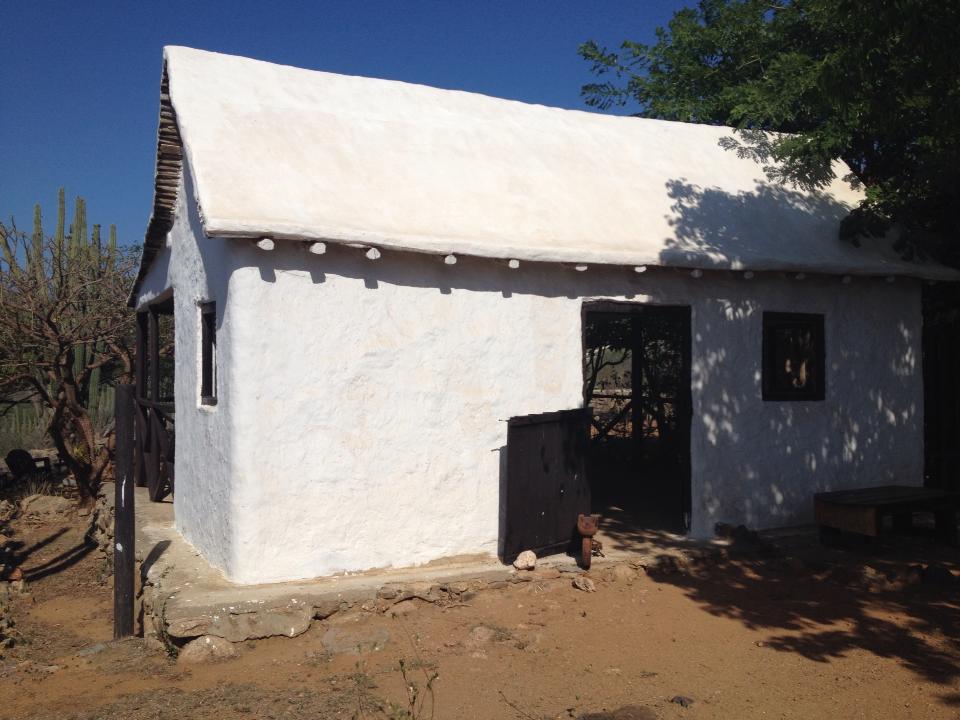
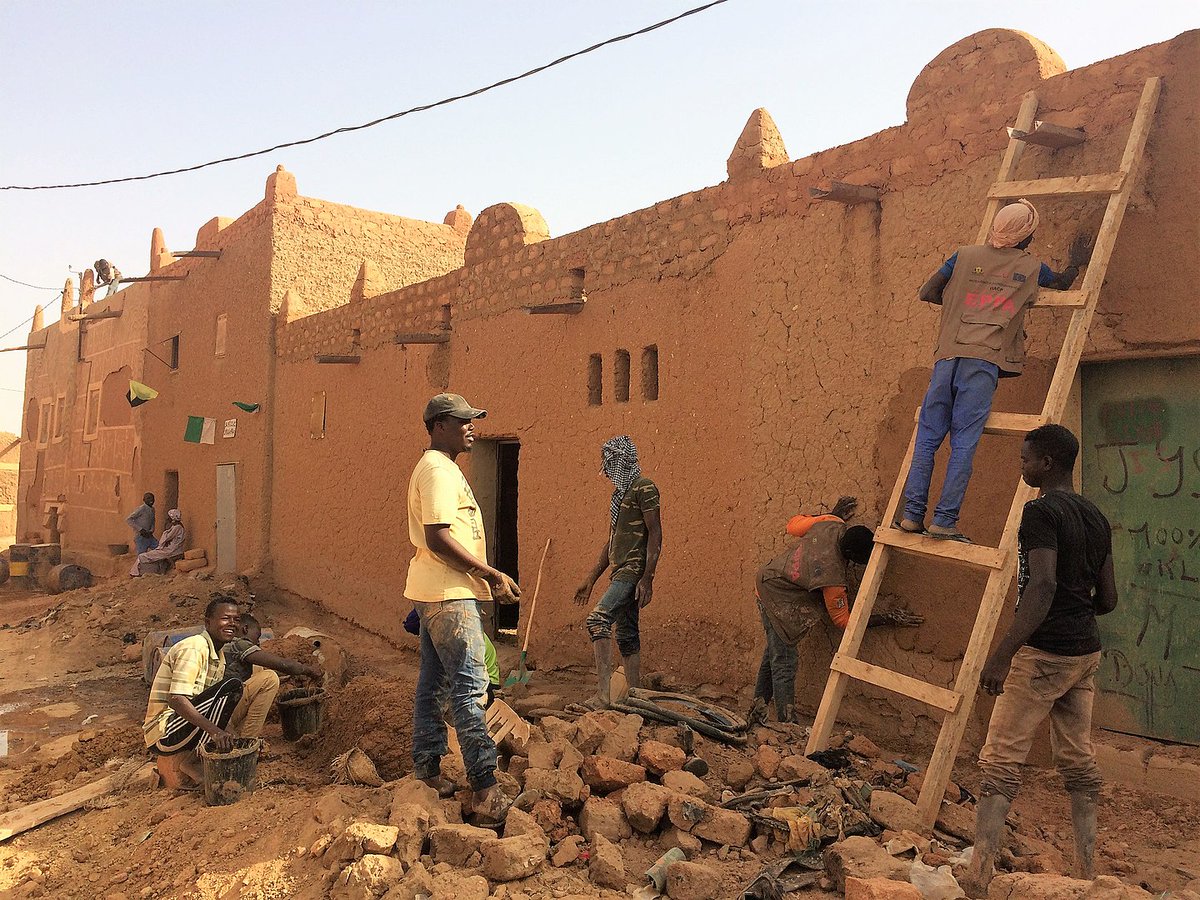
Adobe - mudbrick - has been used for thousands of years, everywhere from Yemen to the USA and Niger to Aruba; for different purposes and differing ends.
Adobe - mudbrick - has been used for thousands of years, everywhere from Yemen to the USA and Niger to Aruba; for different purposes and differing ends.
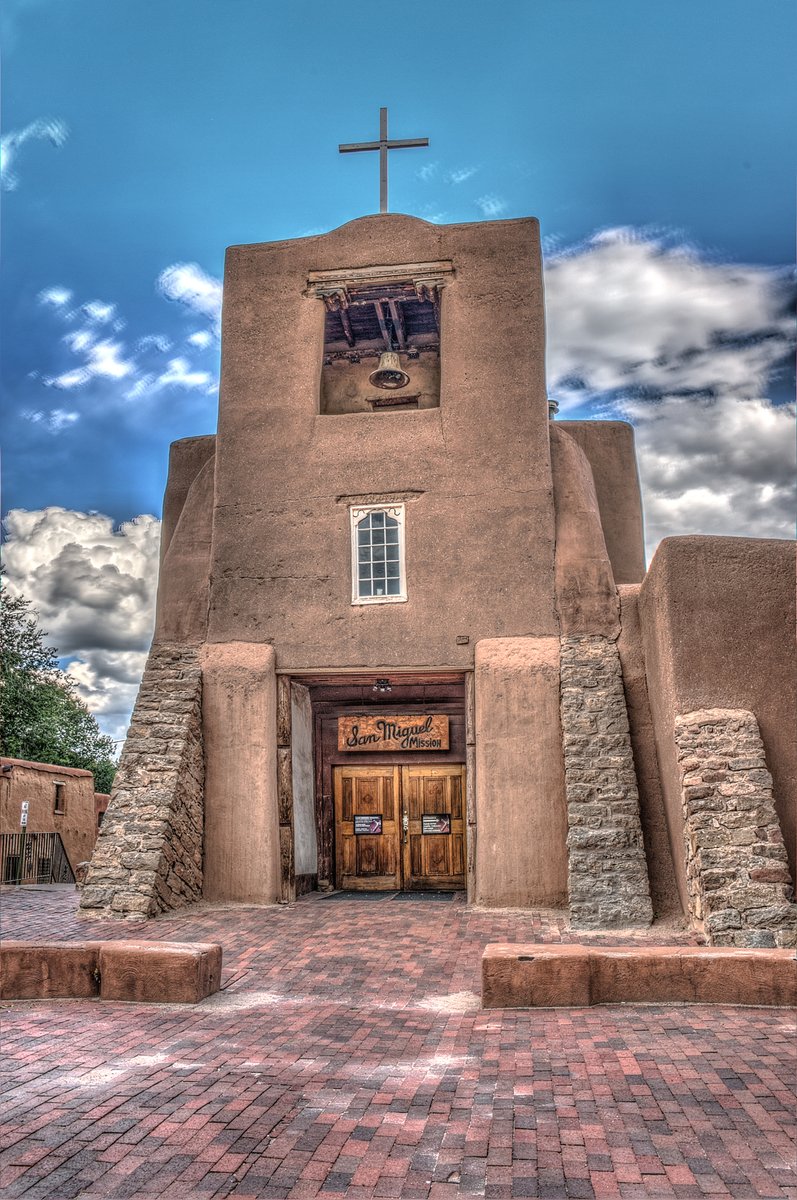
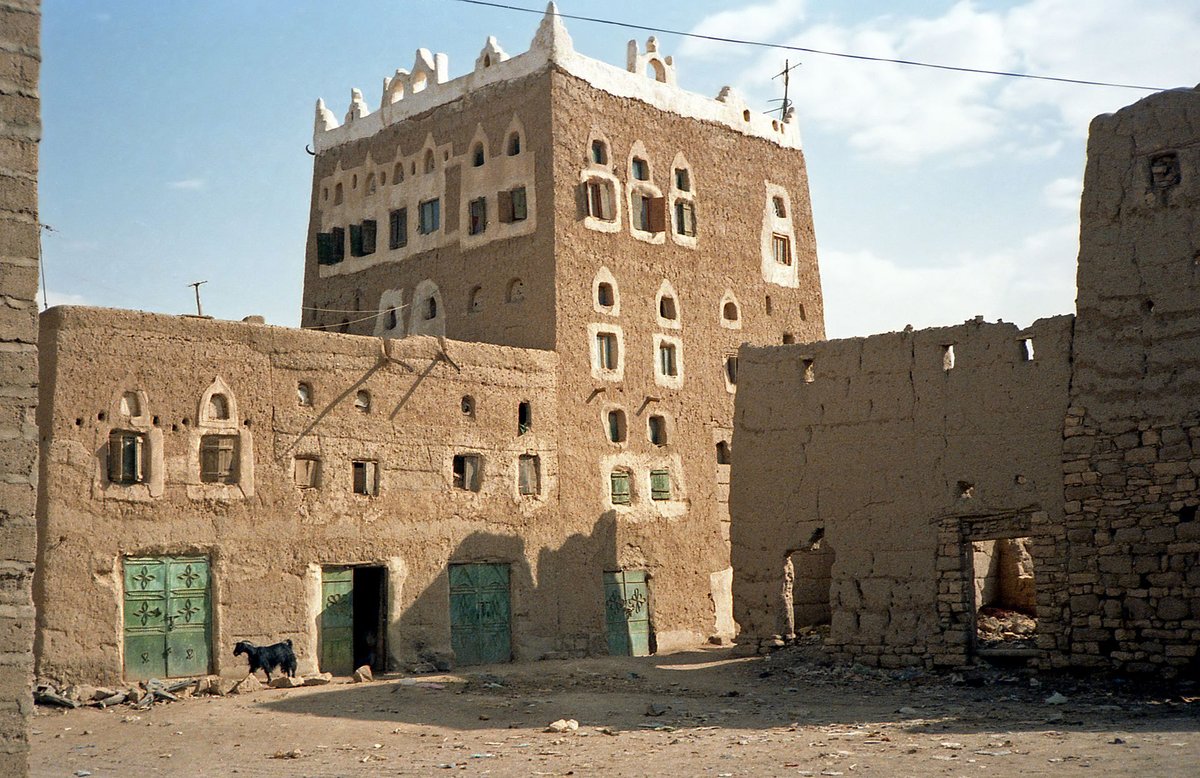
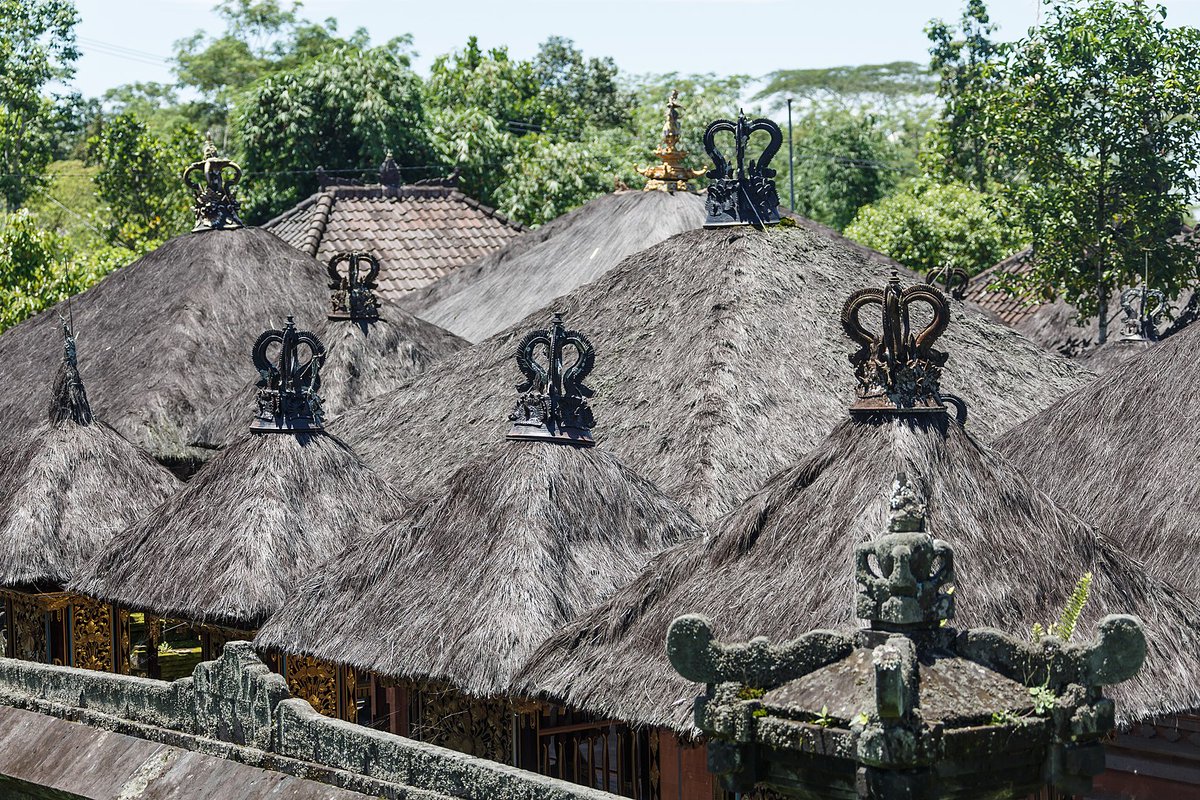
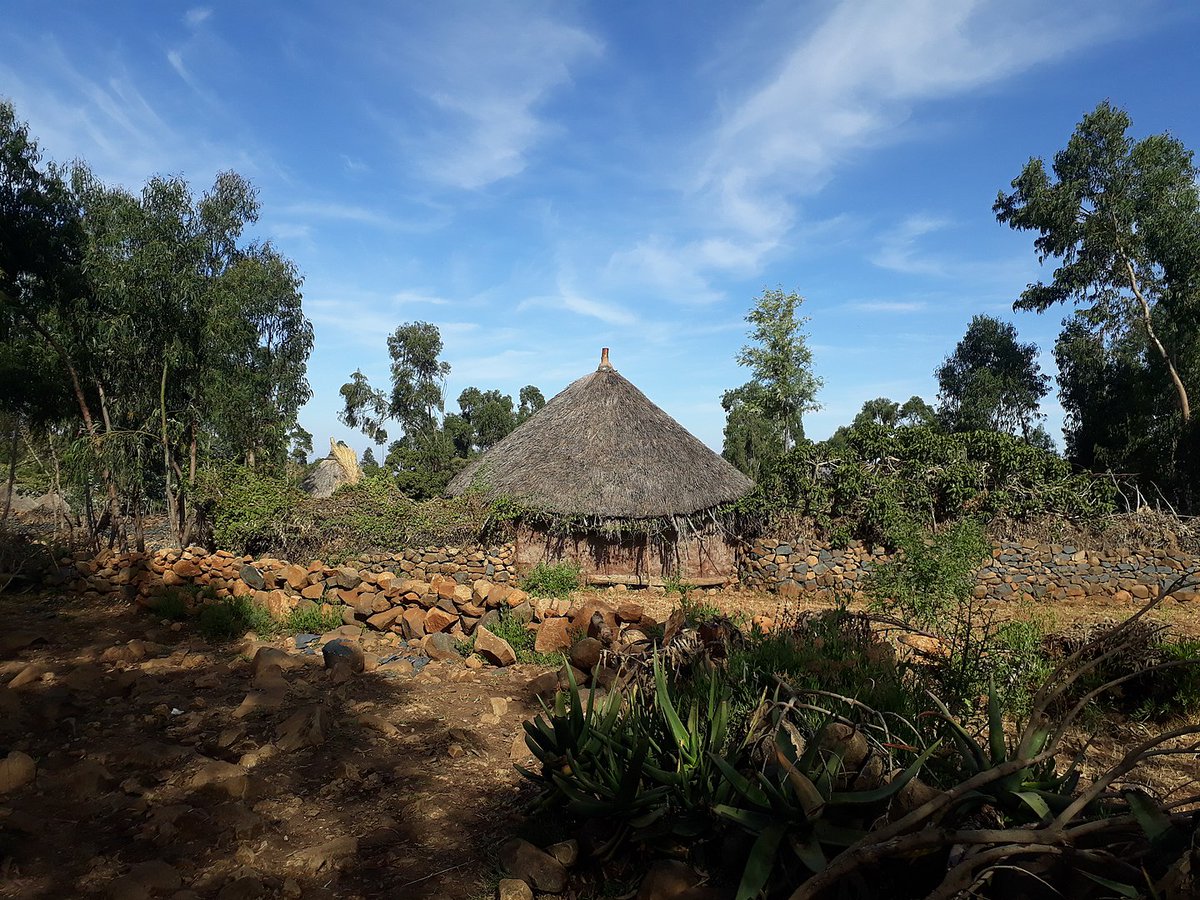
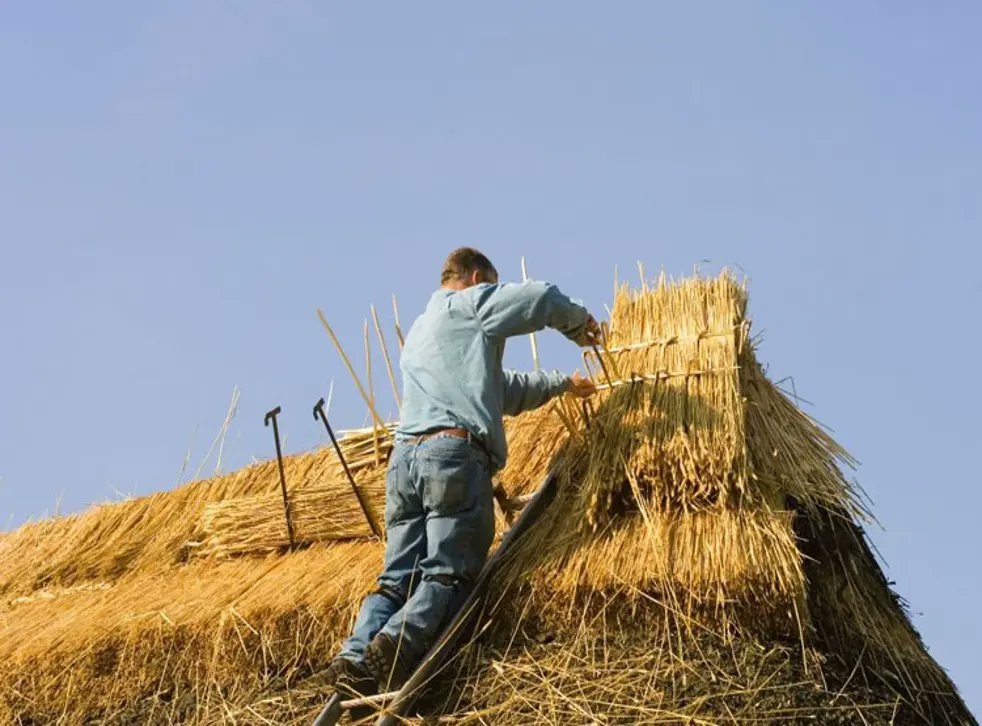
Another example is thatched roofs, found all over the world in traditional architecture, from Korea to Ethiopia and England to Bali.
The materials were readily available and thatching was effective for waterproofing and insulation.
The materials were readily available and thatching was effective for waterproofing and insulation.
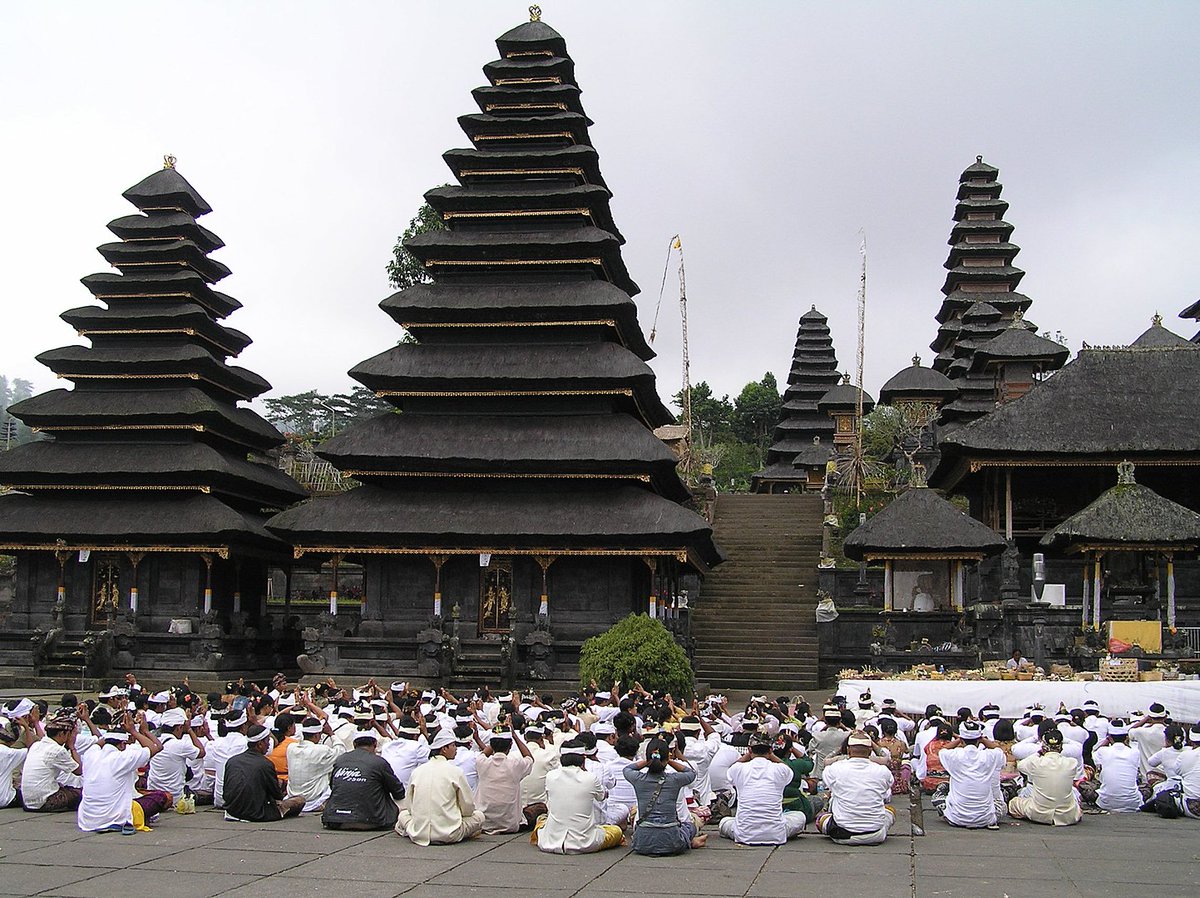
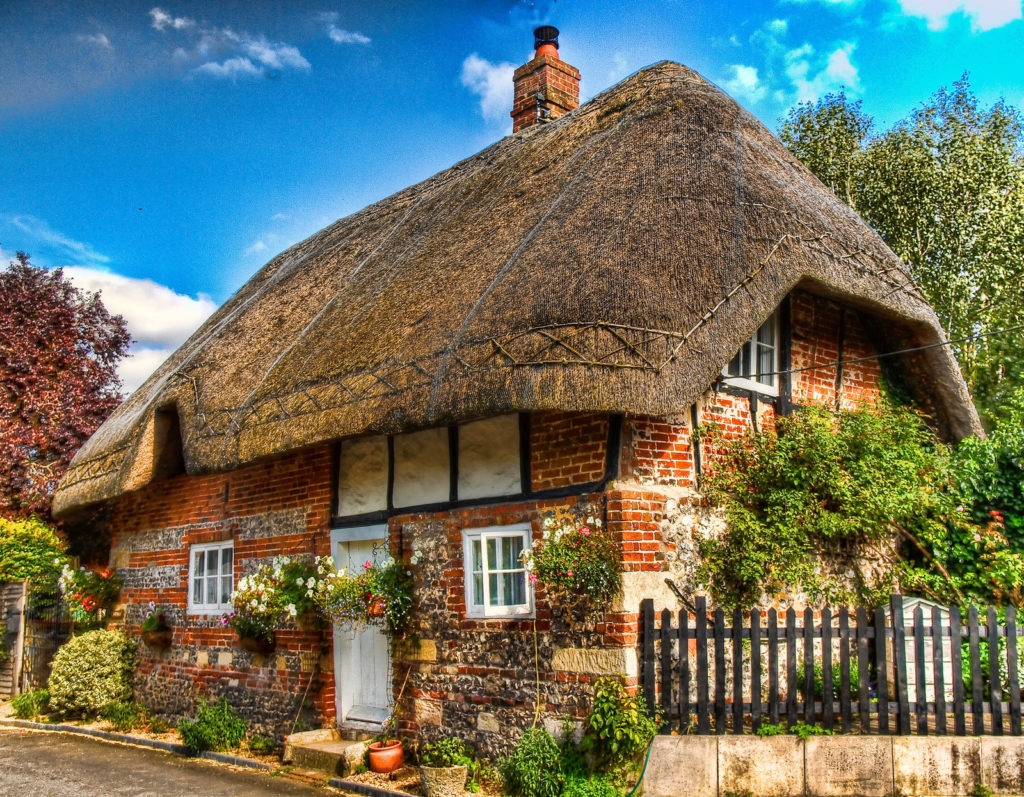
Each country and region in the world once had distinctive architecture first and foremost because of their geology, ecology, and climate.
Factors with which culture then interacted to create styles that were more consciously specific to a group, religion, or culture.
Factors with which culture then interacted to create styles that were more consciously specific to a group, religion, or culture.
So we can see how technological progress and architecture relate.
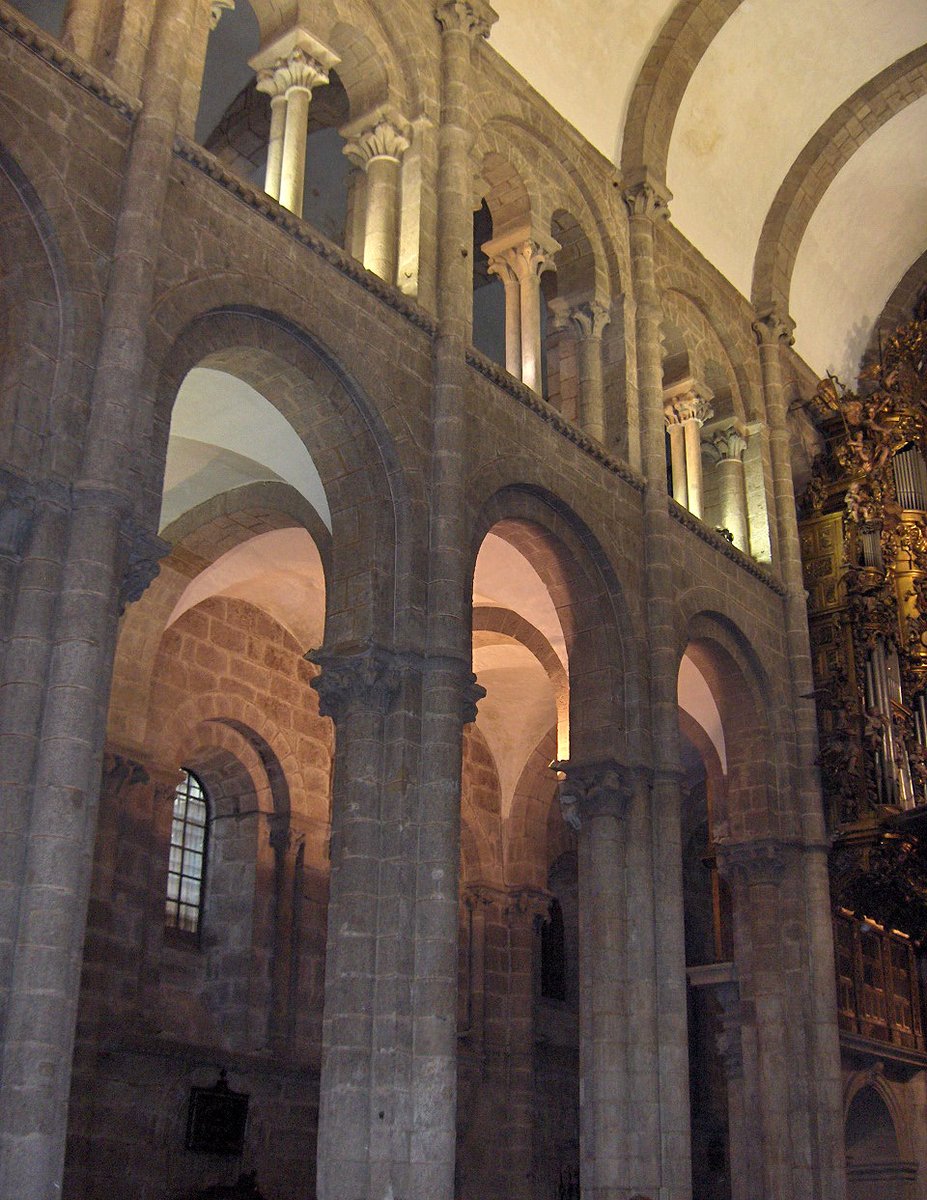
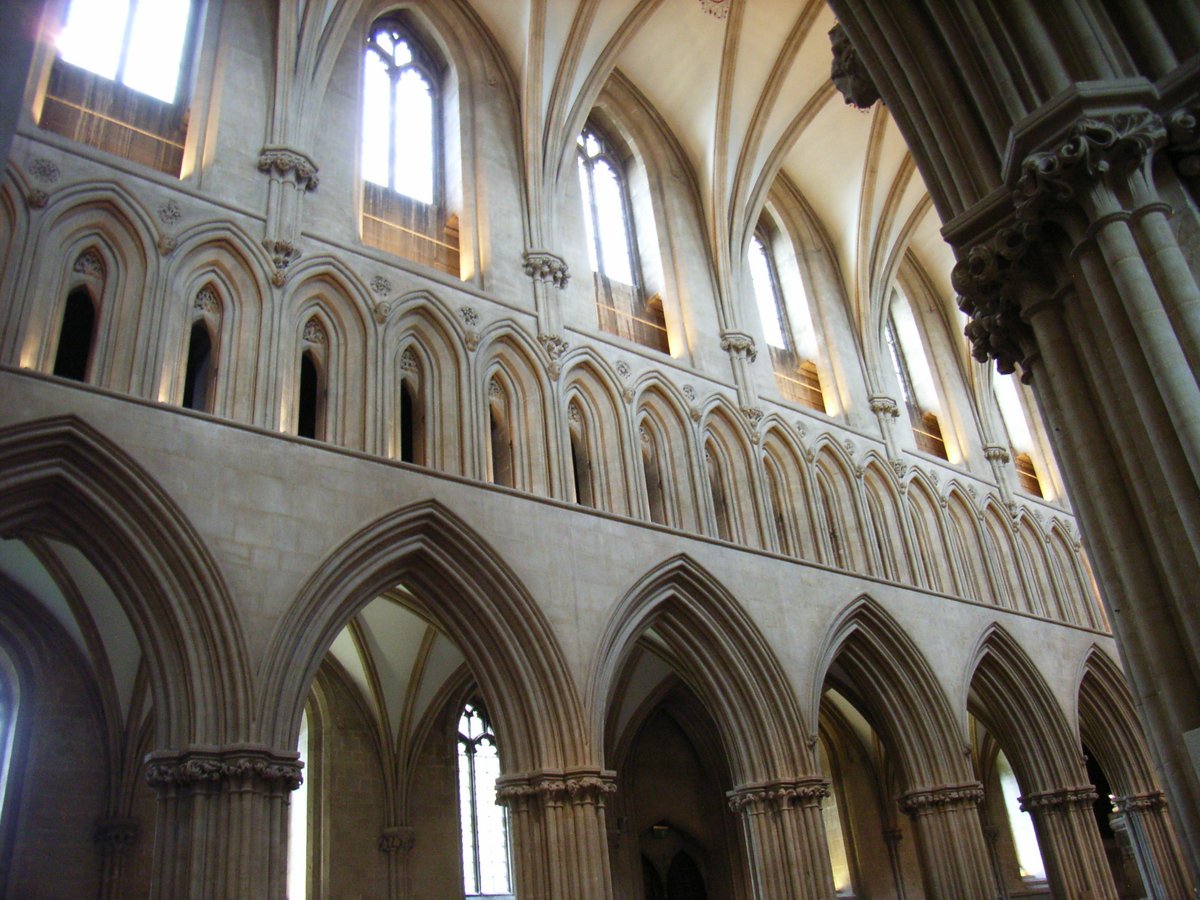
The pointed arch reached Europe in the 12th century; it was an engineering revelation which allowed for far bigger buildings.
We might imagine some people lamenting the loss of the "traditional" rounded arch.
The pointed arch reached Europe in the 12th century; it was an engineering revelation which allowed for far bigger buildings.
We might imagine some people lamenting the loss of the "traditional" rounded arch.
More recently the inventions of steel and reinforced concrete, of new construction techniques, machines, and manufacturing methods have fundamentally changed what is possible.
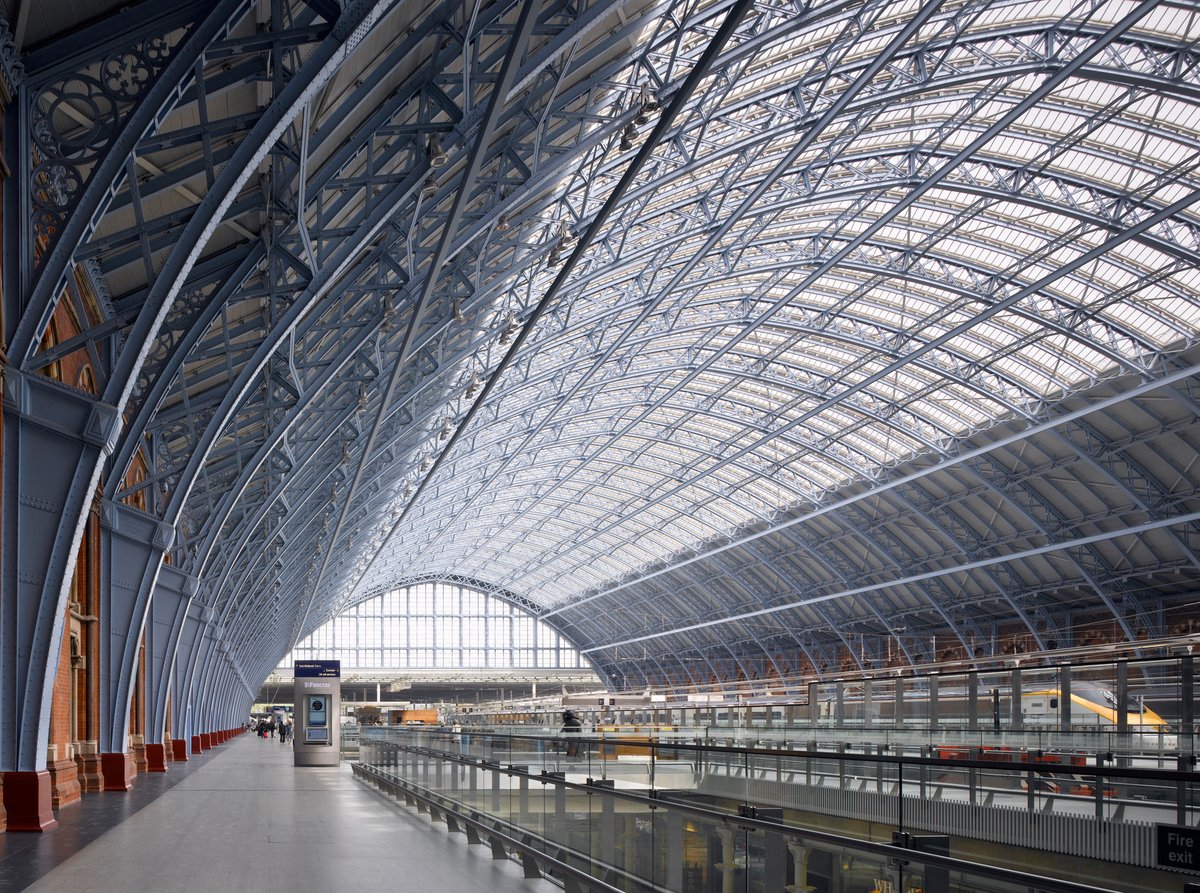
Girders and plate glass allowed for the vast train shed of London St Pancras Station in 1868:
Girders and plate glass allowed for the vast train shed of London St Pancras Station in 1868:
Seemingly ordinary things like air conditioning are also part of this process.
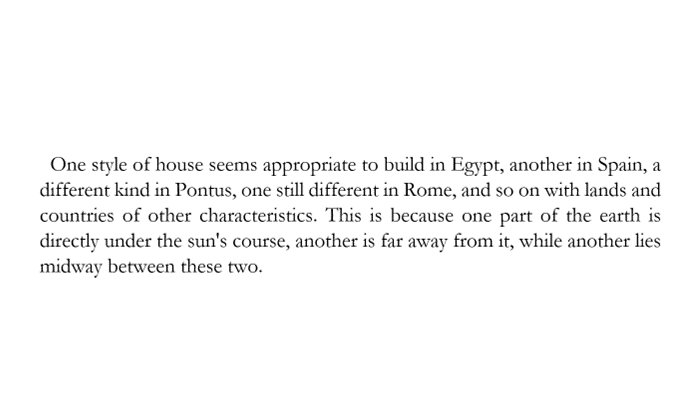
Traditional architecture had long been dictated by the local climate - Vitruvius wrote about that over 2,000 years ago - but such specific design principles are made redundant by climate control.
Traditional architecture had long been dictated by the local climate - Vitruvius wrote about that over 2,000 years ago - but such specific design principles are made redundant by climate control.
The increasingly global economy and improvements in transport have long since removed the need to rely on local materials.
In many places it has instead become cheaper and easier to ship in materials, natural or synthetic, than find or make them locally.
In many places it has instead become cheaper and easier to ship in materials, natural or synthetic, than find or make them locally.
But that's not all.
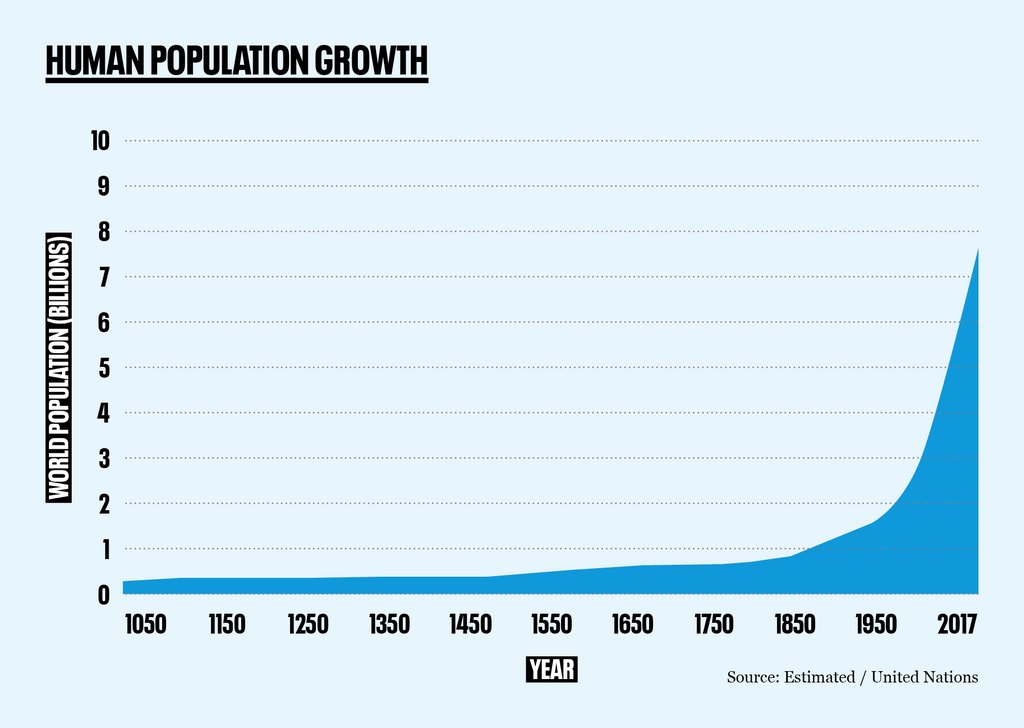
This graph has a big role to play in the changing appearance of the world. Since the turn of the 19th century the global population has grown at an exponential rate.
Where were all these people going to live?
This graph has a big role to play in the changing appearance of the world. Since the turn of the 19th century the global population has grown at an exponential rate.
Where were all these people going to live?
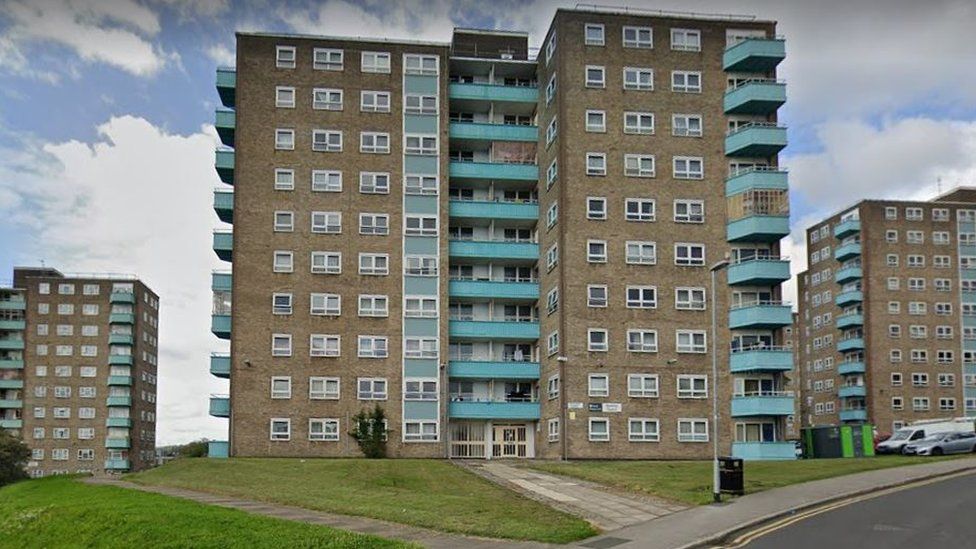
Hence the rise of prefabricated buildings, made possible by innovation but inevitably lacking in style.
Lots of people need housing and governments have reasoned that this pressing need is more important than aesthetics or tradition - they prioritise speed and cost.
Lots of people need housing and governments have reasoned that this pressing need is more important than aesthetics or tradition - they prioritise speed and cost.
Older architectural styles, especially the vernacular, are in some ways ill-suited to the demands of the modern world.
Their very reliance on local materials and craftspeople require a socio-economic infrastructure which simply doesn't exist anymore.
That's one view, anyway.
Their very reliance on local materials and craftspeople require a socio-economic infrastructure which simply doesn't exist anymore.
That's one view, anyway.
Another is that using traditional styles has never been about building in the same way (or even with the same materials!) as in the past, but about giving them the same character.
Perhaps it's still possible, then. All of these were built in the last 25 years:
Perhaps it's still possible, then. All of these were built in the last 25 years:
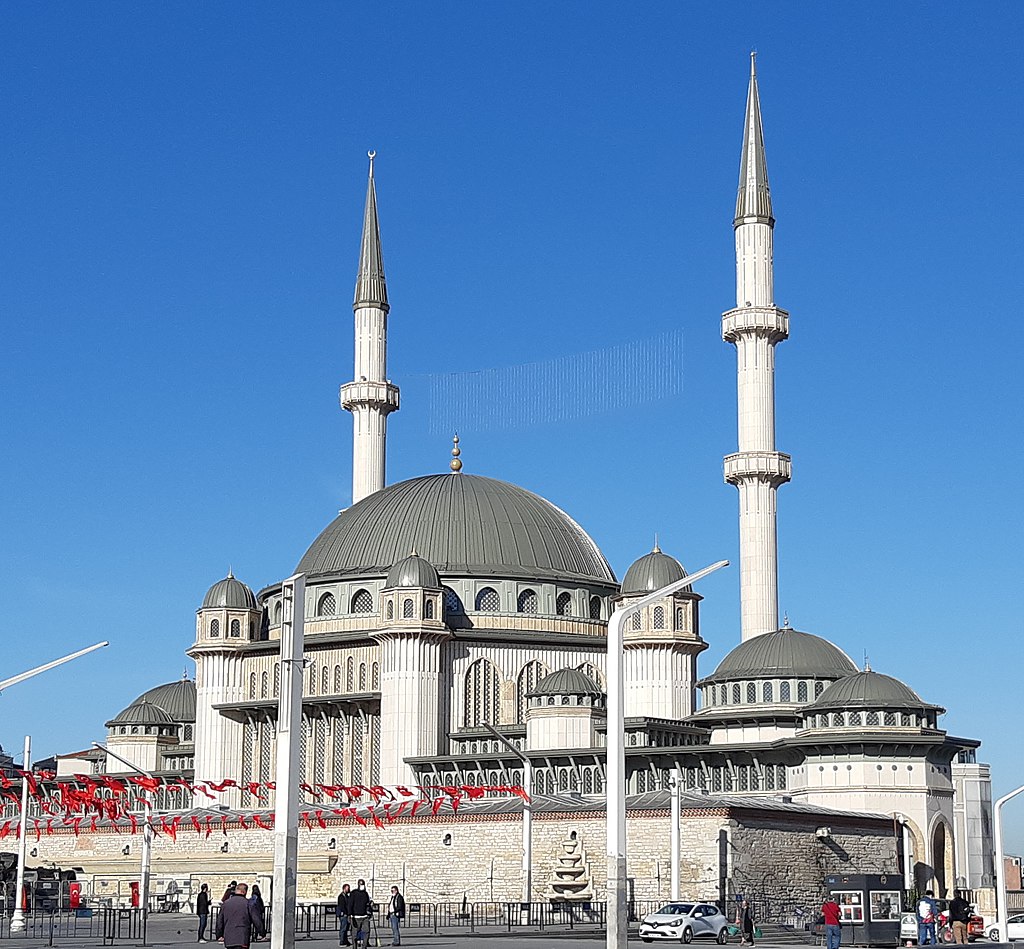
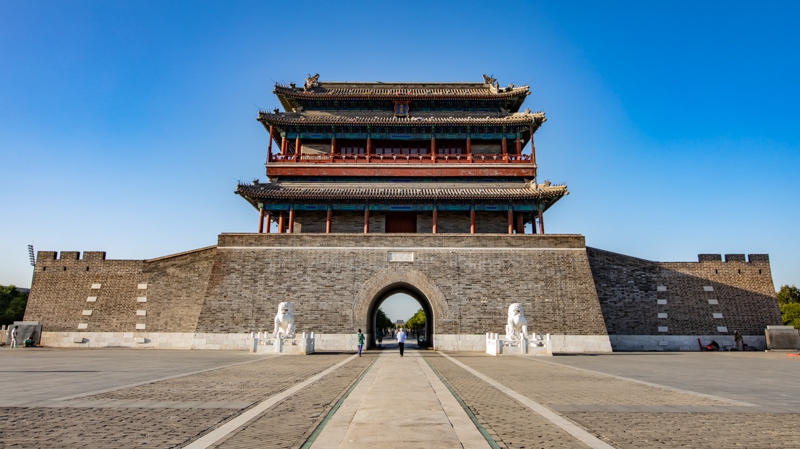
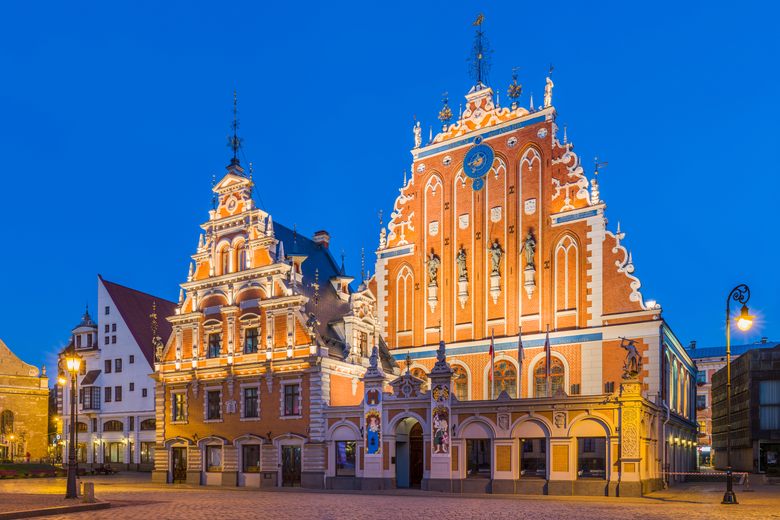
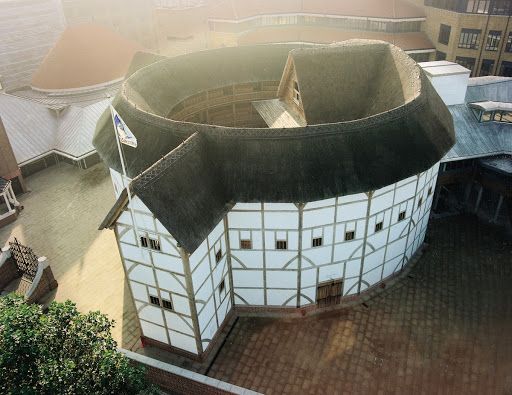
Some theorists have argued that such design is inauthentic.
But when the people of Frankfurt rebuilt their Old Town, which been destroyed in WWII, between 2012-2018, was that inauthentic?
If people like how it looks and want such buildings, that is justification enough.
But when the people of Frankfurt rebuilt their Old Town, which been destroyed in WWII, between 2012-2018, was that inauthentic?
If people like how it looks and want such buildings, that is justification enough.
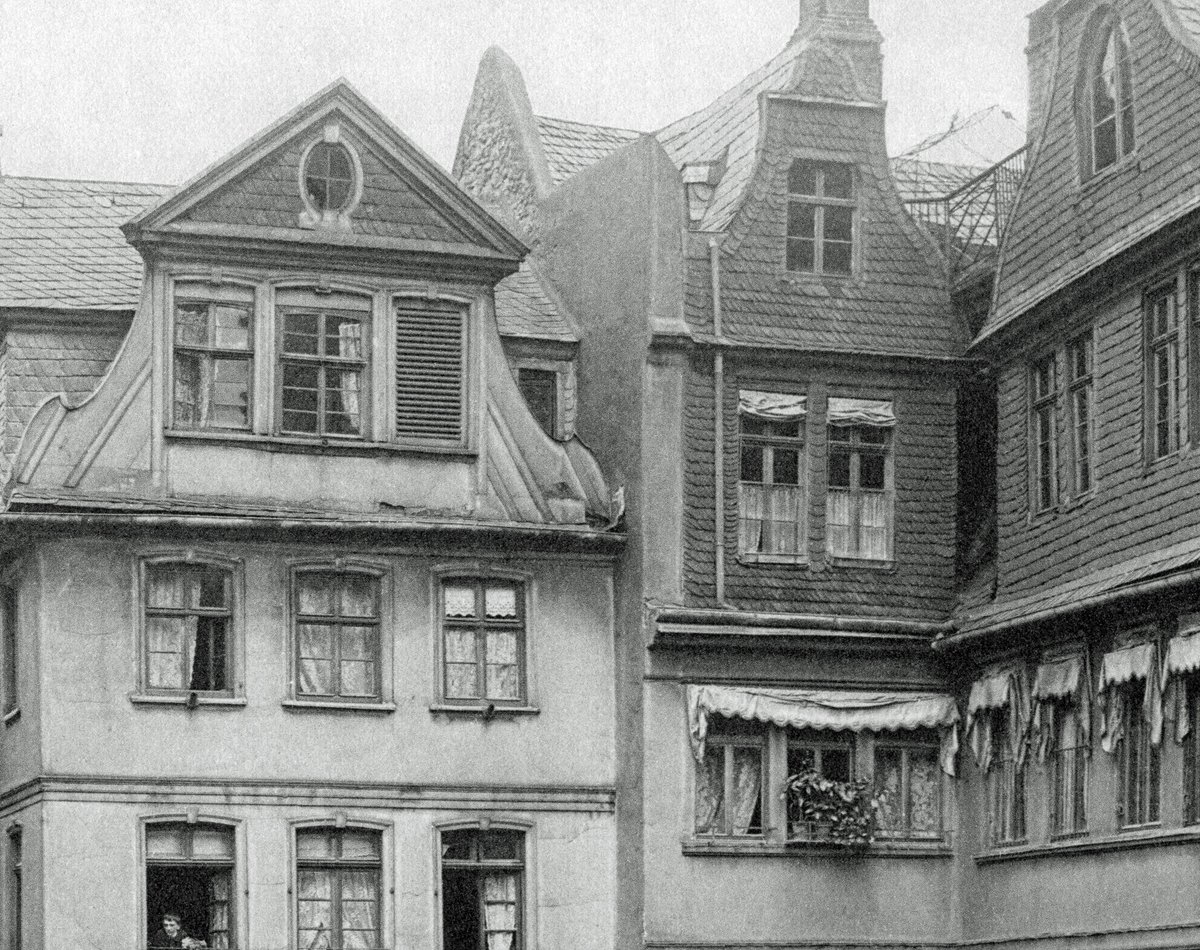
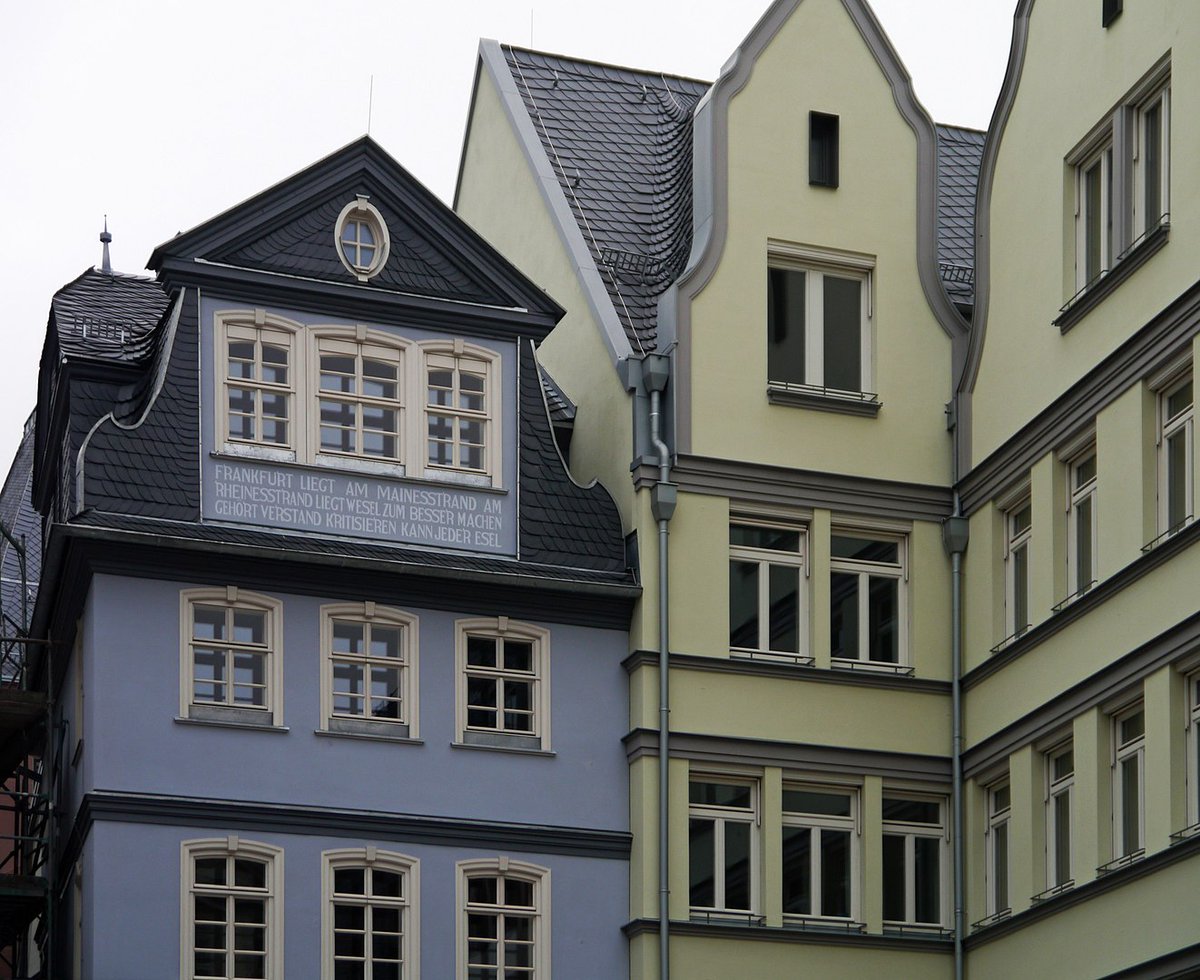
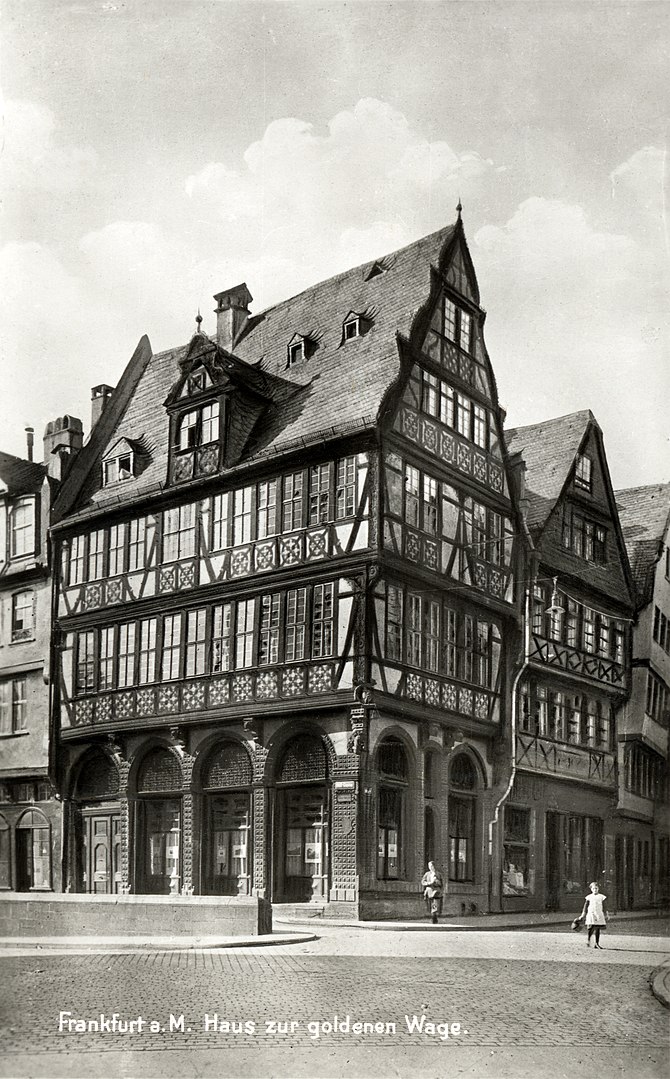
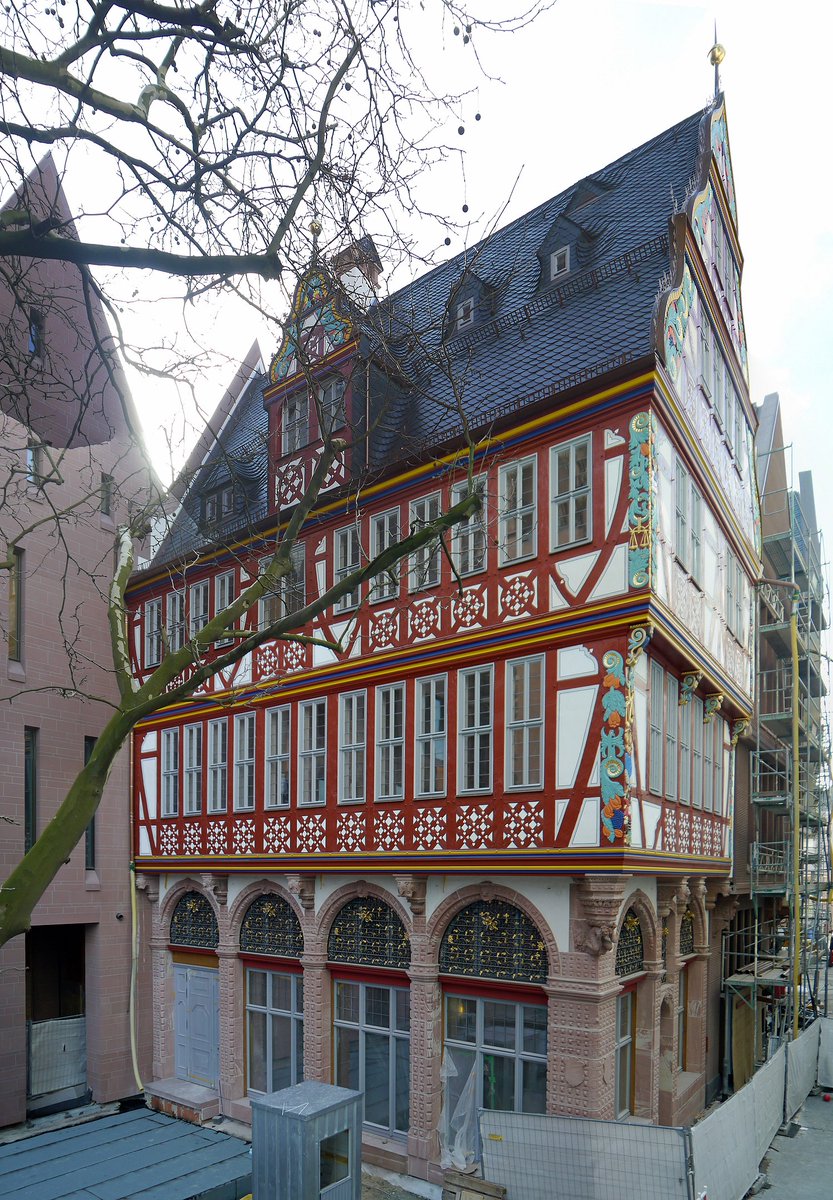
The point here is that aesthetics matter, and that views about how buildings *should* look has also played a big role in architectural history, not only economics.
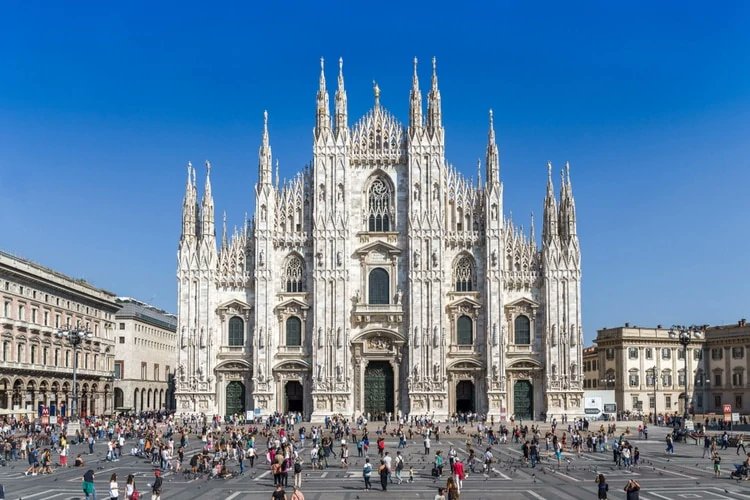
It was a fundamentally aesthetic choice when the architects of the Renaissance moved away from the Gothic style.
It was a fundamentally aesthetic choice when the architects of the Renaissance moved away from the Gothic style.
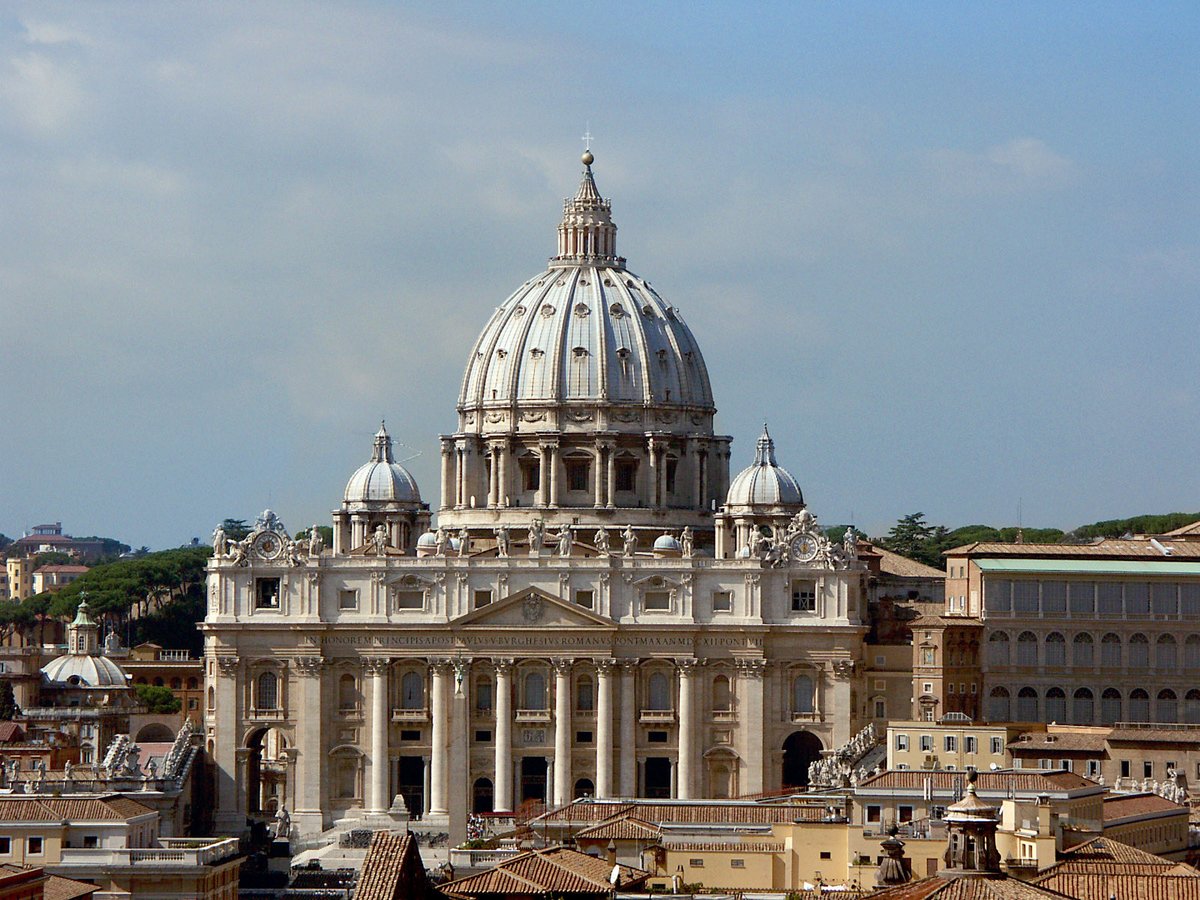
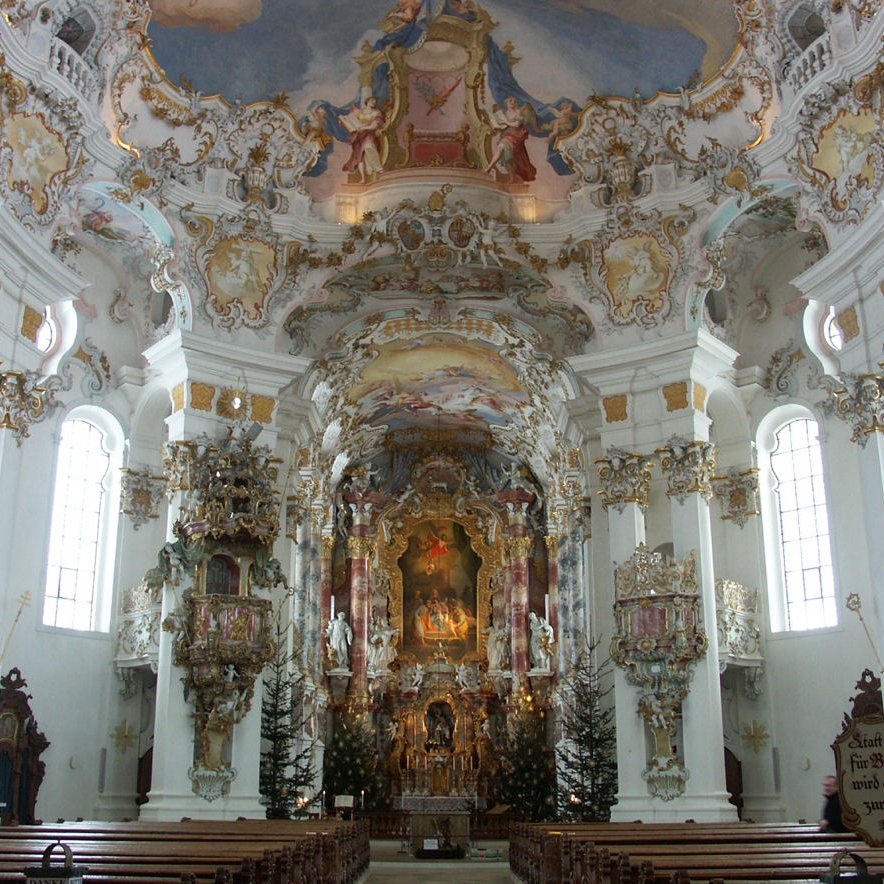
The overwhelming ornamentation and flamboyance of the Baroque was part of the Catholic Church's response to Protestantism.
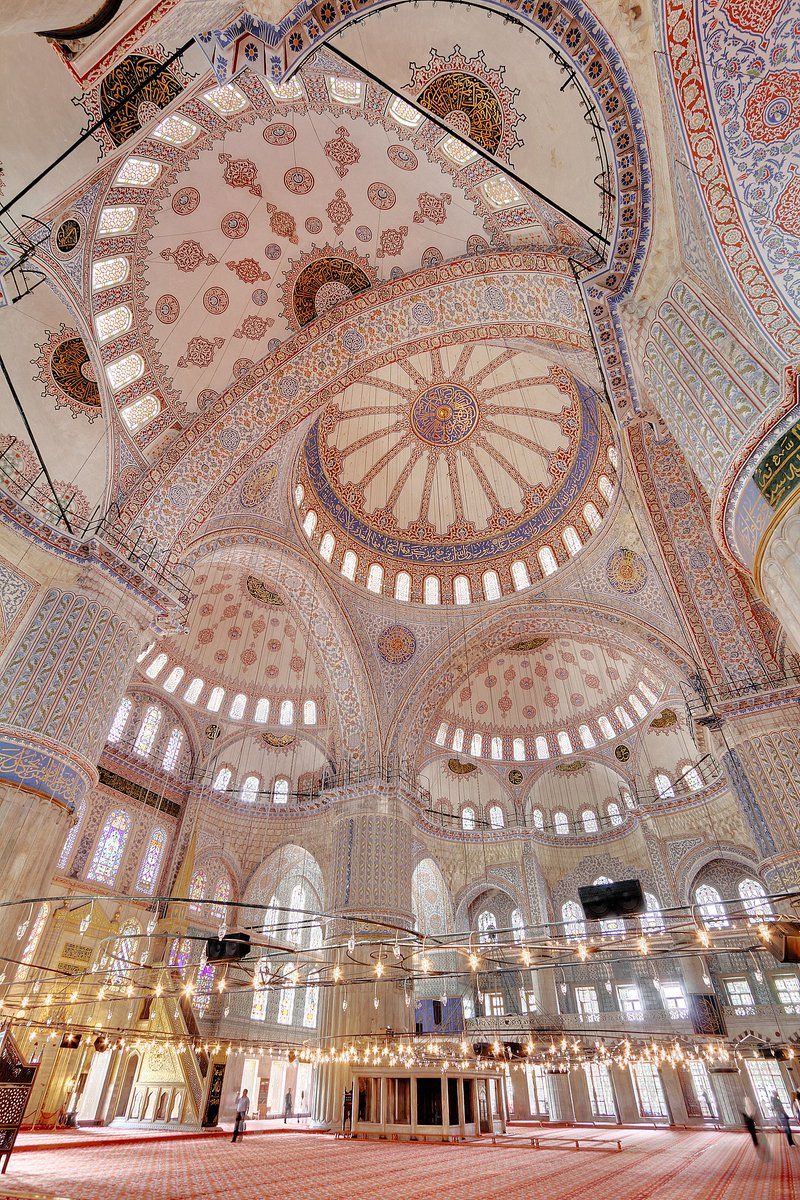
And the exquisitely tessellated tiles of many mosques, with all their colour and pattern, partially result from Islam's avoidance of representational art.
And the exquisitely tessellated tiles of many mosques, with all their colour and pattern, partially result from Islam's avoidance of representational art.
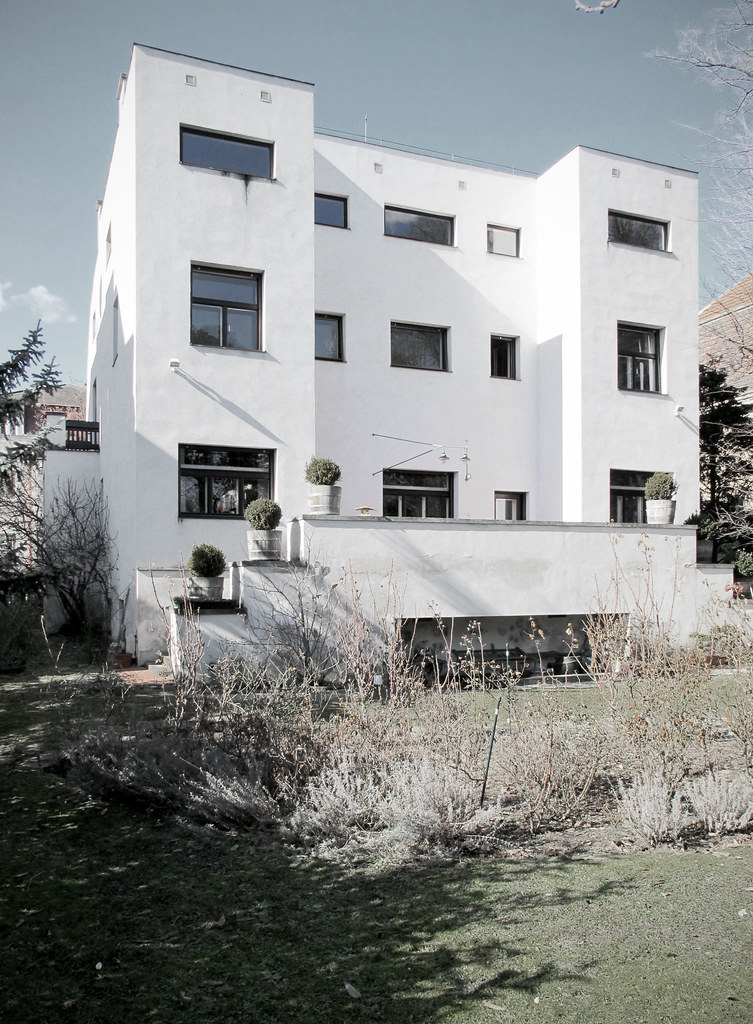
More recently it was architects like Adolf Loos who created Modernist architecture as an aesthetic choice, not only an economic necessity, at the beginning of the 20th century.
His Steiner House in Vienna, despite its modern appearance, is actually 112 years old!
His Steiner House in Vienna, despite its modern appearance, is actually 112 years old!
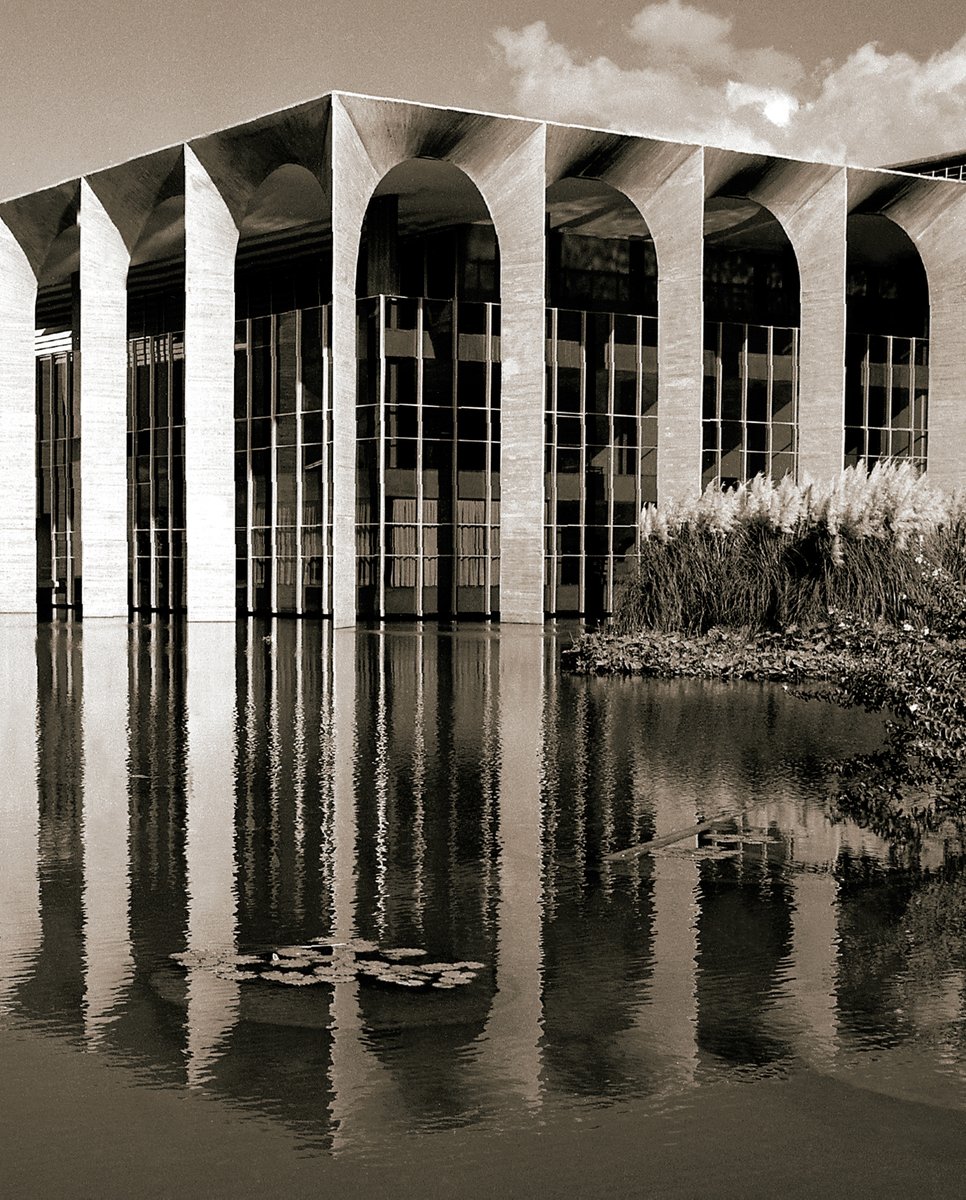
While Brutalism originated in the 1950s and 1960s, a time of post-war social upheaval across the world, as a direct challenge to all that had come before.
It was supposed to be the architectural vision of a new, better world.
It was supposed to be the architectural vision of a new, better world.
And so aesthetics, not only economic factors, have always played a role in architecture - a building's appearance is important.
That's why tourists take photos with the most beautiful buildings (not all of them traditional, necessarily) on their trips.
That's why tourists take photos with the most beautiful buildings (not all of them traditional, necessarily) on their trips.
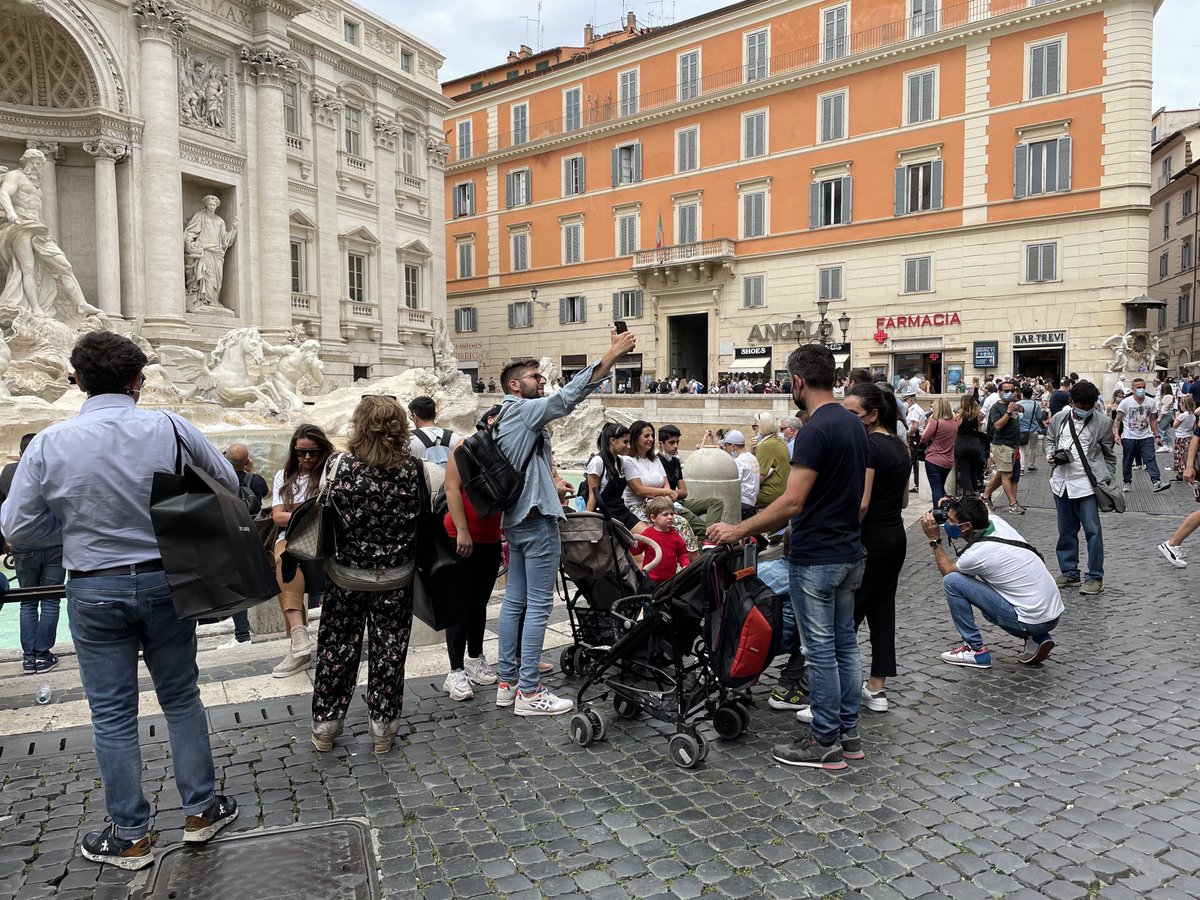
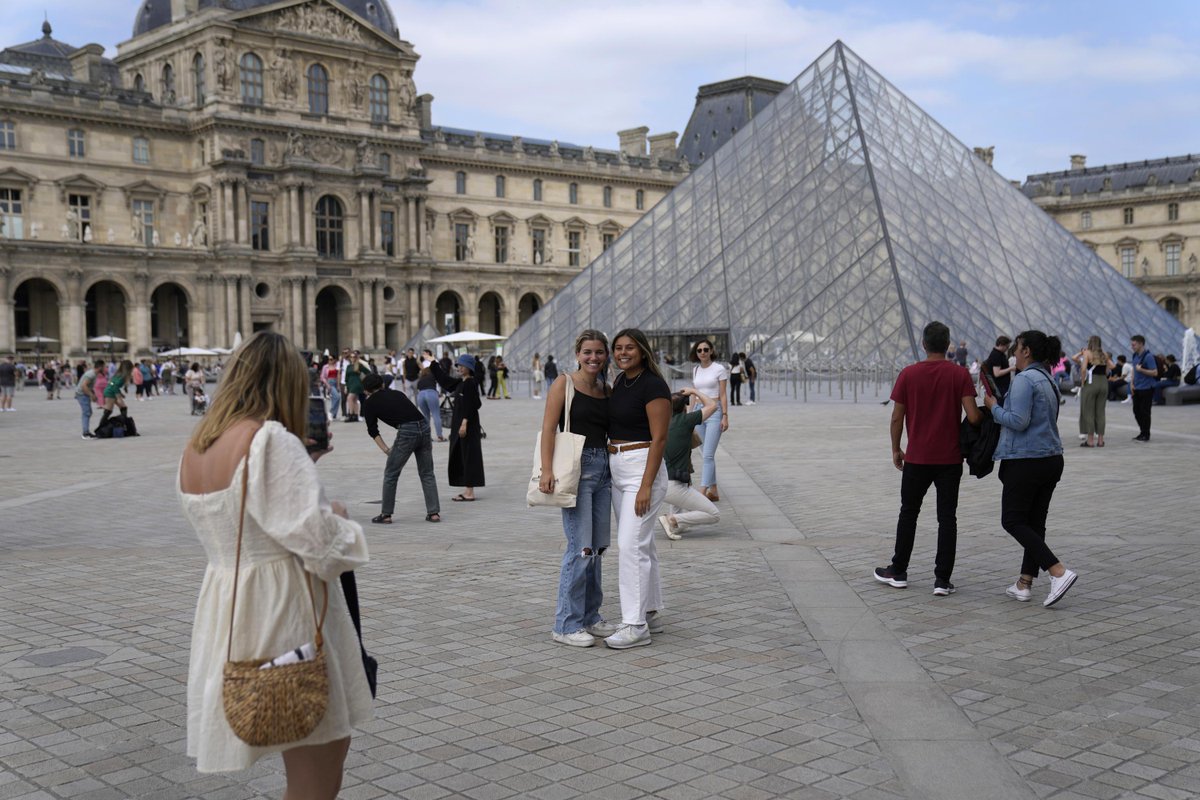

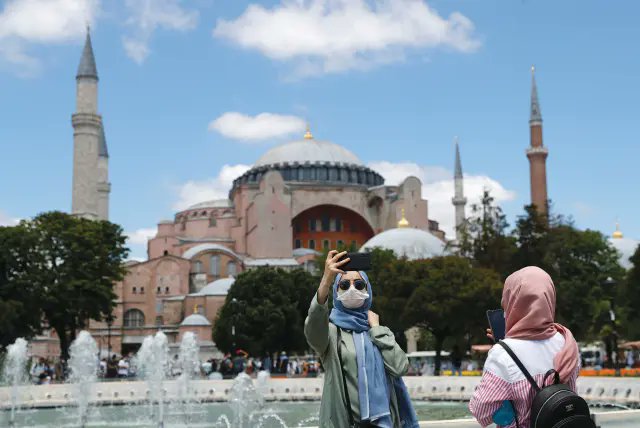
And that's the thing about traditional and vernacular architecture - people seem to prefer it.
In buildings with distinctive, more localised style, they find a sense of belonging and identity.
Warsaw's Old Town was also rebuilt after WWII - it was part of the city's identity.
In buildings with distinctive, more localised style, they find a sense of belonging and identity.
Warsaw's Old Town was also rebuilt after WWII - it was part of the city's identity.
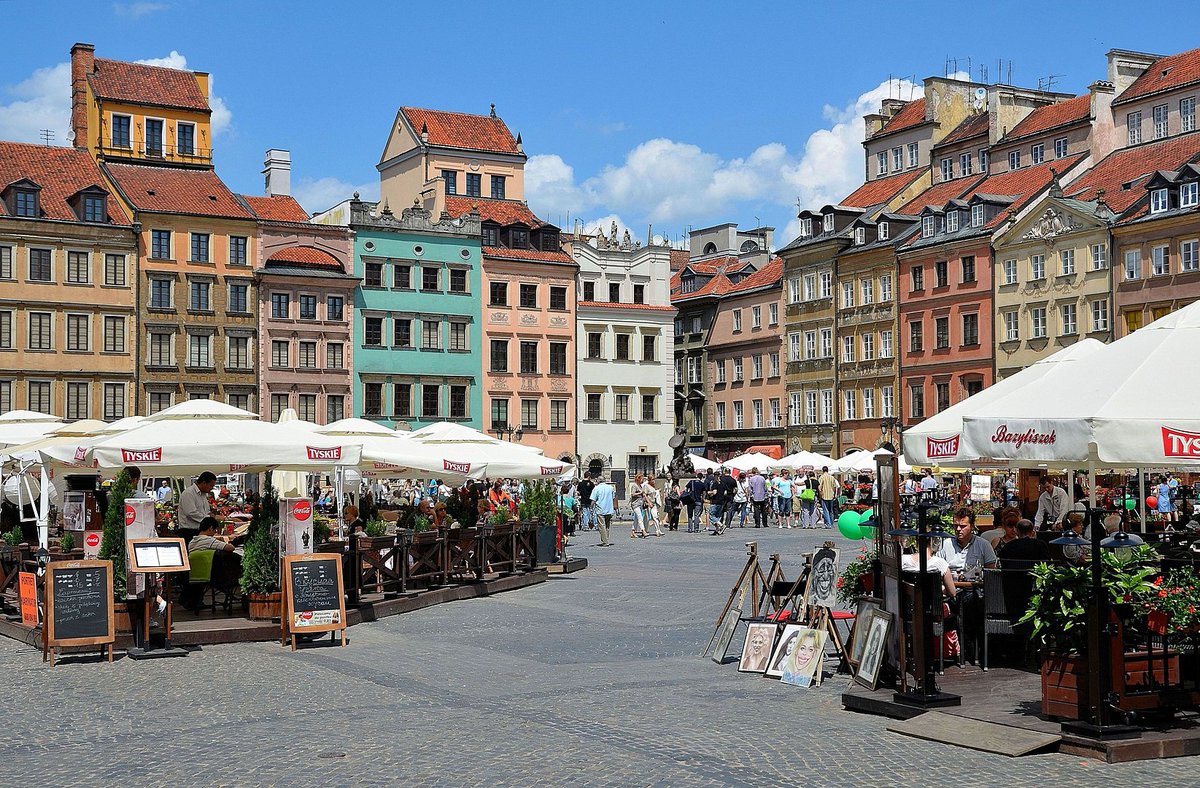
It also has functional advantages, not least its environmental suitablity and ecological efficiency, its durability and human scale.
Plus the psychological, emotional, civic, and economic benefits of architecture that people feel attached to.
Plus the psychological, emotional, civic, and economic benefits of architecture that people feel attached to.
And so the real question (or two) turns out to be: is traditional architecture - whatever that means for whichever part of the world - still important? And, if so, is it still possible?
In many places it continues to exist and in others it is making a comeback.
In many places it continues to exist and in others it is making a comeback.
Architecture is always a choice, one which is both restricted and expanded by technological, economic, political, and socio-cultural factors.
Traditional architecture around the world came from specific contexts which have changed.
Does it have a place in the modern world?
Traditional architecture around the world came from specific contexts which have changed.
Does it have a place in the modern world?
I also write about architecture in my free newsletter, Areopagus.
It features seven topics every Friday, including history, art, and music.
To make your week a little more interesting, useful, and beautiful, consider joining 50k+ other readers here:
culturaltutor.com
It features seven topics every Friday, including history, art, and music.
To make your week a little more interesting, useful, and beautiful, consider joining 50k+ other readers here:
culturaltutor.com

Loading suggestions...