
#THREAD TAXATION/oppression on NADARs & Poors during beginning of 19th century.
The Whole Taxation system was arbitary and barberous in Travancore. The taxes were mainly on unpriviledged Class.
1/15
The Whole Taxation system was arbitary and barberous in Travancore. The taxes were mainly on unpriviledged Class.
1/15

Not only the tax was arbitarily collected from subdued Nadars also 20% of tax sp collected by officers was not deposited to Govt Cofers.
2/15
2/15

#1 POLLTAX was a capitation tax imposed in 1754, on the Nadars and the Ezhavas by Marthanda Varma to fill the state exchequers.
Nadars staying in Travancore were liable to pay tax for their dead and migrated members as well.
Convert Christians were EXEMPT from POLL TAX.
3/15
Nadars staying in Travancore were liable to pay tax for their dead and migrated members as well.
Convert Christians were EXEMPT from POLL TAX.
3/15

#2 PURUSHANTARAM was a Tax on inheretance of property ~40% of the property value
4/15
4/15
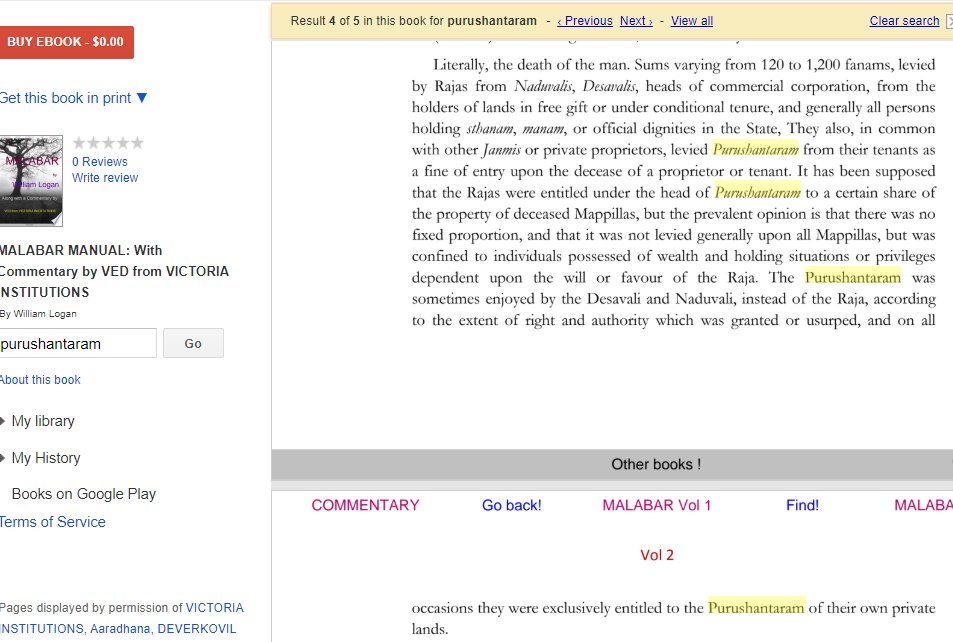
#3 ADIYARATAX : Adiyara was an another tax paid to the king to wear ornaments. Ezhavas, Shanars, Washermen, Cavady, Mukkuvars, Parayas and Pulayas had to pay this tax to the government. It was abolished in 1815
5/15
5/15
#4 SHETTUPAUTAM A tax called Shettupautam was collected in the town plan department and surveyed by the district servants. The tax was collected from Poors.
6/15
6/15
#5 Kuppakazhcha was a house tax collected for each hut from Parayas, Pulayas and Shanars in the taluk of Thovalai. Weavers had to pay for their looms. In the event of death of a weaver, his widow had to continue paying tax of about a rupee per annum.
7/15
7/15
#6 Thali Erai was a tax that married women were required to pay for wedding.
By this tax the poor women were suffered much. Many times marriages were stopped because of the disability of the tax payment.
8/15
By this tax the poor women were suffered much. Many times marriages were stopped because of the disability of the tax payment.
8/15
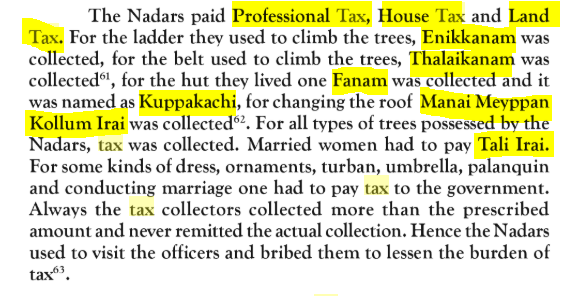
#7 Other forms of taxes were Professional tax, house tax, Land tax, Enikkanam(Ladder tax), Thalaikanam (climbing), Kuppakachi (Hut), Manai Meypan Kollum Irai (changing roof), Marriage tax.
9/15
9/15
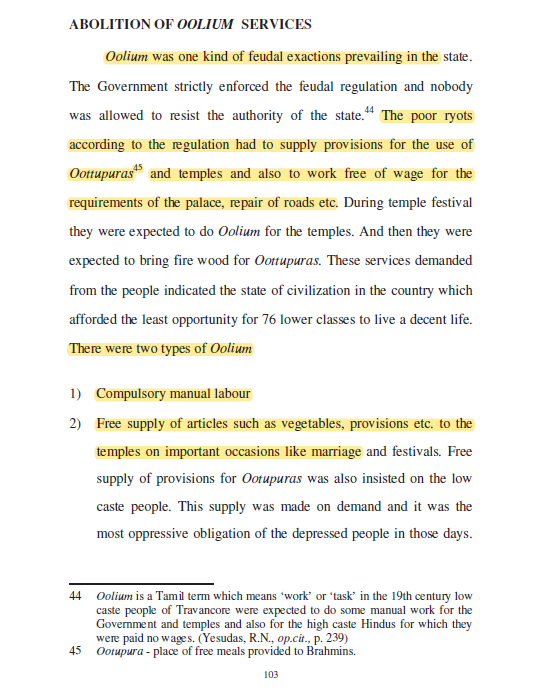
#8 Another State burden OOLIUM was imposed on unpriviledged:
This included:
1. Compulsory manual labour without consideration by legislation.
2. supply of provisions to temples (free of cost)
10/15
This included:
1. Compulsory manual labour without consideration by legislation.
2. supply of provisions to temples (free of cost)
10/15
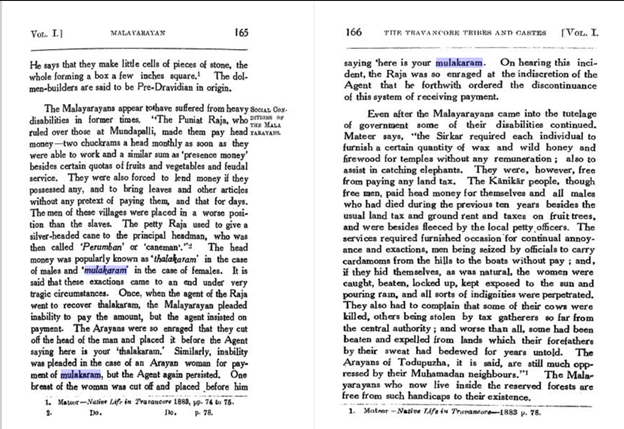
#9 MULAKKAM and THALAKARAM were HEAD MONEY payable by Malayarans (unpriviledged) upon achieving working age that too limited to few villages in travancore.
11/15
11/15
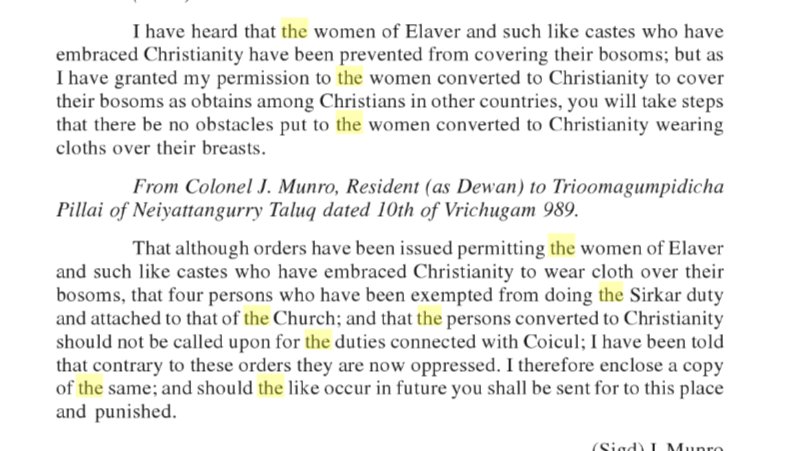
During 19th century Converted Nadars woman were allowed to cover their bosoms, however, other Nadar woman were deprived of their rights
12/15
12/15
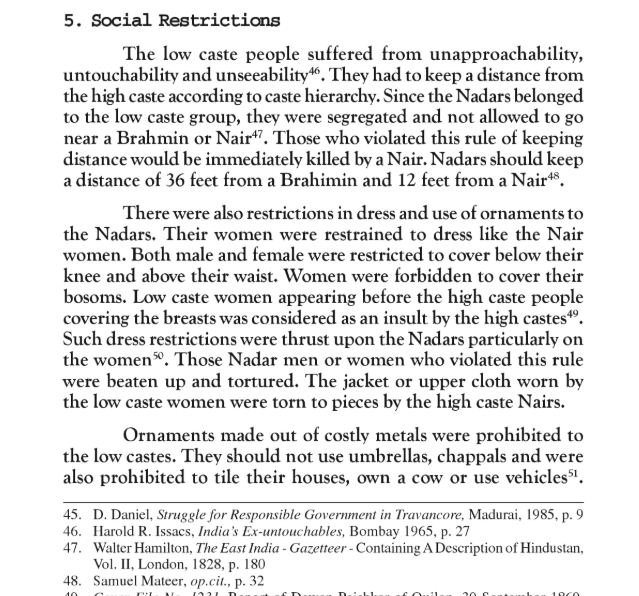
Nadars were treated as low caste hence not allowed to go near Brahim or Nair. A distance of 36 feet from Brahmin and 12 feet from a Nair was mandatory to be maintained.
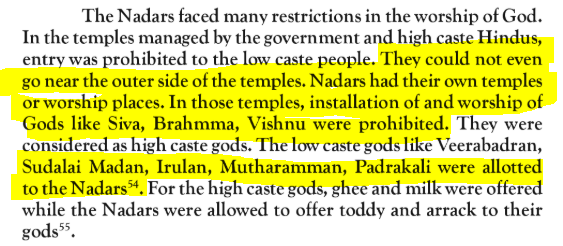
They were not allowed to go Hindu temples and had separate temples for them.
13/15
They were not allowed to go Hindu temples and had separate temples for them.
13/15
With these excessive tax burden and social status, Nadar stayed subdued and deprived for long.
Rani Parvathi Bai abolished many of these taxes to bring reprive to the downtrodden
14/15
Rani Parvathi Bai abolished many of these taxes to bring reprive to the downtrodden
14/15
You can read the unrolled version of this thread here: typefully.com
15/15
15/15
Loading suggestions...