

Profiles Of Generational Wealth
Today we meet the family behind the world's longest-running family business:
• How did they succeed for 40 generations?
• What lead to them to sell in 2006 after 1,428 years of continual operation?
Let's dive in👇
Today we meet the family behind the world's longest-running family business:
• How did they succeed for 40 generations?
• What lead to them to sell in 2006 after 1,428 years of continual operation?
Let's dive in👇

On Monday, Family Wealth Compass subscribers learned about the Henokiens Club - the 52 oldest family enterprises in the world.
Among the Henokiens, Japan is well-represented with 10 members.
For centuries, Kongō Gumi outranked them all as the world's longest running business.
Among the Henokiens, Japan is well-represented with 10 members.
For centuries, Kongō Gumi outranked them all as the world's longest running business.
In 578, Prince Shotoku commissioned the construction of Shitennō-ji, Japan's first Buddhist temple.
At the time, Japan had no carpenters trained to build Buddhist temples.
So the Prince hired family founder Shigetsu Kongō from the Buddhist state Baekje, in modern-day Korea.
At the time, Japan had no carpenters trained to build Buddhist temples.
So the Prince hired family founder Shigetsu Kongō from the Buddhist state Baekje, in modern-day Korea.
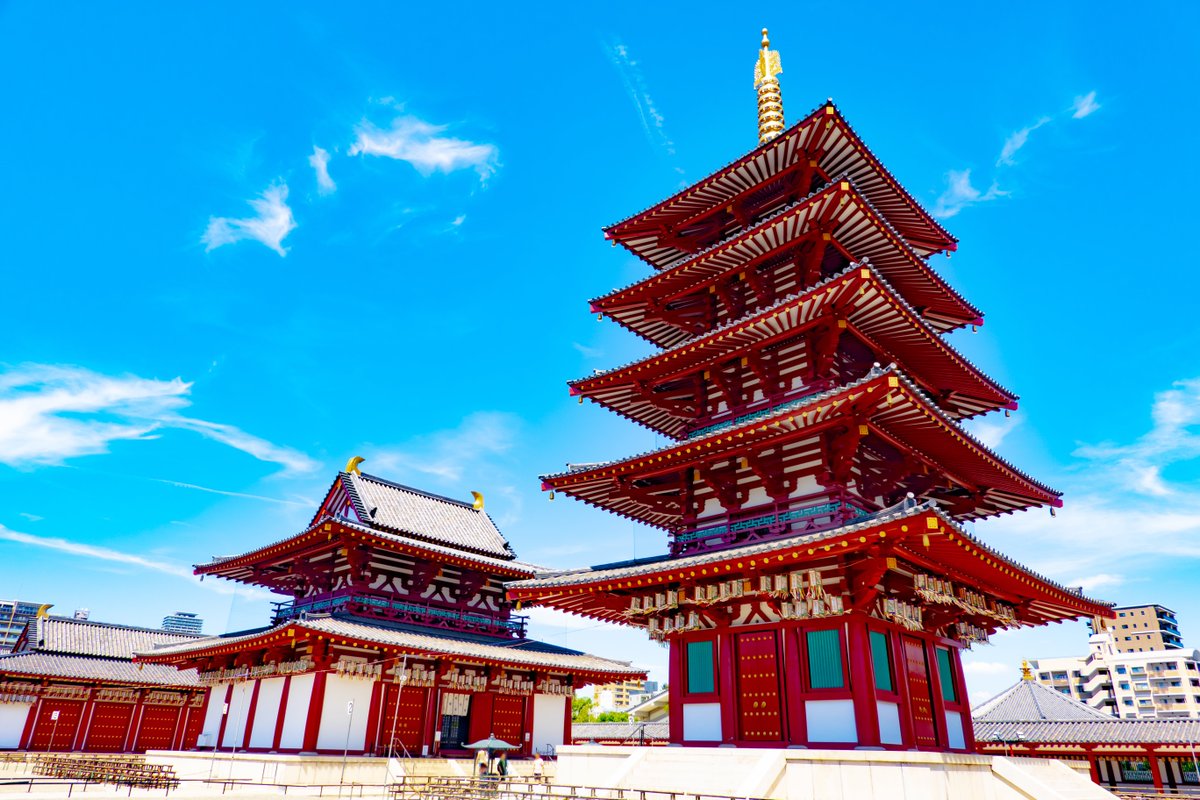
The intellectual capital of temple construction served Shigetsu's descendants well.
As Buddhism grew in Japan, so did business prospects: Hōryū-ji (607), Koyasan (816) & Osaka Castle (1583).
They flourished when temples received funding during the Edo period of 1603–1867.
As Buddhism grew in Japan, so did business prospects: Hōryū-ji (607), Koyasan (816) & Osaka Castle (1583).
They flourished when temples received funding during the Edo period of 1603–1867.

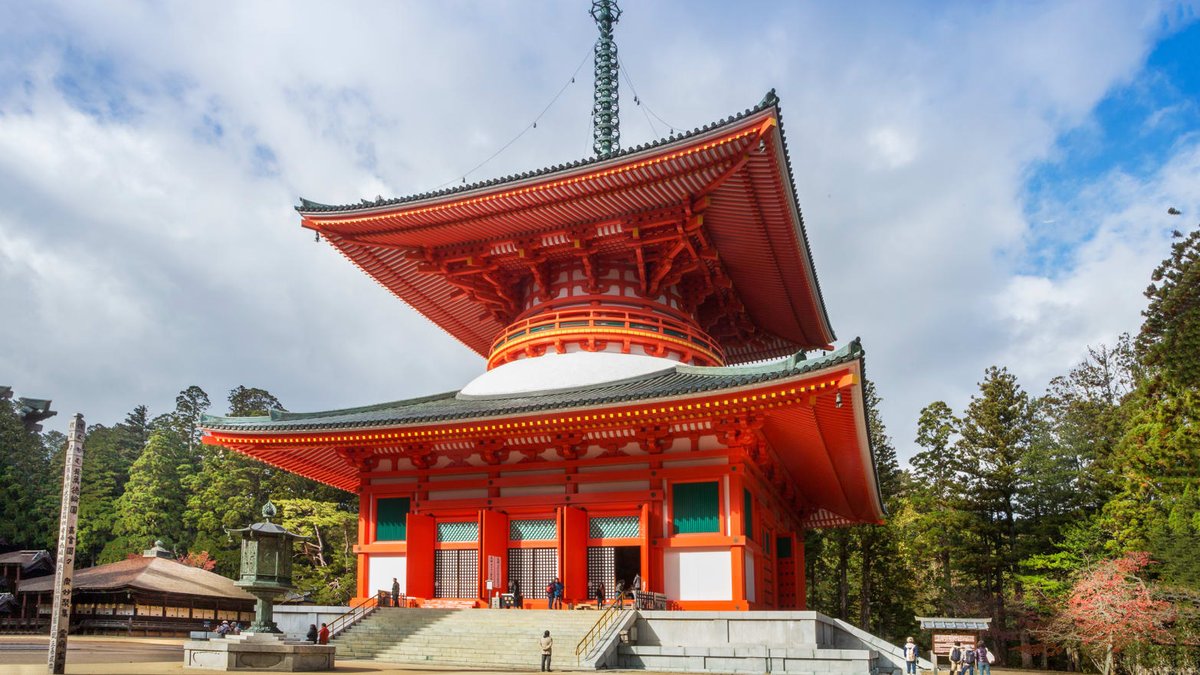
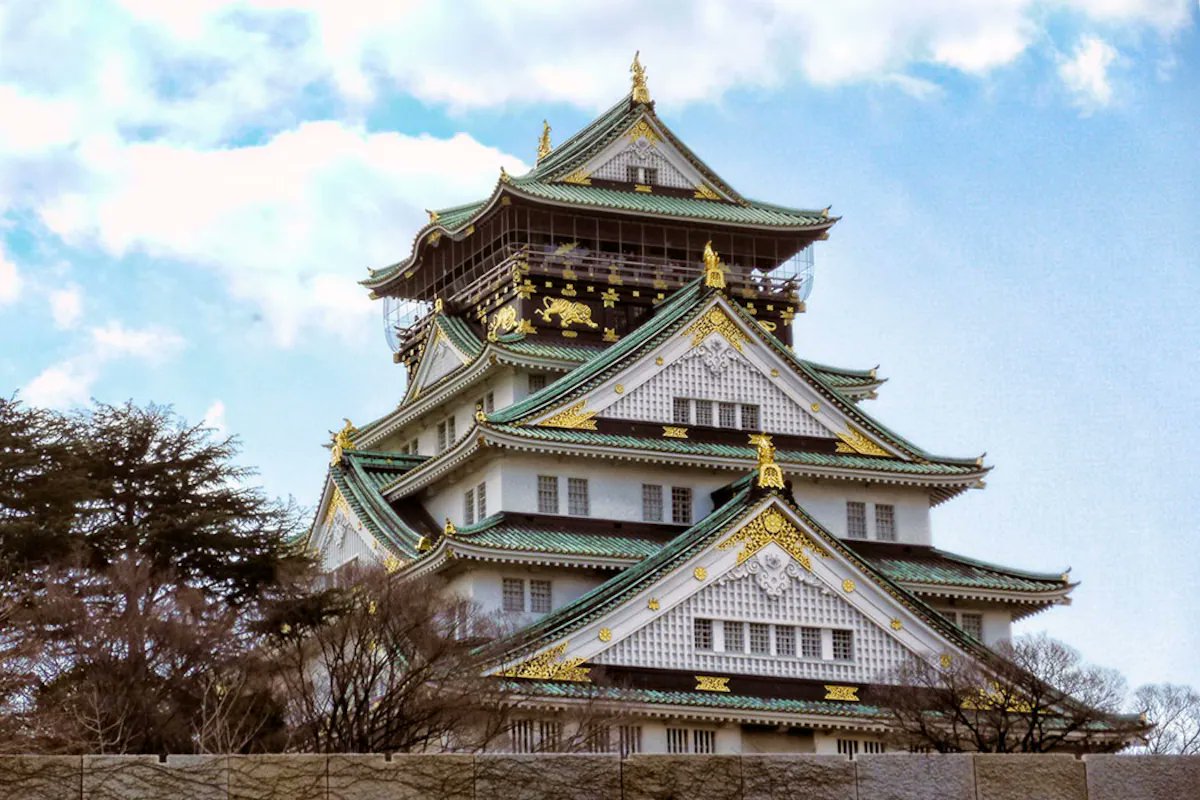
Kongō Gumi's mastery of traditional building techniques was rivaled only by a reputation for work of the highest quality.
They obsessively focused on customers, who remained loyal for centuries.
The recurring revenue from temple maintenance and repair was extremely valuable.
They obsessively focused on customers, who remained loyal for centuries.
The recurring revenue from temple maintenance and repair was extremely valuable.
Lasting for 40+ generations requires remarkable resilience.
Kongō Gumi survived many severe economic crises.
They survived the Meiji Period from 1868-1912 and the violent destruction of thousands of Buddhist temples in Japan.
Also, the Showa Crisis of 1927 & World War 2.
Kongō Gumi survived many severe economic crises.
They survived the Meiji Period from 1868-1912 and the violent destruction of thousands of Buddhist temples in Japan.
Also, the Showa Crisis of 1927 & World War 2.
However, Kongō Gumi depended on temple revenue.
The long-term decline of temple work created cracks further exposed by the 1990's asset bubble.
The value of real estate holdings plummeted. Debt obligations skyrocketed.
In 2006, they sold to parent company Takamatsu Kensetsu.
The long-term decline of temple work created cracks further exposed by the 1990's asset bubble.
The value of real estate holdings plummeted. Debt obligations skyrocketed.
In 2006, they sold to parent company Takamatsu Kensetsu.
Compared to the West, Japan's culture traditionally prized family continuity and craftsmanship.
Today, it's estimated that Japan has over 15,000+ family businesses over 100 years old.
Even so, Kongō Gumi excelled beyond all others.
Today, it's estimated that Japan has over 15,000+ family businesses over 100 years old.
Even so, Kongō Gumi excelled beyond all others.
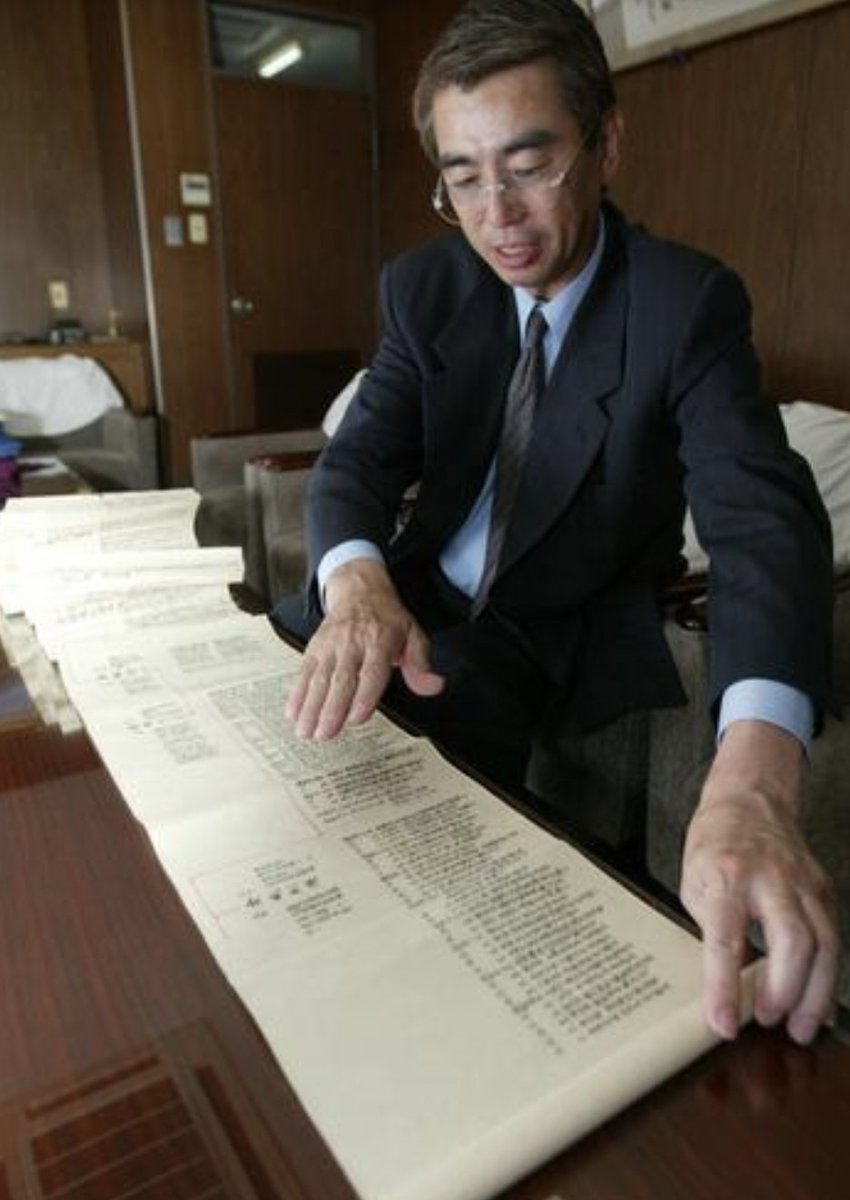
They are a fascinating example of longevity and strong family culture.
Though the 40+ generations of independence as a family enterprise has ended, there is still much to learn from their story.
Here's the 4 Family Wealth Keys from the Kongō Gumi Family:
Though the 40+ generations of independence as a family enterprise has ended, there is still much to learn from their story.
Here's the 4 Family Wealth Keys from the Kongō Gumi Family:
1. Prioritize Intellectual Capital:
Kongō Gumi transferred not only remarkable knowledge and skill for building, but also for business & family life.
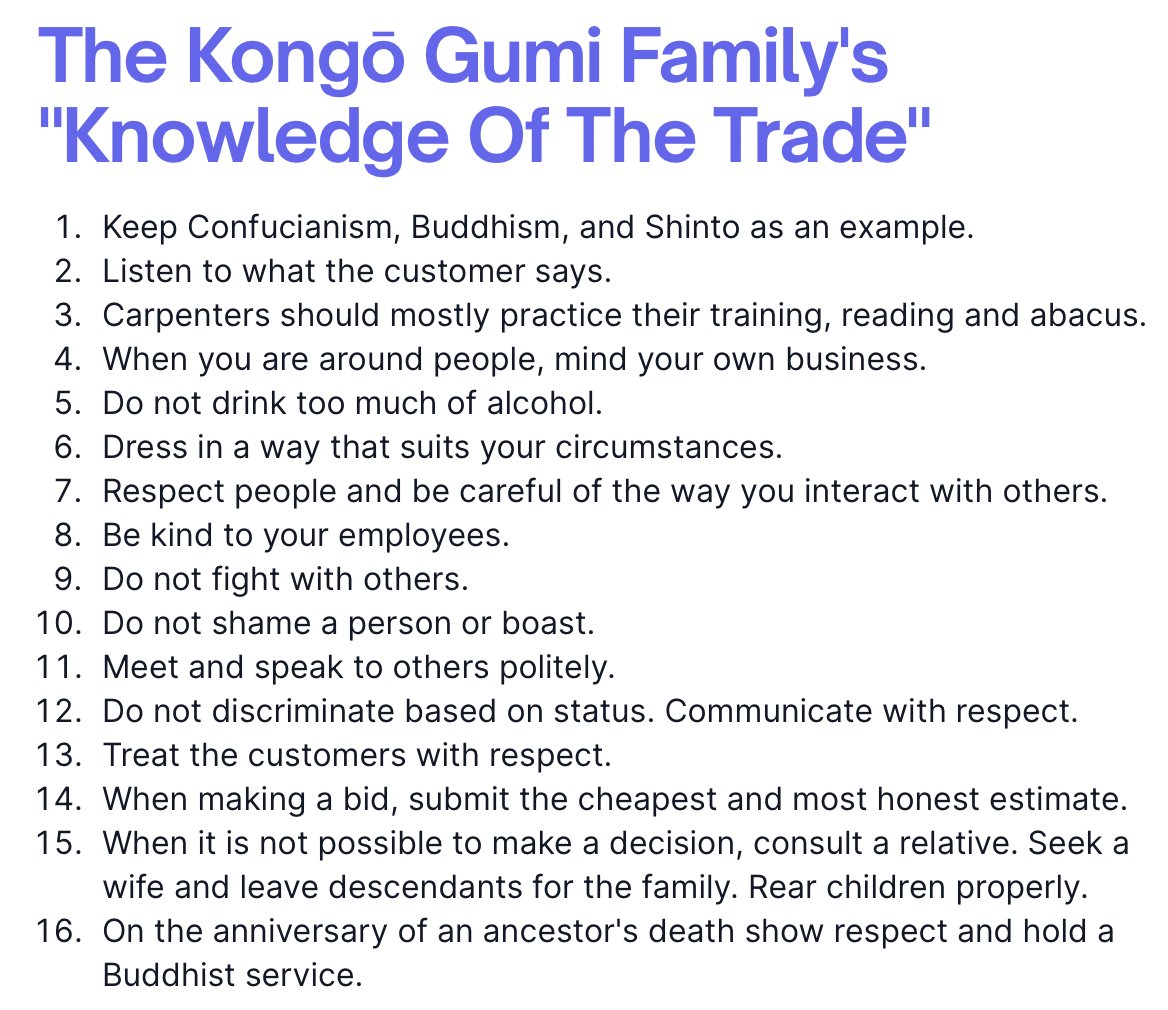
Below are 16 precepts left by the family's 32nd generation which are still prized by the family today:
Kongō Gumi transferred not only remarkable knowledge and skill for building, but also for business & family life.
Below are 16 precepts left by the family's 32nd generation which are still prized by the family today:
2. Embrace A Spirit Of Inclusion:
Kongō Gumi followed Japan's norm of legally adopting son-in-laws into the family.
This gave them an eldest son when there were no male heirs.
While not the norm in the West, a similar spirit of inclusion with in-laws is vital to family wealth.
Kongō Gumi followed Japan's norm of legally adopting son-in-laws into the family.
This gave them an eldest son when there were no male heirs.
While not the norm in the West, a similar spirit of inclusion with in-laws is vital to family wealth.
3. Merit-Based Succession:
While the eldest son was expected to be the head of the business, it was not always so.
If the eldest was not a suitable leader, then a younger sibling would be promoted.
Merit-based succession fosters the best long-term decisions for family wealth.
While the eldest son was expected to be the head of the business, it was not always so.
If the eldest was not a suitable leader, then a younger sibling would be promoted.
Merit-based succession fosters the best long-term decisions for family wealth.
4. Expect Change:
Temple revenue declined as Westernization eroded Japan's traditional culture.
There are many cultural factors that I do not pretend to understand.
But families building generational wealth must be ready to adjust & diversify in response to inevitable changes.
Temple revenue declined as Westernization eroded Japan's traditional culture.
There are many cultural factors that I do not pretend to understand.
But families building generational wealth must be ready to adjust & diversify in response to inevitable changes.
4 Keys To Generational Wealth from the Kongō Gumi Family:
1. Prioritize Intellectual Capital
2. Embrace A Spirit Of Inclusion
3. Merit-Based Business Succession
4. Expect Change
1. Prioritize Intellectual Capital
2. Embrace A Spirit Of Inclusion
3. Merit-Based Business Succession
4. Expect Change
For more threads like this follow me:
→ I'm @500YearFamily
And if you found this helpful, you can like and retweet the top tweet below.
→ I'm @500YearFamily
And if you found this helpful, you can like and retweet the top tweet below.
Loading suggestions...