
The bisht is a men’s cloak worn over a thobe — or ankle-length tunic — in the Arab world. Usually black, brown, grey, beige or white, it is a traditional prestigious outfit associated with royalty, celebrations & ceremony
A thread on the art, heritage & history of the bisht…
A thread on the art, heritage & history of the bisht…

1/ The word bisht is derived from Persian —and translates literally to “on one’s back.” It has become the locus for the classical Arabic word which is “the cloak”.

2/ The origins of the bisht date back to the fifth century B.C. and was worn in winter by Bedouins. Now the bisht is only worn for special occasions like weddings, festivals, graduations, celebrations and Eid.

3/ By the time of the Prophet Muhammad (PBUH) in the sixth century, soldiers and generals who performed well were shrouded with a bisht after battle in the conquests of the Persian and later Arab empires.
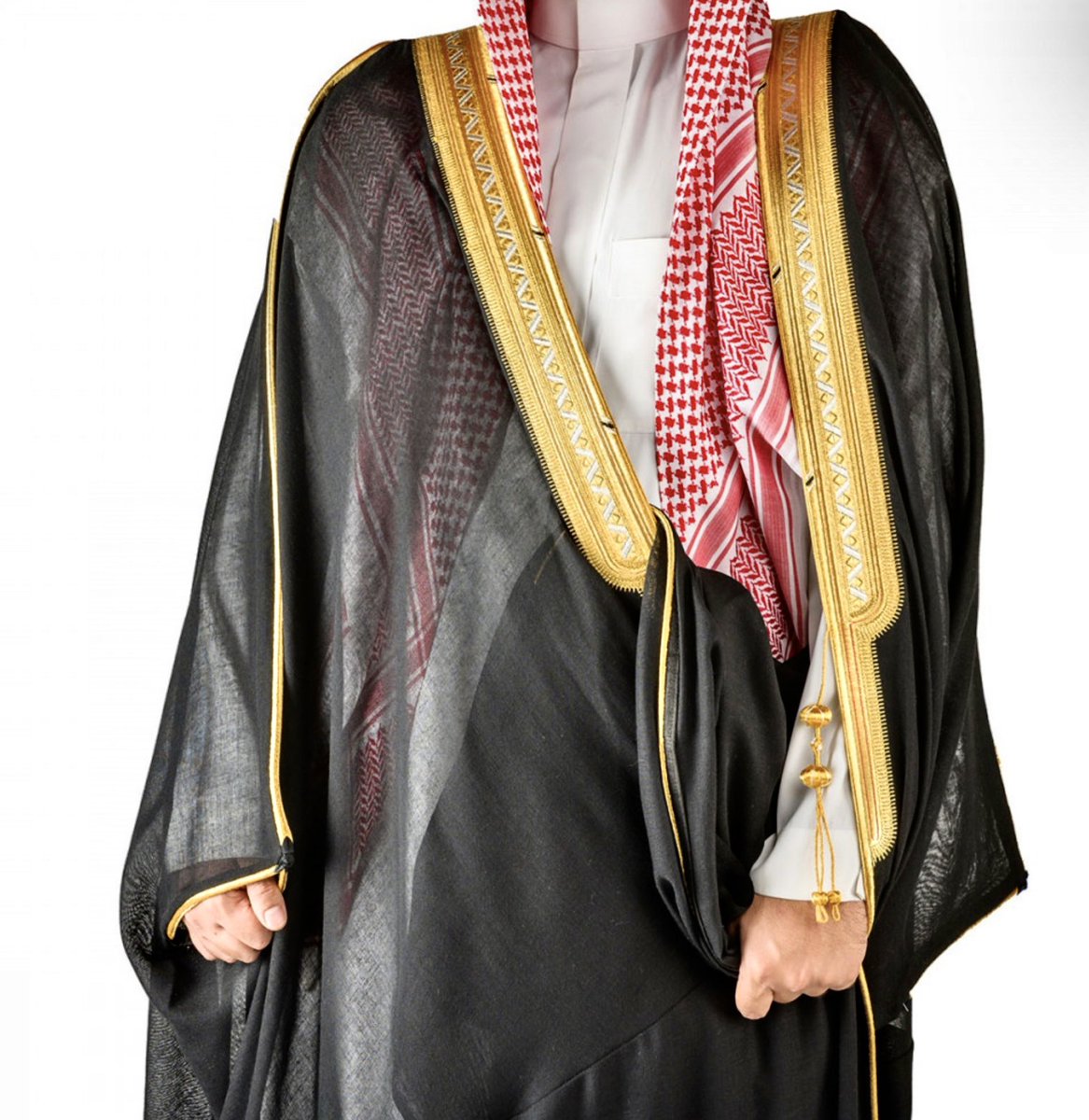
4/ The bisht has been the choice of formal wear for politicians, religious scholars and high-ranking individuals in the Arab world. This traditional flowing cloak is meant to distinguish those who wear it.

5/ Bishts are made of wool or camel hair. Wool can be sheared from sheep & lately from lamas. Bishts differ in their thicknesses of the weave, depending on the different seasons. Winter bishts are heavy in weight & coarse & summer Bishts are lighter in weight & soft
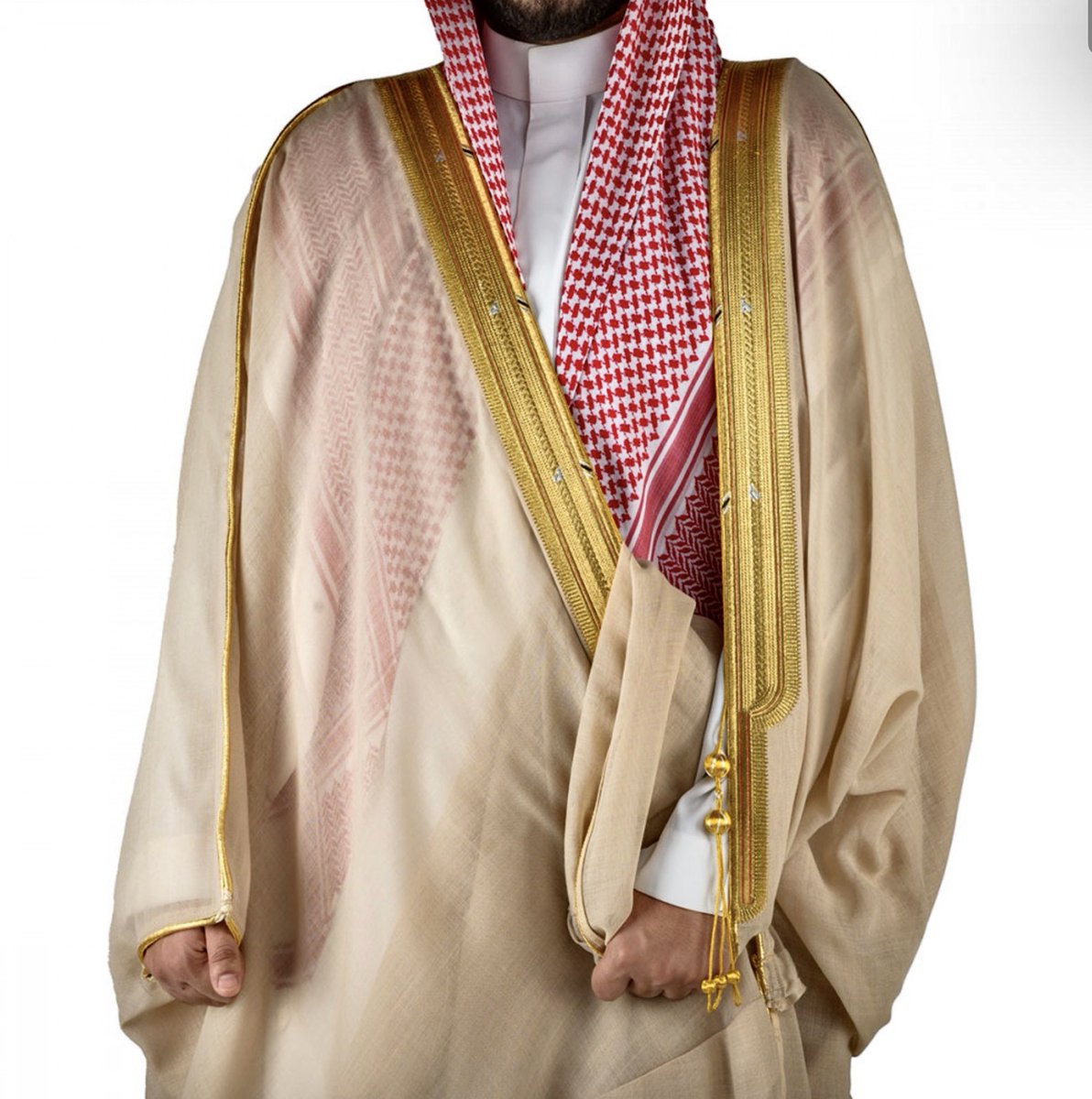
6/ People say no cloth can provide the distinction of a hand-tailored bisht. This is why the art of bisht tailoring is a skill handed down from generation to generation.

7/ Bishts, like any other type of clothing, come indifferent qualities. The widely regarded best in the world are Hasawi bishts, which are made in Al-Ahsa, the quality of the garment can make or break the look.
8/ Few people realise the amount of work that goes into creating a bisht, or that it can take as many as eight people to create one bisht by hand
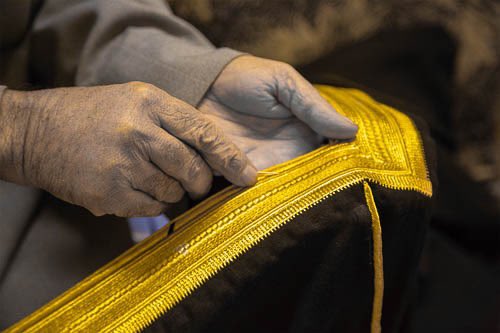
9/ Three types of embroidery are used in making the bisht: gold stitch, silver stitch and silk stitch. The thread is called zari and gold and silver are very common

10/ Black bishts with gold stitching is the most popular style, after cream & white. In the early 90s new colors were introduced to the bisht market. Now there is a move towards new colours like blue, grey & maroon as well as respecting the traditional black, brown and cream
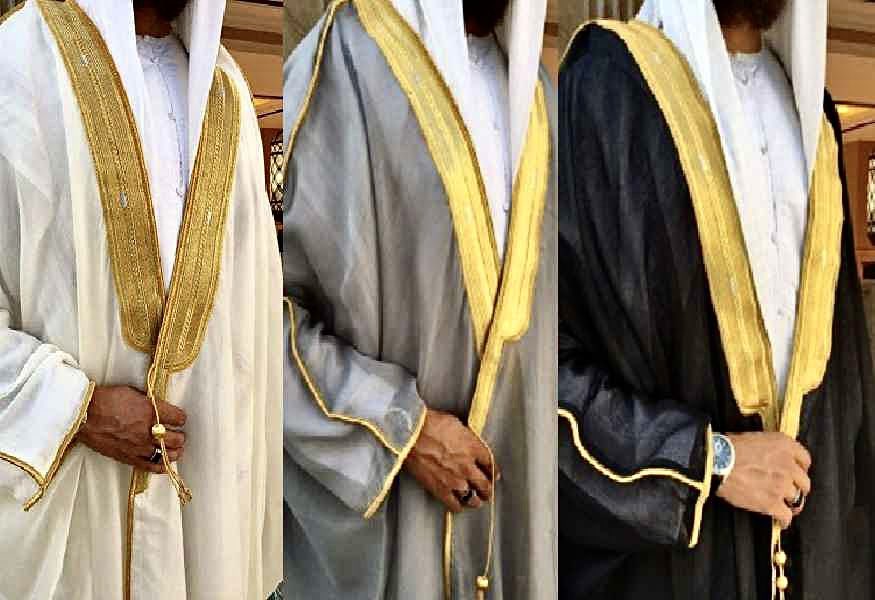
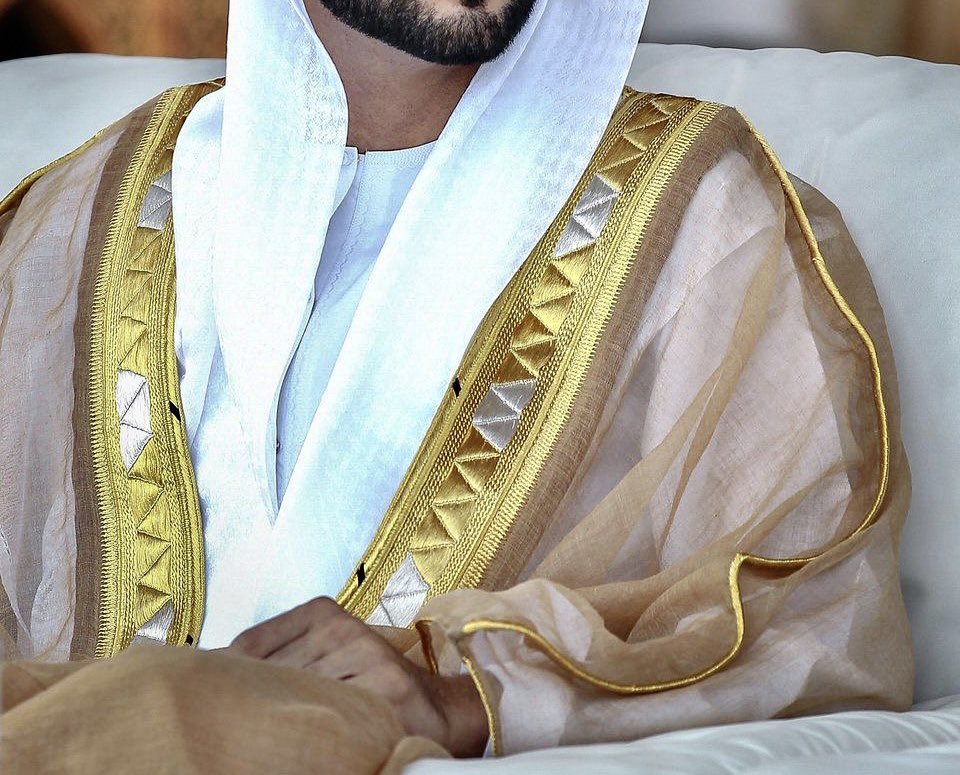
11/ The most expensive, the Royal bisht is specially tailored for princes, politicians and dignitaries. The more transparent the fabric and more ornate the trim, the higher the honor.
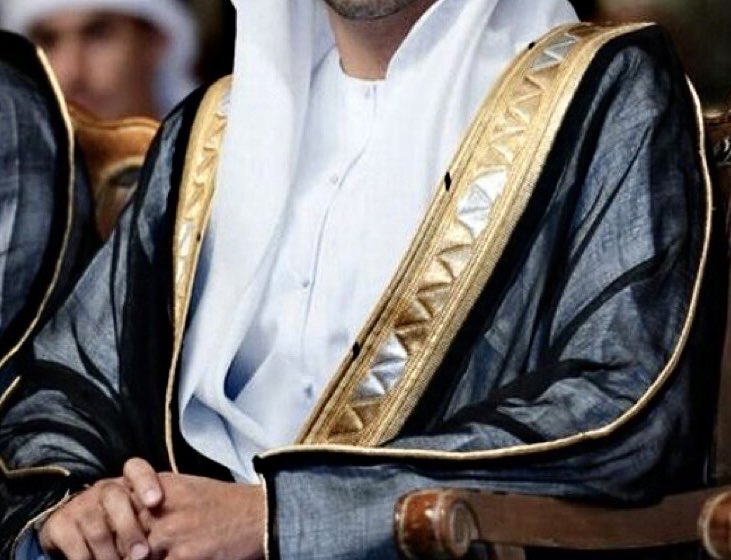
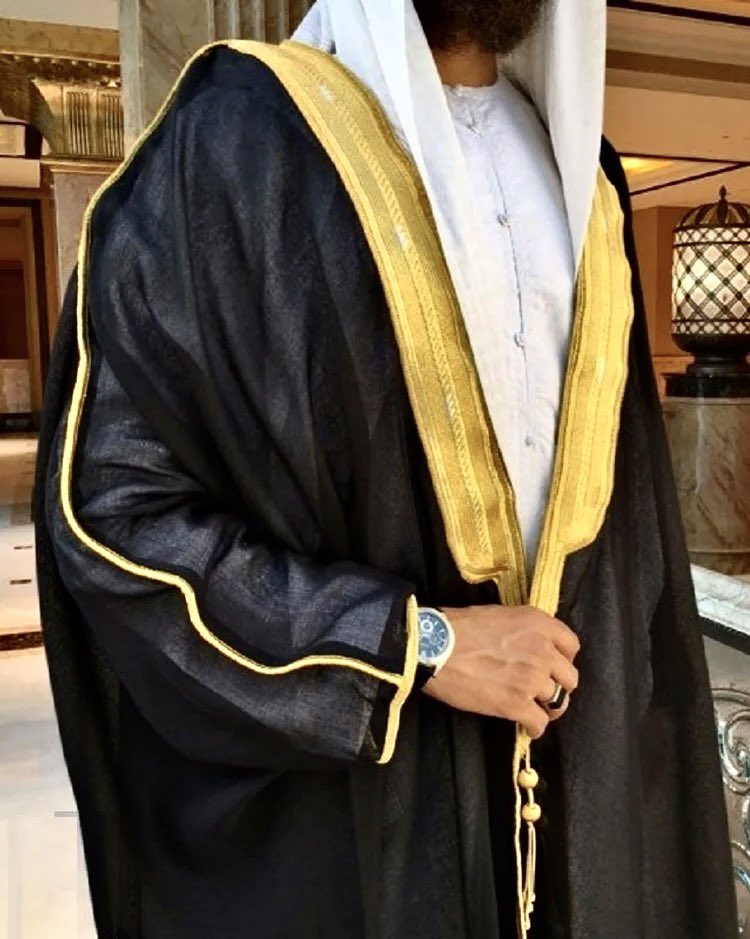
12/ On a bisht there are two kinds of trim called zari, the genuine which is silk or cotton yarn covered with pure gold or silver, and the imitation where the yarn is covered with silver electroplated copper wire. Each tailor has his own trademark zari design

13/ There are 3 main bisht designs, Darbeyah, Mekasar & Tarkeeb. Darbeyah is handmade with zari embroidery & traditional patterns, the style is square & loose. Mekasar also known as Gasbi has silk embroidery. Tarkeeb means fitting & is a tailored bisht with gold zari embroidery

14/ Tailoring Hasawi bishts is an art that requires accuracy & skill. The gold embroidery requires patience & takes many hours. The length of time depends on the style & design. Hand-making one of these bishts could take from 80 - 120 hours & 4 tailors each with one specific task
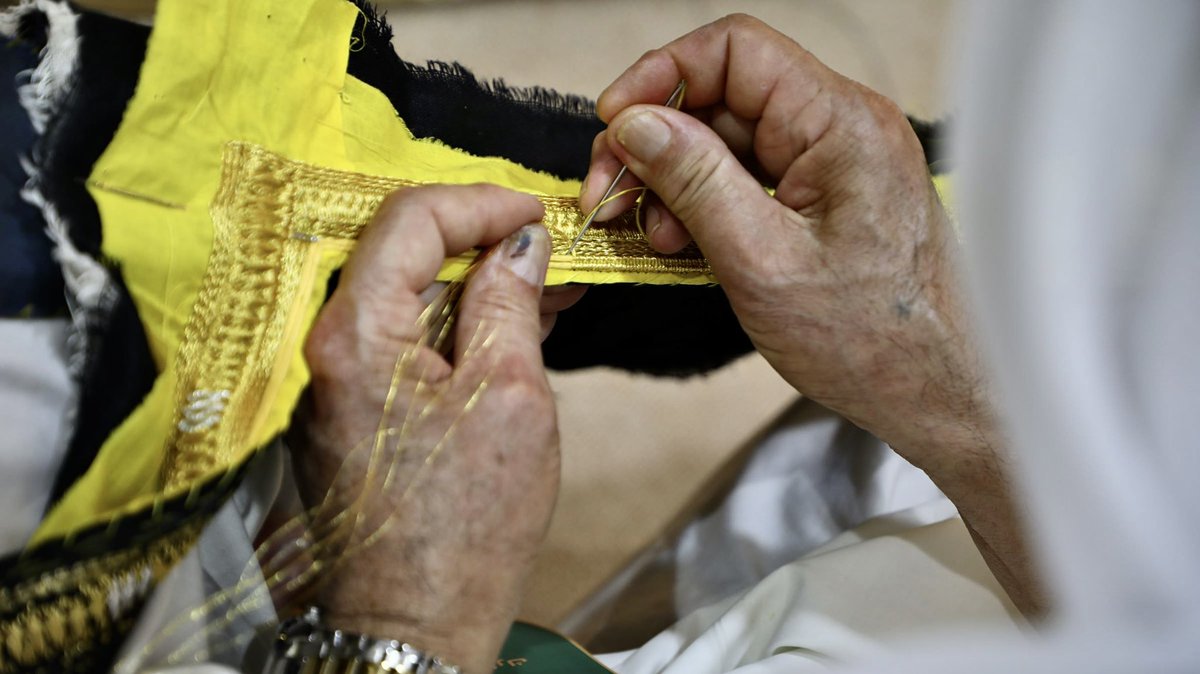
15/ To make the fabric, wool & camel hair yarns are spun locally and some are imported from Iran, Iraq & other countries. Originally, natural dyes were used on white wool to give it the desired colour. Currently, chemical dyes are used for improved quality of dyeing.
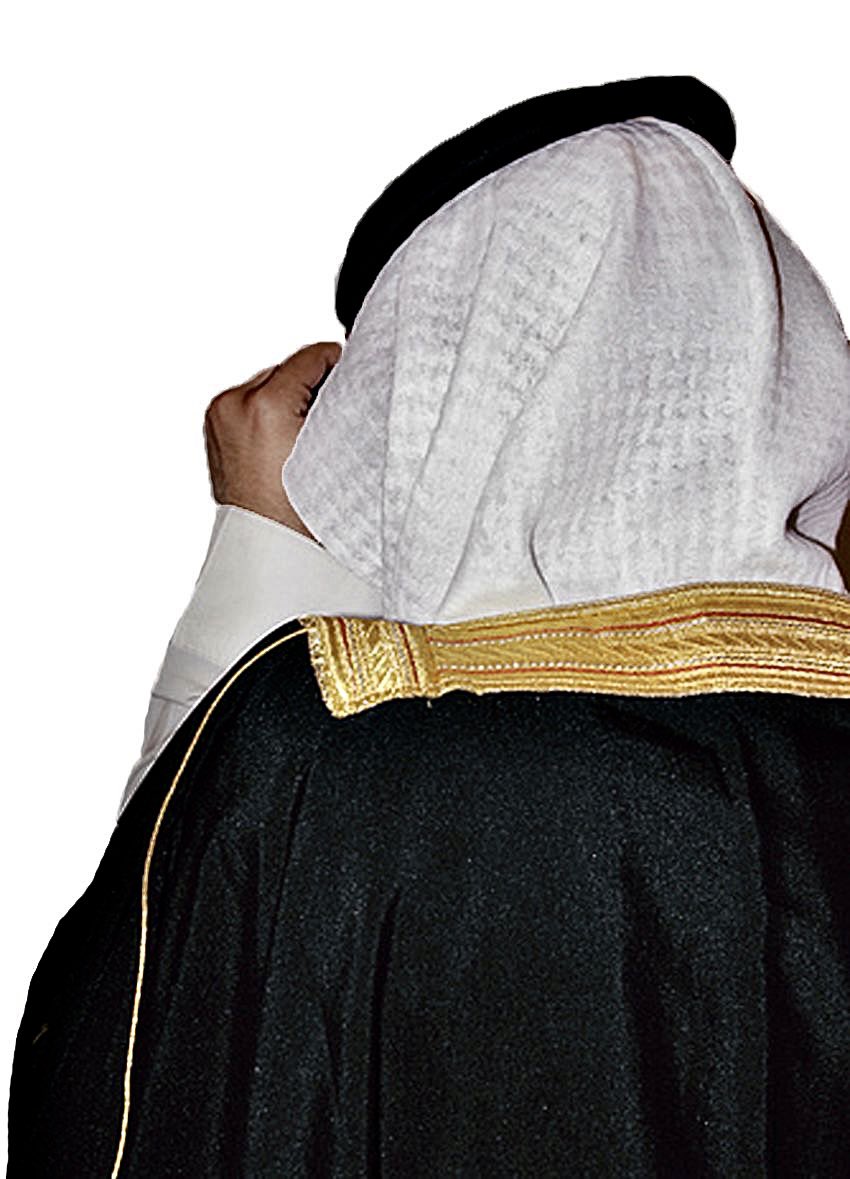
16/ Traditionally, the bisht has two sleeves but it can be worn with only one arm through the sleeve and the other wrapped around loosely and tucked into the side. The Bisht stays open from the front and does not contain any type of buttons.
17/ When a Sheikh dresses a person in a bisht, this is a sign of honouring and appreciating this person to the highest - it is likened to a King dressing a King. The gifting of the bisht is an act of appreciation, honor and celebration
Lionel Messi after the World Cup final
Lionel Messi after the World Cup final
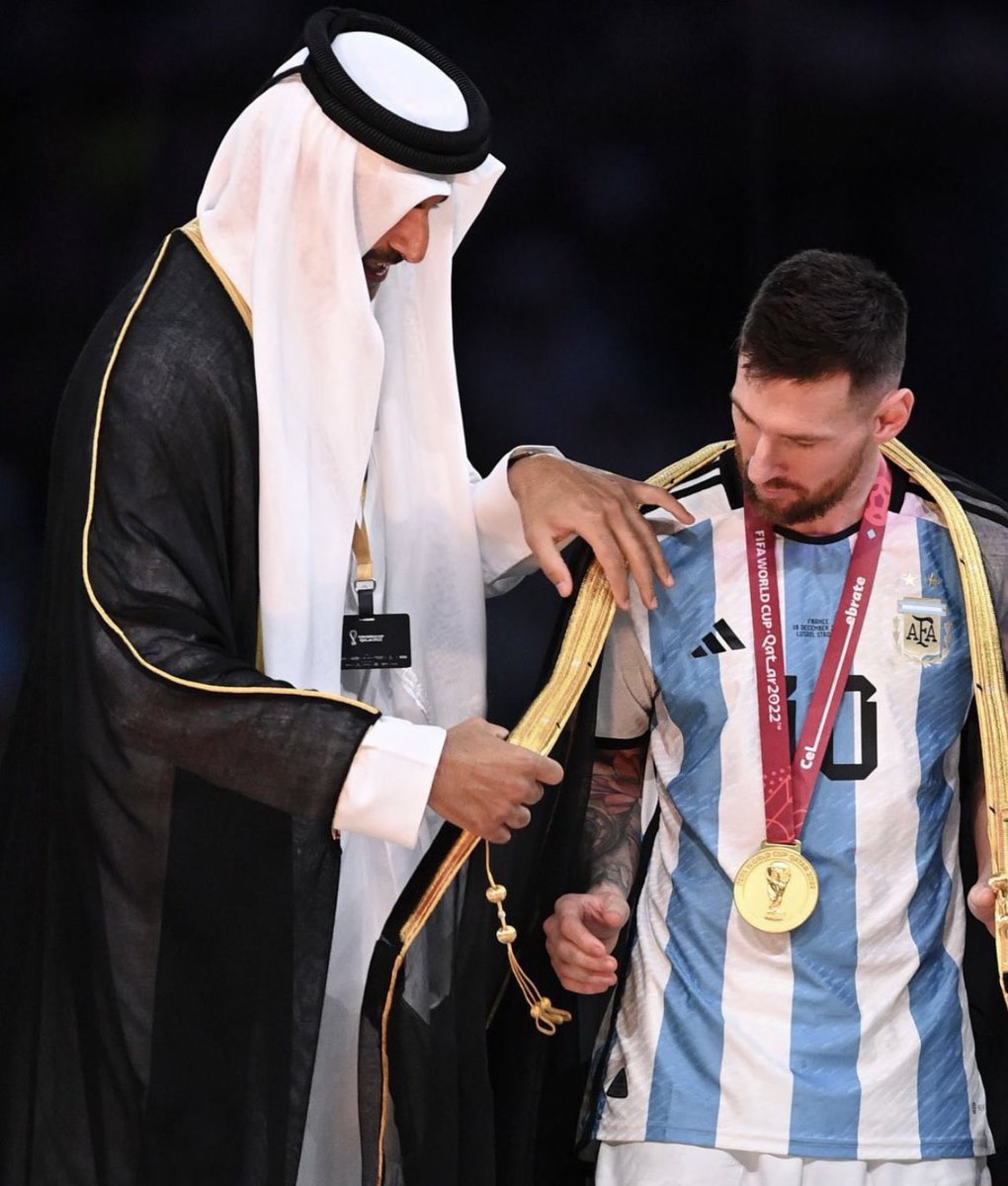
18/ Al-Salem store in Doha's Souq Waqif supplied the bisht worn by Lionel Messi after the World Cup final. For Messi's bisht, the gold thread came from Germany and the Najafi cotton fabric was imported from Japan.
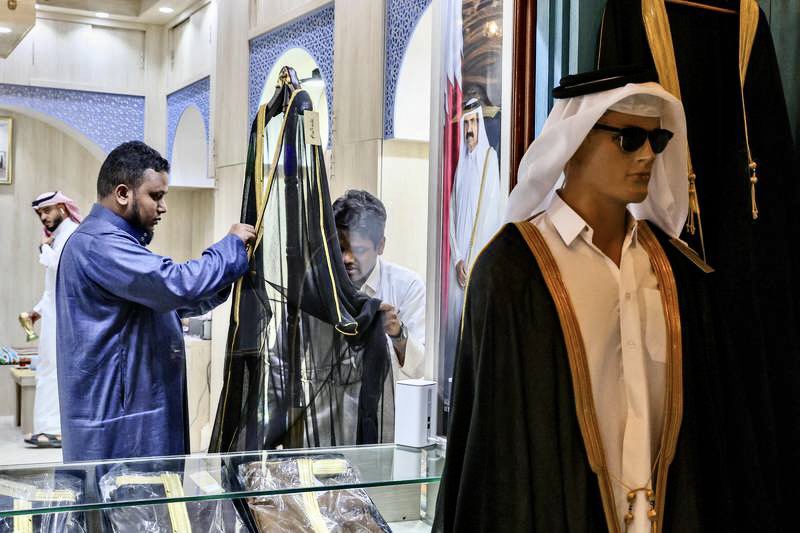
19/ After the World Cup Final, the bisht is one of the current most famous pieces of clothing at the moment

Loading suggestions...