

A thread on the British Empire in India.
With widespread physical infrastructure investments, social reform and collaboration with many Indians, this colonial history is more complex and nuanced than generally perceived.
(Sources cited at the end.)
With widespread physical infrastructure investments, social reform and collaboration with many Indians, this colonial history is more complex and nuanced than generally perceived.
(Sources cited at the end.)
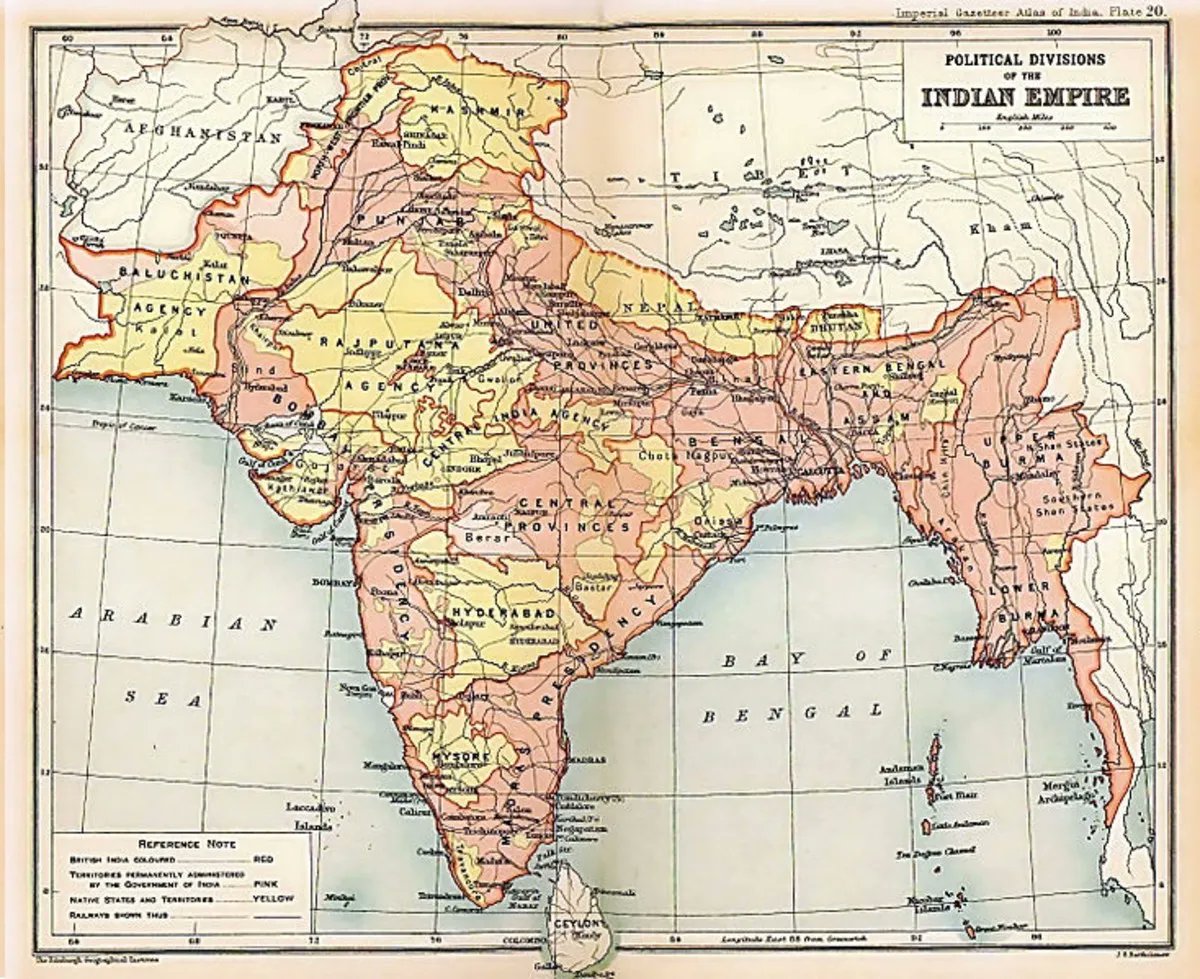
Such a complex topic cannot be boiled down to a single twitter thread. But I hope this encourages further exploration.
First, lets look as the social aspect and then the economic side (lots of charts are photographed for those interested on the economics of the Empire.)
First, lets look as the social aspect and then the economic side (lots of charts are photographed for those interested on the economics of the Empire.)
History isn't black or white, its grey. On the one hand, we cannot deny that there was racism from the British. This evil was certainly true.
However, the British also brought widespread emancipation of women from EIC rule onwards, banned slavery and...
However, the British also brought widespread emancipation of women from EIC rule onwards, banned slavery and...
suppressed tribal conflict. With regards to women, sati (burning Hindu widows alive on funeral pyres) and female infanticide were banned. Hindu widows were allowed to remarry.
Many Indians got municipal self government for the first time during the 1870s,
Many Indians got municipal self government for the first time during the 1870s,
the caste system was suppressed and, of course, millions of Indians got the vote for the first time under Acts like that of India Act 1935.
Again, this doesn't excuse Britain's racism or evils like that of the Jallianwala Bagh massacre but shows the complexity of history.
Again, this doesn't excuse Britain's racism or evils like that of the Jallianwala Bagh massacre but shows the complexity of history.
The marxist economic argument that Britain robbed India of its wealth simply doesn't hold up to historical fact. First, let's see the general wealth increase across India:
There weren't official estimates of national income within colonial India, though reliable data estimations do exist.
As shown, the average Indian did get richer during British rule, with the income per worker increasing - the exception being the stagnated agricultural sector.
As shown, the average Indian did get richer during British rule, with the income per worker increasing - the exception being the stagnated agricultural sector.
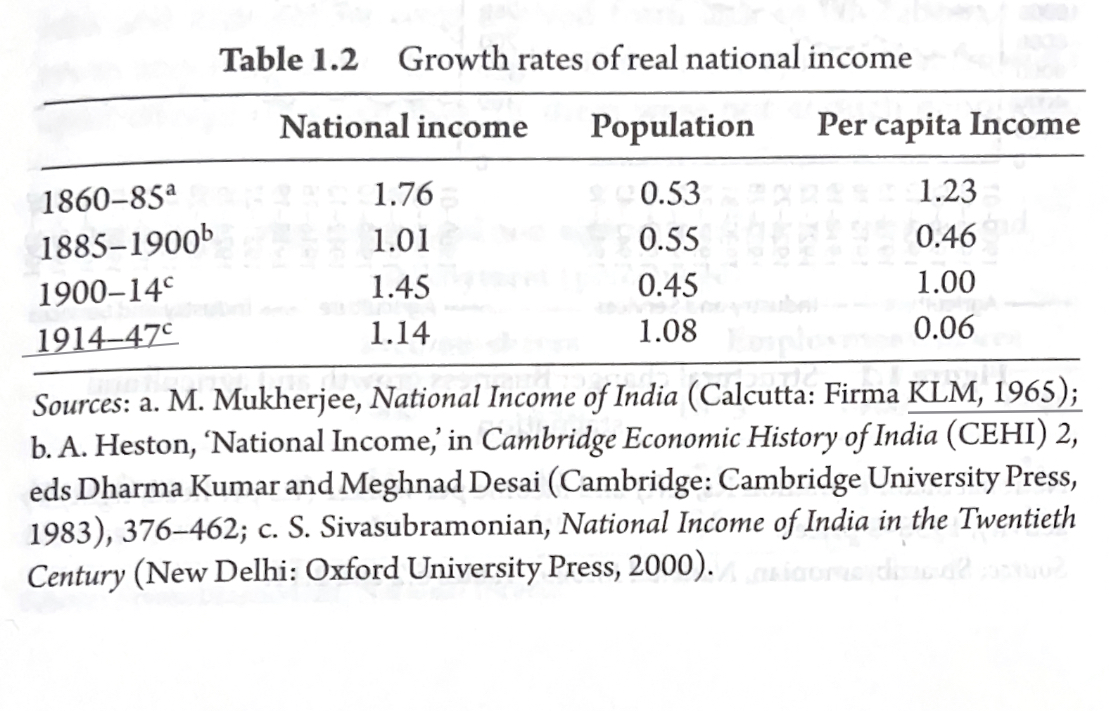
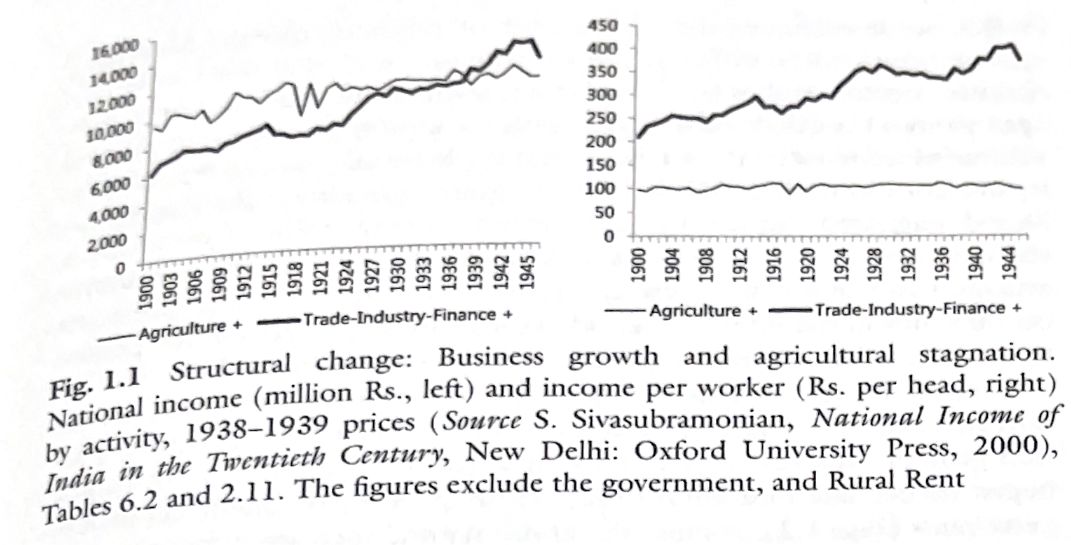
Thus, as seen above, the economic structural change within the Raj was overall growth in the trade, industry and finance sectors of the market.
This, partly, is due to British investment and expansion in physical infrastructure that connected the different regions of the Raj.
This, partly, is due to British investment and expansion in physical infrastructure that connected the different regions of the Raj.
Most notably known, that of the railways, which exploded in size and scope. Simply look at the differences between 1870, 1909 and 1931.
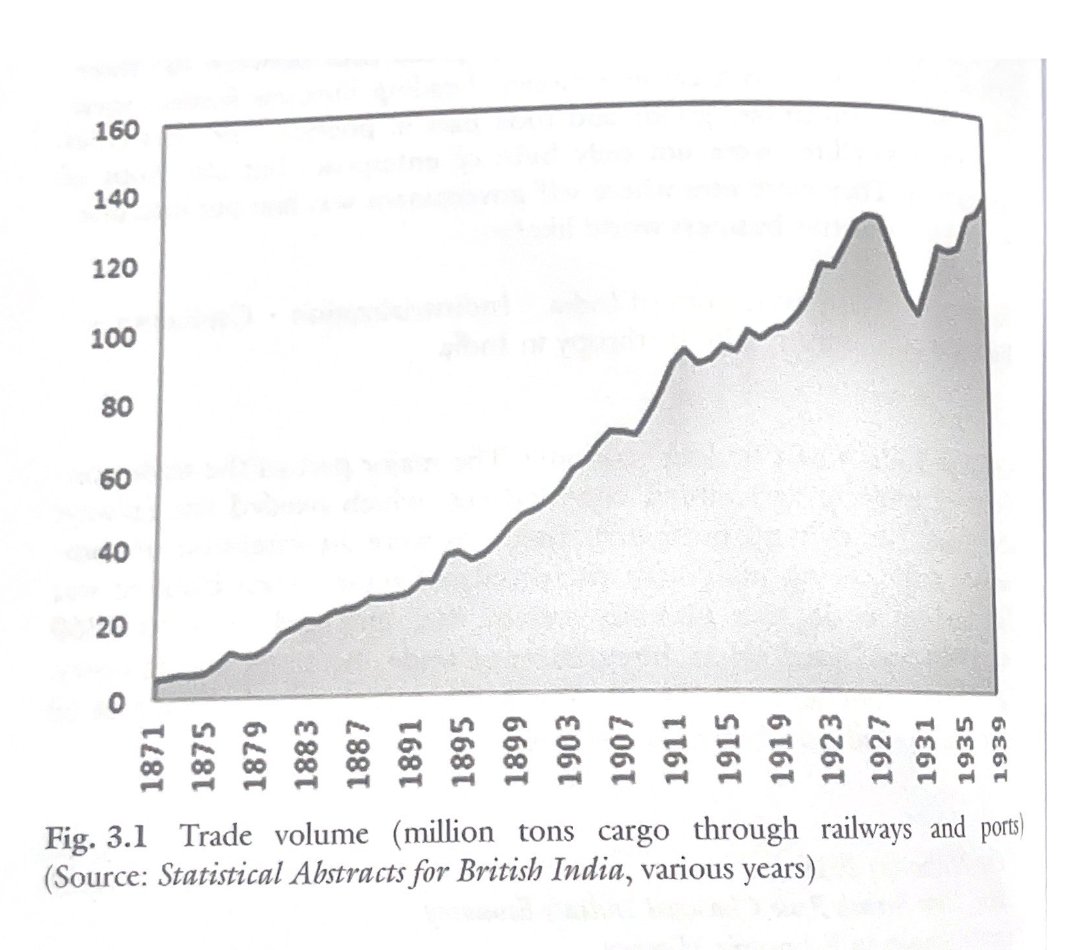
This allowed for over 20x increase in trade volume between 1871-1939 in railways and ports. Trade is a mutual benefit for all parties involved.
This allowed for over 20x increase in trade volume between 1871-1939 in railways and ports. Trade is a mutual benefit for all parties involved.
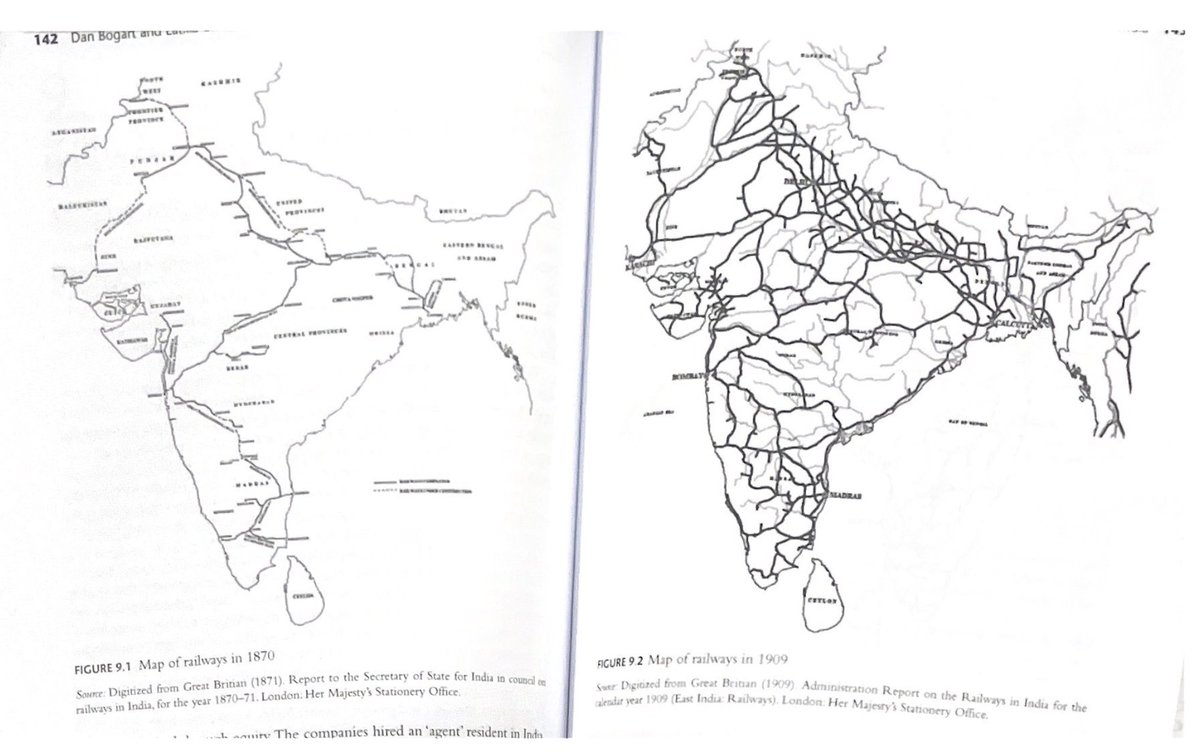
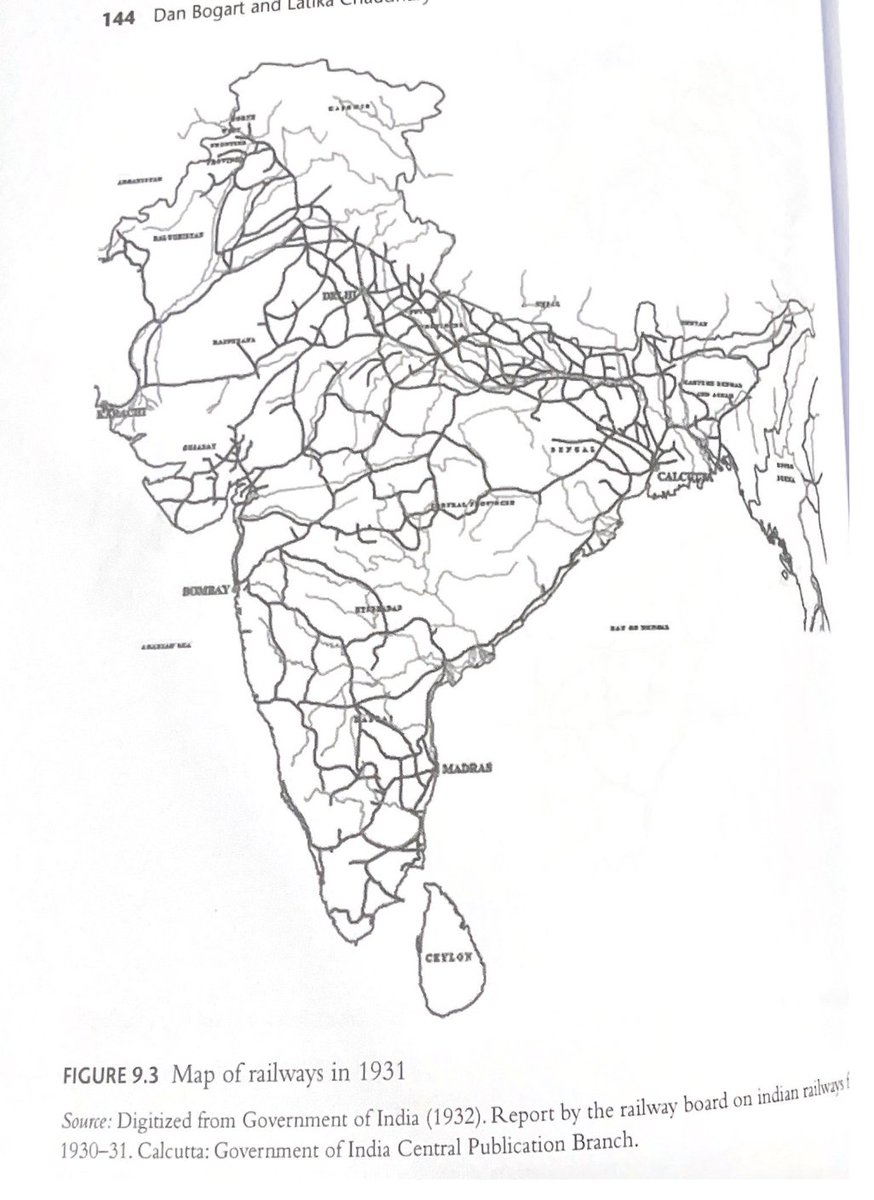
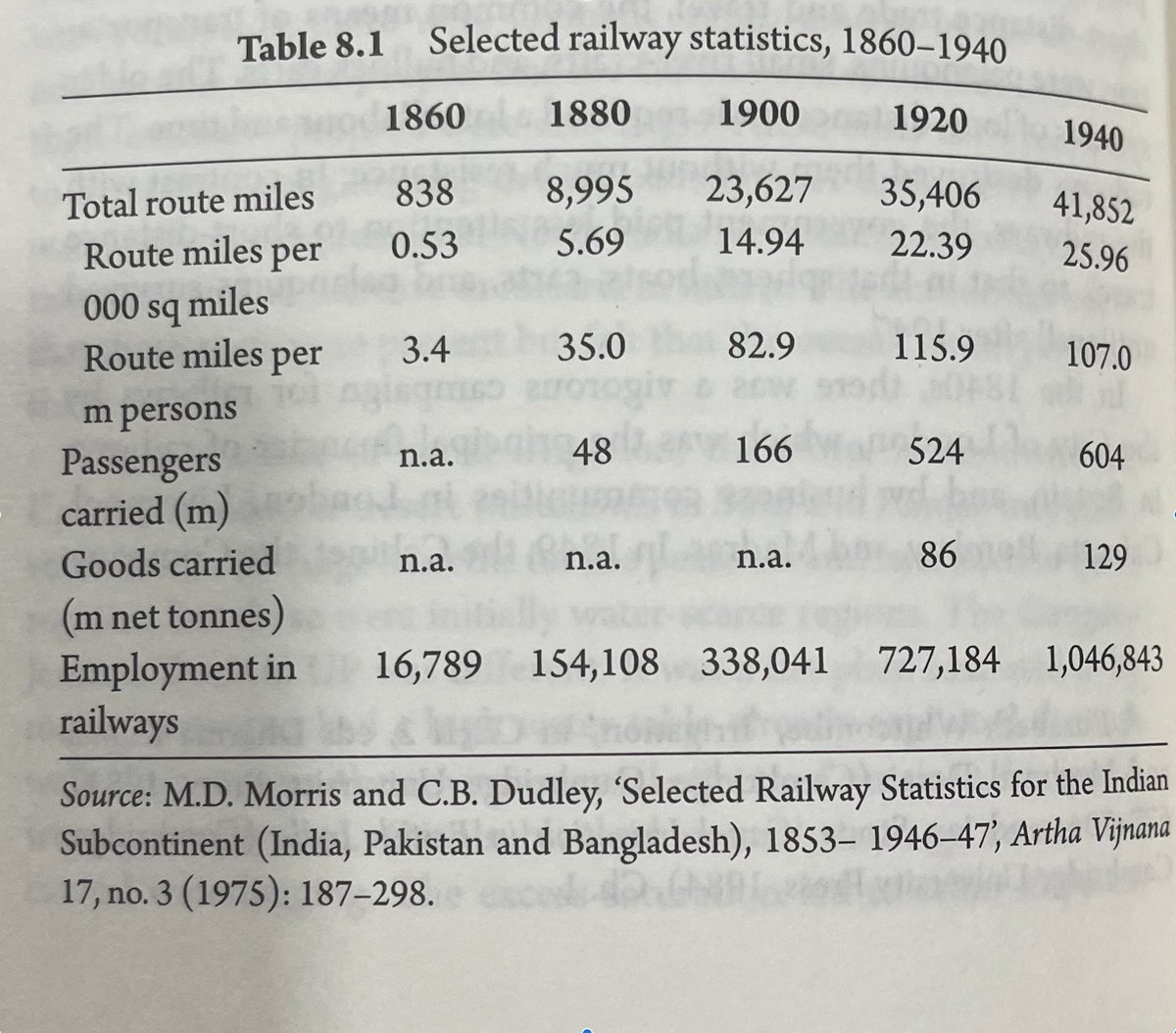
This corresponded with Indians having greater access to travel, for business/leisure opportunities (3.5 route miles per m person in 1860 to 107.0 in 1940).
On general welfare of children, we see a great reduction in child labour. Within large scale industries...
On general welfare of children, we see a great reduction in child labour. Within large scale industries...
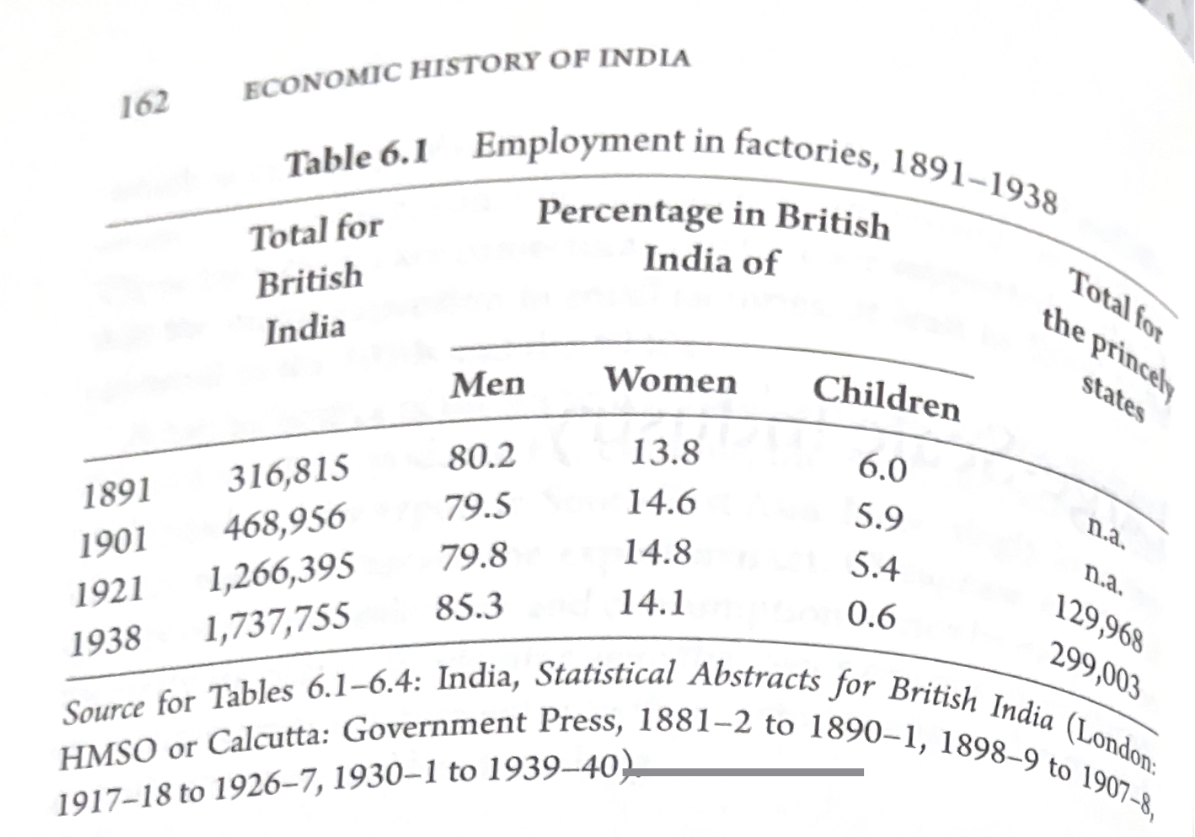
specifically factories, % of child workers dropped from 6% to 0.6% between 1891-1938. (This corresponded with the over 5x increase in workers within the manufacturing sector.)
When the British arrived in India, there was effectively very low literacy rates, and v. low education.
When the British arrived in India, there was effectively very low literacy rates, and v. low education.
Primary school education in India increased from 8.1% to 27.1% between 1891-1941. This lay the foundation for the educational growth post Independence.
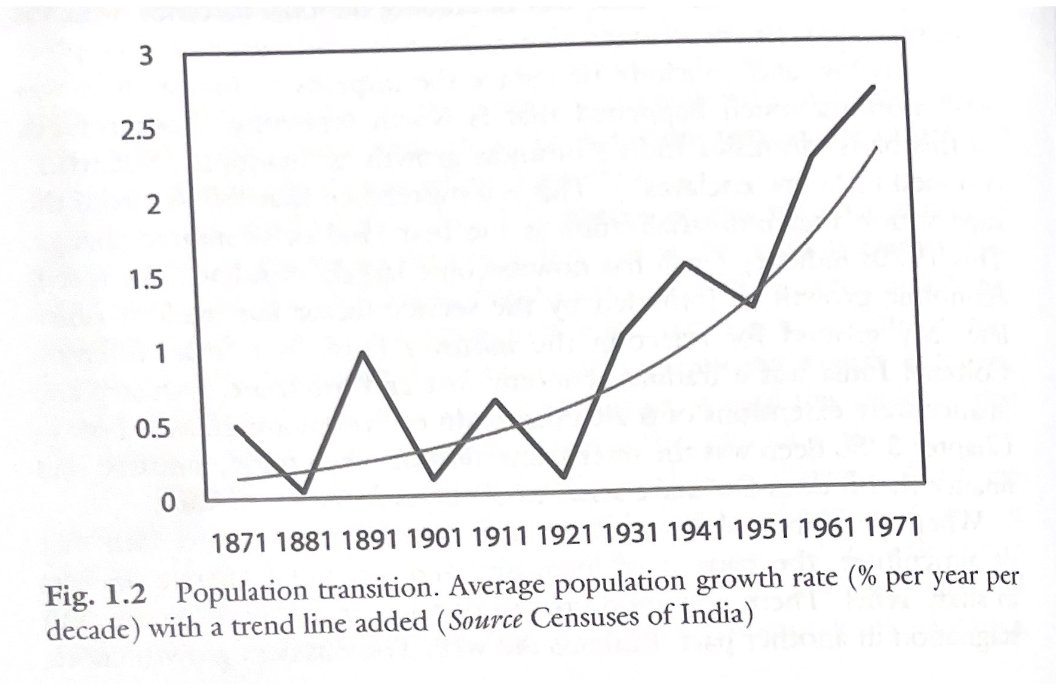
Though these numbers seem low, you have to factor in the explosion in the population.
Though these numbers seem low, you have to factor in the explosion in the population.
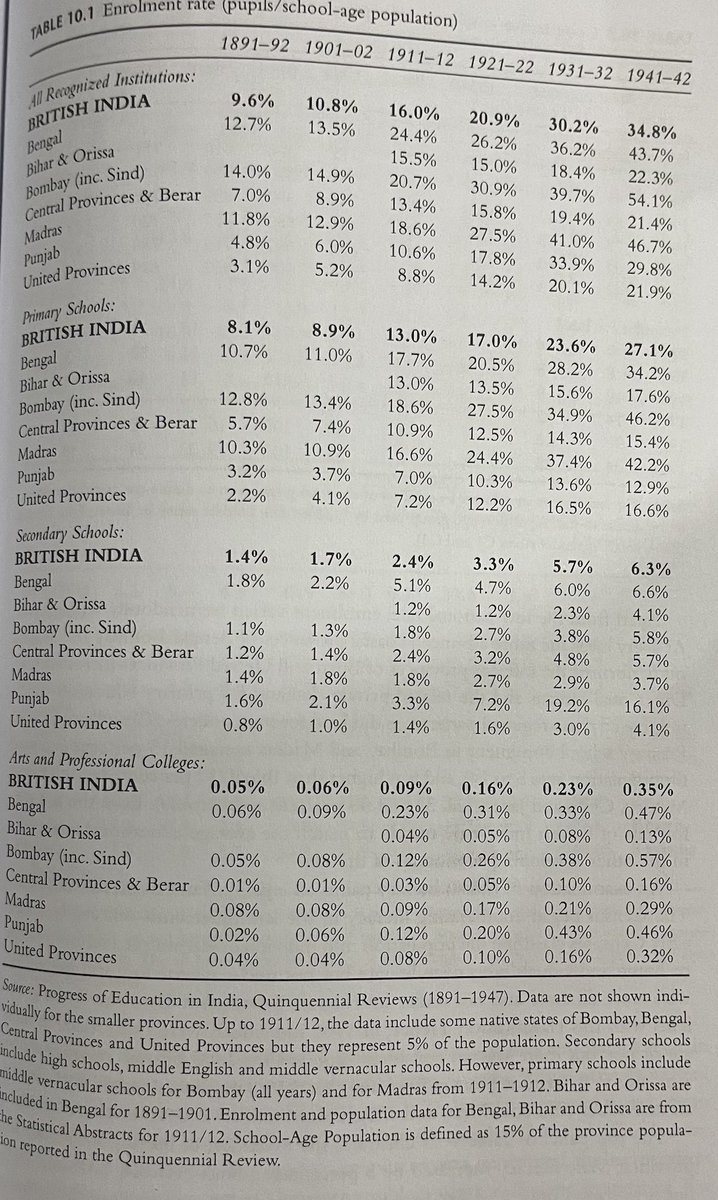
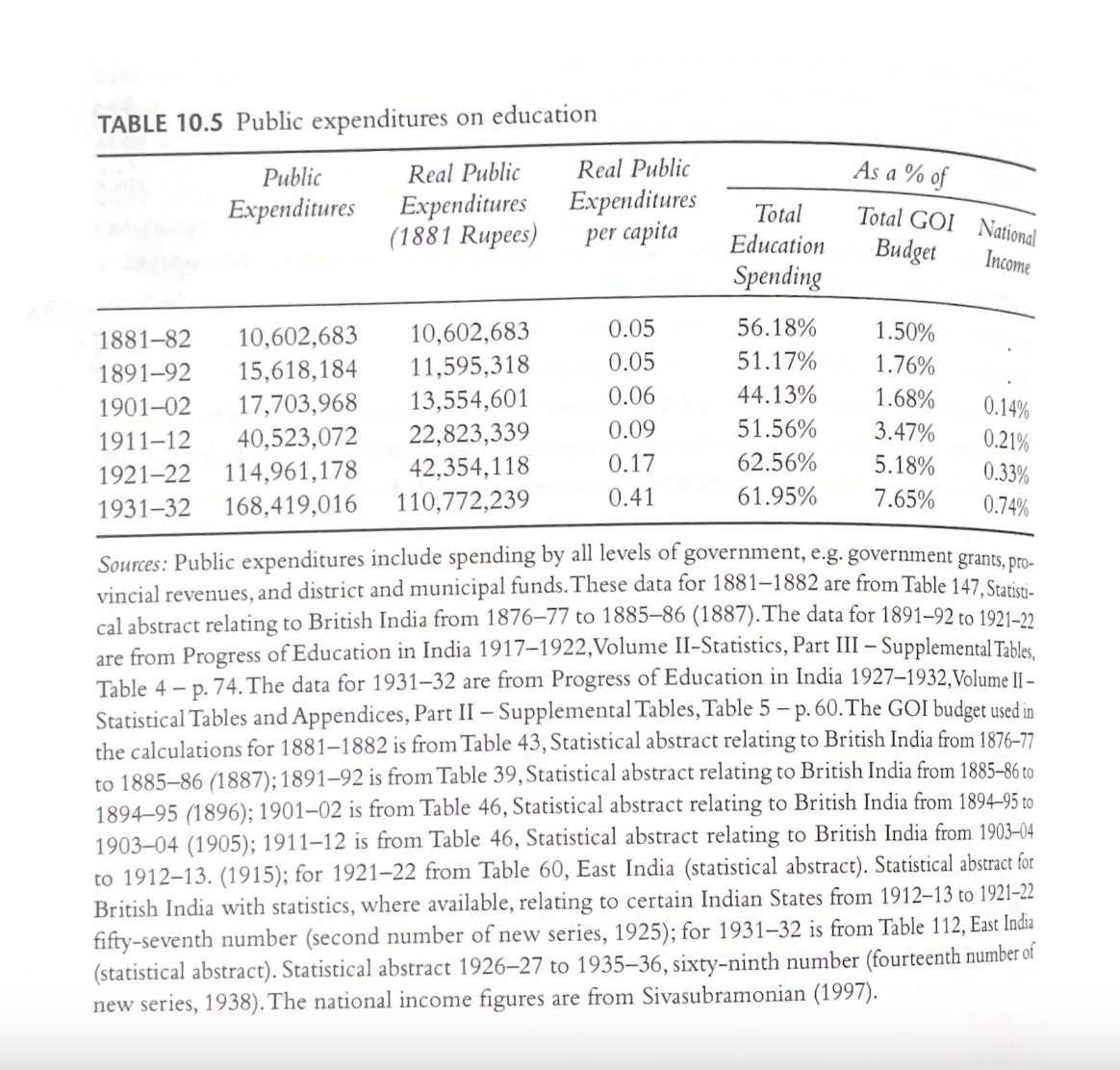
Population continued on the uprise partly due to investments and improvements in healthcare. For example, widespread vaccine inoculations.
However, investments in irrigation and clean water were also another factor.
However, investments in irrigation and clean water were also another factor.
A few of these great water related construction projects included,
- Kristna Canal, started in 1852 provided 500,000 acres of irrigation.
- The Godavari Delta, started in 1847, provided 700,000 acres of irrigation.
- The Ganges Canal, 440 miles & 2709 miles of distributaries.
- Kristna Canal, started in 1852 provided 500,000 acres of irrigation.
- The Godavari Delta, started in 1847, provided 700,000 acres of irrigation.
- The Ganges Canal, 440 miles & 2709 miles of distributaries.
As you can see, the oppressed/oppressor narrative is simply too simple.
Lots of good and evil happened during British colonial rule. We must be sure to look at all aspects of the administration.
Lots of good and evil happened during British colonial rule. We must be sure to look at all aspects of the administration.
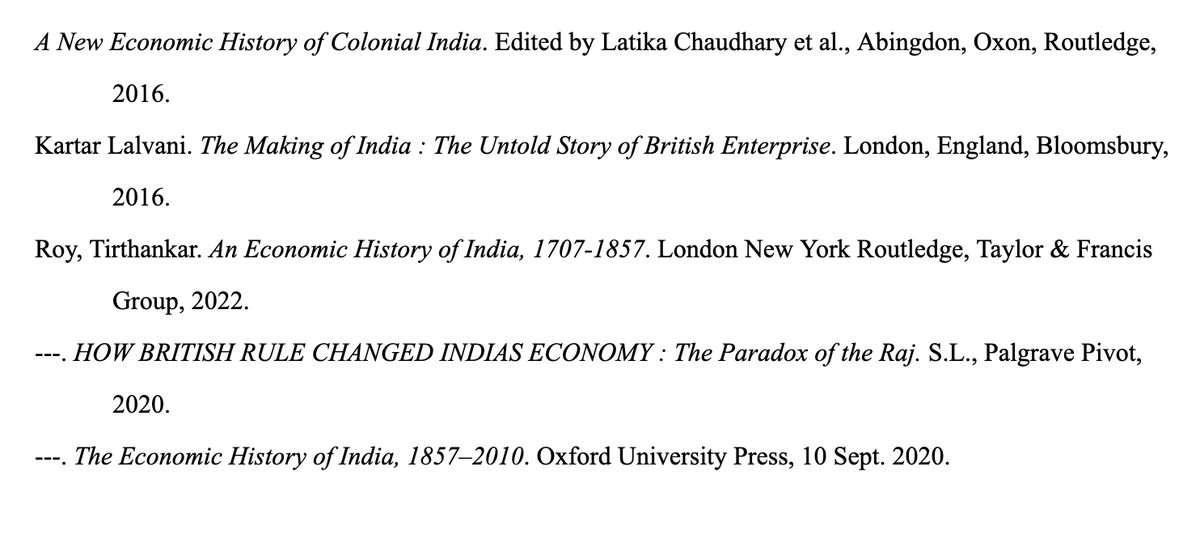
Be sure to look into these sources below. Note, as many of the essays I source are found within the same academic book, I've cited the book rather than the essay:
Of course, one single thread cannot explore such a complicated topic.
But I hope this encourages people to read further into it.
But I hope this encourages people to read further into it.
This thread may be if interest to you @ZareerMasani. Curious as to your thoughts on it.
Loading suggestions...