

Q: Which electrolyte plays a role in acute spinal shock syndrome?
A) Sodium
B) Potassium
C) Chloride
D) Magnesium
E) Phosphate
A) Sodium
B) Potassium
C) Chloride
D) Magnesium
E) Phosphate
Answer: B
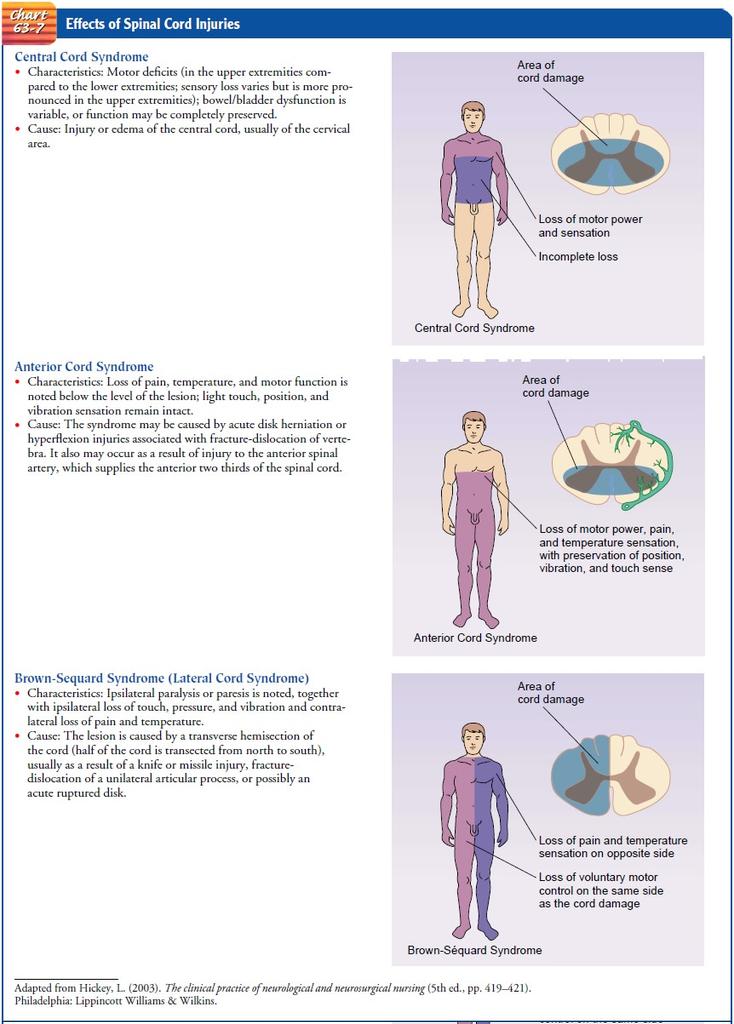
Post spinal cord injury, there is flaccid paralysis below the injury, anesthesia, absent bowel, and bladder control, loss of reflex activity, bradycardia, and hypotension.
Post spinal cord injury, there is flaccid paralysis below the injury, anesthesia, absent bowel, and bladder control, loss of reflex activity, bradycardia, and hypotension.
Interestingly, it may cause priapism in males.
Usually, many of these functions come back after a few hours or even days.
Usually, many of these functions come back after a few hours or even days.
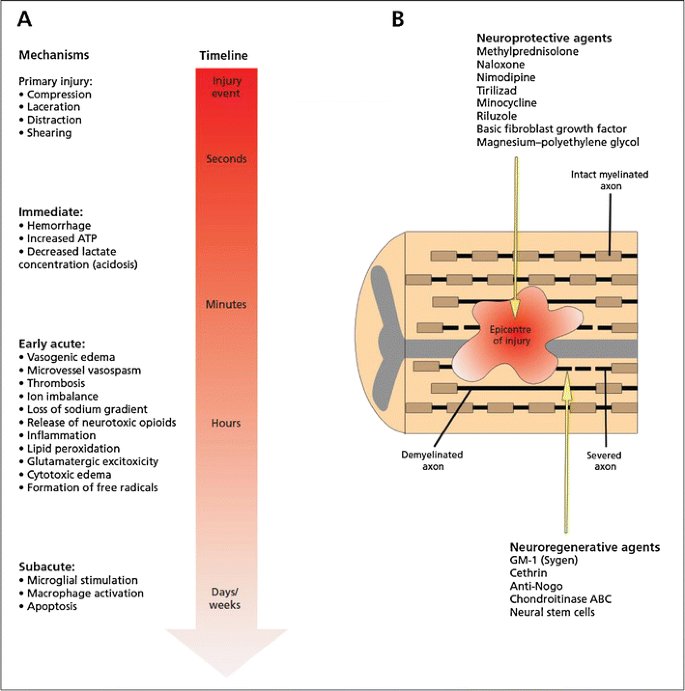
During state of shock, there is loss of potassium from the injured cells to the extracellular space.
Once re-equilibrium of potassium occurs, most of spinal shock symptoms come back, but there could be a spastic paresis
Once re-equilibrium of potassium occurs, most of spinal shock symptoms come back, but there could be a spastic paresis
All functions can be regained with proper rehabilitation and involvement of physical therapist, neurologist, neurosurgeon, and sports medicine physician.
***
***
Potassium abnormalities are frequent problems in hospitalized patients.
Especially hypokalemia is a common and neglected finding in our daily practice with trauma patients.
Studies report up to 50% of trauma patients presenting with hypokalemia.
Especially hypokalemia is a common and neglected finding in our daily practice with trauma patients.
Studies report up to 50% of trauma patients presenting with hypokalemia.

Loading suggestions...