

The exchange of New Year gifts!
The medieval nobility celebrated the New Year's Day by exchanging lavish gifts.
The Catholic Church didn't like this and viewed it as pagan in origin, but couldn't stop it.
In late medieval France these "étrennes" were particularly popular!
The medieval nobility celebrated the New Year's Day by exchanging lavish gifts.
The Catholic Church didn't like this and viewed it as pagan in origin, but couldn't stop it.
In late medieval France these "étrennes" were particularly popular!
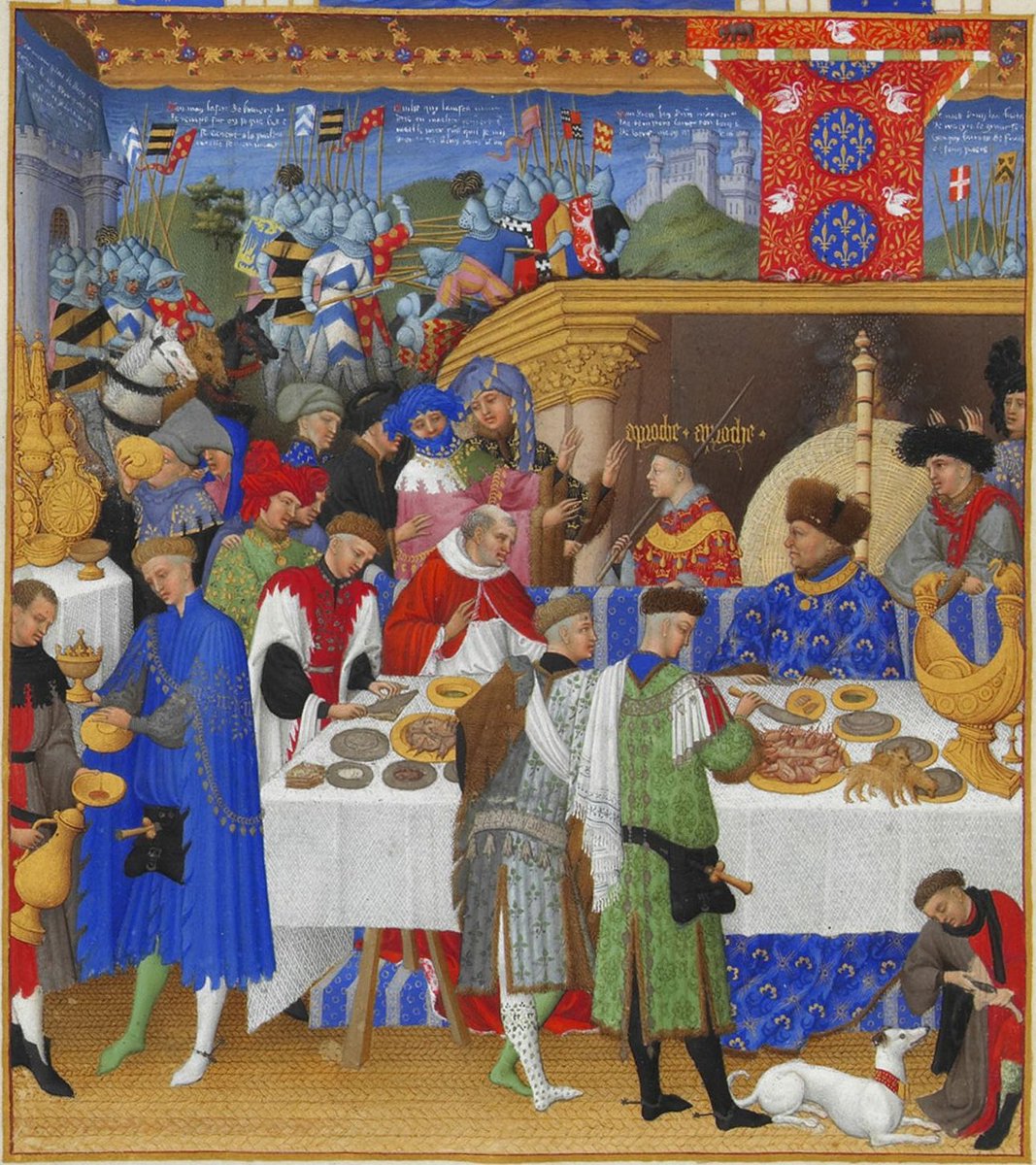
The medieval Catholic tradition preferred to celebrate the new year on 25 March on the Annunciation Day.
This was the most common date of celebrating the new year in the middle ages although in some places they celebrated it on other dates like 25 December.
This was the most common date of celebrating the new year in the middle ages although in some places they celebrated it on other dates like 25 December.
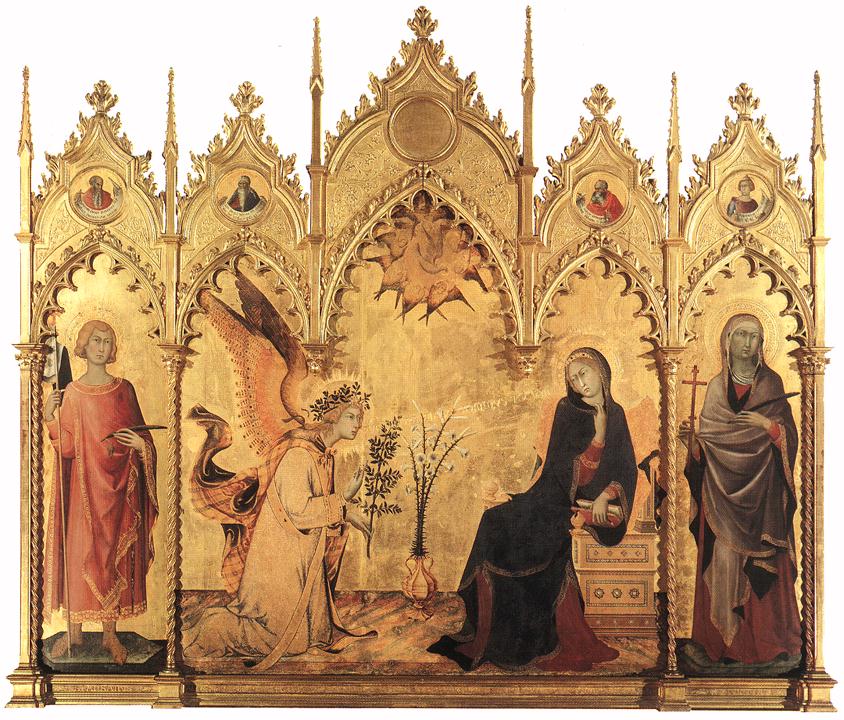
But the European nobility liked to celebrate 1 January by giving luxurious gifts to each other.
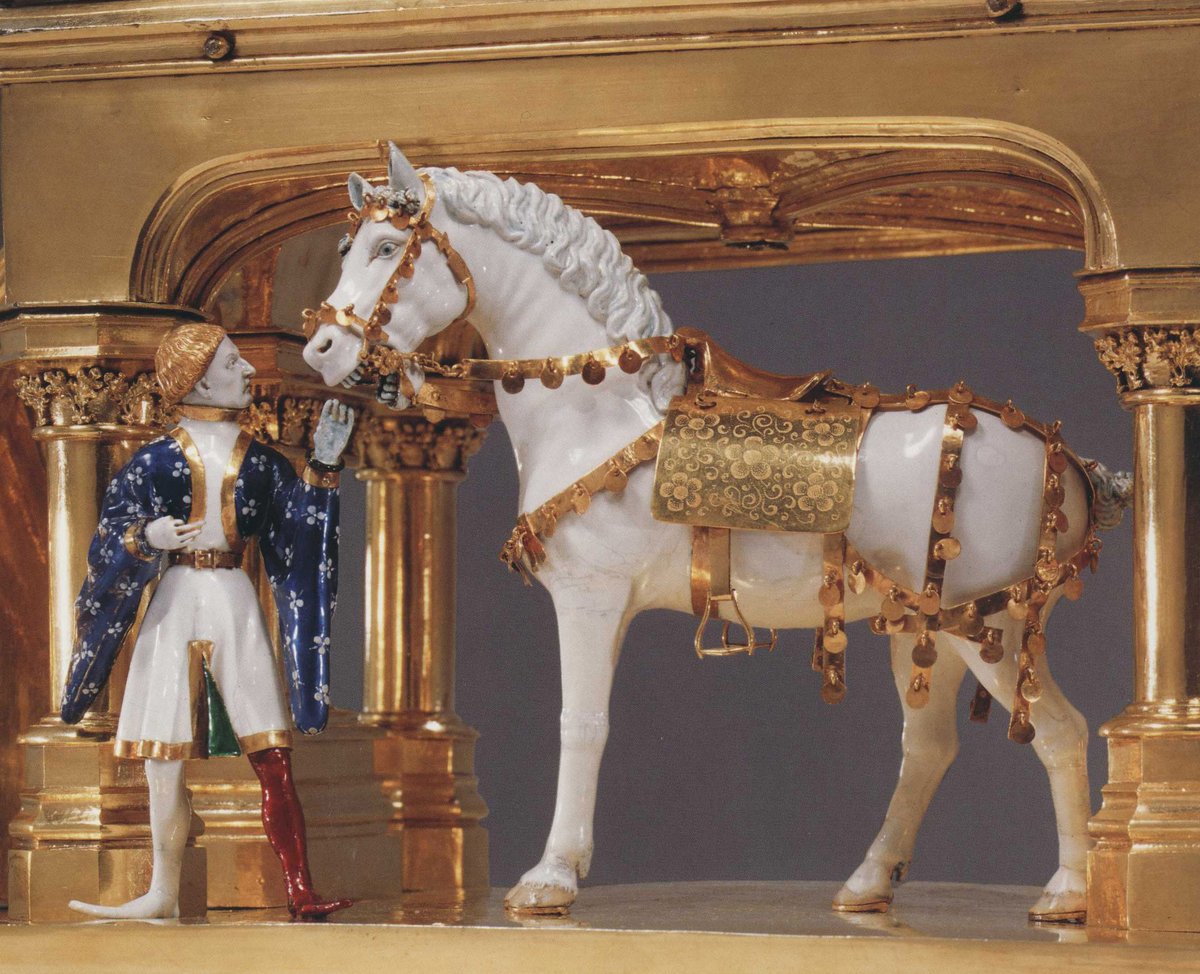
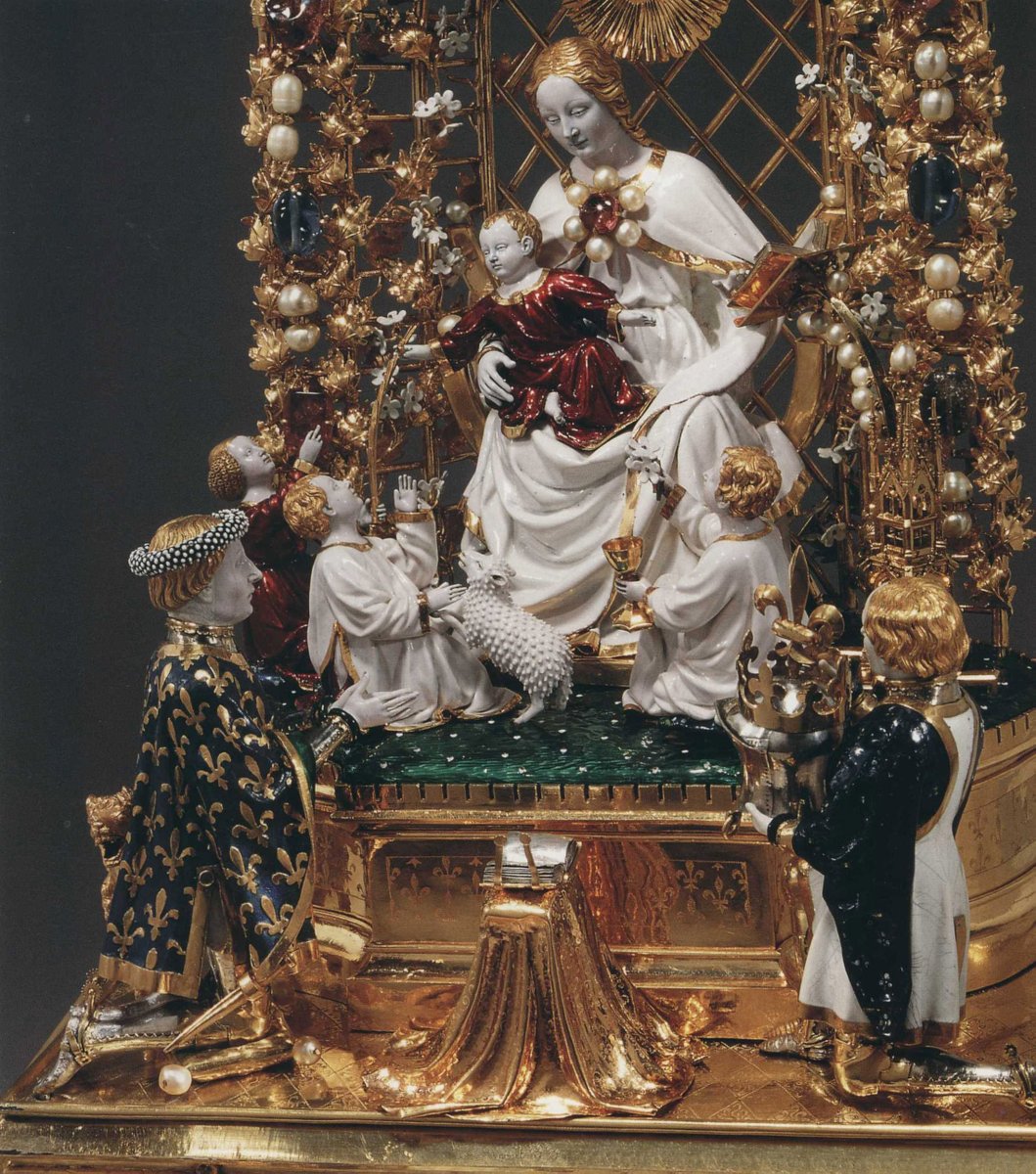
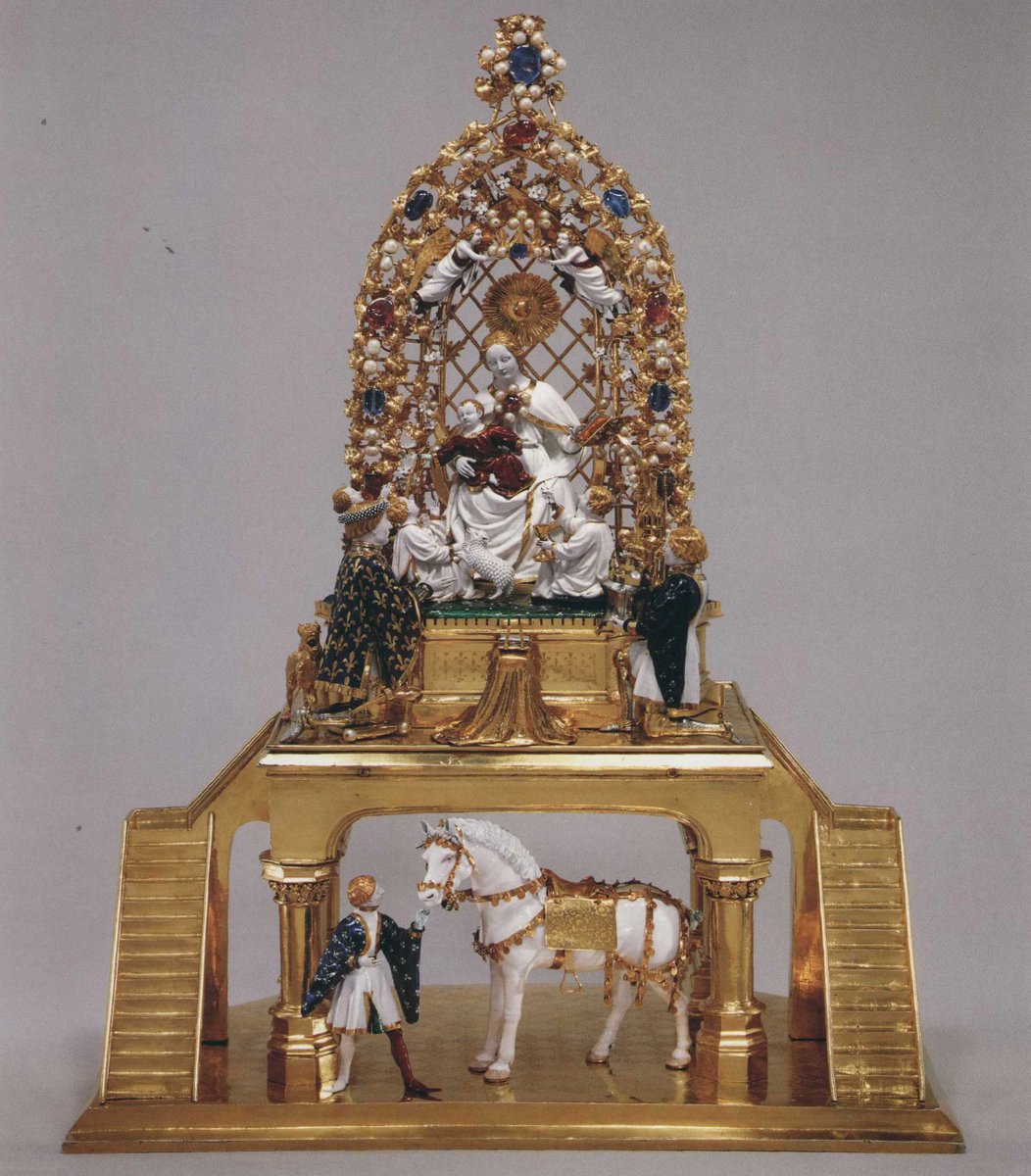
On the New Year's Day in 1405, Queen Isabeau of Bavaria gave her husband Charles VI, King of France, the statue of Goldenes Rössl, an object of immense value preserved to this day!
On the New Year's Day in 1405, Queen Isabeau of Bavaria gave her husband Charles VI, King of France, the statue of Goldenes Rössl, an object of immense value preserved to this day!
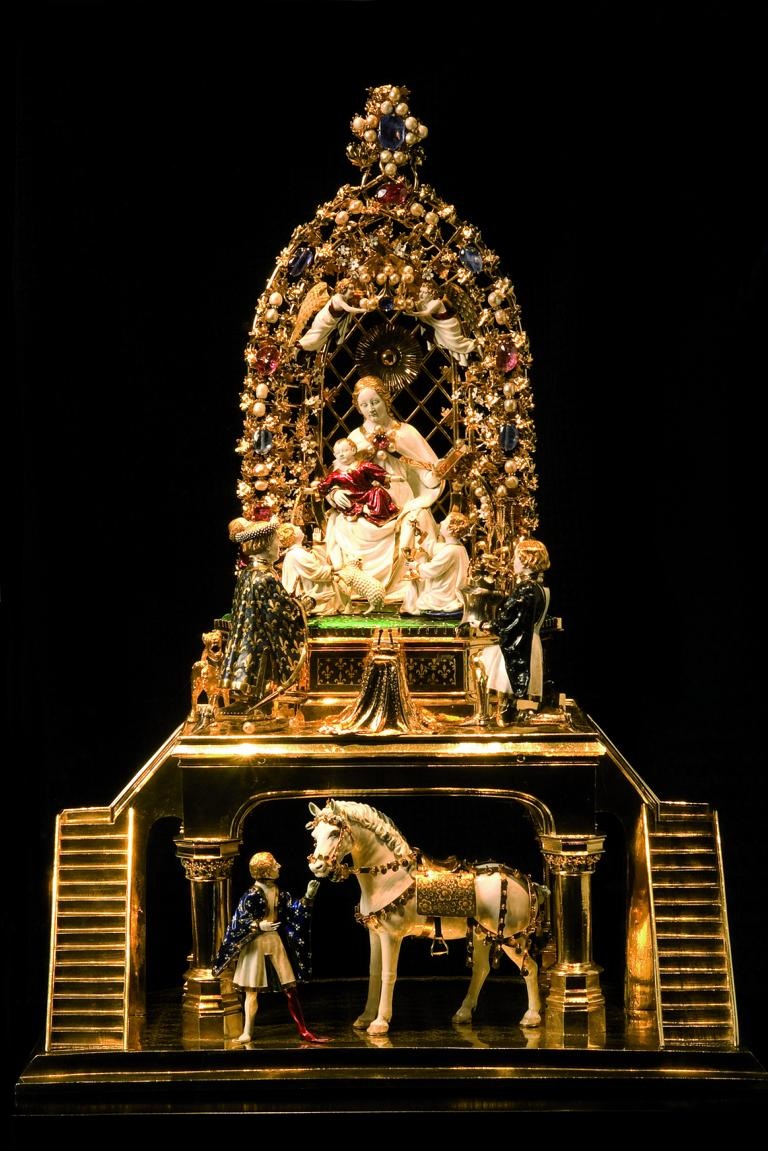
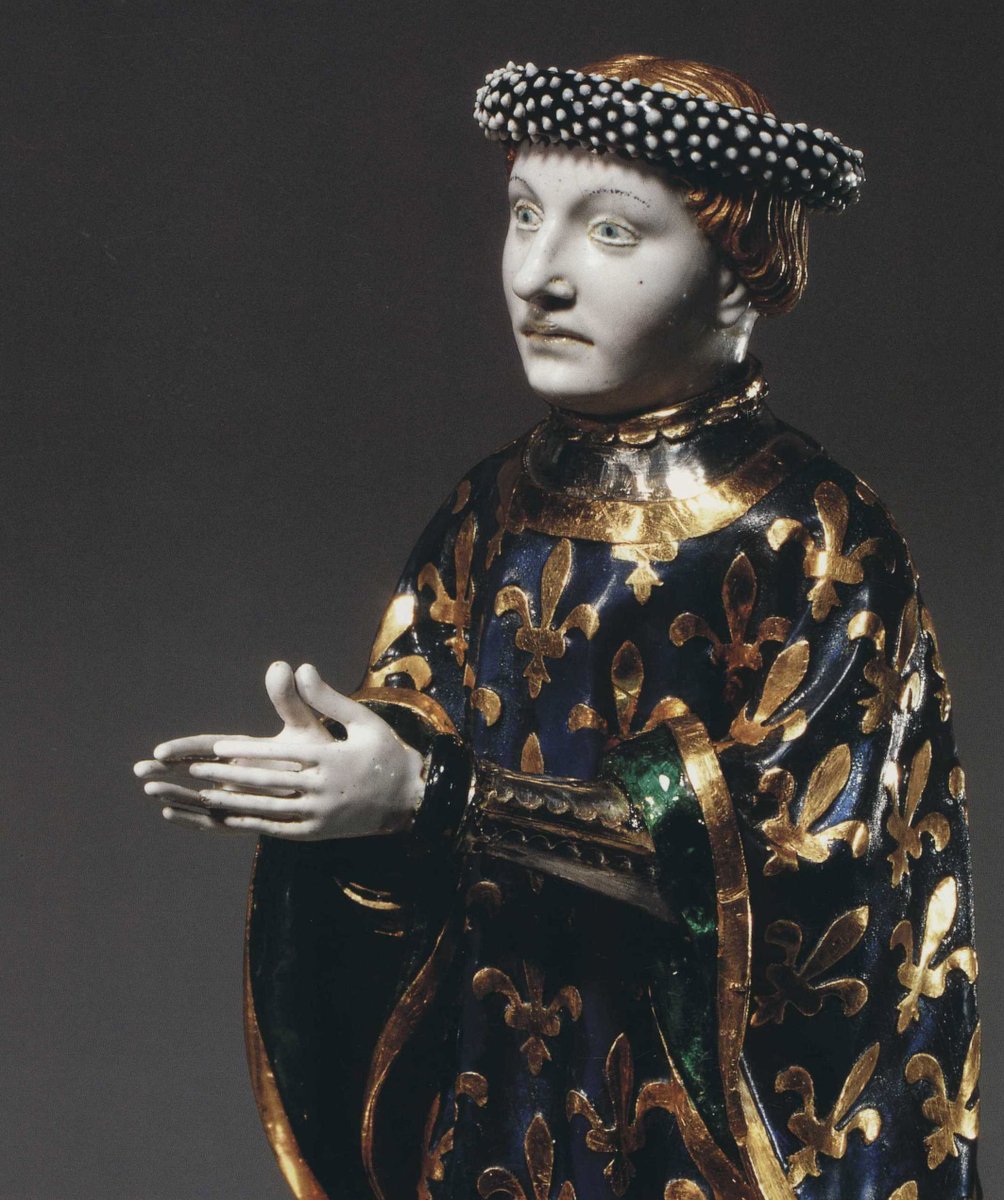
The Goldenes Rössl was made by the finest Parisian goldsmiths who used the extremely difficult enamel technique called "émail en ronde bosse".
Just look at the level of detail!
Such luxurious gifts were often exchanged among powerful medieval aristocracy on New Year's Day.
Just look at the level of detail!
Such luxurious gifts were often exchanged among powerful medieval aristocracy on New Year's Day.
But not all gifts were so valuable.
Sometimes they even made practical jokes.
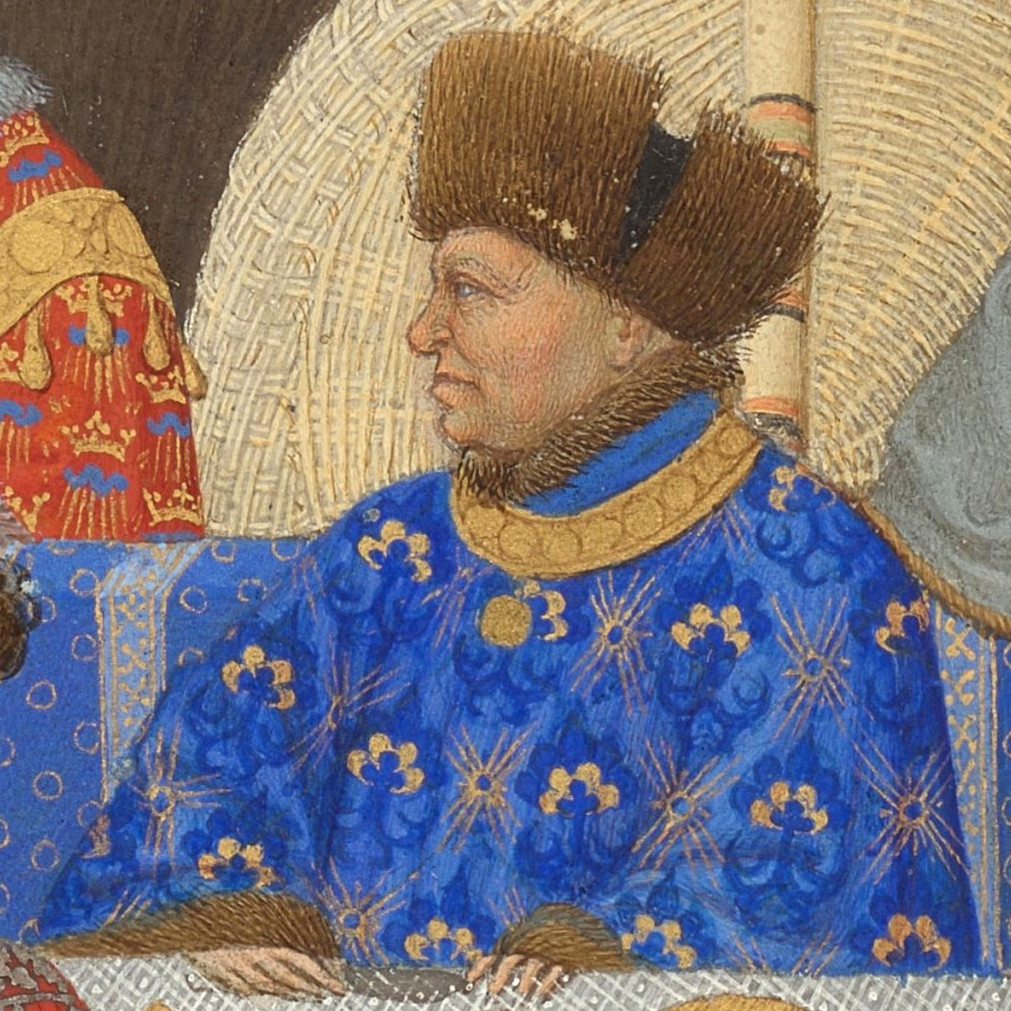
In 1411 Limbourg brothers gave Jean de Berry a fake book made from a single block of wood affixed with a faux binding. He tried to open it in front of other members of the court and hilarity ensued.
Sometimes they even made practical jokes.
In 1411 Limbourg brothers gave Jean de Berry a fake book made from a single block of wood affixed with a faux binding. He tried to open it in front of other members of the court and hilarity ensued.
Sometimes the nobles simply gave gifts to themselves.
Louis of Orléans once gave himself a fabulous sword "in the Venetian style," ornamented with gold and precious stones.
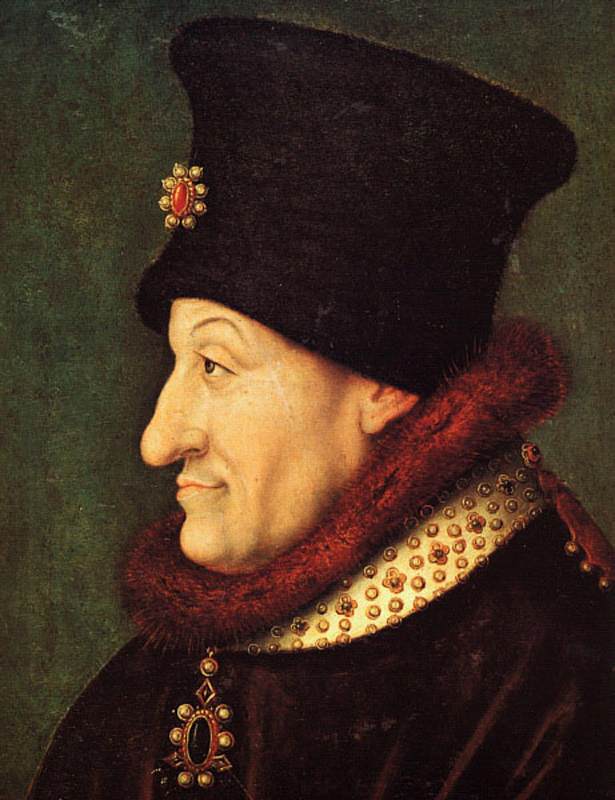
In 1404, Philip the Bold gifted himself a gold ship model covered in gems and pearls.
Louis of Orléans once gave himself a fabulous sword "in the Venetian style," ornamented with gold and precious stones.
In 1404, Philip the Bold gifted himself a gold ship model covered in gems and pearls.

The luxurious gifts were often regifted and passed around.
Such was the fate of the Goldenes Rössl as well.
Just few months after receiving the gift, Charles VI gave it to his brother-in-law Louis of Bavaria as a partial payment for his annual pension that was due.
Such was the fate of the Goldenes Rössl as well.
Just few months after receiving the gift, Charles VI gave it to his brother-in-law Louis of Bavaria as a partial payment for his annual pension that was due.
The word "étrenne" comes from Latin strena, which also meant New Year's gift.
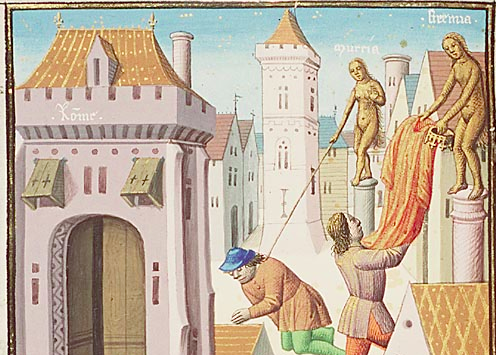
The ancient Romans also had a custom of giving each other New Year's gifts (strenae) as good omens. The word strena is associated with the Roman goddess of new year Strenia.
The ancient Romans also had a custom of giving each other New Year's gifts (strenae) as good omens. The word strena is associated with the Roman goddess of new year Strenia.
Loading suggestions...