
History
Politics
Geopolitics
International Relations
Colonialism
Historical Analysis
Colonial History

1. The French and Russian Threat to India: British Defense of the Empire and Geopolitical Vigilance
This is when the British started getting alarmed by the advance of Russia.
This is when the British started getting alarmed by the advance of Russia.
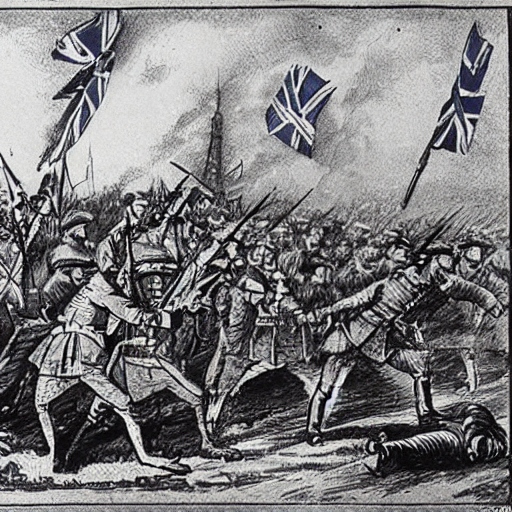
2. But something else, even more sinister was brewing up elsewhere. France had lost the race to control India to the British and was confined to a few pockets of influence. The prize went to Britain and India as a colony became the envy of all great colonial powers.
3. Feeling swindled, insulted and rebuffed, the French were itching to get back to Britain. When their greatest general Napoleon Bonaparte rose in the golden age of modern France, the French felt that this was their time to wrest India from Britain.
4. Napoleon started thinking of attacking India from either Egypt via sea, or from Persia and Afghanistan via land route.
5. Though this was always a very farfetched plan even in the
heydays of colonialism, any such plan was taken as a real threat because almost all colonial powers in the West created their empires in far flung places.
heydays of colonialism, any such plan was taken as a real threat because almost all colonial powers in the West created their empires in far flung places.
6. What made this plan more sinister was the fact that Napoleon was thinking of ganging up with Alexander I of Russia to jointly attack India in which Russia would attack from Central Asia and France would attack via Persia and Afghanistan.
7. This is what alarmed the British who immediately set about to strengthen India’s borders, create buffer states, make puppet rulers and swing spies all over the continent.
8. Emissaries were sent to the Shah of Persia and the Emir of Afghanistan with the intent of enrolling their autonomous
help in case the Russian Bear invades India from the North.
help in case the Russian Bear invades India from the North.
9. The Great Age of Spies
A massive culture of British spies patrolling Central Asian lands in disguise began. It was the great age of exploration and the Empire was not in dearth of young and adrenaline crazy explorers.
A massive culture of British spies patrolling Central Asian lands in disguise began. It was the great age of exploration and the Empire was not in dearth of young and adrenaline crazy explorers.
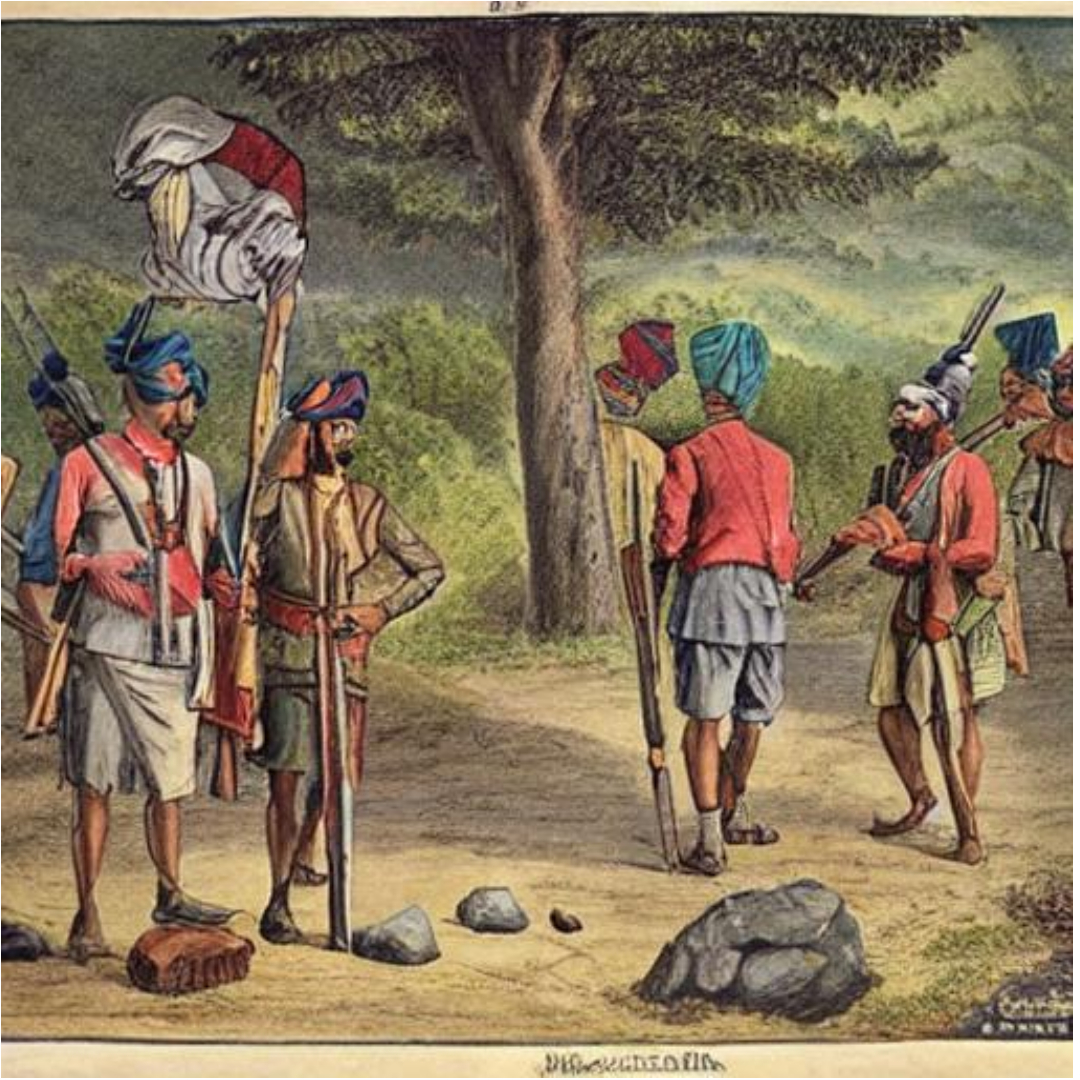
10. These adventurous men like Charles Stoddart and Arthur Connelly roamed the desert wastes of Central Asia as well as its cold deserts. Most of these Central Asian cities were Muslim and very fanatically so.
11. These adventurers crammed the Quran and learned the Arabic language along with native tongues to pass off as Muslim pilgrims and report to their masters back in London
and Calcutta. This is a sign of how vigilant the British were.
and Calcutta. This is a sign of how vigilant the British were.
12. Not only were they securing India’s immediate borders but also creating buffer states. But not satisfied enough with
that they were swinging spies thousands of miles away just so that their colonies remain safe.
that they were swinging spies thousands of miles away just so that their colonies remain safe.
13. This level of commitment to geopolitics pays off and is actually a necessary thing for a superpower. They did not stop at this either.
14. When they lacked British officers they recruited young Hindu men from India who knew the mores, customs and terrain of Central Asia and ran them as spies.
15. Hopkirk says: “Certain areas were judged too perilous, or politically sensitive, for Europeans to venture into, even in disguise. And yet these parts had to be explored and mapped, if India was to be defended.
16. An ingenious solution to this was soon found. Indian hill men of exceptional intelligence and resource, specially trained
in clandestine surveying techniques, were dispatched across the frontier disguised as Muslim holy men or Buddhist pilgrims.
in clandestine surveying techniques, were dispatched across the frontier disguised as Muslim holy men or Buddhist pilgrims.
17. In this way, often at great risk to their lives, they secretly mapped thousands of square miles of previously unexplored terrain with remarkable accuracy.”
18. Just imagine about the battle-readiness of a superpower which used to train local Hindus from India for topographical surveys in Central Asia, with secret equipments and secret diaries.
19. And they managed to accomplish this with remarkable accuracy. This also tells us a very remarkable fact. That Hindus and Indians never lacked the ability to pull stupendous feats across seven seas and foreign lands.
20. Our people can battle the worst of terrains in the world, if only the policies guiding them are correct.
21. References
1. Figes, Orlando. Natasha’s Dance: A Cultural History of Russia. Penguin, 2003.
2. Hopkirk, Peter. The Great Game: On Secret Service in High Asia. John Murray, 2006.
3. Riasanovsky, Nicholas. A History of Russia. Oxford University Press, 2011.
1. Figes, Orlando. Natasha’s Dance: A Cultural History of Russia. Penguin, 2003.
2. Hopkirk, Peter. The Great Game: On Secret Service in High Asia. John Murray, 2006.
3. Riasanovsky, Nicholas. A History of Russia. Oxford University Press, 2011.
Loading suggestions...