

Let us Educate these ignorant trolls about Savitribai Phule, Fatima Shaikh and Mukta Bai (Mukta Salve) - three rebellious Feminists and social Reformers.
It was not Dalits, but the Brahmins who benefitted the most from the English education introduced by British government.
It was not Dalits, but the Brahmins who benefitted the most from the English education introduced by British government.
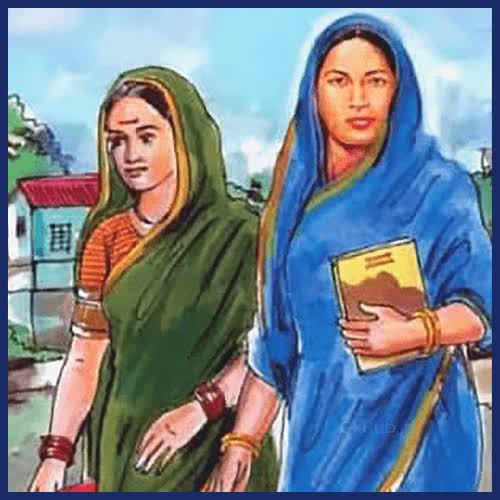
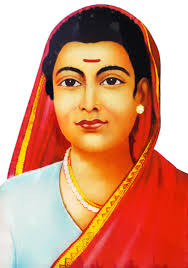
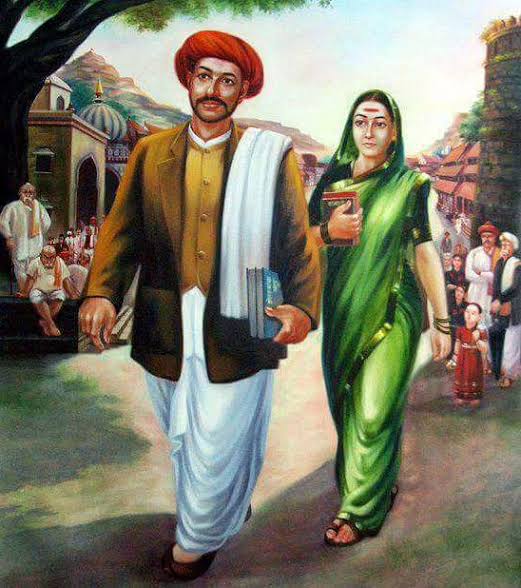
The first indigenous girls' school in Pune (then Poona) was started by Jyotirao and Savitribai in 1848, while she was still a teenager.
Usman Sheikh and his sister Fatima Sheikh assisted the couple and gave them a place in their premises to start the school.
Savitribai became the first teacher of the school. Jyotirao & Savitribai later started schools for children from the Mang & Mahar castes (Untouchables) in Maharashtra.
In 1817, English education, predominantly for Brahmin children, was introduced by British govt at what is now known as Presidency College – then the Presidency School. In Kerala, it began with the first Reform Bill of 1832.
The early educational institutions established by the
British were Sanskrit colleges of Banaras (1792), Calcutta (1821) and
Poona (1821) and College of Fort St. George (1812), gave educational
access to Brahmins alone.
British were Sanskrit colleges of Banaras (1792), Calcutta (1821) and
Poona (1821) and College of Fort St. George (1812), gave educational
access to Brahmins alone.
The first English medium schools were started in the Travancore region in 1934. Interestingly, the first learners in these schools were Brahmins, who left their Sanskrit- and Malayalam-medium education behind.
Three Phule schools were in operation in 1852. On November 16 that year,
the British govt honoured the Phule couple for their contributions in the field of education while Savitribai was named the best teacher.
the British govt honoured the Phule couple for their contributions in the field of education while Savitribai was named the best teacher.
In 1852 Savitri bai also started the Mahila Seva Mandal to aware women about their rights, dignity and other social issues.
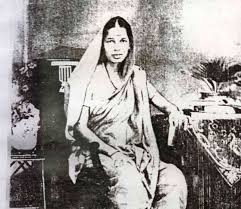
She was successful in organising a barbers strike in Mumbai and Pune to oppose the prevailing custom of shaving heads of widows.
Adolescents and young girls happened to more among in the widows. These widows were boycotted publicly and with the meagre financial support, they were clandestine subjects to sexual exploitation.
They happened to be pregnant due to lack of contraceptives or other measures. So they had to be victimised for the reason for which they had not been responsible.
Women had to lose their life due to unhealthy ways of abortion. Many newborns were been killed after delivery by widows to avoid social ostracism.
Many times they had to leave their home. First ever infanticide prohibition home of India was started by Savitribai Phule in 1853 to solve this problem.
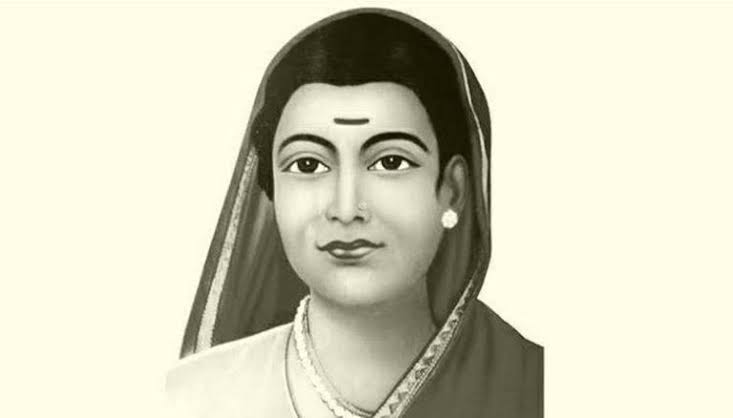
Phule couple championed widow remarriage and started a home for lower and upper caste widows in 1854.
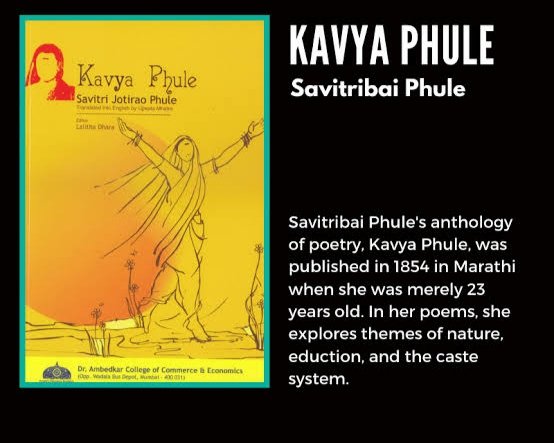
First collection of Savitri Bai's poems ( Kavya Phule) got published in 1854. It was later translated from Marathi to English by Ujjwala Mhatre.
On 2 June 1856, Erloo, son of Narayan, an 11-year old boy of Mahar caste applied for an admission to the Government Marathi School at Dharwar.
The Brahmin headmaster, trained in the Native Education Society which had been established by Elphinstone to train exclusively ‘respectable
Brahmin schoolmasters’, refused the admission on grounds of caste.
Brahmin schoolmasters’, refused the admission on grounds of caste.
The boy and his father appealed in vain to the authorities in the education department; they also sent a petition to the government (Petition dated 18June 1856, House of Commons Papers, 1859). The Government referred this petition to the Director of Public Instruction (DPI).
The DPI Edward Irvin Howard admitted that ‘the petitioner had reason and justice on his side’ but concluded that ‘the admissions of low
caste boys to the government schools might do more harm than good’
This was the situation.
caste boys to the government schools might do more harm than good’
This was the situation.
All the 3 schools run by the Phule couple were closed by 1858. There were many reasons for this, one of the major reason was resignation of Jyotirao from the school management committee due to difference of opinion on curriculum, and withdrawal of support from the British govt.
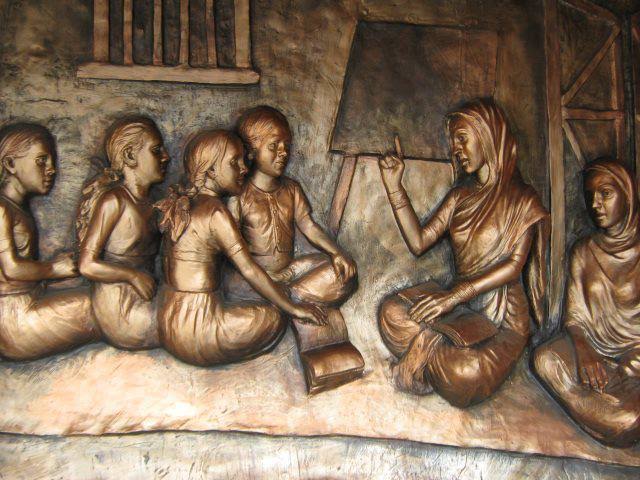
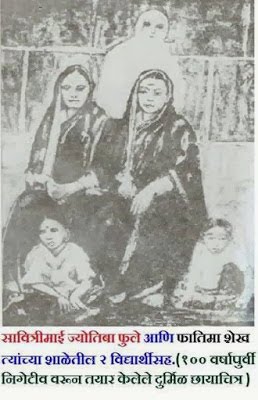
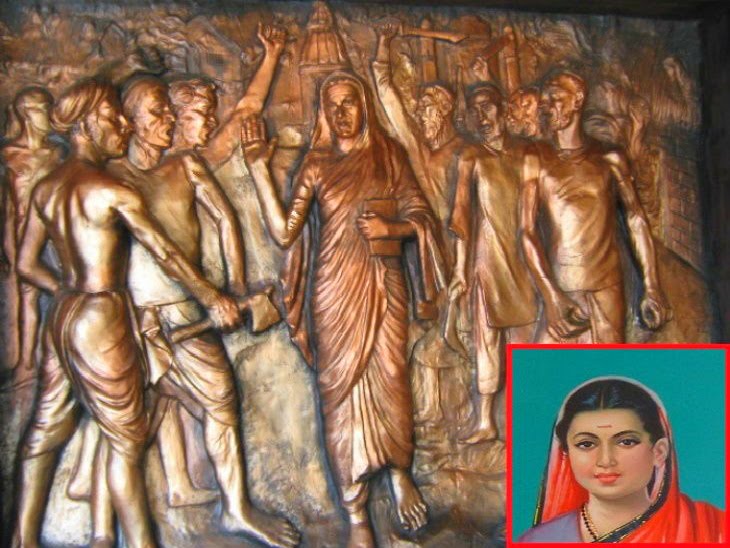
Not discouraged by the circumstances, Phule couple along with Fatima Sheikh, took charge of educating people from the oppressed communities as well. Over the years, Savitribai opened 18 schools & taught children from different castes.
This was not taken well by many, particularly the upper caste of Pune, who were against Dalits education. Cow dung & mud were thrown at Savitribai when she walked towards the school. However, such atrocities & humiliations could not discourage the determined Savitribai.
A night school was also opened by the Phule couple in 1855 for agriculturist and labourers so that they can work in daytime and attend school at night.
Savitri Bai remained an inspiration for the young girls she taught. She encouraged them to take up activities like writing and painting. One of the essays written by Mukta Salve (a student of Savitribai) became the
face of Dalit feminism and literature during that period.
face of Dalit feminism and literature during that period.
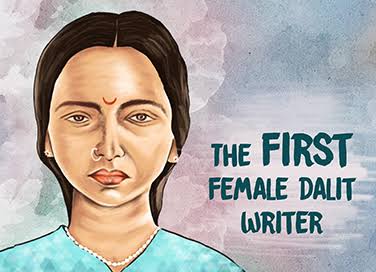
After merely three years of schooling, Muktabai wrote her essay ‘About the Grief of Mahar and Mangs’. It highlighted the atrocities committed against the Mahar and Mang communities, such as the seizing of their lands to build huge houses for the upper castes,
and the inhuman treatment meted to these communities, especially during the rule of Bajirao Peshwa.
It also revealed the vulnerability of Dalit women, who had to endure childbirth without a roof over their head, or a doctor to treat them in case of complications.
Mukta Salve challenged the legitimacy of Hinduism, a religion she had no access to, but was expected to follow. She analysed how the Brahmins manipulated religion to control the power structure within the society, by depriving the Mangs of food, clothing, shelter, and education.
She believed that gaining knowledge could shift these power structures and create a better future for the Dailt communities. And she did all of this after just three years of receiving education herself.
“Oh, the Mahars and Mangs, you are poor and sick. Only the medicine of knowledge will cure and heal you.”
This essay was first published in a Marathi journal named Dnyanodaya in 1855.
This essay was first published in a Marathi journal named Dnyanodaya in 1855.
This essay was translated into English and published in Susie Tharu and K. Lalita’s ‘Women Writing in India: 600 B.C. to Present’ in 1991.
Loading suggestions...