

What is cognitive overload? 🤯
This 👇 😅 Here are some quick tips to avoid it in your UI designs.
This 👇 😅 Here are some quick tips to avoid it in your UI designs.
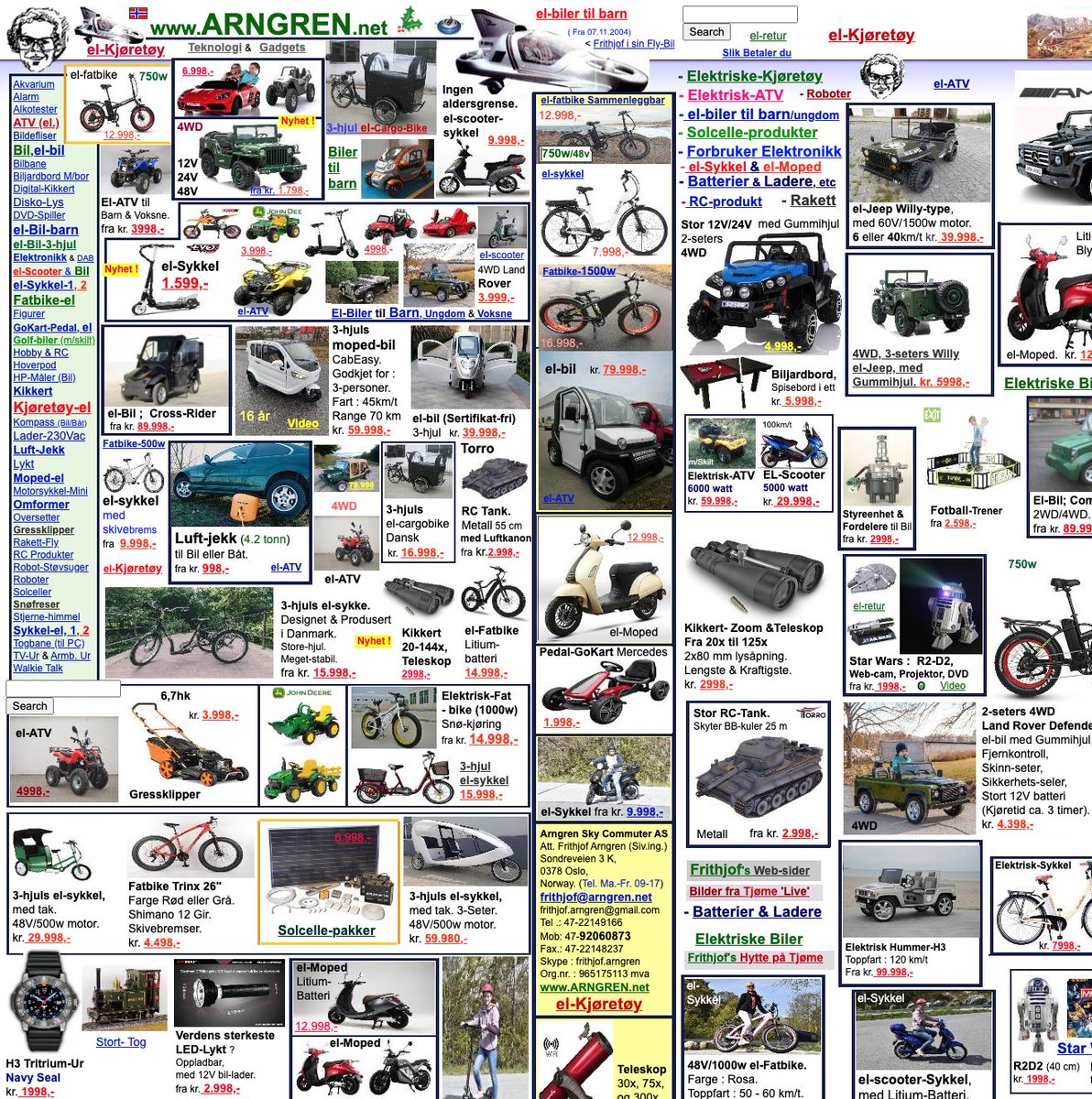
Cognitive load is the amount of brain power required to use an interface 🧠
The goal is to minimise cognitive load to make your interface as easy to use as possible.
This frees up mental resources for people to focus on the task they're trying to achieve.
The goal is to minimise cognitive load to make your interface as easy to use as possible.
This frees up mental resources for people to focus on the task they're trying to achieve.
Quick ways to reduce unnecessary cognitive load:
• Removing unnecessary styles, information, and decisions to reduce distractions.
• Breaking up information into smaller groups to clearly show relationships and speed up decision making.
• Removing unnecessary styles, information, and decisions to reduce distractions.
• Breaking up information into smaller groups to clearly show relationships and speed up decision making.
• Using conventional design patterns that people are familiar with.
• Maintaining consistency by ensuring that similar elements look and work in a similar way.
• Creating a clear visual hierarchy to show the level of importance of information.
• Maintaining consistency by ensuring that similar elements look and work in a similar way.
• Creating a clear visual hierarchy to show the level of importance of information.
📘 PS If you like this tip, you’ll like my UI design book.
Learn a logic-driven approach to design intuitive, accessible, and beautiful interfaces using quick and practical guidelines 👉 practical-ui.com
Learn a logic-driven approach to design intuitive, accessible, and beautiful interfaces using quick and practical guidelines 👉 practical-ui.com
Did I miss anything? 🤔
If you enjoyed this tip:
❤️ Follow me @AdhamDannaway for daily design tips
🔁 Retweet the below tweet to share it 👇
If you enjoyed this tip:
❤️ Follow me @AdhamDannaway for daily design tips
🔁 Retweet the below tweet to share it 👇
Loading suggestions...