

Warren Buffett refuses to invest in companies without a moat.
Understanding the Moat concept can help you identify better Crypto investments.
Here are the 7 Moats that you should look for:
Understanding the Moat concept can help you identify better Crypto investments.
Here are the 7 Moats that you should look for:
Moats are the competitive advantages that are painstakingly hard to copy.
It's difficult to build moats in Crypto because of how easy it is to fork projects.
Yet some of the OG DeFi protocols are still dominating years later despite the copycats.
Let's see why:
It's difficult to build moats in Crypto because of how easy it is to fork projects.
Yet some of the OG DeFi protocols are still dominating years later despite the copycats.
Let's see why:
Power 1: Scale Economies
A business where the per-unit costs decline as volume increases.
• A small burger restaurant can't negotiate much on its food costs.
• Mcdonald's has the Scale Economies to negotiate for rock bottom prices.
Their low costs are a power.
A business where the per-unit costs decline as volume increases.
• A small burger restaurant can't negotiate much on its food costs.
• Mcdonald's has the Scale Economies to negotiate for rock bottom prices.
Their low costs are a power.
In Crypto: Bitcoin Miners
This happened with Bitcoin's proof of work mining.
The electricity costs increased to mine Bitcoin, and only larger firms with Scale Economies could remain profitable.
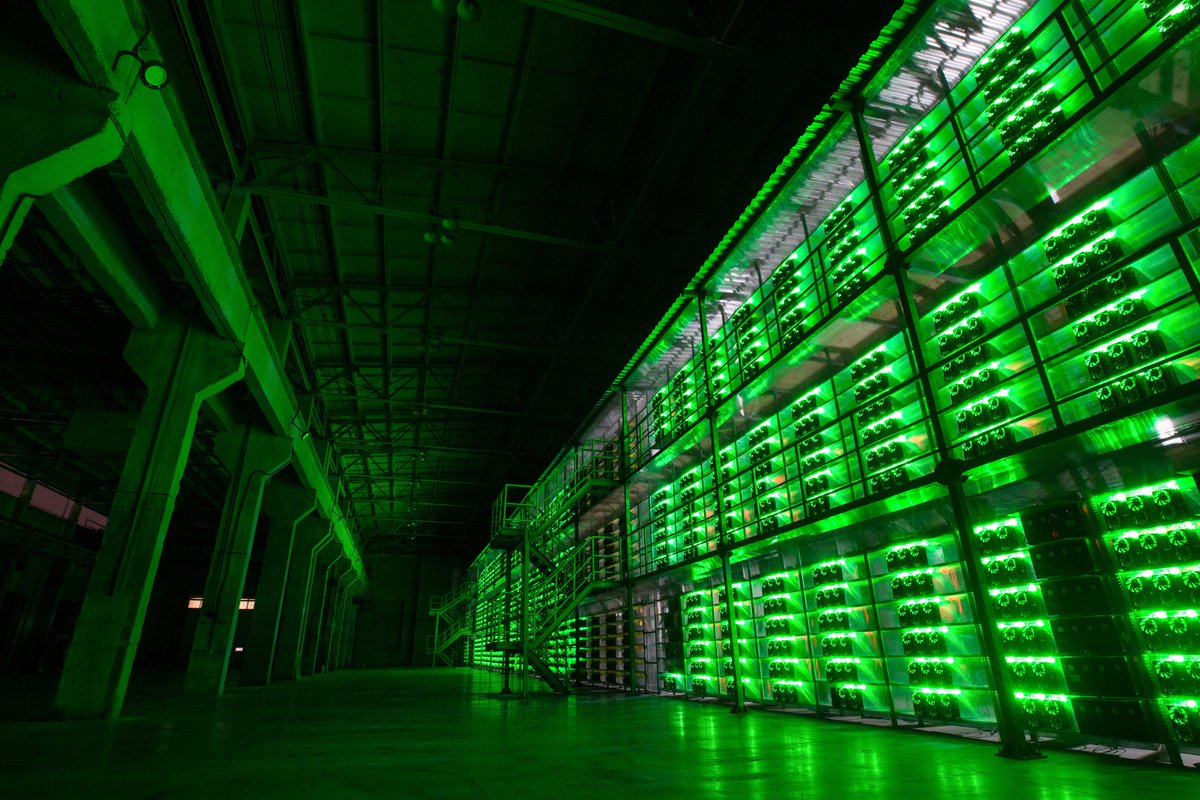
How can the little guys compete with this mining setup from Russia?
This happened with Bitcoin's proof of work mining.
The electricity costs increased to mine Bitcoin, and only larger firms with Scale Economies could remain profitable.
How can the little guys compete with this mining setup from Russia?
Power 2: Network Economies
The business becomes more valuable as the # of users increases.
It costs around $50k to create an app like Tinder.
Tinder sold for $3 billion because of the # of users it had.
Uber, Airbnb, & Facebook are dominant because of network effects.
The business becomes more valuable as the # of users increases.
It costs around $50k to create an app like Tinder.
Tinder sold for $3 billion because of the # of users it had.
Uber, Airbnb, & Facebook are dominant because of network effects.
In Crypto: Ethereum
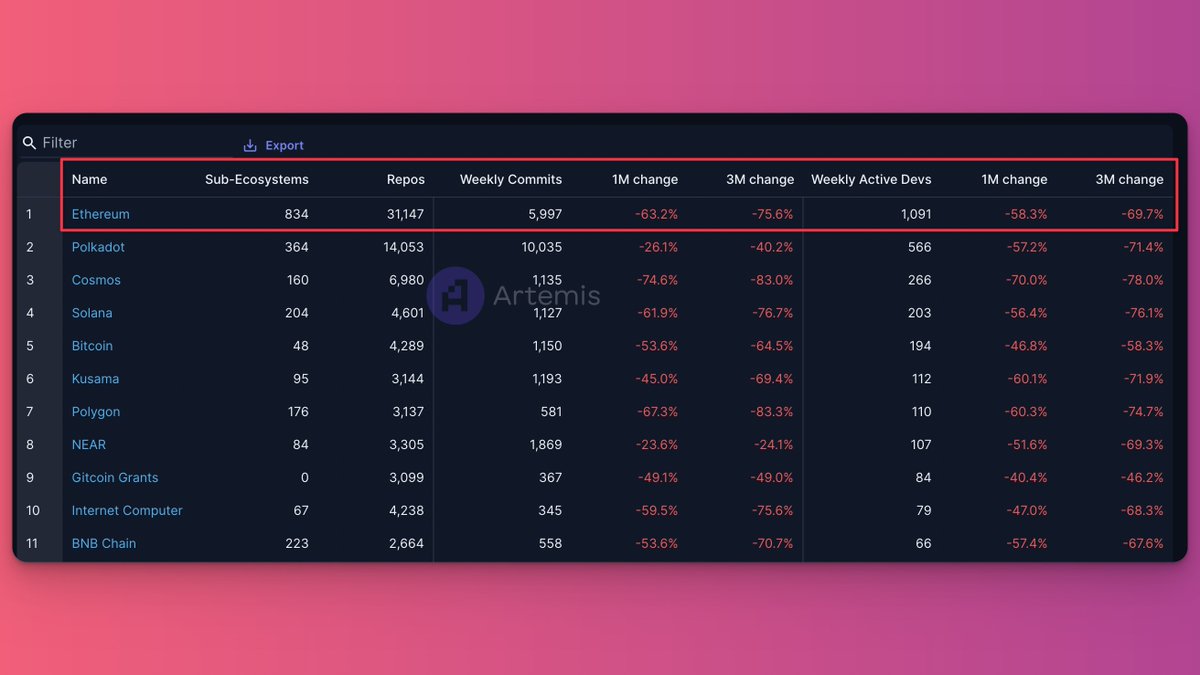
Some alt L1s are faster and cheaper than Ethereum.
Yet they face an uphill battle in Ethereum's network effects.
• Large amount of users →
• Attracts more developers →
• Creates awesome dapps →
• Attracts more users →
• Flywheel effect
Some alt L1s are faster and cheaper than Ethereum.
Yet they face an uphill battle in Ethereum's network effects.
• Large amount of users →
• Attracts more developers →
• Creates awesome dapps →
• Attracts more users →
• Flywheel effect
Power 3: Counter Positioning
A business creates a new, superior business model.
The incumbents can't adopt it because it'll cannibalize parts of their existing business.
A business creates a new, superior business model.
The incumbents can't adopt it because it'll cannibalize parts of their existing business.
Examples
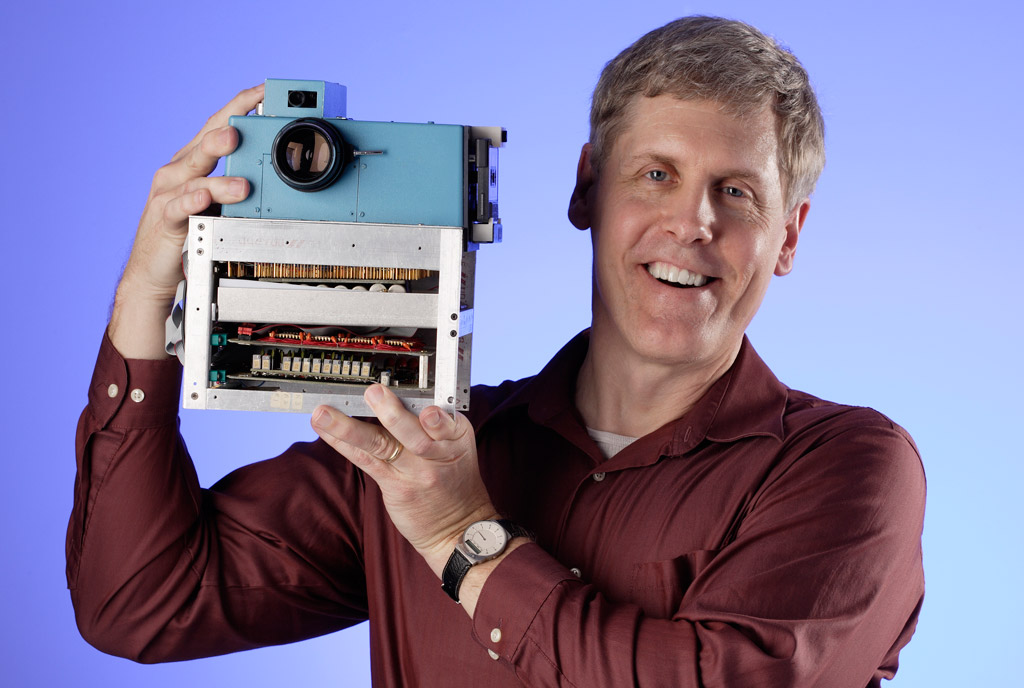
1) Kodak invented digital cameras in the 1970s, but they didn't Pivot.
Kodak was hesitant to cannibalize its cash-cow businesses in film photography.
2) Stock photo companies know A.I. photos are the future, but adopting AI would kill their existing business model.
1) Kodak invented digital cameras in the 1970s, but they didn't Pivot.
Kodak was hesitant to cannibalize its cash-cow businesses in film photography.
2) Stock photo companies know A.I. photos are the future, but adopting AI would kill their existing business model.
In Crypto: Music NFTs
Imagine owning unique music NFTs from your favorite artist, and they keep all the royalties.
Record labels could capitalize on Music NFTs if they wanted to, but to do so would put them out of business.
Imagine owning unique music NFTs from your favorite artist, and they keep all the royalties.
Record labels could capitalize on Music NFTs if they wanted to, but to do so would put them out of business.
Power 4: Switching Costs
It's when a customer loses value by switching over to a competitor.
I use only Apple products - quite a few of my favorite apps are OSX only.
It's hard for me to switch off Apple products because I'd lose a lot of apps that I'm already used to.
It's when a customer loses value by switching over to a competitor.
I use only Apple products - quite a few of my favorite apps are OSX only.
It's hard for me to switch off Apple products because I'd lose a lot of apps that I'm already used to.
Example: Metamask
There are plenty of Web 3 wallets now, yet MetaMask remains dominant.
Why? Because people are so used to Metamask.
It's a pain in the ass for them to switch over and set everything up again.
There are plenty of Web 3 wallets now, yet MetaMask remains dominant.
Why? Because people are so used to Metamask.
It's a pain in the ass for them to switch over and set everything up again.
Power 5: Branding
Does a Rolex tell the time better than a cheap Seiko? No.
Does a Chanel bag hold items better than a Michael Kors? No.
Branding power allows companies to charge a premium price.
This is why luxury companies pay so much for celebrity endorsements.
Does a Rolex tell the time better than a cheap Seiko? No.
Does a Chanel bag hold items better than a Michael Kors? No.
Branding power allows companies to charge a premium price.
This is why luxury companies pay so much for celebrity endorsements.
In Crypto: Polygon
Polygon has been onboarding brands such as Nike, Starbucks, Reddit, and Facebook onto Web 3.
They have a branding moat now.
"No one ever got fired for buying IBM"
If you're a Web 2 giant, working with Polygon is "safe" compared to other blockchains.
Polygon has been onboarding brands such as Nike, Starbucks, Reddit, and Facebook onto Web 3.
They have a branding moat now.
"No one ever got fired for buying IBM"
If you're a Web 2 giant, working with Polygon is "safe" compared to other blockchains.
In Crypto: Bored Ape Yacht Club
Anyone can create a 10k PFP collection, but one brand is in a league of its own.
Fueled by celebrity endorsements and pop culture, BAYC is mainstream.
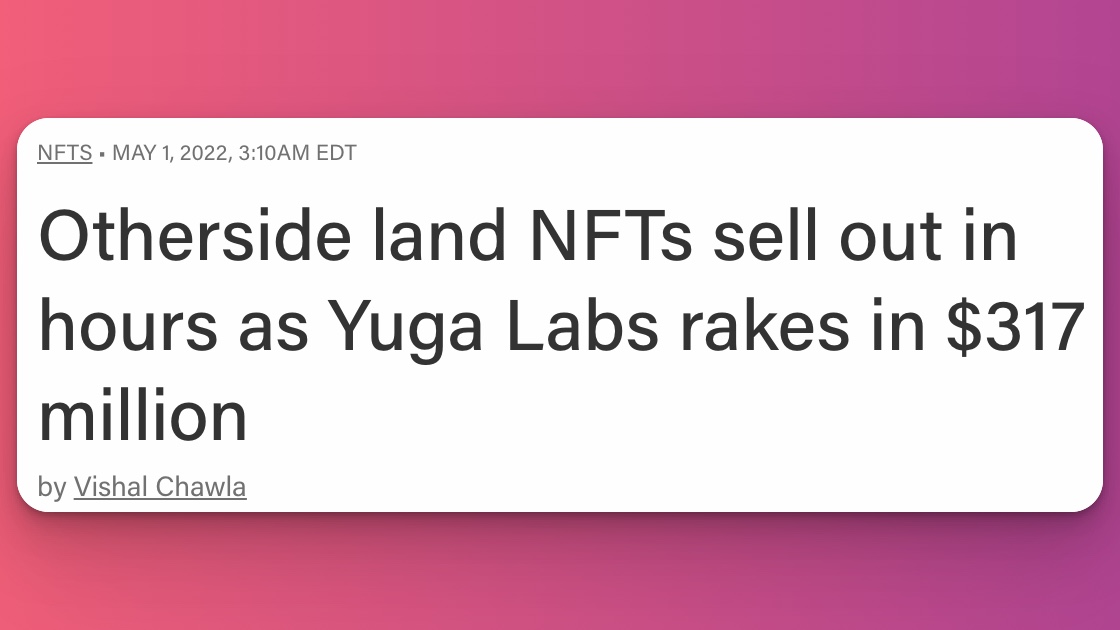
BAYC's brand helped them sell $300m+ virtual land.
Anyone can create a 10k PFP collection, but one brand is in a league of its own.
Fueled by celebrity endorsements and pop culture, BAYC is mainstream.
BAYC's brand helped them sell $300m+ virtual land.
Power 6: Cornered Resource
A company has a cornered resource when it has preferential access to limited and desired resources.
Empires fought over spices, salt, silk, and gold.
The modern world is fighting over oil and semiconductors.
DeFi Protocols fight for liquidity.
A company has a cornered resource when it has preferential access to limited and desired resources.
Empires fought over spices, salt, silk, and gold.
The modern world is fighting over oil and semiconductors.
DeFi Protocols fight for liquidity.
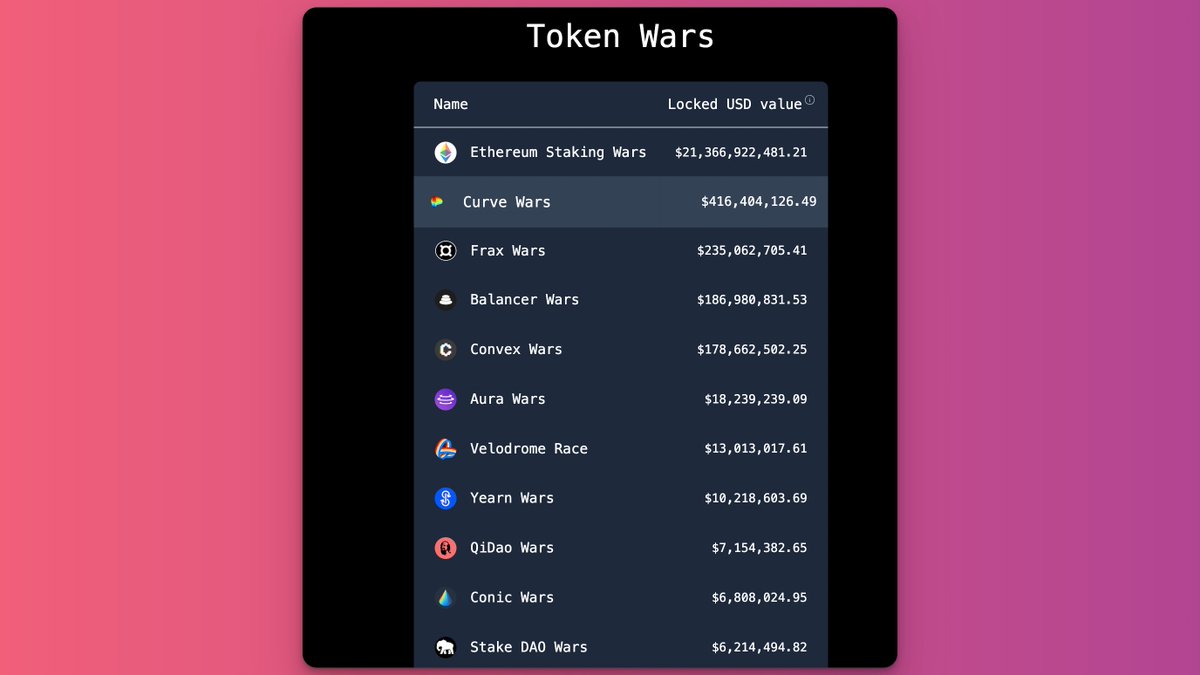
Example: The Curve Wars
Curve controls so much liquidity in DeFi.
Acquiring veCRV tokens (and Convex) allows you to vote on which Curve pools more rewards.
So protocols fight for veCRV tokens because it can increase their token's liquidity.
Curve controls so much liquidity in DeFi.
Acquiring veCRV tokens (and Convex) allows you to vote on which Curve pools more rewards.
So protocols fight for veCRV tokens because it can increase their token's liquidity.
Hunting for Governance Tokens
There are quite a few protocols that actively try to acquire governance tokens: Frax Finance and Redacted Cartel come to mind.
Check out defiwars. xyz to keep up with the DeFi wars narrative.
There are quite a few protocols that actively try to acquire governance tokens: Frax Finance and Redacted Cartel come to mind.
Check out defiwars. xyz to keep up with the DeFi wars narrative.
Power 7: Process Power
Improved product and lower costs due to superior processes.
• Toyota created the Toyota Production System to eliminate waste & to improve consistency in its cars.
• TikTok has an algorithm for showing people exactly what they would be interested in.
Improved product and lower costs due to superior processes.
• Toyota created the Toyota Production System to eliminate waste & to improve consistency in its cars.
• TikTok has an algorithm for showing people exactly what they would be interested in.
In Crypto: Capital efficiency formulas
It's all about creating processes for lower fees and more efficiency.
1) Uniswap V3 - its concentrated liquidity model is a process for improving capital efficiency.
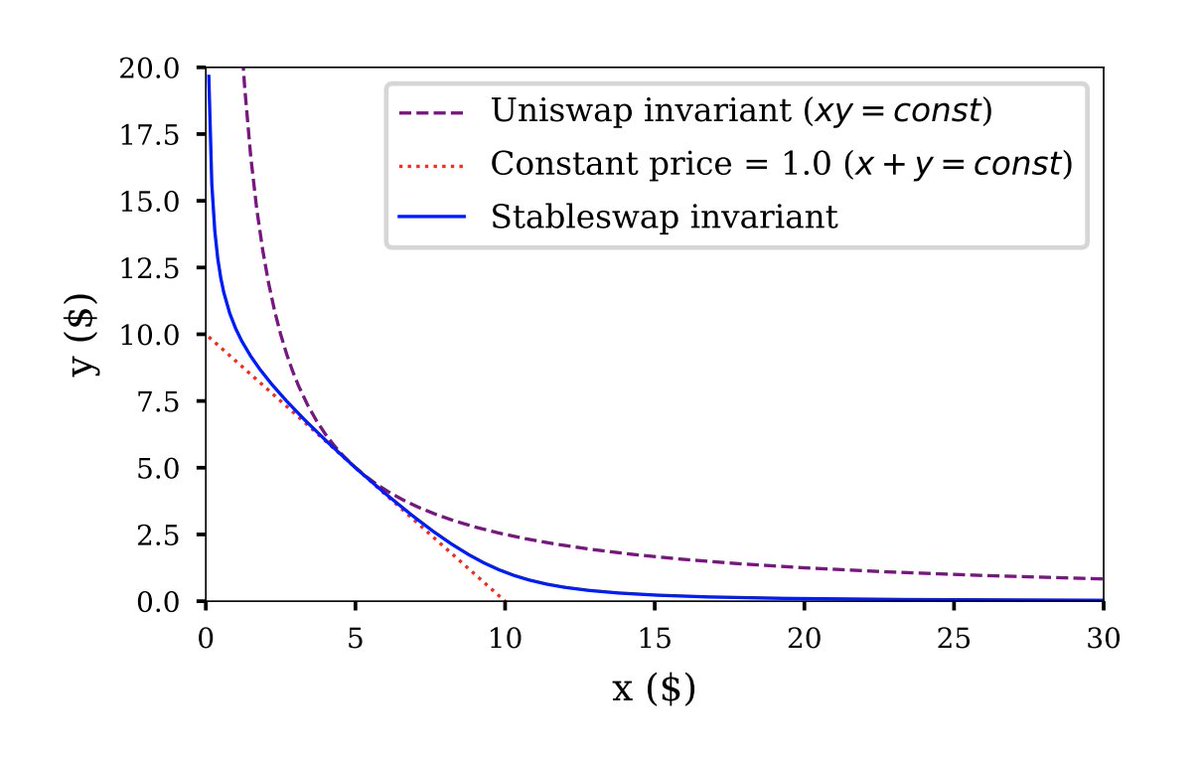
2) Curve Finance - The StableSwap invariant Formula
It's all about creating processes for lower fees and more efficiency.
1) Uniswap V3 - its concentrated liquidity model is a process for improving capital efficiency.
2) Curve Finance - The StableSwap invariant Formula
Advantages vs Moats
You might be wondering about other aspects in Crypto such as Total Value Locked or the Community.
How would they fit in under this framework?
They're competitive advantages, but they're not Moats.
You might be wondering about other aspects in Crypto such as Total Value Locked or the Community.
How would they fit in under this framework?
They're competitive advantages, but they're not Moats.
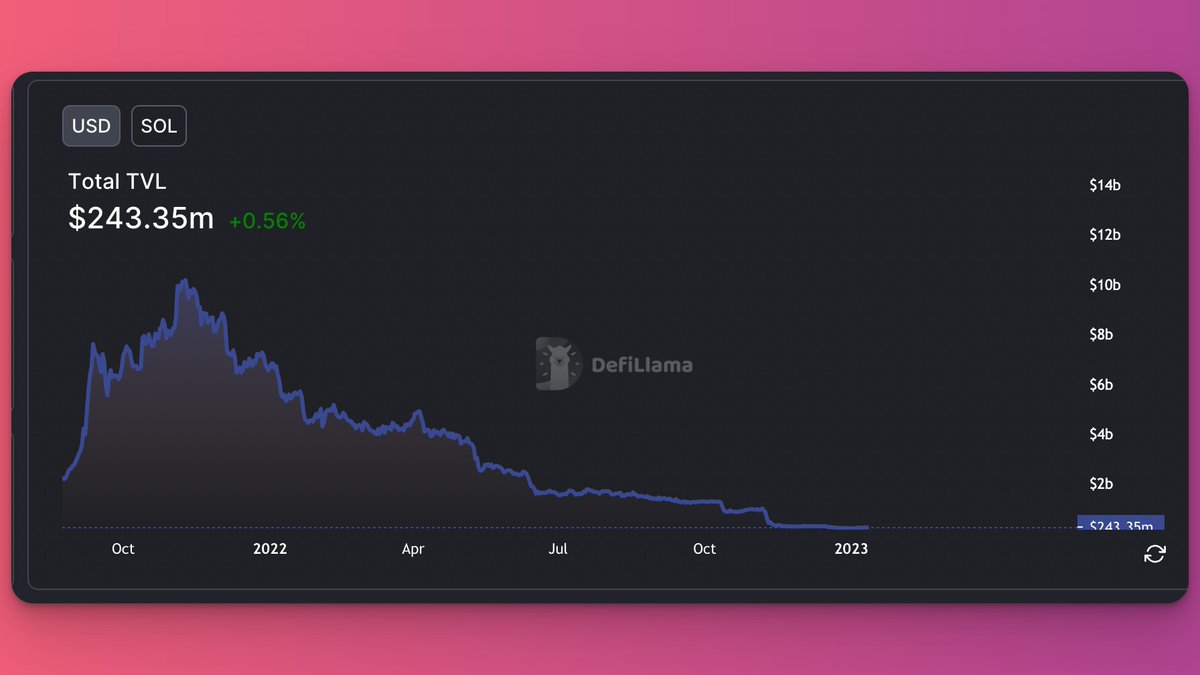
Total Value Locked
You can watch the charts and see how non sticky TVL can be (especially if some of it was fueled by incentives).
Community
I've seen how fast communities abandon protocols when the prices go down.
Moats are built into the companies themselves.
You can watch the charts and see how non sticky TVL can be (especially if some of it was fueled by incentives).
Community
I've seen how fast communities abandon protocols when the prices go down.
Moats are built into the companies themselves.
A few more examples of Crypto Moats:
1) BNB - being associated with the biggest CEX in the world
2) Chainlink - they virtually have a monopoly in the Oracle space.
3) Chiliz - Exclusive partnerships with large ⚽ teams.
1) BNB - being associated with the biggest CEX in the world
2) Chainlink - they virtually have a monopoly in the Oracle space.
3) Chiliz - Exclusive partnerships with large ⚽ teams.
Moats Take Time
Keep in mind that DeFi's only a few years old.
Some of these powers such as branding & switching costs can take years to build.
So look at which powers a protocol has now, and what they're working towards establishing.
Keep in mind that DeFi's only a few years old.
Some of these powers such as branding & switching costs can take years to build.
So look at which powers a protocol has now, and what they're working towards establishing.
Applying this Framework
This framework's useful for evaluating potential long term holds.
You have to think about your investment's ability to fend off the newcomers.
I wouldn't use it for short-term shitcoin trades (hype & marketing matters more)
This framework's useful for evaluating potential long term holds.
You have to think about your investment's ability to fend off the newcomers.
I wouldn't use it for short-term shitcoin trades (hype & marketing matters more)
The 7 Powers
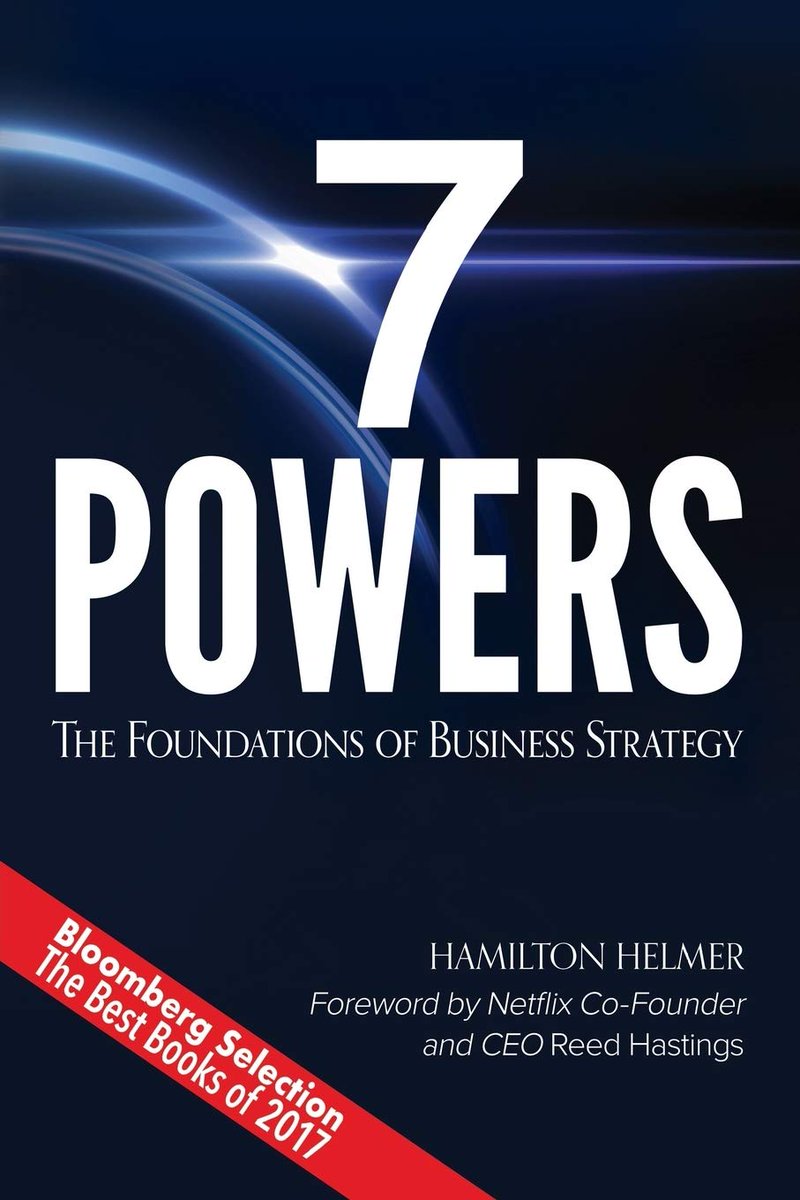
This framework comes from the book the 7 Powers by Hamilton Helmer.
It's one of the best books I've read on business strategy - I recommend you pick it up!
This framework comes from the book the 7 Powers by Hamilton Helmer.
It's one of the best books I've read on business strategy - I recommend you pick it up!
I use business frameworks to help me analyze protocols.
1) If you find it interesting, engage with the thread - the data will let me know if I should write more threads like this!
2) If you think your frens would enjoy this this, please help me out with a retweet.
1) If you find it interesting, engage with the thread - the data will let me know if I should write more threads like this!
2) If you think your frens would enjoy this this, please help me out with a retweet.
p.s. If you like tweets like this, you’ll love my weekly newsletter (it’s free).
Every Thursday, I share new strategies, narratives, and the latest news in DeFi.
Join 26,000+ subscribers here: TheDeFiEdge.com
Every Thursday, I share new strategies, narratives, and the latest news in DeFi.
Join 26,000+ subscribers here: TheDeFiEdge.com
1 interesting case study is @blur_io , the NFT marketplace.
OpenSea achieved branding + network effect powers, yet Blur's still able to take a huge chunk out of its market share.
• Counter positioning with 0% royalties
• Focusing on a different market segment (Pro traders)
OpenSea achieved branding + network effect powers, yet Blur's still able to take a huge chunk out of its market share.
• Counter positioning with 0% royalties
• Focusing on a different market segment (Pro traders)
Loading suggestions...