

2/6
In a well-functioning trading regime, the kind of large, persistent imbalances from which the the global trading system has suffered for decades would be all but impossible.
In a well-functioning trading regime, the kind of large, persistent imbalances from which the the global trading system has suffered for decades would be all but impossible.
3/6
That's because in a system driven by comparative advantage, the purpose of exports would not be to exploit foreign demand to drive domestic growth but rather to produce goods to convert through exports into a greater amount of imports than could be domestically produced.
That's because in a system driven by comparative advantage, the purpose of exports would not be to exploit foreign demand to drive domestic growth but rather to produce goods to convert through exports into a greater amount of imports than could be domestically produced.
4/6
It is only when trade is broadly balanced that it adds to global productivity without reducing net demand. Otherwise when a country runs large-persistent surpluses, it effectively converts demand for goods and services from trade partners into foreign claims on their assets.
It is only when trade is broadly balanced that it adds to global productivity without reducing net demand. Otherwise when a country runs large-persistent surpluses, it effectively converts demand for goods and services from trade partners into foreign claims on their assets.
5/6
That is why it doesn't matter whether or not countries generally comply with WTPO rules. The fact that so many countries depend on large, persistent surpluses to compensate for weak domestic demand is prima facie evidence of beggar-thy-neighbor trade policies.
That is why it doesn't matter whether or not countries generally comply with WTPO rules. The fact that so many countries depend on large, persistent surpluses to compensate for weak domestic demand is prima facie evidence of beggar-thy-neighbor trade policies.
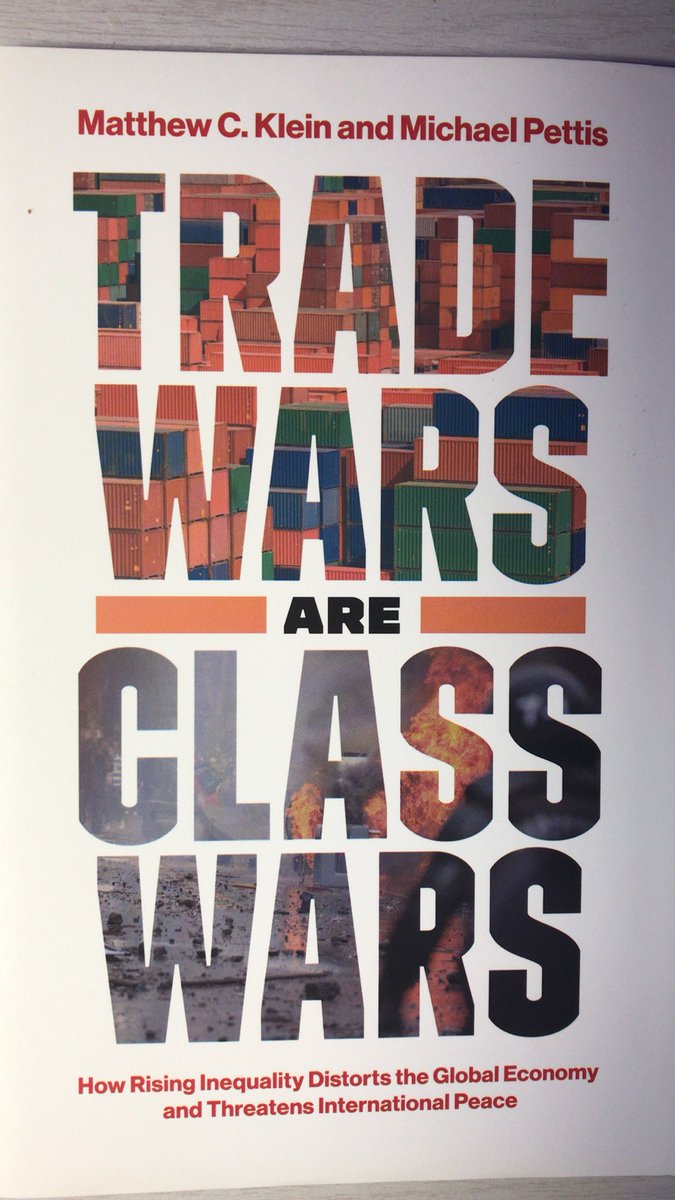
6/6
In that case it is no surprise that the US and a growing number of deficit countries are looking to opt out of the current trade regime. There is no point in supporting global trade agreements that reduce the global economic benefits of trade.
In that case it is no surprise that the US and a growing number of deficit countries are looking to opt out of the current trade regime. There is no point in supporting global trade agreements that reduce the global economic benefits of trade.
South Korea’s trade minister is worried that "every country will engage in this very difficult race to ignore global trading rules.” The irony is that South Korean trade policies are very explicitly designed to generate large, permanent trade surpluses.
economist.com
economist.com
Loading suggestions...