
Over the years, scholars have written extensively on how the 1857 First War of Independence played out in the Gangetic plains & parts of central India. But what happened in the Chotanagpur plateau has invariably remained a footnote.
This forested region, home to many Adivasi +
This forested region, home to many Adivasi +
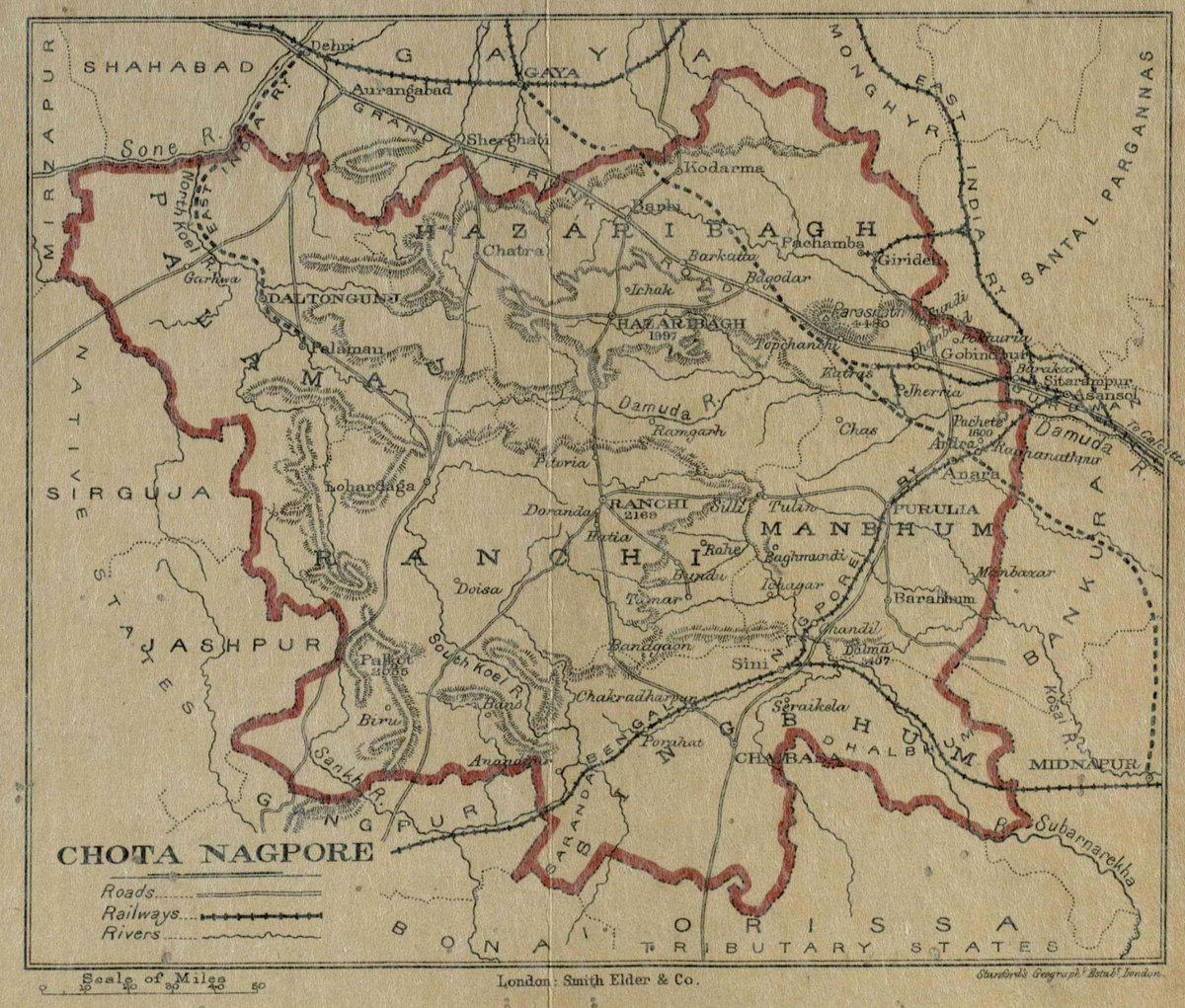
communities, already had a long history of indigenous uprisings against the British across the length & breadth of the plateau. The Hos of Singhbhum, the Bhumij of Manbhum and the Mundas of Ranchi had taken up arms at various points in the first half of the nineteenth century. +
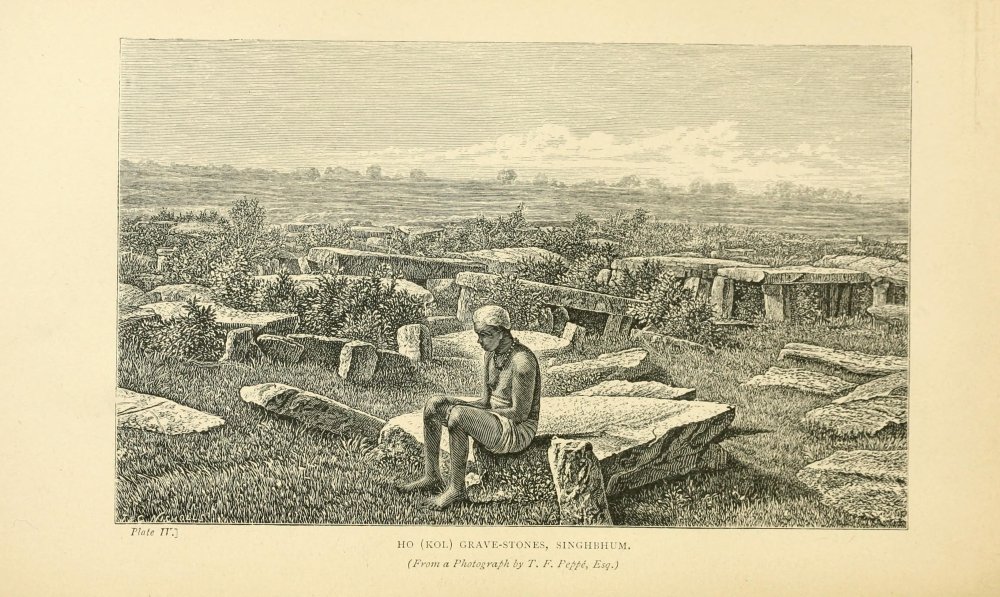
Later, a united front of Mundas, Oraons, Kharias and Hos led a revolt across the Ranchi district in 1832. To the northwest & northeast of the plateau, a Santhal insurrection had taken place in 1855-56.
Perhaps nowhere in this region was resistance to colonialism as sustained +
Perhaps nowhere in this region was resistance to colonialism as sustained +
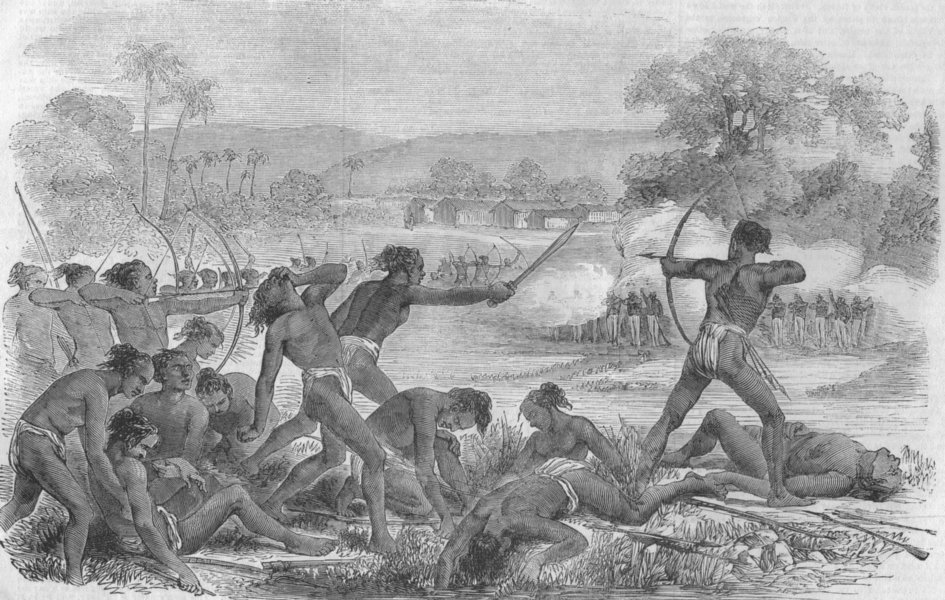
as on the western frontier of the plateau, a district called Palamau. Over 160 years ago, in the autumn of 1857, the hills and valleys of Palamau's echoed with the clarion calls of rebellion. +
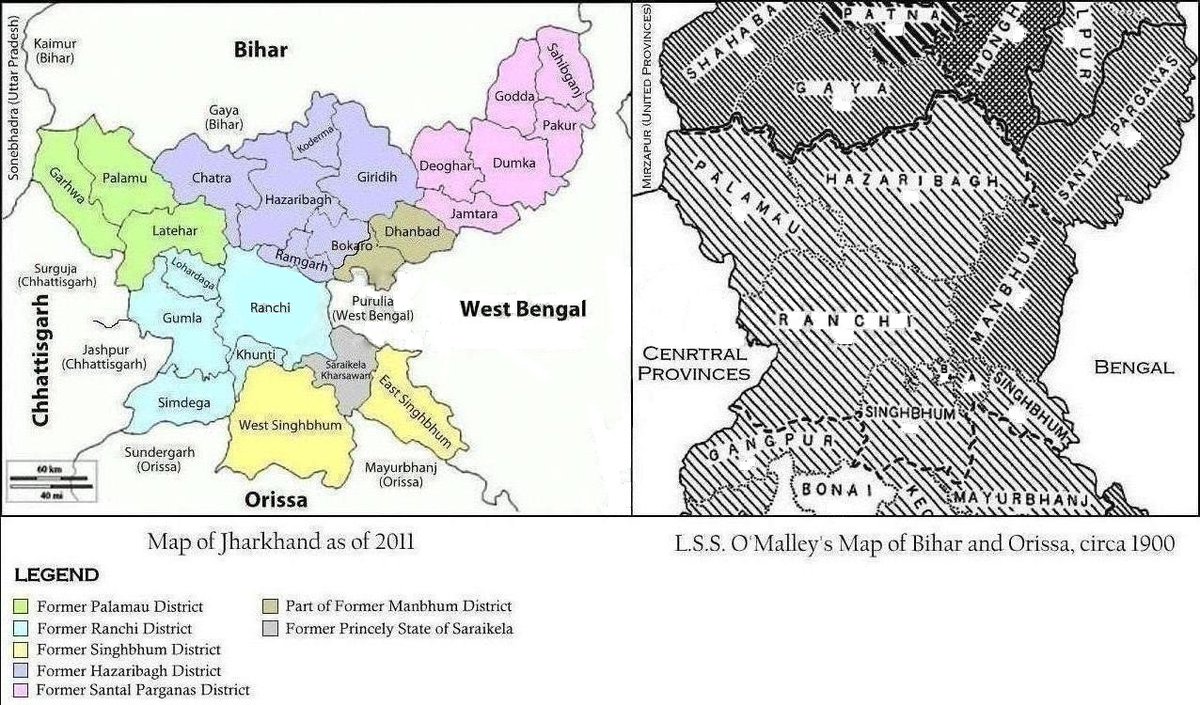
(A map I'd prepared comparing British Chotanagpur to contemporary Jharkhand)
(A map I'd prepared comparing British Chotanagpur to contemporary Jharkhand)
The flagbearers of this revolt that eventually forced Captain E.T. Dalton, the British Commissioner of Chotanagpur Division, to personally march down to the forests of Palamau were two Adivasi brothers who belonged to the Bhogta clan of the Kharwar tribe –Nilamber & Pitamber. +
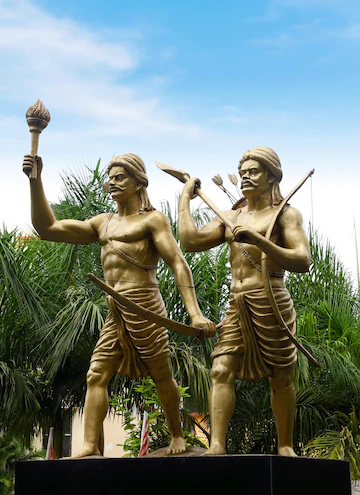
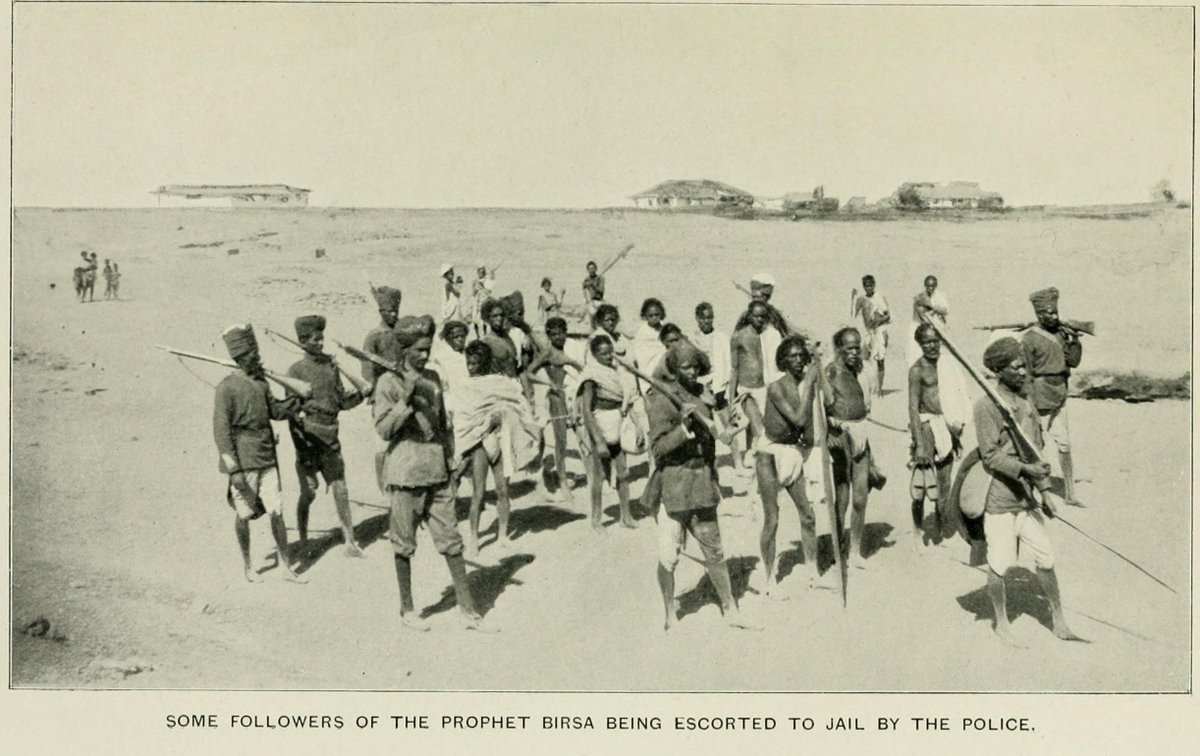
In this part of Chotanagpur, Nilamber and Pitamber are what Siddhu and Kanhu were to the Santhal Hool of 1855-56, or what Birsa Munda was to the Ulgulan of 1899-1900.
In October 2022, I was headed to Chemo & Saneya, two small villages ensconced deep in the dense sal forests +
In October 2022, I was headed to Chemo & Saneya, two small villages ensconced deep in the dense sal forests +
of the Palamau tiger reserve. Overlooked by the Burha Pahaad, drained by the Koel, its primary tributary the Burha, and hundreds of jungle streams, Chemo and Saneya were where it had all begun. +
(Saneya village scenes, with Burha pahaad in the background)
(Saneya village scenes, with Burha pahaad in the background)
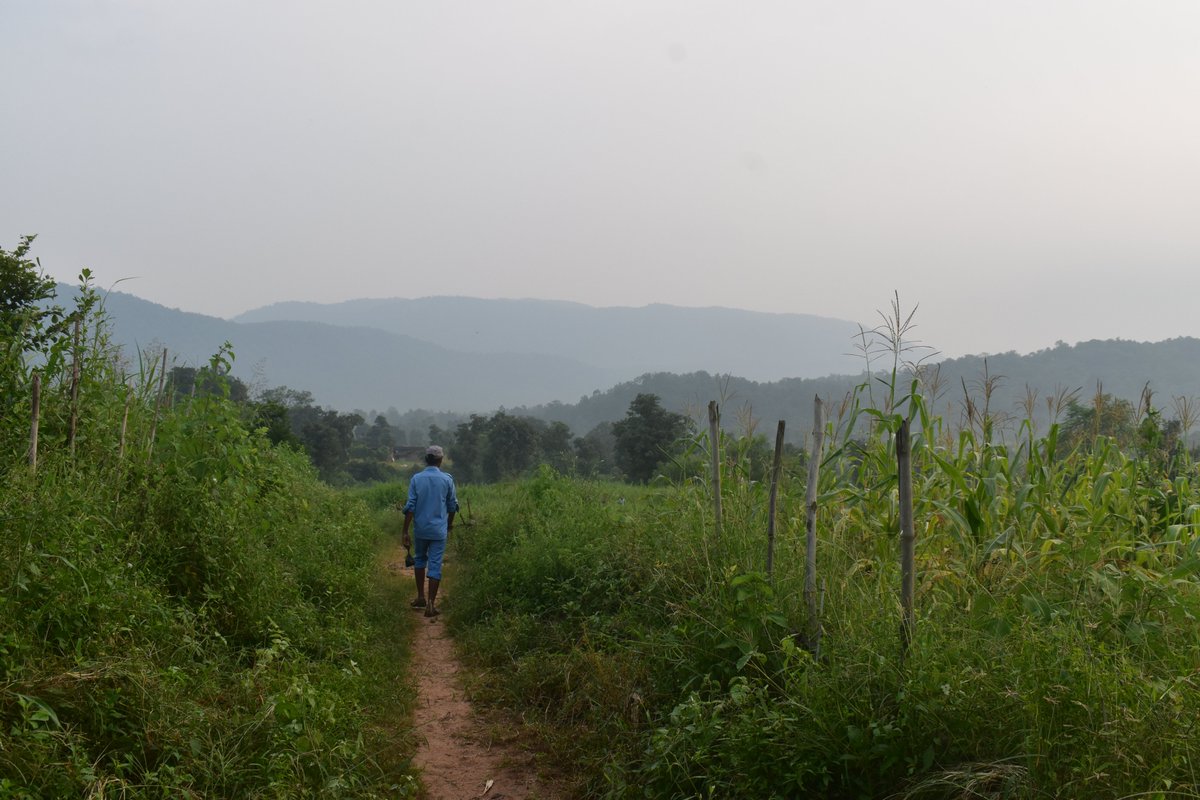
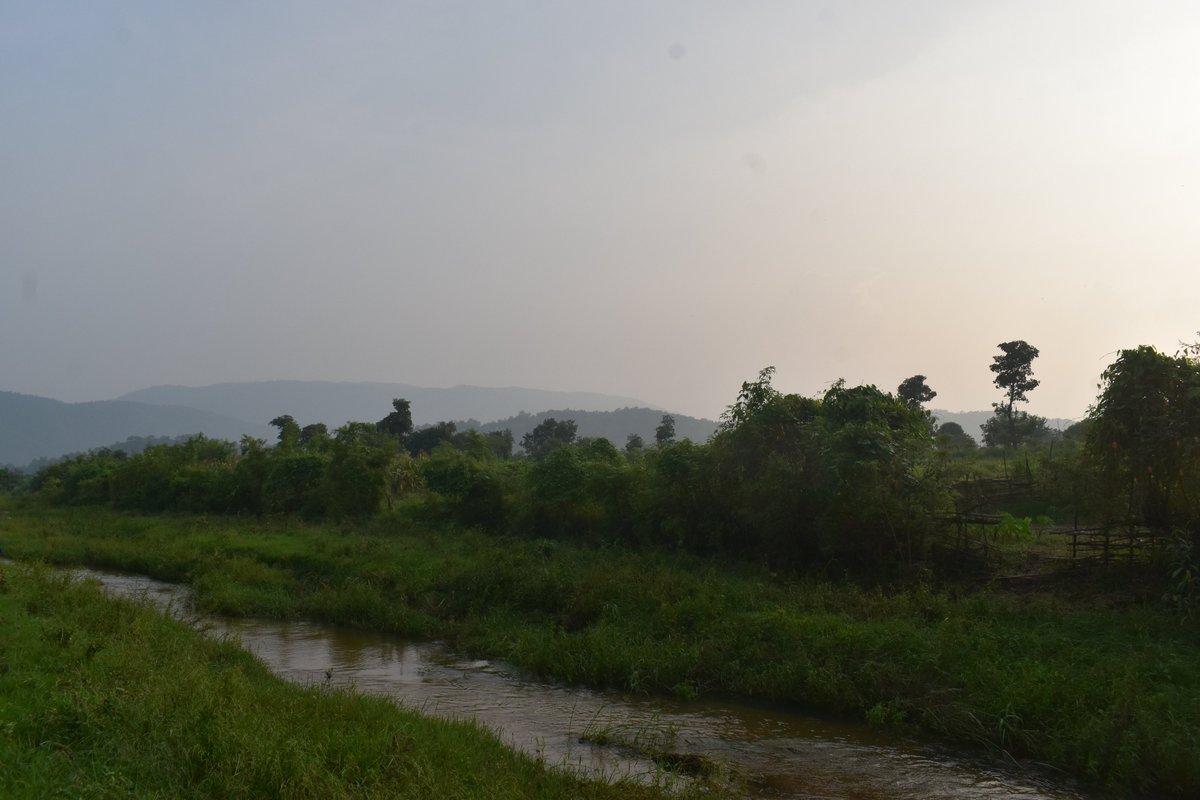
They were the ancestral villages of Nilamber and Pitamber, where their descendants still lived.
Chemo and Saneya is also where it might all end soon. The Indian State has +
(Devnath ji, a 5th generation grandson of Nilamber in front of their ancestral mud house in Saneya)
Chemo and Saneya is also where it might all end soon. The Indian State has +
(Devnath ji, a 5th generation grandson of Nilamber in front of their ancestral mud house in Saneya)
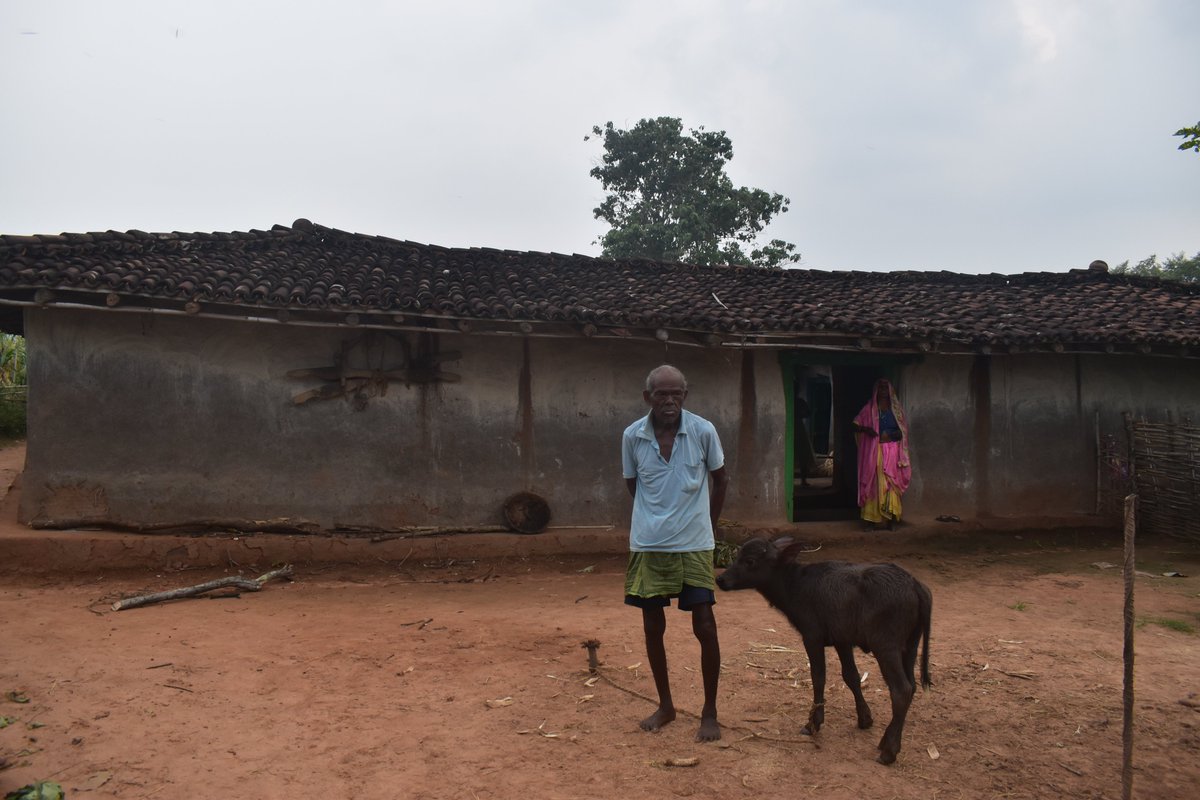
taken it upon itself to write the final chapter in this enduring saga of state control over jal, jangal, zameen – water, forest, land – that has spanned nearly two centuries. A controversial dam project on the Koel will consign the two villages – the last physical link to a +
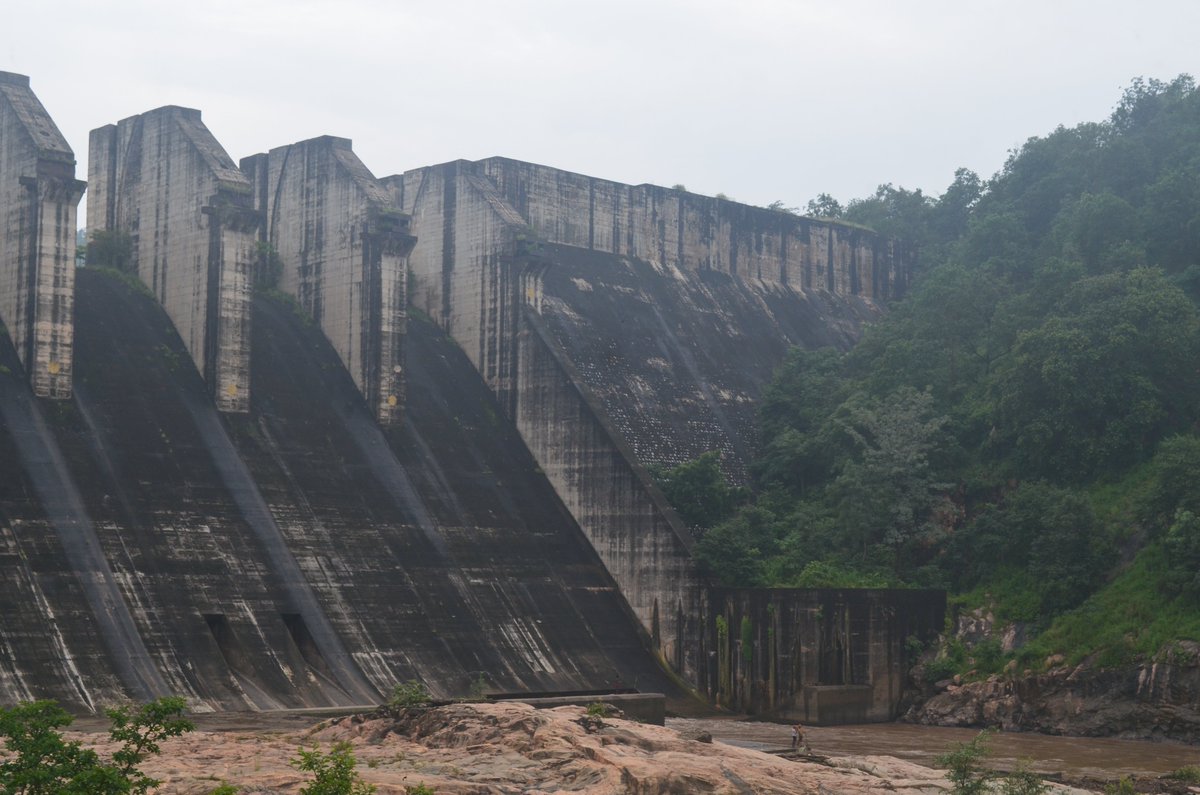
historic Adivasi resistance against the British – to a watery grave.
Along with the village fields and lands will also perish thousands of hectares of primordial forests, the very tracts that Nilamber and Pitamber, and their rebel forces, had sacrificed themselves for. +
Along with the village fields and lands will also perish thousands of hectares of primordial forests, the very tracts that Nilamber and Pitamber, and their rebel forces, had sacrificed themselves for. +
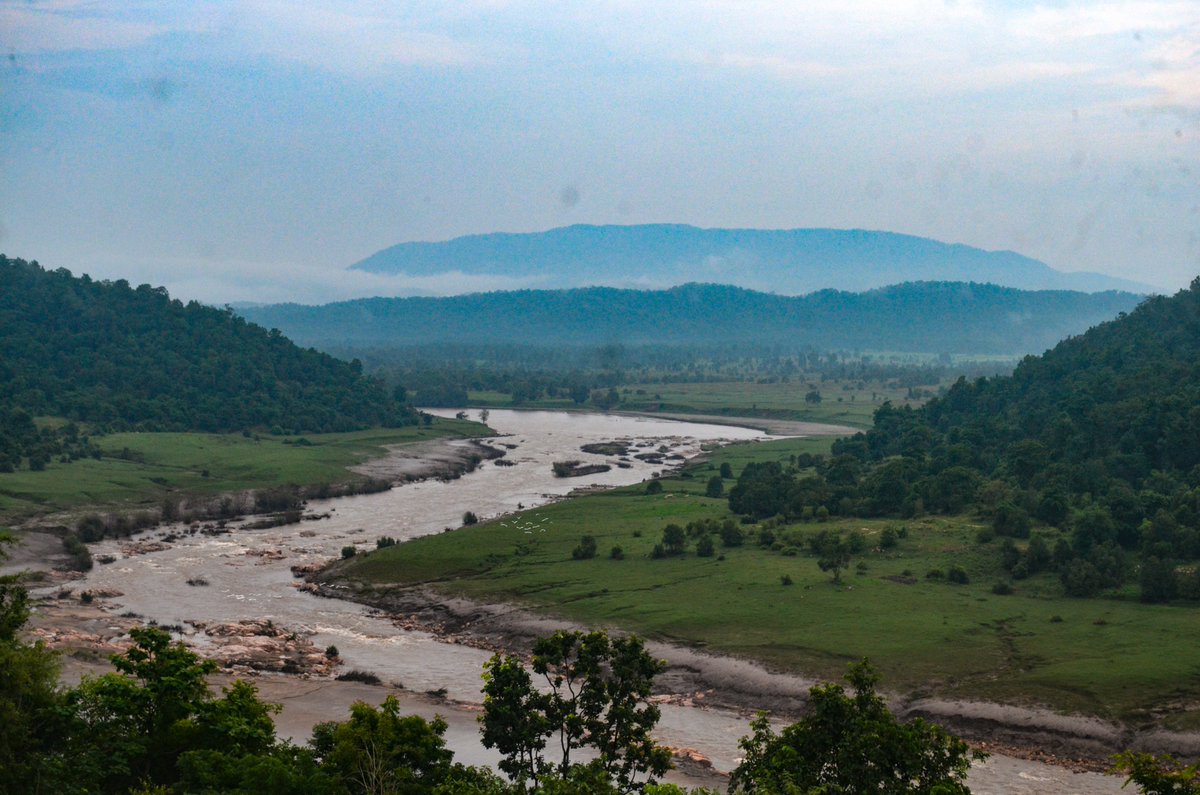
This essay I wrote for @FiftyTwoDotIn is the story of Nilamber and Pitamber, their village, their descendants, their forests, and the dam that shall end it all.
Please do give it a read.
fiftytwo.in
Please do give it a read.
fiftytwo.in
Loading suggestions...