

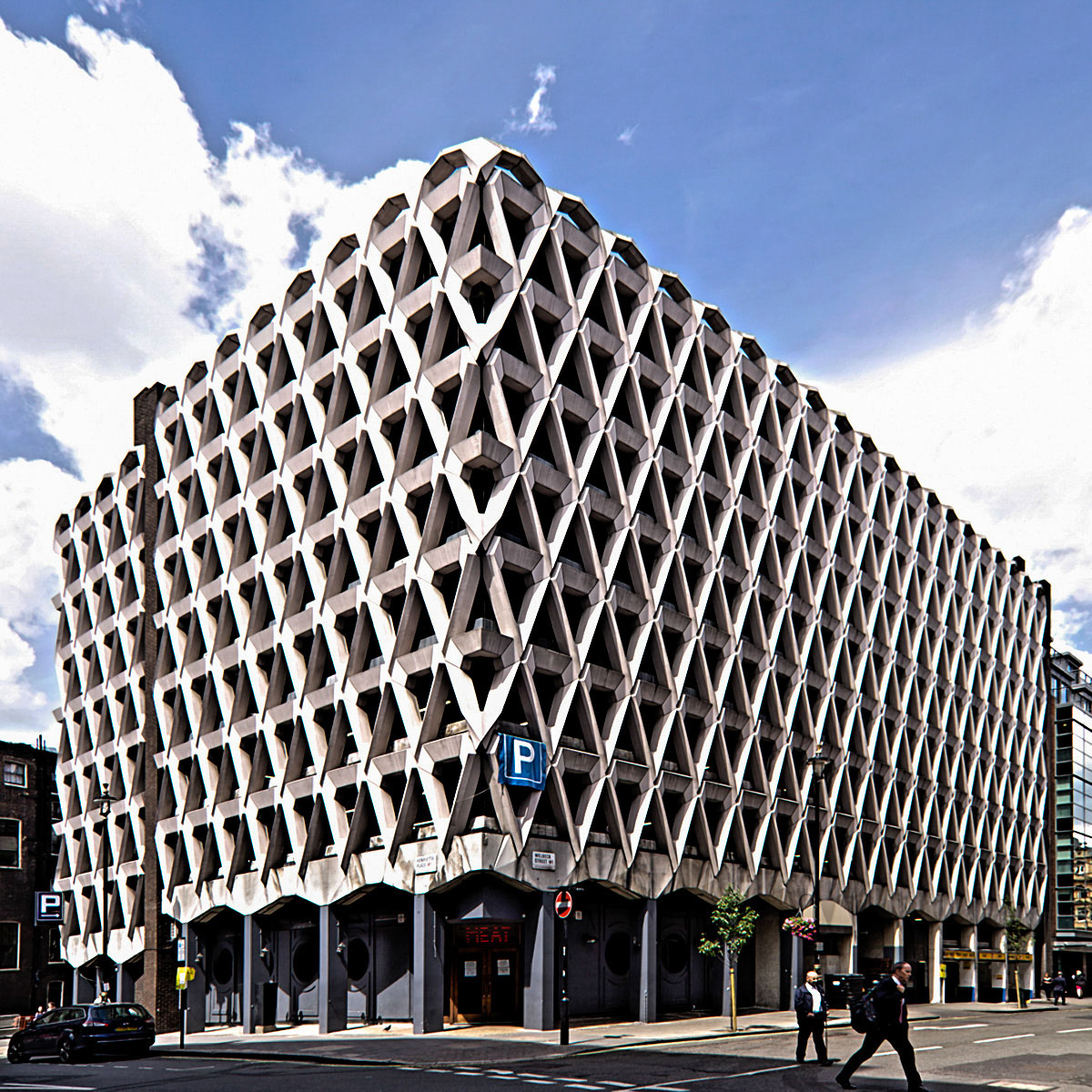
This is the Welbeck Street Car Park in London.
It was built in 1970 and knocked down in 2019, one of many Brutalist buildings demolished in recent years.
Love it or hate it, the destruction of Brutalism might turn out to be a mistake...
It was built in 1970 and knocked down in 2019, one of many Brutalist buildings demolished in recent years.
Love it or hate it, the destruction of Brutalism might turn out to be a mistake...
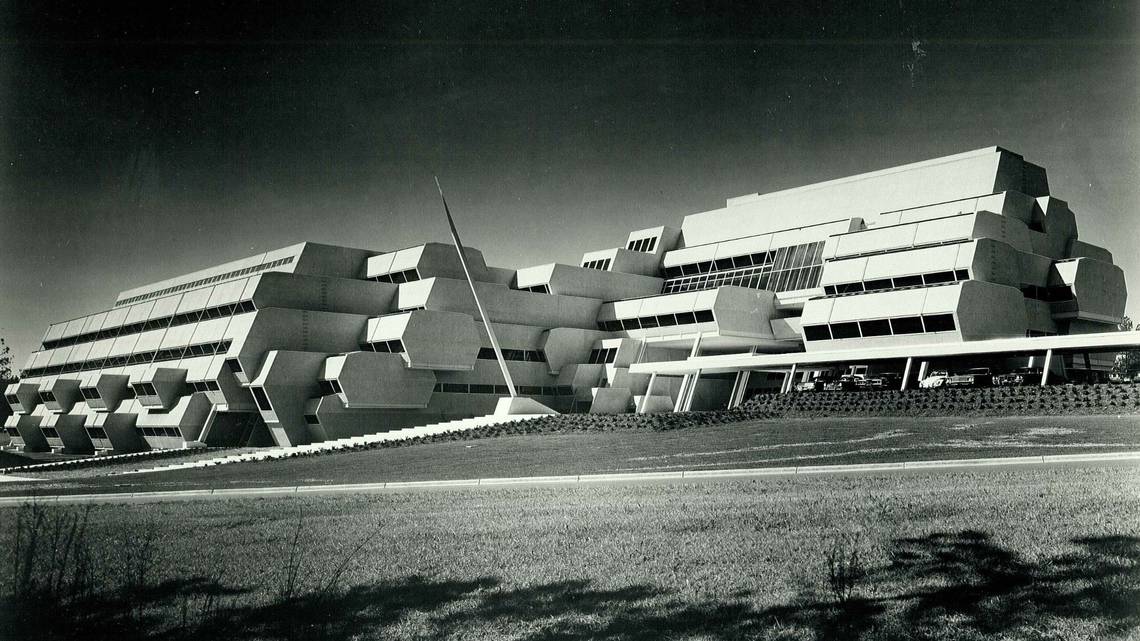
There's also the Burroughs Wellcome Building in North Carolina, built in 1972 and demolished in 2021.
Or the Prentice Women's Hospital Building in Chicago, built in 1975 and demolished in 2012.

Or La Pagoda in Madrid, built in 1967 and demolished in 1999.

The list goes on, and it keeps growing with every year.
Brutalism as a term comes from the French "béton brut", meaning raw concrete, a reference to the unpainted concrete used by the Swiss architect Le Corbusier in his many influential buildings.
Brutalism as a term comes from the French "béton brut", meaning raw concrete, a reference to the unpainted concrete used by the Swiss architect Le Corbusier in his many influential buildings.
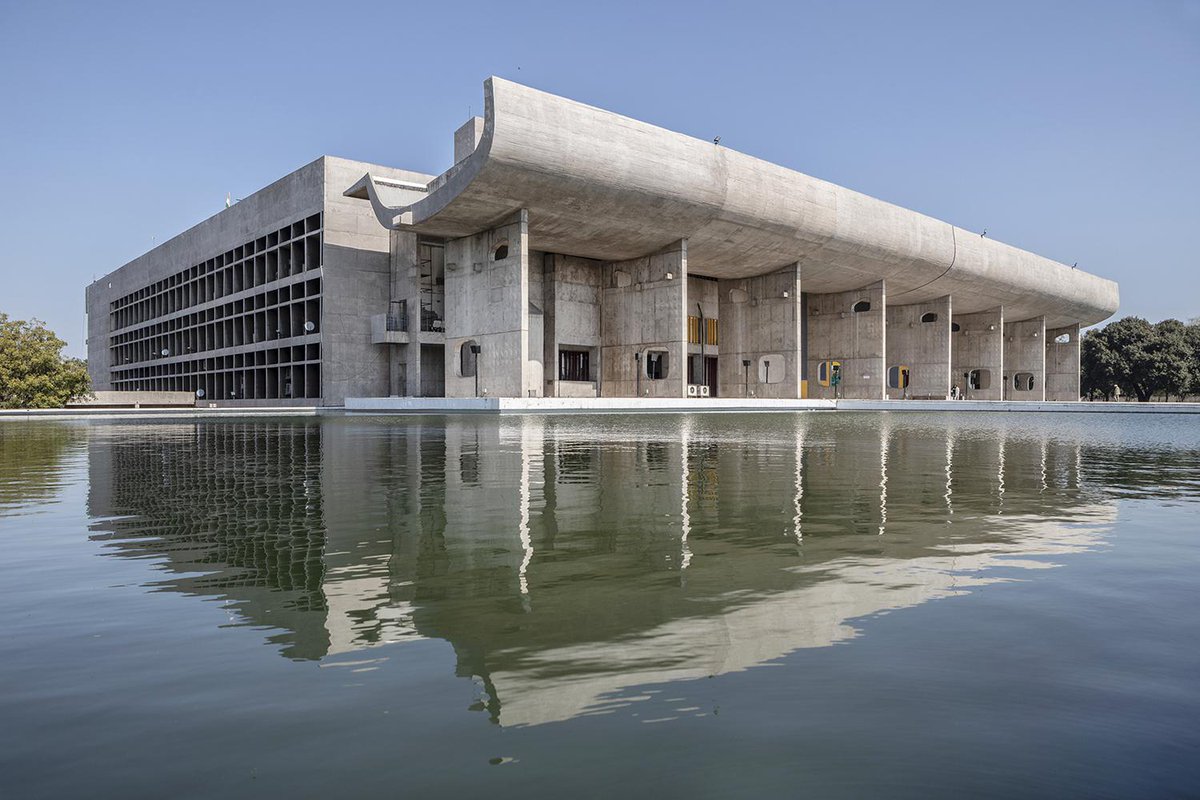
Via the Swedish "nybrutalism" it became New Brutalism in Britain in the 1950s, and the name has stuck.
The concrete was an aesthetic statement, an embrace of the modern world and of a brighter future. This was Brutalism's founding ideal in the decades following WWII.
The concrete was an aesthetic statement, an embrace of the modern world and of a brighter future. This was Brutalism's founding ideal in the decades following WWII.
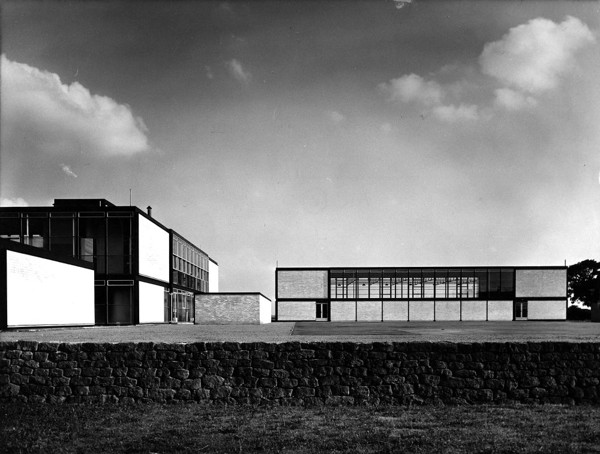
Brutalism has always been controversial. Ian Fleming named James Bond's arch nemesis Auric Goldfinger after the Brutalist architect Ernő Goldfinger, whose style Fleming disliked.
Goldfinger would later design such things as Trellick Tower, in London, in 1972.
Goldfinger would later design such things as Trellick Tower, in London, in 1972.
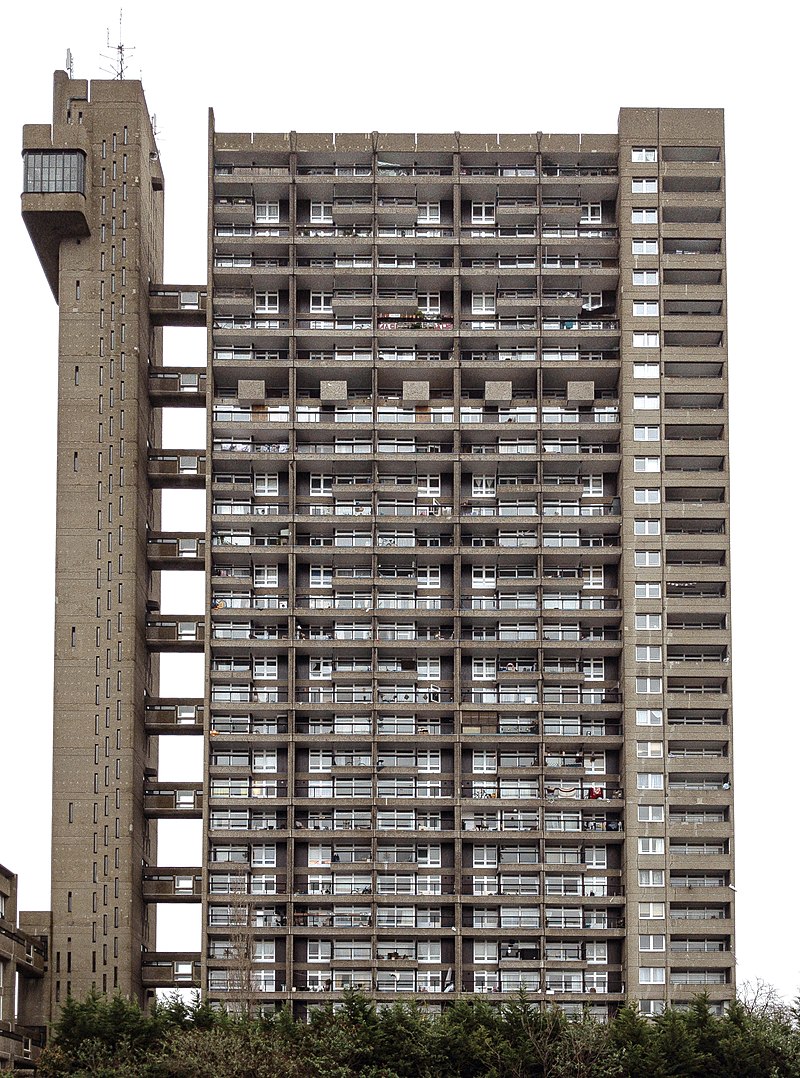
And that controversial reputation has endured - hated by some and loved by others.
But the trend is clear: Brutalist buildings all over the world are being demolished. And even while some have narrowly escaped, like Preston Bus Station, many more are under threat.
But the trend is clear: Brutalist buildings all over the world are being demolished. And even while some have narrowly escaped, like Preston Bus Station, many more are under threat.
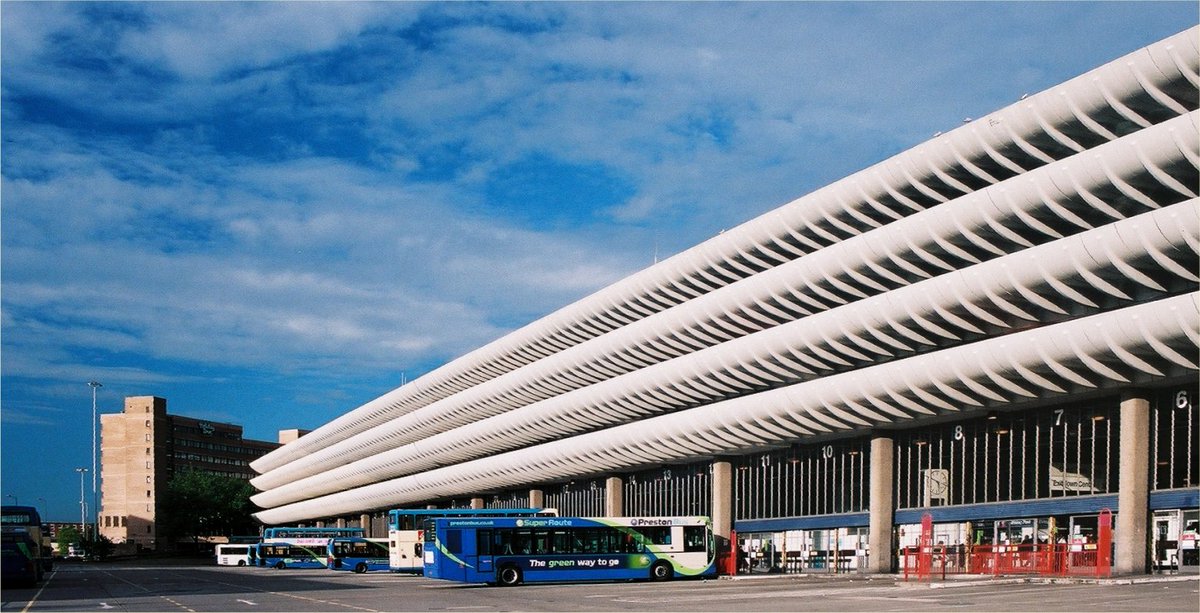
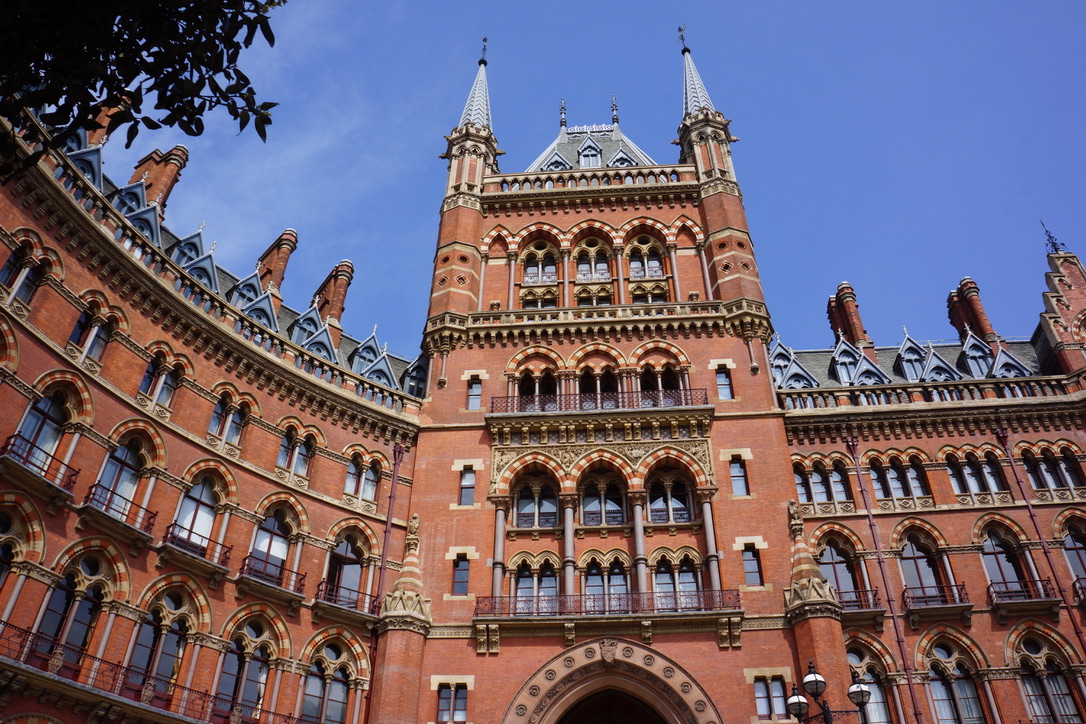
Such controversy isn't unusual, however. Many architectural styles - even ones now beloved - were once hated.
When Haussmann rebuilt Paris between the 1850s and 1870s his renovation was regarded as a modernist travesty which had ruined the charm of Paris.
When Haussmann rebuilt Paris between the 1850s and 1870s his renovation was regarded as a modernist travesty which had ruined the charm of Paris.
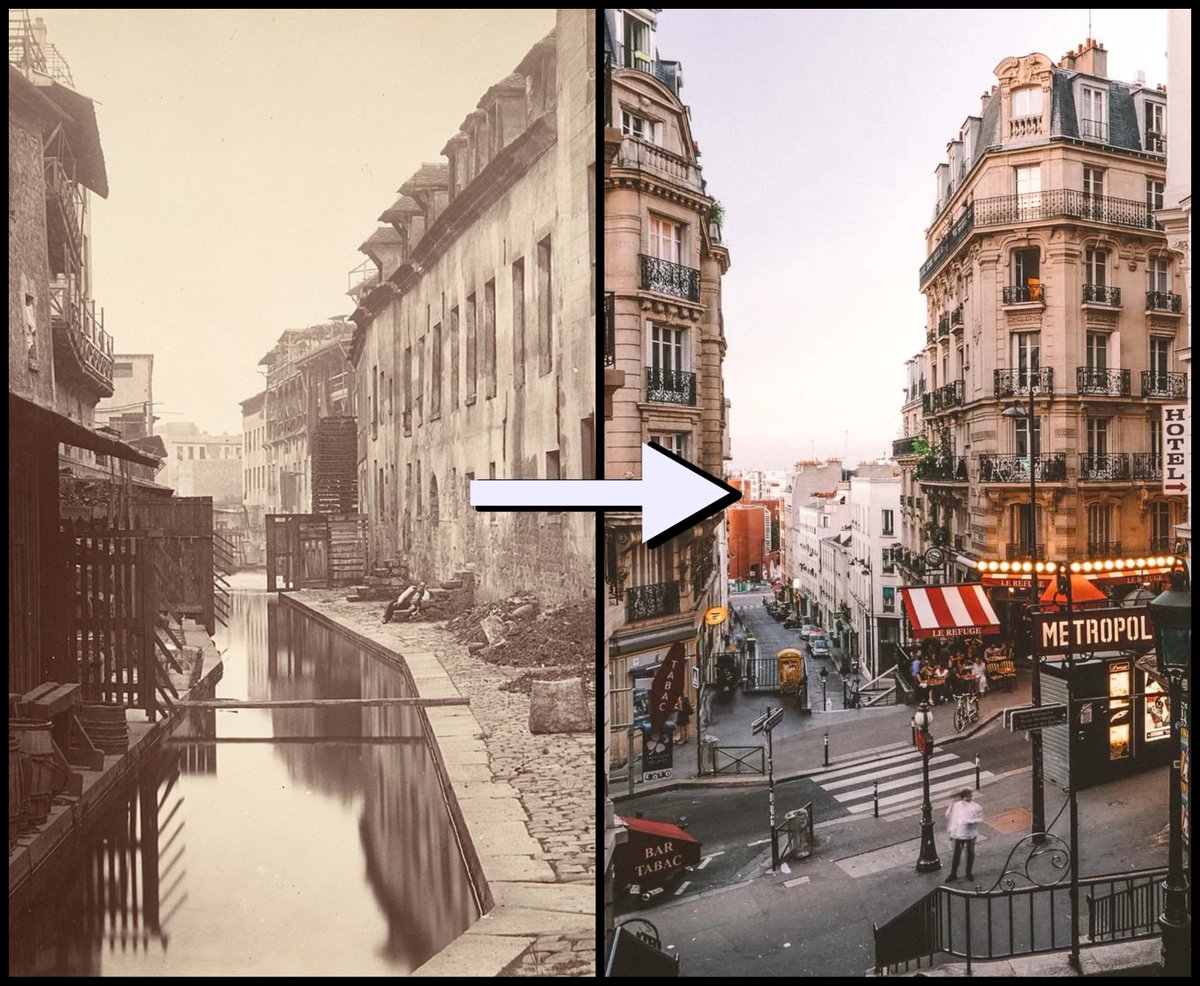
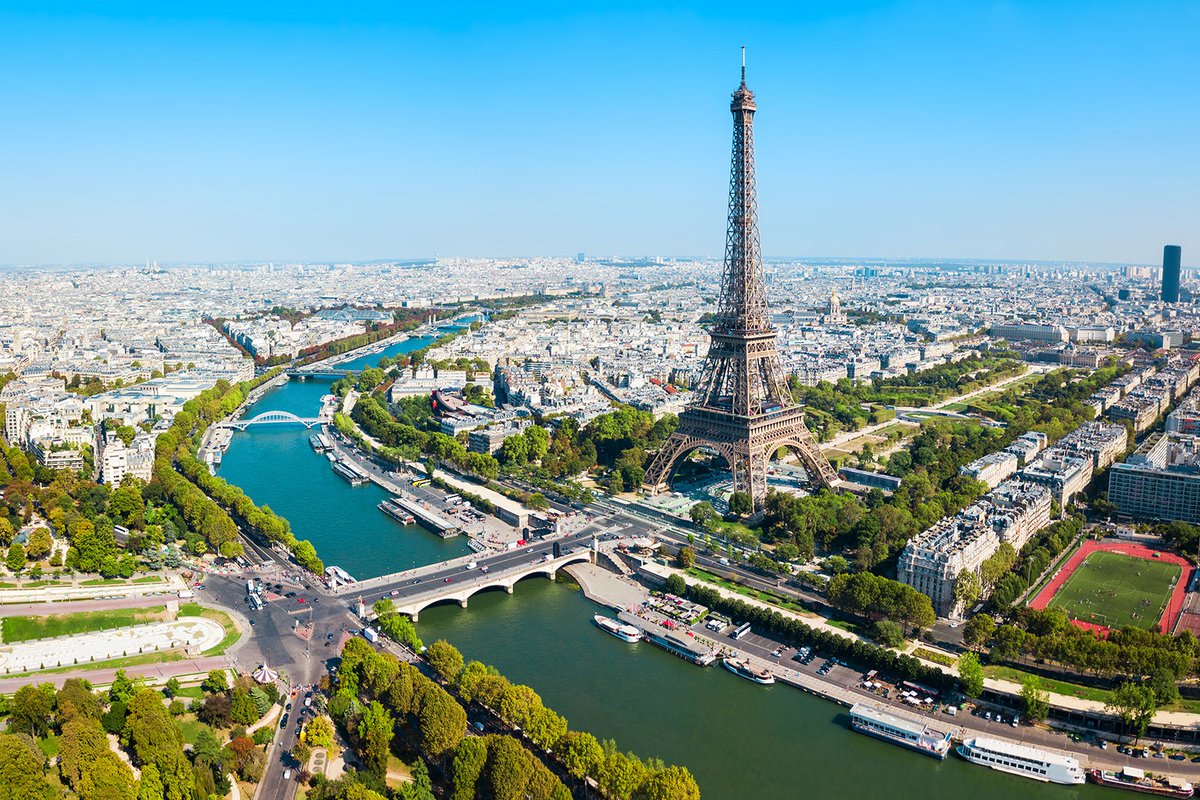
And Paris' most notable landmark, the Eiffel Tower, was equally lamented as an architectural and aesthetic catastrophe.
One group of artists called it "useless, monstrous, giddy, barbaric... a hateful column of bolted sheet metal."
Time has softned such sentiments.
One group of artists called it "useless, monstrous, giddy, barbaric... a hateful column of bolted sheet metal."
Time has softned such sentiments.
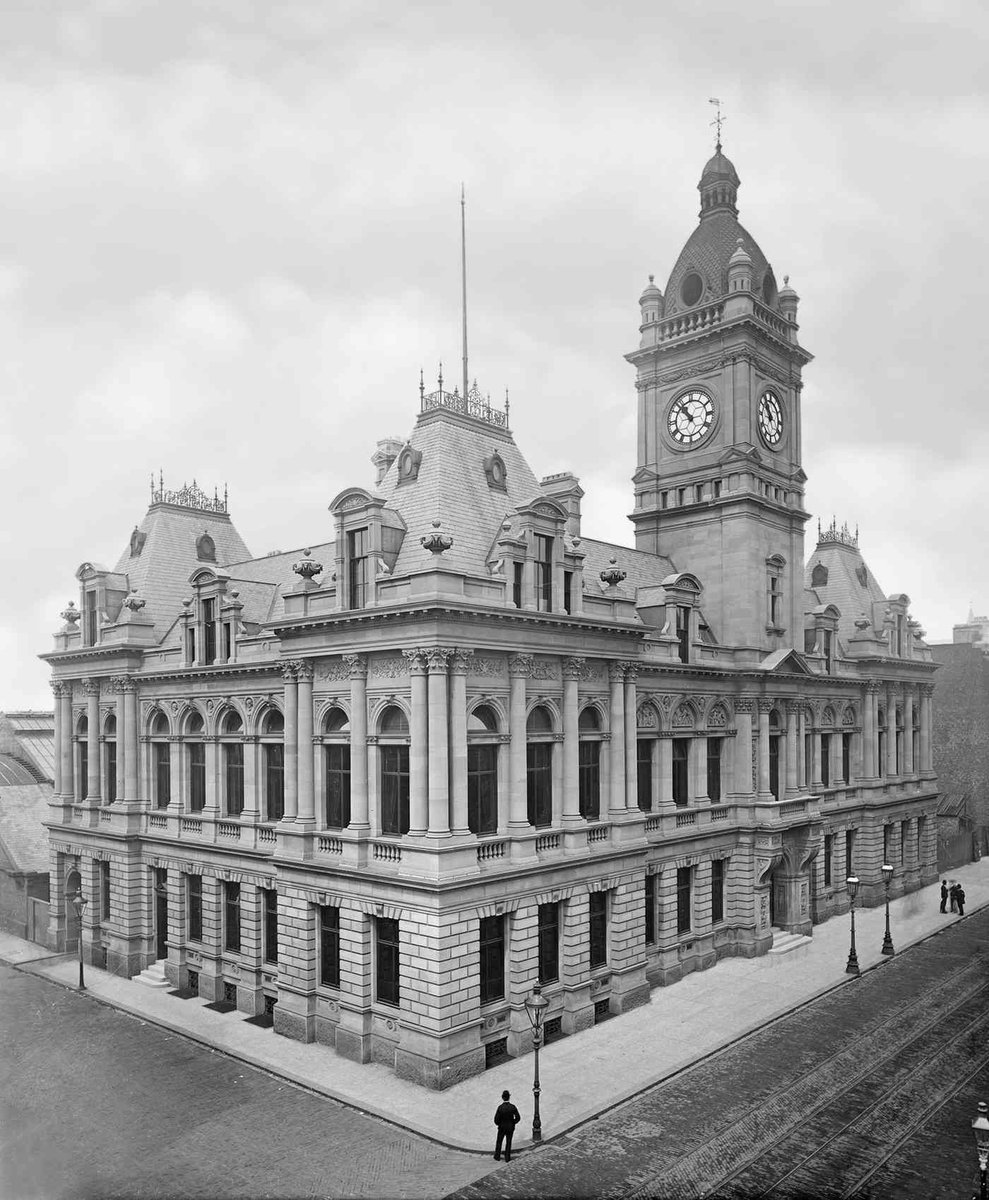
In Britain, many Victorian buildings demolished in the postwar years and now so missed were once viewed as ugly.
With its imitation and mix of older styles Victorian architecture was often labelled vulgar, inauthentic, and tasteless.
We might disagree - but that's the point.
With its imitation and mix of older styles Victorian architecture was often labelled vulgar, inauthentic, and tasteless.
We might disagree - but that's the point.
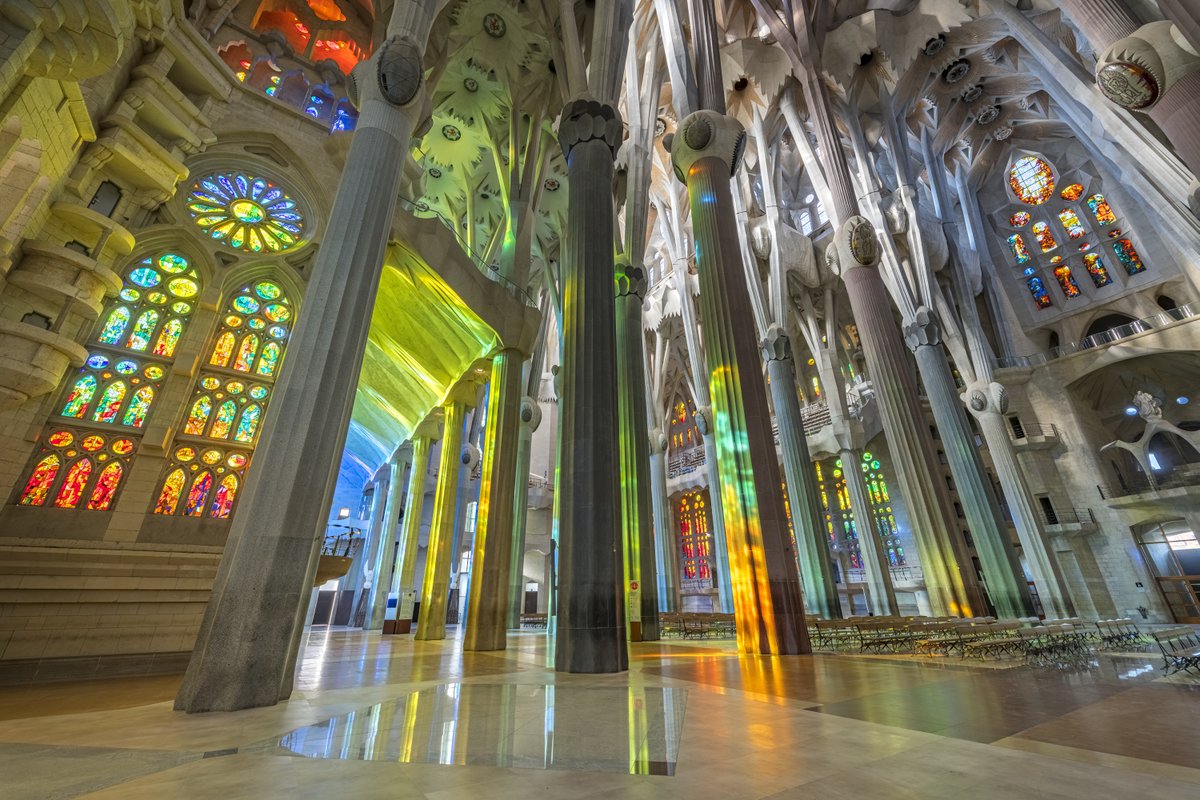
The Sagrada Família in Barcelona, designed by Antoni Gaudí and still unfinished, is now one of the world's most famous buildings.
But plenty of people thought it was an eyesore, including Pablo Picasso - who said its creators were condemned to hell - and George Orwell.
But plenty of people thought it was an eyesore, including Pablo Picasso - who said its creators were condemned to hell - and George Orwell.
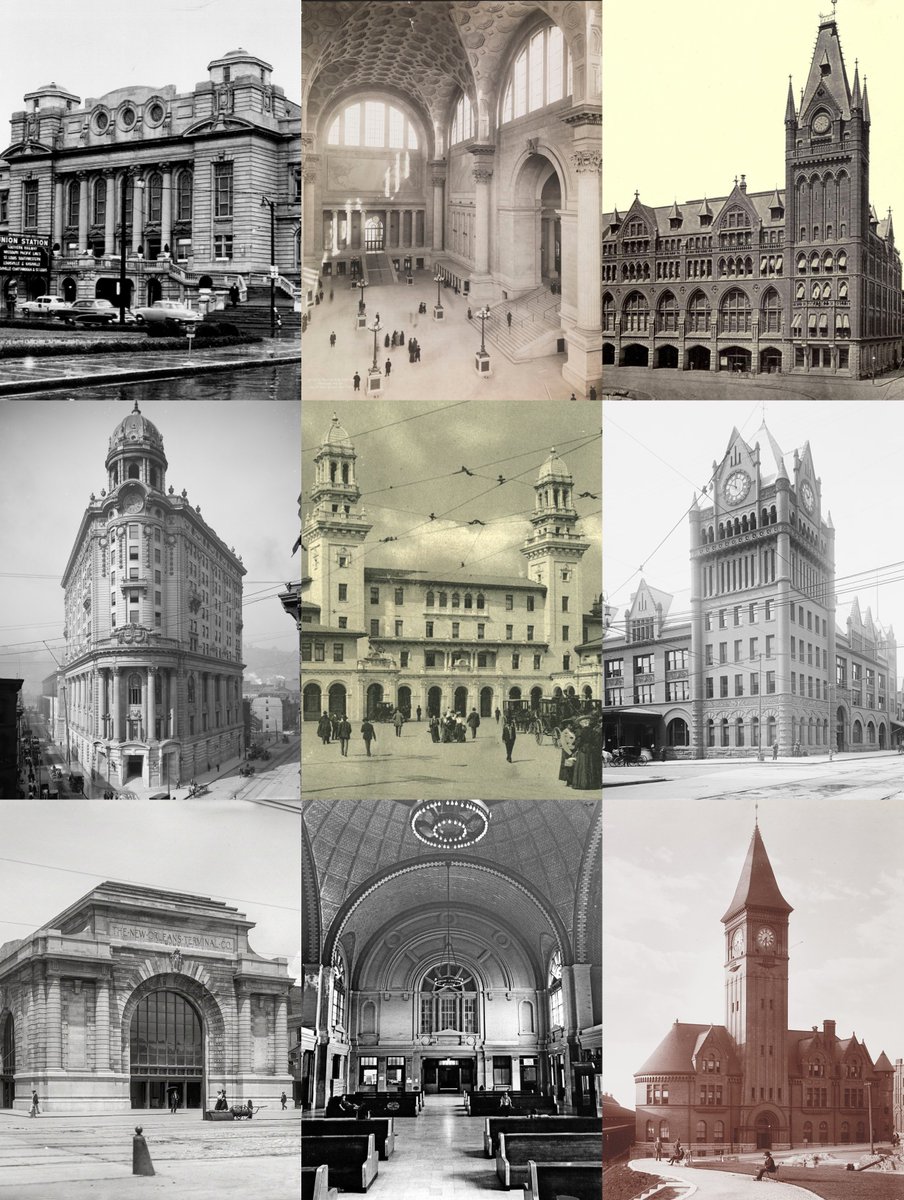
The point is that tastes change; many of the buildings demolished to make way for Brutalist structures were considered unworthy of preservation in their own time.
Such as those many great American train stations destroyed in the latter half of the 20th century.
Such as those many great American train stations destroyed in the latter half of the 20th century.
And so prevailing taste may, with posterity, prove a disaster.
By an ironic (or, for some, deserved) twist of fate, prevailing taste now favours the destruction of Brutalism.
By an ironic (or, for some, deserved) twist of fate, prevailing taste now favours the destruction of Brutalism.
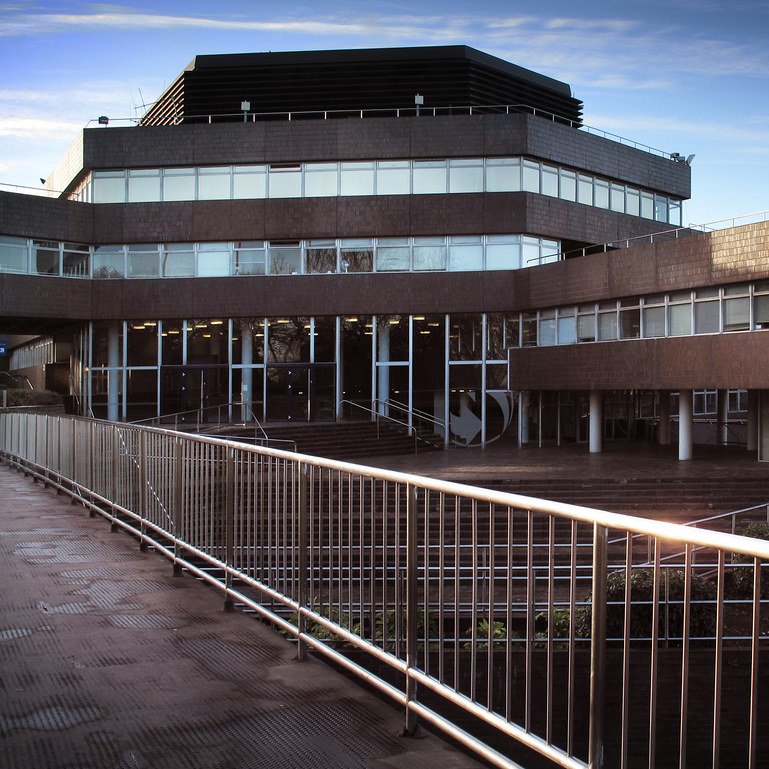
But Brutalism, whatever we think of its aesthetic merits, tells a central part of the story of the 20th century.
It emerged after the Second World War, when many parts of the world were in social, economic, political, and infrastructural turmoil.
This was a watershed moment.
It emerged after the Second World War, when many parts of the world were in social, economic, political, and infrastructural turmoil.
This was a watershed moment.
Brutalism, especially in countries like Britain, was supposed to represent a new and optimistic era of rebuilding, of improved social mobility, living conditions, and education.
Once it was exciting, once it was the future...
Once it was exciting, once it was the future...
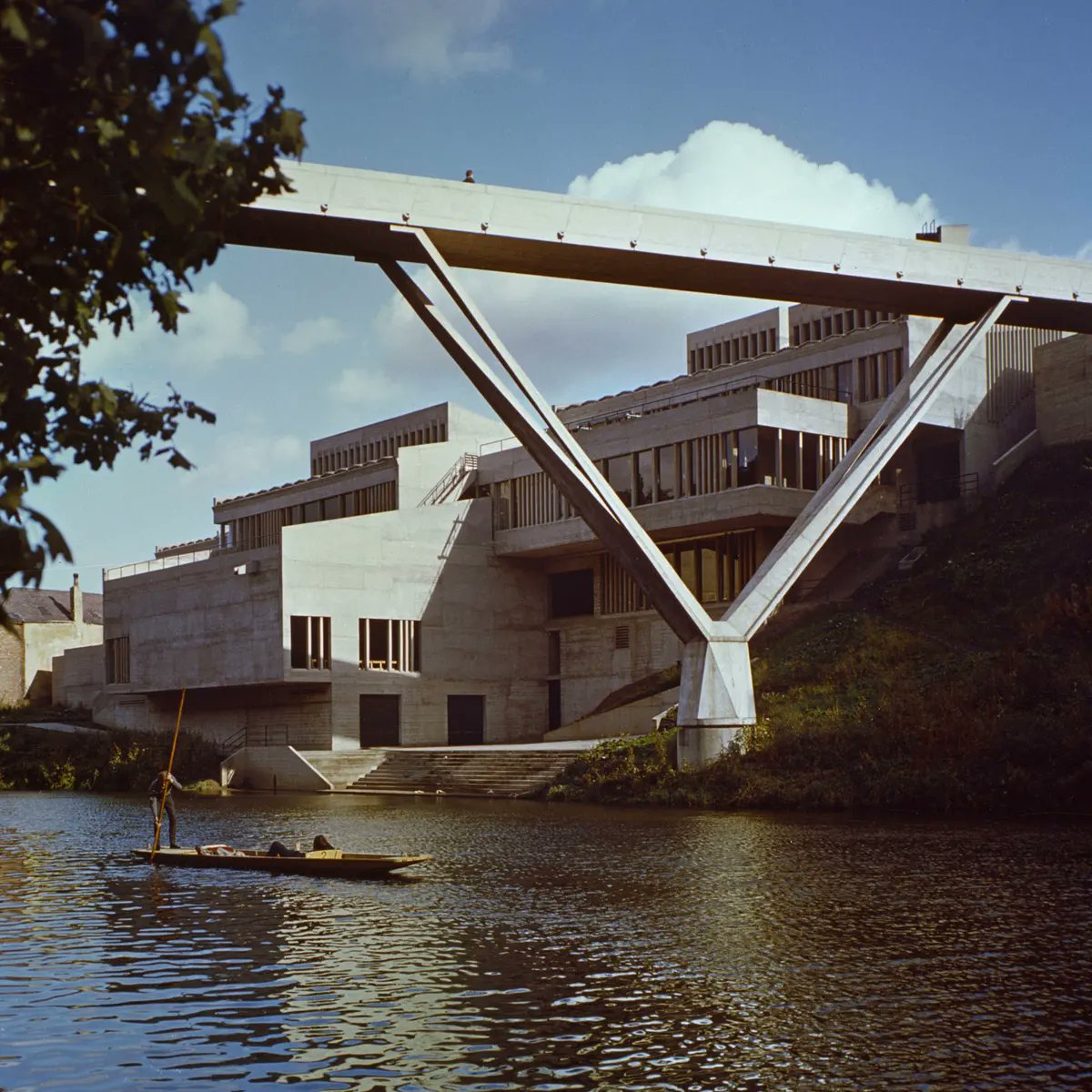
It was hospitals, schools, universities, and libraries that were built in the Brutalist style - civic structures for the booming population.
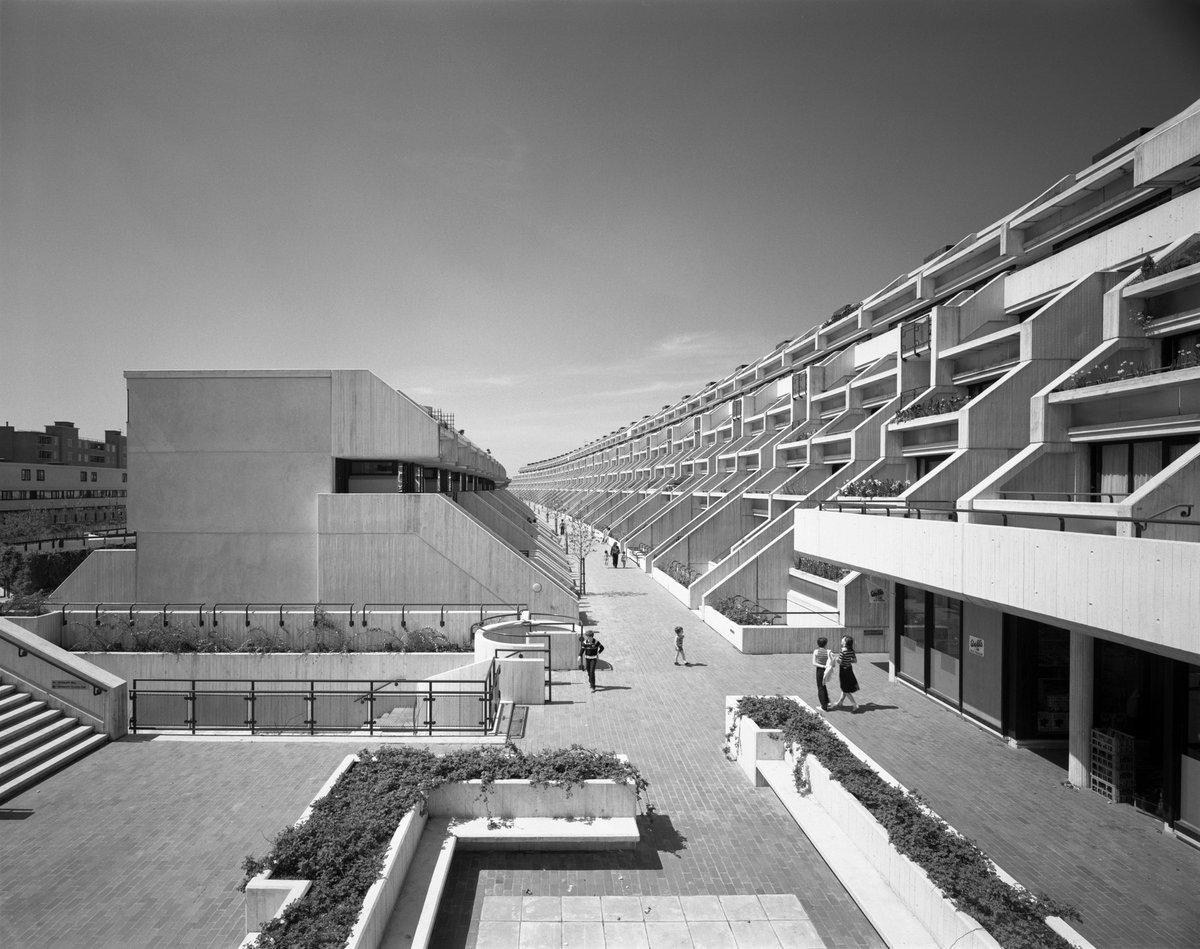
And, of course, housing estates. Such as Robin Hood Gardens or the Alexandra Road Estate, both in London and both built in the 1970s.
And, of course, housing estates. Such as Robin Hood Gardens or the Alexandra Road Estate, both in London and both built in the 1970s.
Concrete may not age as well as marble, but a lack of maintenance more than anything has contributed to the dilapidated appearance of much Brutalist architecture.
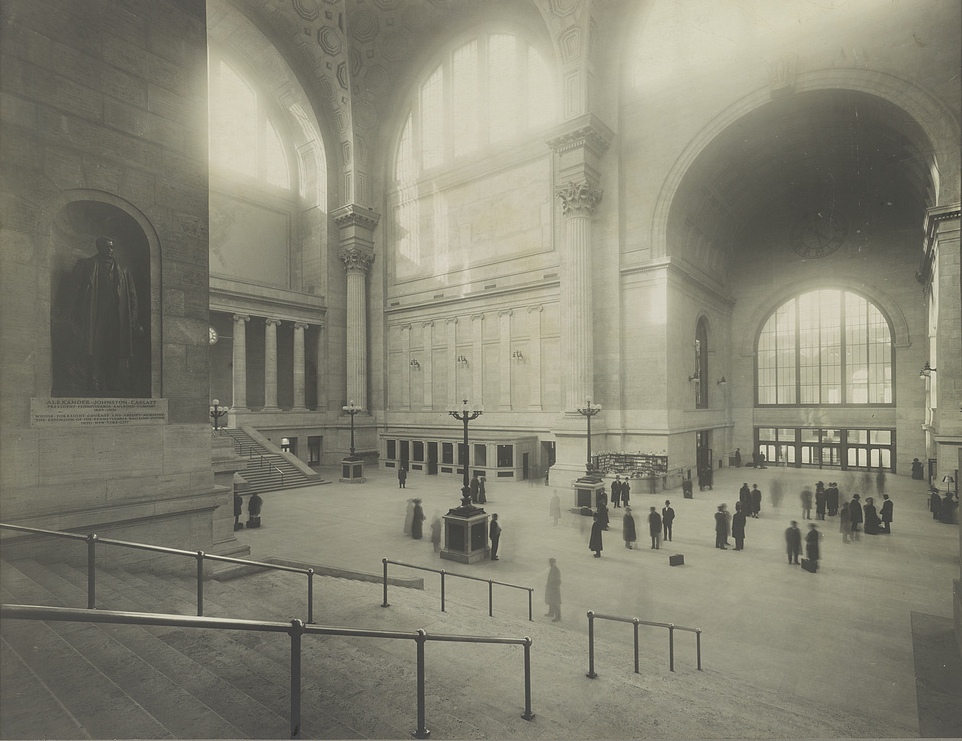
Similarly, it was Penn Station's state of disrepair that justified its demolition in New York in the 1960s.
Similarly, it was Penn Station's state of disrepair that justified its demolition in New York in the 1960s.
And Brutalism is intimately tied to the endless reconstruction required after the Second World War, both to replace what had been destroyed and to accomodate population growth.
Brutalism wasn't only an aesthetic but, often, an economic choice.
Brutalism wasn't only an aesthetic but, often, an economic choice.
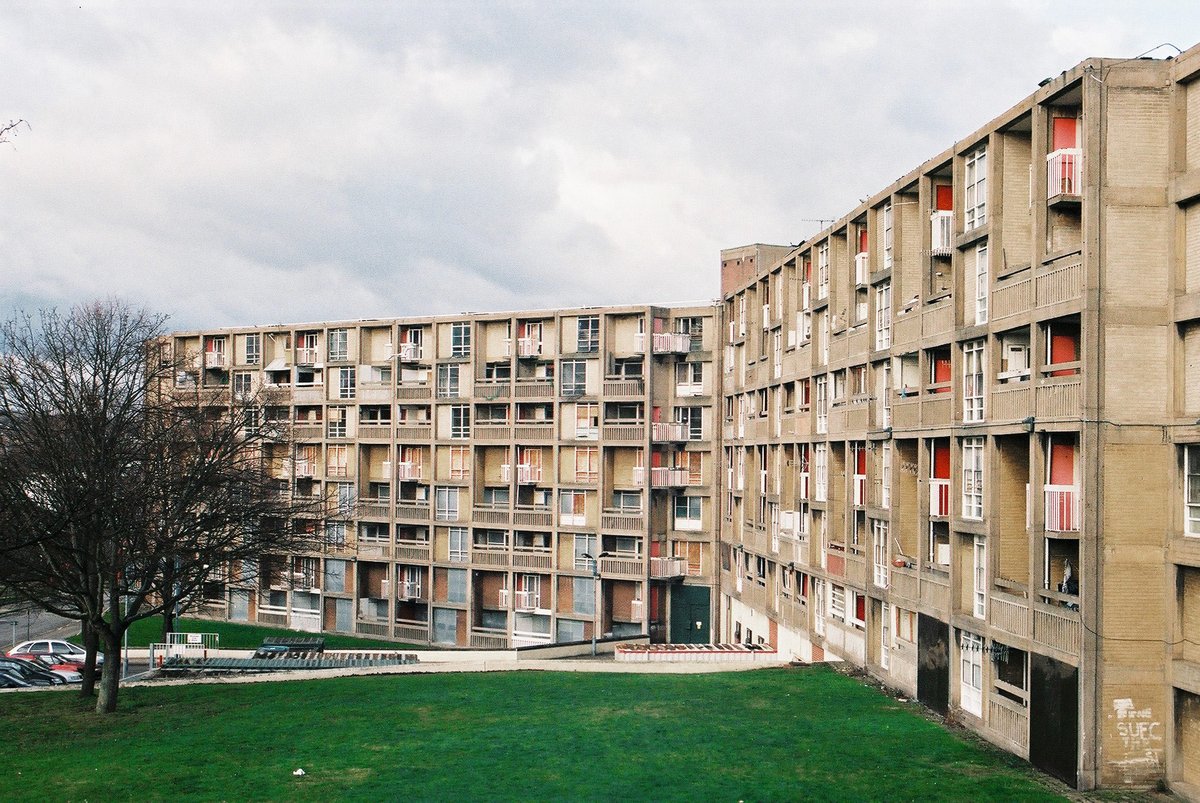
That being said, many postwar projects - Brutalist or otherwise - have turned out to be failures.
Just as Haussmann demolished Medieval Paris because it was unfit for living, the same is true of many 1960s highrises which have been knocked down.
Just as Haussmann demolished Medieval Paris because it was unfit for living, the same is true of many 1960s highrises which have been knocked down.
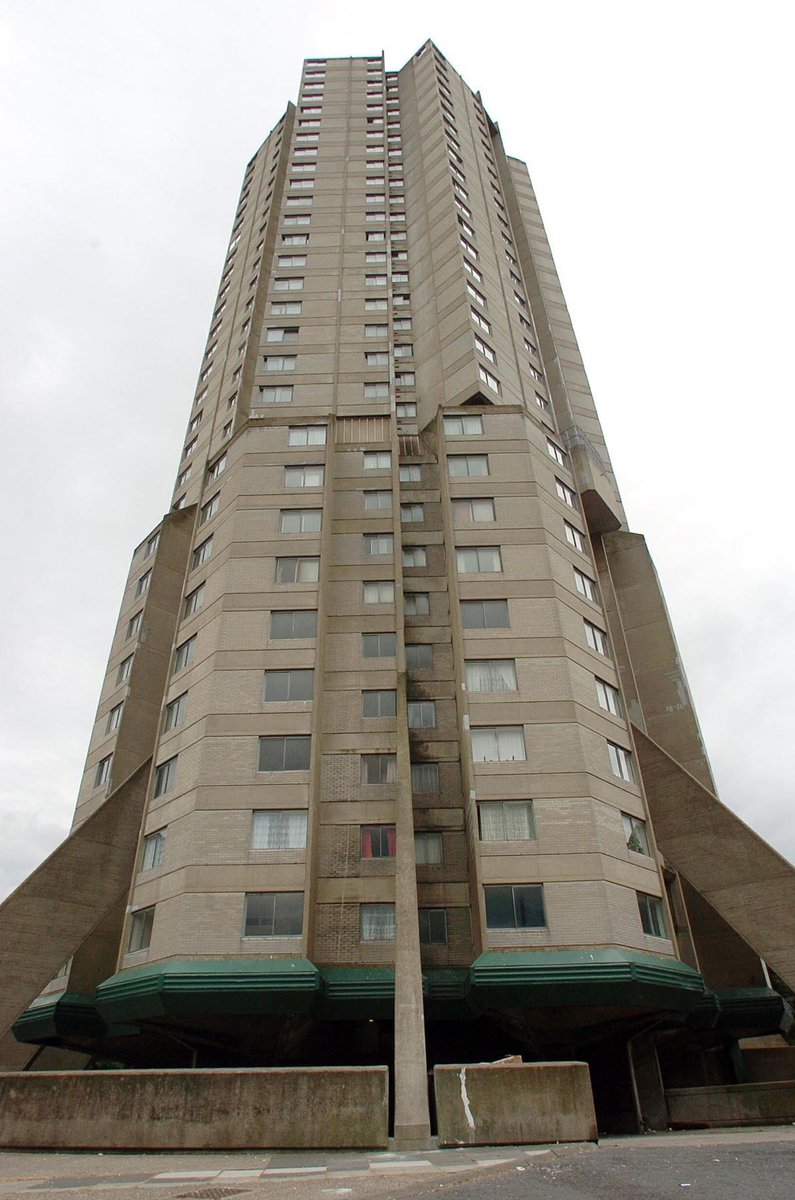
And, beyond material concerns, Brutalism has also sometimes failed on aesthetic grounds.
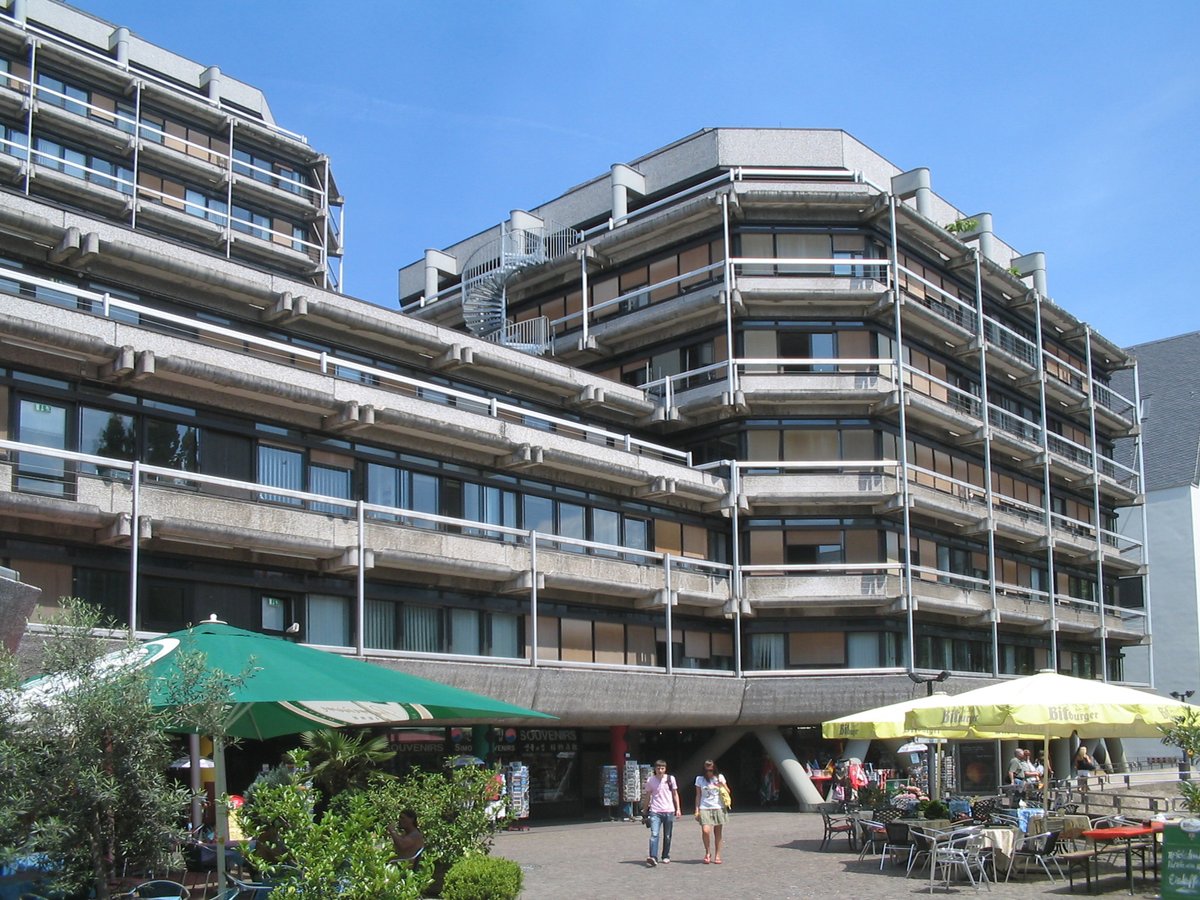
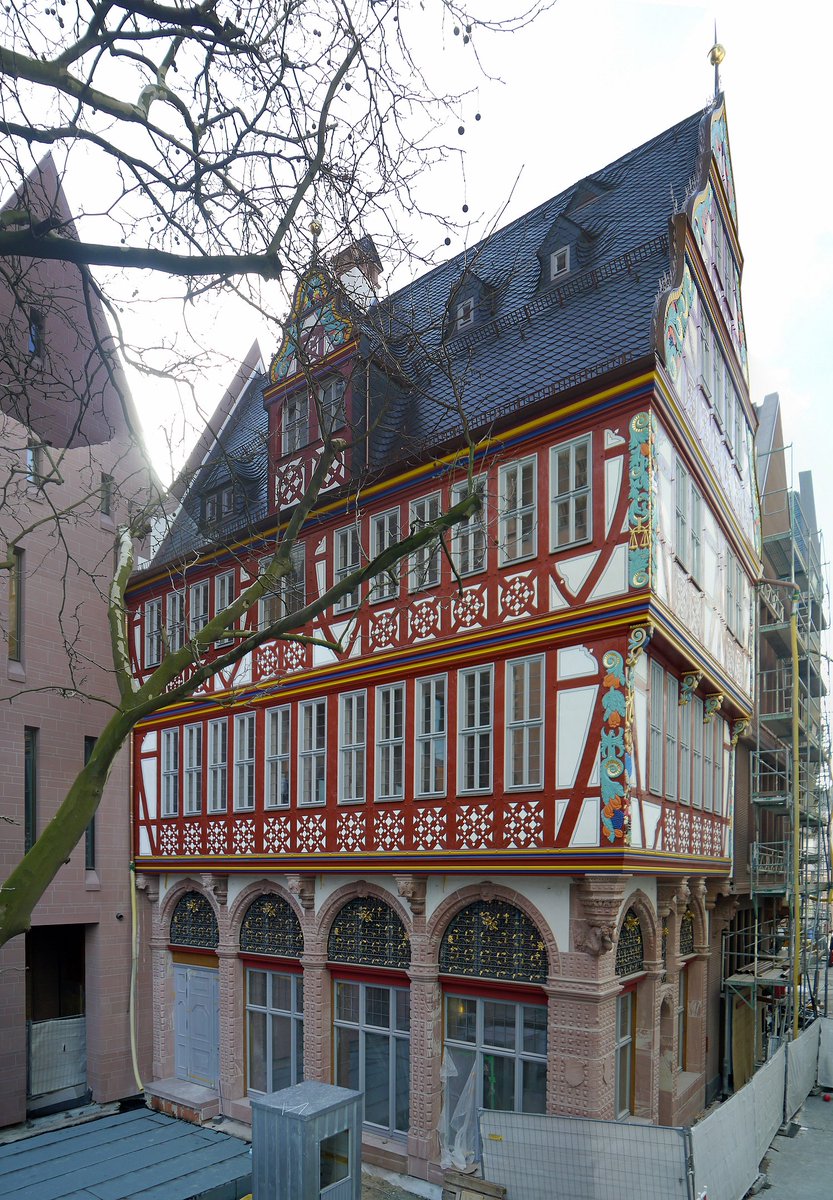
The citizens of Frankfurt in Germany had their postwar, modernist town centre replaced between 2012-2018 by a reconstruction of the original Old Town, which had been destroyed in WWII.
The citizens of Frankfurt in Germany had their postwar, modernist town centre replaced between 2012-2018 by a reconstruction of the original Old Town, which had been destroyed in WWII.
But such changes according to what citizens want are rare.
It's not as if Brutalist structures are replaced by buildings with which people have any great affinity.
They're usually succeeded by inoffensive or equally disliked contemporary architecture.
It's not as if Brutalist structures are replaced by buildings with which people have any great affinity.
They're usually succeeded by inoffensive or equally disliked contemporary architecture.
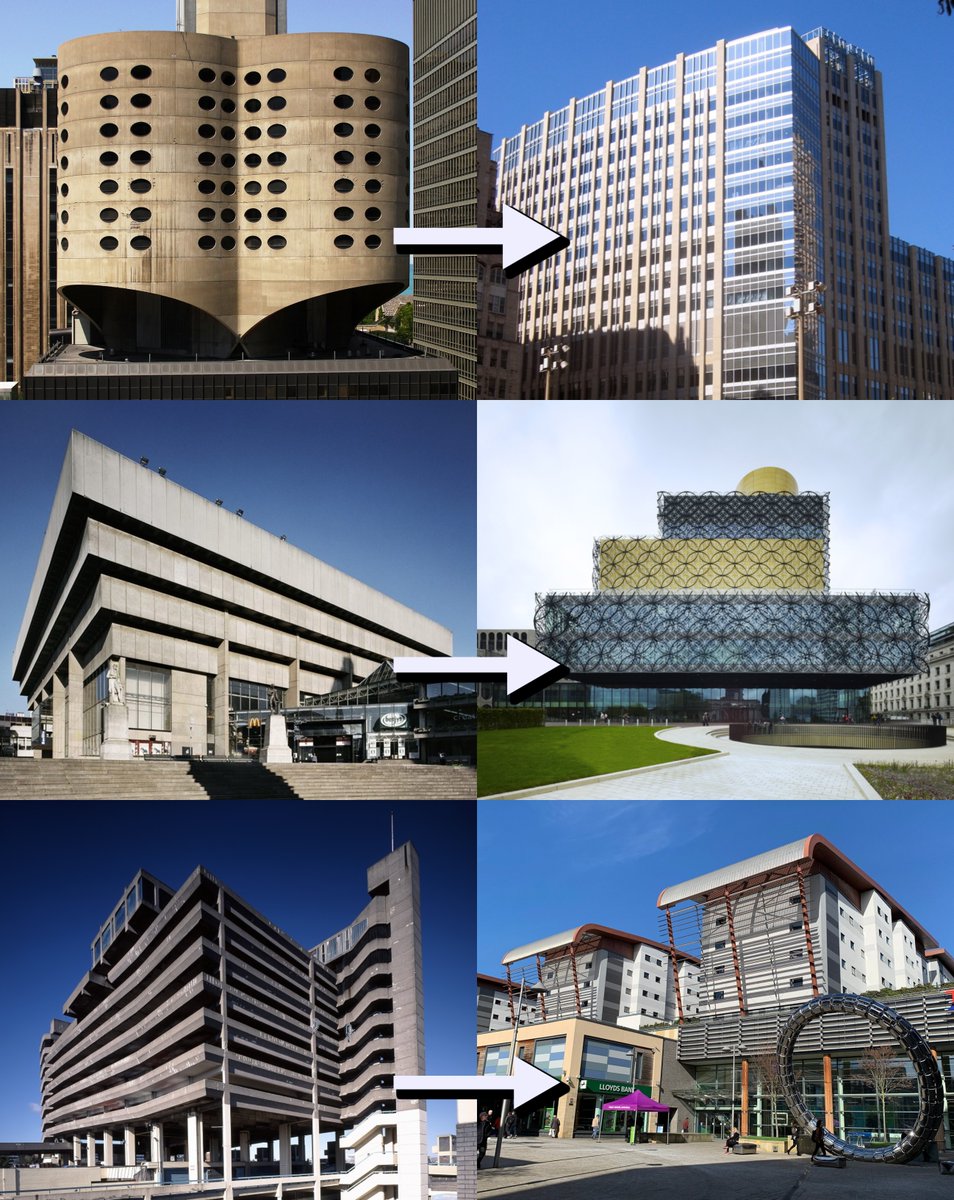
Developers encourage demolitions because they can sweep up lucrative contracts for new projects, ones built with less care and fewer ideals about the community than those which Brutalism - even if it failed - once aspired to.
And ones with less distinctive architecture, too.
And ones with less distinctive architecture, too.
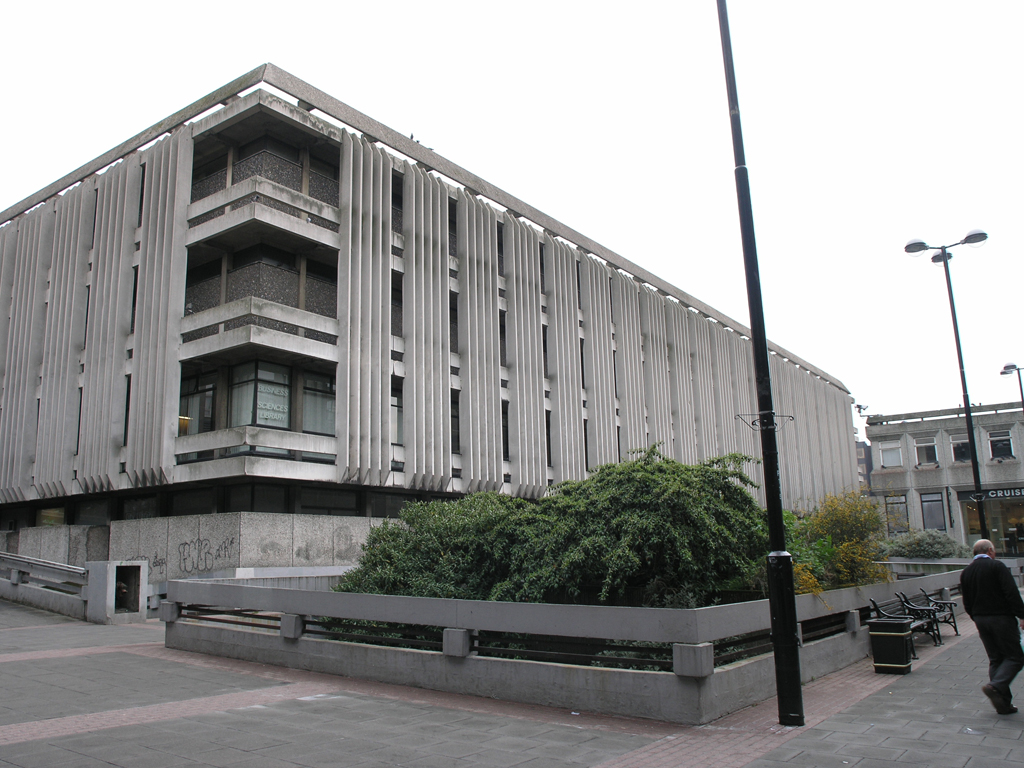
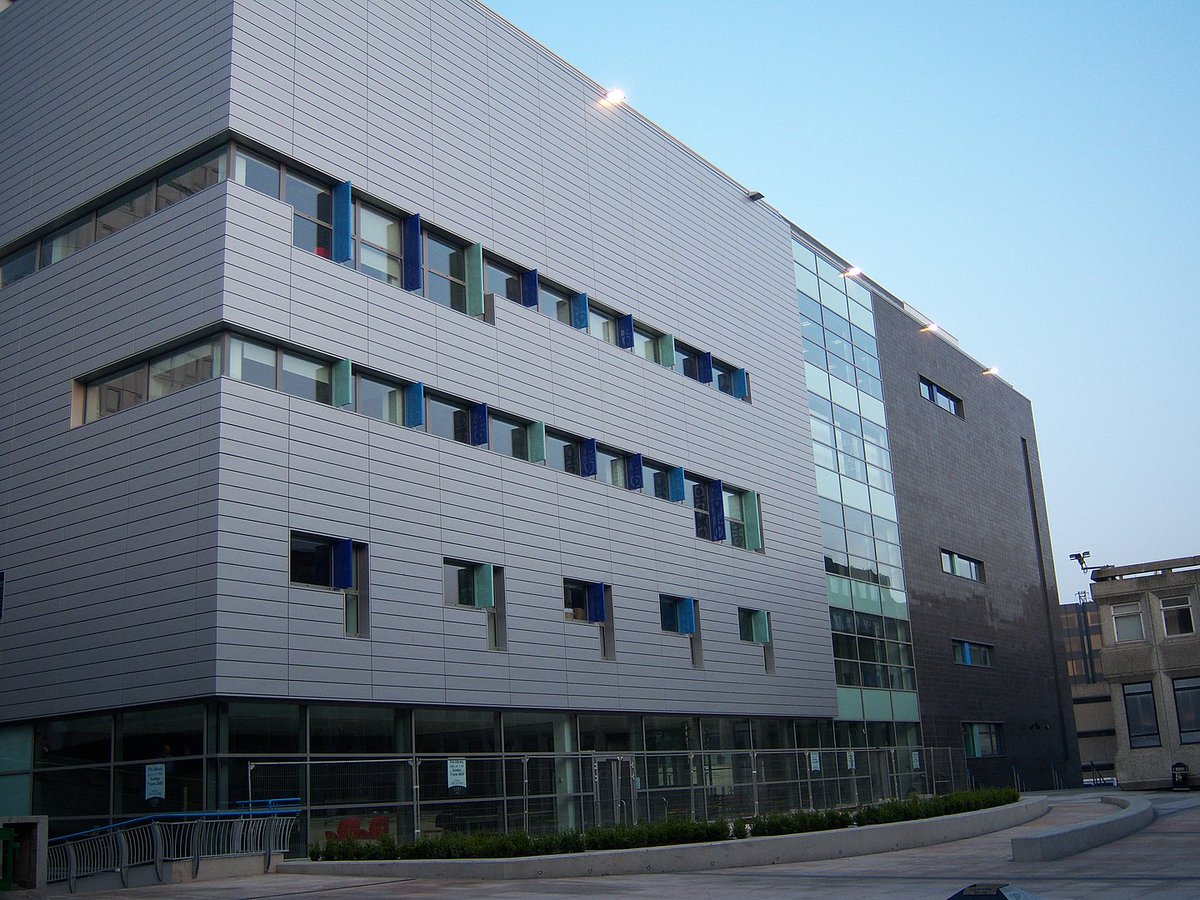
Even for those who dislike Brutalism, what replaces it often has nothing of the aesthetic boldness.
Architecture tells the story of a place, and the erasure of Brutalism is the removal of an important chapter of social, political, economic, and cultural history.
Architecture tells the story of a place, and the erasure of Brutalism is the removal of an important chapter of social, political, economic, and cultural history.

The demolition of Brutalist buildings may one day be viewed as an architectural tragedy.
They are already old-fashioned and will one day become truly old, a window into an era long since passed, as so much architecture is and can be - if it survives long enough...
They are already old-fashioned and will one day become truly old, a window into an era long since passed, as so much architecture is and can be - if it survives long enough...

Loading suggestions...