
The BBC Disinformation Team has discovered that political parties in Nigeria are secretly paying social media influencers to spread disinformation about their opponents, ahead of the country's general elections in February.
🎥 bbc.in
Here’s what we found out 🧵
🎥 bbc.in
Here’s what we found out 🧵
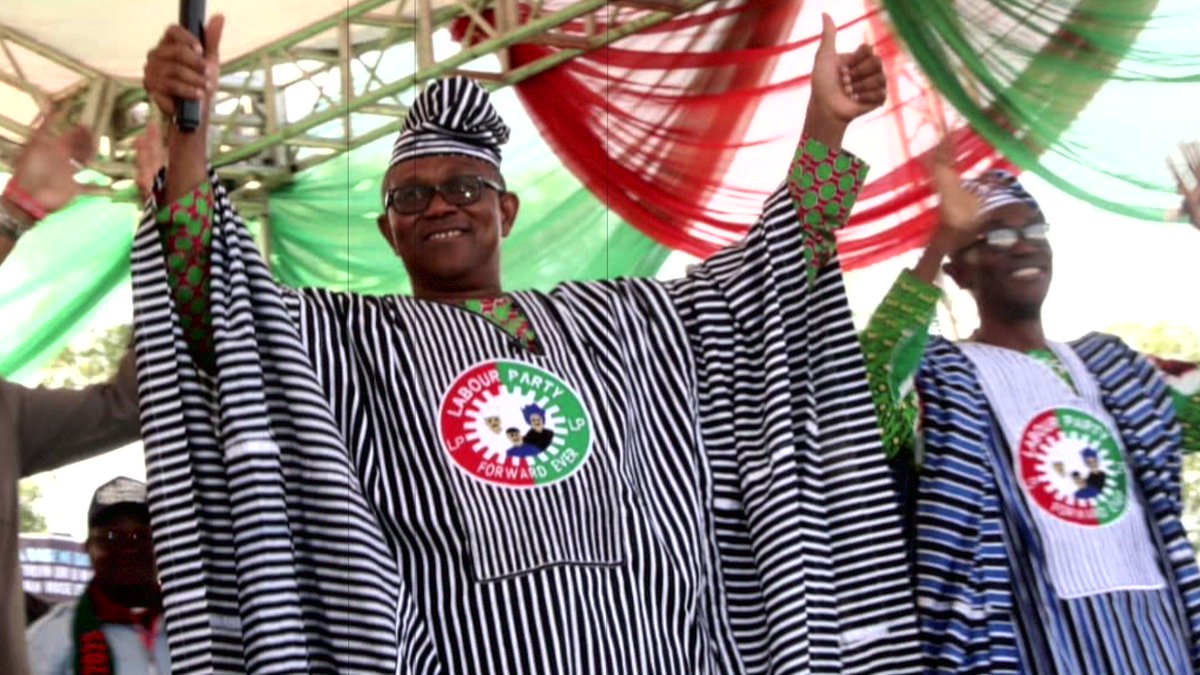

At first glance, posts made by those with the biggest audience might seem sincere. But behind many publications, there is payment, according to the people we’ve interviewed. And it is coming from political parties in Nigeria.

Two whistle-blowers from two political parties revealed secrets about how these influence operations work.

They claim they recruit people “who have a voice” directly from social media.
The influencers are then paid upwards to “20 million naira” to spread disinformation.
The influencers are then paid upwards to “20 million naira” to spread disinformation.

According to our sources, these monies paid to influencers are not budgeted or paid through banks, to avoid scrutiny.
The political parties, our sources say, also control the narrative and monitor the influencers’ output.
The political parties, our sources say, also control the narrative and monitor the influencers’ output.

Using images from foreign war zones to stoke ethnic strife in Nigeria is one of the tactics the whistle-blowers say are deployed by these campaigns and their influencers.
bbc.in
bbc.in

We can’t reveal the campaigns these sources worked on, but we’ve identified several disinformation campaigns that targeted politicians running for office on Twitter - even when there’s no evidence of money changing hands.

Influencers have promoted a claim without evidence that presidential candidate Peter Obi, from the Labour Party, was linked to the separatist group the Indigenous People of Biafra (Ipob) - designated a terror group by the Nigerian govt. The Labour Party denies the allegation.

A month later, Kashim Shettima, candidate for vice-president for the APC, was associated with members of the Islamist militant group Boko Haram.
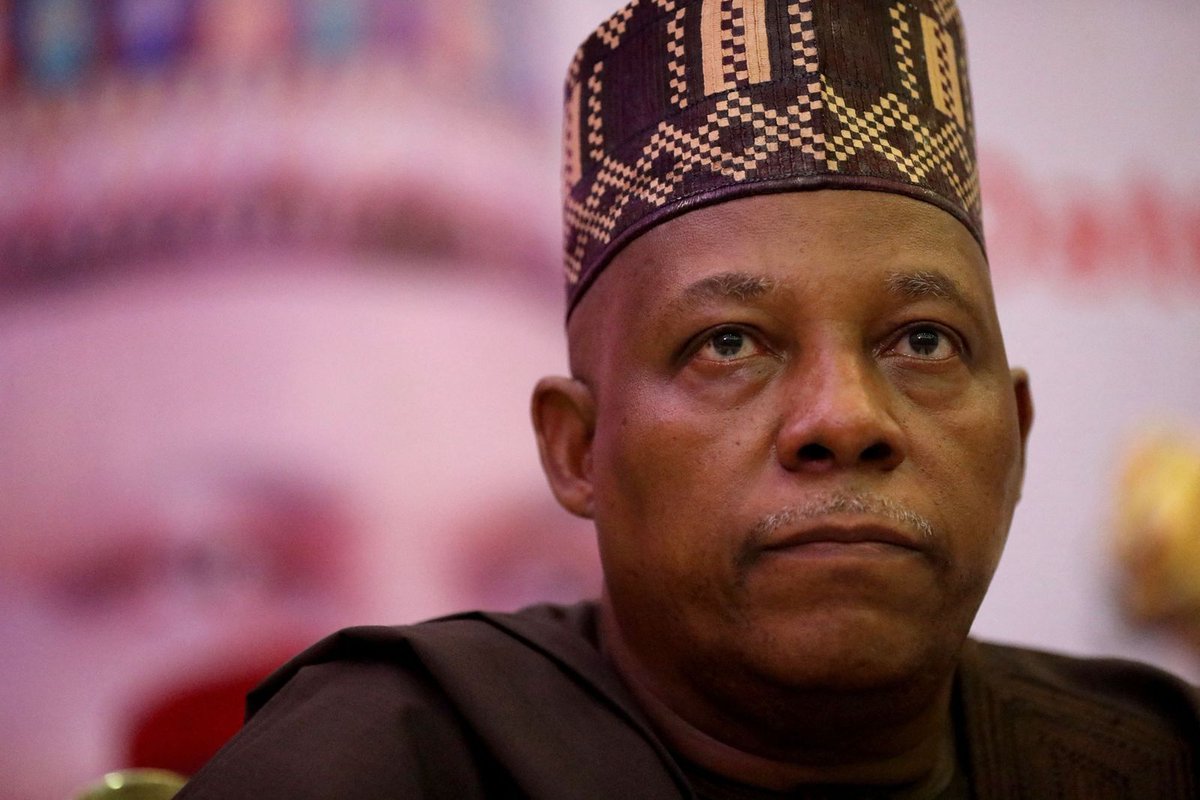
A picture was shared claiming to show Mr Shettima sharing a meal with Boko Haram members, but through reverse image search we discovered that it was an image of him eating with Fulani nomads in 2017 while he was governor of Borno state.

Under Nigerian law, it is not illegal for political parties to hire social media influencers.
But it is illegal to spread disinformation, and it goes against Twitter’s policy.
Twitter’s rules also state people must disclose when they’re being paid to promote content.
But it is illegal to spread disinformation, and it goes against Twitter’s policy.
Twitter’s rules also state people must disclose when they’re being paid to promote content.

In response to our findings, Twitter has taken down some of the accounts we reported to them and said it has a responsibility to protect electoral conversations from interference and manipulation, as well as the spread of false information.
bbc.in
bbc.in
We've asked Nigeria's main political parties, APC, PDP, and Labour, about the whistleblowers’ allegations. They did not reply to our request for comment.
bbc.in
bbc.in
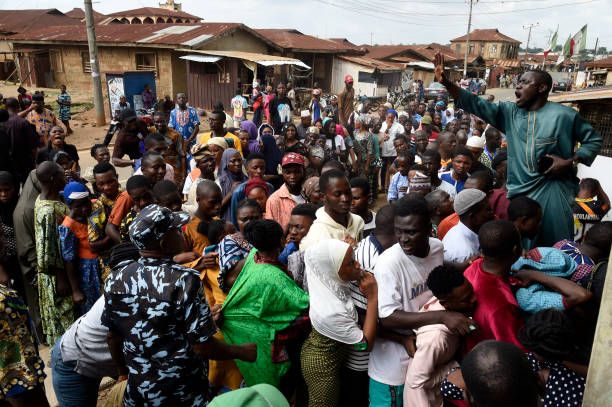
Some of the false information have made it onto news blogs and radio programs, becoming conversations on the streets of Nigeria.
As Nigerians go to the polls, they may be questioning how to trust the political information they're getting - without knowing who's really behind it.
As Nigerians go to the polls, they may be questioning how to trust the political information they're getting - without knowing who's really behind it.
Loading suggestions...