
THE GREEKS, THE PHOENICIANS AND THE ALPHABET (PART TWO).

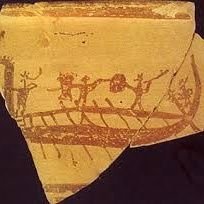
1/ In the 12th century BC a large group of refugees from the Aegean, starting from Crete, crosses the seas of the Eastern Mediterranean and settles in the coastal zone of Gaza, coming into contact with the local Canaanite population and creating a hybrid culture, the Philistine.

2/However, their relationship with their old homelands and their activity as a connecting link between the Aegean and the Levant remain unclear. Recent findings have fueled the belief that the Philistines played a crucial role in introducing the Phoenician alphabet to the Aegean.

3/ The scholars of West Semitic languages tend to accept the existence of a distinct Philistine script, which began to exist at least from 1000 BC, ➡️
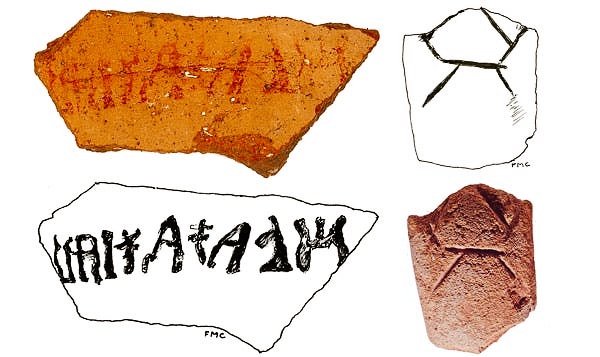
➡️ having minor differences with neighboring Semitic scripts, but possessing some special characteristics that distinguished it from the general whole.
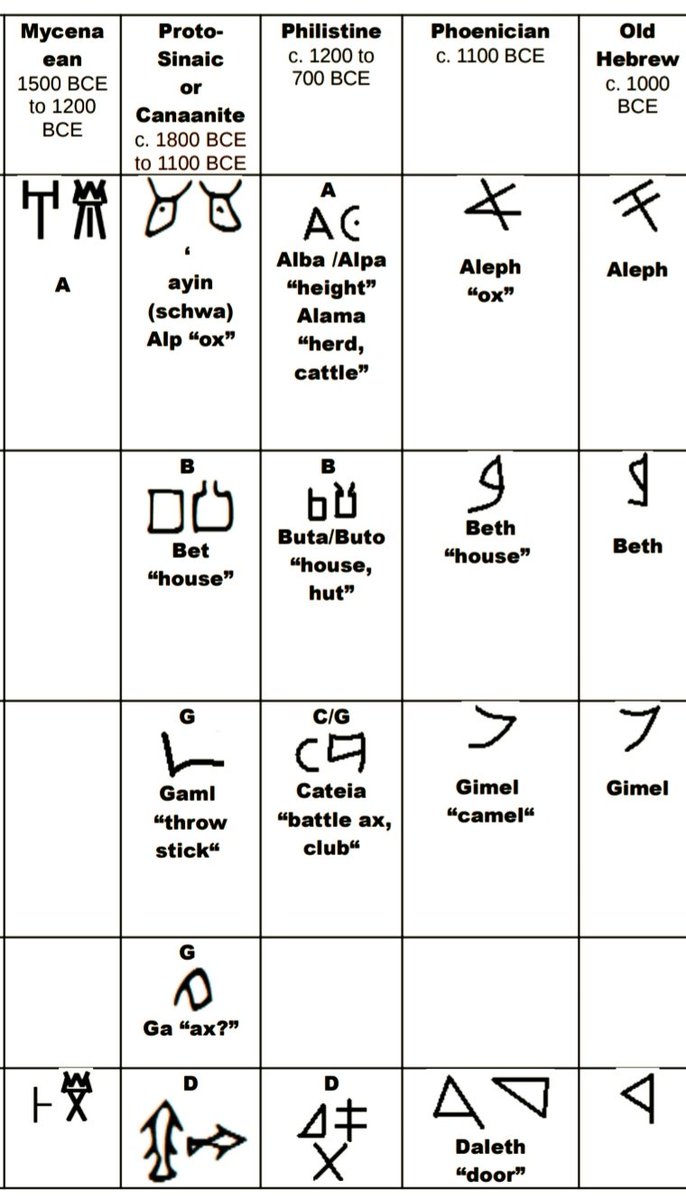
4/We should emphasize that around the middle of the 11th C BC we have the stabilization of the direction of the Phoenician writing from right to left. At an earlier stage the Phoenician script had a multidirectional character,similar to that of the early Greek alphabetic scripts.
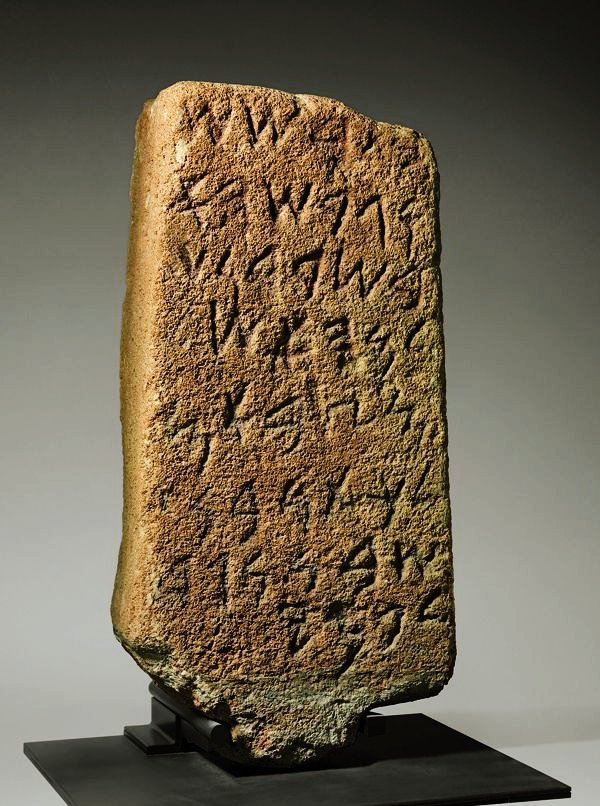
5/ This fact shows that the Phoenician alphabet was introduced to the Aegean at the latest by 1050 BC and indeed in an early phase of its formation. ➡️
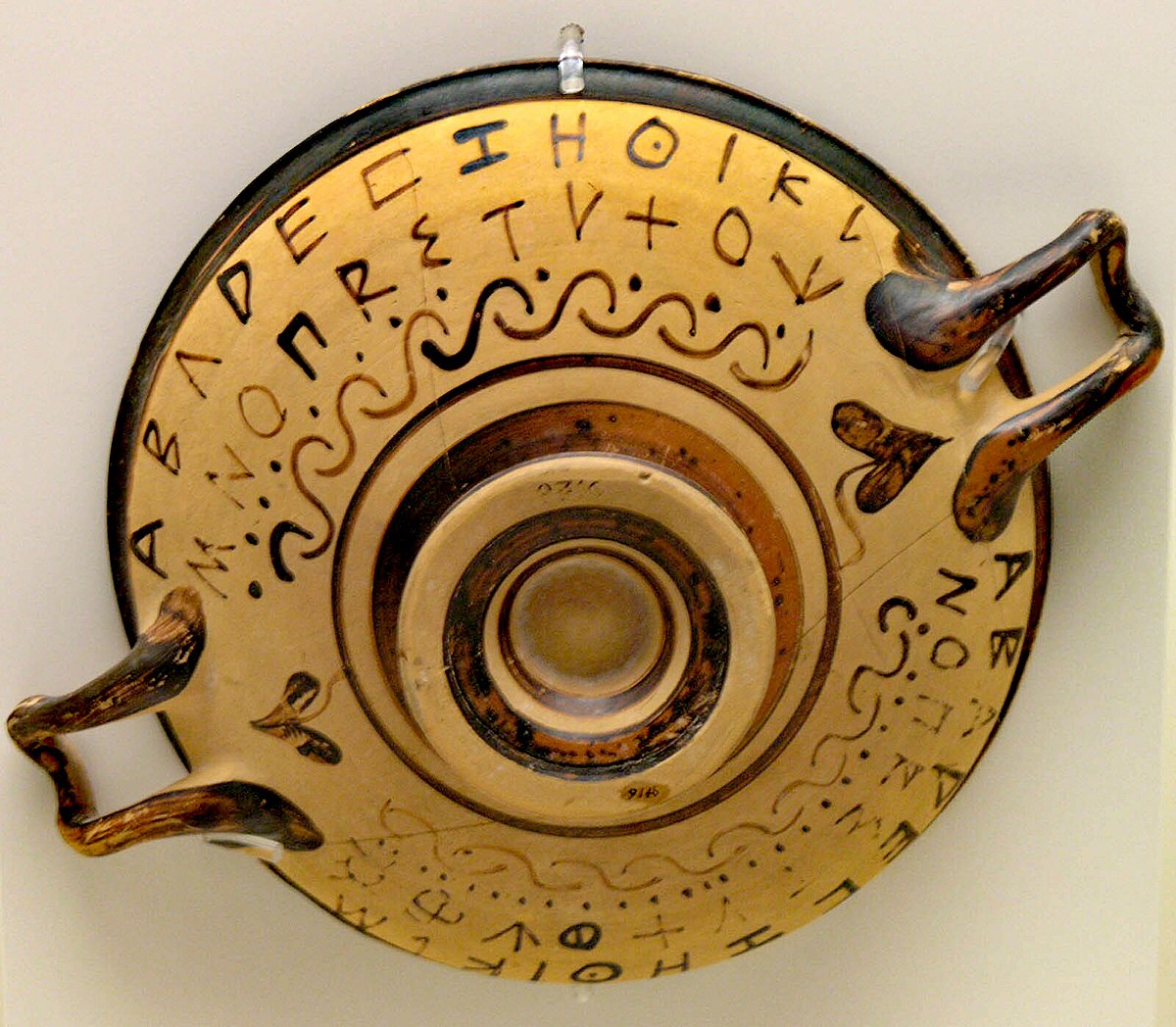
➡️ An encouraging element towards this point of view is the discovery of the inscribed bronze bowl from the site of Tekke, Knossos of the early 11th century BC, which testifies to an early Phoenician presence in Crete and cultural interactions between the two peoples.

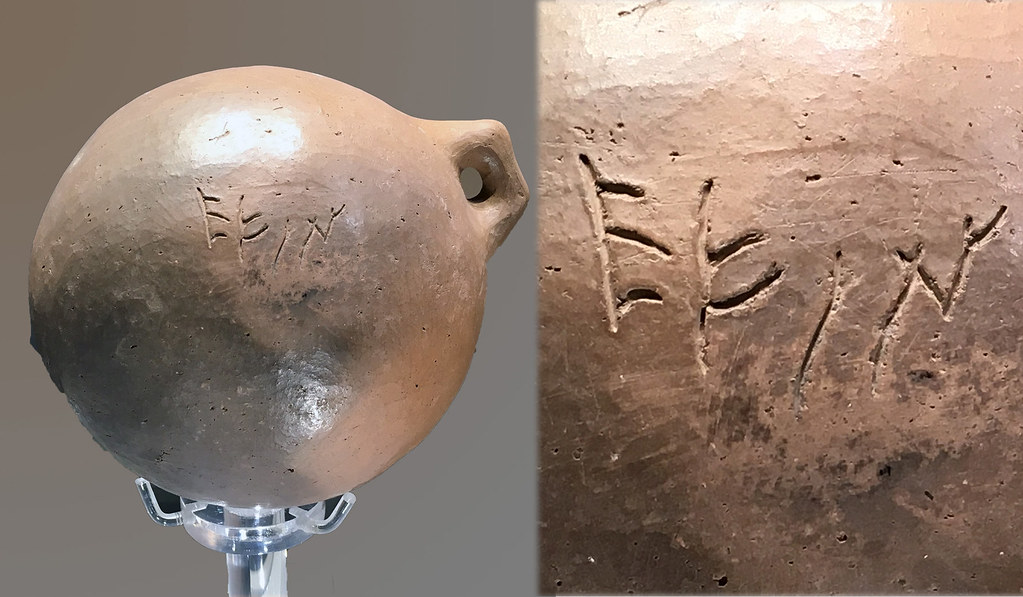
6/ Parallelly, a graffiti with Greek alphabetic writing, dated to the beginning of the 8th century BC, was recently discovered in Osteria dell'Osa, Italy, which suggests that Greek writing had been created a long time before, to reach point to be transported to Italy.
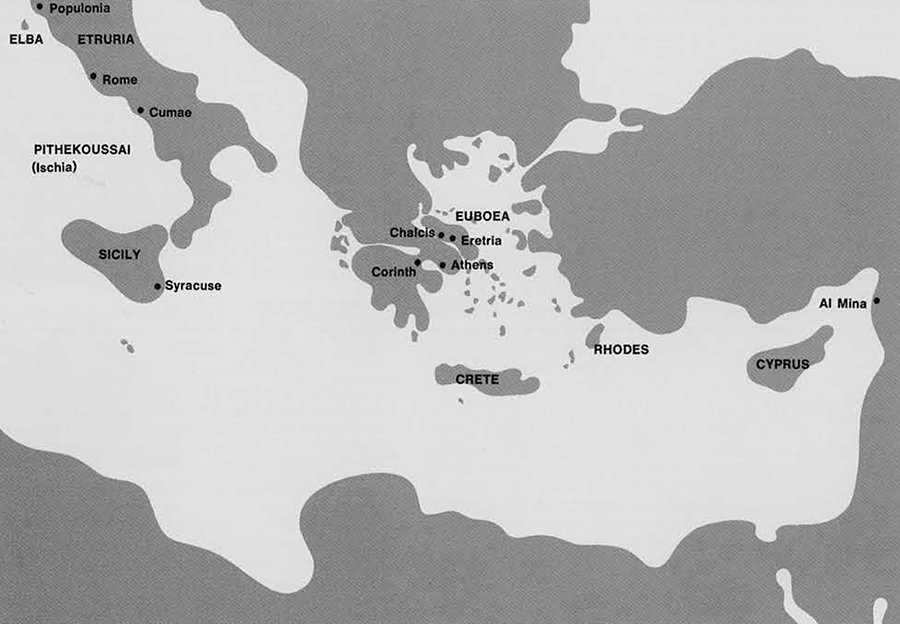
7/ To the question of how the Phoenician alphabet was introduced to the Aegean, the obvious answer is through trade. The Euboean merchants had developed strong trade relations with the cities of Syro-Palestine, ➡️

➡️ having established a very early trading post at Al Mina, while the Phoenicians had early developed close relations with Rhodes and Crete. But here a major issue is observed.
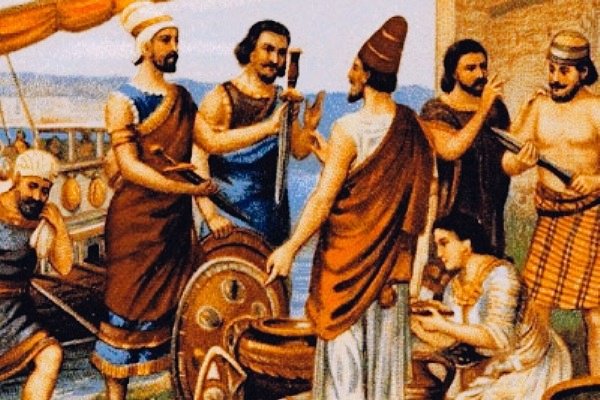
8/ How could the alphabet have been transmitted between two peoples in a trading context in which Phoenician was the dominant lingua franca, when the composition of the alphabet could have been achieved only by people speaking different languages?
9/ The Euboean colony of Al Mina could be a crucial station for the spread of the alphabet in the Aegean, although the Greek presence in the region seems to be very compact and strong contacts with the surrounding Levantine populations are not documented.

10/ Another case could be Cyprus, which was the crucial link for the spread of Phoenician trade in the Aegean and which already from the 12th century BC had solid Aegean populations, but who probably used the Cypriot-Mycenaean or Cypriot-Minoan syllabic script.
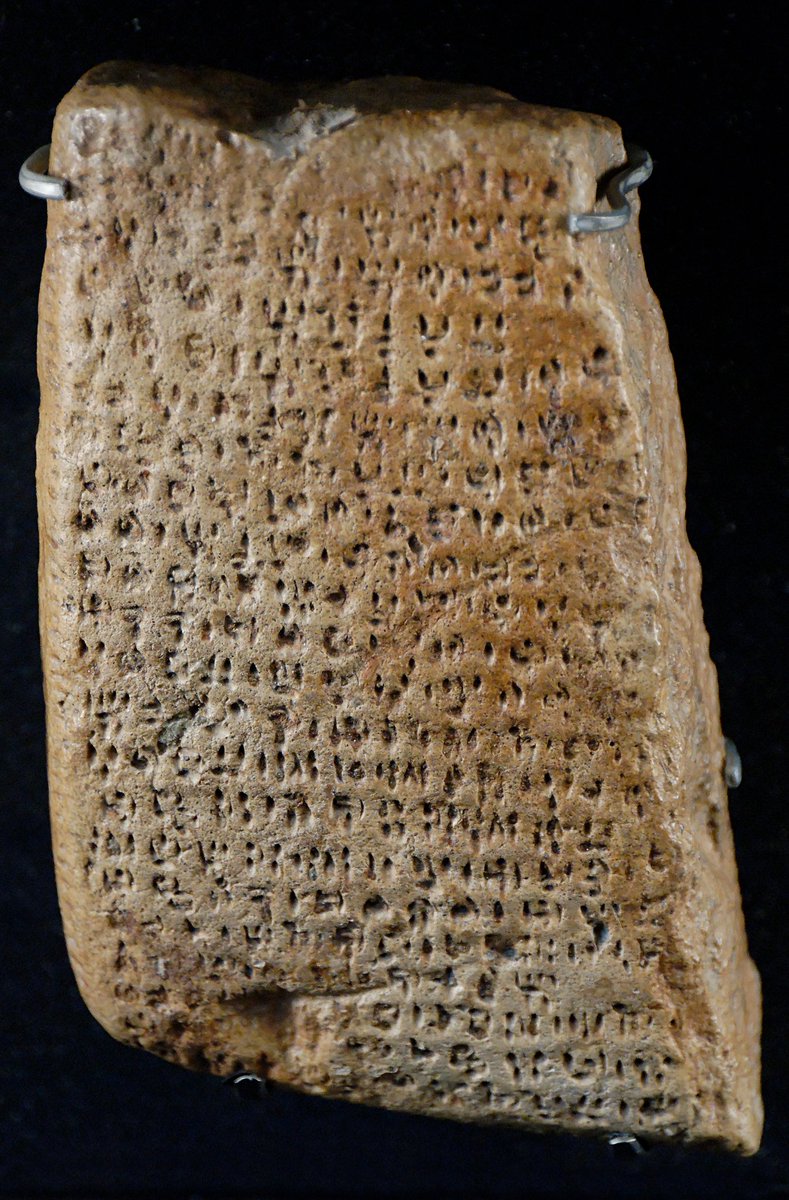
11/ The only substantial case of transmission of the Phoenician alphabet in the Aegean would be through the presence of Phoenician population pockets (such as artisans and commercial agents) in Greek coastal commercial cities, a fact demonstrated in Euboea, Attica and Crete.

12/ Returning to the tempting case of the Philistines, we should note that this population, which mainly had Aegean origins, settled in Philistia during the turbulent period of the action of the so-called Sea Peoples (12th century BC), ➡️
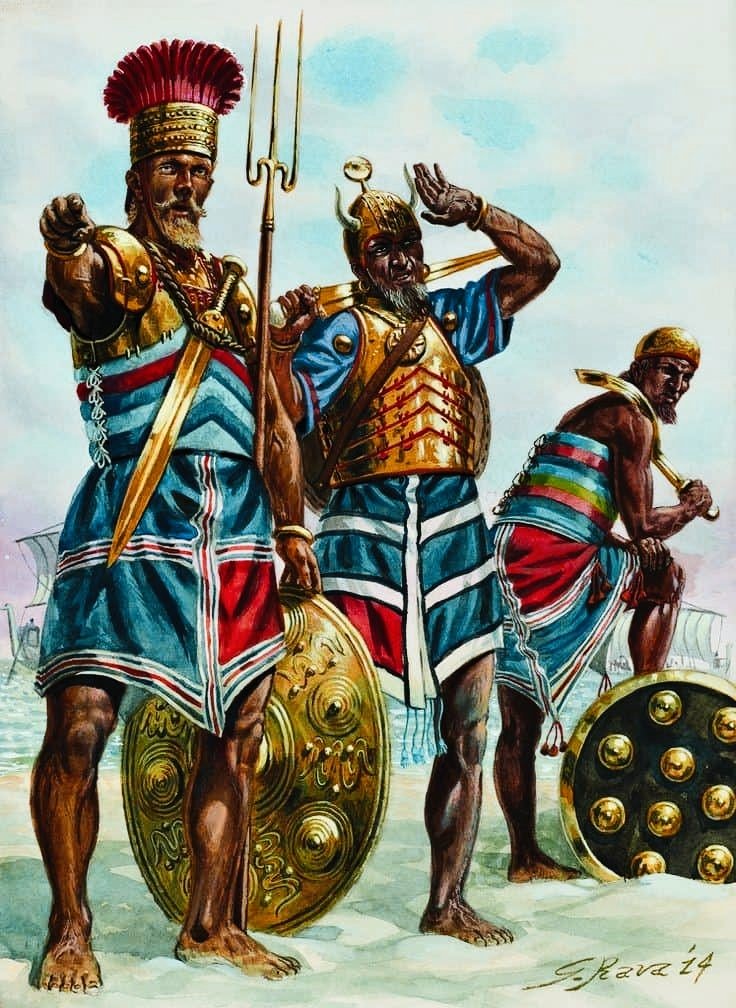
➡️ originally speaking an Achaean dialect, which however he quickly replaced with a local hybrid Levantine dialect, which had some Aegean and West-Anatolian borrowings.
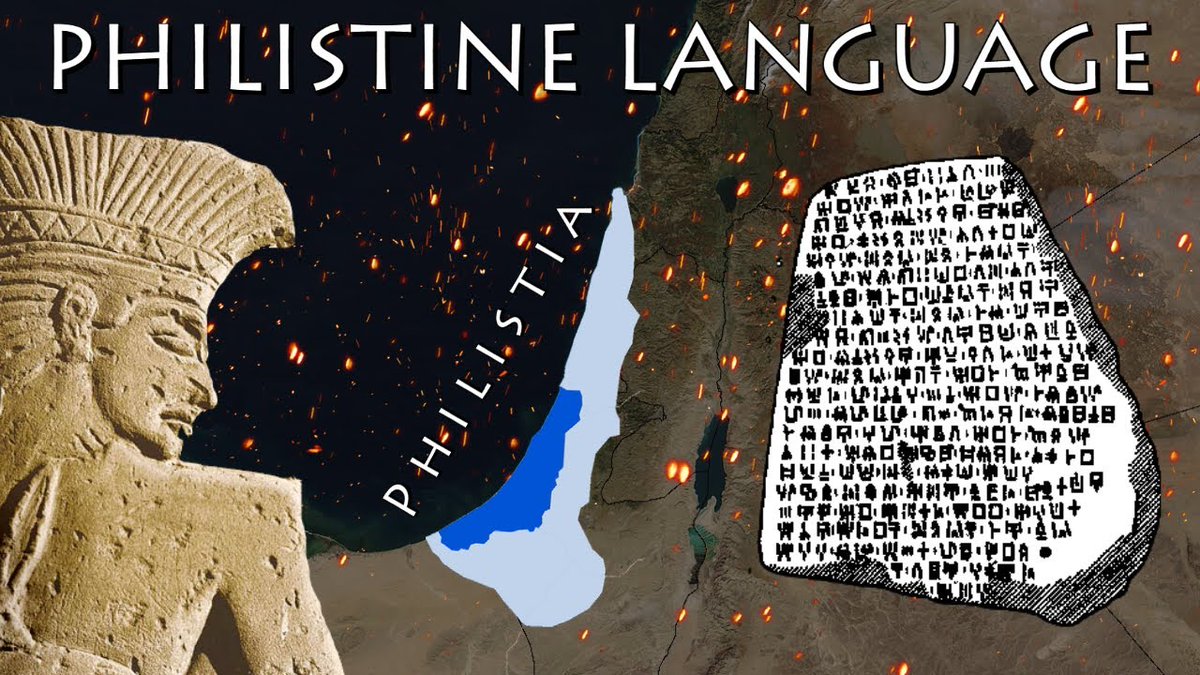
13/ This discernible bilingualism of the Philistines combined with the characteristic features of the early Philistine texts motivates us to support the hypothesis that they constituted the intermediate stage between an early Semitic alphabetic script and the Greek alphabet.
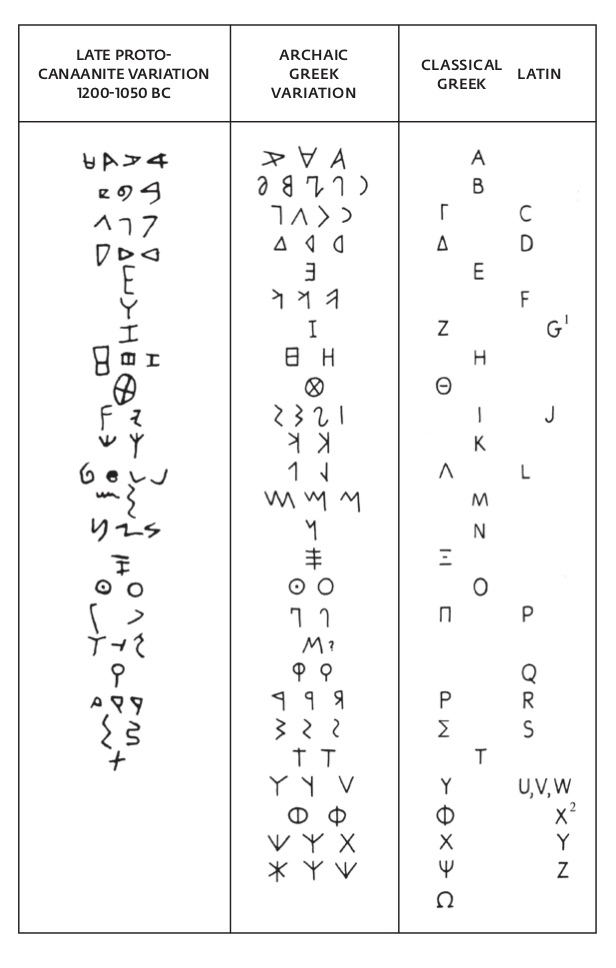
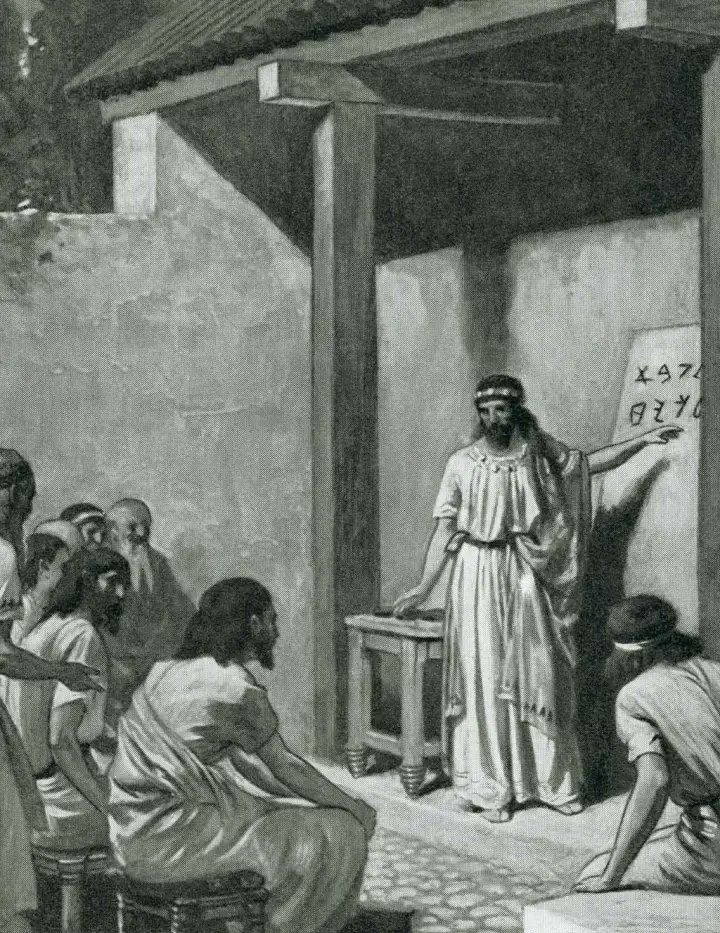
14/ Maybe does the myth of Cadmus, who was attributed the process of transmitting the Phoenician alphabet to the Aegean, actually represent, as a symbolic personality, the Greek-speaking Philistine population of the Levant?
Loading suggestions...