
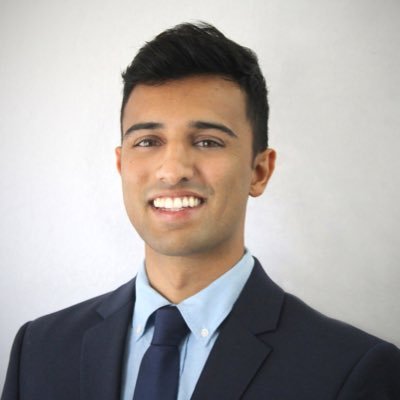
Just recently completed (and survived) 50% of my overnight calls from the first-year of cardiology fellowship. Here are some of my thoughts, reflections, and advice that may be helpful to medical students & residents.
Comment below with ?
#arjuncardiology #CardioTwitter #MedEd
Comment below with ?
#arjuncardiology #CardioTwitter #MedEd
1) It is better to ask for help from the cardiology fellow if you are feeling unsure. There are two possibilities: 1) the fellow will answer the questions in a few seconds and go back to sleep or 2) the fellow will do more thorough chart check and get back to you. Usually win-win
2) Consult for new AF (want to know)
- Rate
- Hemodynamics (BP)
- Possible other infections (sepsis, acidosis)
- Duration of AF: can help determine if Amiodarone is good option (if < 48 hours)
- Risk factors
- Anticoagulation status
- Previous EF (if reduced, would avoid CCB)
- Rate
- Hemodynamics (BP)
- Possible other infections (sepsis, acidosis)
- Duration of AF: can help determine if Amiodarone is good option (if < 48 hours)
- Risk factors
- Anticoagulation status
- Previous EF (if reduced, would avoid CCB)
3) Consult for Cardiogenic Shock (want to know)
- Are they making urine?
- Signs of end-organ hypo-perfusion (mental status, cool extremities, elevated troponins, AKI, lactate)
- Their last TTE (left-sided, right-sided, or bi-ventricular)
- Candidate for advanced therapy?
- Are they making urine?
- Signs of end-organ hypo-perfusion (mental status, cool extremities, elevated troponins, AKI, lactate)
- Their last TTE (left-sided, right-sided, or bi-ventricular)
- Candidate for advanced therapy?
4) Sometimes it is better to let the fellow know about a patient you are concerned earlier in the night. This will give time for chart review and anticipation of issues.
5) STAT TTE: Usually for cardiac tamponade or RV strain with PE. Otherwise can usually wait till AM
5) STAT TTE: Usually for cardiac tamponade or RV strain with PE. Otherwise can usually wait till AM
6) NSTEMI: NPO, ASA 324 mg load, heparin gtt, serial troponin and EKG. As long as there is no transmural ischemia or dynamic changes of symptoms, can wait for LHC in the AM. Treat the patient rather than the troponin.
7) Always helpful to text current/old EKG if available
7) Always helpful to text current/old EKG if available
8) Elevated troponin!!
- Important to know baseline levels, trends (rate of increasing), current creatinine levels
- Should look for associated EKG changes and wall motion changes on ECHO
- Is this a STEMI?
- Think about other causes: rhabdomyolysis, sepsis, acidosis, PE, etc.
- Important to know baseline levels, trends (rate of increasing), current creatinine levels
- Should look for associated EKG changes and wall motion changes on ECHO
- Is this a STEMI?
- Think about other causes: rhabdomyolysis, sepsis, acidosis, PE, etc.
9) If patients need a LHC in AM, make sure NPO at midnight. Can give ASA 324 mg, and usually Plavix as long they don't need an emergent CABG (usually less likely).
10) Usually if patients have had a completely normal LHC within one year reassuring for ischemic chest pain
10) Usually if patients have had a completely normal LHC within one year reassuring for ischemic chest pain
11) Thing to check before asking a fellow for LHC in AM:
- Hemoglobin/Platelet stable (no acute changes)
- Ability to lie flat
- Creatinine (at baseline)
- Ability to consent
- Respiratory status stabilized
- No active infections (sepsis/UTI)
- Patient agreeable
- NPO
- Hemoglobin/Platelet stable (no acute changes)
- Ability to lie flat
- Creatinine (at baseline)
- Ability to consent
- Respiratory status stabilized
- No active infections (sepsis/UTI)
- Patient agreeable
- NPO
12) In general, as an internal medicine resident/student, the more research and answers to questions you can anticipate, the better. Try the best to phrase the consult with "our question is _________." This help provides a good scope and opportunity for the fellow to answer.
I would love to hear your thoughts. Would also love to hear from other fellows/attendings!
@AHajduczok @JasneetDevgun @marinanaz @daehyunleemd @AShereMD @AnamWaheed05 @XavierPrida @KoushikReddyMD @DBelardoMD @SaurabhSDani @MKIttlesonMD @purviparwani @DrMarthaGulati @Wheelend
@AHajduczok @JasneetDevgun @marinanaz @daehyunleemd @AShereMD @AnamWaheed05 @XavierPrida @KoushikReddyMD @DBelardoMD @SaurabhSDani @MKIttlesonMD @purviparwani @DrMarthaGulati @Wheelend
Loading suggestions...