

Understanding and optimizing the function of your immune system.
Thread🧵
Thread🧵
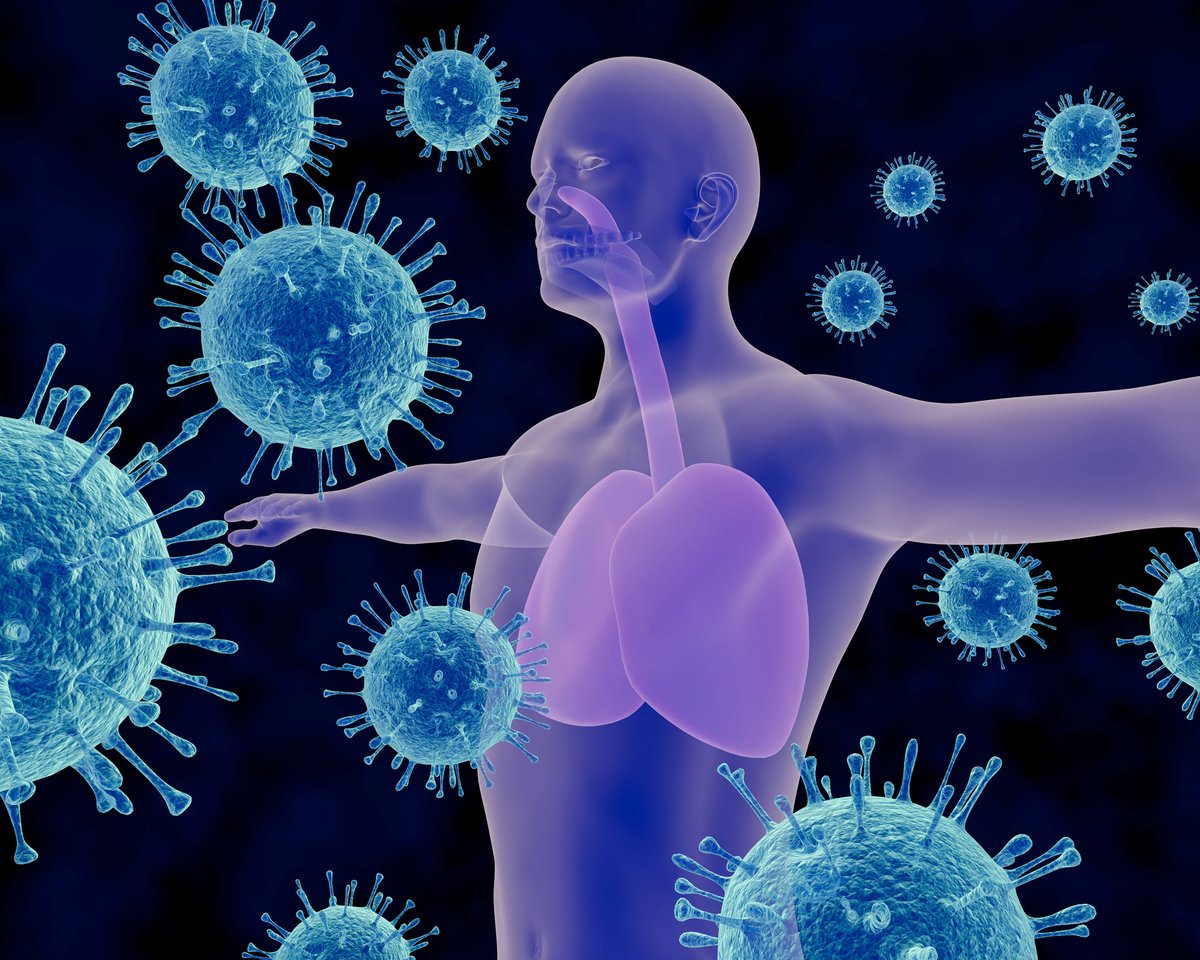
*Standard disclaimer that this does not constitute medical advice*
Let’s begin this thread by mentioning the main parts of the immune system.
These are:
● White blood cells
● Antibodies
● Complement system
● Lymphatic system
● Spleen
● Bone marrow
● Thymus
Let’s begin this thread by mentioning the main parts of the immune system.
These are:
● White blood cells
● Antibodies
● Complement system
● Lymphatic system
● Spleen
● Bone marrow
● Thymus
White blood cells.
White blood cells are made in our bone marrow, are part of the lymphatic system and move through blood and tissue throughout your body, looking for foreign invaders (microbes) such as bacteria, viruses, parasites and fungi.
When they find them, they launch
White blood cells are made in our bone marrow, are part of the lymphatic system and move through blood and tissue throughout your body, looking for foreign invaders (microbes) such as bacteria, viruses, parasites and fungi.
When they find them, they launch
an immune attack.
White blood cells include lymphocytes and many other types of immune cells.
The main nutrients that support white blood cell health are folic acid, vitamin B6 and B12.
These nutrients can be found in organ meats but mostly in beef and duck liver.
White blood cells include lymphocytes and many other types of immune cells.
The main nutrients that support white blood cell health are folic acid, vitamin B6 and B12.
These nutrients can be found in organ meats but mostly in beef and duck liver.
Antibodies.
Antibodies help the body to fight microbes or the toxins (poisons) they produce.
They do this by recognizing substances called antigens on the surface of the microbe, or in the chemicals they produce, which mark the microbe or toxin as being foreign.
Antibodies help the body to fight microbes or the toxins (poisons) they produce.
They do this by recognizing substances called antigens on the surface of the microbe, or in the chemicals they produce, which mark the microbe or toxin as being foreign.
The antibodies then mark these antigens for destruction.
The complement system is made up of proteins whose actions complement the work done by antibodies. Vitamin C, vitamin D, zinc, selenium, copper, glutamine and protein all play a key role for these.
The complement system is made up of proteins whose actions complement the work done by antibodies. Vitamin C, vitamin D, zinc, selenium, copper, glutamine and protein all play a key role for these.
Good dietary sources of vitamin C are:
● Acerola cherries
● Blackberries
● Pomegranates
● Kiwis
● Oranges juice (no pulp)
● Grapefruit juice (no pulp)
●Strawberries
● Raspberries
And good dietary sources for all the others are of course beef, shellfish and bone
● Acerola cherries
● Blackberries
● Pomegranates
● Kiwis
● Oranges juice (no pulp)
● Grapefruit juice (no pulp)
●Strawberries
● Raspberries
And good dietary sources for all the others are of course beef, shellfish and bone
marrow.
Lymphatic system
The lymphatic system is a network of delicate tubes throughout the body.
The main roles of the lymphatic system are to:
-Manage the fluid levels in the body
-React to bacteria
-Deal with cancer cells
-Deal with cell products that otherwise would
Lymphatic system
The lymphatic system is a network of delicate tubes throughout the body.
The main roles of the lymphatic system are to:
-Manage the fluid levels in the body
-React to bacteria
-Deal with cancer cells
-Deal with cell products that otherwise would
result in disease or disorders
-Absorbing some of the fats in our diet from the intestine.
My favorite foods to help the lymphatic system are: spirulina, ginger, turmeric, beef kidney and acerola cherry juice.
-Absorbing some of the fats in our diet from the intestine.
My favorite foods to help the lymphatic system are: spirulina, ginger, turmeric, beef kidney and acerola cherry juice.
Spleen
The spleen is a blood-filtering organ that removes microbes and destroys old or damaged red blood cells.
It also makes disease-fighting components of the immune system (including antibodies and lymphocytes).
The spleen is a blood-filtering organ that removes microbes and destroys old or damaged red blood cells.
It also makes disease-fighting components of the immune system (including antibodies and lymphocytes).
In order to support spleen health, start adding in your diet: blackseed oil, vitamin C rich foods, B12 rich foods, sprouted bone broth rice and of course eating beef spleen.
Bone marrow
Bone marrow is the spongy tissue found inside your bones.
It produces the red blood cells our bodies need to carry oxygen, the white blood cells we use to fight infection, and the platelets we need to help our blood clot.
Bone marrow is the spongy tissue found inside your bones.
It produces the red blood cells our bodies need to carry oxygen, the white blood cells we use to fight infection, and the platelets we need to help our blood clot.
Thymus
The thymus filters and monitors your blood content.
It produces the white blood cells called T-lymphocytes.
Vitamin A, Zinc, vitamin B6, and vitamin C are perhaps the most critical nutrients of a healthy thymus.
The thymus filters and monitors your blood content.
It produces the white blood cells called T-lymphocytes.
Vitamin A, Zinc, vitamin B6, and vitamin C are perhaps the most critical nutrients of a healthy thymus.
Moving on to other important things about our immune system.
1)Take care of your gut
We can not have a healthy , robust immune system without a healthy gut.
Our gut makes up 60% of our total immune system.
Imagine your immune system being dysfunctional by 30-40-50% because
1)Take care of your gut
We can not have a healthy , robust immune system without a healthy gut.
Our gut makes up 60% of our total immune system.
Imagine your immune system being dysfunctional by 30-40-50% because
of a messed gut. Of course you will get sick.
Here are 3 thread that will help you understand what harms gut health, what promotes it and how to improve common gut issues.
Here are 3 thread that will help you understand what harms gut health, what promotes it and how to improve common gut issues.
2)Take care of your mast cells
A mast cell is a type of white blood cell and is found in connective tissues throughout your body.
Mast cells help your immune system function properly and normally help protect us from disease.
Mast cells are key components in the inflammatory
A mast cell is a type of white blood cell and is found in connective tissues throughout your body.
Mast cells help your immune system function properly and normally help protect us from disease.
Mast cells are key components in the inflammatory
response as they can be activated to release a wide variety of inflammatory mediators, by many different antigens including allergens, pathogens and physiological mediators.
Mast cells synthesize and secrete histamine, proteases, prostaglandin D2, leukotrienes, heparin and a
Mast cells synthesize and secrete histamine, proteases, prostaglandin D2, leukotrienes, heparin and a
variety of cytokines.
Mast cells play an important role in how the immune system responds to certain bacteria and parasites and they help control other types of immune responses.
You can try adding foods that stabilize mast cells (how antihistamine med work).
Mast cells play an important role in how the immune system responds to certain bacteria and parasites and they help control other types of immune responses.
You can try adding foods that stabilize mast cells (how antihistamine med work).
These include:
-Chamomile
-Turmeric
-Ginger
-Apples (skin off in order to avoid the pesticides and herbicides)
-Peaches (skin off)
Then make sure to get enough zinc and of course not eat canned foods, phytoestrogens, preservatives, inferior fats and so on.
-Chamomile
-Turmeric
-Ginger
-Apples (skin off in order to avoid the pesticides and herbicides)
-Peaches (skin off)
Then make sure to get enough zinc and of course not eat canned foods, phytoestrogens, preservatives, inferior fats and so on.
3) Lower unbound iron
Unbound iron promotes the ingress of pathogens.
Here's a small thread about this.
Unbound iron promotes the ingress of pathogens.
Here's a small thread about this.
4) Make sure to consume enough vitamin K, magnesium and get enough sunlight in order to prevent thymus calcification.
5) Sauna if used properly can greatly enhance your immune system as well.
6) Get enough sleep (there are sleep routines in the pinned tweet).
5) Sauna if used properly can greatly enhance your immune system as well.
6) Get enough sleep (there are sleep routines in the pinned tweet).
7) Lower serotonin
Serotonin wrecks T-cells (SO to Ray).
Here's some tips that will help you to get rid of excessive serotonin.
Number 1: Binder salad.
This salad is made up of: chopped carrots (not grinded, chopped), ginger, 30-40 grams of beef liver, blackseed oil, coconut
Serotonin wrecks T-cells (SO to Ray).
Here's some tips that will help you to get rid of excessive serotonin.
Number 1: Binder salad.
This salad is made up of: chopped carrots (not grinded, chopped), ginger, 30-40 grams of beef liver, blackseed oil, coconut
oil and sea salt.
You can have it in between meals a few times a week (3-4).
The fibers in raw carrots will bind to excessive estrogen, the ginger will lower serotonin receptivity in the gut and the blackseed oil since it can lower serotonin uptake from the gut.
You can have it in between meals a few times a week (3-4).
The fibers in raw carrots will bind to excessive estrogen, the ginger will lower serotonin receptivity in the gut and the blackseed oil since it can lower serotonin uptake from the gut.
Number 2: Supplement occasionally ginkgo biloba which can normalize elevated catecholamine and has opposite effects of serotonin.
Number 3: Lower stress through grounding, fructose, vitamin C and E.
Number 3: Lower stress through grounding, fructose, vitamin C and E.
Number 4: Remember that glycine aids in serotonin clearance.
Number 5: Consume less tryptophan rich foods.
Number 6: Get enough thiamine since a deficiency in thiamine increases serotonin production.
Number 5: Consume less tryptophan rich foods.
Number 6: Get enough thiamine since a deficiency in thiamine increases serotonin production.
8) Daily sun exposure
Sunlight exposure is crucial for your T cell function. Without this you pretty much have no defense against foreign pathogens.
Sunlight exposure is crucial for your T cell function. Without this you pretty much have no defense against foreign pathogens.
9) Address oxidative stress
10) Lower stress
Stress hormones reduce NK cell activity, antibody production, lymphocyte populations/proliferation and a bunch of things that basically make your immune system weak.
Stress hormones reduce NK cell activity, antibody production, lymphocyte populations/proliferation and a bunch of things that basically make your immune system weak.
That's pretty much it.
If you liked this thread and found it useful, make sure to like/RT the first tweet.
If you liked this thread and found it useful, make sure to like/RT the first tweet.
If you are interested in learning more about topics such as mitochondrial respiration, optimizing your sleep, gut health, thyroid performance, detoxing from PUFAs, heavy metals and xenoestrogens, optimizing your nutrition and testosterone or how to properly use, time and combine
supplements, you can check this.
fitandball.gumroad.com
fitandball.gumroad.com
Loading suggestions...