
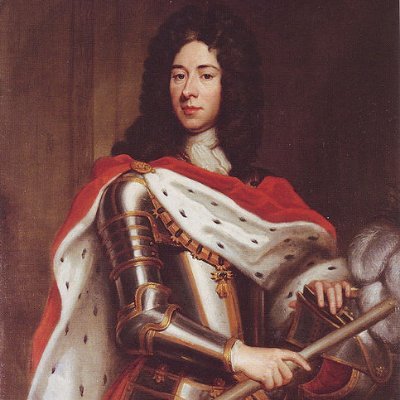
The Battle of Kircholm fought in 1605 was one of the finest victories of the famed "Winged Hussars".
The army of the Polish-Lithuanian Commonwealth destroyed a three times larger Swedish army.
The elite hussar cavalry butchered the enemy infantry! 🧵
The army of the Polish-Lithuanian Commonwealth destroyed a three times larger Swedish army.
The elite hussar cavalry butchered the enemy infantry! 🧵
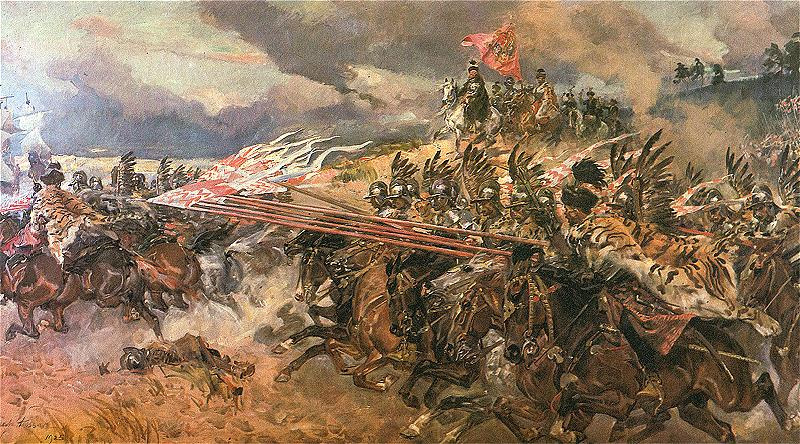
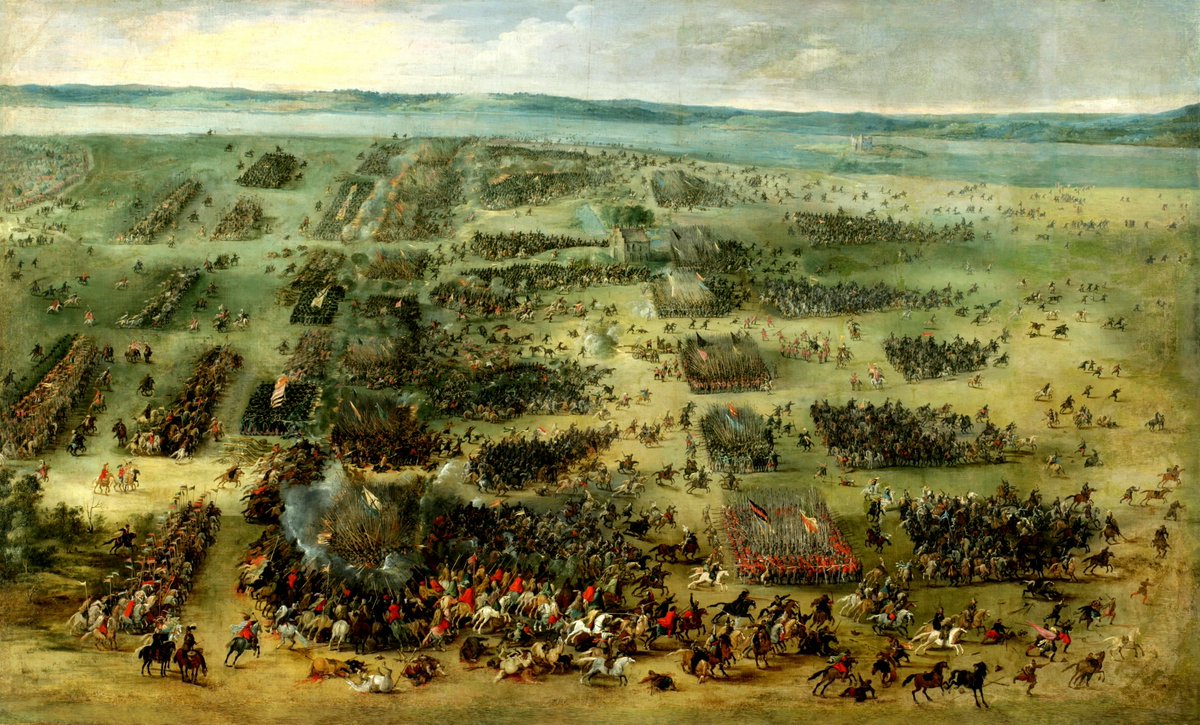
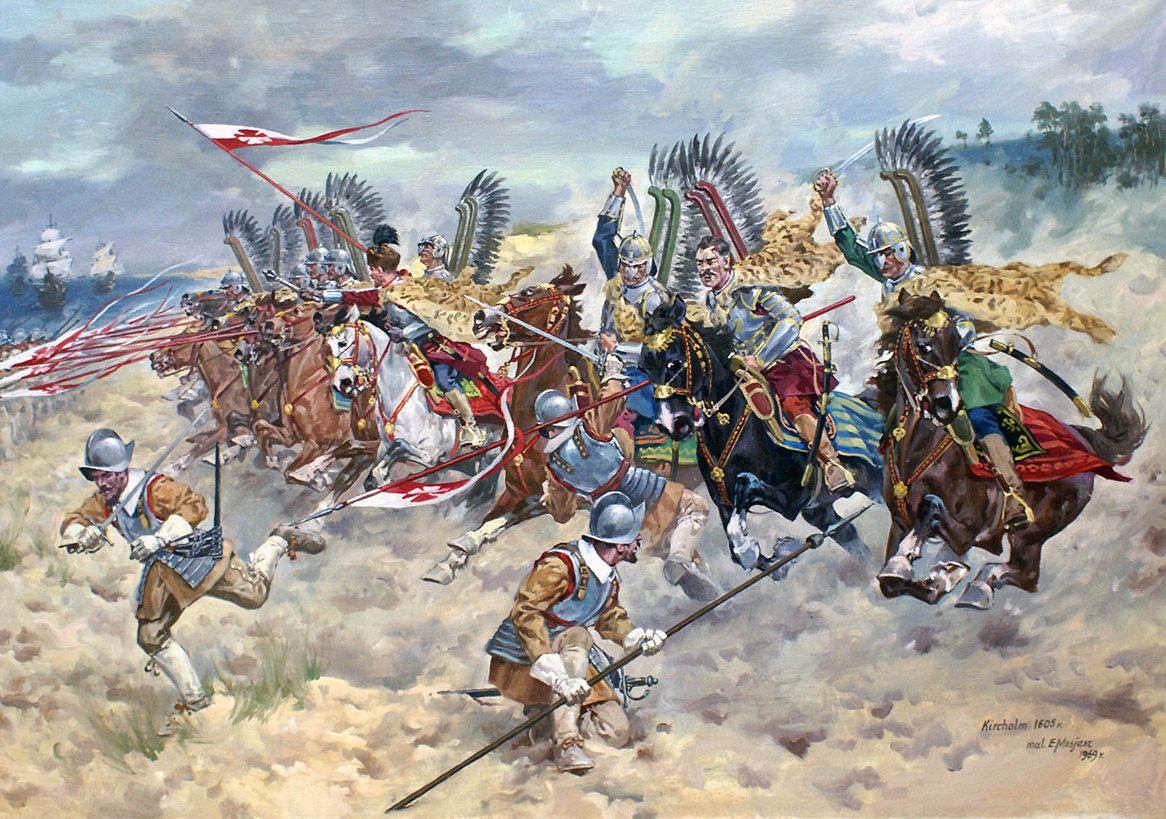
The Polish hussars are famous for their cavalry charge at the battle of Vienna in 1683, but they scored many even more impressive victories over the course of that century.
Kircholm is perhaps the most flawless one and showed just how lethal the hussars were.
Kircholm is perhaps the most flawless one and showed just how lethal the hussars were.
The battle of Kircholm happened in the context of Polish-Swedish War of 1600-29, during the series of wars between the Polish-Lithuanian Commonwealth and Sweden.
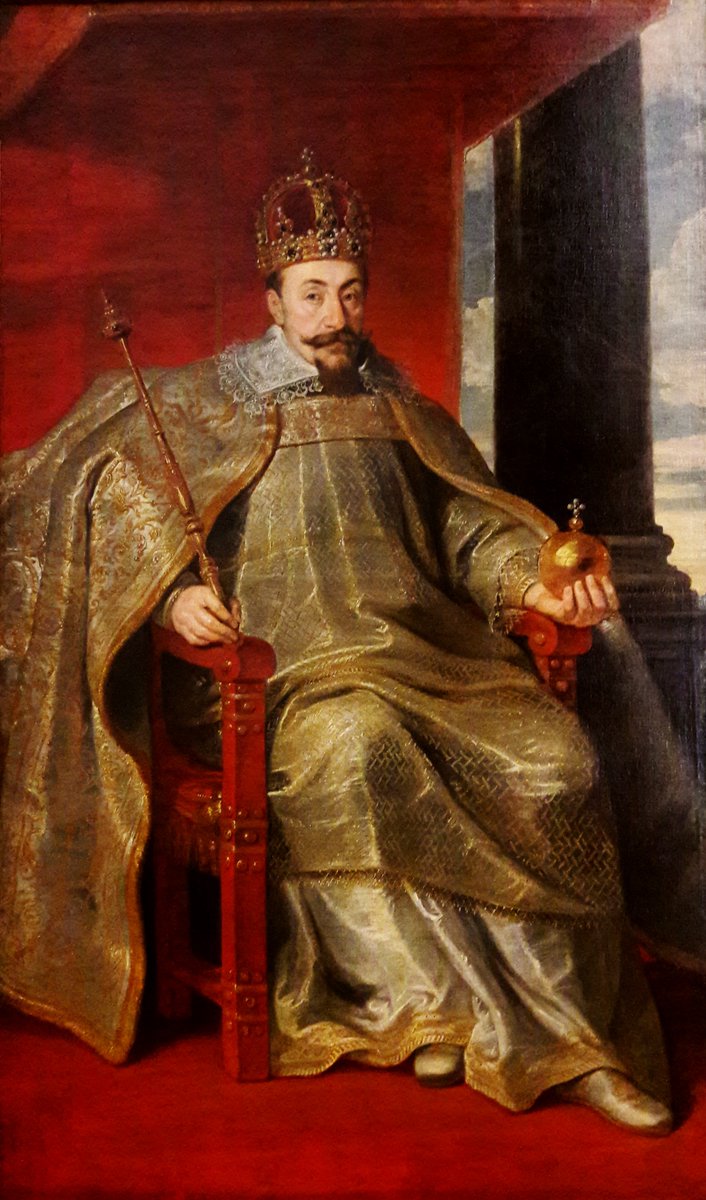
The conflict started over the claims for Swedish throne by Polish king Sigismund III Vasa.
The conflict started over the claims for Swedish throne by Polish king Sigismund III Vasa.
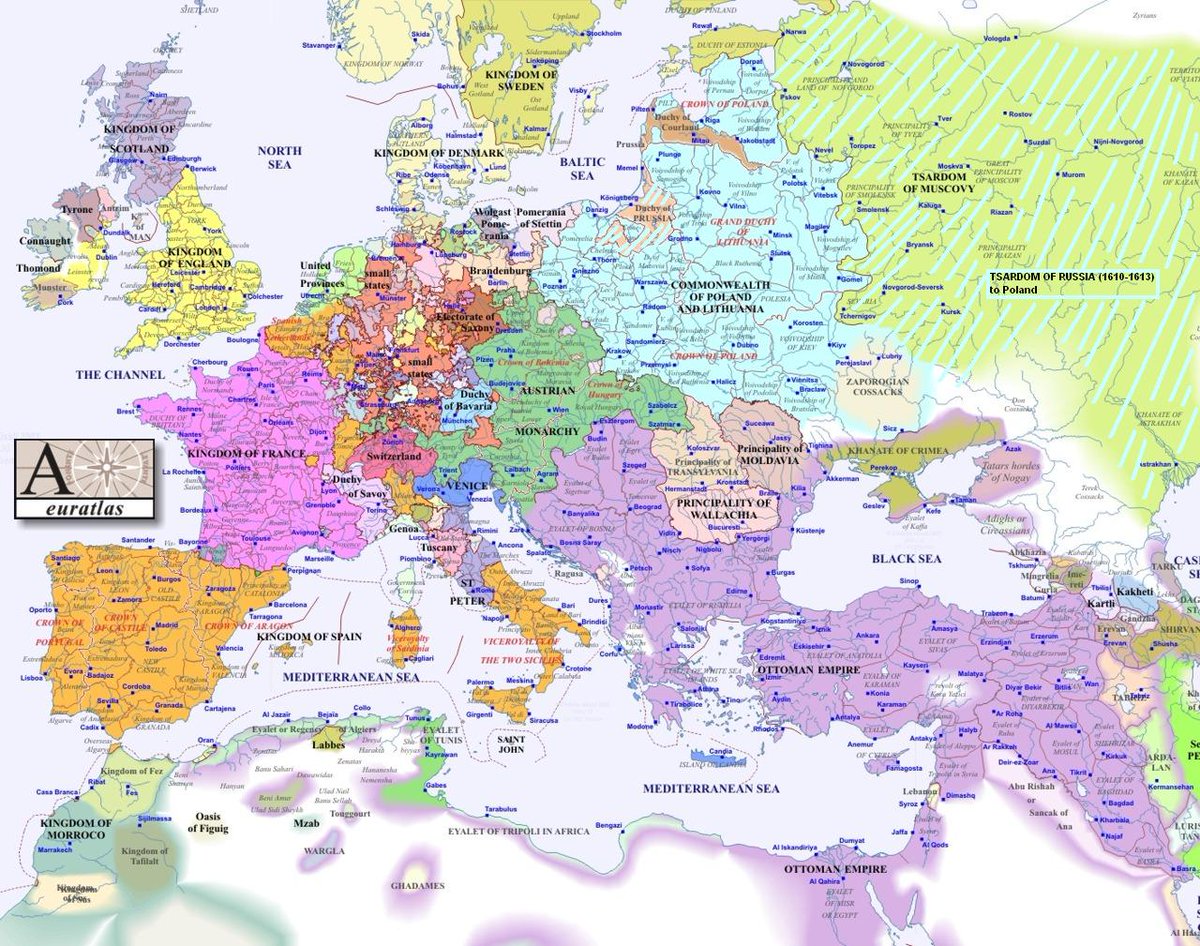
At the time, the Polish-Lithuanian Commonwealth controlled a vast territory and was much larger than Sweden.
But it also had trouble raising troops and it was already involved in other conflicts.
Sweden was able to gather an army faster and quickly brought the war to them.
But it also had trouble raising troops and it was already involved in other conflicts.
Sweden was able to gather an army faster and quickly brought the war to them.
Swedish troops led by king Charles IX himself invaded Estonia and Livonia.
At the time, Polish-Lithuanian forces were concentrated in the south to deal with the Moldavian Magnate Wars.
In desperation, Lithuanian hetman Jan Karol Chodkiewicz was recalled from Moldavia in 1601.
At the time, Polish-Lithuanian forces were concentrated in the south to deal with the Moldavian Magnate Wars.
In desperation, Lithuanian hetman Jan Karol Chodkiewicz was recalled from Moldavia in 1601.
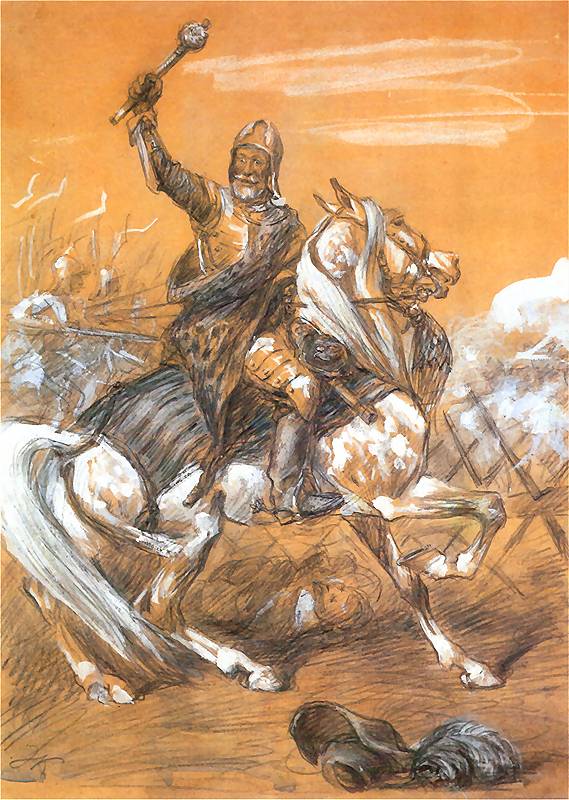
But Chodkiewicz only had few troops with him compared to the Swedish. He did not receive proper support from his government but nevertheless managed to regain some important fortresses and won some impressive smaller battles against Swedish where he was outnumbered.
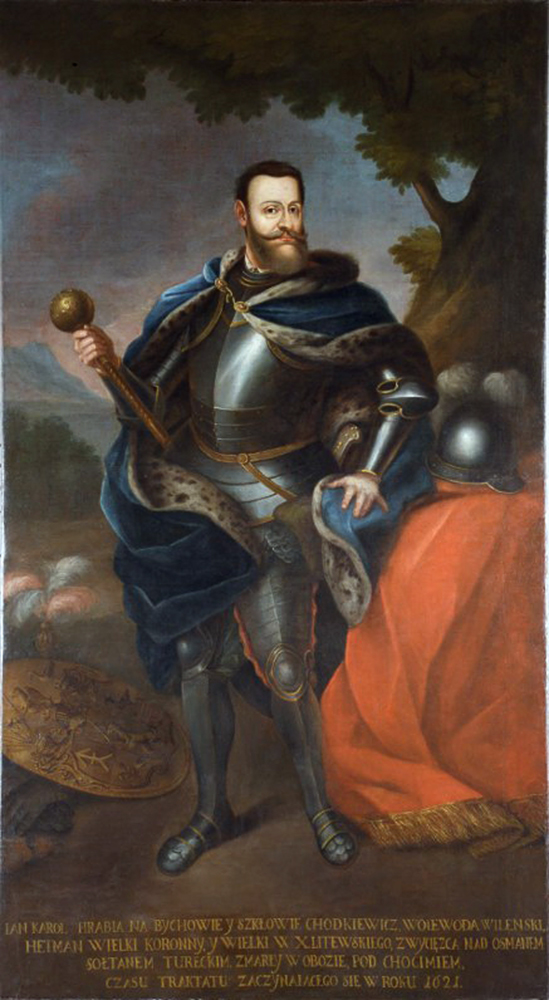
Kircholm would be the biggest battle yet. It happened in September of 1605 following the Swedish siege of Riga.
Chodkiewicz tried to relieve the garrison at Riga but found out about Swedish reinforcements led by King Charles IV himself arriving.
Chodkiewicz tried to relieve the garrison at Riga but found out about Swedish reinforcements led by King Charles IV himself arriving.
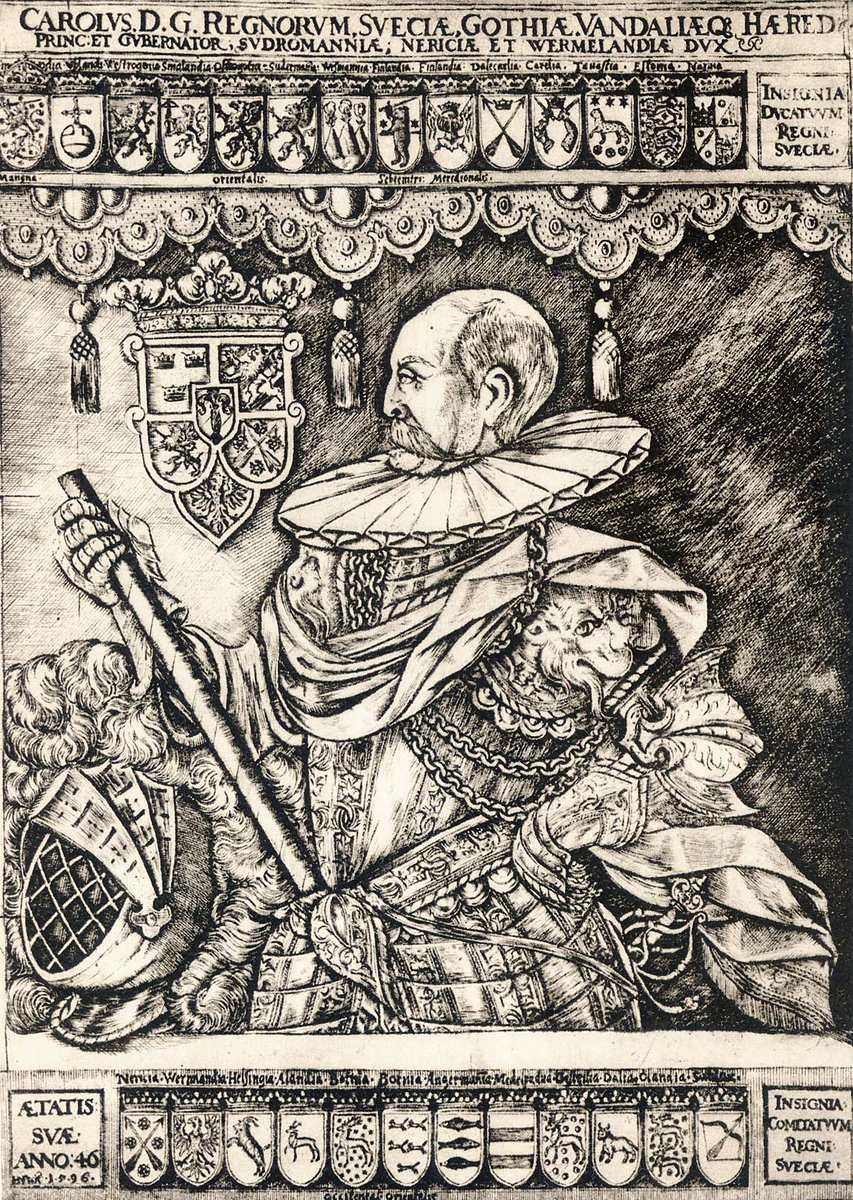
Chodkiewicz only had around 3500 troops while the Swedish had more than 10000 men at that point.
Chodkiewicz's plan was to fight only part of Swedish forces but he was unable to prevent them from joining.
Meanwhile King Charles IX found out about Chodkiewicz's army in vicinity.
Chodkiewicz's plan was to fight only part of Swedish forces but he was unable to prevent them from joining.
Meanwhile King Charles IX found out about Chodkiewicz's army in vicinity.
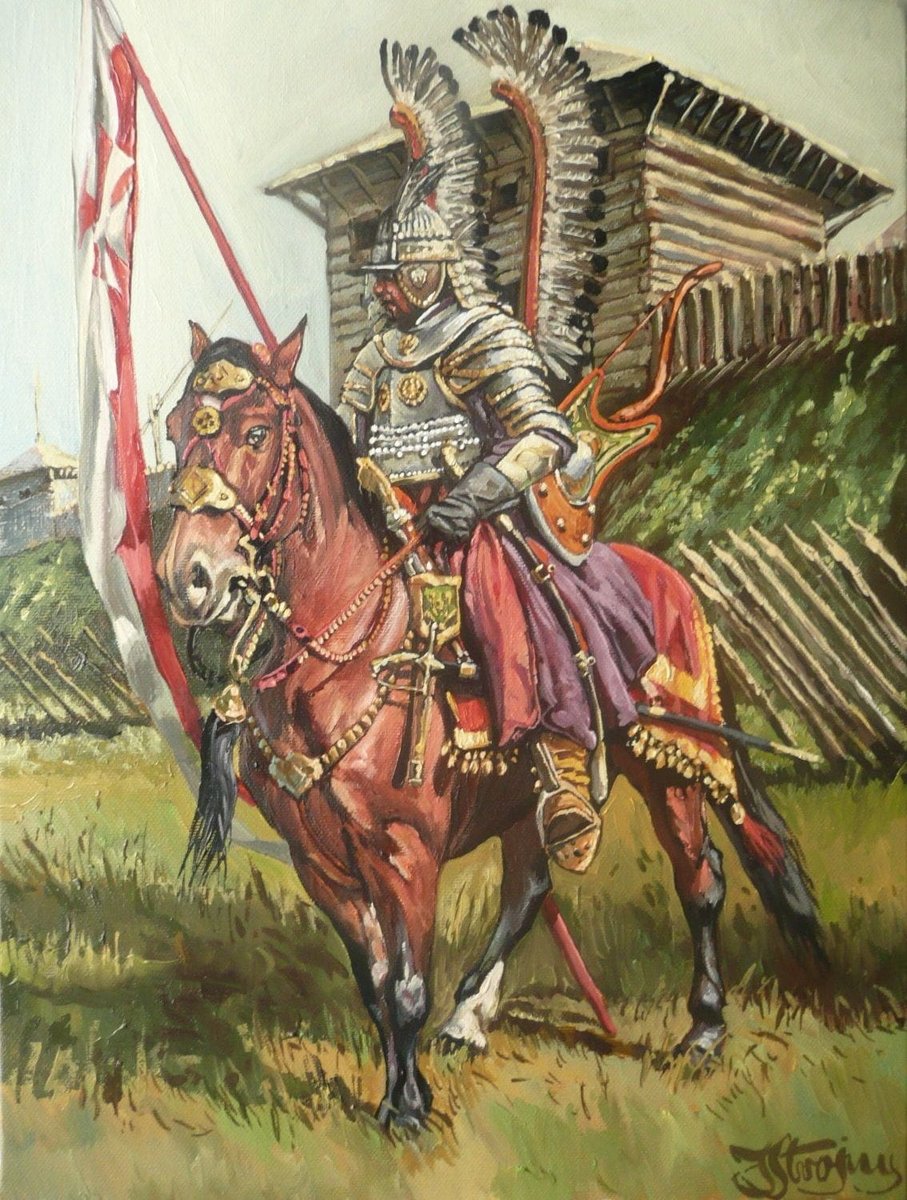
Charles IX decided to move almost his entire army from the siege of Riga to attack Chodkiewicz's force.
Confident in his superior numbers, his plan was to destroy the Polish-Lithuanian army in vicinity as soon as possible.
The two armies would soon meet at Kircholm.
Confident in his superior numbers, his plan was to destroy the Polish-Lithuanian army in vicinity as soon as possible.
The two armies would soon meet at Kircholm.
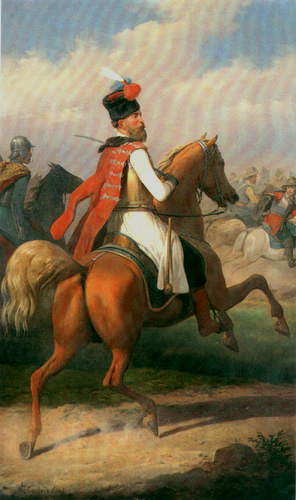
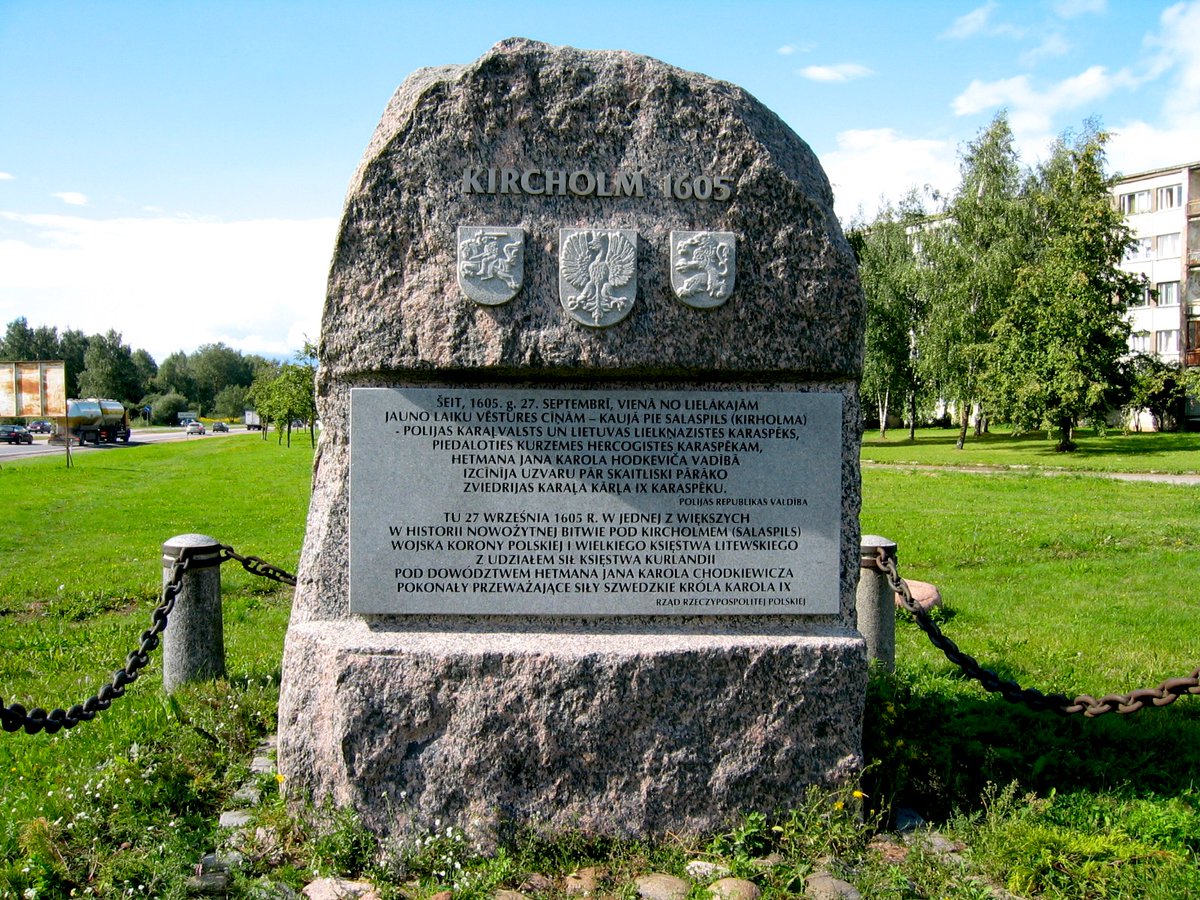
The army of Charles IX occupied a position on a hill. Chodkiewicz likewise situated his forces on opposite hills.
Both armies had good initial positions and neither was eager to advance down the slope.
The two armies were also had very different units and different tactics.
Both armies had good initial positions and neither was eager to advance down the slope.
The two armies were also had very different units and different tactics.
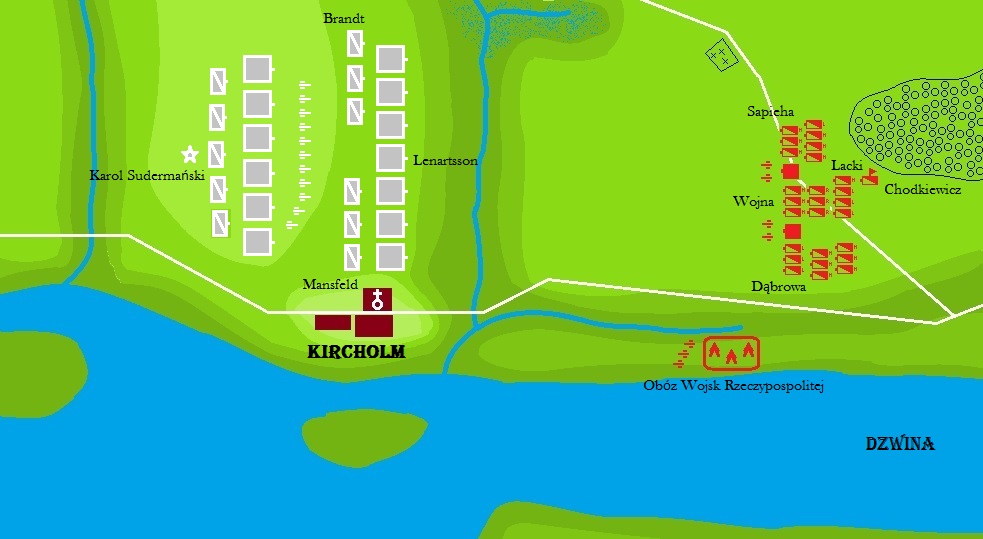
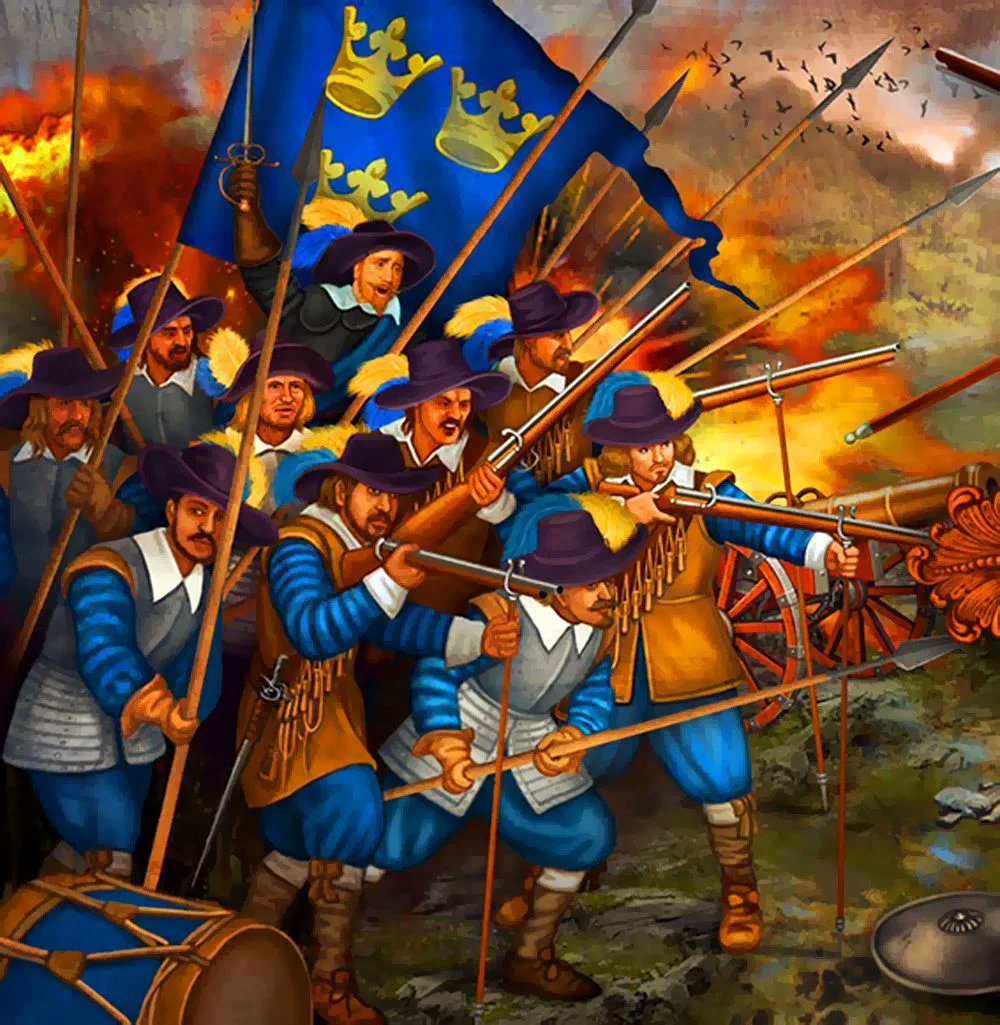
The 10,000 strong Swedish army was largely composed of infantry. The cavalry to infantry ratio was 1:4.
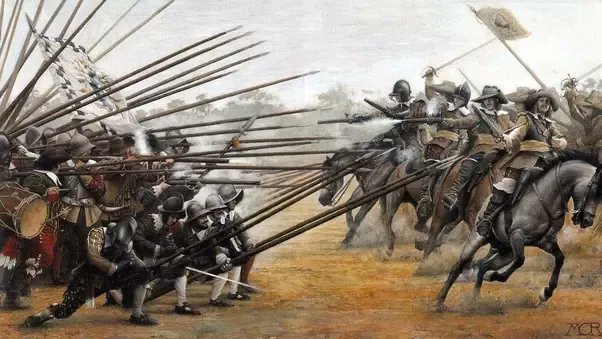
Following contemporary "pike and shot" model, infantry was arranged in blocks of pikemen and musketeers in checkerboard formation, with spaces in between for cavalry charges.
Following contemporary "pike and shot" model, infantry was arranged in blocks of pikemen and musketeers in checkerboard formation, with spaces in between for cavalry charges.
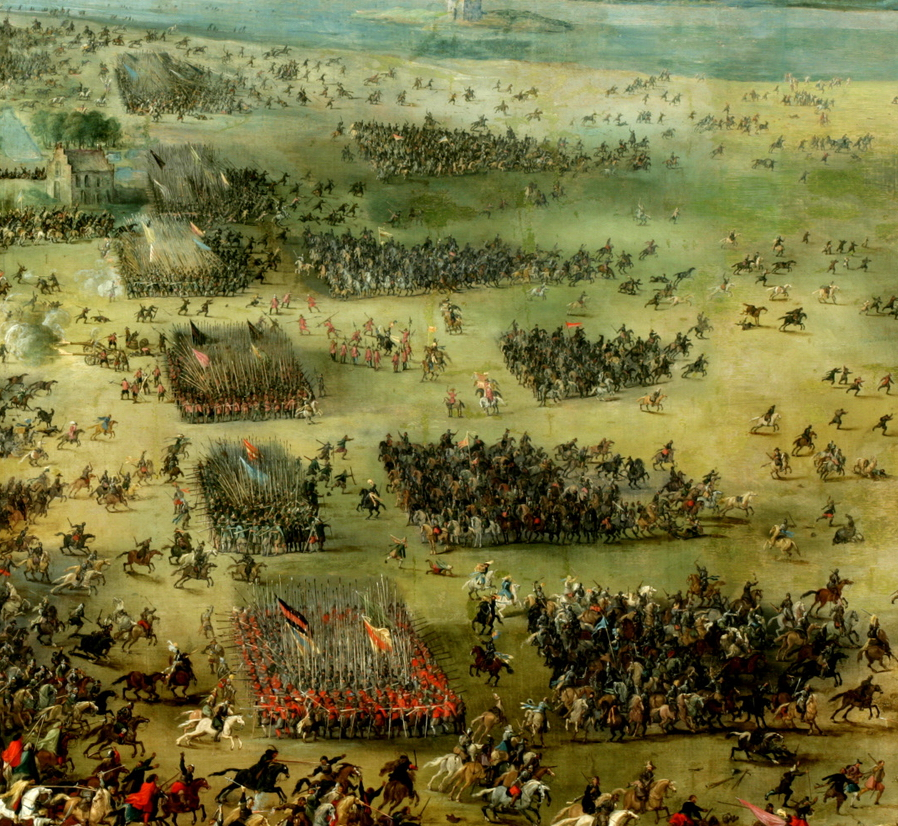
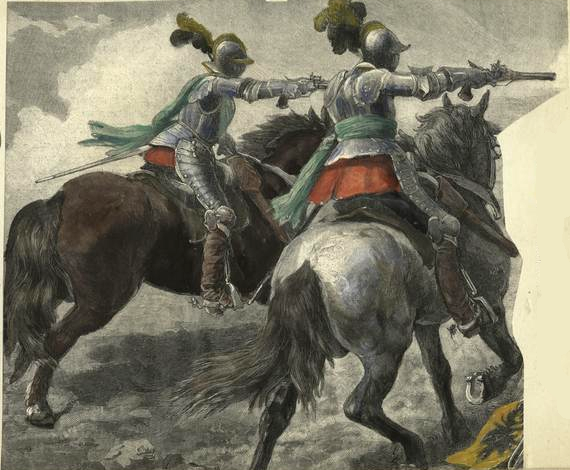
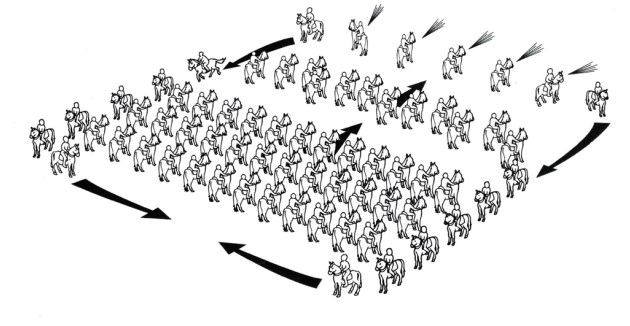
The Swedish cavalry consisted mainly of reiters, pistol armed heavy cavalry.
The reiters could both charge at infantry and fight in melees with other cavalry, or fire at infantry blocks with their pistols in a "caracole" formation.
The reiters could both charge at infantry and fight in melees with other cavalry, or fire at infantry blocks with their pistols in a "caracole" formation.
Meanwhile around 3400 men strong Polish-Lithuanian Commonwealth army was largely cavalry, with 2400 cavalrymen and 1000 infantrymen.
They also had only 5 cannons compared to 11 on the Swedish side.
They were heavily outnumbered by the Swedes.
They also had only 5 cannons compared to 11 on the Swedish side.
They were heavily outnumbered by the Swedes.

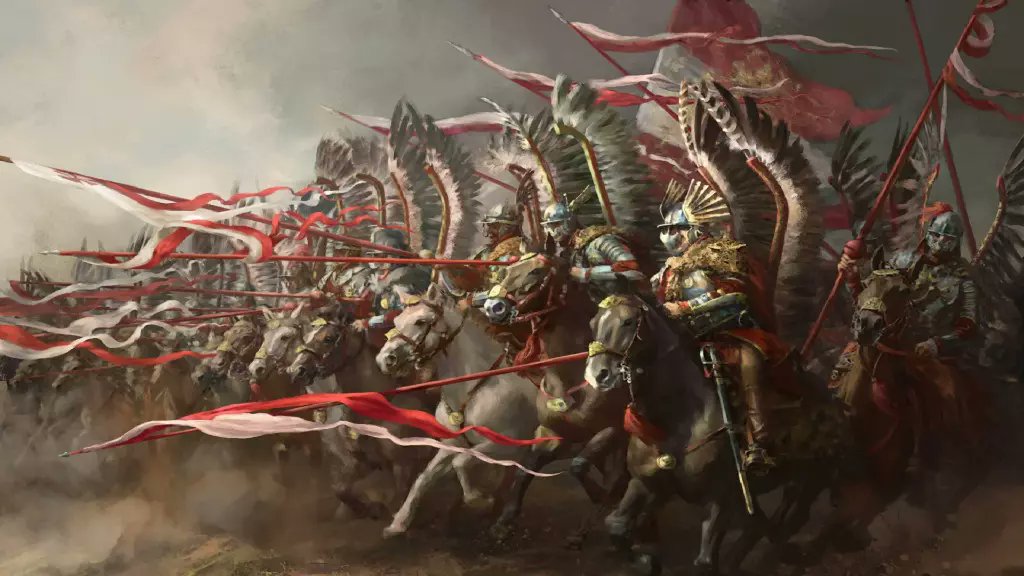
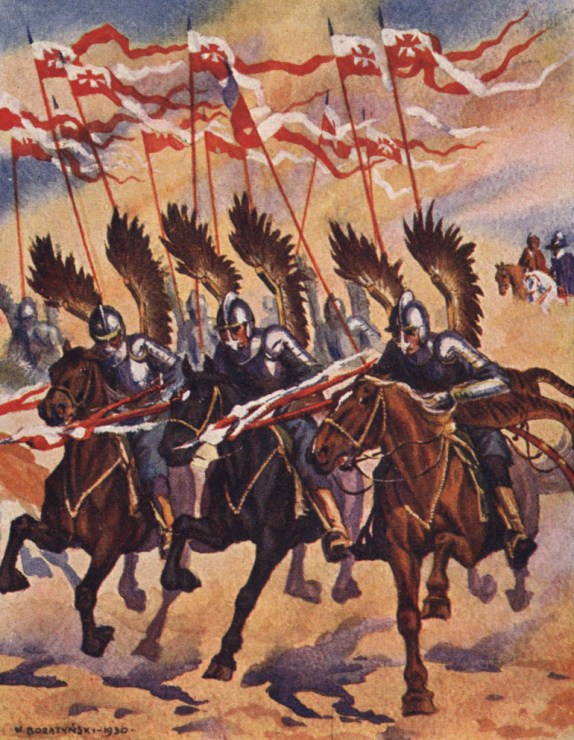
The most important part of the Commonwealth cavalry were the famed hussars, a versatile armored cavalry unit that had a variety of weapons.
The hussars could charges with lances, or use sabers and pistols from close range.
They were elite units and greatly feared.
The hussars could charges with lances, or use sabers and pistols from close range.
They were elite units and greatly feared.
But there were also other units in the Polish-Lithuanian army that played an important role.
There was also light cavalry composed of Tatar and Cossack mercenaries. Infantry also played a role. It was armed with muskets but unlike the Swedish army there were no pikemen.
There was also light cavalry composed of Tatar and Cossack mercenaries. Infantry also played a role. It was armed with muskets but unlike the Swedish army there were no pikemen.
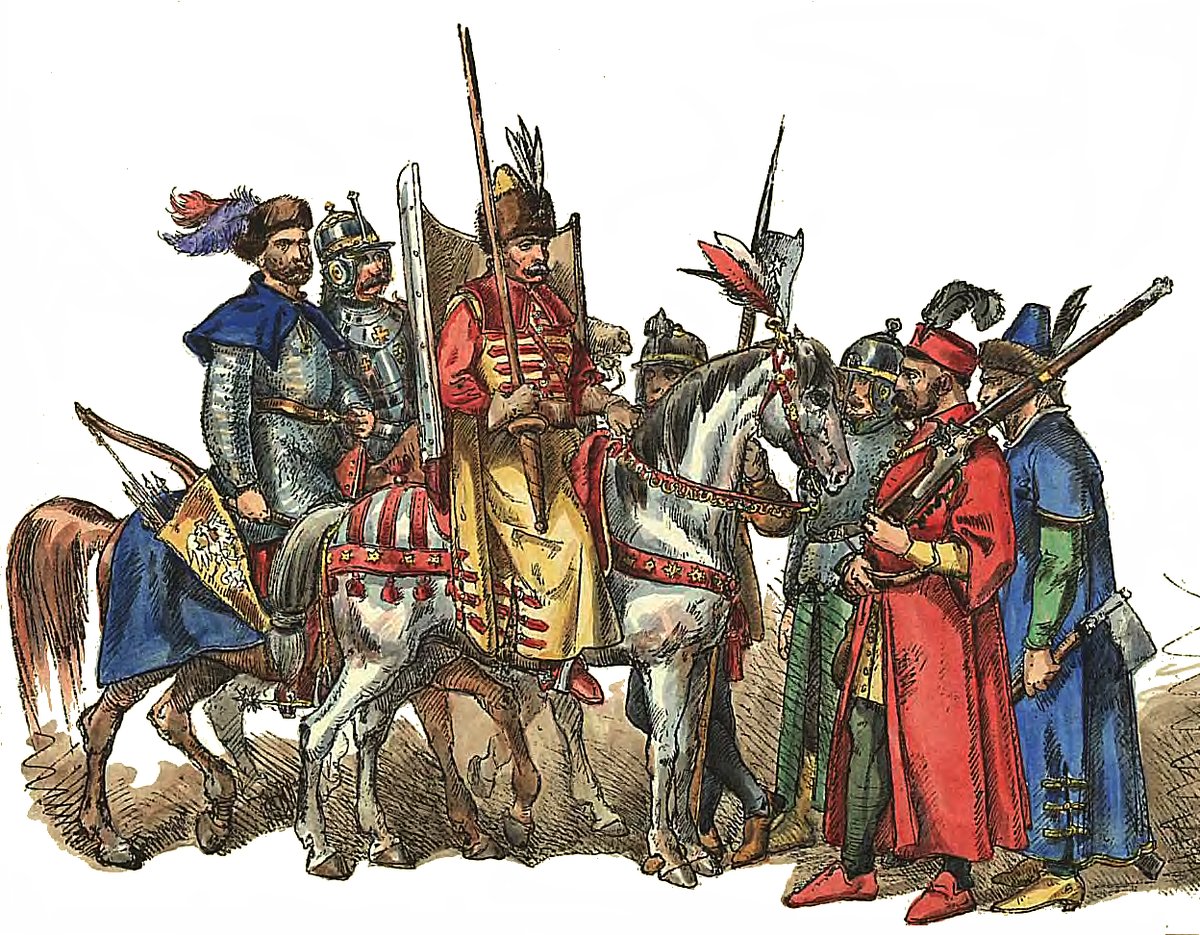
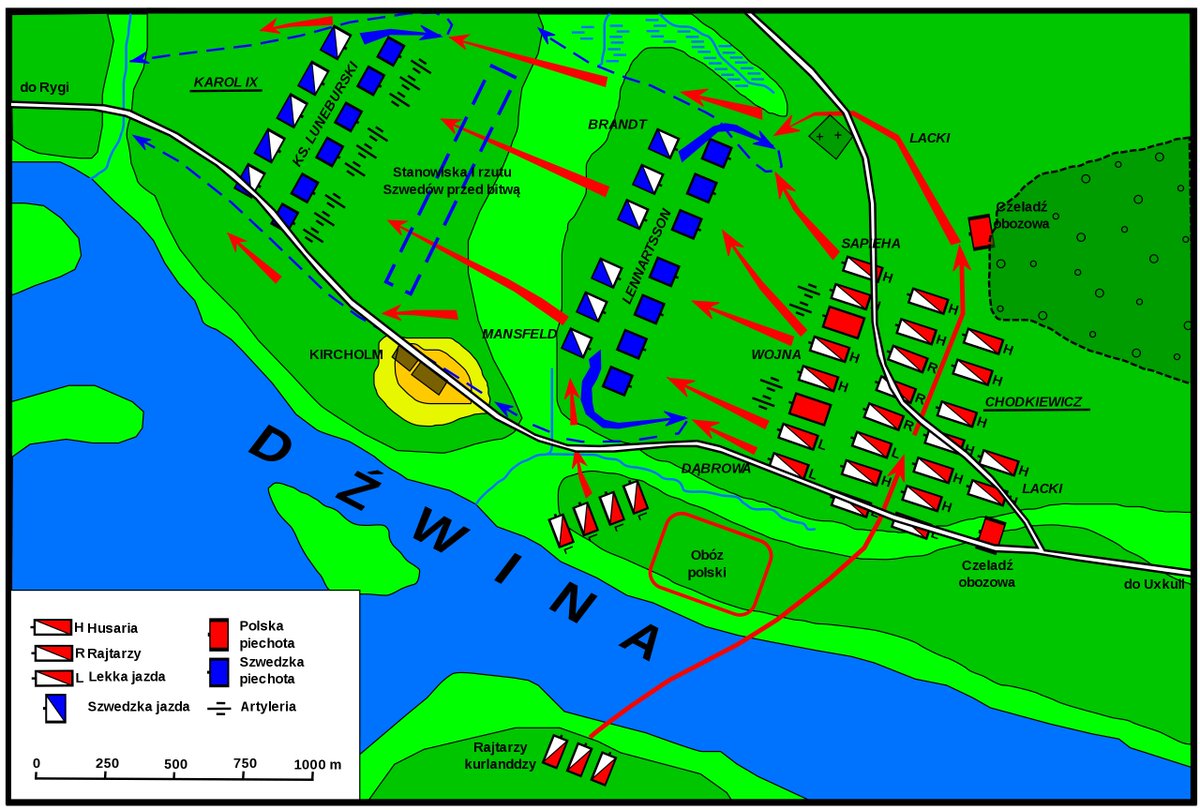
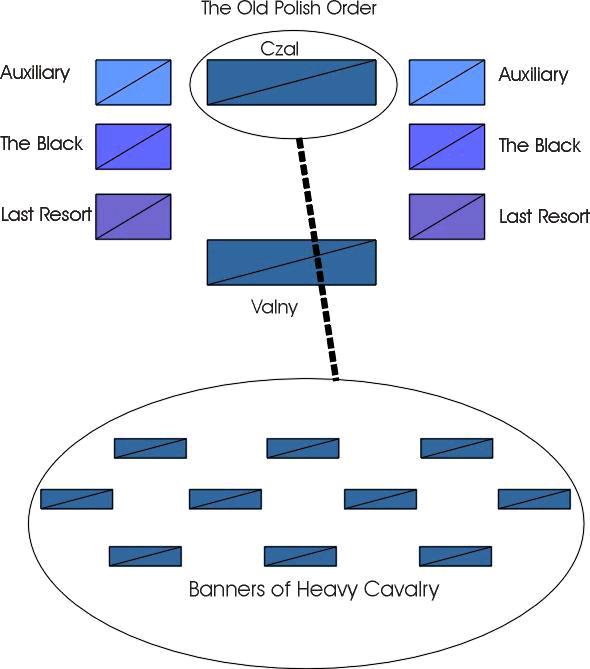
The Commonwealth army was arranged in what was called "the old Polish order".
The heaviest most elite cavalry was in the center to wait to deliver the decisive blow, while lighter shock cavalry was on the wings.
At Kircholm, Chodkiewicz tactically overloaded the left wing.
The heaviest most elite cavalry was in the center to wait to deliver the decisive blow, while lighter shock cavalry was on the wings.
At Kircholm, Chodkiewicz tactically overloaded the left wing.
The Battle of Kircholm is seen as a clash of styles, the Swedes relying on the western pike and shot infantry against the more mobile Commonwealth cavalry.
But the result of the battle was not so much a result of superiority of one style but how badly the Swedes executed it.
But the result of the battle was not so much a result of superiority of one style but how badly the Swedes executed it.
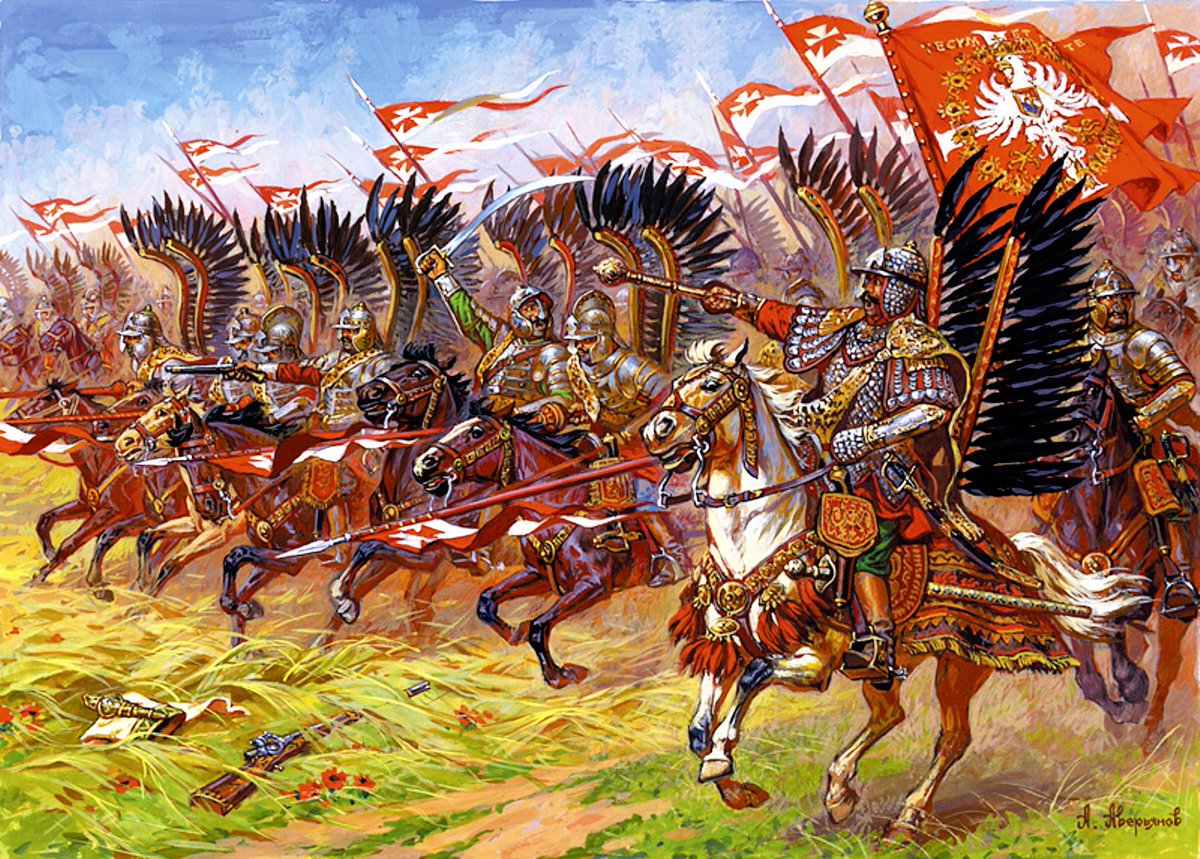
As both armies deployed, the battle essentially became a stalemate from the beginning as neither wanted to leave the superior position.
The Commonwealth army tried to harass and lure the Swedes to abandon their position, but the Swedish infantry remained firm.
The Commonwealth army tried to harass and lure the Swedes to abandon their position, but the Swedish infantry remained firm.
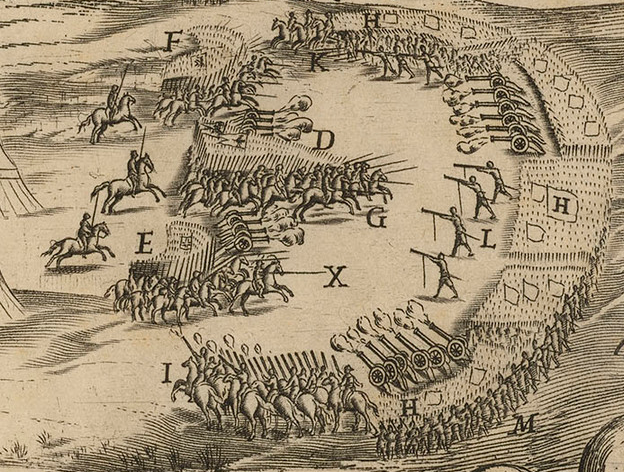
Seeing that there was no point in this tactic, Chodkiewicz ordered his army to move.
And here the aggressive and overconfident Swedes made the big mistake of pursuing the retreating enemy army, finally abandoning their position on the hill as part of Swedish army moved down.
And here the aggressive and overconfident Swedes made the big mistake of pursuing the retreating enemy army, finally abandoning their position on the hill as part of Swedish army moved down.
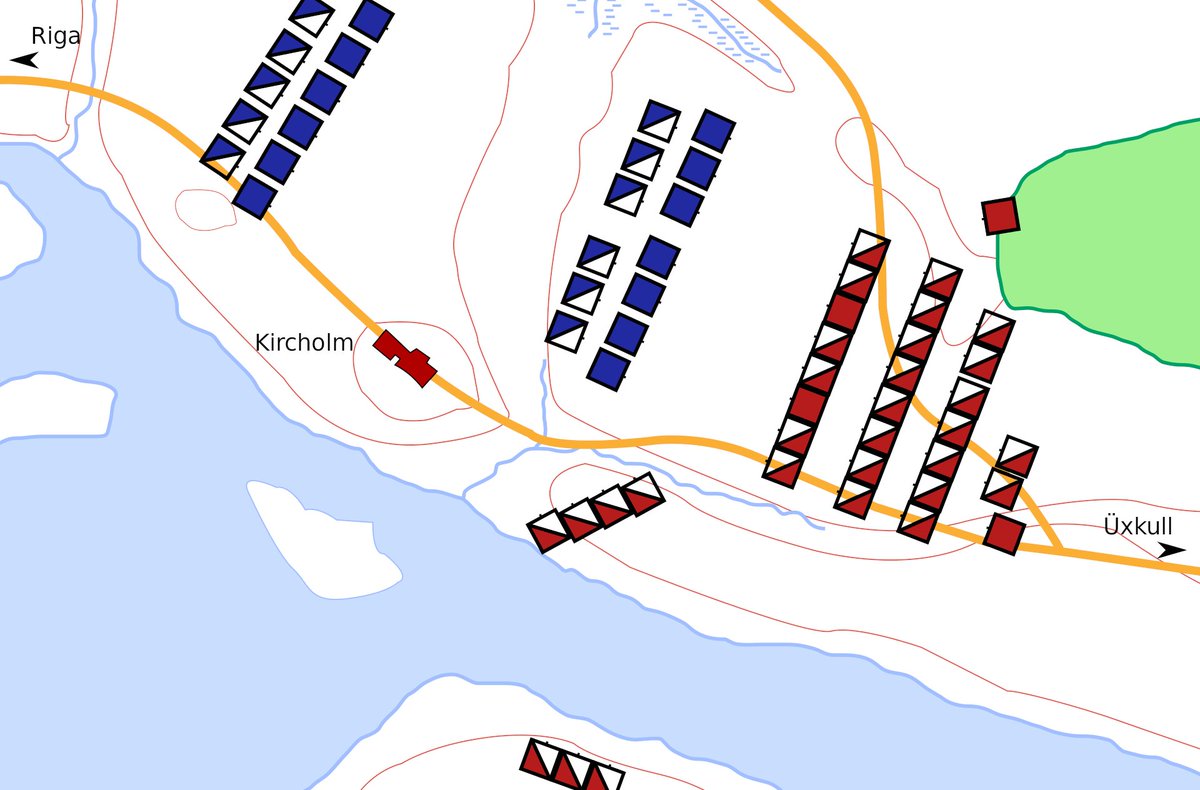
The Swedes advanced to the bottom of the slope, covering the infantry with cavalry on the flanks.
The Commonwealth army saw the opportunity and charged at Swedish cavalry from both wings!
Fierce fighting ensued between both cavalries, where the Polish-Lithuanians had the edge.
The Commonwealth army saw the opportunity and charged at Swedish cavalry from both wings!
Fierce fighting ensued between both cavalries, where the Polish-Lithuanians had the edge.
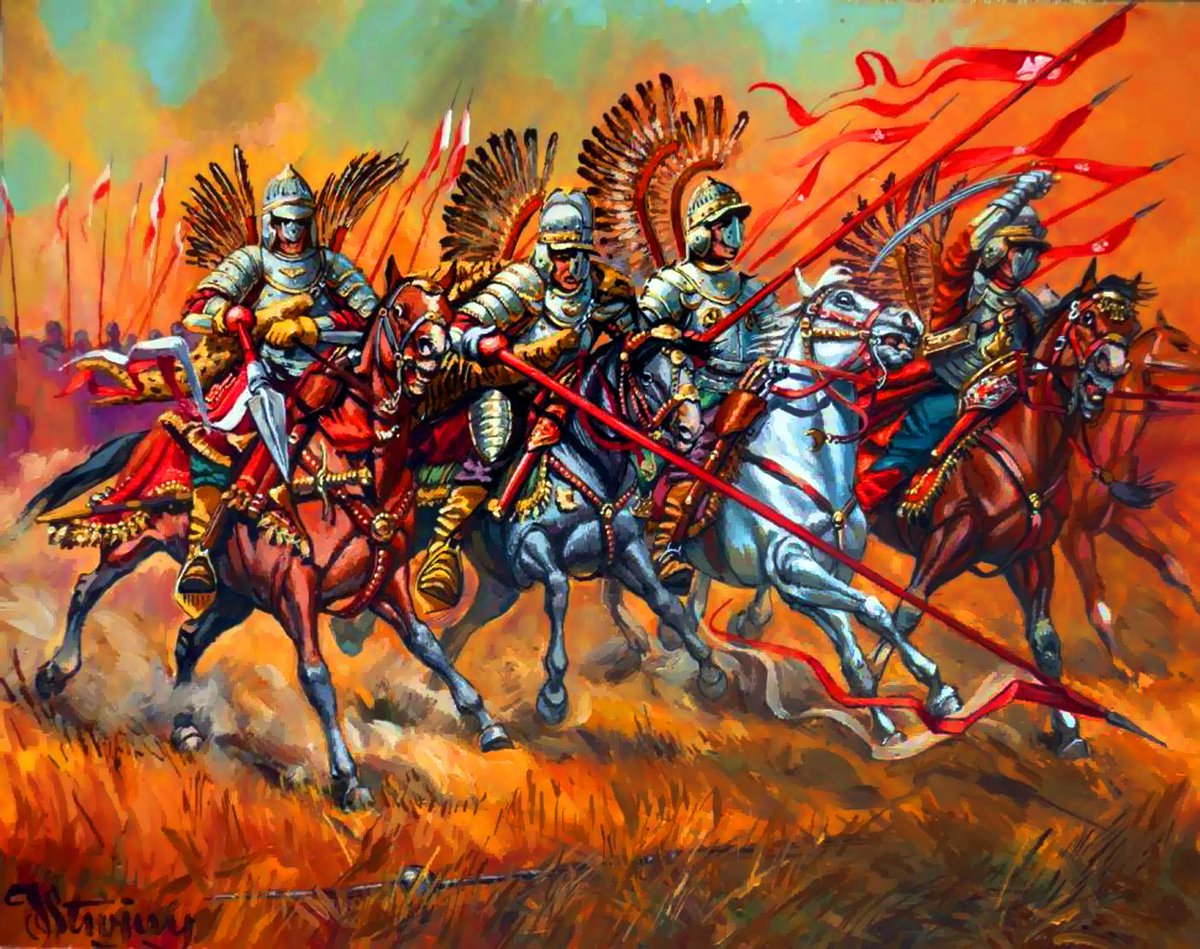
The threat of hussar charge also kept the Swedish infantry pinned down in defensive formation.
This made it exposed to cannon fire and muskets from the Polish-Lithuanian infantry.
The battle was soon turning into a disaster for the Swedes as their cavalry began to collapse.
This made it exposed to cannon fire and muskets from the Polish-Lithuanian infantry.
The battle was soon turning into a disaster for the Swedes as their cavalry began to collapse.
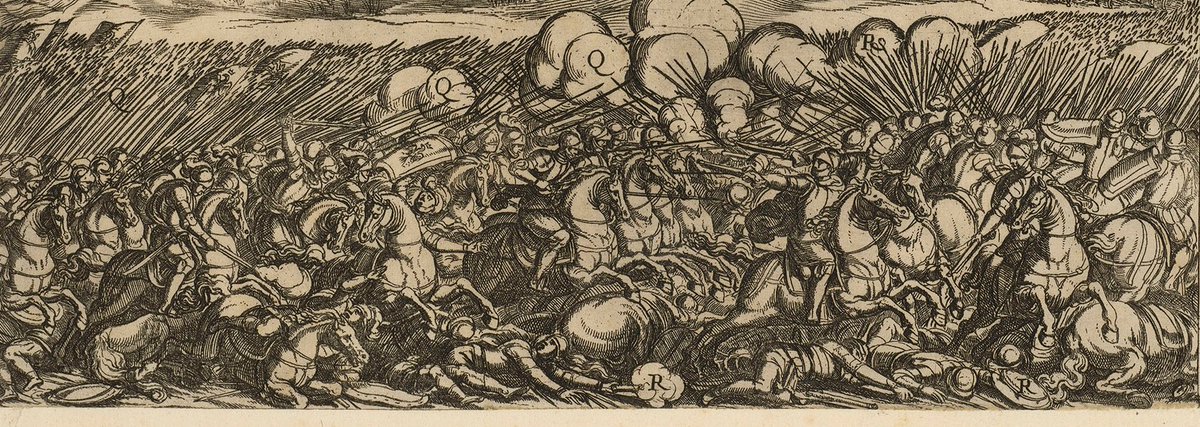
The Swedish reiter cavalry was no match for hussar cavalry charges!
It stood in a deep formation which weakened its options offensively, and was a rather easy prey for aggressive Polish cavalry tactics.
Swedish right wing collapsed first and was put to rout.
It stood in a deep formation which weakened its options offensively, and was a rather easy prey for aggressive Polish cavalry tactics.
Swedish right wing collapsed first and was put to rout.
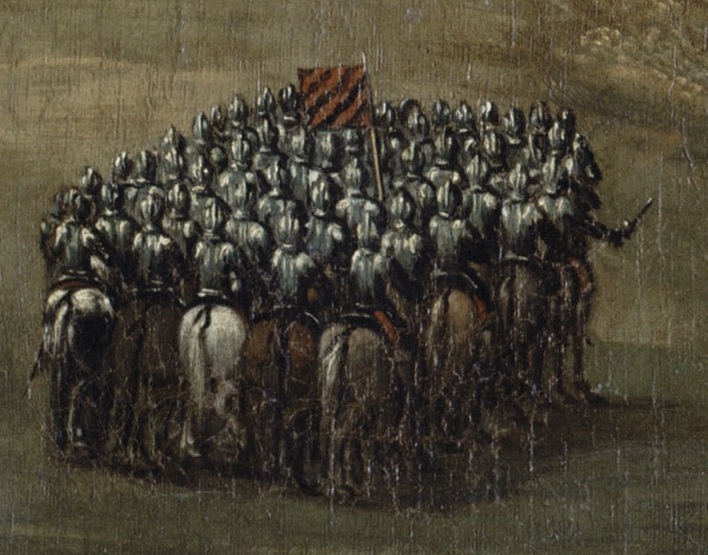
That was also because Chodkiewicz overloaded his left wing. The right wing was weaker and he had to personally join in with his reserves. Eventually the Swedish cavalry was routed there too.
Swedish infantry was now in a desperate position, surrounded by enemy cavalry.
Swedish infantry was now in a desperate position, surrounded by enemy cavalry.
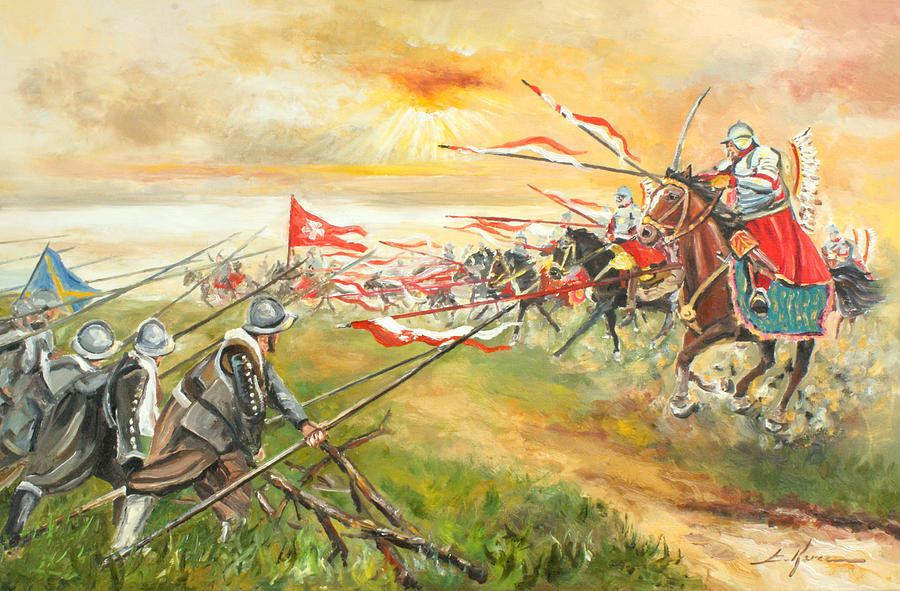
The battle soon turned into a total defeat for the Swedes when infantry finally collapsed and routed.
The victorious hussars showed no mercy and hunted down and killed the fleeing enemy infantrymen.
Chodkiewicz stayed true to his motto "Kill first, calculate afterwards".
The victorious hussars showed no mercy and hunted down and killed the fleeing enemy infantrymen.
Chodkiewicz stayed true to his motto "Kill first, calculate afterwards".
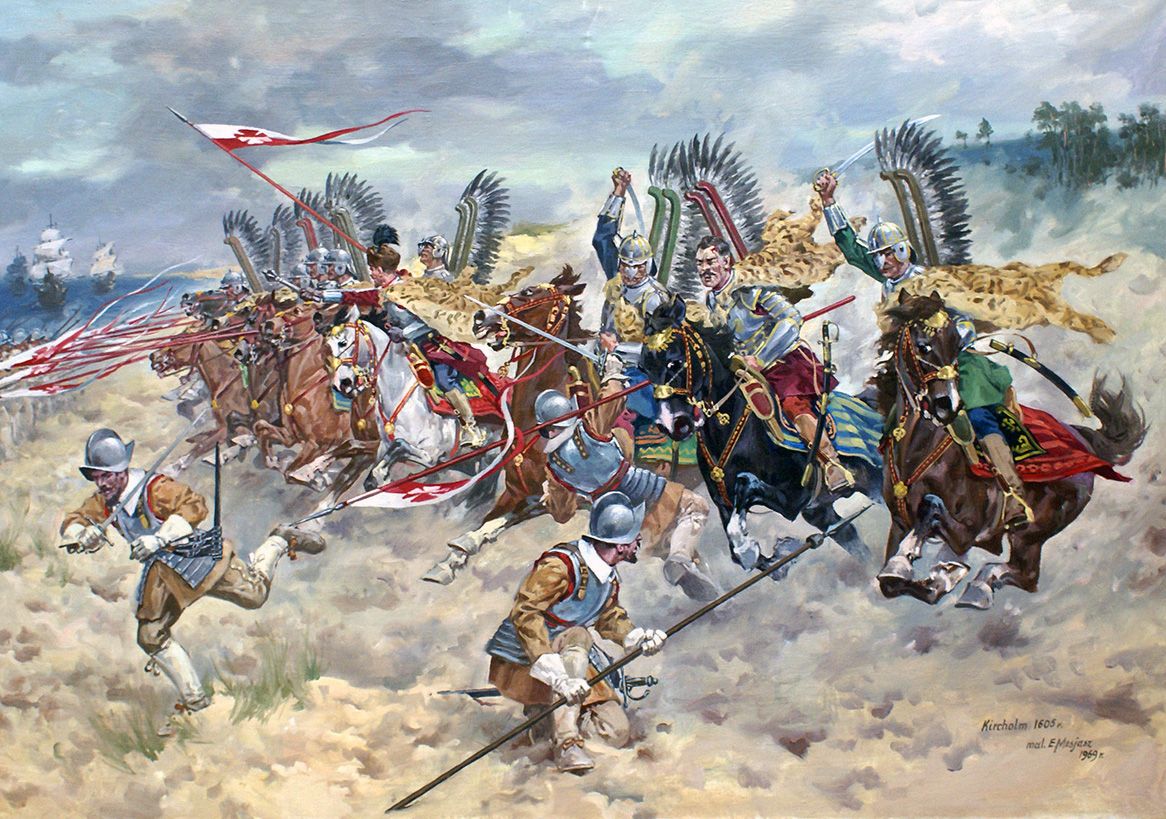
The casualties for the Swedes were enormous.
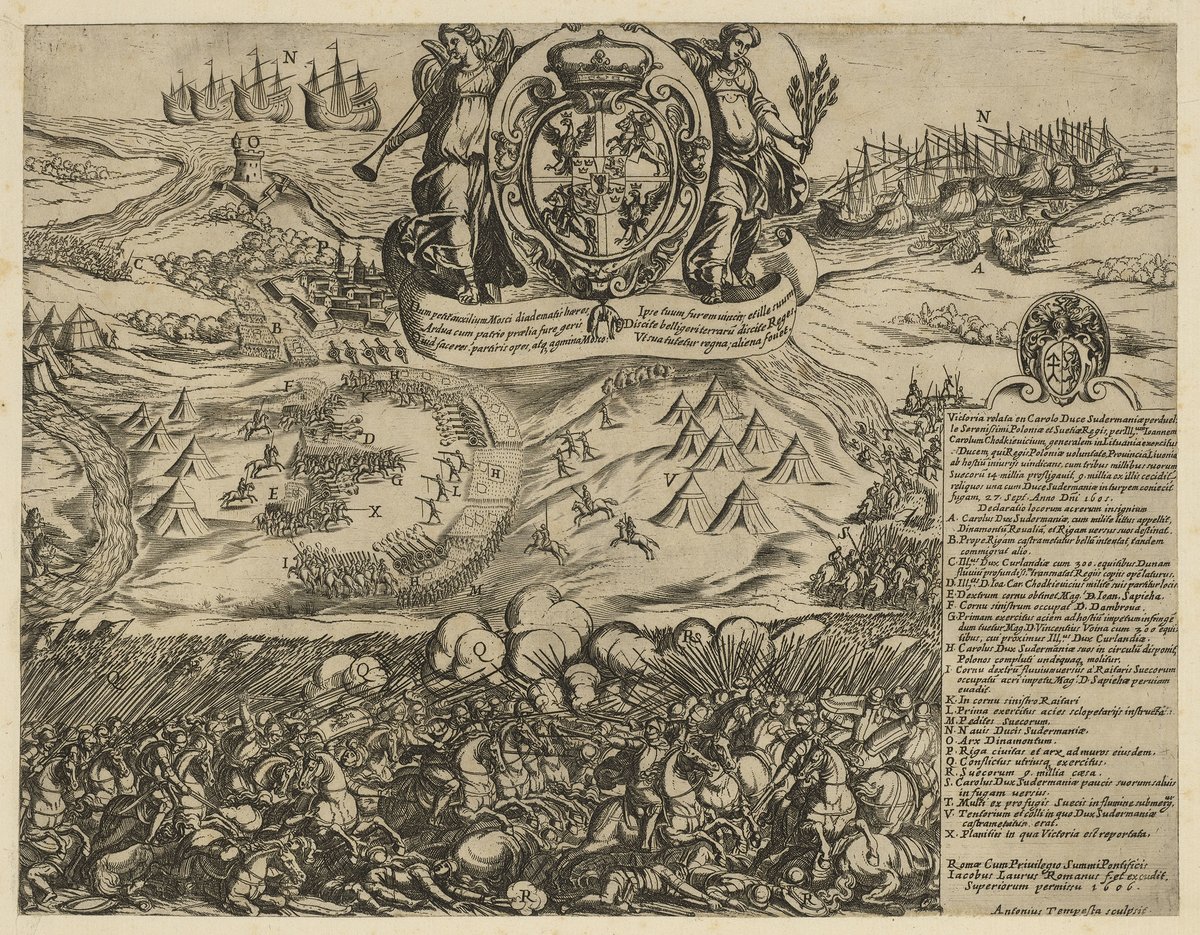
Around 8000 Swedes died while the victorious Polish-Lithuanian army only lost around 100 men.
"In future centuries the victory will be marvelled at, rather than actually believed" commented Jakub Sobieski, father of future king.
Around 8000 Swedes died while the victorious Polish-Lithuanian army only lost around 100 men.
"In future centuries the victory will be marvelled at, rather than actually believed" commented Jakub Sobieski, father of future king.
Loading suggestions...