
Why did the famous Polish "Winged Hussars" have wings?
Where did the wings originate from and did they have any practical purpose? 🧵
Where did the wings originate from and did they have any practical purpose? 🧵


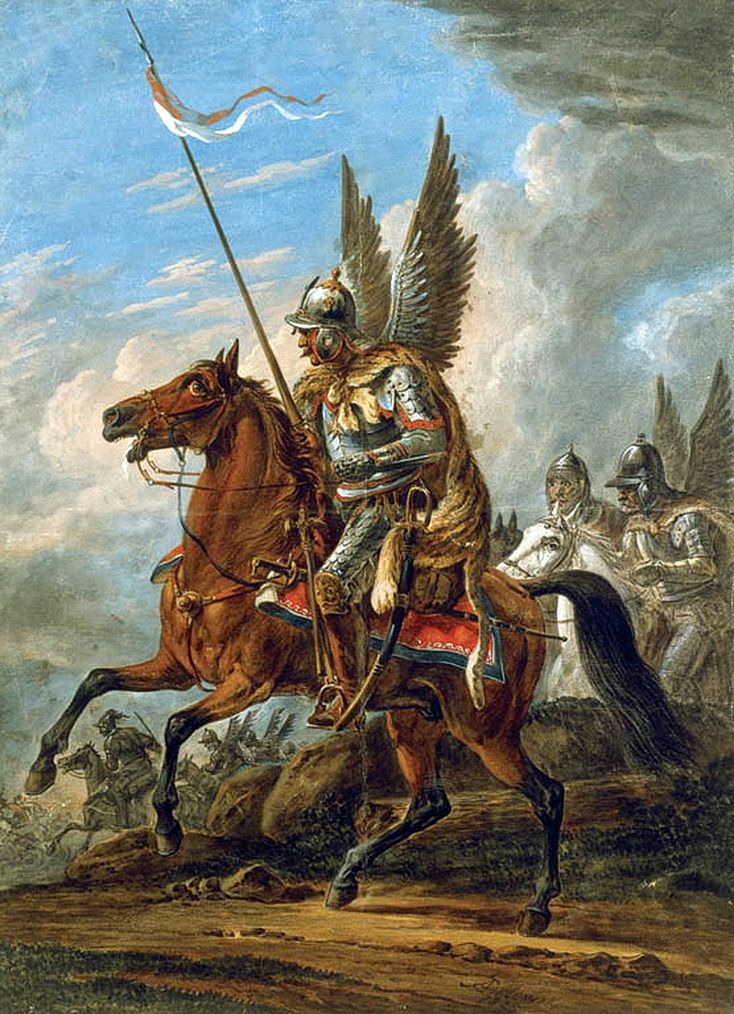
The Polish hussars became famous for their wings and are mostly depicted with wings attached to their back in modern portrayals of them.
But originally, wings were attached to shields, saddles or even to rider's arm!
Let's take a look at the evolution of hussar wings.
But originally, wings were attached to shields, saddles or even to rider's arm!
Let's take a look at the evolution of hussar wings.

Hussars were originally Serbian mercenaries from the Balkans.
They imitated the Ottoman light cavalry shock troops such as the feared delis and served for Hungarians in 15th century, most famously for the Black Army of Matthias Corvinus.
They imitated the Ottoman light cavalry shock troops such as the feared delis and served for Hungarians in 15th century, most famously for the Black Army of Matthias Corvinus.

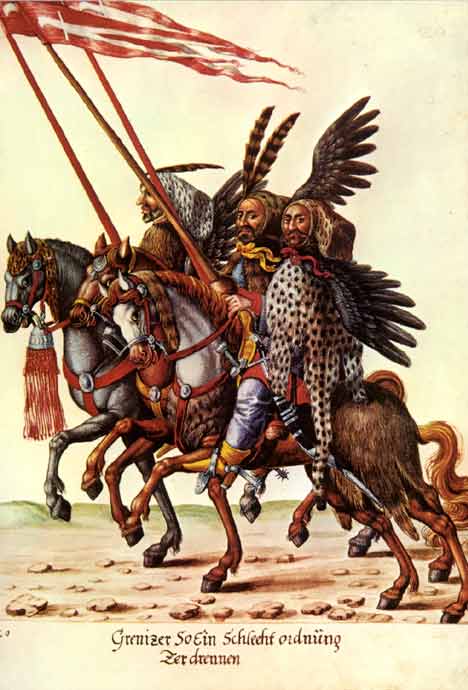
The Ottoman delis they wore the skins of wild animals and adorned themselves with the wings of birds of prey.
The hussars adopted such fashion and attached decorative wings from the feathers of wild birds on their shields. Unlike later Polish hussars they did yet not wear armor.
The hussars adopted such fashion and attached decorative wings from the feathers of wild birds on their shields. Unlike later Polish hussars they did yet not wear armor.
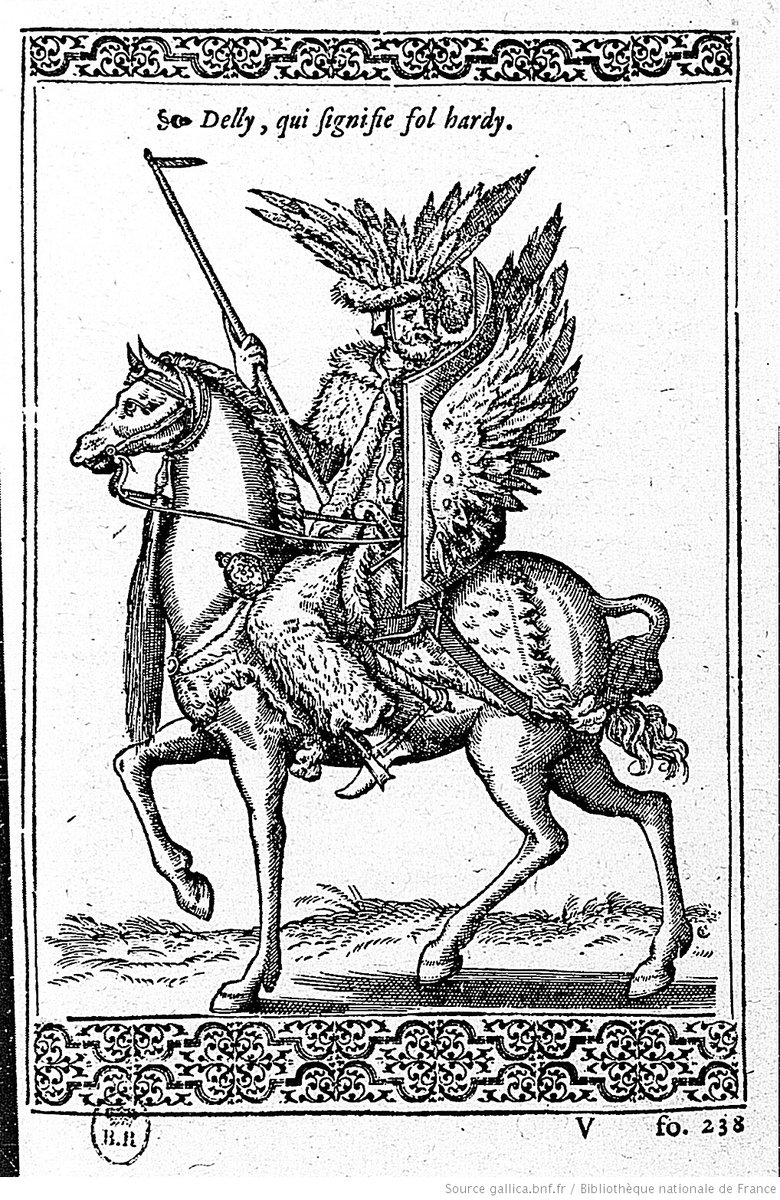
These Serbo-Hungarian hussars were first employed by the Poles in 1500.
The Poles would soon recruit hussars of their own, copying their style of war.
And apparently they also copied their ostentatious and exotic fashion.
The Poles would soon recruit hussars of their own, copying their style of war.
And apparently they also copied their ostentatious and exotic fashion.
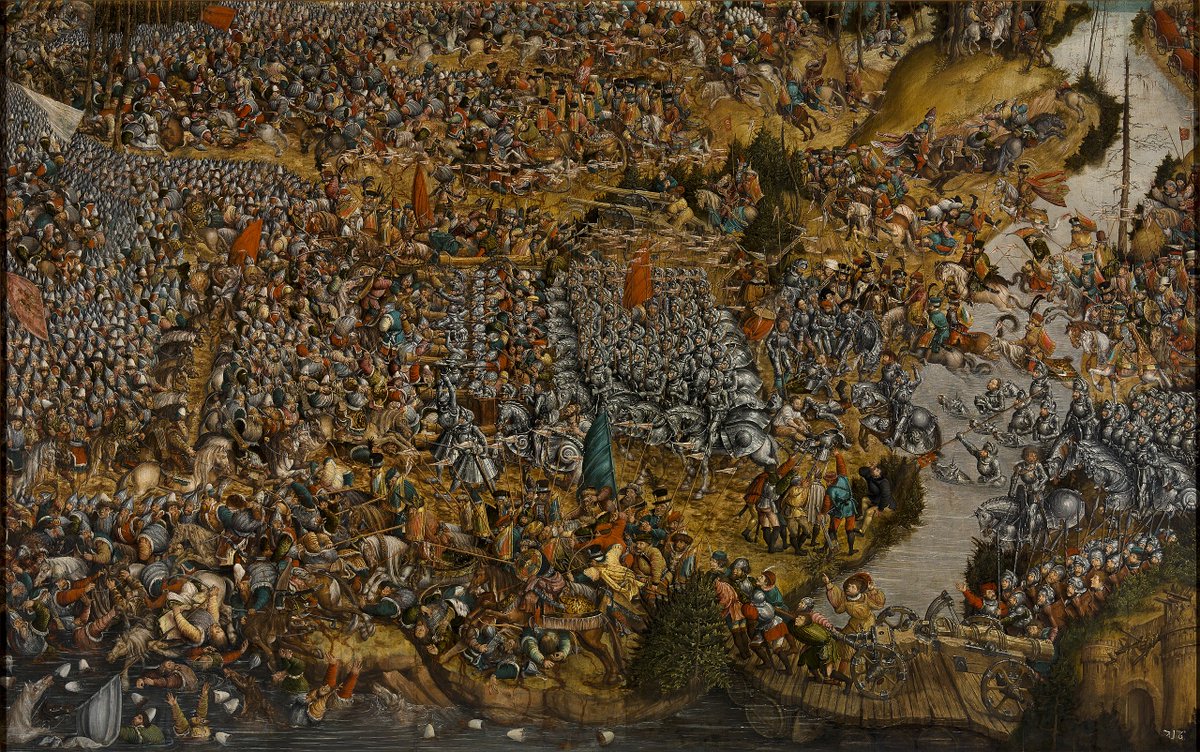
Over the course of 16th century, hussars would become the elite force of the Polish Crown recruited from Polish nobility.
They would evolve into a versatile military unit that could perform different functions on the battlefield, replacing the traditional heavy cavalry.
They would evolve into a versatile military unit that could perform different functions on the battlefield, replacing the traditional heavy cavalry.

Foreigners from Western Europe noted the curious appearance of Polish hussars.
In 1574 a Frenchman wrote how Polish hussars had a "custom of decorating themselves and their horses with large panaches, not of ostrich plumes like ours, but eagle's wings, striped with gold."
In 1574 a Frenchman wrote how Polish hussars had a "custom of decorating themselves and their horses with large panaches, not of ostrich plumes like ours, but eagle's wings, striped with gold."
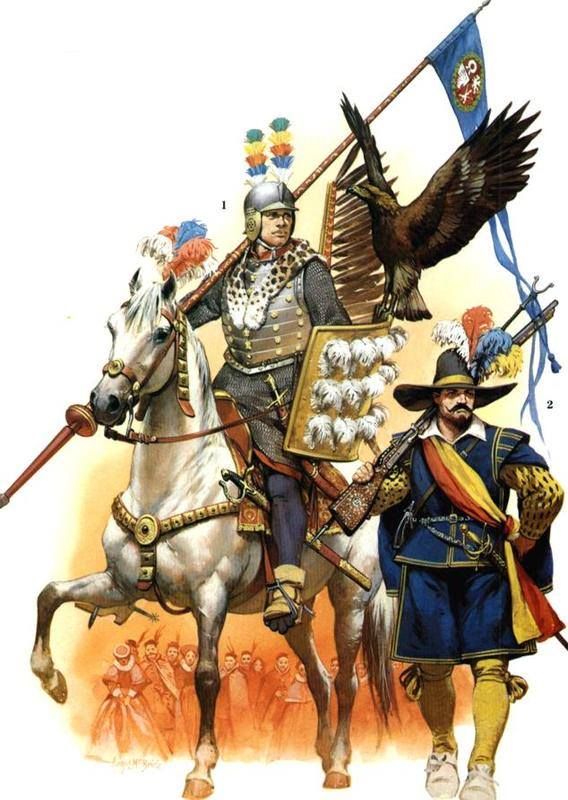
But as the hussars evolved militarily, their appearance changed too.
The hussars would eventually abandon wooden shields and began using armor.
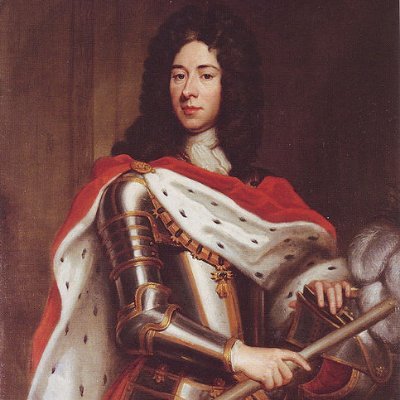
When Stephen Báthory became King of Poland in 1576, he standardized the hussars and transformed them into heavy shock cavalry.
The hussars would eventually abandon wooden shields and began using armor.
When Stephen Báthory became King of Poland in 1576, he standardized the hussars and transformed them into heavy shock cavalry.

By abolishing the shields Báthory removed the favorite locations for the hussar wings.
But he still required the use of "featherware" so the hussars had to find other places to place their wings.
They would start placing them at the back of the saddle or on their arm!
But he still required the use of "featherware" so the hussars had to find other places to place their wings.
They would start placing them at the back of the saddle or on their arm!
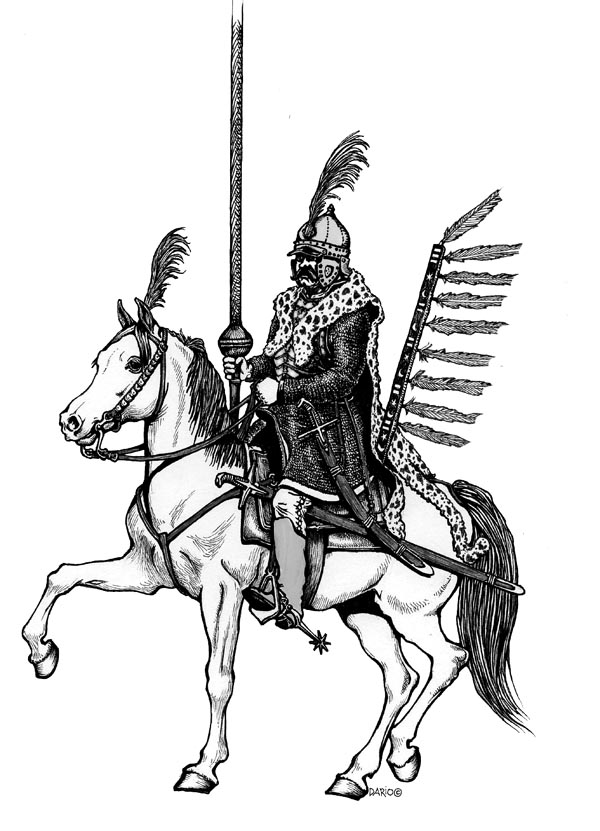
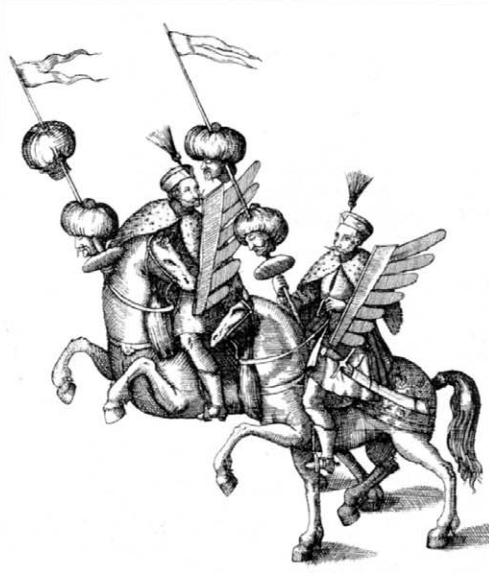
The wing was placed on the left side of the saddle where it would not interfere with the lance.
In the early 17th century, this was still the main type of hussar wings.
The first reference to the famous frame wings worn on the back comes only as late as 1635.
In the early 17th century, this was still the main type of hussar wings.
The first reference to the famous frame wings worn on the back comes only as late as 1635.
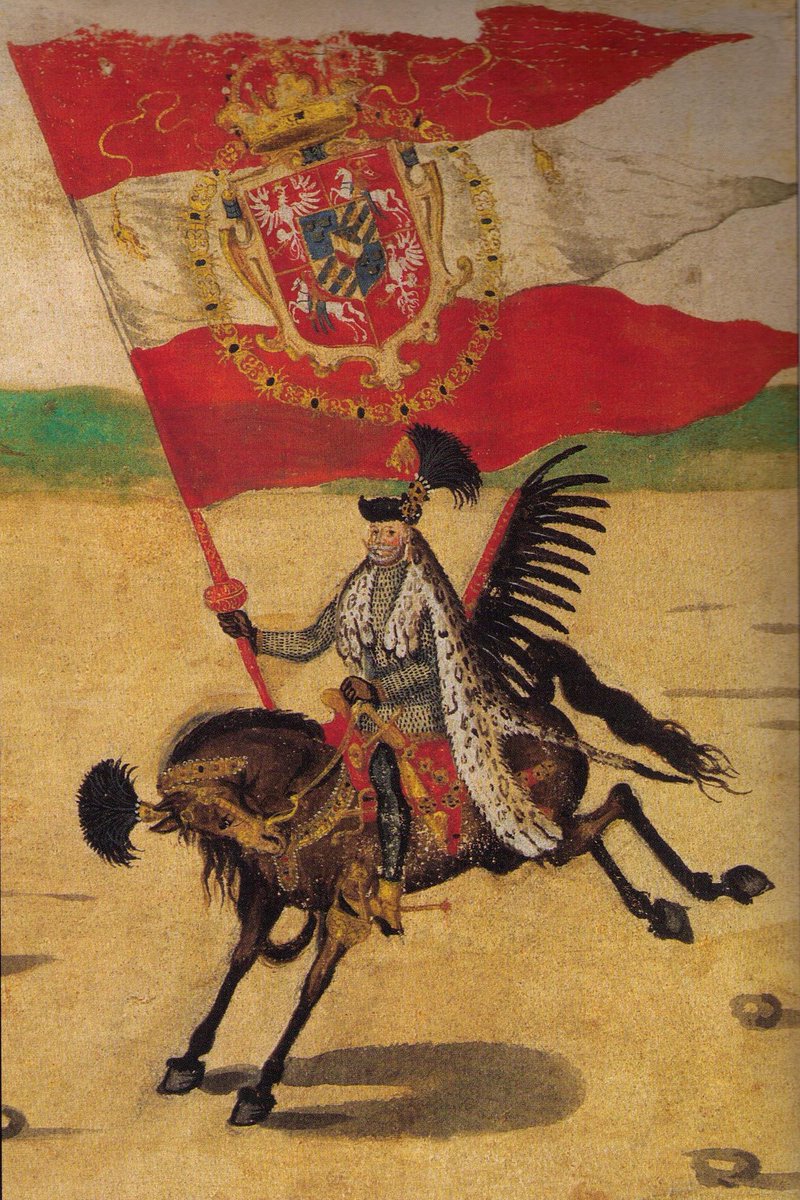
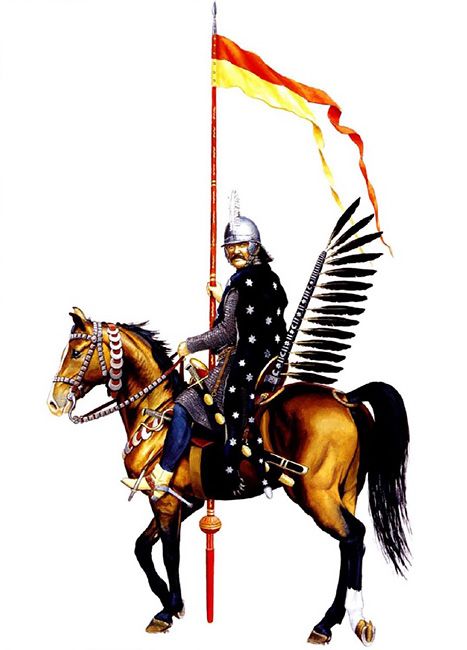
In 1635 French diplomat Charles Ogier was the first to write about the curious wings attached to the back.
"But it is difficult not to laugh at the sight of the long wings attached at their backs, which, they claim, scare the enemy horses and throw the enemy into retreat."
"But it is difficult not to laugh at the sight of the long wings attached at their backs, which, they claim, scare the enemy horses and throw the enemy into retreat."
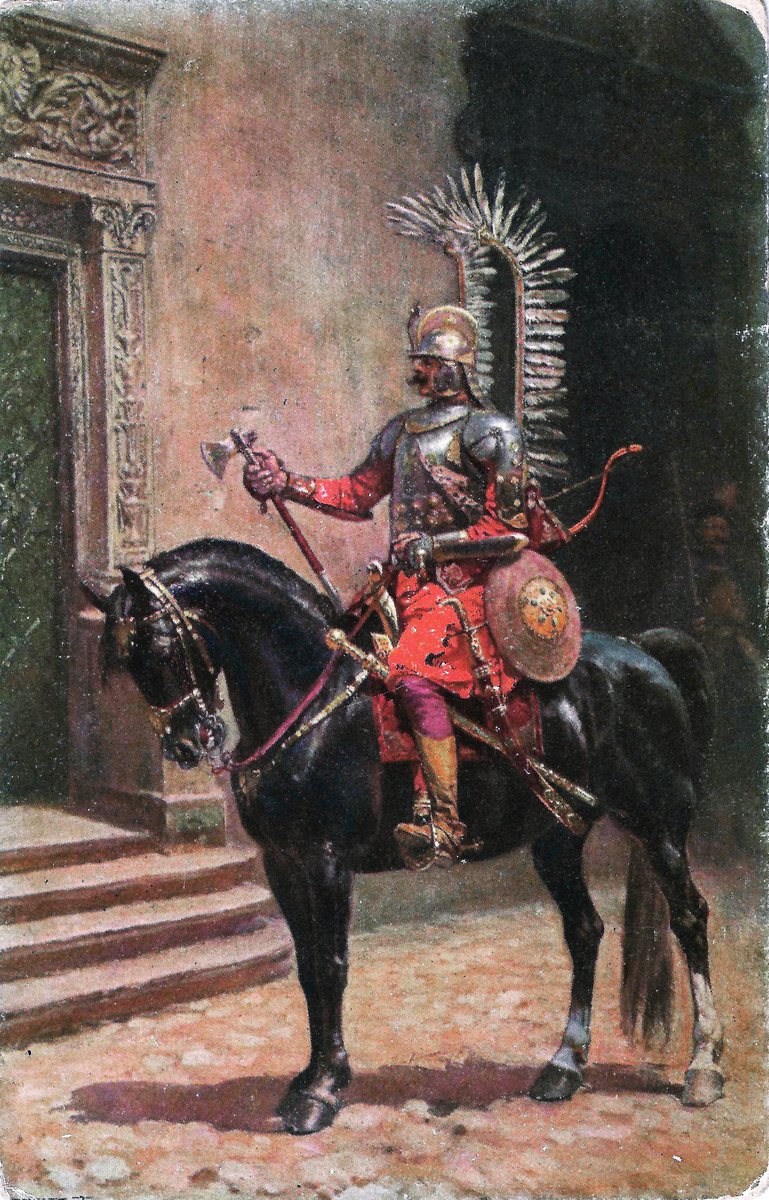
The first illustration of a back-mounted frame wing is from a sketch of the 1645 ceremonial entry into Paris of a Polish delegation.
The hussar depicted is Colonel Krzysztof Szczodrowski who led the ambassador's "honor guard of gentlemen"!
The hussar depicted is Colonel Krzysztof Szczodrowski who led the ambassador's "honor guard of gentlemen"!
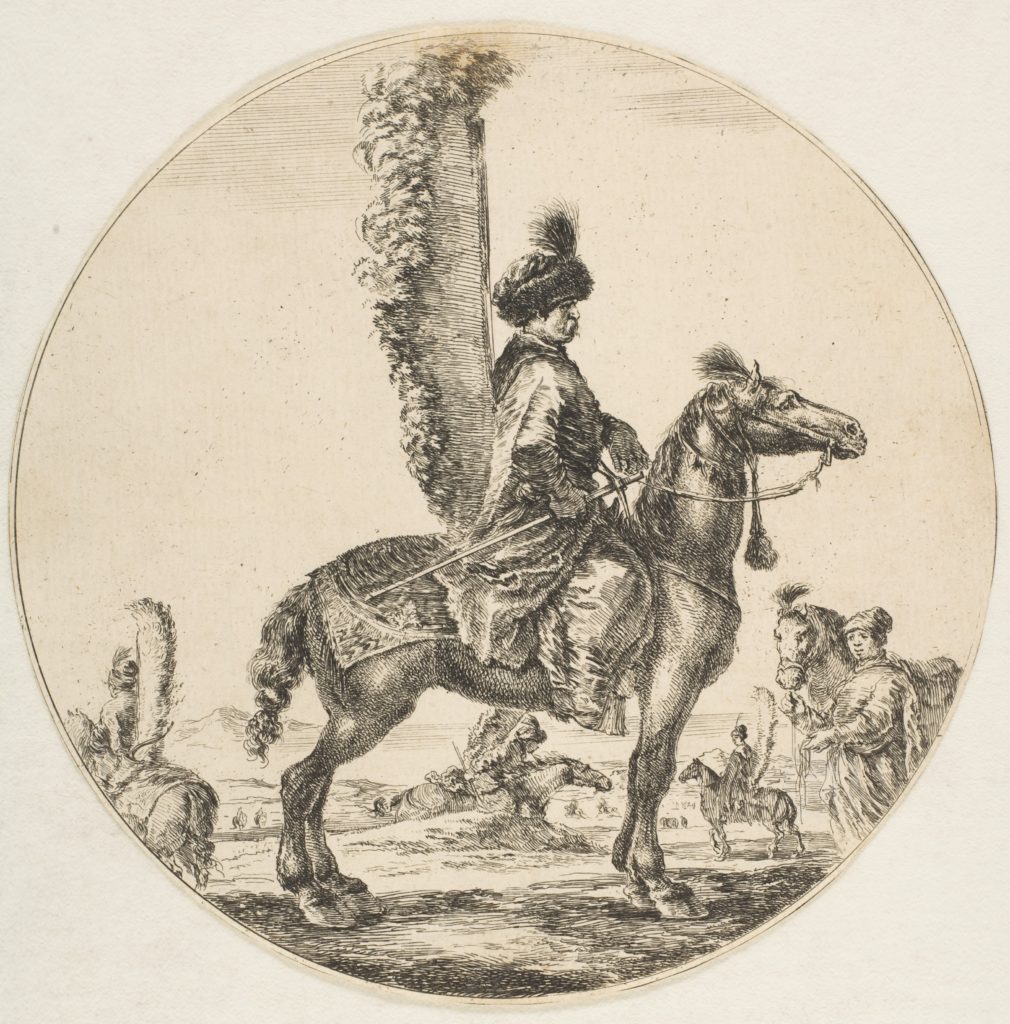
But it appears that the wings briefly fell out of use in 1650s and 1660s.
An Italian noted in 1665 how the hussars "had the custom of attaching huge vulture wings at their backs, which at the gallop made a great rustling noise; but now hardly anyone uses them."
An Italian noted in 1665 how the hussars "had the custom of attaching huge vulture wings at their backs, which at the gallop made a great rustling noise; but now hardly anyone uses them."
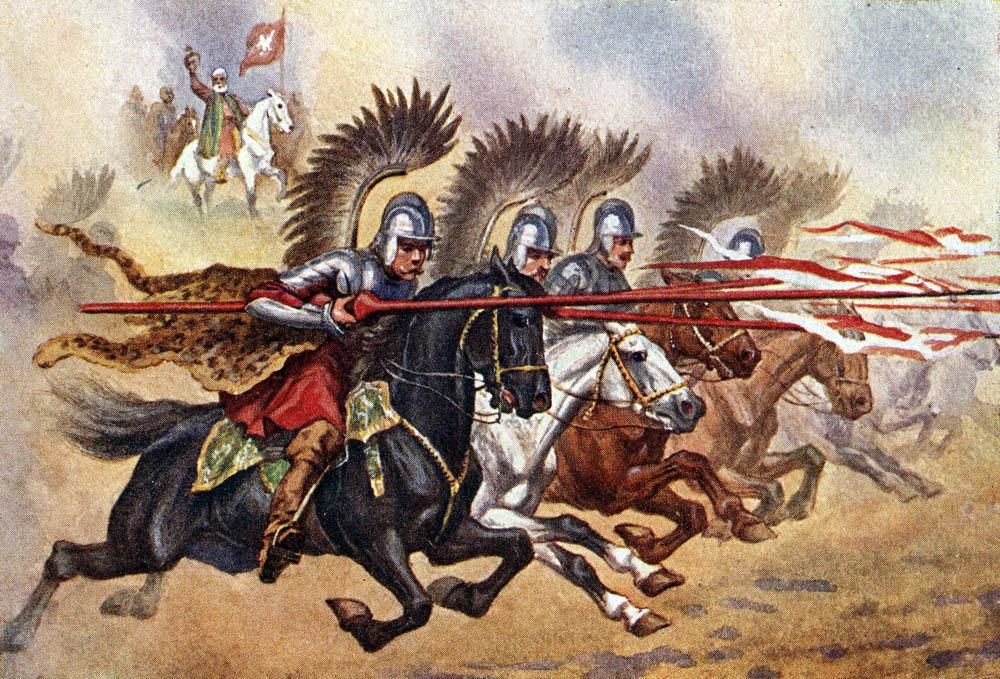
Contemporary depictions of Battle of Khotyn in 1673 depict hussars without wings.
The famous wings were abandoned for a period of time.
But they would make a return.
The famous wings were abandoned for a period of time.
But they would make a return.
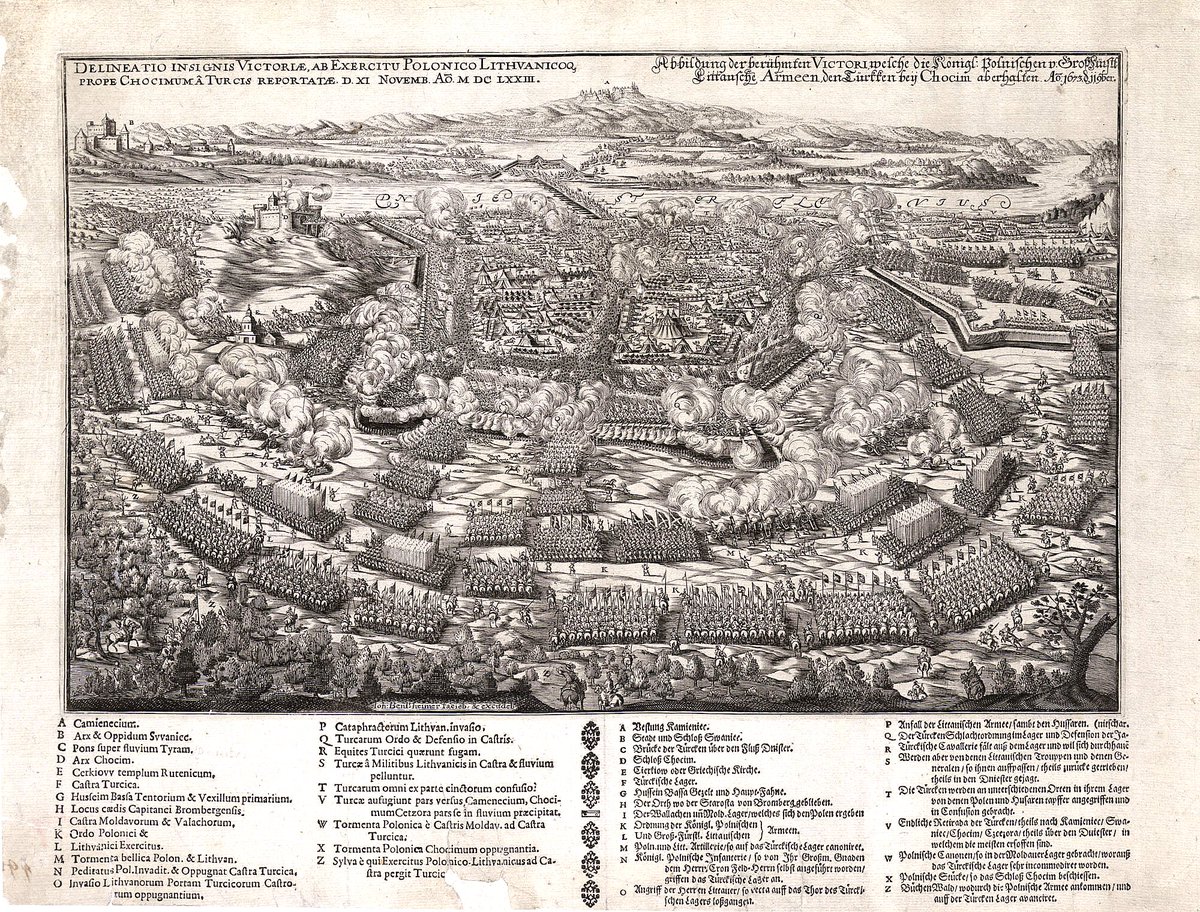
The wings were worn again by the hussars during the reign of John III Sobieski 1674-96!
They would be worn during the Vienna campaign of 1683 and became immortalized due to the famous decisive hussar cavalry charge that happened there, forever associated with Polish hussars.
They would be worn during the Vienna campaign of 1683 and became immortalized due to the famous decisive hussar cavalry charge that happened there, forever associated with Polish hussars.
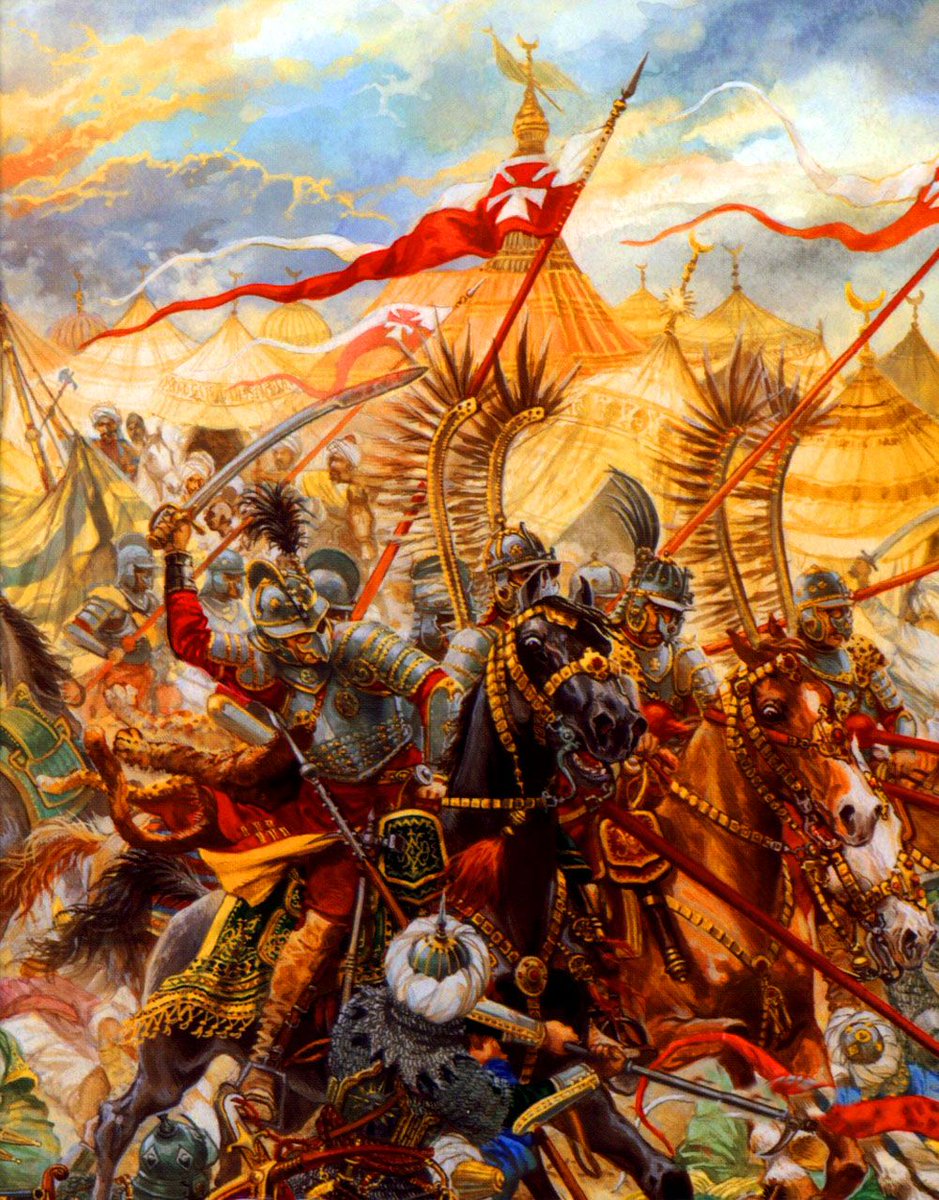
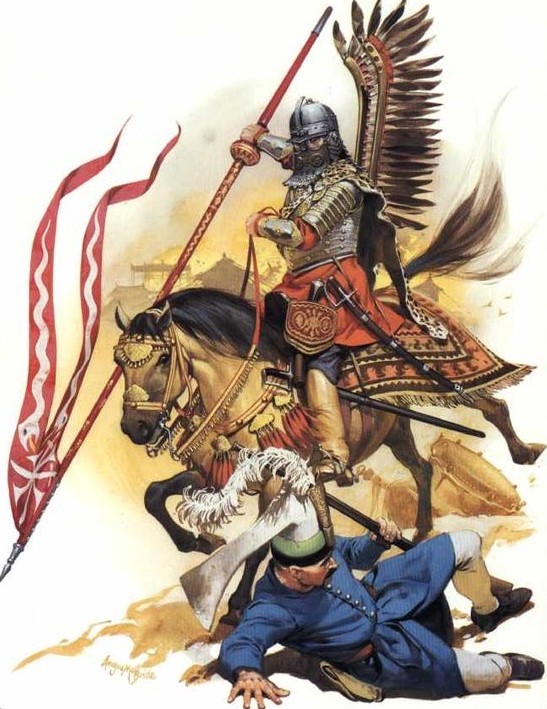
The lavish wings were worn for majestic parades but there are also records of them being worn on campaigns.
However they were not worn on a daily basis as they would quickly wear out. In poor weather or difficult terrain such as woods wings would have been left on the wagons.
However they were not worn on a daily basis as they would quickly wear out. In poor weather or difficult terrain such as woods wings would have been left on the wagons.
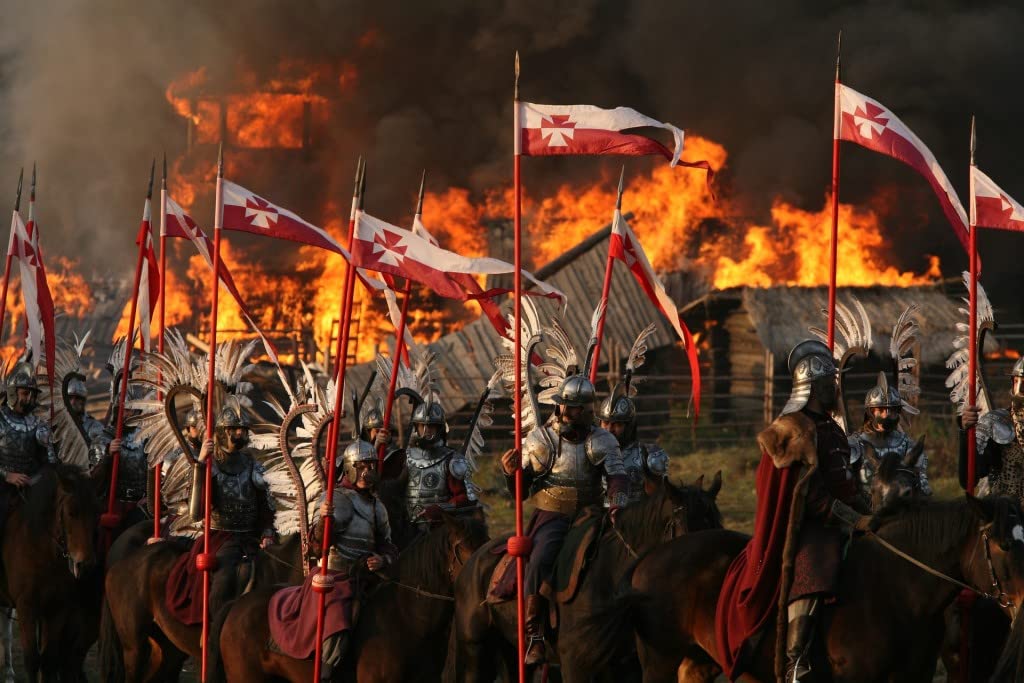
But did these wings have any practical use or did they only serve an aesthetic purpose?
Some contemporary foreign visitors wrote that the wings made noise during charges, but this is hard to believe and neither of them saw the hussars in action.
Some contemporary foreign visitors wrote that the wings made noise during charges, but this is hard to believe and neither of them saw the hussars in action.
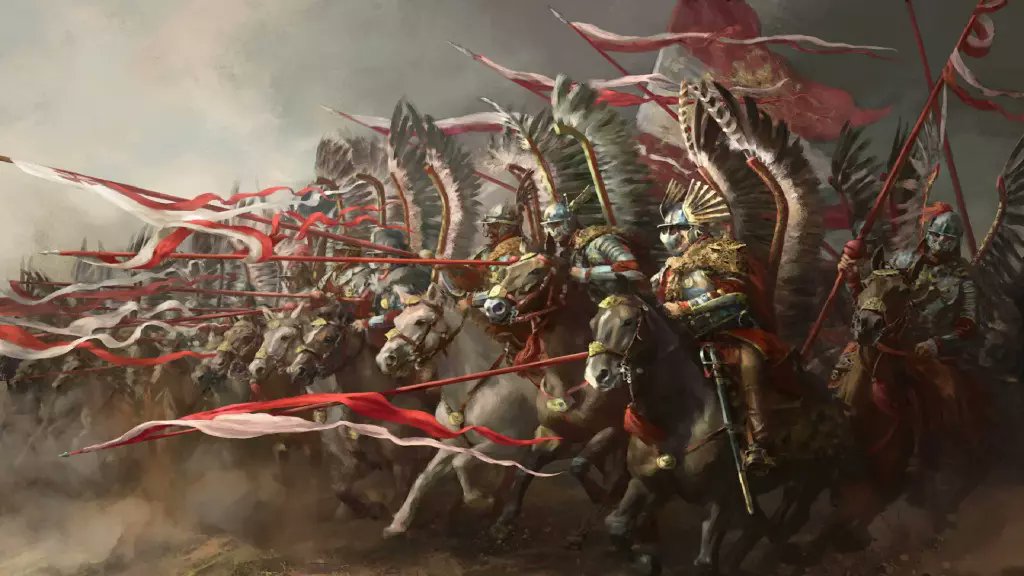
There are however accounts that hussars wings were intended to intimidate the enemy, particularly the enemy horses.
Some believe that because horses are wary of unfamiliar sights, the wings and fur used by hussars might have evoked visceral fear of predatory animals in them.
Some believe that because horses are wary of unfamiliar sights, the wings and fur used by hussars might have evoked visceral fear of predatory animals in them.
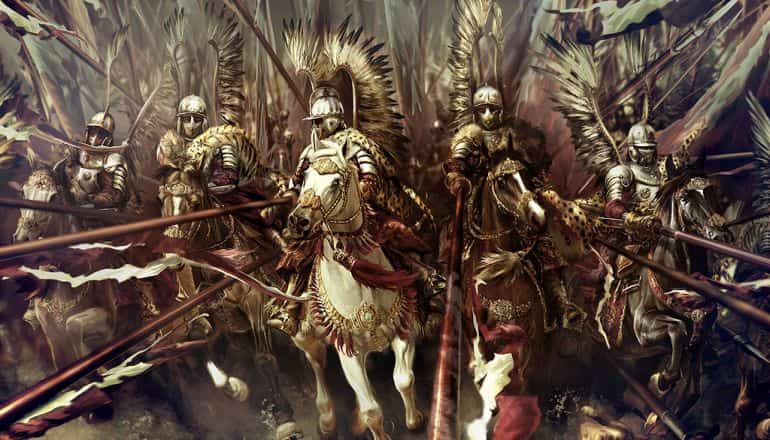
But it is also highly likely that there was no real practical purpose at all and it was just another expression of the ostentatious warrior culture at the time.
A way to show off the bravado of the elite shock troops, just like the Ottoman delis did.
A way to show off the bravado of the elite shock troops, just like the Ottoman delis did.
Whatever the reasons, the wings would forever be associated with the Polish hussars.
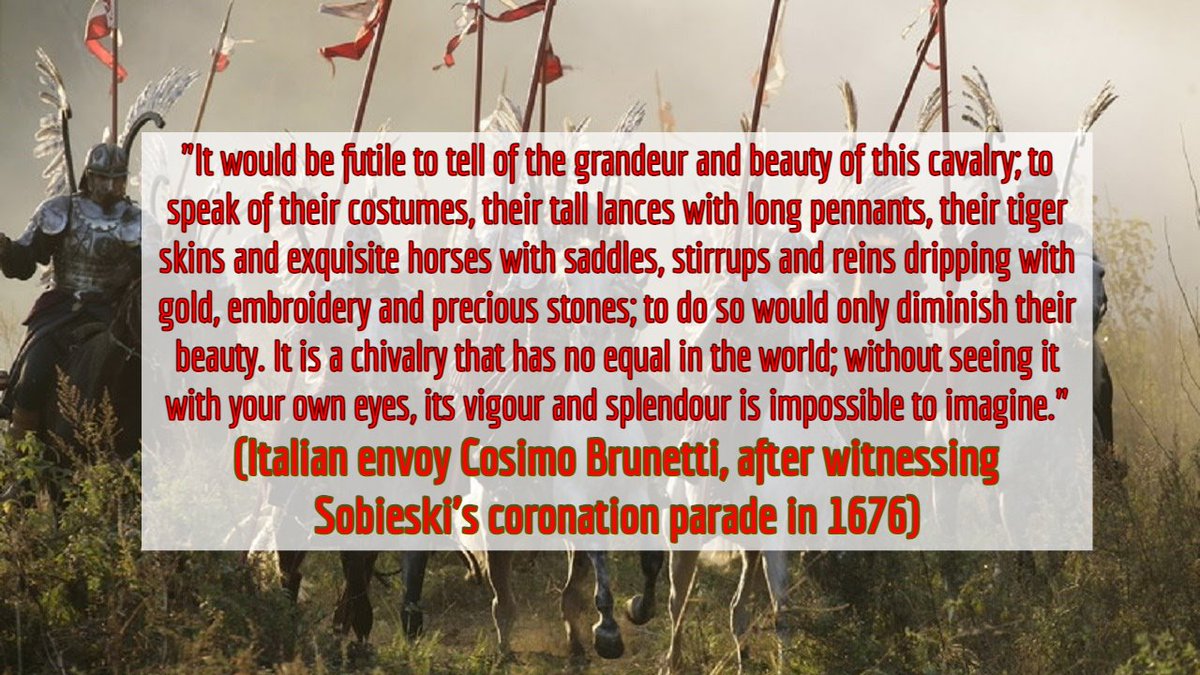
People are still fascinated by the image of winged hussars just like contemporaries were.
People are still fascinated by the image of winged hussars just like contemporaries were.
My main source was the book Polish Winged Hussar 1576-1775 by Richard Brzezinski (published by Osprey Publishing).
Loading suggestions...