

The sun, more than just vitamin D.
A MEGATHREAD ON SUNLIGHT AND IMMUNITY.
A MEGATHREAD ON SUNLIGHT AND IMMUNITY.
Sunlight and its effect on immunity and general health have been a hotly debated topic for a while now (pun intended).
But most public health messages of the past century have focused on disparaging sun exposure.
I'm here to tell you that they are wrong.
But most public health messages of the past century have focused on disparaging sun exposure.
I'm here to tell you that they are wrong.
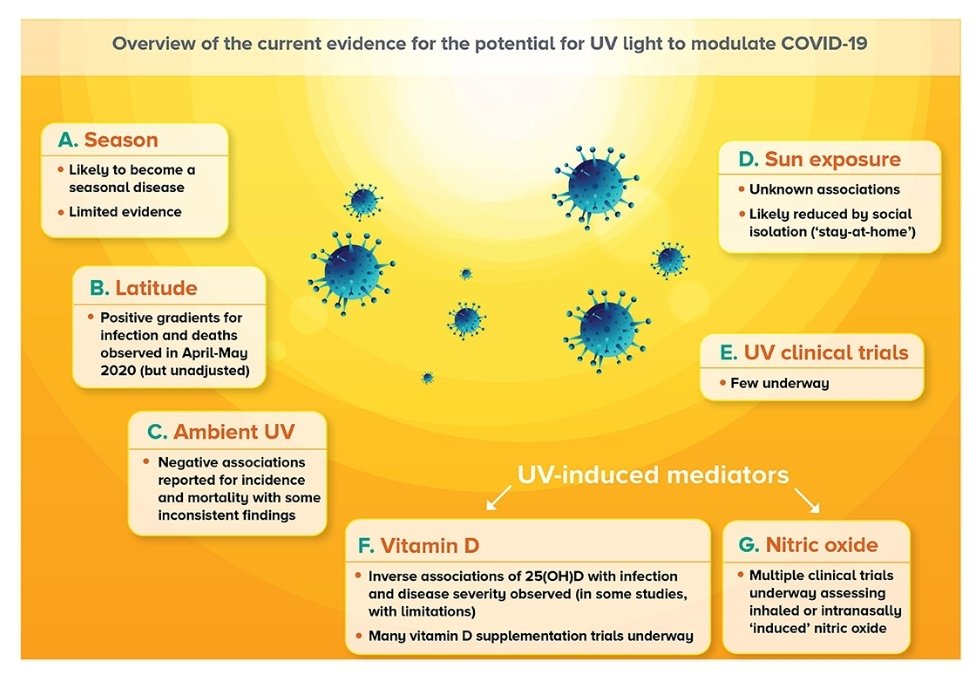
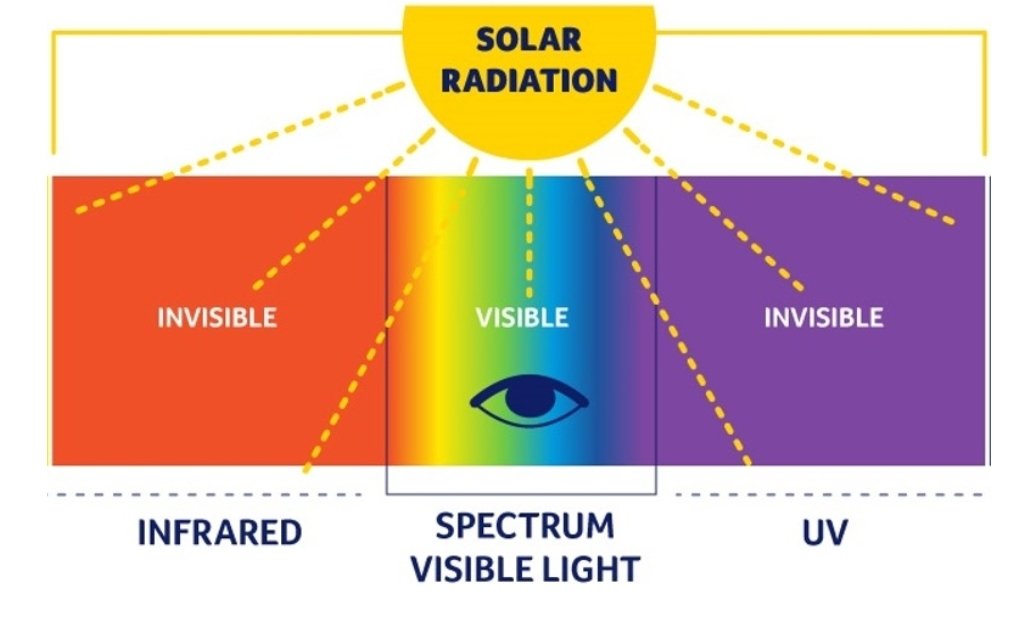
Sunlight is made up of ultraviolet (UV), visible, and infrared radiations. And though essential for life, light, and warmth on this planet, these components of sunlight, yes, have been shown to damage skin and DNA, creating free radicals in the process.
And exposure to sunlight has also been shown to cause immunosuppression.
It is thought that these mechanisms contribute to the formation of skin cancer.
But it's a little more complicated than this.
It is thought that these mechanisms contribute to the formation of skin cancer.
But it's a little more complicated than this.
What they don't tell you is that while the disease burden from overexposure to sunlight was estimated to be 50 000 deaths and 1.6 million disability-adjusted life years (DALYs) in the year 2000, representing 0.1% of the total global disease burden...
... the disease burden from very low exposure to UV radiation was estimated to be 9.4%, nearly one hundred times more.
One DALY represents the loss of the equivalent of 1 year of full health. DALYs are the total of years of life lost to premature mortality and years spent with a disability as a result of the disease or health conditions widespread occurrence in a population.
Most of us do not get enough sunshine, and this increases our risk of certain cancers, including breast, colon, prostate, and non-Hodgkin lymphoma; and increases our risk of diseases and autoimmune disorders such as multiple sclerosis and type 1 diabetes.
In fact, it has been said that sun avoidance is a risk factor for death of similar magnitude to smoking.
Dermatologists will also forget to mention that continuous exposure to sunlight is negatively associated with malignant melanoma.
And in fact, one study noted people tend to survive longer with melanomas the more sunshine they have been exposed to.
And in fact, one study noted people tend to survive longer with melanomas the more sunshine they have been exposed to.
Immunosuppression after sunlight exposure is true, but even though it has only been seen in animal studies and in men, it is thought that this mechanism controls autoimmunity and is what makes sunlight good for people with a wide range of autoimmune conditions.
And it's not like exposing yourself to the sun will increase your risk of skin infections. This is because other innate immune system proteins (antimicrobial peptides) are made to combat pathogens while sunlight shines on your skin.
Tanning is also accompanied by the generation of local antifungal defences on the skin. Light itself helps T cells move. And one of the best-known benefits of sunlight is that it makes us make more vitamin D.
Vitamin D is known to impact the innate immune system by enhancing the barrier function of epithelial cells in the eyes and intestinal tract, by enhancing the anti-pathogenic activities of key innate immune cells...
...and by helping to express antimicrobial peptides in epithelial cells of the respiratory tract and gut barrier.
With regards to the adaptive immune system, vitamin D helps to facilitate the differentiation of naïve T cells into effector T cells, including “killer” or “helper”, as well as regulating inflammation by altering the cytokine balance in favour of anti-inflammatory cytokines...
...and promoting regulatory T cells that suppress inflammation.
In this sense, vitamin D acts like a helpful immunomodulator.
In this sense, vitamin D acts like a helpful immunomodulator.
There are studies supporting its role in COVID-19 too. In one study involving patients who were tested for COVID-19 infection, vitamin D3 supplementation acted as a defensive agent when taken right before COVID-19.
It was also related to decreased severity and an improved survival rate. And a meta-analysis of 27 studies revealed that 64% of severe COVID-19 patients were suffering from low levels of vitamin D.
In a paper released in November 2022, researchers note that the use of Vitamin D2 and D3 were associated with reductions in COVID-19 infection of 28% and 20%, respectively.
The authors of this study note,
“When we extrapolate our results for vitamin D3 supplementation to the entire US population in 2020, there would have been approximately 4 million fewer COVID-19 cases and 116,000 deaths avoided.
nature.com
“When we extrapolate our results for vitamin D3 supplementation to the entire US population in 2020, there would have been approximately 4 million fewer COVID-19 cases and 116,000 deaths avoided.
nature.com
But it’s not all about vitamin D. We must also remember that sunlight exposure is involved in regulating many other hormones, including nitric oxide (NO), serotonin, cortisol, and melatonin.
Bright exposure during the day and total darkness at night optimises melatonin levels and improves our quality of sleep. Melatonin has also been shown to act as a potent anti-inflammatory hormone.
Since the Second World War, developments such as cars, Netflix, computers, video games, indoor sports, etc. have meant we are spending more and more time indoors.
German and Danish studies revealed that indoor workers on average expose their hands and faces to less than 3% of the total available amount of sunlight.
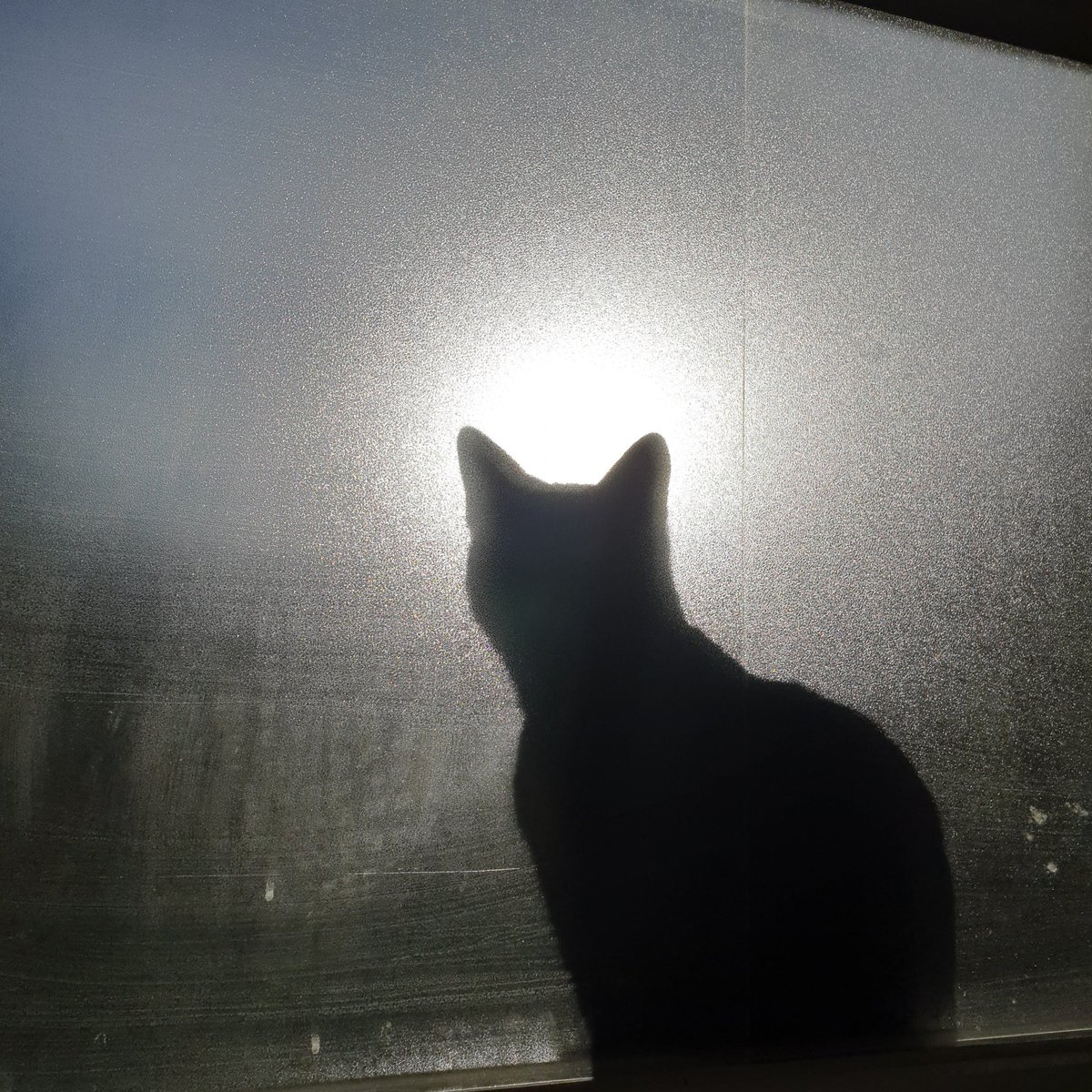
Like my cat, let’s break the cycle. Go outdoors, get sun-kissed, and improve your health and immunity.
It’s time we began looking for answers.
In my book I go over over fifty supplements/therapies with a wide therapeutic potential and low side-effect profile that may aid those with vax injury. I cover everything from immune boosters and fertility aids to cardioprotective agents.
In my book I go over over fifty supplements/therapies with a wide therapeutic potential and low side-effect profile that may aid those with vax injury. I cover everything from immune boosters and fertility aids to cardioprotective agents.
I will be sharing these here too. If you’re interested, hit that follow.
And if you’re interested in the book with references and all, and wish to support me carry on helping you, click on the link callingouttheshots.xyz.
My other threads 👇🏾
Loading suggestions...