

INSURGENCIES, MERCENARIES, & DESTABILIZATION
Some thoughts on asymmetric warfare, a changing global order, and shifts in the model of military force.
Past, present, and future.
[Thread]
Some thoughts on asymmetric warfare, a changing global order, and shifts in the model of military force.
Past, present, and future.
[Thread]

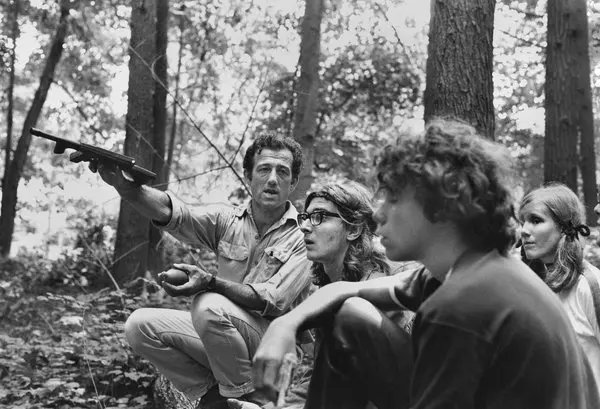

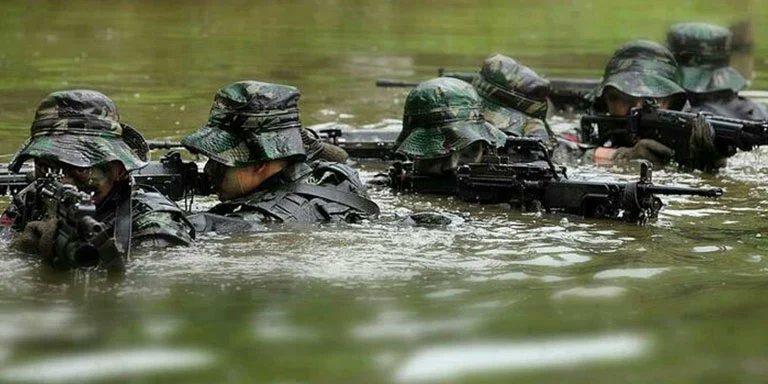
The concepts of asymmetric warfare or insurgencies aren't new - in fact, this is one of the oldest tactics in the book.
Attritional warfare goes back to the earliest human conflicts, and guerilla tactics to at least the Assyrian era.
Attritional warfare goes back to the earliest human conflicts, and guerilla tactics to at least the Assyrian era.

Much of Rome's opposition in Britain would today be seen as an insurgency. Accounts of the fighting often mirrored modern accounts of Vietnam.
The idea of decentralized, technologically inferior forces using hit-and-run tactics against an occupying force is as old as war itself.
The idea of decentralized, technologically inferior forces using hit-and-run tactics against an occupying force is as old as war itself.

Additionally, the idea of destabilization and regime change has its roots in the ancient world.
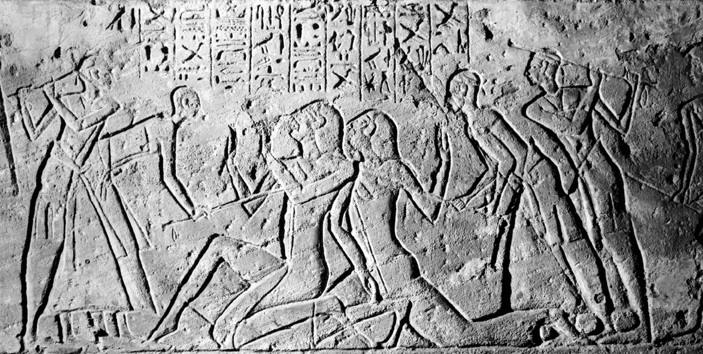
Spies and disinformation agents were recorded as far back as ancient Egypt, perhaps even earlier.
Spies and disinformation agents were recorded as far back as ancient Egypt, perhaps even earlier.
But, as with many elements of the modern world, the most recent developments in insurgent tactics and state-sponsored destabilization came out of the World Wars.

Exactly where the modern "insurgency" began is a topic of debate, but I trace it to T.E. Lawrence (Lawrence of Arabia) in the First World War.
With sparse local forces and limited weaponry, he successfully wore down the Ottoman Empire's war machine, hastening its collapse.
With sparse local forces and limited weaponry, he successfully wore down the Ottoman Empire's war machine, hastening its collapse.
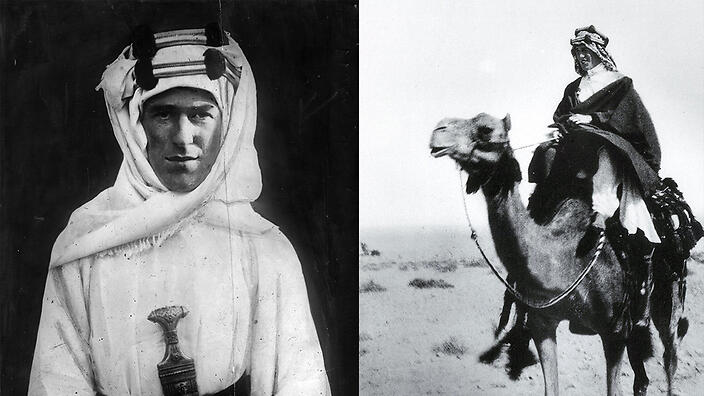
His tactics (hit-and-run raids, bridge bombings, railway disruption) would become the modus operandi of intelligence agencies during WWII.
Between the American OSS and the British "Ministry of Ungentlemanly Warfare", these tactics were perfected and used to great effect.
Between the American OSS and the British "Ministry of Ungentlemanly Warfare", these tactics were perfected and used to great effect.
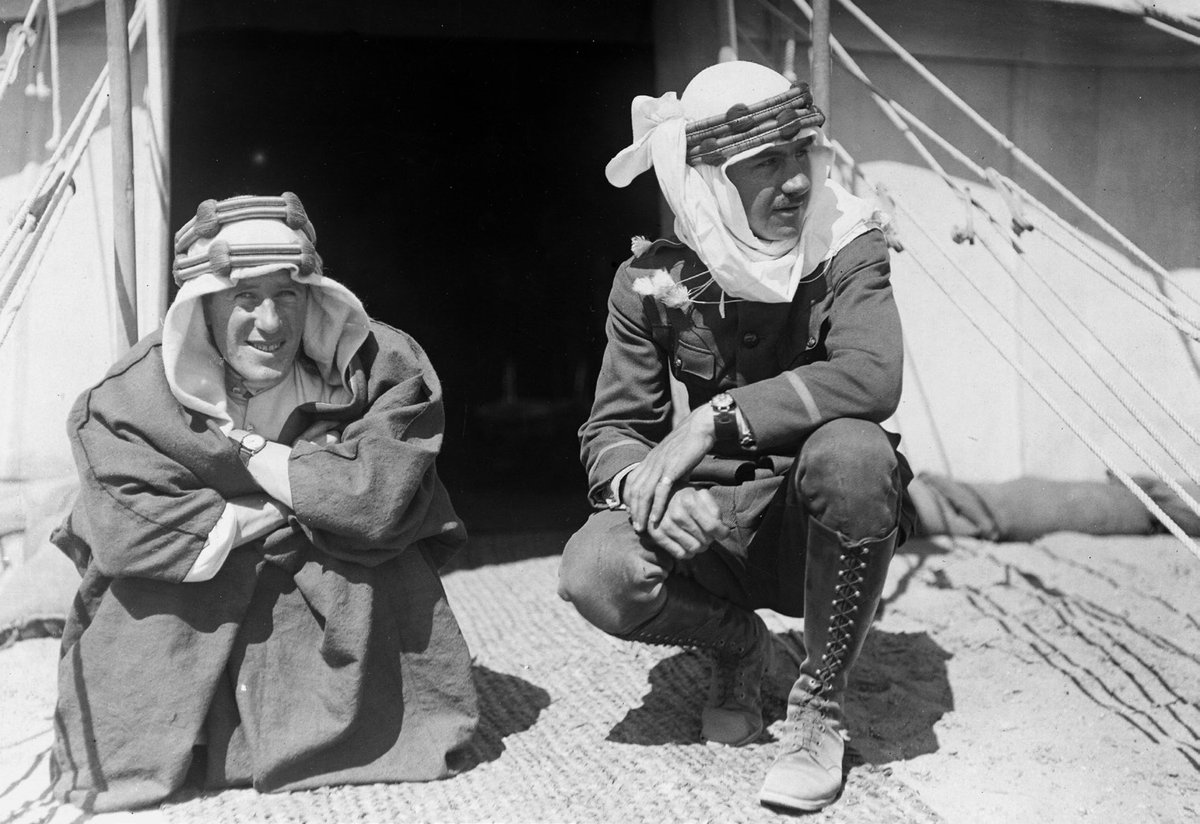
Modern weaponry and technology - namely well-designed explosives, radio communication, and submachine guns - allowed small forces to disable factories, transportation choke points, infrastructure, and more.
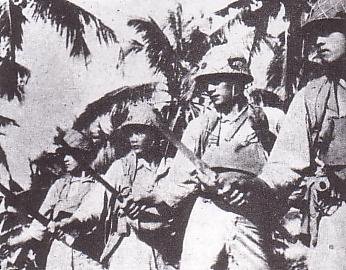
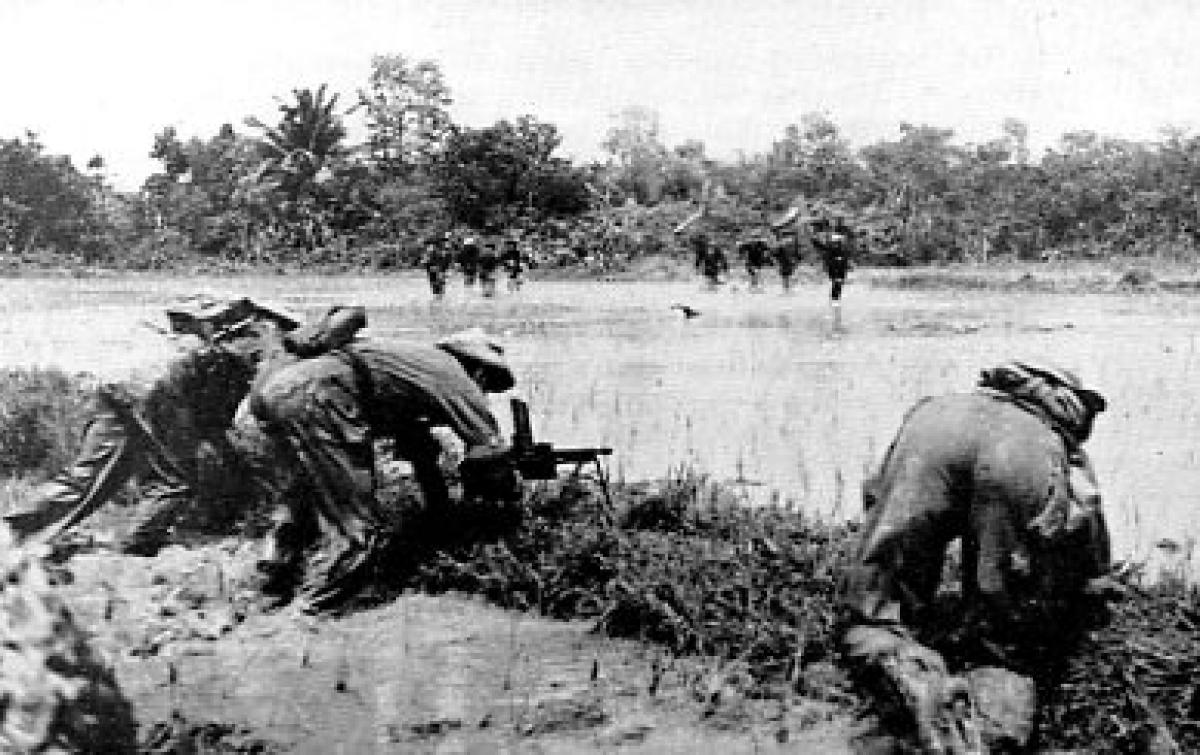
These tactics continued into the Cold War, via proxy warfare in Vietnam, S. America, Afghanistan, etc.
This added a level of complexity - instead of using operatives, intelligence agencies from both sides often funded local groups to maintain a crucial "fig leaf of deniability".
This added a level of complexity - instead of using operatives, intelligence agencies from both sides often funded local groups to maintain a crucial "fig leaf of deniability".
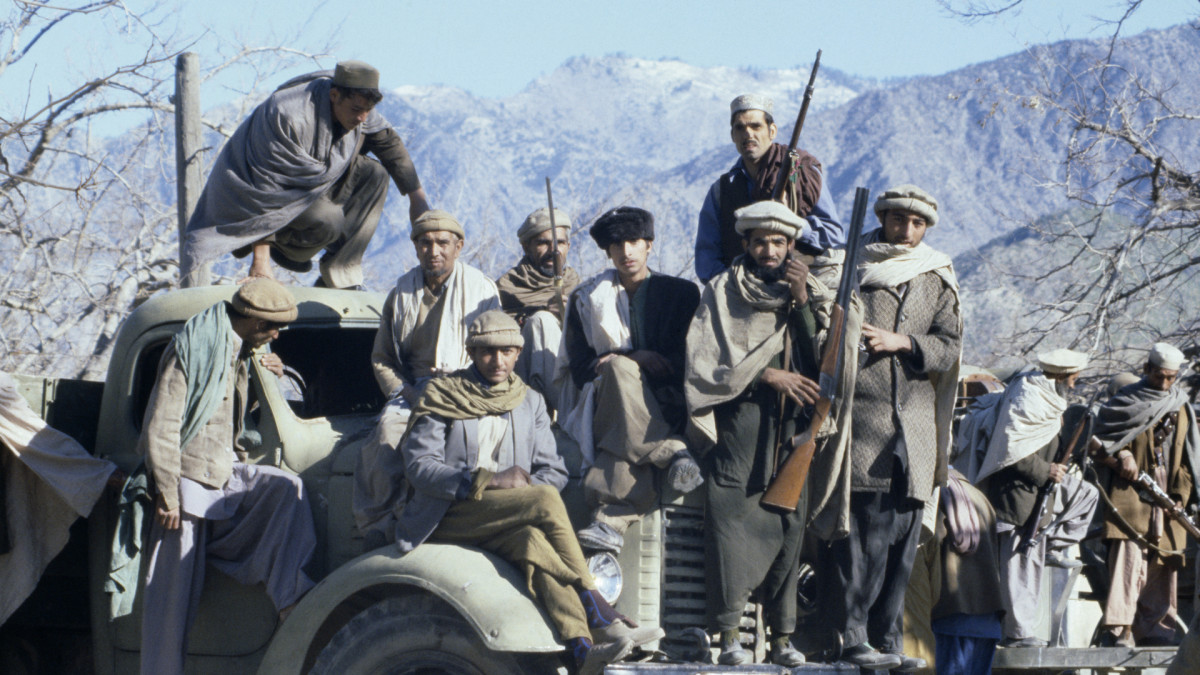
As we saw in the Soviet-Afghan War and the Iran Contra Scandal, funding these groups often backfired.
This led to the rise of hundreds of insurgent groups with somewhat-modern weaponry, strong local support networks, and goals unmoored from those of their supporters.
This led to the rise of hundreds of insurgent groups with somewhat-modern weaponry, strong local support networks, and goals unmoored from those of their supporters.
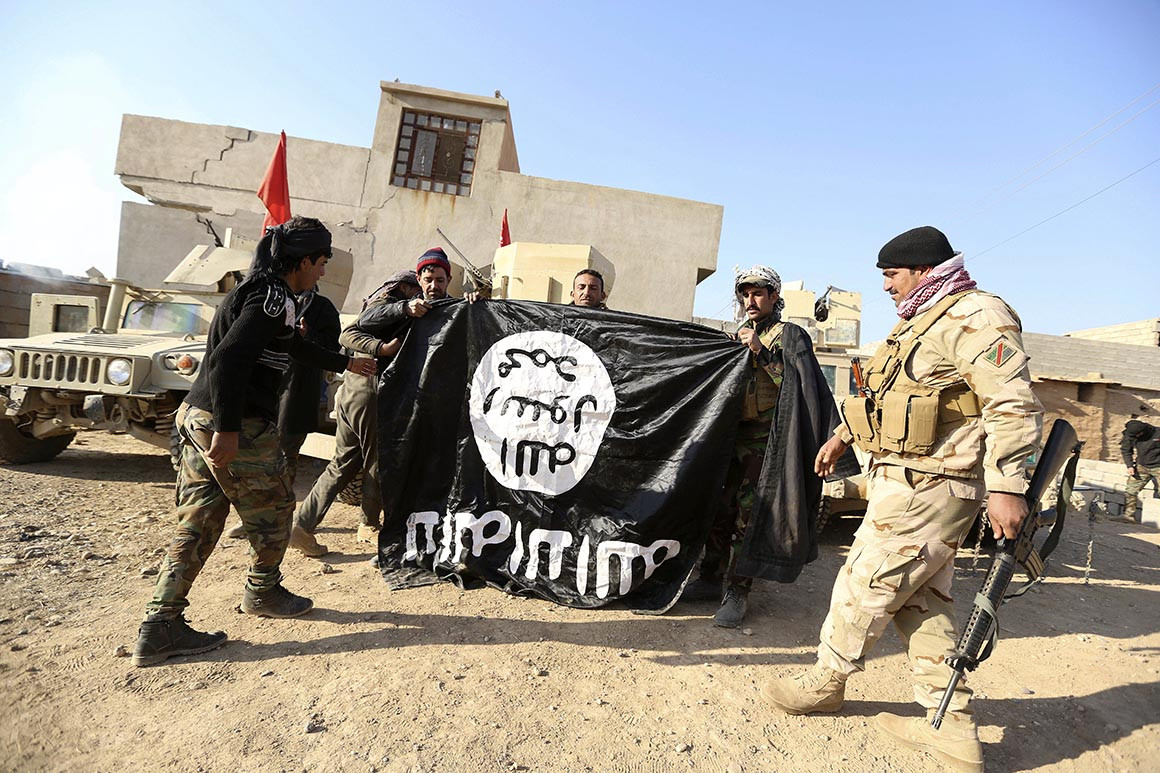
Later, the Global War on Terror proved that these groups weren't exactly easy to defeat with conventional military shock-and-awe.
And that brings us to today.
And that brings us to today.
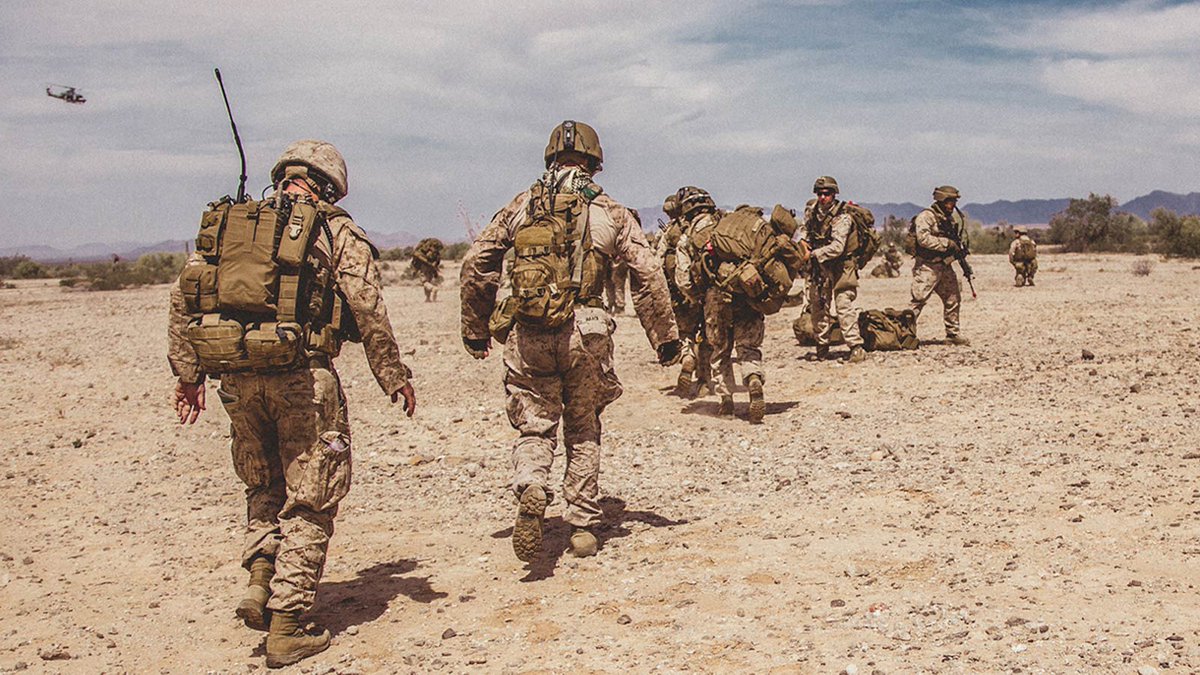
Multiple nations have infrastructure systems with capabilities that have advanced faster than security.
Power, water, and communications grids have grown faster than the ability to protect them.
It's a precarious situation, even in First-World nations.
Power, water, and communications grids have grown faster than the ability to protect them.
It's a precarious situation, even in First-World nations.
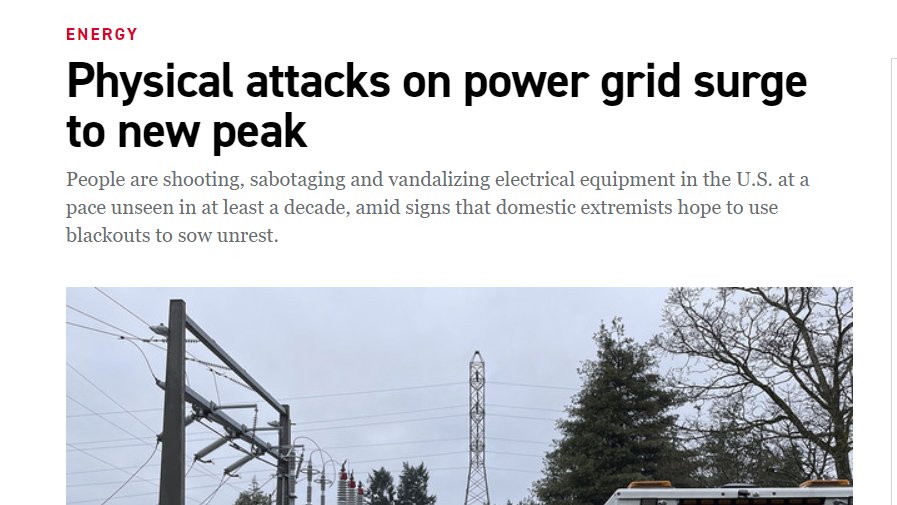
With infrastructure very physically vulnerable and cybersecurity risks at an all-time high, every Western nation is seriously worried about the prospect of any kind of internal revolt or insurgency.
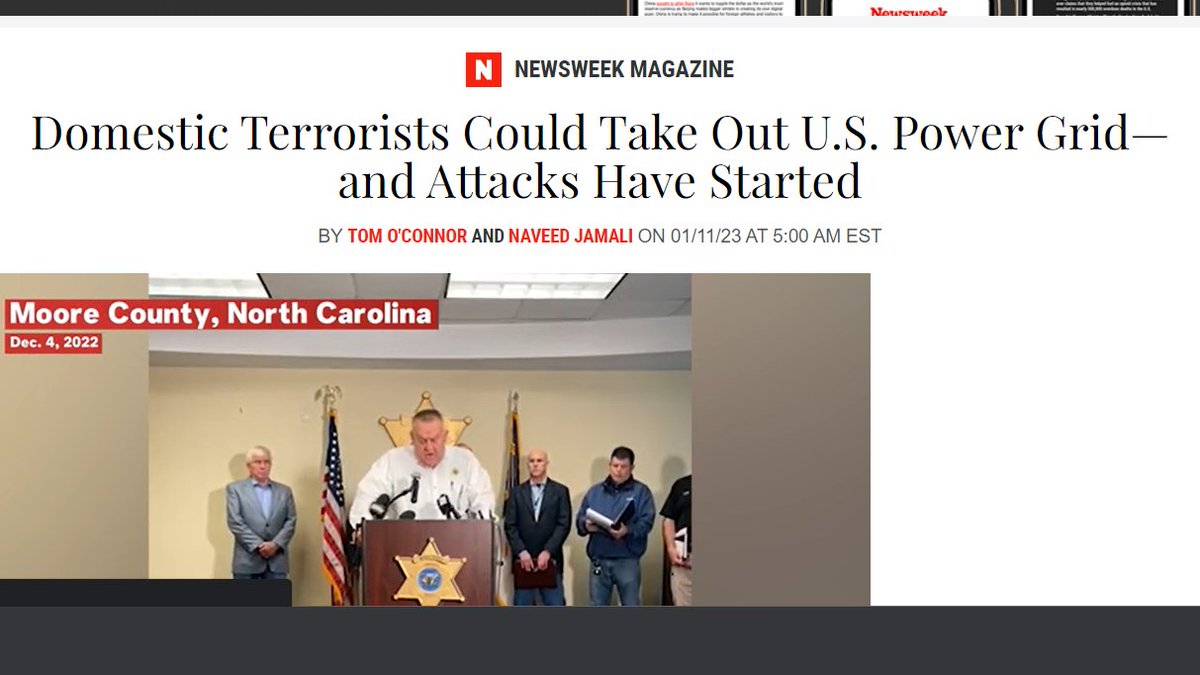
Government agencies and think tanks publish a lot of papers about "fifth-generation decentralized warfare", but despite the complex phrasing their core concern is simple: a hostile nation funding a bunch of pissed-off citizens.
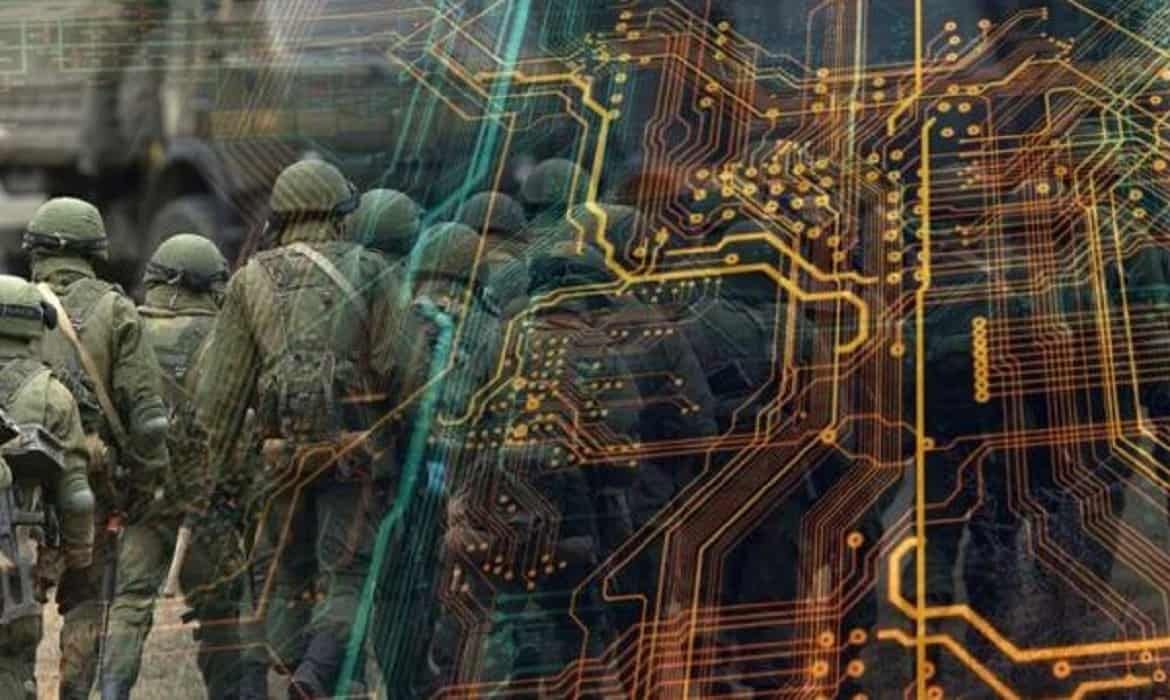
It's a serious threat. A well-funded group using muhadijin-style tactics (or even just rioting) can cause serious issues in even developed nations.
I expect more of these groups to pop up in the near future, funded by major intelligence agencies and business interests.
I expect more of these groups to pop up in the near future, funded by major intelligence agencies and business interests.
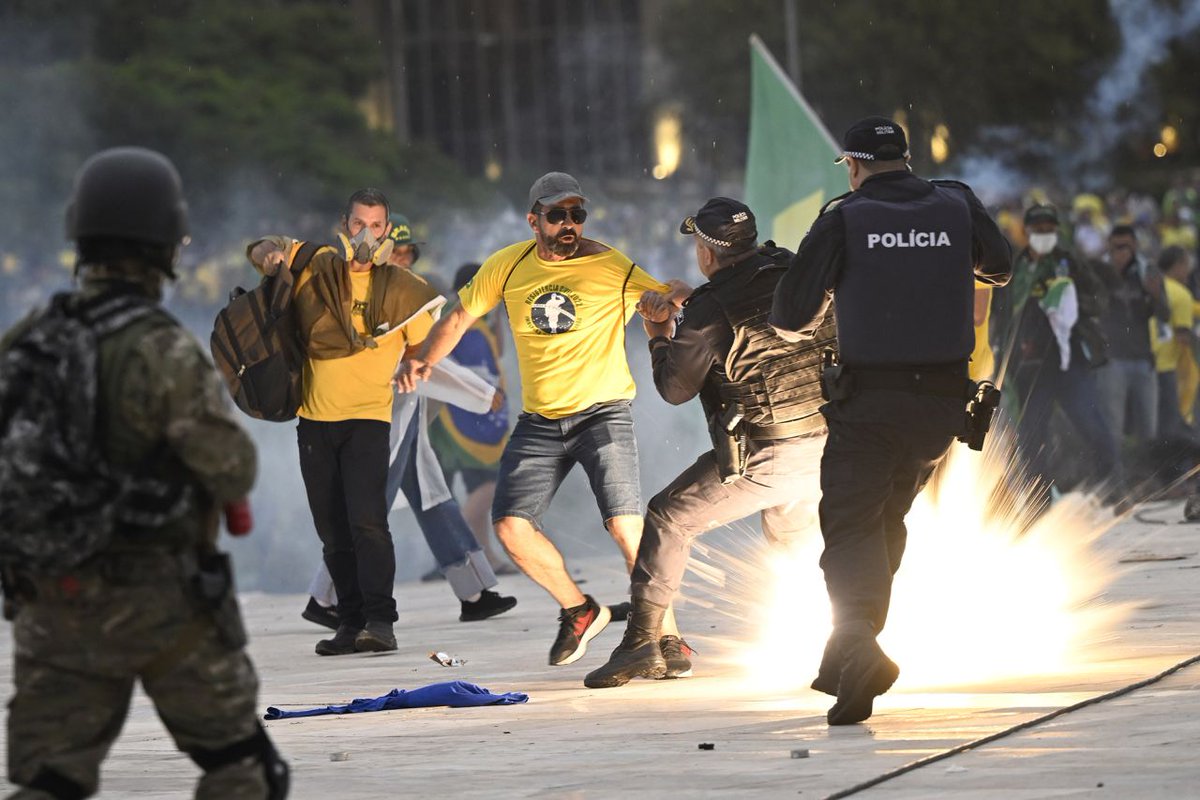
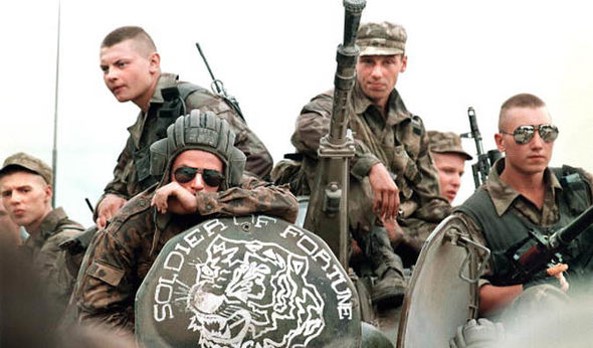
That brings me to my next point: mercenaries.
Mercenary warfare had its heyday in Africa during the '70s, with a revival in the first half of the GWOT.
However, despite a brief lull, the "private security" industry is on the upswing again.
We could see Executive Outcomes 2.0.
Mercenary warfare had its heyday in Africa during the '70s, with a revival in the first half of the GWOT.
However, despite a brief lull, the "private security" industry is on the upswing again.
We could see Executive Outcomes 2.0.
Even within the US, the private security industry is growing.
Due to administrative inefficiency, pro-crime DAs, and a general rise in violent crime, security companies for common business owners and individuals are becoming more popular.
Due to administrative inefficiency, pro-crime DAs, and a general rise in violent crime, security companies for common business owners and individuals are becoming more popular.
Basic security personnel are becoming more popular for luxury stores and businesses in high-risk areas (read: inner cities).
I suspect that private use of force will soon escalate in the Southwest, due to cartel power increasing in the region.
I suspect that private use of force will soon escalate in the Southwest, due to cartel power increasing in the region.
It's a rapidly changing world, and the use of force is increasingly becoming the domain of individuals and economic actors rather than governments.
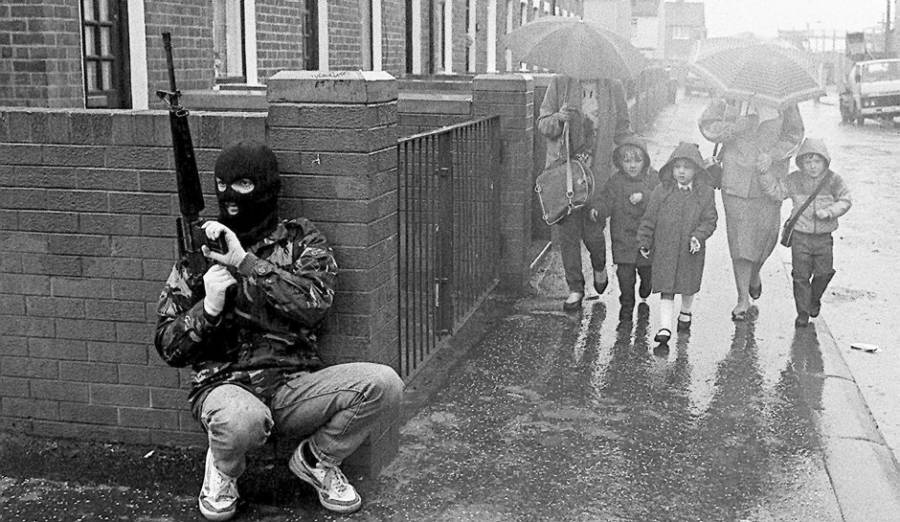
These changes in tactics and circumstances should be taken in the context of a world with an escalating amount of conflict.
We had an era of something resembling peace, but it seems that instability is once again taking hold, slowly but surely.
We had an era of something resembling peace, but it seems that instability is once again taking hold, slowly but surely.
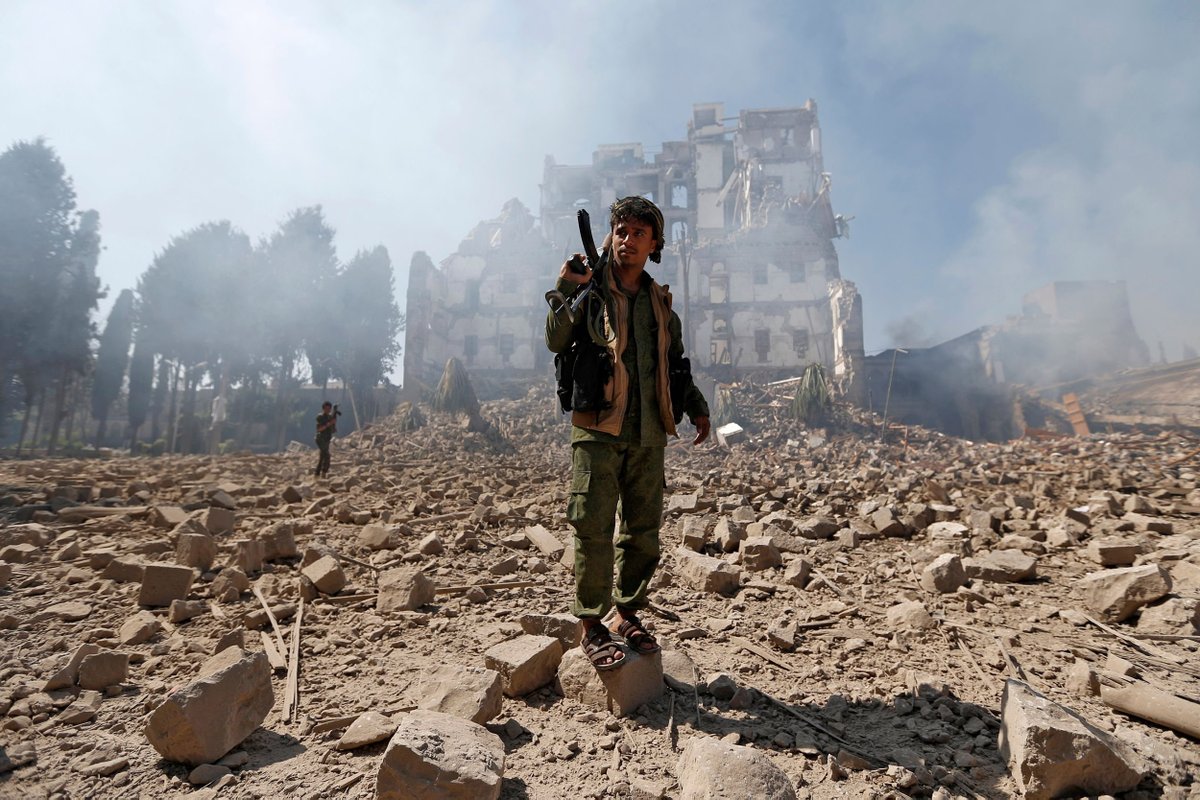
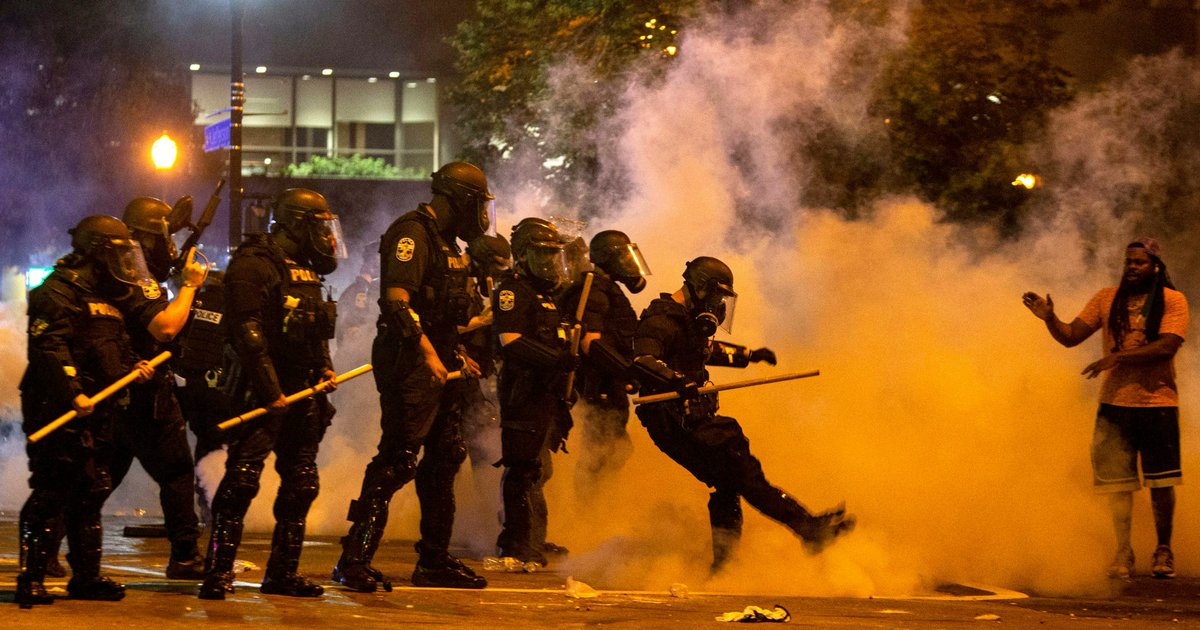
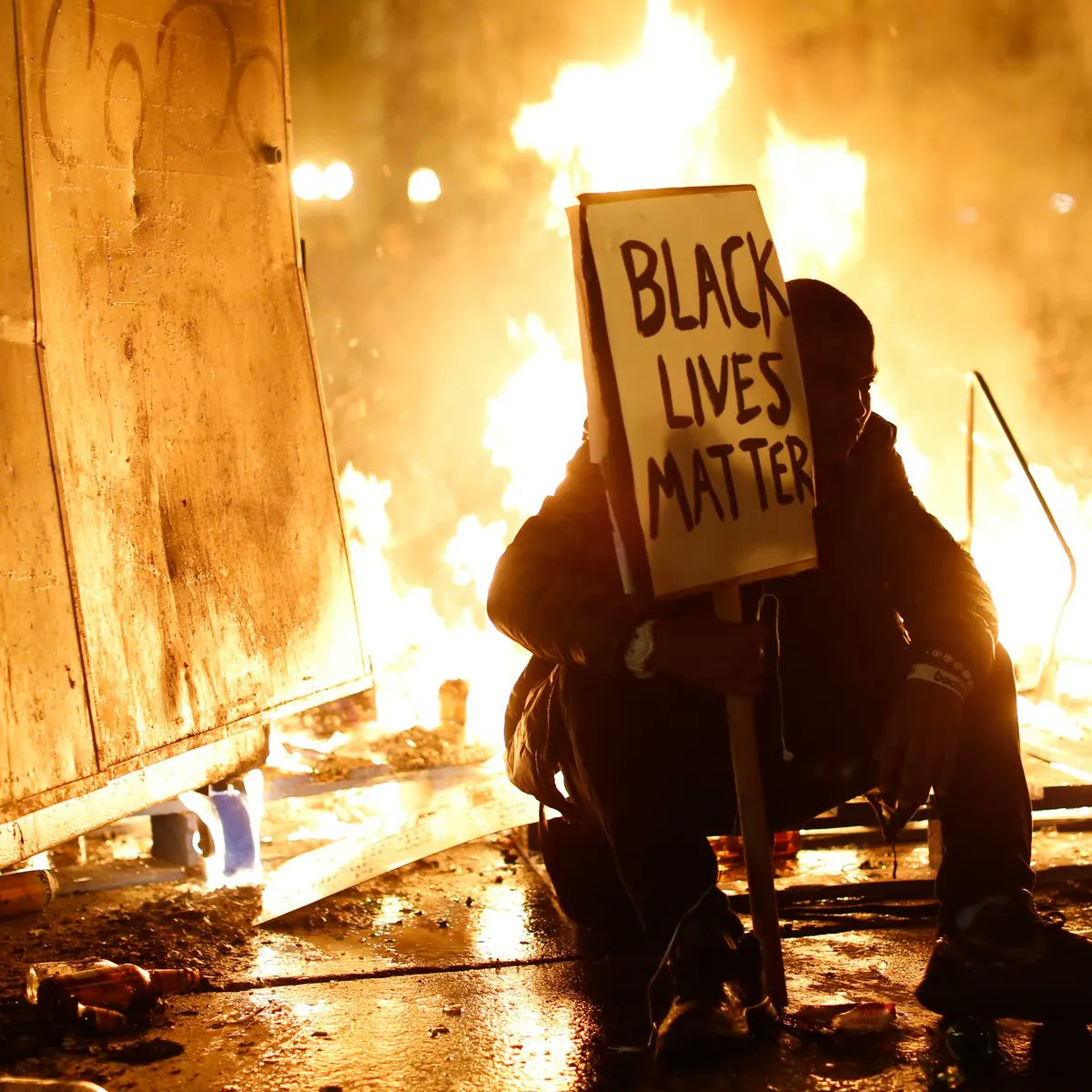
As US global hegemony slowly declines, regional conflicts in Africa, South America, and the Middle East will likely flare up again.
However, despite this decline, the US still has plenty of money to throw into the game - hence the idea that these conflicts will escalate quickly.
However, despite this decline, the US still has plenty of money to throw into the game - hence the idea that these conflicts will escalate quickly.
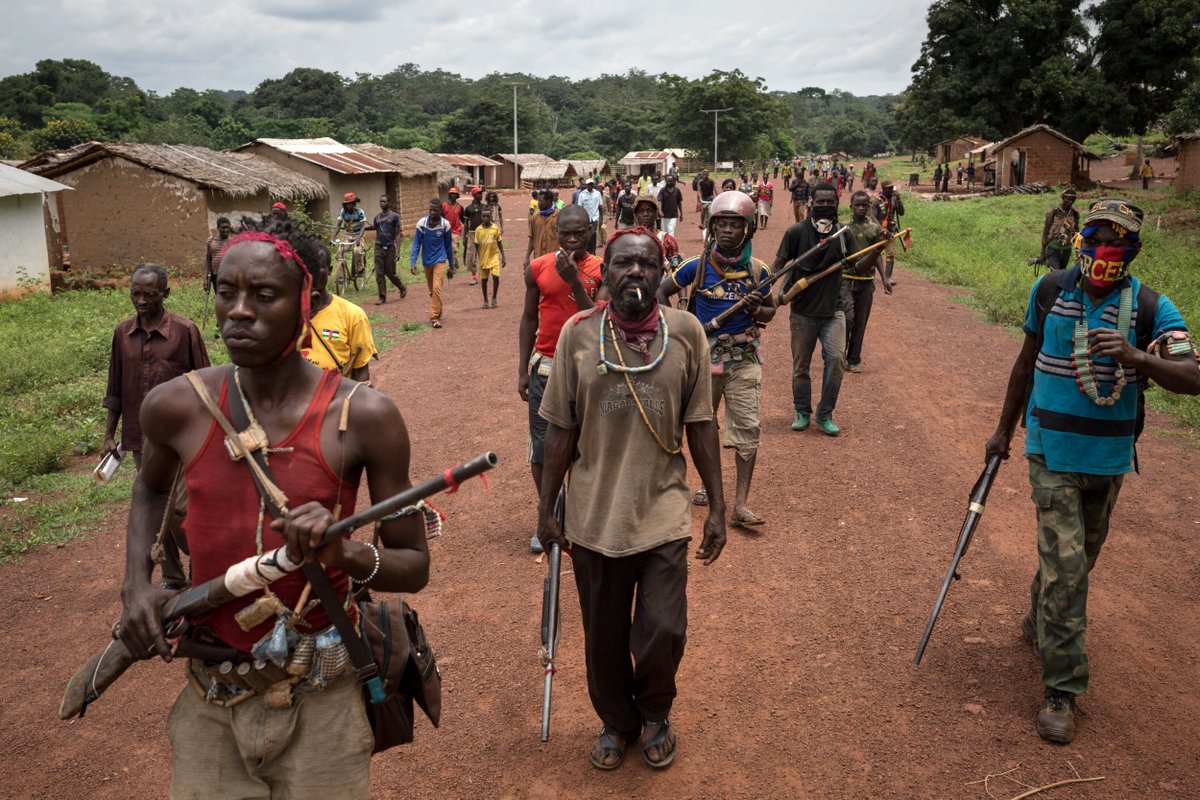
We could even see the rise of filibusters, in the traditional sense - men capitalizing on these regional conflicts to take control over a weakened state.
Perhaps sponsored by uninvolved powers, or even corporate actors. Perhaps self-motivated; a 21st-century William Walker.
Perhaps sponsored by uninvolved powers, or even corporate actors. Perhaps self-motivated; a 21st-century William Walker.

This thread has been a bit disjointed, but my core point is this:
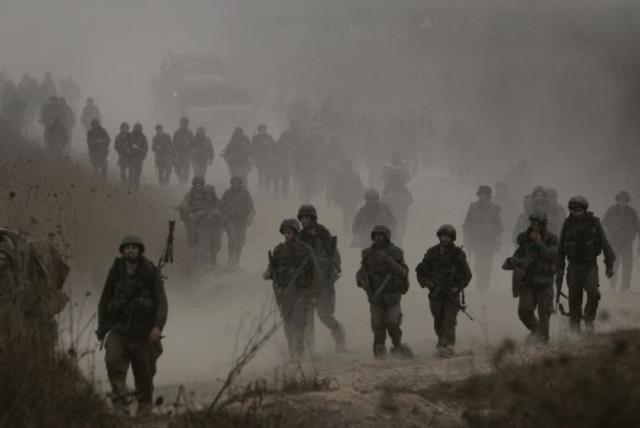
Military force is becoming increasingly dispersed, with trends pointing to a future in which major governments are only one of many military actors in hotbed regions, or perhaps even within their own borders.
Military force is becoming increasingly dispersed, with trends pointing to a future in which major governments are only one of many military actors in hotbed regions, or perhaps even within their own borders.
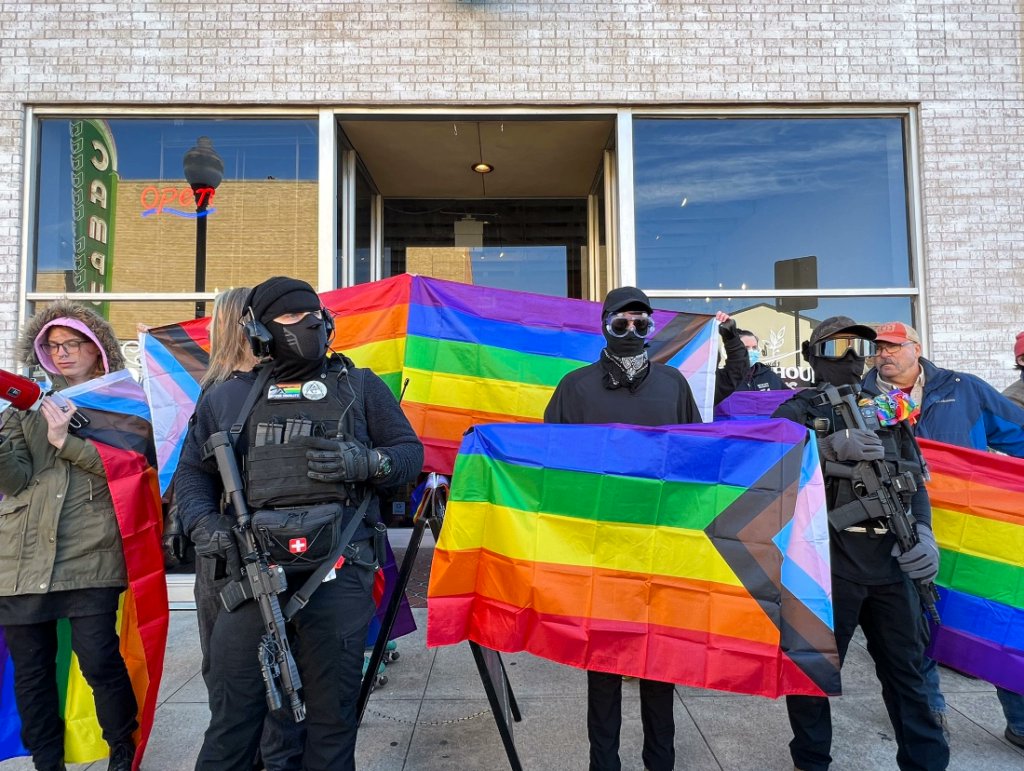
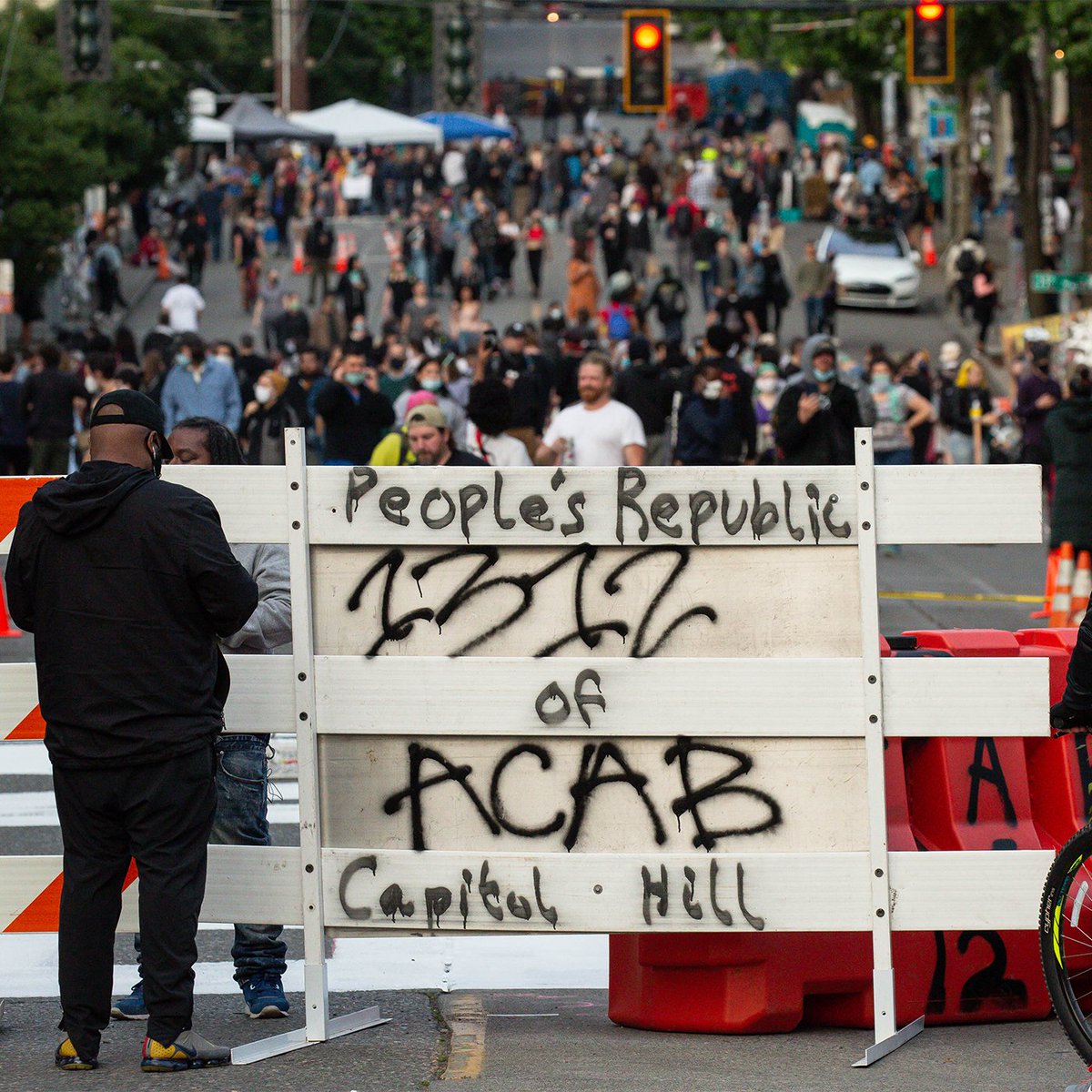
Low-level armed political disruption in major US cities only furthers this point; their deranged ideology notwithstanding, this type of thing would have been unthinkable even a decade ago.
Some assorted trends that would track with these assumptions:
-More border conflicts (US/Mexico, India/Pakistan, India/China, etc.)
-Rise of piracy worldwide
-Localized political instability in the US & Europe, esp. the latter due to underground influx of weapons from Ukraine
-More border conflicts (US/Mexico, India/Pakistan, India/China, etc.)
-Rise of piracy worldwide
-Localized political instability in the US & Europe, esp. the latter due to underground influx of weapons from Ukraine
Also, if you want to read more in-depth on the history of modern Middle Eastern insurgencies, 19th-century filibustering, and espionage throughout the ages, Vol 1 of the Dissident Review is out now
This thread was inspired by three of the essays in it
This thread was inspired by three of the essays in it
Loading suggestions...