

Why did the UK destroy and replace so many of its old Victorian buildings?

The decades that followed the Second World War saw a huge number of 19th and early 20th century buildings demolished all across Britain.
It seems like an architectural tragedy now - and many people at the time thought so, too - but in context it makes some sense.
It seems like an architectural tragedy now - and many people at the time thought so, too - but in context it makes some sense.
What was Britain like in the decades immediately following the Second World War?
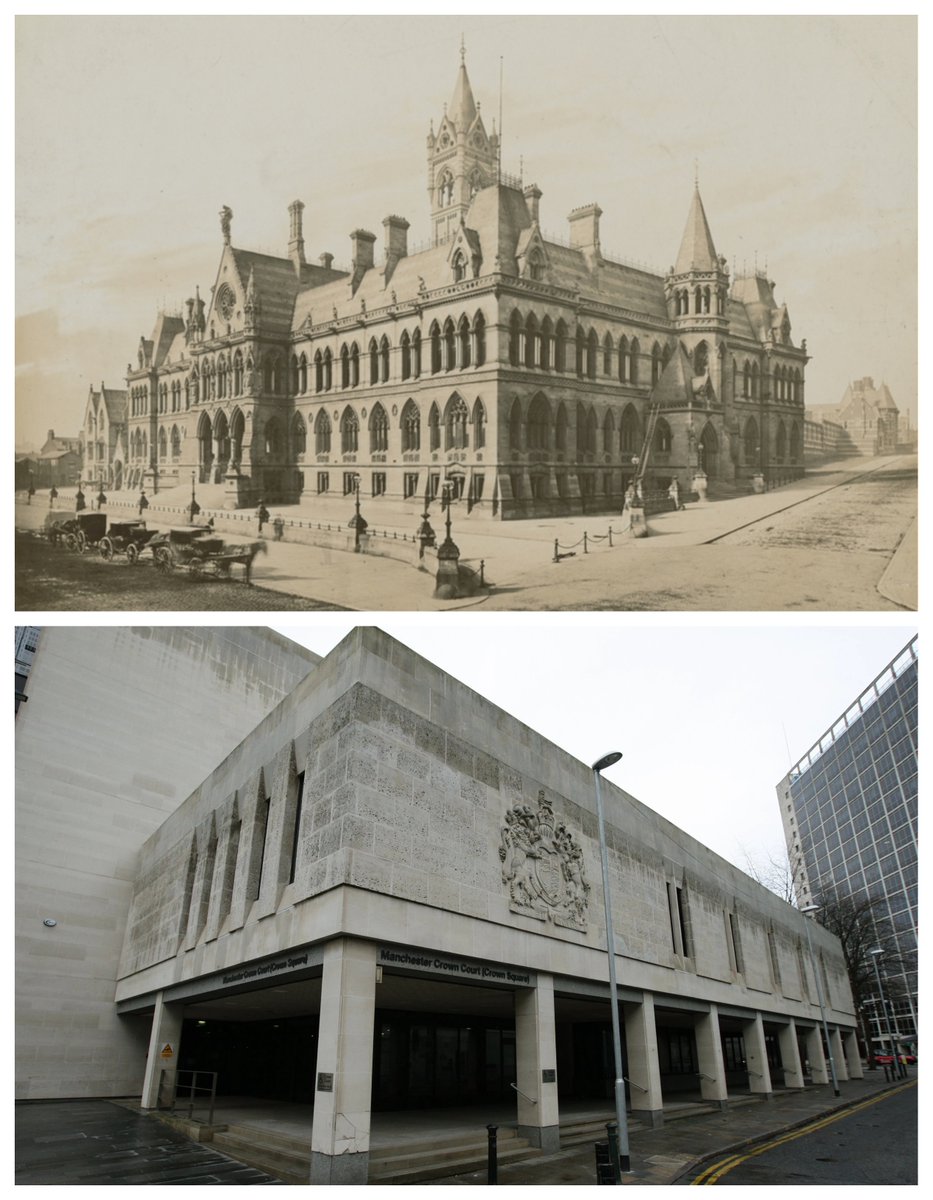
Well, plenty of buildings had been irreparably damaged by bombs and were beyond saving. Like the Assize Courts in Manchester, severely damaged in 1941 and knocked down for good in 1957.
Well, plenty of buildings had been irreparably damaged by bombs and were beyond saving. Like the Assize Courts in Manchester, severely damaged in 1941 and knocked down for good in 1957.
And some of these old Victorian buildings were, even if they had survived the bombs, in a state of total disrepair.
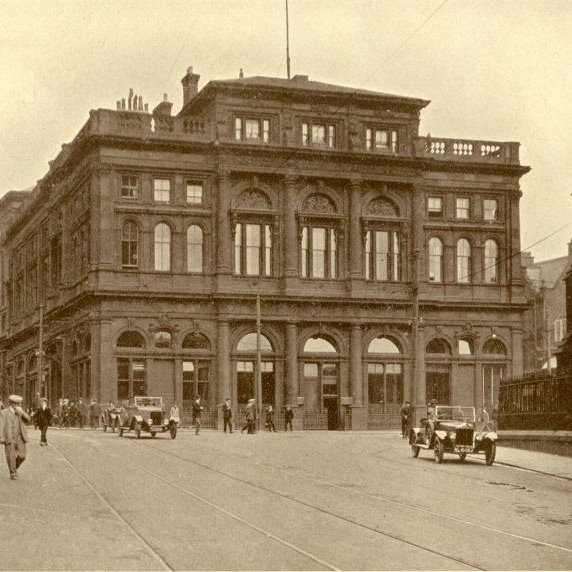
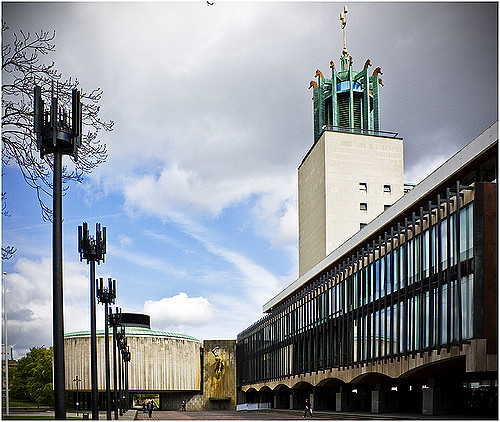
As with the old Newcastle Town Hall, which had to be vacated in the early 1960s. Its replacement, the Civic Centre, was built in 1971.
As with the old Newcastle Town Hall, which had to be vacated in the early 1960s. Its replacement, the Civic Centre, was built in 1971.
Still, that doesn't explain the demolition of buildings which were in perfect or at least serviceable condition.
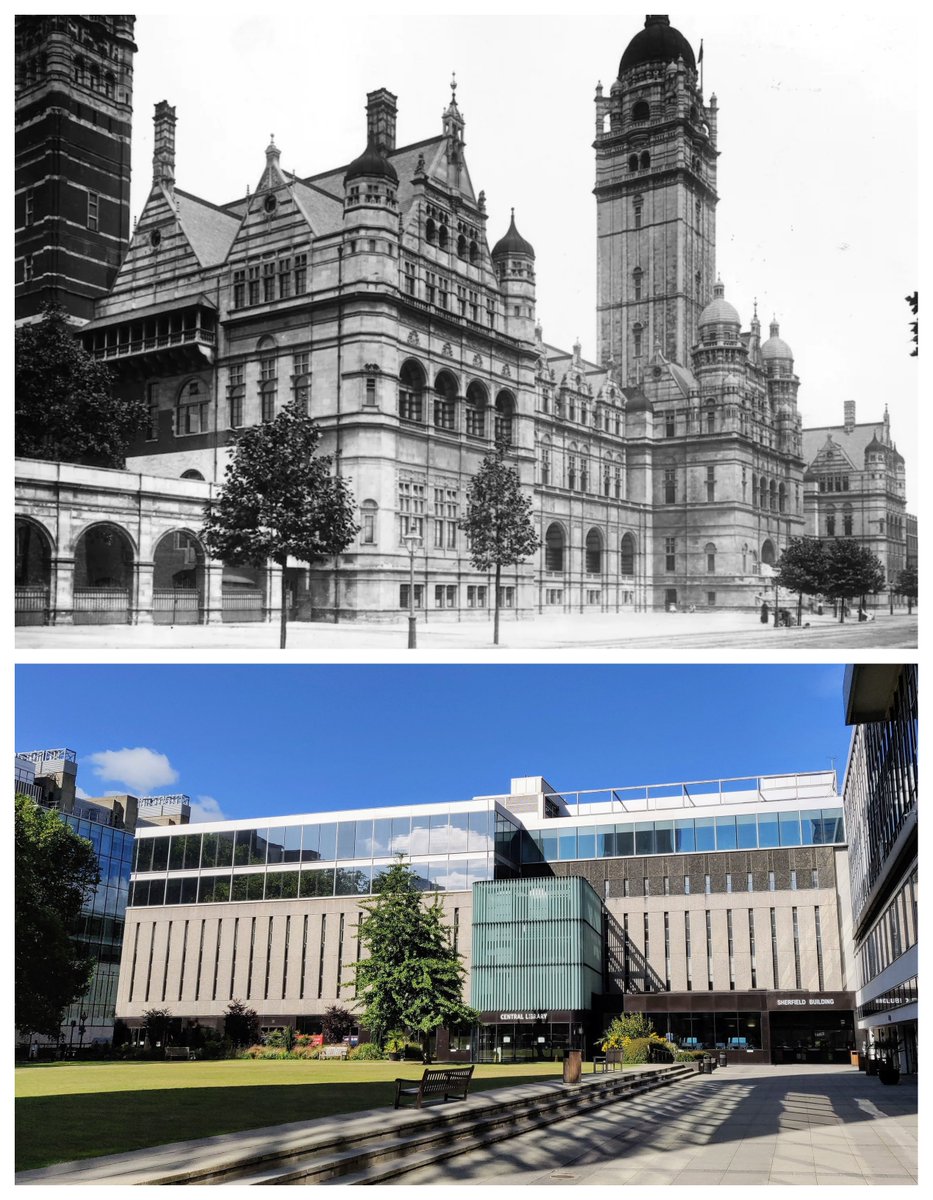
This is the Imperial Institue in London, built in 1893 and demolished (apart from the tower on the right) in 1967.
This is the Imperial Institue in London, built in 1893 and demolished (apart from the tower on the right) in 1967.
And then there's Manchester Town Hall, which was set to be demolished in the 1960s and replaced.
It survived by the skin of its teeth and survives to this day. Plans from the 1960s show what its replacement would have been like.
It survived by the skin of its teeth and survives to this day. Plans from the 1960s show what its replacement would have been like.
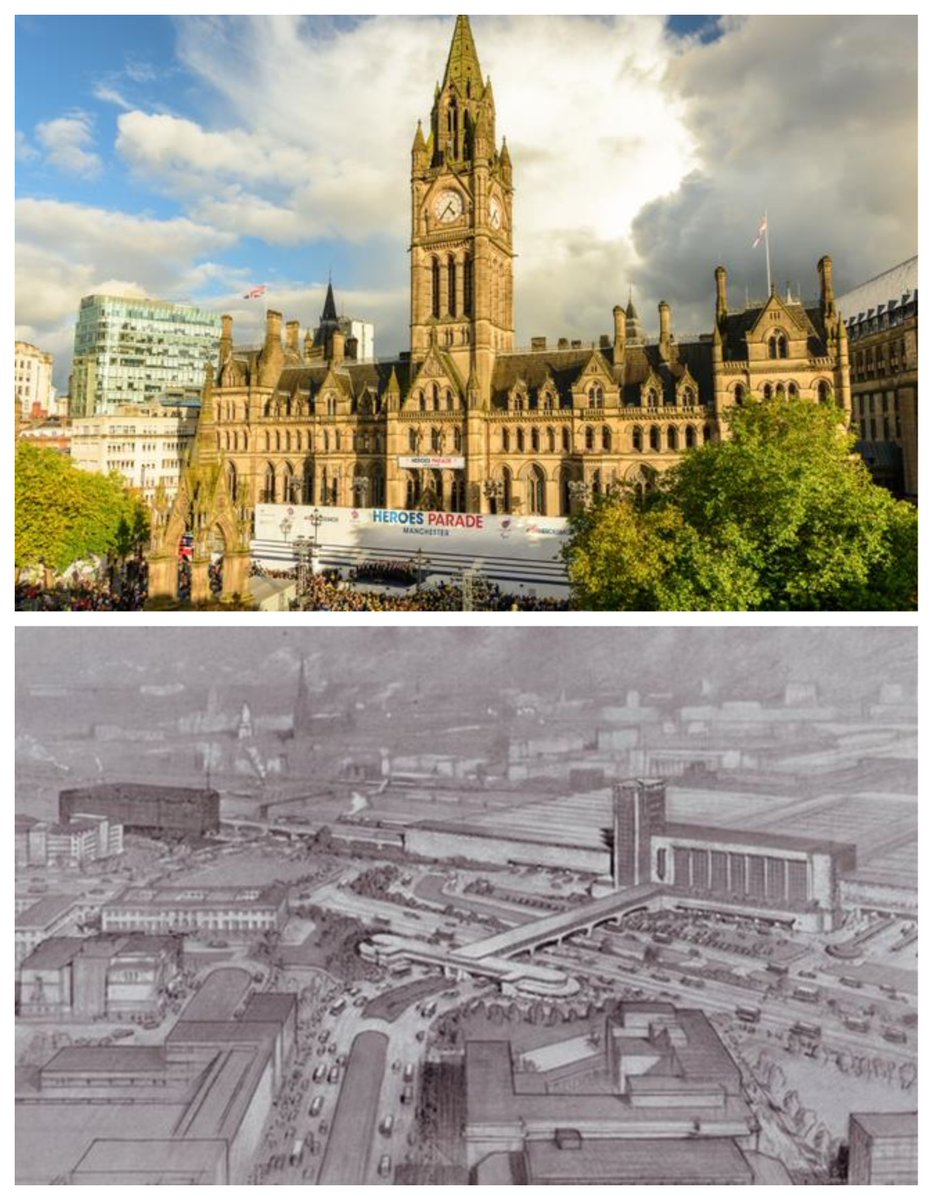
And it doesn't answer the question of why, even if these older buildings had to be knocked down, they were replaced by such a wildly different architectural style.
As with the original Lewisham Town Hall, demolished in 1968 and replaced with the new Civic Suite in 1971.
As with the original Lewisham Town Hall, demolished in 1968 and replaced with the new Civic Suite in 1971.
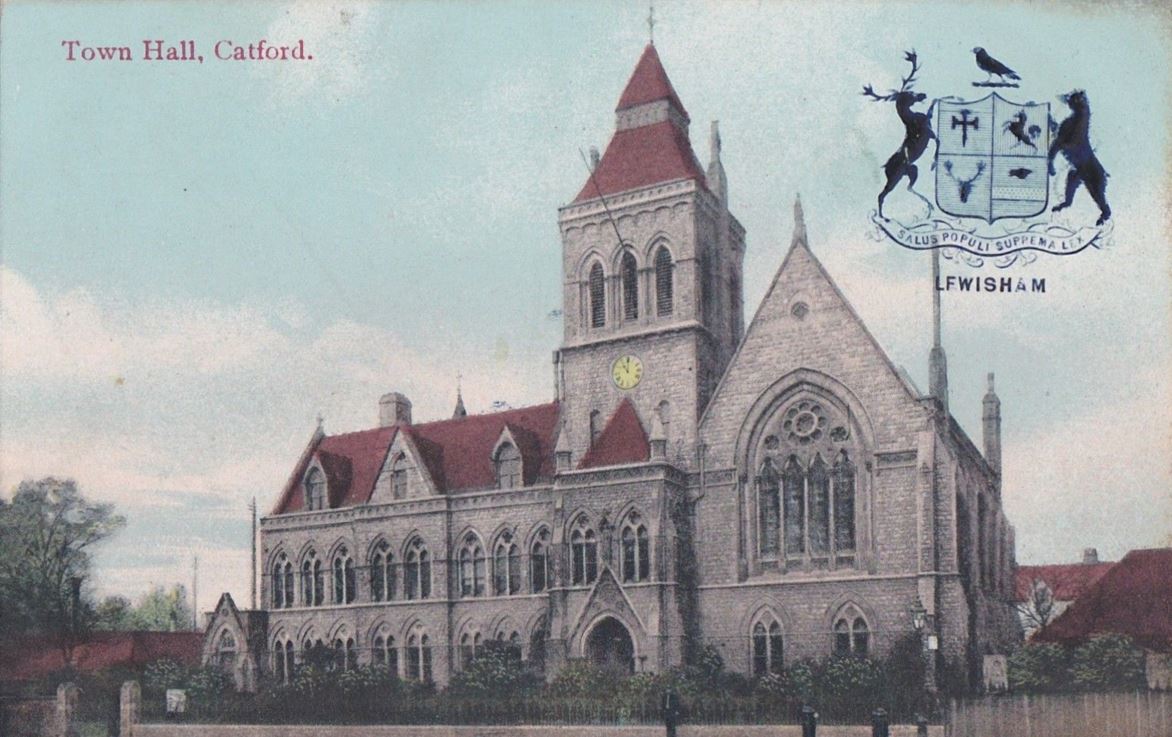
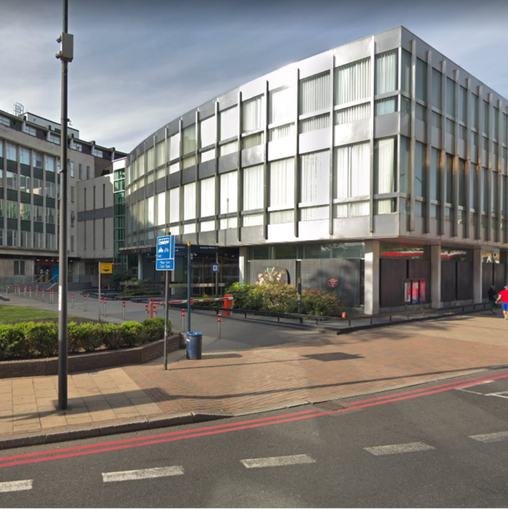
Well, in the mid-20th century Britain's cities were full of Victorian architecture. To us they might look beautiful, old-fashioned, and quaint, but back then they were the norm.
Covered in soot and falling to pieces, many people thought such buildings needed replacing.
Covered in soot and falling to pieces, many people thought such buildings needed replacing.
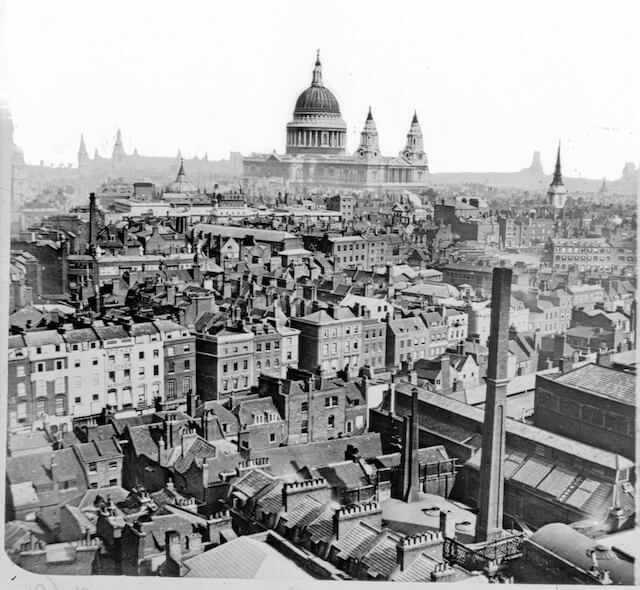
Modernist and Brutalist architecture, which had been formulating ever since the 1920s with the Bauhaus in Germany, came to full prominence in the 1950s.
It looked like the future. And it was supposed to promise a better world, representing a wave of social and economic change.
It looked like the future. And it was supposed to promise a better world, representing a wave of social and economic change.
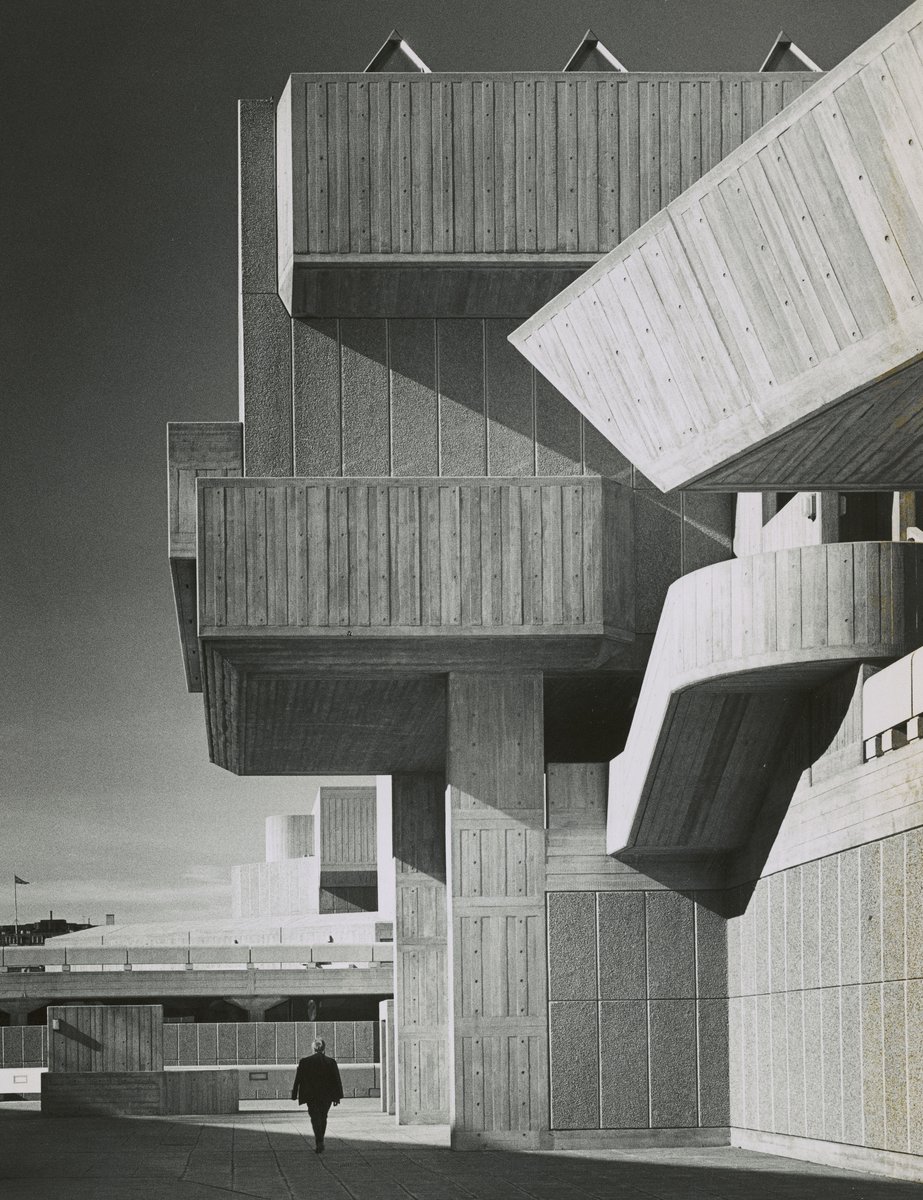
Britain was full of dingy Victorian buildings with draughty windows and bad heating, ill-suited for living or working in.
This new style, meanwhile, differed not only in appearance but marked a new era of public infrastructure and housing, thoroughly modern and fit-for-purpose.
This new style, meanwhile, differed not only in appearance but marked a new era of public infrastructure and housing, thoroughly modern and fit-for-purpose.
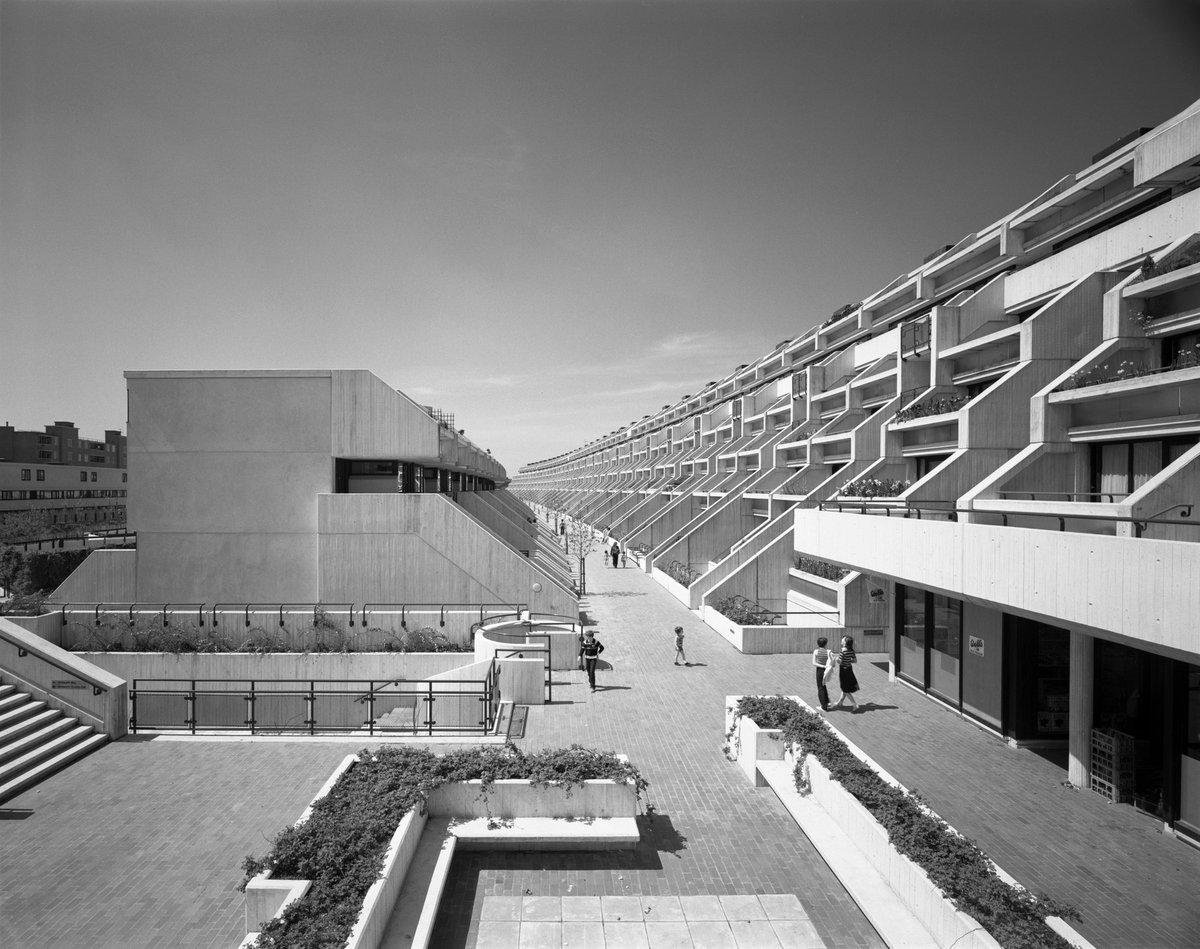
Still, a great deal of architectural heritage was lost, and plenty of people at the time knew that.
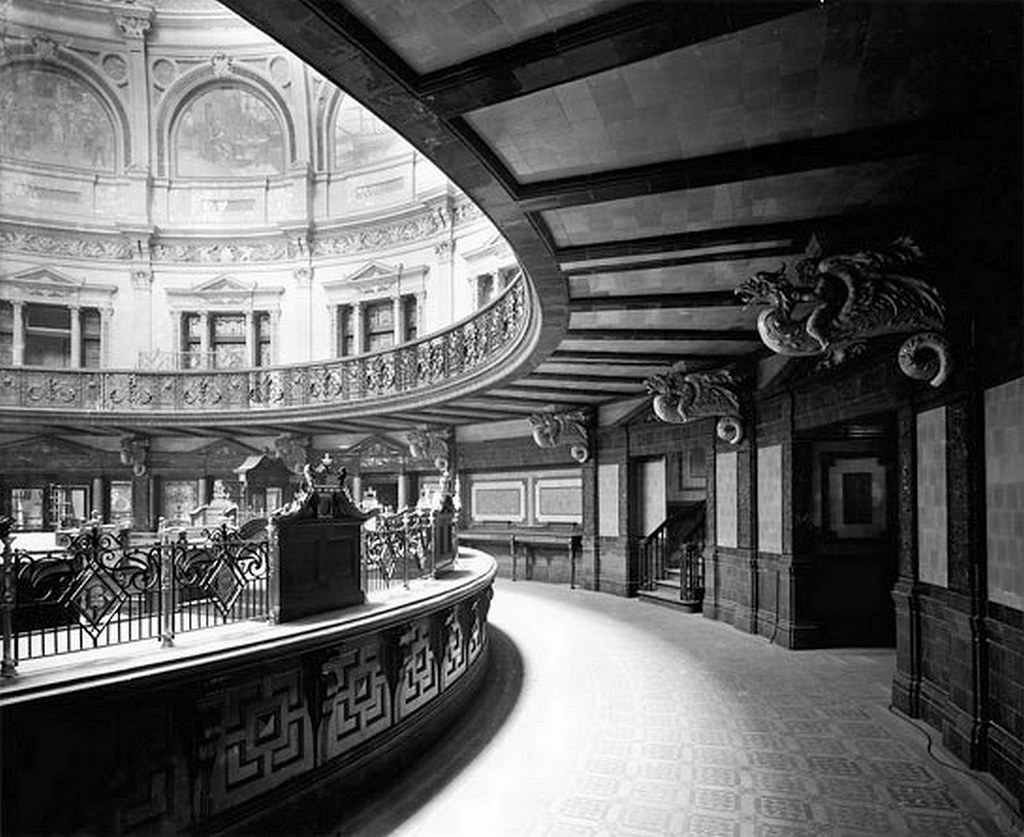
The old Birkbeck Bank in London was a masterpiece of Victorian design, built in the 1890s with brand-new steel frame construction methods which underpin much modern architecture.
The old Birkbeck Bank in London was a masterpiece of Victorian design, built in the 1890s with brand-new steel frame construction methods which underpin much modern architecture.
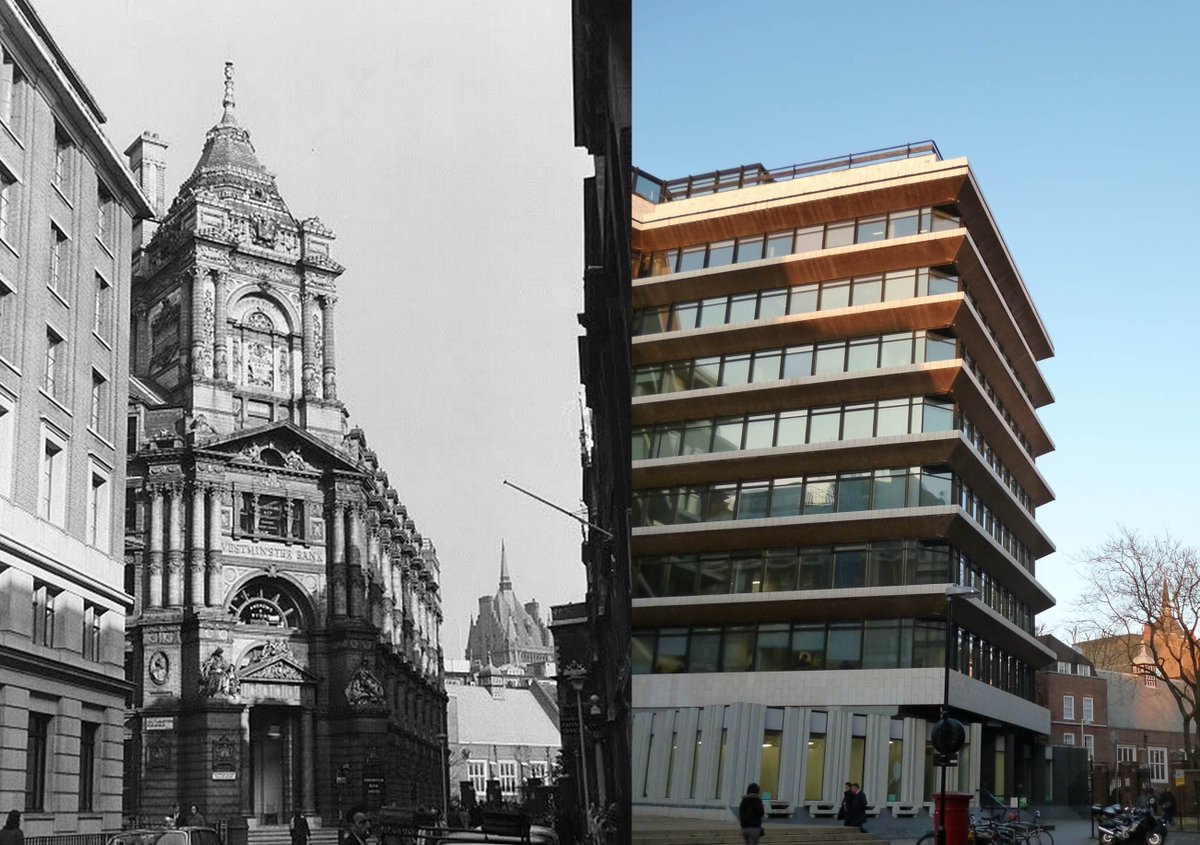
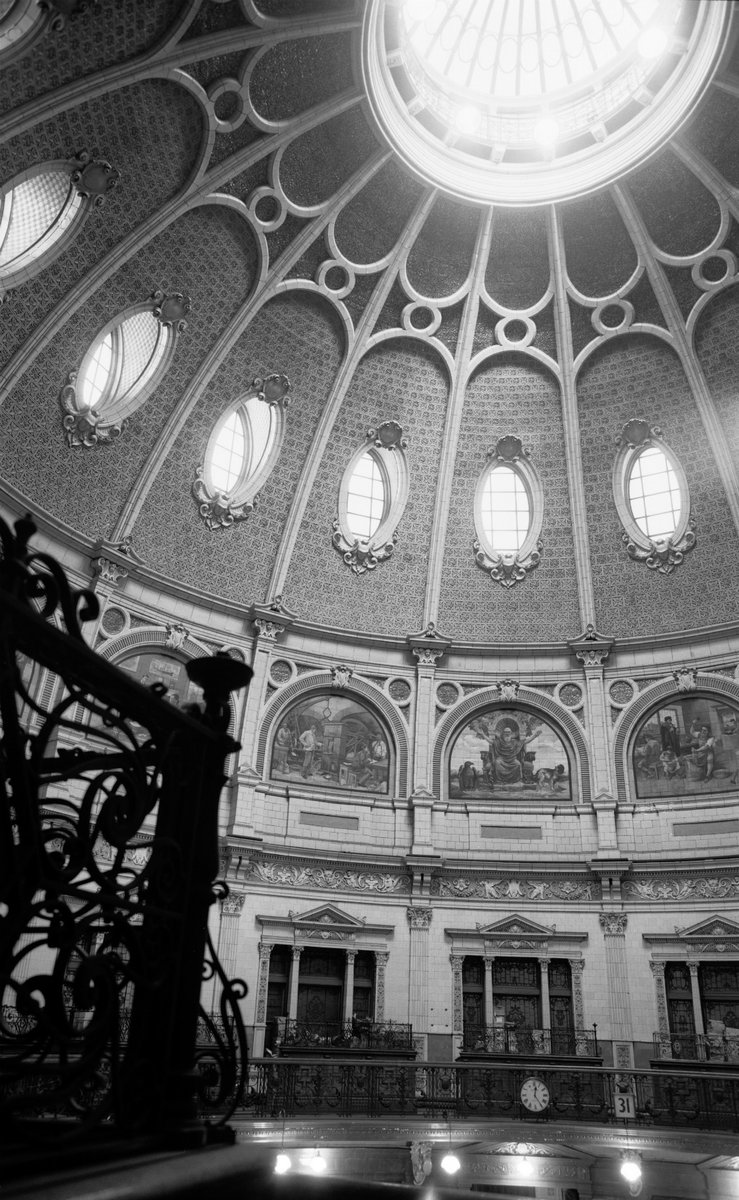
And its interior was filled with delicate iron-wrought balconies and grills, murals, glazed ceramics, and an impressive rotunda.
Its unnecessary demolition in 1964 was regarded as a disgrace, but campaigns to save the building failed to convince the local authorities.
Its unnecessary demolition in 1964 was regarded as a disgrace, but campaigns to save the building failed to convince the local authorities.
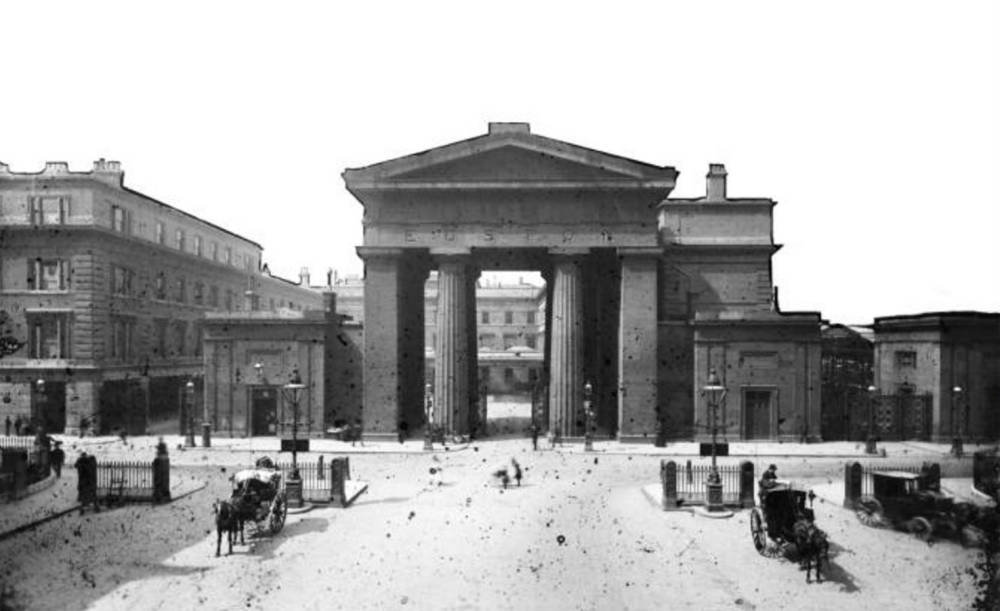
And the same is true of the famous Euston Arch, first built in 1837. It had always been controversial, criticised even in the 19th century as an eyesore.
But when the government had it pulled down in 1962 people lamented the seemingly needless loss of something so unique.
But when the government had it pulled down in 1962 people lamented the seemingly needless loss of something so unique.
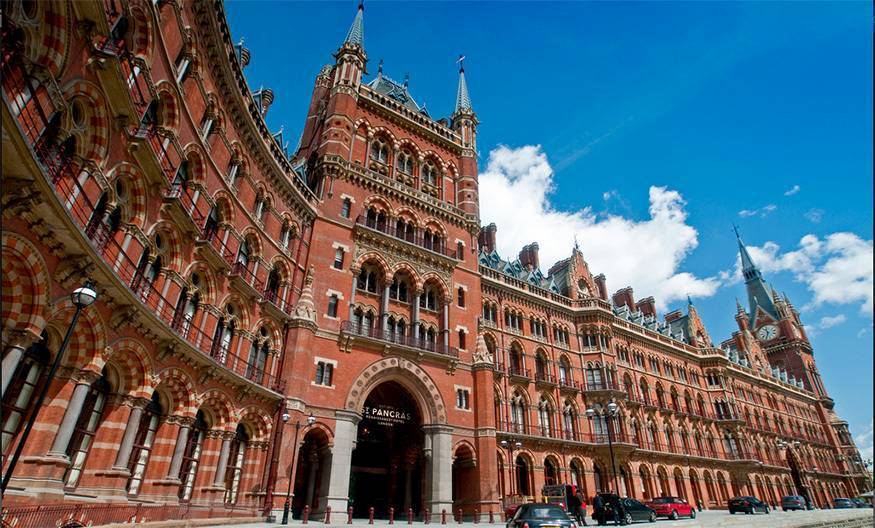
And St. Pancras Station in London, now much-loved and regarded as a masterpiece of 19th century eclectic architecture and Victorian grandeur, barely escaped demolition itself.
It was half-derelict by the 1970s and has since been successfully restored.
It was half-derelict by the 1970s and has since been successfully restored.
But many of these old buildings weren't destroyed because of any architectural idealism.
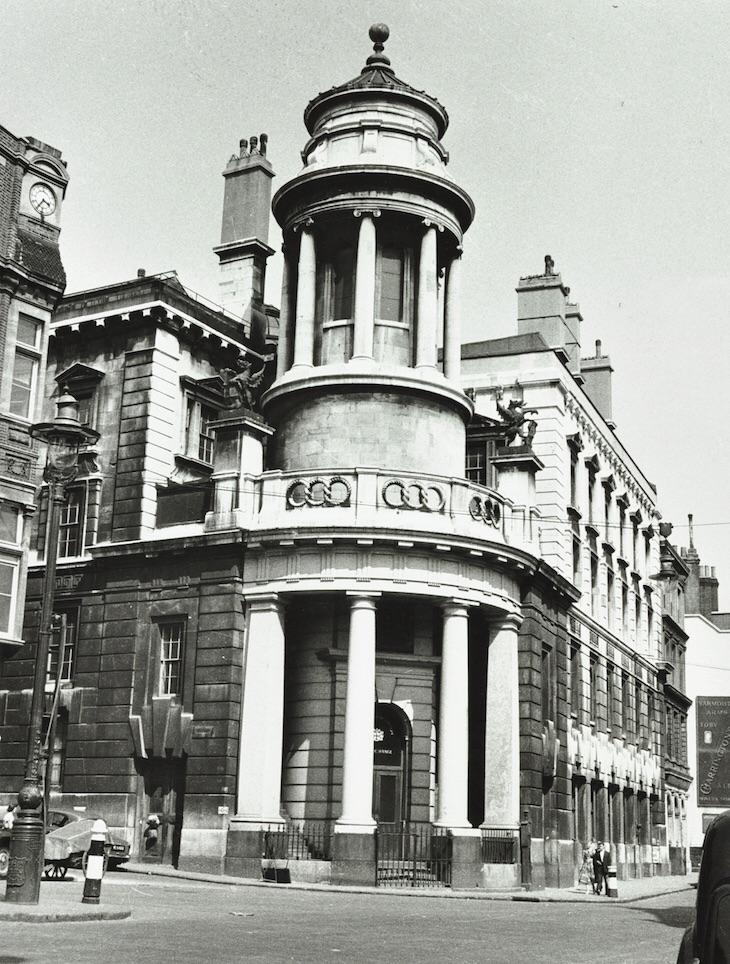
The Coal Exchange in London, for example, was demolished to make way for a road expansion. One of many buildings deemed subsidiary to the needs of traffic circulation.
The Coal Exchange in London, for example, was demolished to make way for a road expansion. One of many buildings deemed subsidiary to the needs of traffic circulation.
What is perhaps most remarkable about the changing appearance of the architecture of British cities is that the cycle of demolition hasn't ended.
Sunderland's magnificent old town hall, built in 1890, was demolished in the early 1970s.
Sunderland's magnificent old town hall, built in 1890, was demolished in the early 1970s.
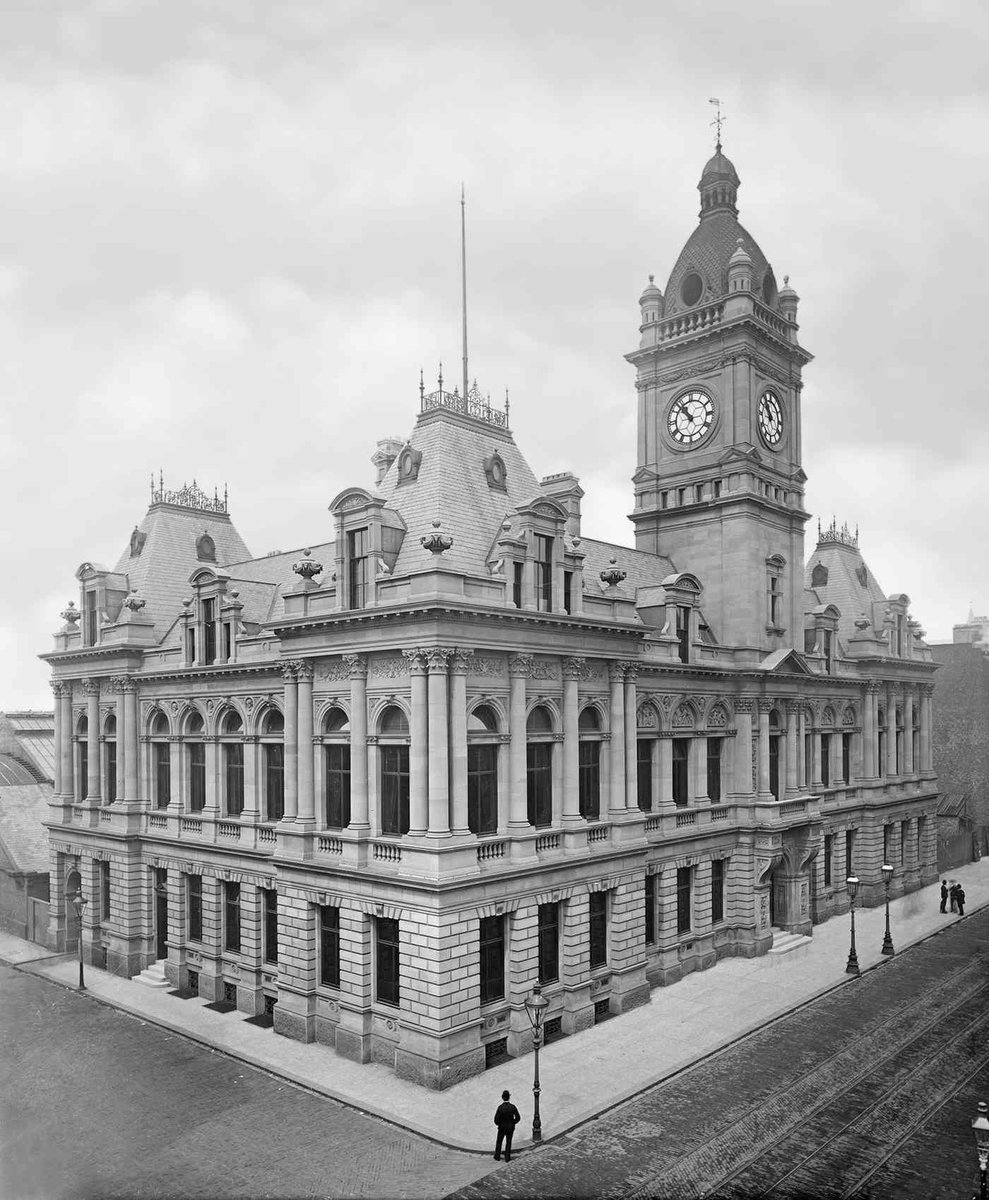
Its hexagonal 1971 replacement was demolished last year and replaced by another town hall, completed in 2021.
How long until this new building falls into disrepair or its contemporary style is deemed unattractive and then knocked down?
How long until this new building falls into disrepair or its contemporary style is deemed unattractive and then knocked down?
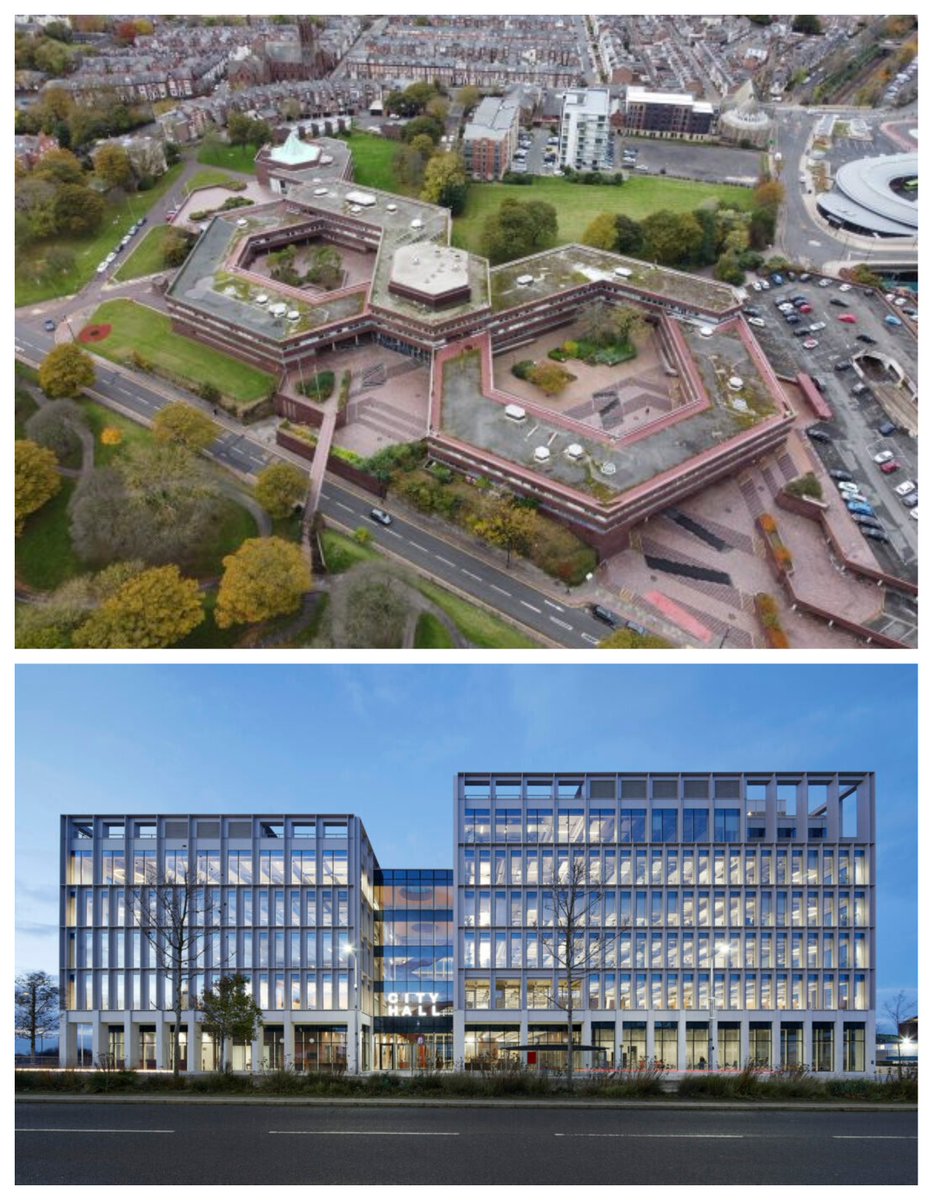
Then there's Birmingham Central Library.
The original burned down in the 1870s, to be replaced in 1882 by a vast new library with a striking interior.
The original burned down in the 1870s, to be replaced in 1882 by a vast new library with a striking interior.
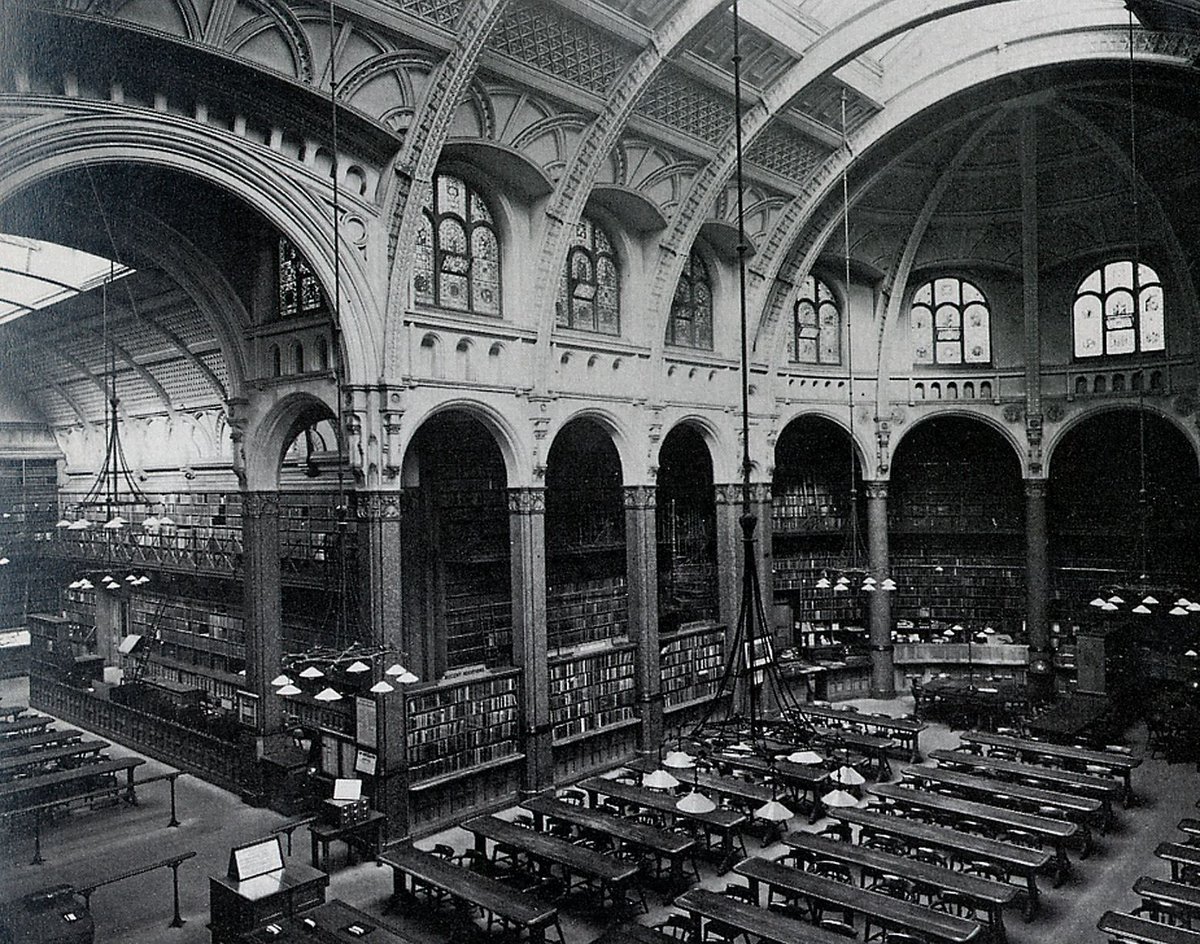
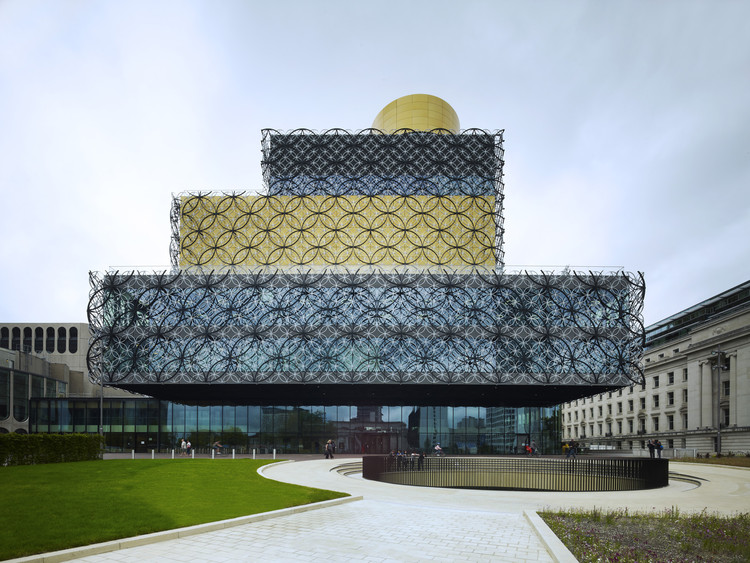
That was demolished in 1974 to make way for the new Birmingham Central Library, a veritable icon of Brutalist architecture and the largest non-national library in Europe.
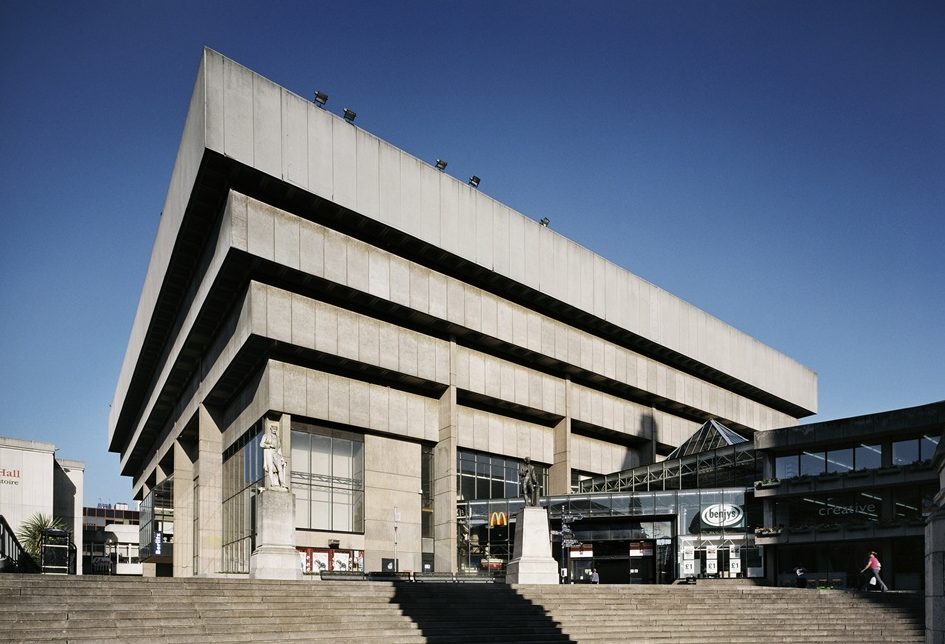
Which was itself demolished in 2016 and replaced by the new Library of Birmingham.
As times change so do tastes. Victorian buildings were once considered too old-fashioned and not fit-for-purpose. Brutalism is undergoing the same treatment now.
As times change so do tastes. Victorian buildings were once considered too old-fashioned and not fit-for-purpose. Brutalism is undergoing the same treatment now.
This cycle extends into the past, too.
The neoclassical house where Queen Elizabeth II was born on Bruton Street, in London, was demolished in the 1930s.
The neoclassical house where Queen Elizabeth II was born on Bruton Street, in London, was demolished in the 1930s.
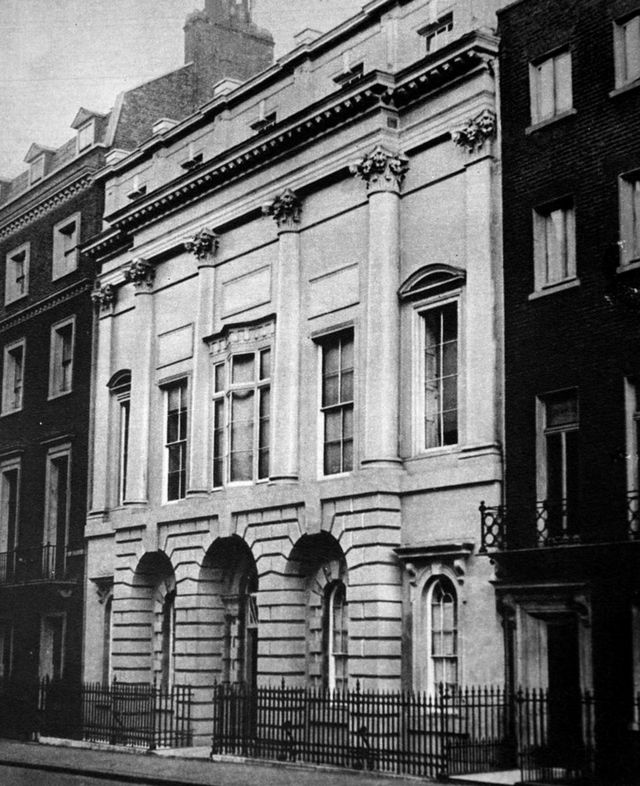
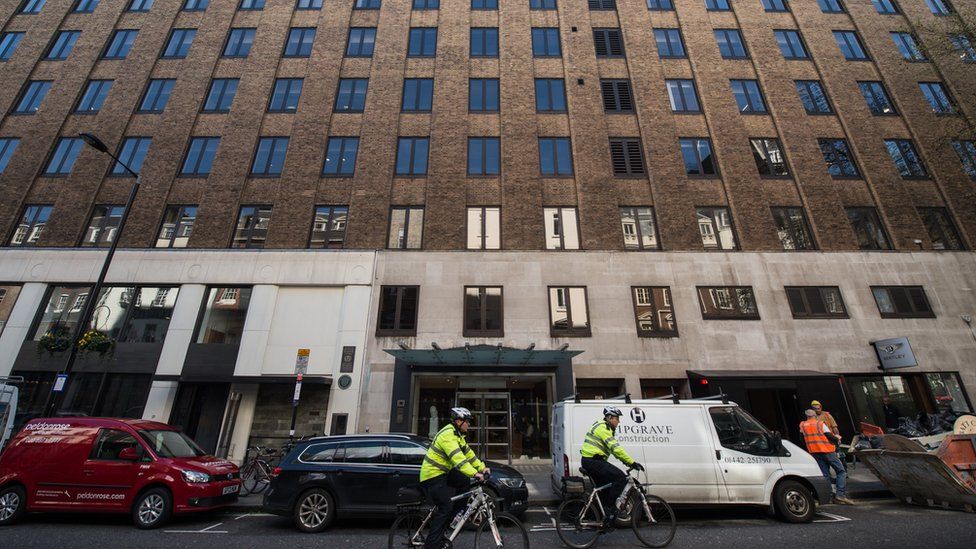
And the Victorians themselves were far from sentimental; they had no issue with demolishing old buildings to make way for their own.
Not least the Roman-Medieval walls of London, now surviving in fragments. All of these buildings here were demolished in the 19th century, too:
Not least the Roman-Medieval walls of London, now surviving in fragments. All of these buildings here were demolished in the 19th century, too:
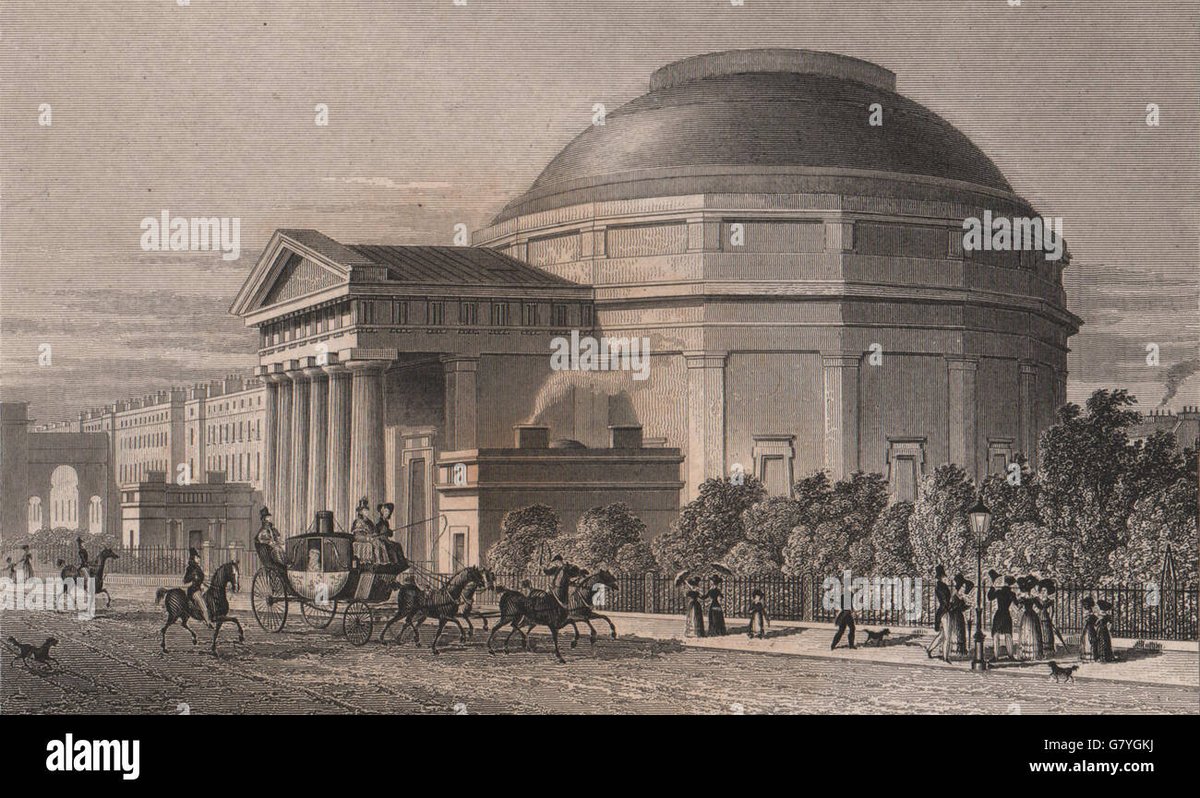
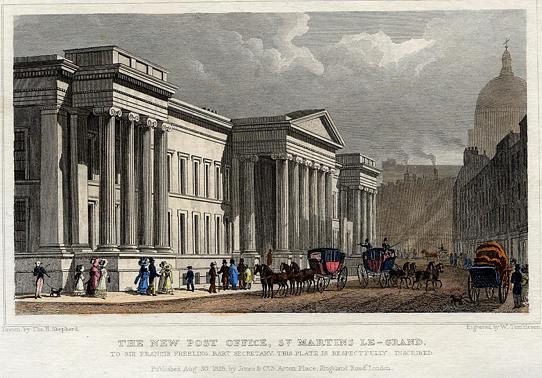
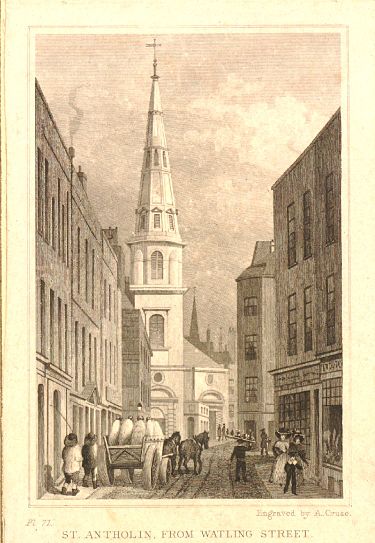
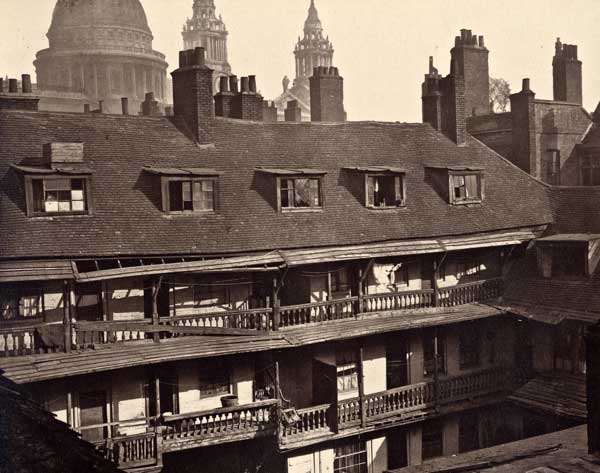
In the 1800s plenty of people lamented the rise of what they considered modern architecture alongside the demolition and replacement of even older buildings.
It happened again in the postwar decades and it's happening now with the destruction of Brutalism.
It happened again in the postwar decades and it's happening now with the destruction of Brutalism.
Who benefits from this cycle of demolition? It's hard to say, although construction companies and property developers certainly do.
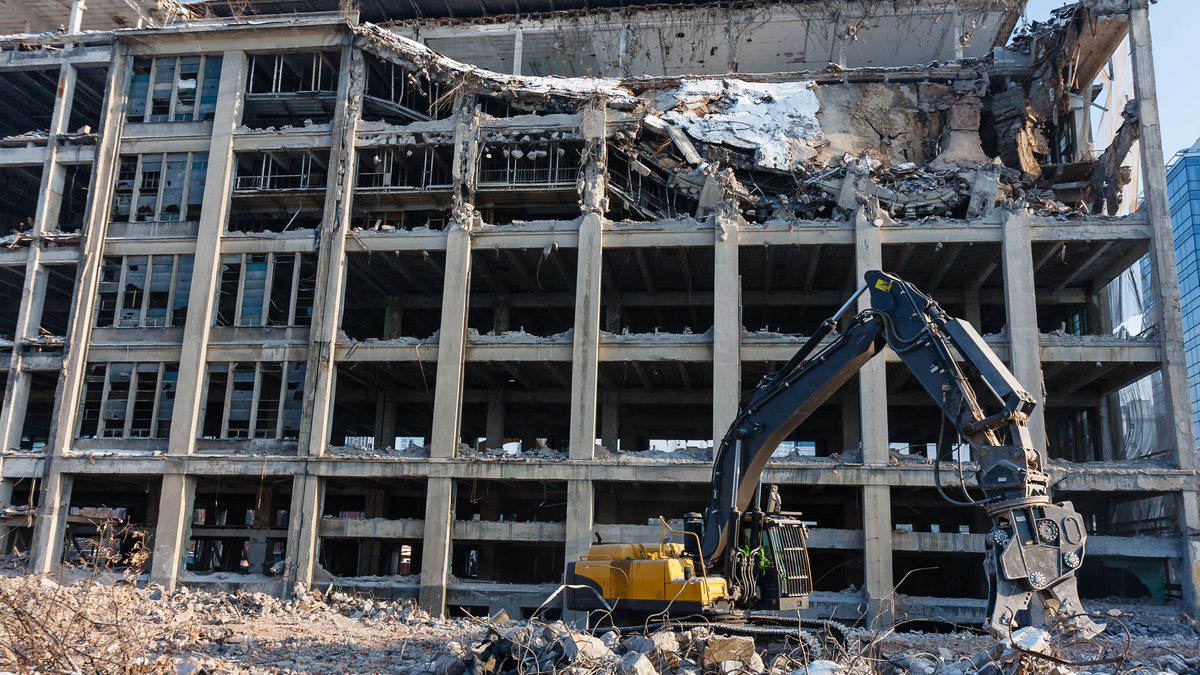
But all those Victorian demolitions in the 20th century strengthened the preservation movement in Britain.
Many buildings are now officially listed, thus protecting them from demolition or development, to ensure that the same thing won't happen again.
Many buildings are now officially listed, thus protecting them from demolition or development, to ensure that the same thing won't happen again.
Loading suggestions...