
Parthenon's many lives

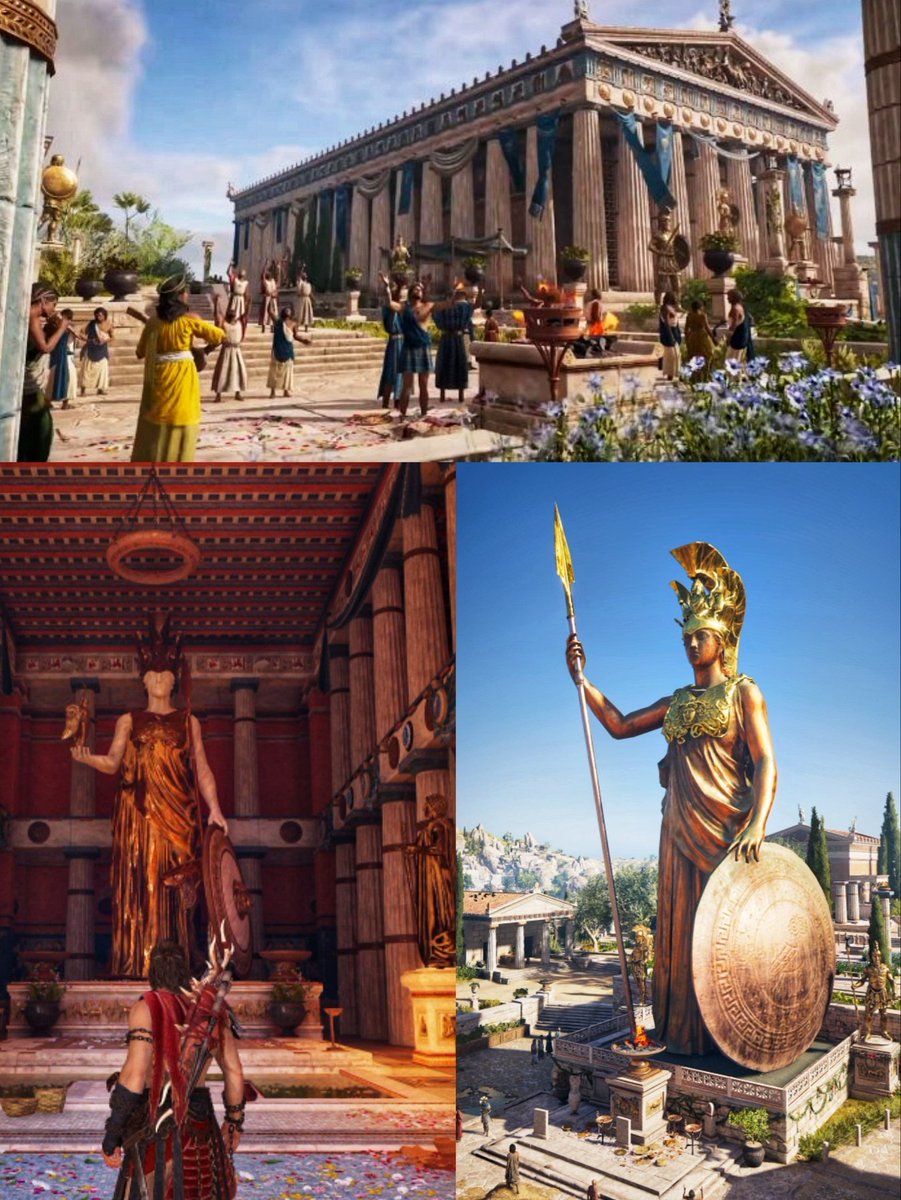
In the 5th c. BC, the Athenian leader Pericles began the construction of many great monuments in Athens. Many of them were prior destroyed during the Greco-Persian Wars. The current building of the Parthenon was inaugurated in 438 BC.

The buildings at the Acropolis were considered a pinnacle of the classical architecture, influencing the Greek/Hellenistic and Roman world.
Although it suffered minor destructions and many of its important relics were transported, it remained a pagan temple until the 6th c. AD
Although it suffered minor destructions and many of its important relics were transported, it remained a pagan temple until the 6th c. AD
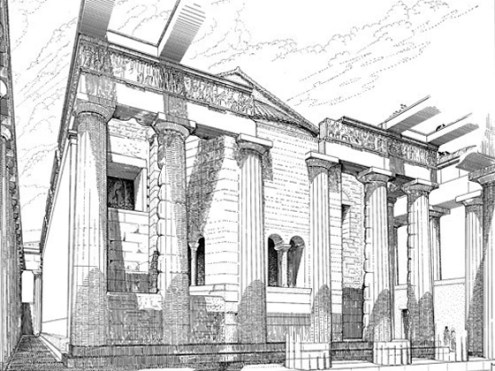
After the Christianization of the empire and series of decrees outlawing pagan worship, Athenians had to accept the Christian faith. In the 6th c. Parthenon was converted to a church, dedicated to Mary mother of God. For the new worship they made a handful of structural changes.
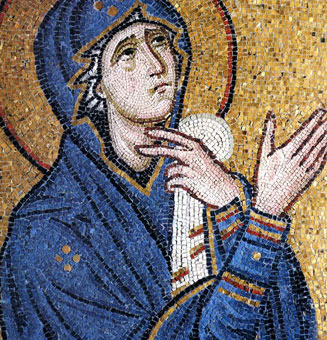
Soon after the Church of Parthenon became known as Panagia Atheniotissa (our lady of Athens) while its reputation and importance never dimmed. It's indicative that the Basileus (Eastern Roman Emperor) Basil II came to pay respect to the Parthenon after defeated the Bulgarians.
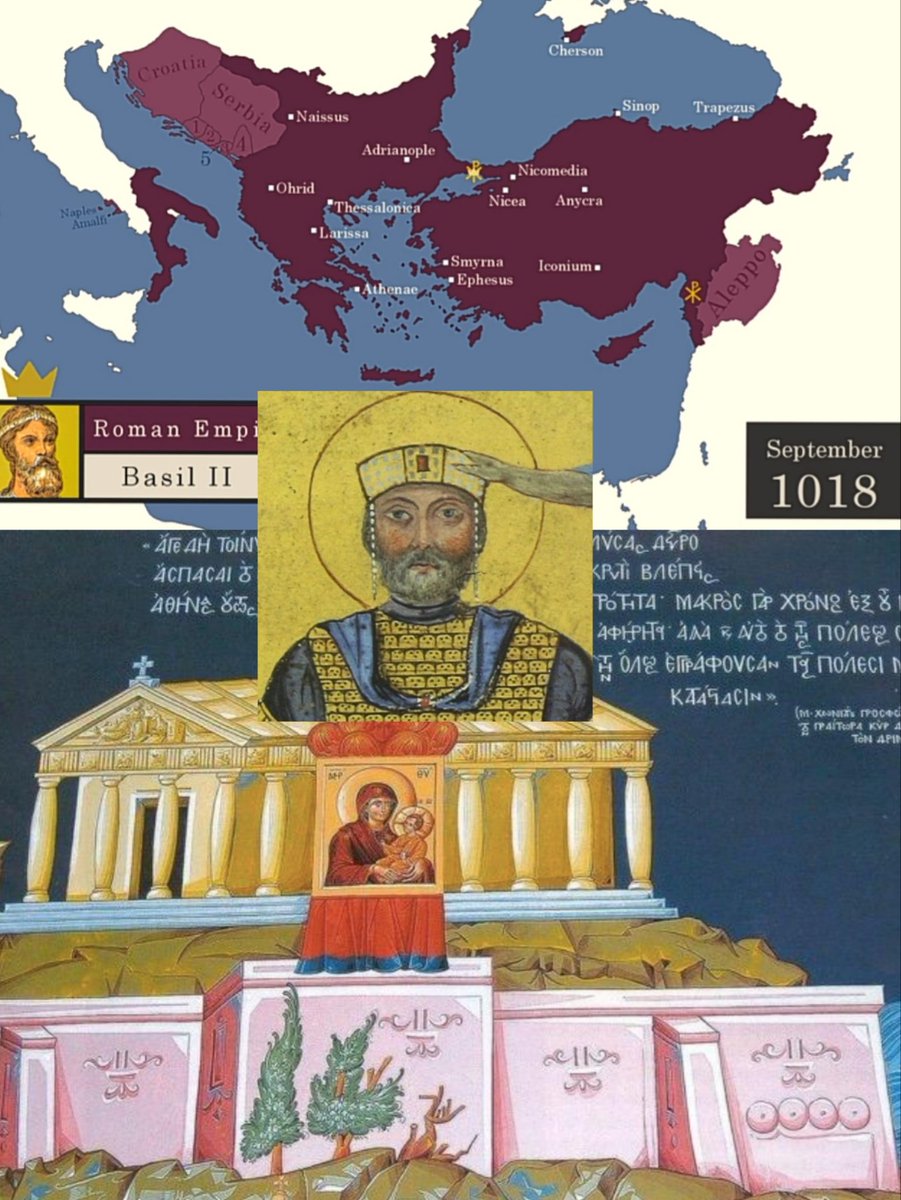
1204, the most pivotal moment of Byzantine history. The 4th crusade captured Constantinople, pillaged the wealth and relics, dismantled the territories and set up their own Latin States.
The Duchy of Athens was created and the Parthenon became a Catholic Church (cathedral).
The Duchy of Athens was created and the Parthenon became a Catholic Church (cathedral).
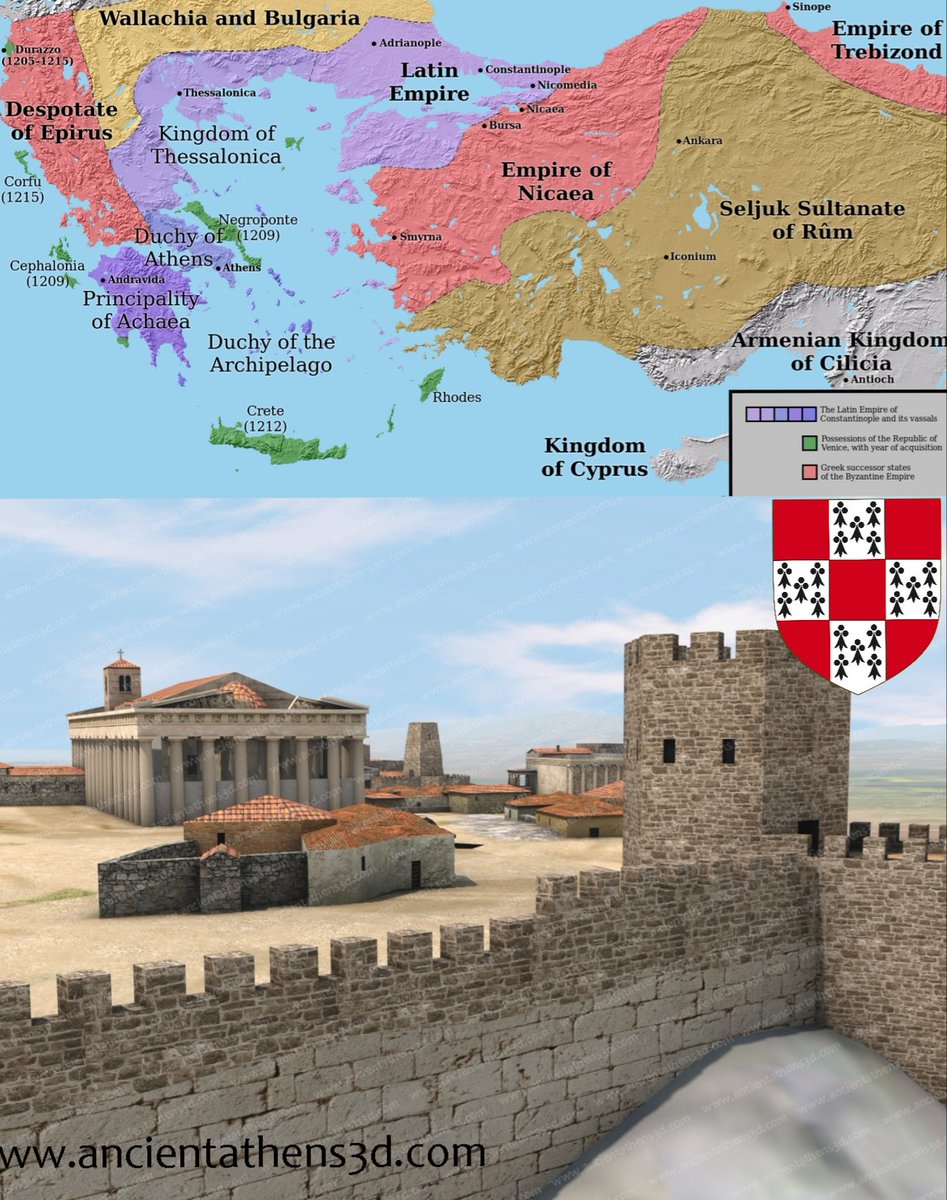
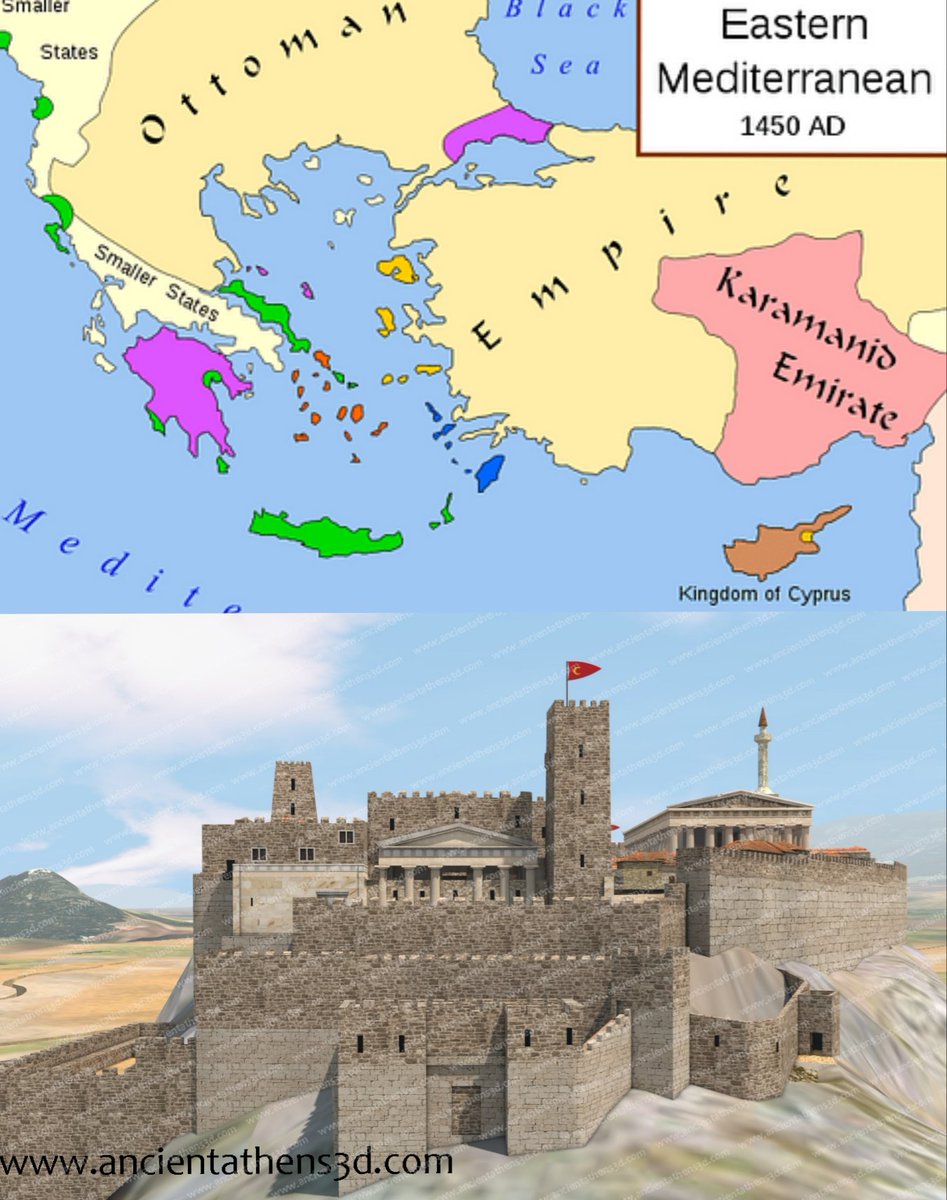
In August 1458, five years after conquering Constantinople, Sultan Mehmet II rode into Athens and took the city from the Latins.
The Parthenon converted soon after to a Mosque while a small garrison and muslim settlers made the fort of Acropolis their home.
The Parthenon converted soon after to a Mosque while a small garrison and muslim settlers made the fort of Acropolis their home.
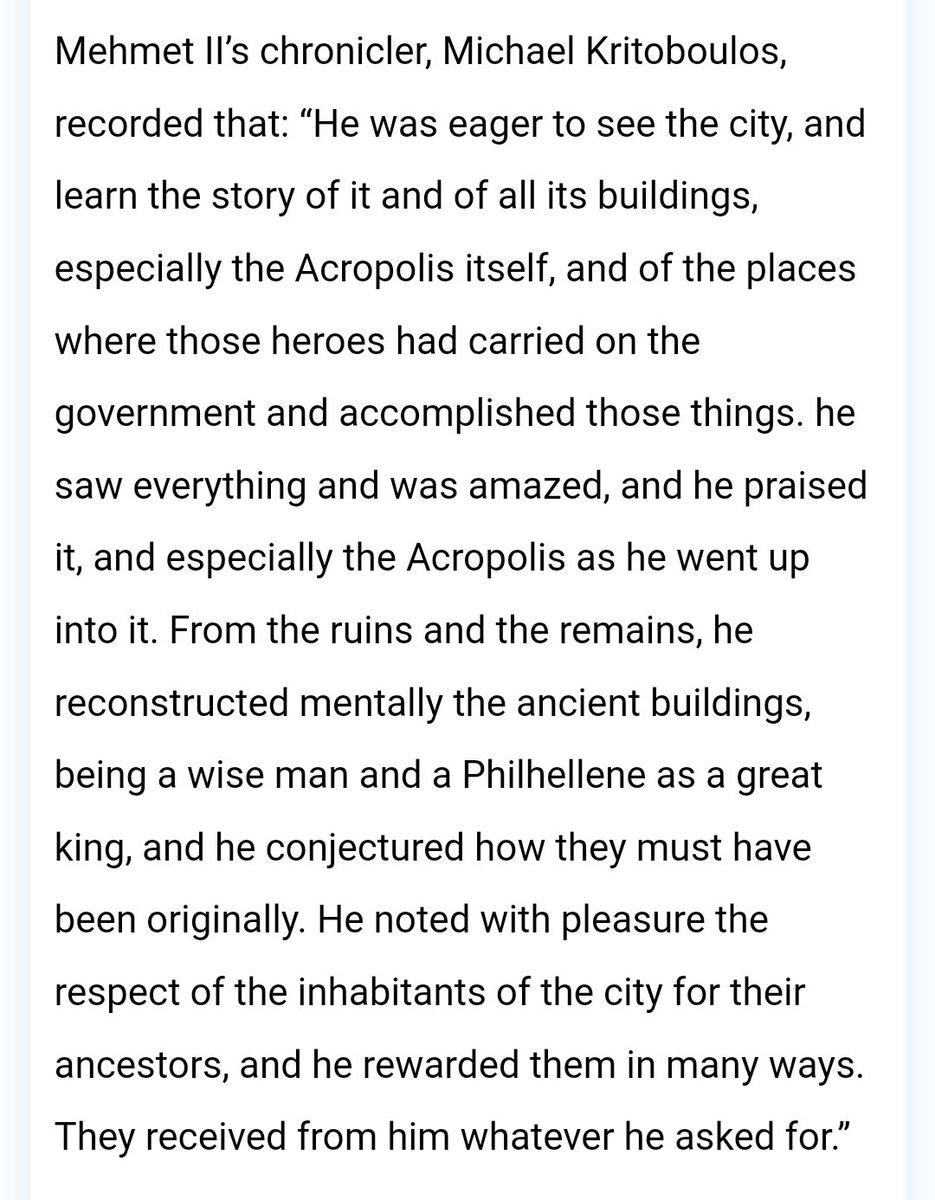
"The Mosque of Athens are more distinguished and more astounding than the monuments of all the lands I have mentioned"
"it is truly the work less of human hands than that of Heaven itself: may it be blessed and remain standing for all time"
Evliya Celebi
as-salam.press
"it is truly the work less of human hands than that of Heaven itself: may it be blessed and remain standing for all time"
Evliya Celebi
as-salam.press
George Wheler made the first recorded complaints about Hagia Sophia's maintenance 😅
All these descriptions actually prove that the Parthenon has never stopped being considered important and until 1676 was very much impressive still.
as-salam.press
All these descriptions actually prove that the Parthenon has never stopped being considered important and until 1676 was very much impressive still.
as-salam.press
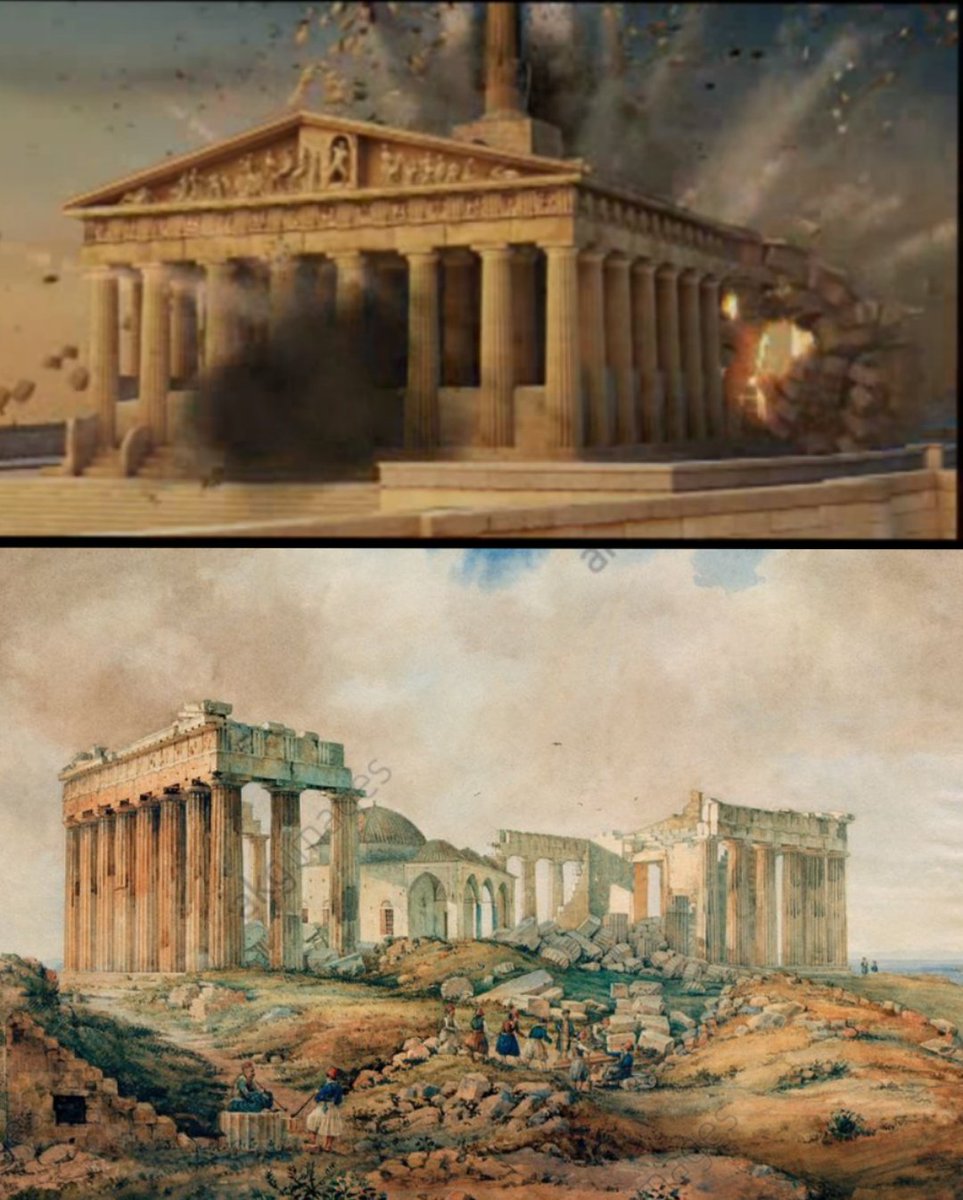
It was actually in 1687, when Venetian forces fought against the Ottomans. The Ottomans converted the Parthenon into an ammunition store. The Venetians bombarded the building with cannon fire; Parthenon was literally exploded.
A second small mosque was built inside afterwards.
A second small mosque was built inside afterwards.
1801, Thomas Bruce, 7th Earl of Elgin, a British nobleman, soldier, politician and diplomat allegedly obtained an official decree from the Ottomans, which approved his removal of the marbles. However, this firman has not been found in the Ottoman archives.
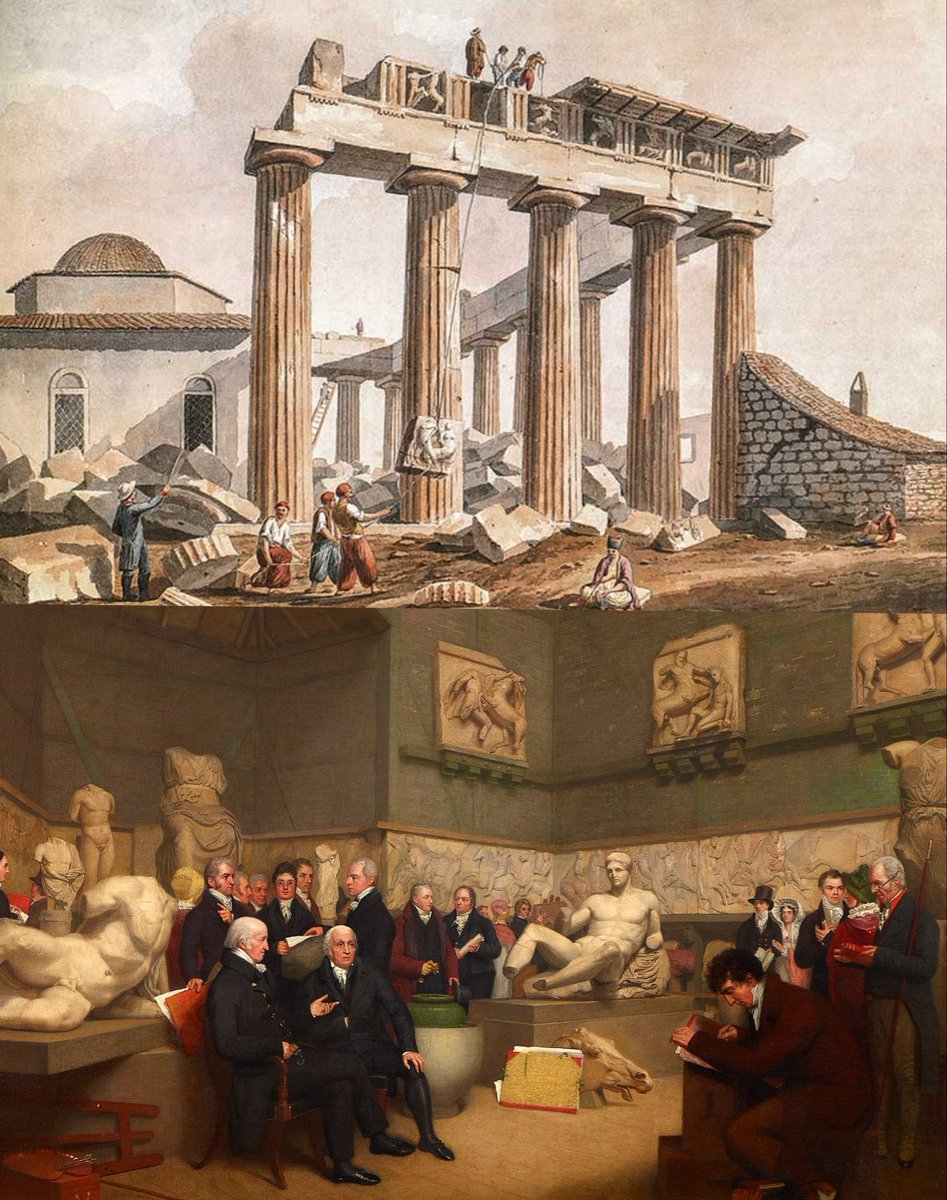
While the importance of the monument for all people that came to possess it throughout the ages can be proved, British Museum who easily acquired the stolen artifacts from Lord Elgin continues to insist that they "saved them" and legally belongs to them.
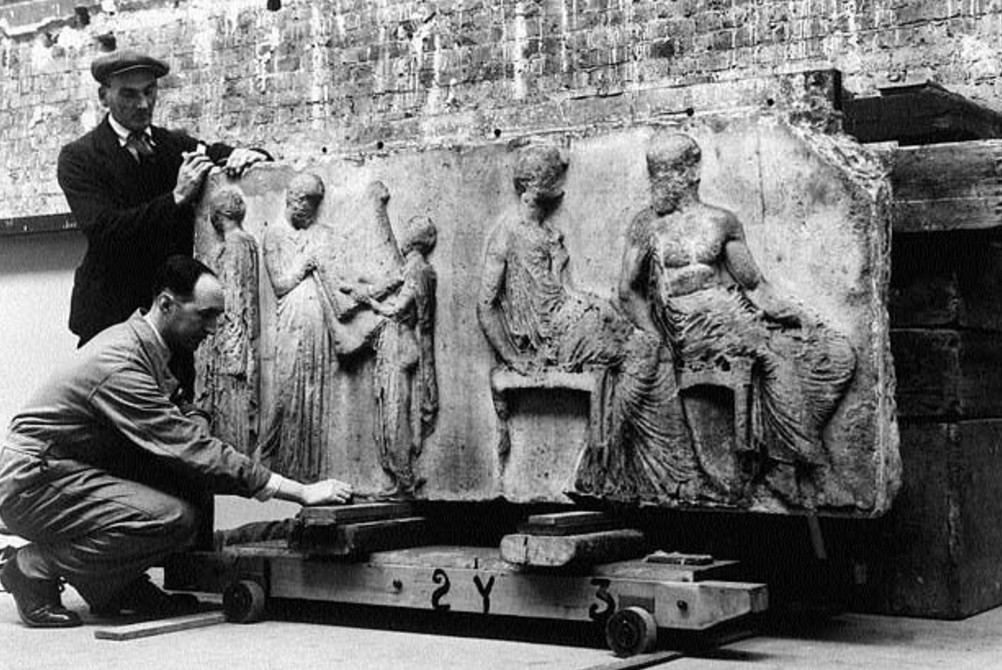
The Parthenon Marbles are just one of the cases of looted artifacts, taken during the colonial period.
Read this article!
artnews.com
Read this article!
artnews.com
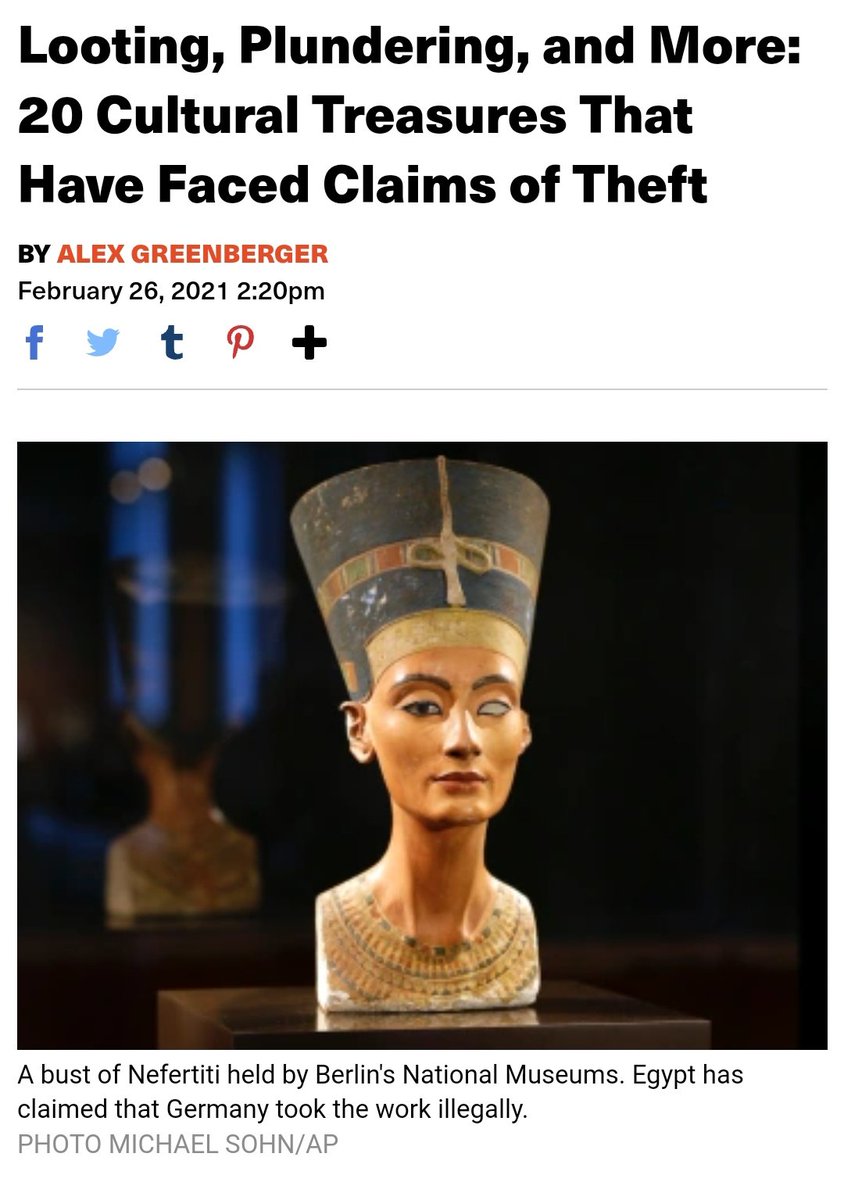
And while the conversation about the repatriation of historical monuments and the return of these in the lands they were created SHOULD somehow be seen as legit...without further explanation..all countries that demand to take back what was taken illegally are just "nationalists"

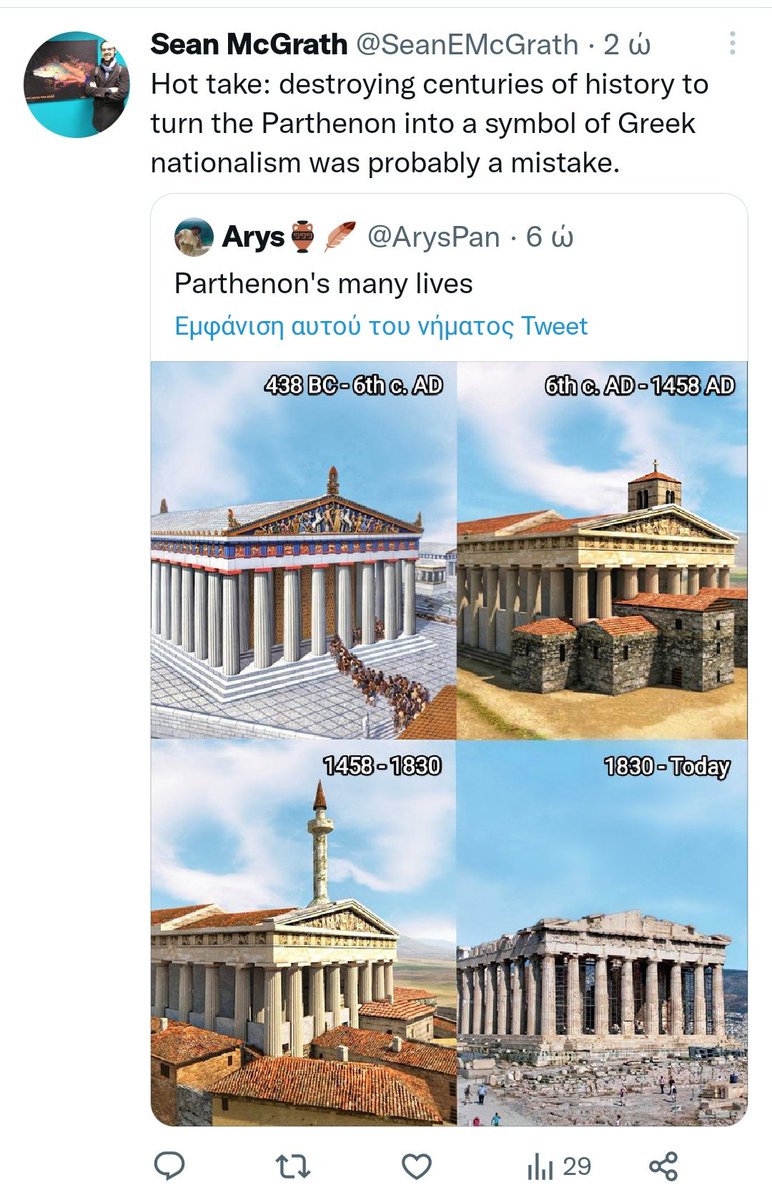

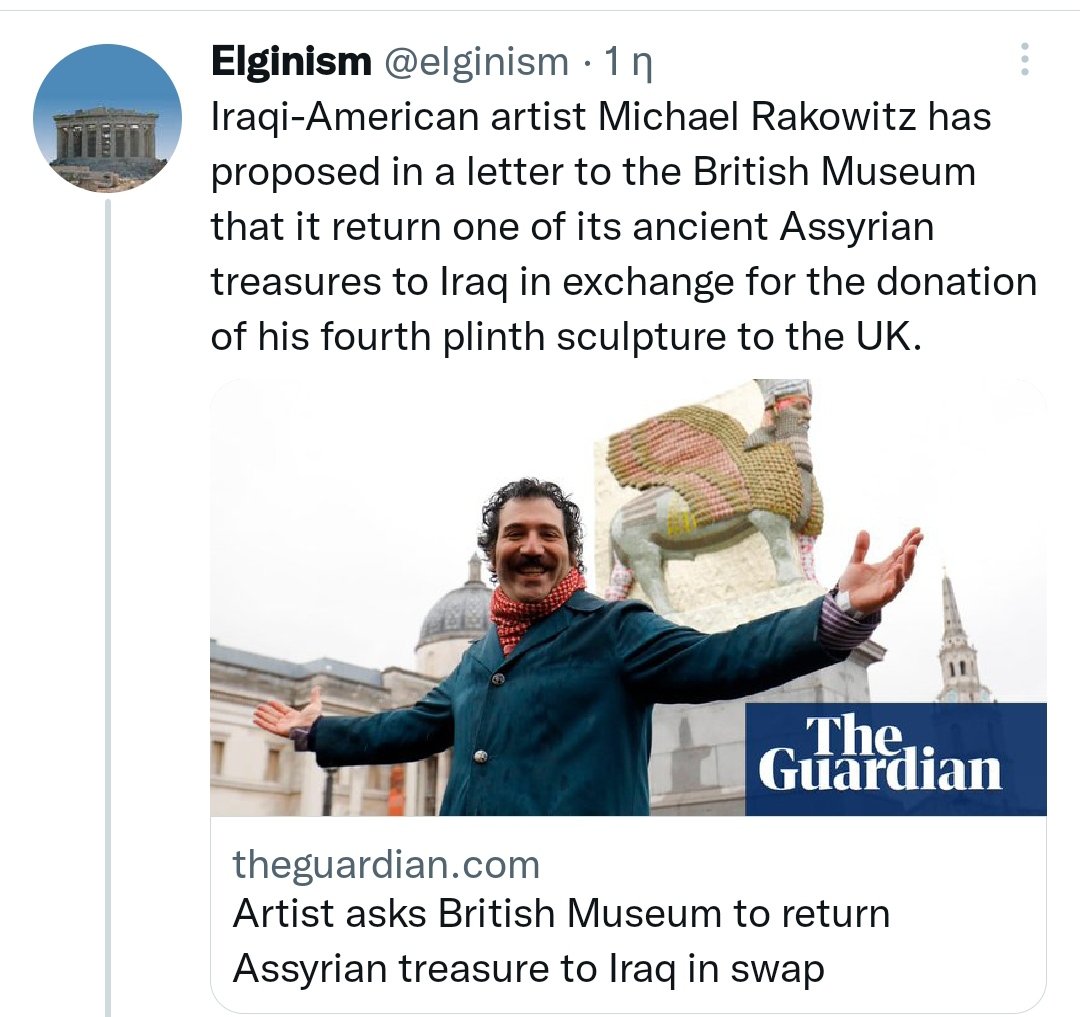
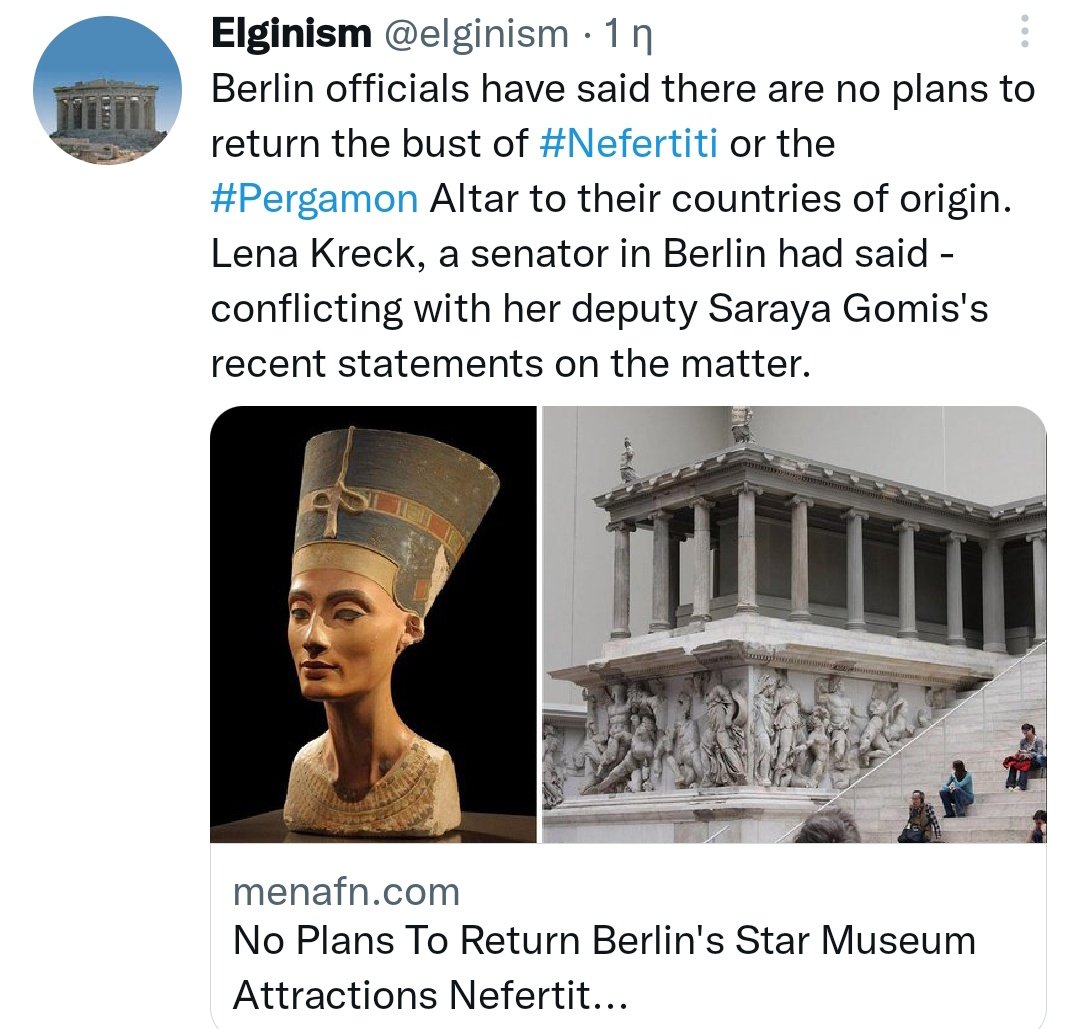
Whatever your opinions are, Parthenon definitely has a fascinating history. Admired and loved by West and East throught the ages.
Since 1830 became part of the independent Greek state and for the first time it operates as a monument and museum, open for all people to visit 💕
Since 1830 became part of the independent Greek state and for the first time it operates as a monument and museum, open for all people to visit 💕

Loading suggestions...