

Optimizing your campaigns is the secret to making millions on Google ads.
But 99% of marketers don’t know which parts to focus on.
Here are 11 things you can optimize in your campaigns to maximize your Google ads profits:
🧵
But 99% of marketers don’t know which parts to focus on.
Here are 11 things you can optimize in your campaigns to maximize your Google ads profits:
🧵
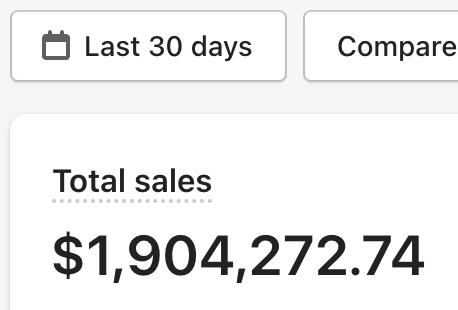
1. Channel.
Understand which channels are performing best.
For example, paid search may have higher conversion than YouTube, but YouTube may still play a role in the eventual sale.
Analyze the data and allocate your budget to the right channels.
Understand which channels are performing best.
For example, paid search may have higher conversion than YouTube, but YouTube may still play a role in the eventual sale.
Analyze the data and allocate your budget to the right channels.
2. Budget.
Allocate budgets to areas where you need to be more competitive.
E.g., Your brand is losing impression share to competitors due to budget. Allocate extra funds to defend those keywords.
Allocate budgets to areas where you need to be more competitive.
E.g., Your brand is losing impression share to competitors due to budget. Allocate extra funds to defend those keywords.
3. Hour of Day & Day of Week
Analyze the data and find high-performing periods.
Set up campaigns to run during these times of the day and days of the week.
Don’t set and forget, though. Seasons of the year can affect these.
Analyze the data and find high-performing periods.
Set up campaigns to run during these times of the day and days of the week.
Don’t set and forget, though. Seasons of the year can affect these.
4. Location Adjustments
Different locations perform based on demographics.
Access the User Location or Geographic Report.
Then bid down or exclude poorer performing locations.
Optimize for locations with the strongest conversion performance.
Different locations perform based on demographics.
Access the User Location or Geographic Report.
Then bid down or exclude poorer performing locations.
Optimize for locations with the strongest conversion performance.
5. Negative Keywords
Analyze your search query reports to identify irrelevant search queries.
Add these as negative keywords to your campaigns.
This helps you save on paying for traffic that is unlikely to convert.
Analyze your search query reports to identify irrelevant search queries.
Add these as negative keywords to your campaigns.
This helps you save on paying for traffic that is unlikely to convert.
6. Keywords
Review which keywords are performing well and make any necessary bid adjustments.
E.g., A Camping store, review the performance of a keyword such as “camping tents”.
If the keyword isn’t performing despite bid adjustments, remove it.
Review which keywords are performing well and make any necessary bid adjustments.
E.g., A Camping store, review the performance of a keyword such as “camping tents”.
If the keyword isn’t performing despite bid adjustments, remove it.
7. Landing Pages
Landing pages are the gateway to sales.
Use analytics and behaviour-tracking apps.
Find where people are losing interest.
Optimise these points for more sales.
Landing pages are the gateway to sales.
Use analytics and behaviour-tracking apps.
Find where people are losing interest.
Optimise these points for more sales.
8. Ad Copy
Optimize ad copy for relevance and engagement.
Include keywords in the ad copy that apply to the product and the search query.
A/B test headlines, descriptions and CTAs to drive better click-through rates.
Optimize ad copy for relevance and engagement.
Include keywords in the ad copy that apply to the product and the search query.
A/B test headlines, descriptions and CTAs to drive better click-through rates.
9. Device
Different devices can have different conversion rates.
Keep in mind the devices your target audience is more likely to use.
For example, older targets are more likely to buy from their office desktop as opposed to a mobile device.
Different devices can have different conversion rates.
Keep in mind the devices your target audience is more likely to use.
For example, older targets are more likely to buy from their office desktop as opposed to a mobile device.
10. Audiences
Add audiences at the Observation level to your campaigns.
This can help adjust your campaign targeting to people more likely to convert.
Add audiences at the Observation level to your campaigns.
This can help adjust your campaign targeting to people more likely to convert.
A good idea is to add an audience list of individuals who have converted. This adjusts your campaign to find lookalike people who are more likely to convert.
11. Match Type Strategy
Analyze how your:
- Exact
- Phrase
- Broad
terms are performing in terms of cost and conversions.
E.g., if exact matches are too expensive on certain terms, choose a phrase match to still target your desired query without breaking the bank.
Analyze how your:
- Exact
- Phrase
- Broad
terms are performing in terms of cost and conversions.
E.g., if exact matches are too expensive on certain terms, choose a phrase match to still target your desired query without breaking the bank.
TLDR;
11 Things You Can Optimize in Your Google ads campaigns:
Hour of Day & Day of Week
Match Type Strategy
Negative Keywords
Landing Pages
Audiences
Location
Keyword
Channel
Ad Copy
Budget
Device
11 Things You Can Optimize in Your Google ads campaigns:
Hour of Day & Day of Week
Match Type Strategy
Negative Keywords
Landing Pages
Audiences
Location
Keyword
Channel
Ad Copy
Budget
Device
That’s everything.
If you liked this thread:
1. Follow me @blvckledge for more
2. RT the tweet below to show some love
Thanks for reading!
If you liked this thread:
1. Follow me @blvckledge for more
2. RT the tweet below to show some love
Thanks for reading!
Loading suggestions...